


Type: Physiotherapy
Acupuncture Needles with Guide Tube (Pack of 100)


Type: Accessories
EACU Accupuncture and Dry Needle 4 Sizes Combo Pack (400 Needles)
Type: Accupressure
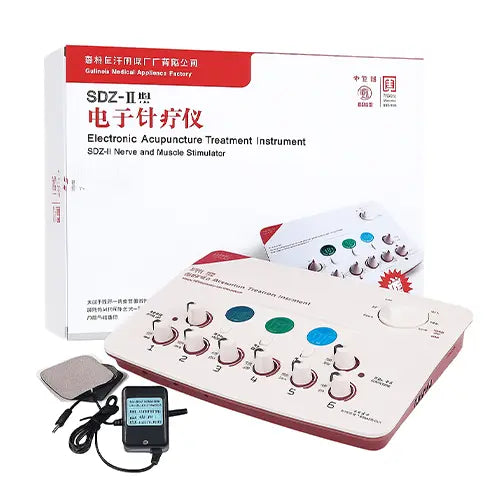
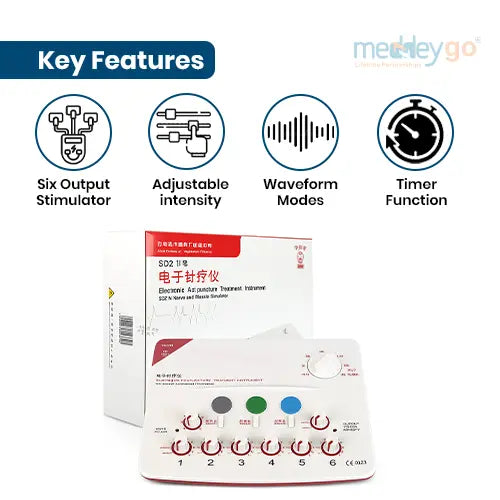
Acupuncture Stimulator Machine
Collection:
Benefits of Acupuncture for Pain Relief

Acupuncture involves the insertion of thin needles into specific points on the body, known as acupuncture points, to balance the body's energy flow or "Qi." This practice is believed to stimulate nerves, muscles, and connective tissue, boosting the body's natural painkillers and increasing blood flow.
The Origins and Philosophy
Acupuncture is a cornerstone of traditional Chinese medicine, with a history dating back over 2,500 years. It's built on the concept of Qi, or vital energy, which flows through the body along pathways called meridians. The philosophy is that disease and pain arise from imbalances or blockages in this energy flow, and acupuncture seeks to restore balance by clearing these blockages.
How Works Scientifically
From a modern scientific perspective, acupuncture is thought to work through several mechanisms. It stimulates the release of endorphins and other neurotransmitters, which help modulate pain. Additionally, acupuncture may influence the autonomic nervous system, affecting blood flow and immune responses, thereby promoting healing and reducing inflammation.
What is Acupuncture Therapy?
Acupuncture therapy is a holistic approach that treats various ailments by focusing on body balance. It's not only used for pain relief but also for treating conditions like migraines, anxiety, and digestive issues. The therapy involves a detailed assessment by a qualified acupuncture practitioner who identifies the specific points that need stimulation.
The Role of the Acupuncturist
A trained acupuncturist plays a vital role in the therapy process. They assess the patient's overall health, understand their symptoms, and develop a personalized treatment plan. The practitioner's skill in selecting the appropriate acupuncture points and techniques significantly impacts the treatment's effectiveness and the patient's experience.
Conditions Treated
Acupuncture is versatile in its applications, treating a wide range of conditions beyond pain. For instance, it is used to alleviate symptoms of respiratory disorders, menstrual issues, and even infertility. The therapy's holistic nature allows it to address both physical and emotional aspects of a condition, promoting comprehensive healing.
Techniques and Points
There are numerous acupuncture techniques, each targeting different pain points and conditions. For instance, the k10 point is often used for knee pain, while the lu 11 acupuncture point is targeted for throat issues. Similarly, the sp9 acupuncture point is beneficial for digestive health.
Acupuncture Techniques
- Traditional Needle Technique: This involves inserting needles into specific points to stimulate nerves and muscles. The depth and angle of insertion can vary depending on the condition being treated and the desired effect.
- Electroacupuncture: A modern twist, where electrical currents are passed through the needles to enhance the stimulation effect. This technique can provide a stronger stimulus and is often used for muscle pain and neurological conditions.
- Cupping and Moxibustion: Though not needle-based, these techniques are often used alongside acupuncture to improve blood circulation and enhance treatment outcomes. Cupping involves creating suction on the skin, while moxibustion involves burning herbs near the skin to apply heat.
Points
Acupuncture points are strategically located on the body. Each point corresponds to a specific organ or function, facilitating targeted therapy. Understanding these points and their functions can significantly enhance the effectiveness of the treatment.
Each acupuncture point has a unique role and effect on the body. For example, the LI4 point on the hand is often used for headache relief, while the ST36 point on the leg is known for boosting energy and immune function. Mastering the use of these points allows practitioners to address a wide range of health issues effectively.
Mapping the Meridian System
The meridian system is akin to a network of energy highways throughout the body. Acupuncturists map these pathways to determine the best points for treatment. Understanding the meridian system is crucial for addressing systemic issues and ensuring a holistic approach to healing.
Myths and Realities

Despite its growing popularity, acupuncture is surrounded by myths. One common misconception is that acupuncture is painful, which deters many from trying it. In reality, when performed by skilled practitioners, acupuncture is generally painless and can be deeply relaxing.
Debunking Myths
Misconceptions about acupuncture often stem from a lack of understanding. For instance, many believe that acupuncture needles are akin to hypodermic needles used in injections, leading to fears about pain. In truth, acupuncture needles are much thinner and flexible, designed to minimize discomfort.
Acupuncture Beyond Pain Relief
Another myth is that acupuncture is only effective for pain relief. While it excels in this area, acupuncture also supports overall wellness by reducing stress, boosting immunity, and improving sleep quality. Its benefits extend to mental health, as it can alleviate anxiety and depression symptoms.
Cultural Misunderstandings
Cultural perceptions of acupuncture can also contribute to misunderstandings. In some cultures, acupuncture is viewed with skepticism due to its origins in traditional medicine. Educating patients about its scientific basis and proven benefits can help overcome these barriers.
Benefits of Acupuncture for Pain Relief
Effective Pain Management
Acupuncture is particularly effective in managing chronic pain conditions such as arthritis, migraines, and lower back pain. By targeting specific points, acupuncture can reduce inflammation and promote healing.
Addressing Diverse Pain Conditions
Acupuncture's versatility allows it to address various pain conditions, from acute injuries to chronic illnesses. Its ability to tailor treatment to the individual's needs makes it a valuable tool in personalized pain management strategies.
Complementary to Conventional Treatments
Acupuncture can be used alongside conventional medical treatments to enhance pain relief. For instance, patients undergoing surgery or chemotherapy may find that acupuncture helps manage side effects and improves overall recovery.
Reduced Dependency on Medication
One of the most significant benefits of acupuncture is its ability to reduce reliance on pain medications. This is especially important in the context of the opioid crisis, where finding alternative pain management strategies is critical.
Supporting the Fight Against Opioid Dependence
Acupuncture offers a non-pharmacological alternative that can help reduce the need for opioids and other painkillers. By providing effective pain relief without the risk of addiction, acupuncture plays a crucial role in addressing the opioid crisis.
Tailoring Drug-Free Pain Management Plans
Healthcare providers can incorporate acupuncture into comprehensive pain management plans that minimize drug use. This approach not only reduces medication side effects but also empowers patients to take an active role in their health.
Enhancing Overall Well-being
Emotional and Psychological Benefits
Acupuncture's effects extend to mental health, offering relief from anxiety, depression, and stress-related disorders. By promoting relaxation and balance, it supports emotional resilience and well-being.
Improving Quality of Sleep
Many patients report improved sleep patterns after acupuncture treatment. By addressing underlying issues such as stress and pain, acupuncture can lead to more restful and restorative sleep, further enhancing quality of life.
Modern Healthcare
As healthcare continues to evolve, integrating traditional practices like acupuncture can offer comprehensive pain management solutions. For hospital administrators, incorporating acupuncture into pain management programs can enhance patient care and satisfaction.
Integrating Acupuncture into Healthcare Systems
Many healthcare systems are recognizing the value of acupuncture as part of an integrative approach to treatment. By combining it with conventional therapies, healthcare providers can offer more holistic care that addresses both symptoms and root causes of illness.
Training and Certification for Healthcare Professionals
For acupuncture to be effectively integrated, healthcare professionals need access to training and certification programs. Ensuring that practitioners are well-trained is crucial for maintaining high standards of care and patient safety.
Physiotherapy Nearby
For those seeking acupuncture treatment, finding qualified practitioners is crucial. Searching for "Acupuncture Physiotherapy Nearby" can help patients locate reputable clinics that offer these services, ensuring they receive safe and effective treatment.
Ensuring Access to Quality Care
Building Networks of Practitioners
Healthcare facilities can build networks of acupuncture practitioners to broaden the range of services offered to patients. Collaborating with skilled acupuncturists allows for more comprehensive care and better patient outcomes.
Strategic Positioning in the Market
For medical equipment distributors and healthcare technology consultants, understanding acupuncture's role in modern healthcare can open new avenues for product distribution and client advisory. The demand for quality acupuncture equipment and training for practitioners is on the rise, presenting an opportunity to expand market offerings.
Identifying Market Opportunities
With the growing acceptance of acupuncture, there's an increasing need for high-quality acupuncture equipment. Distributors can capitalize on this by providing reliable and advanced tools to healthcare facilities.
Expanding Product Lines
Medical equipment distributors can expand their product lines to include a variety of acupuncture tools, from traditional needles to modern electroacupuncture devices. Offering a diverse range of products meets the varying needs of healthcare providers and practitioners.
Building Partnerships with Healthcare Facilities
Forming partnerships with healthcare facilities can enhance market penetration. By understanding the specific needs of hospitals and clinics, distributors can offer tailored solutions that support the integration of acupuncture into pain management programs.
Technological Advancements
Keeping abreast of technological advancements in acupuncture can also offer a competitive edge. Innovations such as digital acupuncture point locators and enhanced needle designs can improve treatment efficacy and patient comfort.
Embracing Innovation
Emerging technologies are transforming acupuncture practice, making treatments more precise and effective. Staying informed about these innovations allows healthcare providers and distributors to offer state-of-the-art solutions that enhance patient care.
Investing in Research and Development
Investing in research and development can drive further advancements in acupuncture technology. By supporting studies and product development, companies can contribute to the evolution of acupuncture practices and improve patient outcomes.
Conclusion
Acupuncture is a valuable addition to the pain management toolkit, offering effective, non-pharmacological solutions for various conditions. By understanding its benefits and integrating it into healthcare practices, professionals in the healthcare industry can improve patient outcomes and explore new business opportunities. Whether you're enhancing patient care delivery, optimizing procurement strategies, or advising clients on the latest healthcare trends, acupuncture offers a promising pathway to achieving these goals.
Q&A
Question: How does acupuncture relieve pain from both traditional and scientific perspectives?
Short answer: Traditionally, acupuncture is said to rebalance the body’s Qi by stimulating specific points along meridians, clearing blockages that cause pain and illness. Scientifically, it’s thought to trigger the release of endorphins and other neurotransmitters, influence the autonomic nervous system, and improve blood flow and immune responses—mechanisms that reduce inflammation, modulate pain signals, and promote healing.
Question: Is acupuncture painful, and what makes it feel different from injections?
Short answer: When performed by a skilled practitioner, acupuncture is generally not painful and can be deeply relaxing. Unlike hypodermic needles used for injections, acupuncture needles are much thinner and more flexible, designed to minimize discomfort—helping dispel the common myth that acupuncture hurts.
Question: What conditions beyond pain can acupuncture help address?
Short answer: While effective for chronic pain such as arthritis, migraines, and lower back pain, acupuncture is also used for migraines, anxiety, digestive issues, respiratory disorders, menstrual problems, and even infertility. It supports overall wellness by reducing stress, boosting immunity, improving sleep quality, and offering emotional and psychological benefits, including relief from anxiety and depression symptoms.
Question: What are the main acupuncture techniques and key points used in treatment?
Short answer: Core techniques include traditional needle insertion, electroacupuncture (adding gentle electrical stimulation for a stronger effect), and adjunct methods like cupping and moxibustion to enhance circulation and outcomes. Commonly referenced points include LI4 (headache relief), ST36 (energy and immune support), K10 (knee pain), LU11 (throat issues), and SP9 (digestive health), each chosen based on a personalized assessment.
Question: How is acupuncture integrated into modern healthcare, and how can it reduce reliance on opioids?
Short answer: Healthcare systems increasingly combine acupuncture with conventional treatments to deliver holistic care—supporting surgical recovery, managing chemotherapy side effects, and addressing root causes alongside symptoms. By providing effective, non-pharmacological pain relief, acupuncture can reduce dependency on pain medications, aiding efforts to address the opioid crisis. Successful integration relies on well-trained, certified practitioners and building networks that ensure access to high-quality care.