


Type: Modalities
Portable 2 Channel TENS Machine Pain Relief 1 Year Warranty


Type: Modalities
Medansh Ultrasonic Physiotherapy Machine – Compact Mini Ultrasound Therapy Device for Pain Relief (1 Year Warranty)

Type: Modalities
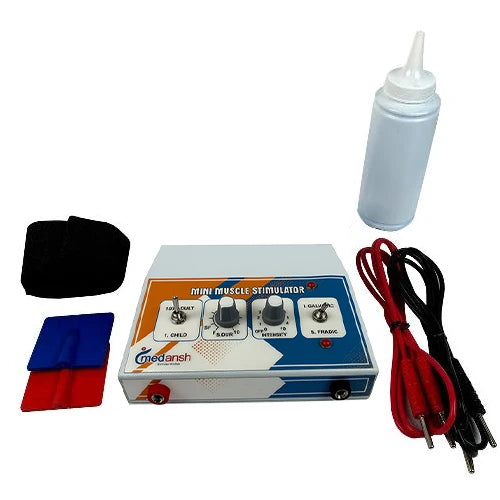
Medansh Portable Muscle Stimulator Electrotherapy device for muscle strengthening with 1 year warranty
Type: Modalities
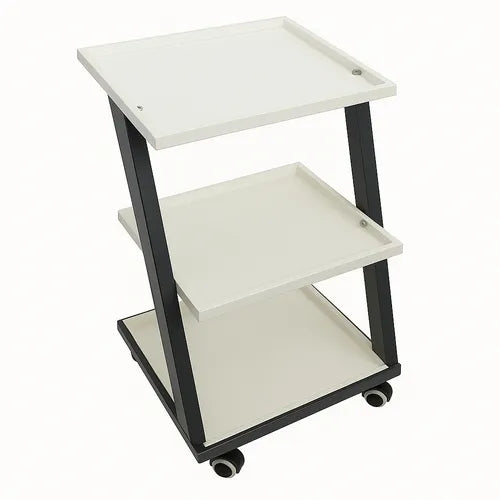
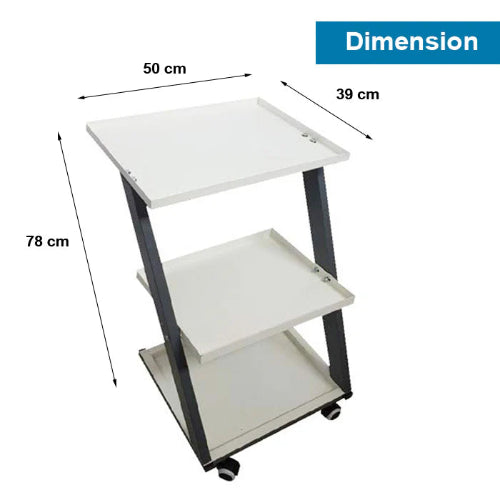
Medansh Z Trolley
Type: Modalities
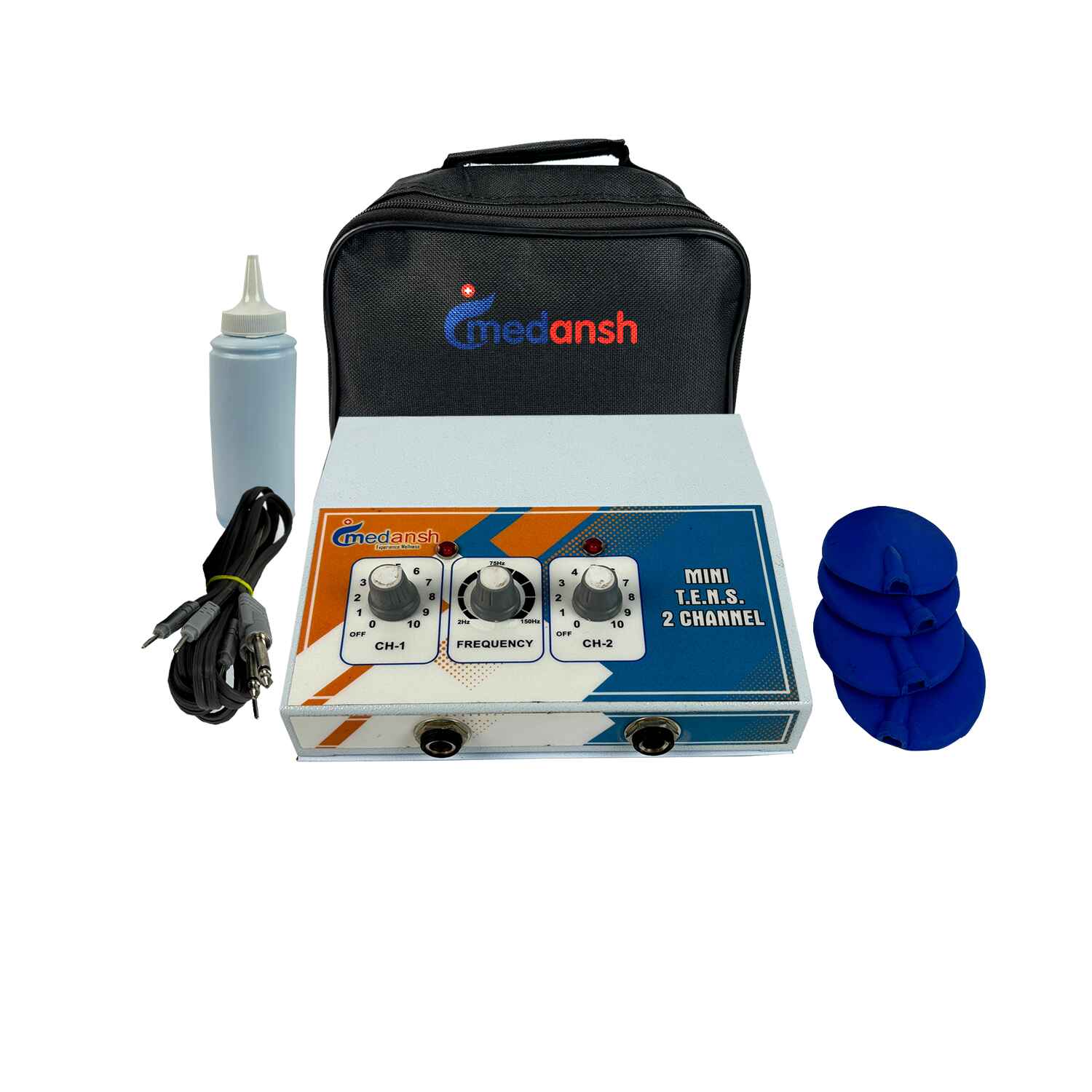
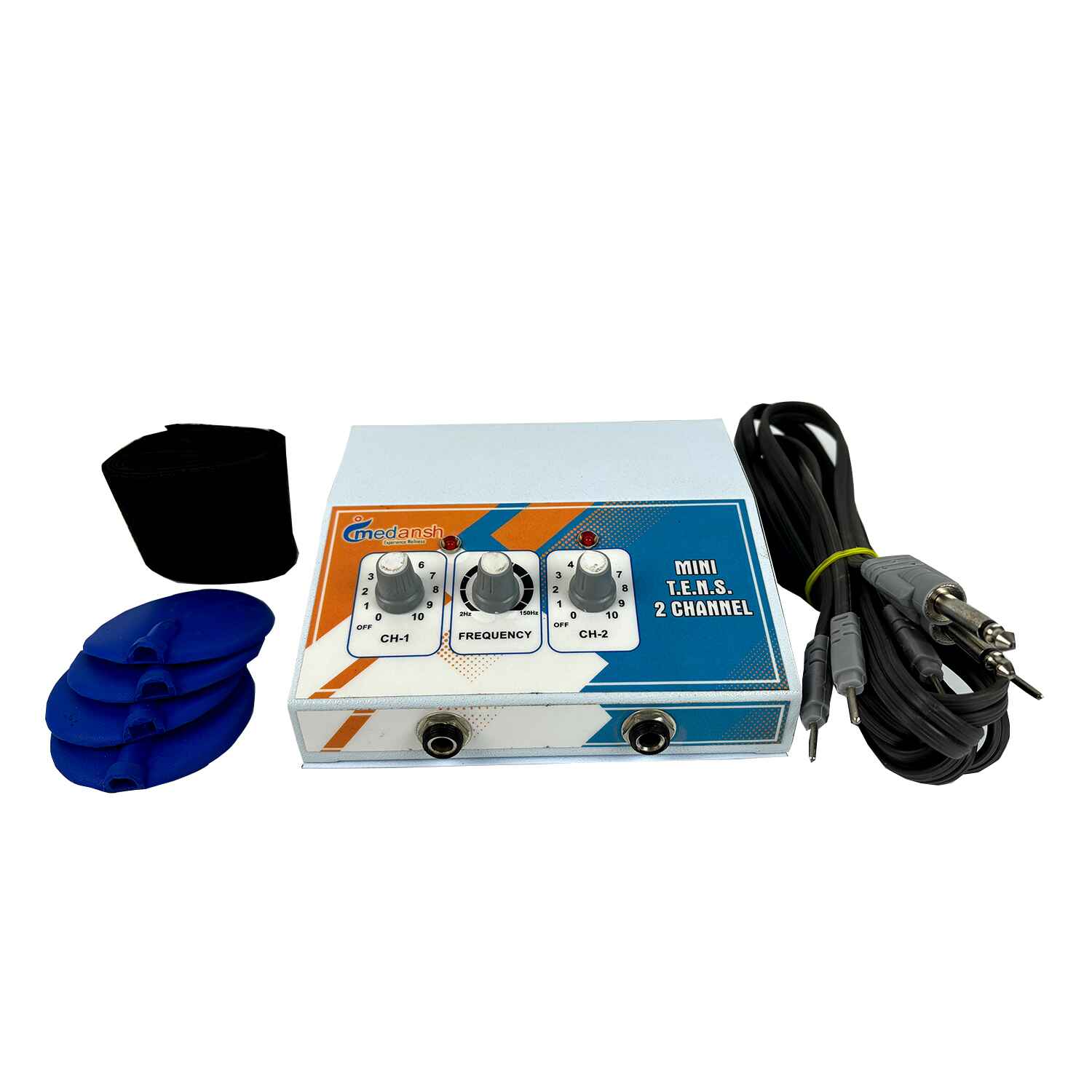
Medansh Portable TENS 2 channel Electrotherapy device for Pain Relief with 2 Year Warranty


Type: Modalities
TENS MS Combo Machine 2 Channel for Pain Relief
Type: Modalities
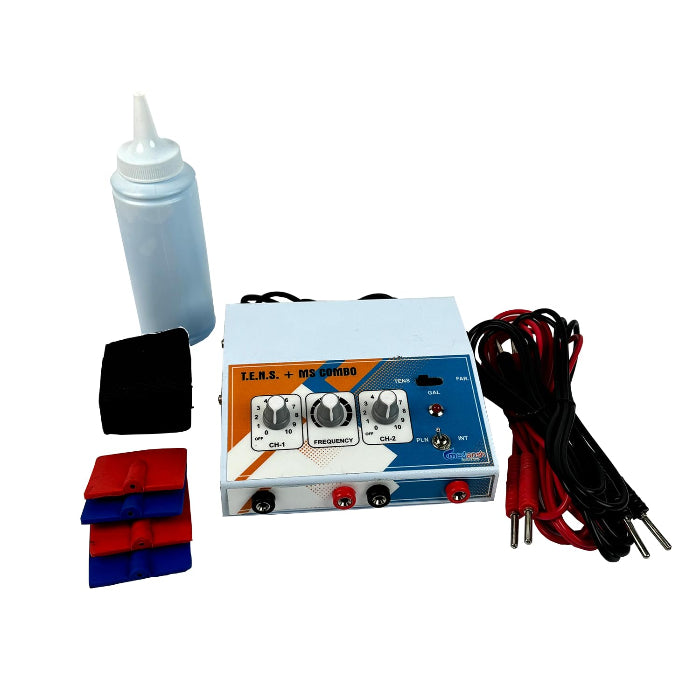
Mini Tens 2 Channel and Muscle Stimulator Machine with 2 Year Warranty


Type: Modalities
3 in 1 TENS Machine 4 Channel Ultrasonic Deep Heat Therapy Combo Units


Type: Modalities
Medansh Portable EMS Machine with 2 Channel TENS for Pain Relief


Type: Modalities
Medansh Muscle Stimulator Machine for Physiotherapy & Rehabilitation


Type: Modalities
Medansh Mini Ultrasonic Machine With 2 Year Warranty
Type: Modalities
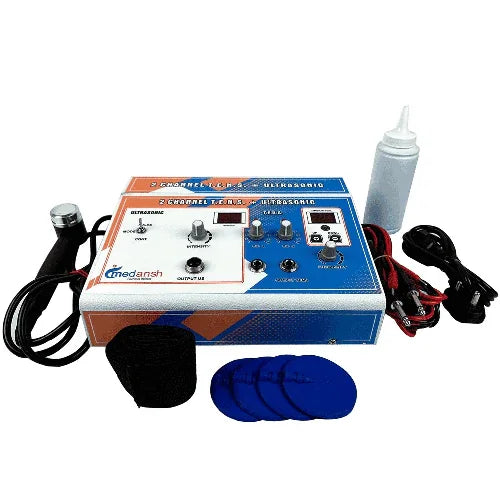
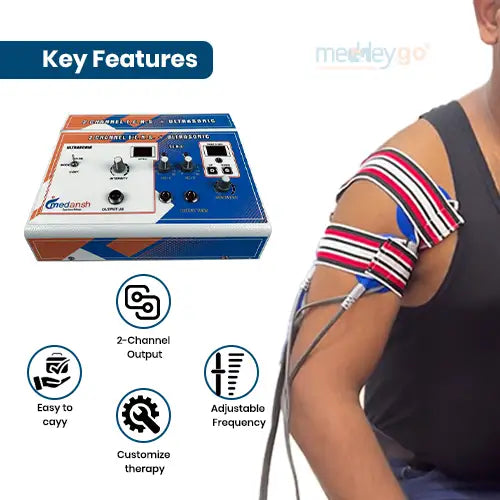
Medansh Ultrasonic TENS Machine 2 Channel 1MHz with 1 year warranty


Type: Modalities
Medansh Delux Digital Ultrasonic Machine with 2 year warranty


Type: Modalities
TENS 2 channel Combo Machine with Ultrasonic Therapy

Type: Modalities
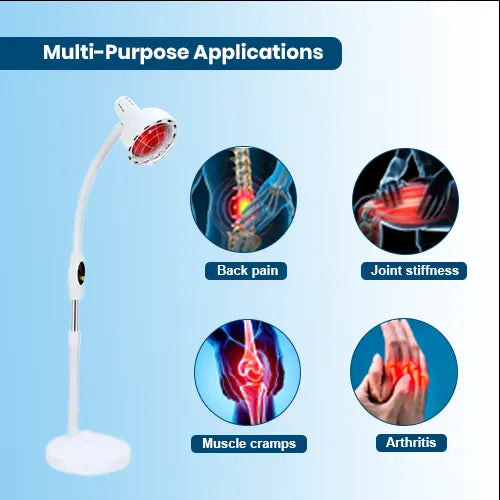
Medansh Infrared Lamp with stand
Collection:
Physical Therapy
Benefits of Physical Therapy for Recovery
Physical therapy is a powerful tool for recovery. It helps people regain strength and mobility after injuries or surgeries.
This therapy is not just for athletes or those with sports injuries. It benefits anyone looking to improve their physical health.
Physical therapy involves various techniques. These include strength training, flexibility routines, and posture correction.
Each session is tailored to the individual's needs. This personalized approach ensures effective recovery and pain management.
Therapists use therapeutic techniques to address specific conditions. These can range from disc herniation to chronic pain management.
Physical therapy also plays a role in managing chronic conditions. It supports those with arthritis, fibromyalgia, and other long-term health issues.
The goal is to enhance quality of life. By improving mobility and reducing discomfort, physical therapy empowers individuals.
Whether recovering from an injury or managing a chronic condition, physical therapy offers a path to better health.
What Is Physical Therapy?
Physical therapy is a healthcare practice focused on restoring movement and function. It caters to individuals suffering from injuries, illnesses, or disabilities.
This therapy involves assessing physical conditions to design personalized treatment plans. These plans aim to relieve pain and improve mobility.
One key component of physical therapy is exercise. Therapists prescribe exercises that strengthen muscles and improve flexibility.
These exercises range from simple motions to complex strength training. They are designed to suit each person's unique needs.
Physical therapists use diverse therapeutic techniques, which may include:
-
Manual therapy
-
Stretching exercises
-
Balance and coordination training
-
Posture correction techniques

Moreover, physical therapy is not limited to recovering from injuries. It plays a significant role in preventing future injuries and enhancing physical performance.
In essence, physical therapy combines science and care. It promotes physical well-being through a tailored, hands-on approach. By addressing each patient's specific needs, physical therapy empowers individuals to regain control over their physical health.
How Physical Therapy Supports Recovery
Physical therapy plays a crucial role in the recovery process. It fosters healing by addressing both pain and functional limitations.
Therapists tailor treatment plans to individual needs. This customization ensures effective recovery and a return to daily activities.
The primary focus is on restoring mobility and reducing discomfort. By employing targeted exercises, therapists help regain movement and function.
An essential part of therapy is pain management. Techniques such as heat therapy, ice application, and electrical stimulation alleviate pain.
Therapeutic approaches in physical therapy may include:
-
Strength and conditioning exercises
-
Flexibility routines
-
Manual therapy techniques
-
Posture and alignment training

Education is also an integral component. Physical therapists teach patients how to manage their conditions and prevent further injury.
Therapists guide patients through various rehab exercises. These exercises are designed to strengthen weakened areas and improve balance.
Moreover, physical therapy extends beyond recovery. It helps develop strategies for maintaining long-term health and wellness.
Through physical therapy, patients gain the knowledge and tools needed for continuous improvement. This empowers them to make informed decisions about their health.
Ultimately, physical therapy bridges the gap between injury and full recovery. By comprehensively addressing pain, function, and education, it supports a holistic approach to healing.
Key Benefits of Physical Therapy
Physical therapy offers a multitude of benefits for individuals undergoing recovery. Its holistic approach addresses pain relief, functional restoration, and health improvement.
A vital benefit is its role in pain management. By using various techniques, therapists significantly reduce pain and discomfort. This is achieved through methods like electrical stimulation and manual therapy.
Another advantage is enhanced mobility. Physical therapy programs often include exercises that improve both flexibility and range of motion. These exercises facilitate better movement and prevent stiffness.
Rehabilitation through physical therapy also strengthens the body. Therapists design workouts tailored to build muscle strength and endurance. This strengthens weak areas, making daily activities easier to perform.
Therapy also aids in posture correction and body mechanics. By teaching patients proper body alignment, it alleviates back pain and improves overall posture. Improved posture further reduces the likelihood of future injuries.
Additional benefits of physical therapy include:
-
Prevention of future injuries
-
Enhanced balance and coordination
-
Better quality of life
-
Reduced reliance on medications
-
Increased physical activity
Patient education is a cornerstone of physical therapy. It empowers individuals with knowledge to manage their health independently. By understanding their condition better, patients can make informed choices for long-term wellness.
Lastly, physical therapy's versatility ensures it caters to varied populations. Whether dealing with sports injuries, chronic conditions, or post-surgical recovery, therapy proves beneficial. Its adaptability allows for personalized treatment plans, addressing individual health goals.
Pain Management and Relief
Pain is a common concern for those in recovery. Physical therapy effectively addresses this issue with a multi-faceted approach. Therapists utilize an array of techniques to tackle pain at its source.
Common methods for pain relief include:
-
Ice and heat therapy
-
Electrical stimulation
-
Therapeutic massage

by yury kirillov (https://unsplash.com/@relievemassage)
Ice and heat therapy ease inflammation and improve circulation. This dual approach promotes healing and eases discomfort. Electrical stimulation, on the other hand, targets nerve endings, helping interrupt pain signals. Additionally, therapeutic massage reduces muscle tension and promotes relaxation.
Manual therapy is also frequently used for pain management. By applying specific hands-on techniques, therapists relieve stiffness and improve joint flexibility.
Education plays a vital role in managing pain. Therapists often teach patients pain management strategies for home use. Such strategies support ongoing comfort and recovery outside clinical settings.
By addressing both the symptoms and underlying causes of pain, physical therapy provides comprehensive relief. In turn, this makes daily activities more manageable and reduces the need for pain medications.
Injury Recovery and Prevention
Recovering from an injury requires a thoughtful approach. Physical therapy stands out as a key facilitator in this process. It focuses on both rehabilitation and injury prevention.
Effective recovery begins with a thorough assessment. Physical therapists evaluate the injury to formulate a targeted plan. This plan promotes healing and addresses specific limitations.
Therapists implement diverse exercises to enhance strength and flexibility. These customized routines restore function and accelerate recovery.
Key elements of injury recovery include:
-
Targeted strengthening exercises
-
Balance and coordination improvement
-
Flexibility and joint health enhancement

Preventive measures are as vital as recovery. Through physical therapy, individuals learn techniques to reduce the risk of further injury. Education on safe movement and ergonomics minimizes re-injury chances.
Manual therapy also aids recovery by addressing musculoskeletal limitations. This hands-on approach reduces pain and enhances motion, facilitating quicker healing.
Overall, physical therapy supports injury recovery by restoring movement and preventing setbacks. Its integrative approach allows for a smooth return to normal life activities.
Mobility Improvement and Flexibility Routines
Mobility is crucial for independence and daily activities. Physical therapy offers effective strategies to improve mobility. Through targeted exercises, it enhances flexibility and range of motion.
Flexibility routines are central to mobility improvement. These exercises alleviate stiffness and increase joint mobility. Stretching, for example, is a simple yet powerful tool used by therapists.
Common flexibility exercises include:
-
Dynamic stretching
-
Yoga-based routines
-
Range of motion exercises

Dynamic stretching prepares muscles for movement and reduces the risk of strain. Meanwhile, yoga-based routines improve balance and overall flexibility.
Physical therapy often incorporates range of motion exercises. These activities focus on moving joints through their full extent, promoting full function.
Manual therapy plays a complementary role. By addressing muscular imbalances and tension, it supports improved mobility.
Education ensures patients maintain their mobility gains. Therapists instruct on home exercises tailored to each individual’s needs, offering ongoing benefit.
Effective mobility programs enhance quality of life. They enable individuals to engage in activities with greater freedom and less discomfort.
Strength Training and Rehab Exercises
Strength is essential for physical resilience. Physical therapy incorporates strength training into recovery plans. This approach rebuilds muscle and restores function.
Custom rehab exercises target specific muscle groups. These exercises improve endurance, preparing the body for daily demands.
Key components of strength training in physical therapy involve:
-
Resistance exercises
-
Core strengthening activities
-
Functional movement practices

Resistance exercises use weights or bands, focusing on muscle reinforcement. Core strengthening activities stabilize the trunk, enhancing overall balance.
Functional movement practices mimic daily tasks. This encourages a practical and swift return to routine activities.
Rehabilitation exercises form the backbone of therapy. They guide patients through a structured progression toward full recovery.
Education is fundamental. Physical therapists educate patients on safe exercise techniques. This knowledge minimizes injury risk and supports long-term fitness goals.
Through intentional strength work, physical therapy fosters robust recovery. It builds a resilient body, prepared to meet life’s physical challenges.
Posture Correction and Body Mechanics
Proper posture is foundational for health. Physical therapy addresses posture correction, improving body mechanics and reducing pain.
Poor posture can lead to discomfort and long-term injuries. Physical therapists assess posture and identify areas for improvement.
Therapists tailor programs to enhance alignment. Core strengthening and ergonomic training are vital components.
Key elements of posture correction include:
-
Core strengthening exercises
-
Ergonomic education
-
Stretching routines

Core exercises support the spine, reducing back pain. Ergonomic education involves teaching safe and efficient body movements for daily tasks.
Stretching increases flexibility, further promoting correct posture. Education is integral, empowering patients with knowledge on proper body mechanics.
Proper posture reduces stress on muscles and joints. This not only alleviates existing pain but also prevents future issues.
With a focus on alignment and movement efficiency, physical therapy enhances overall function. It creates a foundation for a healthy, active lifestyle.
Specialized Physical Therapy Approaches
Physical therapy is diverse, catering to various needs through specialized approaches. Each method targets specific challenges, optimizing recovery and health outcomes.
Sports therapy is one such specialized branch. It focuses on athletes, enhancing performance and preventing injuries. This approach involves detailed assessments and sport-specific training routines.
Cystic fibrosis chest physical therapy is another vital specialty. It aids individuals by clearing mucus from the lungs, improving respiratory function. Specialized techniques and exercises are used to achieve this.
For spinal issues, disc herniation treatment physical therapy is a tailored solution. Exercises in this therapy focus on alleviating pain and enhancing spinal health. These strategies are designed to support daily activities safely.
Physical therapy also plays a role in managing chronic pain conditions. For example, Reflex Sympathetic Dystrophy (RSD) benefits from customized therapy programs. These programs aim to enhance limb function and minimize discomfort.
Specialized physical therapy approaches can include:
-
Athletic performance enhancement
-
Respiratory therapy for pulmonary conditions
-
Spinal health and pain management
-
Functional improvement for chronic conditions

by Ozkan Guner (https://unsplash.com/@dentistozkanguner)
Each approach emphasizes patient-specific goals. Through careful assessment and planning, therapists design interventions that address unique needs. This customization ensures effective recovery and long-term health benefits. By applying the right techniques, physical therapy supports diverse populations, facilitating optimal recovery.
Sports Therapy for Athletes
Athletes have unique demands, and sports therapy caters directly to these. This specialized therapy focuses on performance optimization and injury prevention.
Sports therapy is not just for recovery; it enhances athletic abilities. It includes specialized training routines that bolster strength, flexibility, and endurance. These exercises are tailored to the athlete's specific sport.

Key components of sports therapy include:
-
Sport-specific training drills
-
Injury prevention strategies
-
Post-injury rehabilitation plans
Therapists in this field conduct thorough assessments to understand each athlete's needs. This ensures exercises are aligned with their sporting activities.
Preventive measures are crucial. Therapists educate athletes on proper techniques and body mechanics, reducing injury risk. This education extends to understanding the importance of rest and recovery to optimize performance.
Sports therapy thus encompasses a holistic approach. It not only rehabilitates injuries but also elevates athletic performance. Athletes benefit significantly, reaching their peak capabilities while minimizing downtime.
Cystic Fibrosis Chest Physical Therapy
For individuals with cystic fibrosis, breathing can be challenging. Chest physical therapy offers essential support. This approach focuses on clearing mucus from the lungs, improving respiratory health.
Therapists use specialized techniques such as percussion and postural drainage. These methods aid in mucus removal, enhancing lung function. Patients are also taught breathing exercises to maintain respiratory health.

Cystic fibrosis chest physical therapy involves:
-
Percussion and vibration techniques
-
Controlled breathing exercises
-
Mucus clearance strategies
Education is crucial, ensuring patients continue effective practices at home. Regular therapy sessions improve oxygenation and reduce infection risks.
By easing respiratory challenges, this therapy enhances quality of life. Individuals experience fewer symptoms and greater ease in daily activities.
Disc Herniation Treatment Physical Therapy
Disc herniation can significantly impact mobility and comfort. Physical therapy provides a non-invasive solution. This specialized treatment focuses on pain reduction and spinal health improvement.
Therapists assess patients to create individualized exercise plans. These plans aim to relieve pain and strengthen surrounding muscles, supporting the spine.

by philippe spitalier (https://unsplash.com/@spit)
Disc herniation treatment physical therapy typically includes:
-
Strengthening exercises for core stability
-
Flexibility routines to ease tension
-
Postural training to prevent further injury
Manual therapy may also be utilized to enhance spinal alignment and reduce discomfort. Patient education on proper body mechanics is essential for ongoing relief.
Through specialized interventions, physical therapy facilitates effective recovery. Patients regain confidence in their movement, enhancing daily function.
RSD and Physical Therapy
Reflex Sympathetic Dystrophy (RSD) presents unique challenges. Physical therapy offers tailored interventions to manage this condition. These therapies focus on pain relief and functional restoration.
Therapists employ a variety of techniques to minimize RSD symptoms. They work closely with patients, creating individualized rehabilitation strategies.

by Angels for Humanity (https://unsplash.com/@angels4humanity)
Key elements in RSD-focused therapy include:
-
Pain management through modalities
-
Range-of-motion exercises
-
Functional task training
Manual therapy is often used to address stiffness and discomfort. Education supports patients in self-managing their condition, promoting a proactive approach.
Through physical therapy, individuals with RSD can enhance their quality of life. They gain better control over symptoms and improved limb functionality. This specialized care empowers patients towards greater independence and comfort.
Therapeutic Techniques in Physical Therapy
Therapeutic techniques are pivotal in physical therapy. They encompass diverse methods, each tailored to address specific recovery goals. These techniques aid in pain relief, mobility enhancement, and functional restoration.
Therapists utilize an array of therapeutic modalities. These include heat and cold applications, which help manage pain and inflammation. Electrical stimulation is another tool, promoting muscle contraction and pain reduction.

by yury kirillov (https://unsplash.com/@relievemassage)
Some common therapeutic techniques in physical therapy are:
-
Modalities for pain management
-
Proprioceptive training for balance
-
Therapeutic exercises for strength and flexibility
Proprioceptive training enhances balance and coordination. It is critical for individuals recovering from injuries or surgeries. These exercises focus on improving body awareness and joint stability.
Therapeutic exercises address strength and flexibility deficits. They are customized to patients’ needs, ensuring optimal outcomes. Therapists guide patients through these routines, monitoring progress and adjusting plans accordingly.
Patient involvement is essential. Therapists educate individuals on maintaining and advancing their exercises. This education empowers patients, integrating physical therapy principles into everyday life. With a focus on comprehensive care, therapeutic techniques support holistic recovery and overall well-being.
Manual Therapy and Hands-On Approaches
Manual therapy involves hands-on techniques that manipulate muscles and joints. It is an essential component of physical therapy, offering targeted intervention for pain and dysfunction.
Therapists use various methods, including joint mobilization and soft tissue manipulation. These techniques reduce pain, enhance mobility, and improve circulation.

by Sergio Kian (https://unsplash.com/@sergiokian)
Key benefits of manual therapy include:
-
Pain reduction through targeted techniques
-
Improved joint mobility and function
-
Enhanced blood flow and muscle relaxation
This approach is tailored to each patient's specific needs. Therapists perform assessments to determine the best techniques for effective outcomes.
Manual therapy promotes body awareness, aiding recovery. It is often combined with other therapies for comprehensive care. The hands-on nature builds a connection between therapist and patient, fostering trust and collaboration.
By incorporating manual therapy, physical therapists provide a personalized touch. This method plays a crucial role in enhancing the efficacy of recovery plans.
The Role of Physical Therapy Aides and Assistants
Physical therapy aides and assistants are vital members of the healthcare team. They support therapists and ensure therapy sessions run smoothly. Their roles may differ, but both contribute significantly to patient care.

by Frederick Shaw (https://unsplash.com/@dropfastcollective)
Physical therapy aides typically handle non-clinical tasks. They set up equipment, assist with patient transport, and maintain cleanliness. These responsibilities help facilitate efficient and effective patient care.
Conversely, physical therapy assistants have more direct patient care duties. They work closely with therapists to carry out specific treatment plans. Their training allows them to perform exercises and monitor patient progress.
Aides and assistants work together to create a supportive environment. They enhance the quality of care by ensuring therapists can focus on patient outcomes. Collaboration is key, promoting a seamless patient experience.
Key tasks performed by aides and assistants include:
-
Equipment management and maintenance
-
Assisting patients with exercises
-
Documenting patient progress
Through their efforts, aides and assistants enable therapists to concentrate on specialized care. This teamwork leads to better recovery results and improved patient satisfaction.
Physical Therapy Aide Jobs and Responsibilities
Physical therapy aides play an essential role in clinical settings. Their duties primarily involve supporting therapists and patients.

by Ozkan Guner (https://unsplash.com/@dentistozkanguner)
Aides are responsible for maintaining treatment areas. They ensure equipment is functional and clean. This preparation is crucial for patient safety and comfort.
Their tasks are varied and essential. These include:
-
Organizing treatment spaces
-
Assisting patients to therapy rooms
-
Managing equipment and supplies
Aides also interact with patients, providing comfort and encouragement. They offer a friendly presence, enhancing the therapy experience. Their efforts contribute to a supportive, therapeutic environment.
Physical Therapy Assistant Salary and Career Outlook
Physical therapy assistants enjoy a promising career outlook. The demand for physical therapy services is rising, creating more job opportunities.

by Katherine Hanlon (https://unsplash.com/@tinymountain)
Assistant salaries vary based on factors like location and experience. The demand often results in competitive compensation packages.
Factors influencing salary levels include:
-
Geographic region
-
Years of experience
-
Specializations and certifications
Assistants who specialize in areas like sports therapy may earn higher salaries. Additionally, those working in urban centers often find more job opportunities and increased pay.
This career path offers growth potential and job stability. As healthcare needs expand, the demand for skilled assistants continues to rise. This ensures a bright and rewarding future for those entering the field.
Patient Education and Empowerment
Patient education is a cornerstone of effective physical therapy. Therapists dedicate time to educate patients on their conditions and treatment plans. This empowerment helps individuals take an active role in their recovery.

by Centre for Ageing Better (https://unsplash.com/@ageing_better)
Understanding the 'why' behind exercises and techniques fosters commitment. When patients comprehend their rehabilitation journey, they’re more likely to adhere to routines. This involvement can significantly improve outcomes and recovery times.
Therapists often provide guidance on lifestyle changes. These might include posture correction tips and home exercise routines. Such advice helps patients integrate therapeutic practices into daily life.
Key components of patient education include:
-
Detailed explanation of conditions
-
Instruction on exercise techniques
-
Guidance on lifestyle modifications
Empowered patients are proactive in their recovery. They make informed decisions about their health, leading to sustained improvements and enhanced quality of life. This approach builds confidence and independence, crucial for long-term wellness.
Physical Therapy for Chronic Conditions and Special Populations
Physical therapy plays a vital role in managing chronic conditions. It offers therapeutic techniques tailored to specific needs, helping alleviate symptoms. Many people with conditions like arthritis or fibromyalgia find significant relief through targeted exercises.

by Manny Becerra (https://unsplash.com/@mannyb)
For special populations, such as older adults or those with disabilities, physical therapy enhances mobility. It improves strength and coordination, crucial for daily activities. Therapists design individualized plans to suit each person's capabilities.
Chronic conditions benefit from a consistent approach. Regular sessions can reduce pain and improve function. This commitment boosts quality of life, keeping people active and engaged.
Specific therapeutic focuses include:
-
Pain management strategies
-
Mobility enhancement exercises
-
Personal care and safety guidelines
For those recovering from surgery, physical therapy aids in quicker recovery. It prevents complications by promoting movement and increasing circulation. In special populations, therapy offers hope and measurable improvements, contributing positively to both mental and physical health.
In summary, physical therapy provides holistic support. It is adaptable, making it beneficial for diverse groups with unique health challenges.
How to Get Started with Physical Therapy
Beginning physical therapy is straightforward. The first step involves a consultation with your healthcare provider. They can assess your needs and refer you to a qualified therapist.

by Judy Beth Morris (https://unsplash.com/@judy_beth_morris_idaho)
Once you have a referral, schedule an evaluation with a physical therapist. During this session, the therapist will assess your condition and set achievable goals. Together, you will create a personalized treatment plan.
Here are key steps to get started:
-
Obtain a referral from your doctor.
-
Schedule an initial evaluation.
-
Discuss your goals and concerns.
-
Establish a tailored therapy plan.
Starting therapy can feel daunting, but you're not alone. Therapists provide guidance and support throughout the process. Remember, consistency is key to achieving the best outcomes in physical therapy. Each session brings you closer to recovery and improved well-being.
Frequently Asked Questions About Physical Therapy
Physical therapy can raise many questions. Here are answers to some common inquiries.
What conditions can physical therapy treat? It addresses a wide range of issues, from injuries to chronic conditions like arthritis.

by CDC (https://unsplash.com/@cdc)
How long does a session last? Most sessions last between 30 to 60 minutes, depending on the treatment required.
Here's a quick overview of common questions:
-
What should I expect during my first session?
-
Do I need a referral to see a therapist?
-
How many sessions are typically needed for recovery?
How soon will I see results? Progress varies, but most patients notice improvements within a few sessions.
Consistency and communication with your therapist enhance recovery and result in effective therapy experiences.
Conclusion: Embracing Recovery Through Physical Therapy
Physical therapy offers a path to healing and empowerment. It encourages active participation in recovery, ensuring personalized care for every individual.
This therapeutic approach not only fosters physical well-being but also supports mental health. By managing pain and enhancing mobility, patients can experience enhanced quality of life.

by National Cancer Institute (https://unsplash.com/@nci)
Whether recovering from surgery or managing a chronic condition, physical therapy delivers numerous benefits. It provides tools and techniques that promote long-term health improvement.
Embrace physical therapy as a journey to recovery. By committing to therapy, you can achieve better function, reduced pain, and improved life quality. Trust in the process and work closely with your therapist to maximize these gains.