


Type: Hospital Beds
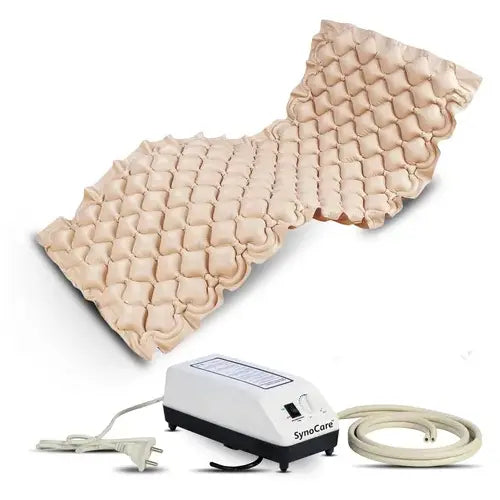
Tubular Anti-Decubitus Air Mattress with Air Pump CE Approved
Type: General
Anti Bedsore Bubble Air Mattress Portable - ROHS Compliant
Collection:
Benefits of Using an Air Mattress
Think your new air mattress has a leak? It probably doesn't. We've all had that sinking feeling---literally---of waking up at 3 a.m. in a deflating taco of a bed. But the real reason your brand-new mattress seems to lose air overnight often has nothing to do with a hole. In practice, the vinyl material simply needs to stretch and settle during its first few uses, a process that feels exactly like a slow leak.
Understanding this is the first step, but it doesn't solve the bigger question: how do you choose a great air mattress in the first place? When one blow-up mattress costs $40 and another costs $150, it's hard to know what you're actually paying for. The secret isn't just about spending more money; it's about knowing which features truly create a comfortable and reliable night's sleep.
A quality air mattress is built on three pillars: the pump system that determines its convenience, the height that affects how much it feels like a real bed, and---most importantly---the internal support structure that prevents that dreaded 3 a.m. sag. These are the details that separate a five-star guest experience from a night spent on the floor.
Whether you are looking for the best air mattress to impress your in-laws, a durable option for a weekend camping trip, or a temporary solution while you move, connecting these features to your real-world needs will help you find a mattress that stays inflated, feels supportive, and finally lets you---and your guests---sleep soundly through the night.

Summary
This guide shows how to choose and get the most from an air mattress by focusing on three pillars: pump convenience, mattress height, and internal support (coils or beams). It explains why new beds seem to deflate (material stretch and temperature), how to find and fix real leaks, and simple upgrades to boost comfort. You’ll learn when air mattresses are unsuitable for long-term sleep and which TPU models are better, how medical-grade systems prevent pressure ulcers, and the best cleaning and storage practices. A final checklist and FAQs help you buy and use with confidence.
Pump Power: Why a Built-In Pump is a Game-Changer for Convenience
Let's be honest: the last thing you want to do when guests arrive is hunt for a pump and spend ten minutes wrestling with a blow-up mattress. This is where an inflatable bed with a built-in pump is a true game-changer. These models have a small motor right inside the mattress. You simply plug it into a wall outlet, turn a dial, and watch it inflate to full firmness in about three to five minutes. No lost parts, no huffing and puffing.
The convenience doesn't stop at inflation. Most built-in pumps also have a deflate setting that actively sucks all the air out of the mattress. This makes folding it up tightly for storage incredibly easy---no more fighting to squeeze it back into its original bag. However, that convenience depends entirely on having access to electricity.
For camping or any situation without a nearby power outlet, an external pump is your best friend. These come in a few varieties: manual (hand or foot pumps), battery-operated, or separate plug-in electric models. A battery-powered pump is the clear winner for off-grid trips. To make the choice simple, here's a quick breakdown:
-
- Built-In PumpPros: Fast, convenient, can't be lost.
- Cons: Requires an outlet, makes the mattress heavier.
- External PumpPros: Works anywhere (if battery-powered), lightweight.
- Cons: Easy to misplace, often slower than a built-in.
Does Mattress Height Matter? How to Choose Between a Raised Bed and a Low-Profile One
After you've settled on a pump, the next big decision is mattress height. You'll notice air beds come in two main styles: low-profile (or single-height) , which are usually about 9-12 inches tall, and raised (or double-height), which sit 18-22 inches from the floor---much like a traditional bed. The difference is more than just cosmetic; it completely changes the experience of using the mattress.
A raised blow up mattress for guests is often the most comfortable and considerate choice for adults. Its taller profile makes getting in and out of bed significantly easier, which is a huge plus for anyone, but especially for older visitors or those with knee or back issues. It feels less like a temporary solution and more like a proper guest bed. As a welcome bonus, standard fitted sheets also tend to wrap more securely around these deeper mattresses.
On the other hand, a low-profile model is the undisputed champion of portability. Using less material means it's lighter and folds into a much more compact size, making it the perfect camping mattress or an easy-to-pack travel bed. If you're short on closet space or just need a simple spot for a kids' sleepover, the practicality of a single-height mattress is hard to beat.
So, the choice comes down to who will be using the mattress and where. Are you prioritizing guest room comfort or grab-and-go convenience? While height affects how it feels to get into bed, the real secret to all-night comfort lies within the mattress itself. What's on the inside is what prevents that dreaded sinking feeling and supports you while you sleep.

The Secret Inside: Why Coils and Beams Prevent the "Taco Effect"
We've all experienced it: you settle into the middle of an air mattress, and the sides immediately rise up, folding you into what's affectionately known as the "taco effect." This happens when an air mattress is essentially just a big, empty bag of air. When you lie down, your weight displaces the air, causing the center to sink and the edges to curl. A quality mattress solves this problem with a dedicated internal support structure, which is the single most important feature for a comfortable and stable night's sleep.
Instead of being one big chamber, better mattresses are filled with a network of internal reinforcements. These structures distribute your weight evenly, preventing that dreaded sinking and bulging. They generally come in two designs:
- Air Coils: These are individual, vertical air pockets that act much like the springs in a traditional mattress. They create hundreds of support points, resulting in a firm, consistent surface from edge to edge.
- Air Beams: These are long, parallel chambers of air, running either vertically or horizontally. They create a sturdier, flatter platform that resists bowing in the middle.
Ultimately, both coils and beams accomplish the same goal: they make the bed feel significantly more stable and supportive. This internal framework is what separates a cheap, one-night novelty from the best inflatable bed for everyday use. Brands like Intex and Coleman build their higher-end models around these systems because they deliver a far superior sleep experience.
Investing in a mattress with a proper internal structure is the surest way to get a bed that feels like a bed, not a pool float. But even the most well-structured mattress is useless if it doesn't hold air. Now, let's tackle the most common complaint of all: waking up on a half-empty mattress.
Why Your Air Mattress Deflates Overnight (And It's Probably Not a Leak)
It's the most common reason people give up on an inflatable bed: you inflate it until it's perfectly firm, only to wake up hours later in a soft, saggy trough. If your blow up mattress keeps deflating overnight, your first thought is probably a leak. But most of the time, especially with a new mattress, the culprit is something else entirely: stretching. The material used for most air mattresses, a type of vinyl called PVC, has to relax and expand when it's first inflated. Think of it like breaking in a new pair of shoes; it needs time to stretch into its final shape. This initial stretching causes a noticeable loss of air pressure, making the bed feel soft.
Beyond the initial stretch, simple physics is also at play. As the temperature in your room drops overnight, the air inside the mattress cools and contracts, taking up less space. The mattress hasn't actually lost any air, but the drop in internal pressure makes it feel much softer than when you went to bed. This effect is completely normal and happens every time you use the mattress, though it's most pronounced when there's a significant temperature difference between evening and early morning.
When you combine a brand-new mattress stretching for the first time with a room that cools down overnight, it can feel like your bed has a major leak. This is why it's crucial to inflate a new mattress at least 24 hours before its first use, letting it stretch and topping it off with air a couple of times. For any mattress, new or old, always expect to add a little air after the first night. If it continues to get significantly softer after two or three days of use, however, then it's time to hunt for a leak.
The Sleuth's Guide: How to Find a Leak in Your Blow-Up Mattress
If your blow up mattress keeps deflating overnight even after the initial stretching period, you likely have a puncture on your hands. Don't worry---you don't need any special equipment to find it. With a little soap and water, you can pinpoint even the tiniest hole and get your bed back in service.
Ready to become a leak detective? It's simple. Here's how to find a leak in a blow up mattress:
- Inflate the mattress as firmly as possible to make the escaping air easier to detect.
- Start by checking the valve, as it's the most common culprit. Make sure it's fully sealed, then listen closely and feel for air.
- Still no luck? Mix a few squirts of dish soap with water in a spray bottle. Spray the mixture directly on and around the valve. If you see bubbles foaming up, you've found your problem.
- If the valve is clear, begin systematically spraying the rest of the mattress surface, working in small sections. Patiently watch for a cluster of small bubbles to form---that marks the spot of your elusive leak.
Once you've found the hole, circle it with a permanent marker so you don't lose it. For a quick, temporary fix---especially if you're camping and just need to get through the night---a sturdy piece of duct tape can often seal the leak well enough. Just remember to apply a proper patch from a repair kit for a permanent solution later on.
Finding and fixing a leak is a key skill, but preventing them is even better; choosing a more durable, puncture-resistant blow up bed can save you future headaches. Of course, a leak-free mattress is only great if it's also comfortable. Now that your bed holds air, let's explore a few simple tricks to make it feel less like a bouncy castle and more like a real bed.
From Bouncy Castle to Cozy Bed: 5 Ways to Make an Air Mattress More Comfortable
An air mattress that holds air is a great start, but getting a truly comfortable night's sleep on one is another challenge entirely. They can often feel cold, firm, and a little too much like a pool float. The good news is you don't have to settle for a stiff, plasticky experience. A few simple adjustments can transform your inflatable bed into a cozy retreat your guests will actually appreciate.
Here are five easy ways to dramatically improve the comfort of any air mattress:
- Add a mattress topper: A 2-3 inch memory foam or egg crate topper is the single biggest upgrade you can make.
- Use real bedding: Ditch the sleeping bag. Proper sheets, blankets, and your favorite pillows make it feel like a real bed.
- Don't overinflate: Leave a little "give" so the mattress can contour to your body.
- Place it against a wall: This creates a makeshift headboard and stops pillows from falling off.
- Insulate from the floor: A rug or blanket underneath will stop the cold floor from chilling you overnight.
The game-changer here is the topper. It not only adds a plush layer of comfort but also insulates you from that cool vinyl surface. Just as important is finding the right inflation level. It's tempting to inflate an air mattress until it's rock-hard, but this creates a stiff, unyielding surface. Instead, let just enough air out so you can press your hand into it by an inch or two. This small adjustment allows the mattress to support your body's curves, much like a traditional bed.
With these tips, you can provide a genuinely comfortable sleep setup for guests or make your own temporary sleeping situation far more pleasant. But is it good to sleep on an air mattress every night? Let's look at the pros and cons of using one as a long-term solution.
The Everyday Sleeper: Can You Use an Air Mattress Long-Term?
While it's a lifesaver for a week-long visit or a move, using a standard air mattress as your permanent bed isn't generally recommended. The reason comes down to one critical factor: support. Unlike a traditional mattress built with layers of foam and springs designed to contour to your body, an air mattress provides uniform upward pressure. Over time, this lack of targeted support for your spine, hips, and shoulders can lead to stiffness and chronic back pain for many people.
Even high-quality models with internal air coils struggle to replicate the sophisticated support of a real bed. Think of it this way: a traditional mattress has different zones to handle different weights, allowing your shoulders and hips to sink in slightly. An air mattress, by its nature, pushes back evenly everywhere. This can force your spine into an unnatural alignment night after night, disrupting sleep quality and causing you to wake up sore.
Another long-term consideration is the material itself. The vast majority of air mattresses are made from PVC (polyvinyl chloride), which can release chemical odors in a process called "off-gassing"---that familiar "new plastic" smell. While this is minor for occasional use, daily exposure in a closed bedroom is a health concern for some.
If circumstances require you to use an inflatable bed for everyday use, look for one specifically designed for it. These models are typically double-height with robust internal structures and are often made from a different material called TPU (thermoplastic polyurethane). TPU is a more durable, puncture-resistant, and stable alternative that doesn't have the same off-gassing concerns as PVC, making it a much better choice for nightly sleep.
The Medical Mattress: Why Hospitals Use Air Mattresses for Patient Care
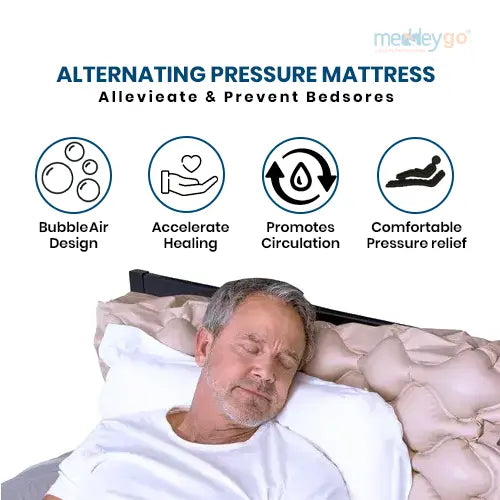
If everyday air mattresses aren't recommended for long-term sleep, you might wonder why they seem so common in hospitals and care facilities. The simple answer is that these are not the same mattresses you'd buy for guests. They are sophisticated medical devices designed to solve a serious problem for bedridden patients: pressure ulcers, more commonly known as bedsores.
Pressure ulcers form when constant pressure on one part of the body---like the heels, hips, or tailbone---cuts off blood flow, causing the skin and underlying tissue to break down. To prevent this, medical air mattresses use a clever system to constantly redistribute a patient's weight. Instead of being one big air chamber, they are often made of many individual air tubes that work together, much like a row of connected balloons.
These specialized surfaces, sometimes called tubular air mattresses, rely on two key technologies to protect the skin:
- Alternating Pressure Pads (APP): The air tubes inflate and deflate in a repeating cycle. For example, odd-numbered tubes might be firm while even-numbered tubes are soft, and then they switch. This ensures that no single part of the body bears the patient's full weight for too long.
- Low Air Loss (LAL): Tiny, laser-cut holes in the mattress surface release a gentle stream of air. This airflow helps manage moisture and keep the patient's skin cool and dry, which is critical for preventing skin breakdown.
Ultimately, these aren't about comfort in the way a guest bed is; they are active therapeutic tools designed to protect a patient's health.
Healing and Help: Can Bedsores Be Treated with an Air Mattress Alone?
Knowing how these advanced surfaces work, it's natural to wonder: can bedsores heal with an air mattress alone? The straightforward answer is no, but they play a crucial role. A medical air mattress is an essential part of the healing process, but it is a supportive tool, not a standalone cure. It creates the ideal conditions for the body to repair itself by tackling the root cause of the problem---unrelieved pressure.
Think of it like this: a cast doesn't magically knit a broken bone back together. Instead, it holds the bone in the correct position, protecting it from further injury so the body's natural healing process can work. An anti bedsore air mattress for patients with bedsores functions in much the same way. By constantly redistributing weight, it removes the pressure that is damaging the skin and blocking blood flow, allowing oxygen and nutrients to reach the wound so it can begin to mend.
Because bedsores are serious medical wounds, you should always consult a healthcare professional for treatment. A doctor or nurse will create a comprehensive care plan that may include a specialized mattress, but it will also involve proper wound cleaning, dressings, nutritional support, and repositioning schedules. The mattress provides the foundation for healing, but it's one important piece of a much larger puzzle.
Keeping It Fresh: How to Clean and Store Your Air Mattress for a Longer Life
A little care goes a long way in determining how long your inflatable bed will last. After your guests leave or you return from a trip, it's tempting to just stuff it back in the closet, but taking a few minutes to clean it properly is crucial. For cleaning a flocked top inflatable bed, never soak the material. Instead, use a vacuum with a soft brush attachment to remove any dust or debris. For small stains, a damp cloth with a bit of mild soap and water is all you need.
Before you even think about folding, the most important step is to get every last bit of air out. If your mattress has a built-in pump with a deflate setting, use it! This feature reverses the airflow and suctions the mattress down to a perfectly flat, easy-to-manage sheet of vinyl. This prevents air from getting trapped inside, which can strain the seams when you fold it.
Once it's completely flat and dry, you're ready to store it. Knowing how to properly store a blow-up mattress can double its lifespan. Avoid sharp, tight creases and instead, fold it loosely.
- Step 1: Make sure the mattress is 100% clean and dry to prevent mold.
- Step 2: Fold it lengthwise into a long rectangle, roughly the width of its storage bag.
- Step 3: Loosely roll or fold it from the end opposite the valve.
- Step 4: Place it in its breathable carry bag---not the original cardboard box, which can attract moisture and pests.
Storing your mattress correctly is the single best thing you can do to avoid surprise leaks down the road. Keep the bag in a temperature-controlled, dry location like a hall closet or under a bed, away from sharp objects and extreme heat or cold. Proper care ensures your investment lasts, and making the right investment from the start is just as important.
Your Air Mattress Buying Checklist: A Quick Summary for a Confident Purchase
Armed with an understanding of what truly makes an air mattress great, you can now look past the marketing jargon on a box. You can confidently assess the difference between supportive air coils and basic beams, the convenience of a built-in pump, and why a flocked top matters.
First, define your primary need---are you hosting in-laws or heading into the woods? Prioritize a strong internal structure and a built-in pump for the best experience. When you check air mattress reviews, look for comments about how well the bed holds air after the first few nights, as this accounts for the initial material stretch and gives a truer picture of its quality.
Choosing the right air mattress is about providing genuine comfort and a great night's sleep. By focusing on a strong internal structure and a convenient pump, you can avoid the dreaded sag and offer a welcoming rest for your guests or yourself, ensuring everyone wakes up refreshed and happy.
Frequently Asked Questions
Question: Why does my new air mattress seem to deflate overnight, and how can I tell if it's actually leaking?
Short answer: Most "deflation" in a new air mattress isn't a puncture---it's the PVC stretching during its first uses, plus cooler nighttime temperatures reducing internal air pressure. Pre-inflate the mattress 24 hours before first use and top it off once or twice; expect to add a little air after the first night. If it still gets noticeably softer after 2--3 nights, check for a leak: inflate firmly, inspect and reseal the valve, then spray a dish-soap-and-water mix over the valve and across the surface to spot bubble clusters. Mark any leak, use duct tape as a temporary fix, and apply a proper patch for a permanent repair.
Question: Should I choose a built-in pump or an external pump?
Short answer: For at-home convenience and hosting, a built-in pump is the clear winner: plug it in, turn a dial, and it inflates in about 3--5 minutes---plus it actively deflates for tight, easy storage. The trade-offs are extra weight and the need for an outlet. If you're camping or away from power, an external pump is better---especially a battery-powered model---since it works anywhere and keeps the mattress lighter. Just remember it can be slower and easier to misplace.
Question: Does mattress height really matter? What's the difference between raised and low-profile models?
Short answer: Yes---height changes how the bed feels and how you use it. Raised (double-height) mattresses sit 18--22 inches high and feel more like a real bed, making it easier to get in and out---ideal for adult guests, older visitors, or anyone with joint issues. They also tend to hold standard fitted sheets more securely. Low-profile (single-height) models are about 9--12 inches tall and win on portability: they're lighter, pack smaller, and are great for camping, travel, tight storage spaces, or kids' sleepovers.
Question: What prevents the "taco effect," and which internal support should I look for?
Short answer: The "taco effect" happens when a mattress is just one big air chamber, so your weight sinks the middle and curls the edges. Quality air mattresses use internal structures that distribute weight evenly: air coils (many vertical pockets, spring-like support) or air beams (long parallel chambers that resist bowing). Both designs dramatically improve stability and comfort---the single most important factor separating cheap beds from the best inflatable options. Higher-end models from brands like Intex and Coleman often build around these systems for a flatter, more supportive sleep surface.
Question: Is an air mattress good for everyday, long-term sleep?
Short answer: Generally, no. Standard air mattresses provide uniform pressure rather than targeted support for hips, shoulders, and spine, which can lead to stiffness or back pain over time. Most are made of PVC, which can off-gas a "new plastic" odor---fine for occasional use, but a concern for some with nightly exposure. If you must use one long-term, look for a double-height model with robust internal support and, ideally, TPU (thermoplastic polyurethane) construction, which is more durable, stable, and doesn't carry the same off-gassing concerns as PVC.
Q&A
Question: What are the three pillars of a quality air mattress, and why do they matter?
Short answer: The pump, height, and internal support determine how easy the mattress is to use and how well it sleeps. A built-in pump maximizes convenience (fast inflation/active deflation), height affects real-bed feel and ease of getting in/out, and internal support (coils or beams) is the most important factor for eliminating mid-bed sag and edge curl. Match these to your needs: raised height and built-in pump for hosting, low-profile and external battery pump for camping, and always prioritize a mattress with a solid internal structure for true all-night support.
Question: Air coils vs. air beams—how do they differ, and which should I choose?
Short answer: Both designs stop the “taco effect” by spreading weight evenly, but they feel a bit different. Air coils are many vertical pockets that mimic springs for consistent, edge-to-edge support. Air beams are long, parallel chambers that create a flatter, bow-resistant surface. Either can deliver a stable, comfortable sleep if well-made; the key is choosing a model with a real internal support system (not a single air chamber), which is what separates cheap beds from the best inflatable options.
Question: What’s the best air-mattress setup for camping or travel without power?
Short answer: Go with a low-profile (single-height) mattress for lighter weight and easier packing, and pair it with a battery-powered external pump so you can inflate anywhere. For comfort, don’t overinflate (leave a bit of “give”), add a topper if you have space, and insulate under the mattress with a rug or blanket to block ground chill. Skip built-in pumps off-grid—they add weight and need an outlet.
Question: How should I clean and store my air mattress to make it last longer?
Short answer: Vacuum the flocked top with a soft brush, spot-clean with a damp cloth and mild soap, and never soak the material. Fully deflate (use the pump’s reverse/deflate mode if available) so seams aren’t stressed during folding. Let it dry completely, then fold lengthwise, loosely roll from the end opposite the valve, and place it in a breathable carry bag. Store in a dry, temperature-controlled spot away from sharp objects and extreme heat or cold to prevent leaks and material damage.
Question: How do medical-grade air mattresses prevent bedsores, and are they the same as consumer models?
Short answer: They’re different and designed for therapy, not just comfort. Medical mattresses use alternating pressure (inflating/deflating air tubes in cycles) to keep pressure from building on the same skin areas, and low air loss (gentle airflow through tiny holes) to manage moisture and heat. They help prevent and support healing of pressure ulcers but don’t replace medical care; they’re one part of a broader treatment plan that includes wound care, nutrition, and repositioning.