

Type: Anesthesia
Bain Circuit Anesthesia Delivery System - Pack of 2


Type: Anesthesia
Resuscitation Kit Adult for Emergency Care Hospital Use Kits

Type: Anesthesia
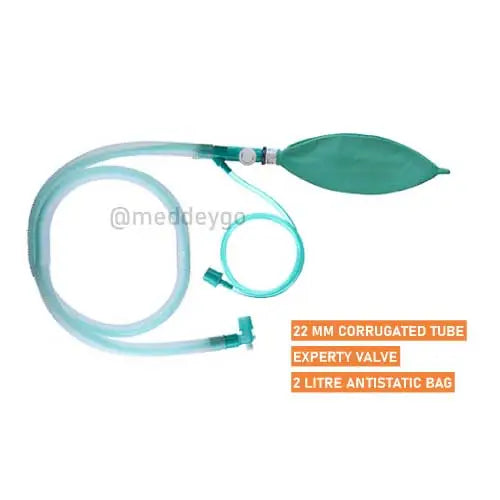
VentiFlex Jackson Rees Bain Circuit Pediatric
Type: Anesthesia
Bain Circuit Anesthesia Delivery System


Type: Anesthesia
T Connectors for Anesthesia Circuits


Type: Anesthesia
Bain Circuit Adult Mepelson C Breathing Circuit
Collection:
Choosing the Right Anesthesia Reservoir Bag

Anesthesia reservoir bags, also known as breathing bags, are a key component of the anesthesia delivery system. They are used to store and release gases during the administration of anesthesia, providing a controlled breathing environment for the patient. These bags are typically made from materials like silicone or rubber and come in various sizes to accommodate different patient needs.
The Functionality of Reservoir Bags
The primary function of a reservoir bag is to act as a buffer between the anesthetic machine and the patient. It allows for the accumulation and release of gases, ensuring that the patient receives a steady supply of anesthesia. The bag also provides visual feedback to the anesthesiologist, indicating the patient's breathing pattern and volume. This visual cue is essential for monitoring the patient's respiratory status and making real-time adjustments to the anesthesia delivery.
Material Composition and Design
Anesthesia reservoir bags are often crafted from materials such as silicone or rubber, chosen for their durability and flexibility. Silicone bags are particularly favored for their resistance to wear and ability to undergo repeated sterilization processes without degrading. The design of these bags, including their shape and volume capacity, is tailored to support different surgical scenarios and patient demographics, from infants to adults.
The Role of Reservoir Bags in Anesthesia Circuits
Reservoir bags are an integral part of the anesthesia breathing circuit, playing a vital role in maintaining the appropriate levels of gases delivered to the patient during surgery. They function in tandem with other components like the anesthesia machine and breathing tubes to ensure a seamless flow of anesthetic gases. This integration is critical for maintaining the desired depth of anesthesia and preventing complications such as hypoxia or hypercapnia.
Types and Sizes of Anesthesia Reservoir Bags

Anesthesia reservoir bags come in various types and sizes, each designed to meet specific patient and procedural requirements. The most common types include:
Silicone Reservoir Bags
Silicone reservoir bags are known for their durability and flexibility, making them a preferred choice in many medical settings. These bags can withstand repeated use and sterilization, maintaining their integrity and performance over time. Their material composition provides a tactile feel that helps anesthesiologists gauge the patient's respiratory effort and adjust the ventilation accordingly.
Rubber Reservoir Bags
Rubber reservoir bags are traditionally used in anesthesia delivery, valued for their elasticity and robust nature. These bags offer a good balance of flexibility and strength, allowing them to accommodate varying pressure changes during ventilation. Despite newer materials being available, rubber bags remain popular due to their cost-effectiveness and proven track record in clinical settings.
Custom Sizes for Specific Needs
The size of an anesthesia reservoir bag is determined by the volume of gas it can hold. Common sizes range from 0.5 liters for infants to 3 liters for adults, ensuring a fit for every patient's lung capacity and procedural needs. In some cases, custom-sized bags may be required for patients with unique physiological characteristics or for specialized surgical procedures that demand precise control over ventilation parameters.
Factors to Consider When Choosing an Anesthesia Reservoir Bag
Selecting the right anesthesia reservoir bag involves considering several critical factors to ensure both patient safety and procedural efficiency.
Patient Safety and Comfort
Patient safety is the foremost concern when choosing an anesthesia reservoir bag. The material should be hypoallergenic to prevent any adverse reactions during surgery. Additionally, the bag must be appropriately sized to match the patient's lung capacity, ensuring efficient ventilation without causing barotrauma or volutrauma. Comfort is also a consideration, as the bag must not cause undue pressure or resistance during respiratory cycles.
Compatibility with Anesthesia Equipment
Ensure that the reservoir bag is compatible with the existing anesthesia equipment in your facility. This includes checking the connectors, fittings, and overall compatibility with the anesthesia delivery system. Compatibility ensures that the bag functions seamlessly within the anesthesia circuit, reducing the risk of leaks or disconnections that could compromise patient safety.
Durability, Material Quality, and Ease of Use
The material quality of the reservoir bag is crucial for ensuring its durability and performance. Silicone bags are often preferred for their superior material properties, offering flexibility, durability, and ease of cleaning. Ease of use is another factor, as bags that are simple to attach and detach can streamline workflow in the operating room, allowing anesthesiologists to focus on patient care rather than equipment management.
Anesthesia Supplies and Equipment Considerations

When integrating anesthesia reservoir bags into your medical facility, it's important to consider the broader context of anesthesia supplies and equipment.
Regulatory Compliance and Standards
Ensure that the reservoir bags and associated equipment meet all relevant regulatory standards and certifications. This includes compliance with healthcare regulations and standards for medical devices. Adhering to these regulations not only ensures patient safety but also protects the facility from legal and financial repercussions associated with non-compliance.
Supplier Reliability and Support
Partner with reputable suppliers who offer high-quality anesthesia supplies and equipment. Reliable suppliers can provide guidance on product selection and ensure timely delivery to meet your facility's needs. They also offer post-purchase support, including maintenance services and training for staff on the proper use and care of the equipment.
Cost-Effectiveness and Long-Term Investment
While quality is paramount, it's also important to consider the cost-effectiveness of the reservoir bags. Evaluate the long-term value of the bags in terms of durability, reuse potential, and overall cost relative to performance. A higher upfront cost for a durable, reusable bag may result in lower long-term expenses by reducing the frequency of replacements and minimizing waste.
Strategic Positioning in the Healthcare Market
For hospital administrators, medical equipment distributors, and healthcare technology consultants, understanding the strategic positioning of anesthesia reservoir bags in the healthcare market is essential.
Identifying Market Opportunities and Trends
Stay informed about market trends and emerging opportunities in the anesthesia equipment sector. This includes understanding the demand for specific types of reservoir bags and identifying potential areas for growth and innovation. By recognizing shifts in market dynamics, stakeholders can position themselves to capitalize on new developments and meet evolving healthcare needs.
Enhancing Procurement Strategies and Partnerships
Optimize procurement strategies by leveraging data-driven insights and market analysis. This includes streamlining purchasing procedures, negotiating favorable terms with suppliers, and ensuring timely delivery of equipment. Establishing strong partnerships with suppliers and manufacturers can lead to better pricing, access to the latest products, and improved support services.
Embracing Technological Advancements and Innovations
Keep abreast of technological advancements in anesthesia equipment and related technologies. This includes exploring innovations that enhance patient safety, improve procedural efficiency, and reduce costs. Technologies such as smart anesthesia systems, improved materials for reservoir bags, and data analytics tools can offer significant benefits to healthcare facilities striving for excellence in patient care.
Conclusion
Choosing the right anesthesia reservoir bag is a critical decision that impacts patient safety and the overall effectiveness of surgical procedures. By understanding the various types, sizes, and factors to consider, healthcare professionals can make informed choices that align with their facility's needs and goals. Whether you're a hospital administrator, medical equipment distributor, or healthcare technology consultant, staying informed about market trends and strategic positioning will enhance your decision-making capabilities and contribute to improved patient care delivery.
Frequently Asked Questions
Question: What is the primary function of an anesthesia reservoir bag, and how does it aid monitoring?
Short answer: A reservoir bag acts as a buffer between the anesthesia machine and the patient, accumulating and releasing gases to deliver a steady anesthetic supply. It also provides visual feedback of breathing pattern and volume, allowing anesthesiologists to monitor respiratory status and make real-time adjustments to maintain the desired depth of anesthesia and help prevent issues like hypoxia or hypercapnia.
Question: How do I choose the correct size reservoir bag for a patient?
Short answer: Match the bag size to the patient’s lung capacity and procedural needs. Common sizes range from 0.5 liters for infants to 3 liters for adults. The right size supports efficient ventilation and helps avoid barotrauma or volutrauma. For unique physiologies or specialized procedures requiring precise ventilation control, consider custom-sized bags.
Question: What are the key differences between silicone and rubber reservoir bags?
Short answer: Silicone bags are favored for durability, flexibility, and their ability to withstand repeated sterilization without degrading; they also offer a tactile feel that helps gauge respiratory effort. Rubber bags are valued for elasticity, robustness, cost-effectiveness, and a proven clinical track record. Both materials are widely used; the choice depends on reuse needs, budget, and user preference.
Question: Which factors should I verify for safety and compatibility before purchasing?
Short answer: Ensure the bag is appropriately sized and made from hypoallergenic materials to protect patient safety. Confirm compatibility with your anesthesia equipment—connectors, fittings, and overall integration—so the bag functions seamlessly in the circuit, minimizing leaks or disconnections. Also look for durable, easy-to-clean materials and designs that are simple to attach and detach to streamline operating room workflow.
Question: What procurement and strategic considerations matter for facilities and administrators?
Short answer: Verify regulatory compliance and necessary certifications for all reservoir bags and related equipment. Partner with reputable suppliers who provide reliable products, timely delivery, and post-purchase support, including training and maintenance. Evaluate cost-effectiveness over the long term—durable, reusable bags may lower replacement frequency and waste. Stay informed on market trends and technological advancements (e.g., improved materials, smart anesthesia systems, data analytics) to enhance patient safety, procedural efficiency, and purchasing outcomes.