
Type: Instruments
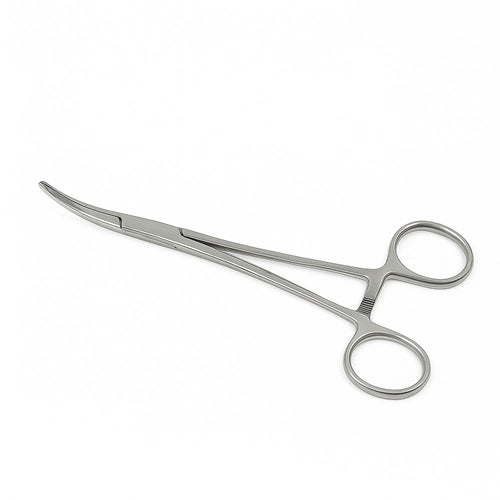
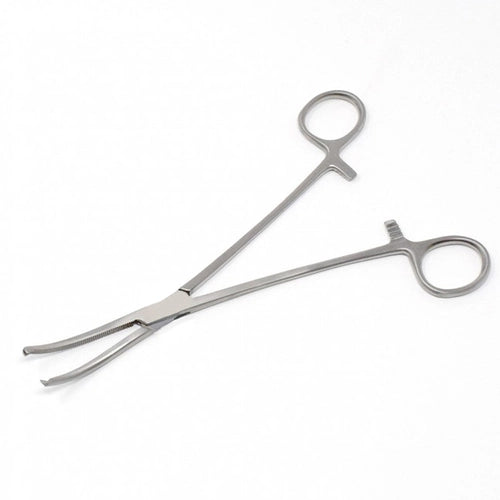
Kochers Forceps Curved
Type: Instruments
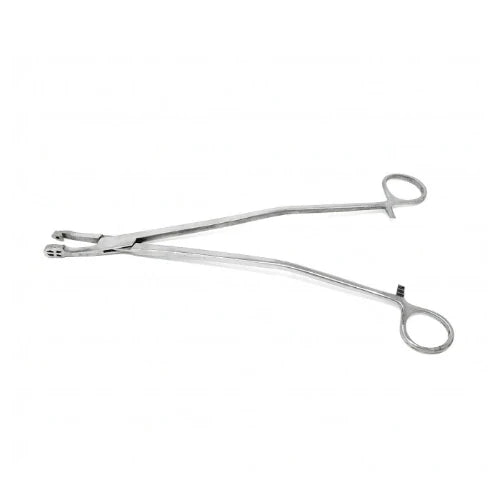
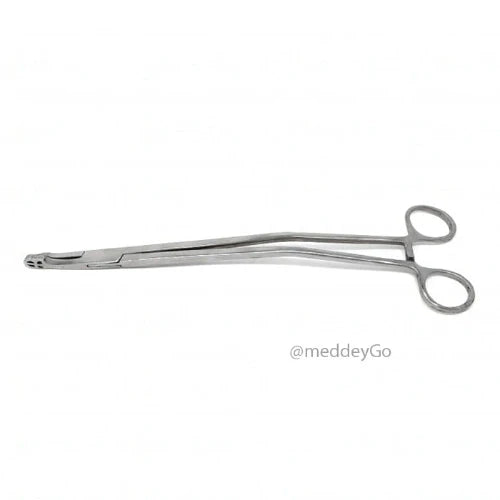
Cervical Punch Biopsy Forceps
Type: Instruments
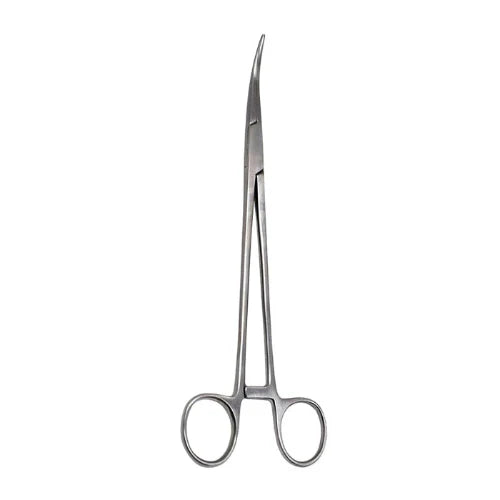
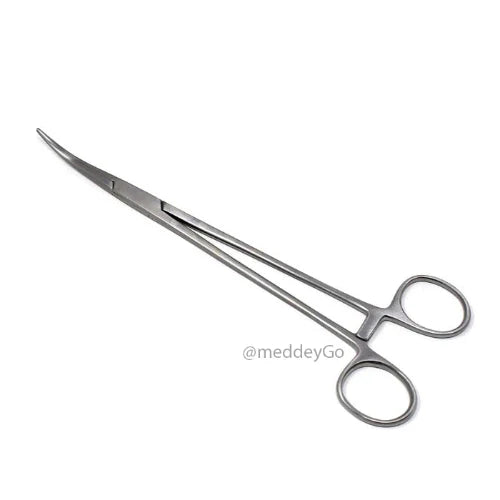
Crile Artery Forceps (Curved)
Type: MeddeyGo
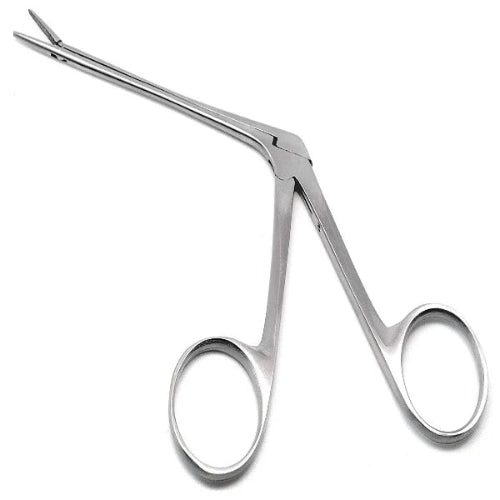
Crocodile Ear Forceps Surgical Instrument
Type: Instruments
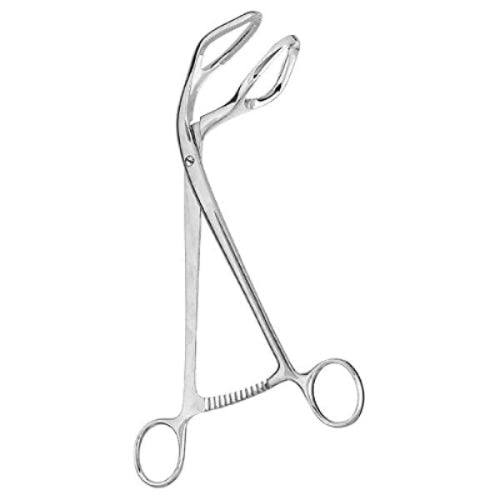
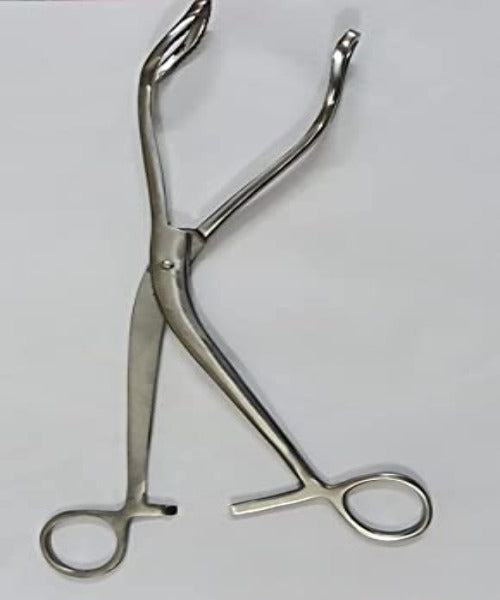
Uterus Holding Forceps SS Delux Quality
Type: Instruments
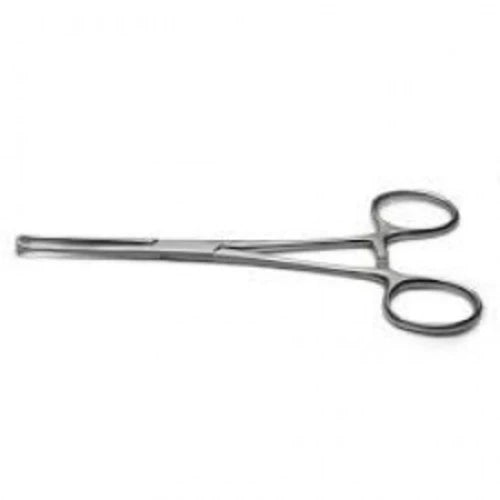
Allis Tissue Forceps Straight SS Delux Quality

Type: Forceps
Vulsellum Forceps SS Delux Quality
Type: Forceps
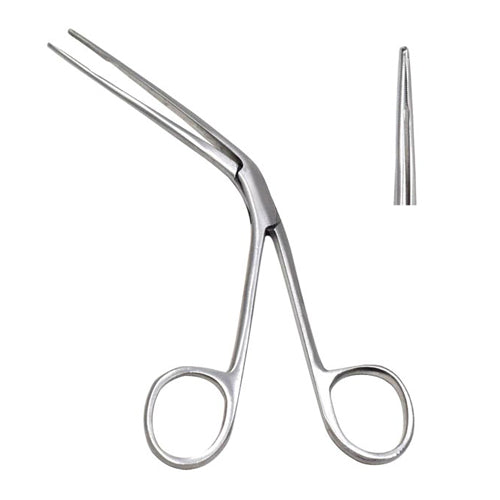
Tilley Nasal Polypus Forceps
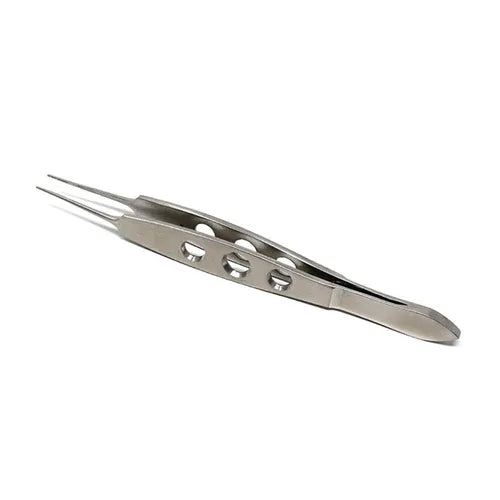
Type: General Instruments
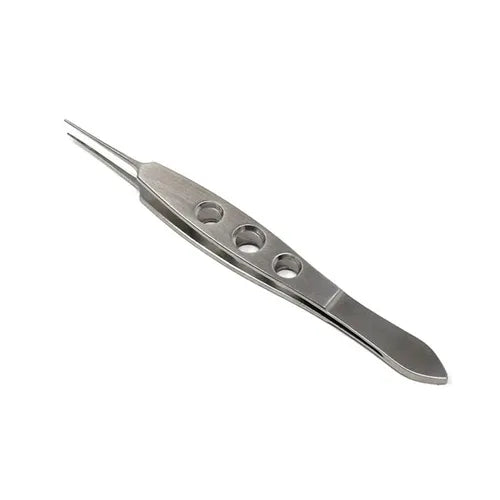
Suture Tying Forceps (Straight)
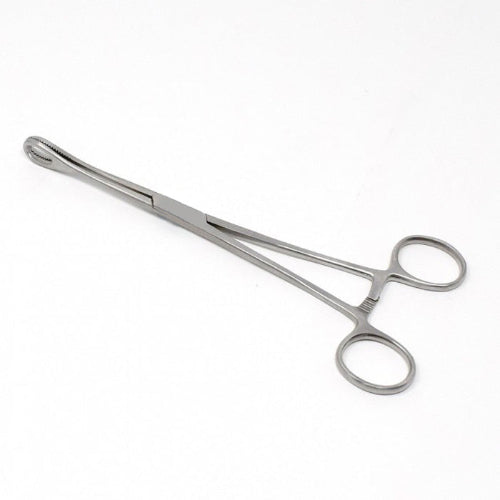
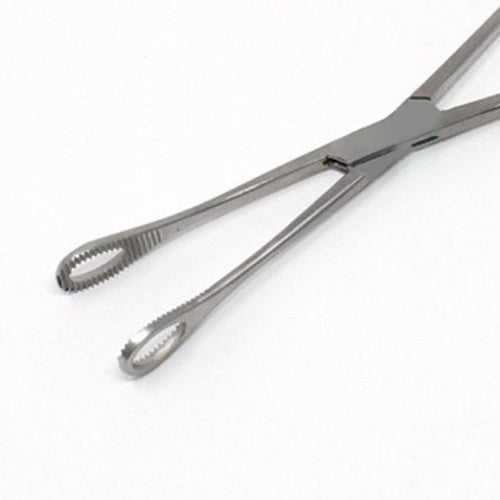
Type: Instruments
Foerster Sponge Holding Forceps (Straight)
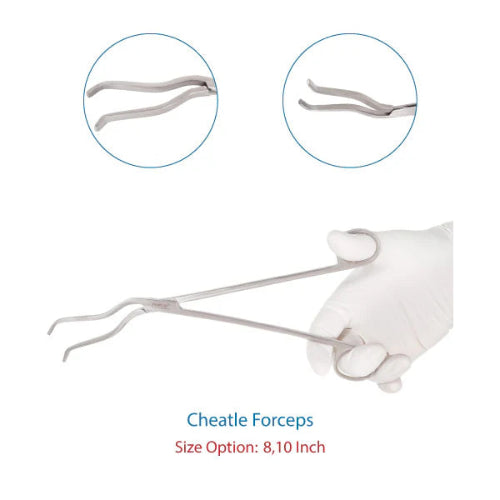
Type: Instruments
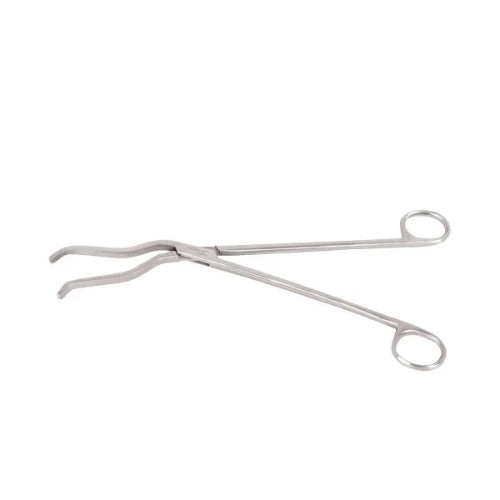
Cheatle Forceps SS Delux Quality
Type: Instruments
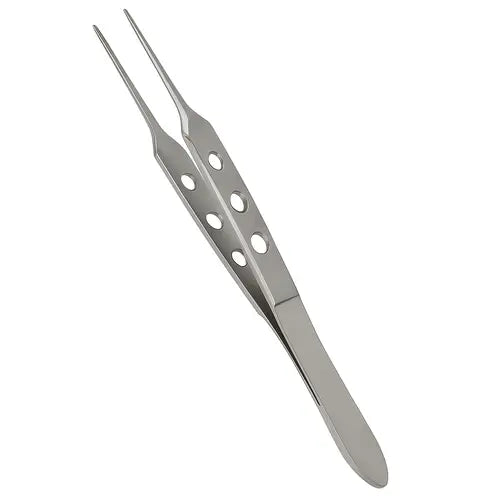
Bishop-Harmon Tissue Forceps SS
Type: Instruments
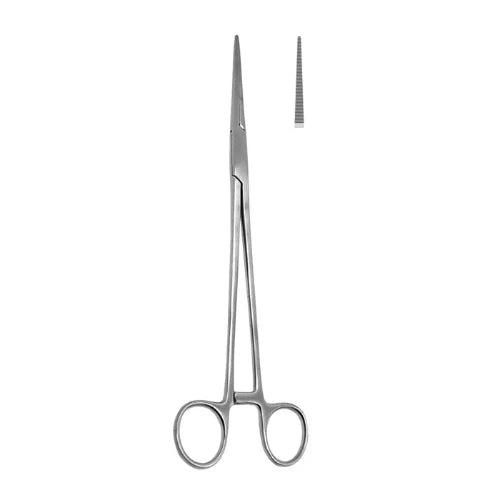
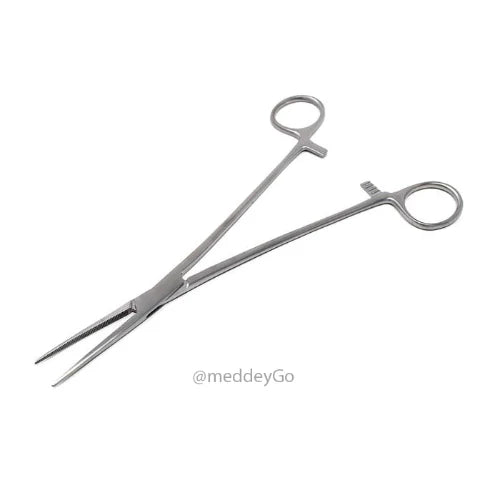
Crile Artery Forceps (Straight)


Type: Forceps
Sinus Forceps Straight
Type: General Instruments
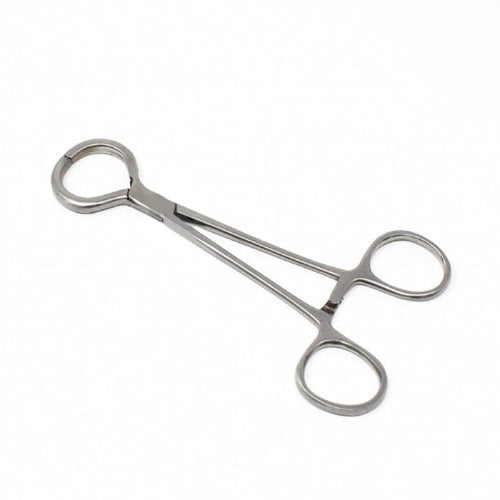
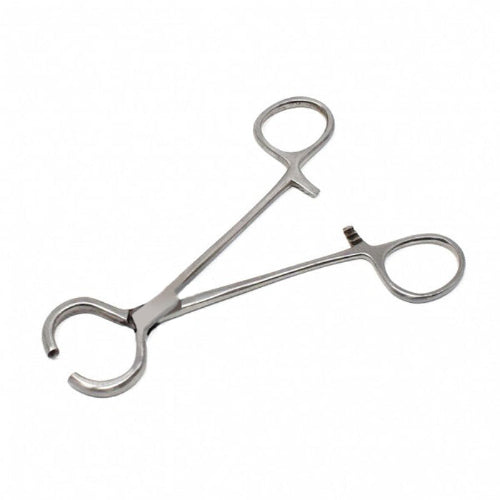
Hernia Ring SS Forceps
Collection:
Artery Forceps: Types and Applications Explained
You've seen it in countless medical dramas: a tense moment in the operating room, and the surgeon shouts, "Clamps, stat!" A metal, scissor-like tool is slapped into their hand. While they might look like simple tweezers, these tools---properly known as artery forceps or hemostats are precision-engineered marvels designed to solve one of surgery's oldest and most dangerous problems: controlling bleeding. Their technical name even reveals their life-saving purpose, coming from the Greek words hemo (blood) and stasis (to stop).
In practice, controlling a tiny, slippery blood vessel in a confined space is incredibly difficult. Surgeons need a tool that can provide a firm, secure grip without slipping and, crucially, stay locked in place on its own. This frees up their hands for the delicate work of suturing or removing tissue. The simple function of managing blood flow is fundamental to nearly every invasive procedure performed today, and understanding the logic behind the different sizes, shapes, and jaws of these clamps reveals a family of specialized instruments, each perfectly adapted to its critical role.
What Problem Do Artery Forceps Solve? Stopping Bleeding with Precision
Every surgical procedure, from the most routine to the most complex, shares a common and critical challenge: bleeding. When tissue is cut, so are the blood vessels running through it. Unlike a small papercut, arteries and veins inside the body are under pressure, and even minor bleeding can quickly obscure the surgeon's view, making it impossible to work safely and effectively. Before any delicate repair or removal can happen, this fundamental problem must be solved.
You might wonder why a surgeon couldn't just use a pair of powerful tweezers to pinch a vessel shut. The answer lies in the challenging nature of the task. Blood vessels are slippery and tough, and a simple gripping tool would require constant, exhausting hand pressure. More importantly, a surgeon's hands are needed to perform the actual operation---suturing, dissecting, and repairing---not to simply hold a clamp shut for minutes or even hours.
To solve this, surgeons rely on a deceptively simple instrument: the artery forceps. This specialized tool is designed not just to grasp tissue, but to lock firmly in place once it's clamped down, providing a secure, hands-free grip that acts as a temporary roadblock for blood. This vital process of stopping blood flow is known as hemostasis, and these forceps---technically called hemostats---are the primary instrument for controlling it. They are, in essence, a surgeon's extra, tireless hand.
Controlling bleeding isn't just about preventing blood loss; it's about creating the conditions for a successful surgery. By providing a clean and visible operating field, artery forceps empower surgeons to work with the precision and confidence needed to navigate the delicate structures of the human body. This simple, elegant tool is a cornerstone of modern medicine.
The Anatomy of a Surgeon's Extra Hand: Parts of an Artery Forceps
At first glance, an artery forceps looks a lot like a pair of stainless steel scissors. It has a similar shape and is held the same way. But while scissors are designed to cut, every part of a forceps is engineered for one primary purpose: to securely grasp and hold on without letting go. Its simple, three-part anatomy reveals how this tool functions so reliably.
While dozens of variations exist, nearly all artery forceps share the same fundamental components that work together as a system:
- Finger Rings: Just like on a pair of scissors, these loops provide control, allowing the surgeon to open and close the tool with precision. They provide a familiar, intuitive grip for fine motor movements.
- The Ratchet: This is the tool's secret weapon. Located just above the finger rings, the ratchet is a simple locking mechanism with two sets of interlocking teeth. It works much like a zip-tie: once squeezed shut, it clicks into place and stays locked, freeing the surgeon's hands. A gentle, sideways motion on the rings is all it takes to disengage the lock.
- The Jaws: This is the "business end" of the forceps. Unlike tweezers that rely on constant pressure, these jaws are designed to clamp down and stay put. They are often lined with fine, uniform grooves called serrations, which provide a secure grip on slippery tissue, much like the tread on a tire grips the road.
Together, these parts create a seamless workflow. A surgeon uses the finger rings to position the open jaws around a blood vessel, squeezes the handles until the ratchet clicks and locks, and can then let go, confident that the clamp is secure. The genius of the design is that locking mechanism, which transforms a simple gripping tool into an indispensable surgical instrument.

The "Zip-Tie" Secret: How the Locking Mechanism Frees a Surgeon's Hands
The genius of the ratchet lies in its sheer simplicity. Much like the clicking track on a zip-tie, two small, interlocking sets of teeth pass over one another as a surgeon squeezes the finger rings. With each "click," the jaws are held more tightly, locking into place without any chance of slipping back. This reliable hold can be disengaged with a gentle sideways push of the handles, but until then, it remains firmly secured. It's this basic, dependable design that transforms the tool from simple pliers into a steadfast surgical assistant.
This hands-free capability is vital. Procedures can be long, and controlling bleeding is a constant priority. The ratchet lock effectively gives the surgeon an extra set of hands that never gets tired. Once an artery clamp is placed on a vessel, the surgeon can release their grip and confidently move on to other critical tasks, like suturing tissue or using another instrument, knowing the bleeding is under control.
Beyond just efficiency, this locking feature provides a crucial layer of safety. A surgeon's focus can be pulled in many directions at once, and a momentary distraction could cause a manually held clamp to slip. The ratchet removes that risk entirely. By ensuring a constant, unwavering pressure, it creates a clean and controlled surgical field, preventing unexpected bleeding and allowing the surgeon to proceed with clarity and precision.
Why Aren't All Forceps Straight? The Genius of the Curve
The reason not all artery forceps are straight is simple: the human body is not a flat, open field. It's a complex, three-dimensional space packed with organs, bones, and layers of tissue. Working deep inside a cavity can be like trying to fix wiring behind a wall through a small opening. A straight tool is often clumsy in these tight quarters, as the surgeon's own hands can block their view of the very thing they are trying to grasp.
A curved artery forceps solves this problem with elegant simplicity. The gentle bend in the jaws allows the surgeon to position the tool's tip on a target vessel while their hands remain off to the side, out of the direct line of sight. This improved surgical site visibility is critical, allowing for more precise and safer maneuvers in crowded areas.
Beyond just improving the view, the curve is also a master of navigation. A surgeon often needs to reach a blood vessel that is tucked behind another organ or structure. A straight instrument would simply bump into the obstacle, but a curved forceps can "hook" around it, providing anatomical access that would otherwise be impossible. This ability to navigate the body's natural contours is essential for reaching deep or awkwardly positioned targets without disturbing surrounding tissue.
The choice between a straight or curved forceps isn't random; it's a strategic decision based on geography. Straight forceps are the go-to for tasks on the surface or in open, easily accessible areas. For work performed deep inside the body or around anatomical corners, the curved forceps is the indispensable tool.

All Grips Are Not Created Equal: What the Jaw Serrations Really Do
If you look closely at the working end of an artery forceps, you'll notice that the jaws are rarely smooth. They are lined with fine, crisscrossing grooves called serrations . These function much like the tread on a car tire, providing the crucial grip needed to hold onto slippery biological tissue. Without them, a clamped blood vessel could easily slip free. However, surgeons need more than just a strong grip---they need the right kind of grip for the job.
This fundamental difference in grip philosophy leads to two main categories of forceps jaws, a key concept for understanding the different types of hemostatic forceps.
- Atraumatic (Gentle) Serrations: These jaws feature fine, horizontal or cross-hatched grooves. Their job is to hold tissue securely but gently, designed to temporarily stop blood flow in a vessel that will eventually be repaired and left inside the body. The goal is to provide enough grip to prevent slipping but not so much that it crushes or permanently damages the delicate vessel walls.
- Traumatic (Strong) Teeth: These jaws have interlocking teeth, often in a "1x2" pattern (one tooth on one side, two on the other that fit around it). This design provides a powerful, bulldog-like bite that will not let go. Because this grip inevitably pierces and crushes tissue, it is strictly reserved for grasping tough tissue or vessels that are going to be cut out and removed from the body.
The choice between these two styles is a critical, non-negotiable decision. Using a traumatic, toothed forceps on a major artery that needs to be repaired could be catastrophic. Conversely, trying to remove a tough piece of tissue with a gentle, atraumatic forceps might fail because the tool could slip. Even among the gentler serrated types, subtle differences matter. For instance, the distinction between Kelly forceps vs Crile forceps comes down to whether the serrations run halfway up the jaw (Kelly) or all the way to the hinge (Crile), a small detail that affects their specific application.
The Archetypes: Meeting the 3 Main Families of Artery Forceps
While hundreds of variations exist, nearly every type of artery forceps can be understood by knowing three main archetypes for small, medium, and heavy-duty work. Each is designed as a specific solution for a different surgical challenge.
First are the smallest members of the family: Mosquito forceps . The name is a perfect clue to their function. These instruments are small, slender, and designed for extreme delicacy and precision. With fine tips and fully serrated jaws, the primary mosquito forceps function is to clamp tiny, fragile blood vessels, often in superficial areas or in procedures like plastic surgery. Their small size allows a surgeon to work in tight spaces with a clear view.
Moving up in size, we meet the jack-of-all-trades of the operating room: the Kelly and Crile forceps. These general-purpose workhorses are likely what you picture when thinking of a surgical clamp. They are larger and more robust than Mosquito forceps, making them ideal for clamping larger vessels. The main difference in the Kelly forceps vs Crile forceps debate comes down to their serrations:
- Kelly forceps have serrations that only go halfway down the jaw.
- Crile forceps have serrations that run the full length of the jaw.
This subtle difference gives the Crile a more secure grip on larger bundles of tissue. A similar tool, the Spencer Wells artery forceps, functions almost identically to the Crile and is used for general-purpose clamping where a full, secure grip is needed.
Finally, for situations where a surgeon needs an absolutely non-slip, powerful grip on tough tissue that will be removed, they reach for a Kocher forceps. Unlike the others, the Kocher has traumatic teeth at its tip. This feature makes it unsuitable for clamping a vessel that needs to be preserved. Instead, its purpose is to aggressively grasp dense, fibrous tissue, like muscle or fascia, ensuring it cannot slip away during a procedure.
A surgeon's choice comes down to matching the tool to the tissue:
- Mosquito Forceps: For fine, delicate control on tiny vessels.
- Kelly & Crile Forceps: The versatile, everyday clamps for general use.
- Kocher Forceps: The heavy-duty, toothed clamp for tough tissue being removed.
Artery Forceps vs. Dissecting Forceps: What's the Difference?
Other simpler tweezer-like tools often seen on a surgical tray are known as dissecting forceps. While they fall under the broad category of "forceps," their job is fundamentally different from their locking relatives. They are the surgeon's precision fingertips, used for gently grasping, holding, and manipulating delicate tissues.
Think of dissecting forceps as active-use tools. A surgeon must apply continuous pressure to keep them closed, just like with tweezers. This design gives them exquisite control for tasks like holding back a layer of tissue to get a better view or steadying a structure while suturing. Because they don't have a locking mechanism, they are meant for immediate, dynamic adjustments---grasp, move, release---not for long-term clamping.
The most critical distinction is the presence of the ratchet lock. This single feature is what separates an artery forceps (a hemostat) from a dissecting forceps. An artery forceps is a "set and forget" clamp; its ratchet allows it to hold pressure on a blood vessel indefinitely. Dissecting forceps lack this lock entirely, as well as the finger rings. They are built for nimbleness and quick manipulation. One is a powerful clamp, the other is a delicate grabber.

More Than Just Bleeding: 3 Other Surprising Uses for Artery Forceps
While their name screams "artery," the primary purpose of artery forceps is hemostasis---the control of bleeding in general. Their genius lies in that locking ratchet, which provides a firm, hands-free grip. This exact feature transforms them from a one-trick pony into a surgical multi-tool.
Beyond stopping bleeds, these versatile surgical forceps have a surprising number of secondary jobs. The most common artery forceps uses in surgery include:
- Holding Suture Needles: In a pinch, they can act as a needle driver, gripping a suture needle firmly so a surgeon can pass it through tough tissue.
- Gently Separating Tissue: A technique known as blunt dissection relies on the forceps' smooth, closed tip to carefully part tissue layers without cutting them.
- Grasping and Passing Items: Their precision tip and locking grip make them perfect for holding and manipulating small, slippery items like gauze or drains in a tight space.
Perhaps the most fascinating of these is blunt dissection. Imagine trying to separate two sheets of plastic wrap that are stuck together. Using a knife would slice right through both, but sliding the smooth tip of a closed pen between them lets you gently pry them apart. Surgeons do something similar using a closed artery forceps. By inserting the tip into a natural seam between tissue layers and gently opening the jaws, they can separate membranes and muscle groups without the trauma of a scalpel.
In a similar way, that reliable grip is perfect for managing needles and sutures. While specialized tools called needle holders exist, a hemostat is often used to grasp the tiny, curved needle for stitching. This clever design---part clamp, part grabber, part dissector---is what makes these common surgical forceps one of the most indispensable tools on any surgical tray.
Keeping Patients Safe: How Artery Forceps Are Cleaned and Sterilized
Because medical forceps are used so frequently and for so many different tasks, ensuring they are perfectly clean for the next patient is one of the most critical safety procedures in any hospital. The process begins with decontamination, where technicians manually scrub the instruments to remove all visible blood, tissue, or fluid. For an artery forceps, this means paying special attention to the serrated jaws and, most importantly, cleaning it with the ratchet unlocked. This is vital, as any trapped debris could shield dangerous microbes from the final stage.
After a thorough scrubbing, the instrument is clean, but it is not yet sterile. Sterilization goes far beyond what soap and water can achieve; its goal is the complete destruction of all microscopic life, including resilient bacteria, viruses, and hardy fungal spores. To achieve this level of absolute purity, hospitals rely on a piece of equipment that acts as the final gatekeeper of patient safety.
The autoclave is the workhorse of sterilization for surgical instruments. It functions like a highly advanced, industrial-strength pressure cooker. The cleaned forceps are packaged in special pouches and placed inside, where the chamber floods with high-pressure steam at temperatures soaring to 250-270°F (121-132°C). This intense combination of penetrating steam and overwhelming heat is lethal to any and all microorganisms. The pressure ensures that the superheated steam reaches every single surface---from the tip of its jaws to the innermost tooth of its ratchet lock.
Following this rigorously timed and monitored process, the artery forceps is considered sterile and remains sealed in its pouch, ready for the next operation. This meticulous, multi-step journey from a used tool to a pristine instrument is a fundamental pillar of modern surgery, ensuring the tools meant to heal never become a source of harm.
From "Clamps" to Clarity: The Purpose of Surgical Forceps
The frantic call for "clamps" in a medical drama is more than just background noise; it is a request for a specific tool to solve a critical problem. The subtle differences between forceps types---a gentle serration versus a traumatic tooth, a straight jaw versus a curved one---represent a language of surgical intent. The distinct click of the ratchet is the sound of bleeding being controlled, freeing a surgeon's hands for other vital tasks.
Whether it's a delicate Mosquito for fine vessels, a workhorse Crile for general hemostasis, or a toothed Kocher for tough tissue removal, each instrument is a specific solution. This family of tools demonstrates a core principle of surgical design: matching form to function with absolute precision.
Hemostatic forceps are far more than scissor-like clamps; they are a testament to elegant problem-solving, where every groove, angle, and lock is a direct answer to a critical need in the operating room. This simple but brilliant design is a cornerstone of modern medicine, empowering surgeons to work with safety and confidence, ultimately leading to better patient outcomes.
Frequently Asked Questions
Question: Why can’t surgeons just use tweezers, and how are artery forceps different from dissecting forceps?
Short answer: Tweezers (dissecting forceps) require constant hand pressure and are meant for active, moment-to-moment manipulation of tissue. Artery forceps (hemostats) solve a different problem: they clamp a bleeding vessel and lock in place with a ratchet, providing a secure, hands-free hold that maintains hemostasis while the surgeon works. Dissecting forceps lack rings and a ratchet, making them ideal for nimble, brief grasps—not for sustained clamping.
Question: When should a surgeon choose curved versus straight artery forceps?
Short answer: It depends on anatomy and access. Straight forceps are preferred on the surface or in open, easily accessible areas. Curved forceps improve visibility and maneuverability in confined or deep spaces; their bend lets the surgeon keep hands out of the line of sight and “hook” around structures to reach vessels tucked behind tissue.
Question: What do jaw serrations do, and what’s the difference between atraumatic serrations and traumatic teeth?
Short answer: Serrations provide grip on slippery tissue. Atraumatic (gentle) serrations use fine grooves to hold vessels securely without crushing them—ideal when the vessel will be repaired and left in the body. Traumatic (toothed) jaws, such as a 1x2 pattern, bite aggressively for a non-slip hold on tough tissue that will be removed. Using a toothed instrument on a vessel that must be preserved can cause serious damage; using gentle serrations on dense tissue risks slipping. Even among atraumatic designs, details matter: for example, Kelly forceps are serrated halfway up the jaw, while Crile forceps are serrated along the full jaw length, affecting grip and application.
Question: How do Mosquito, Kelly/Crile (and Spencer Wells), and Kocher forceps differ in use?
Short answer: They represent three archetypes matched to task and tissue.
- Mosquito: Small, fine-tipped, fully serrated; for tiny, delicate vessels and precise work in tight spaces.
- Kelly & Crile: General-purpose workhorses for larger vessels; Kelly serrations reach halfway up the jaw, Crile’s run the full length (Spencer Wells functions similarly to Crile).
- Kocher: Toothed, traumatic tip; chosen for a powerful, non-slip grip on dense tissue that will be excised—not for vessels that need preservation.
Question: How are artery forceps cleaned and sterilized between uses?
Short answer: First, they’re decontaminated by thorough manual scrubbing—ratchet unlocked and serrations carefully cleaned—to remove all visible soil. Then they’re sterilized in an autoclave: packaged instruments are exposed to high-pressure steam at roughly 250–270°F (121–132°C), ensuring steam penetrates every surface, including the ratchet teeth. After the timed, monitored cycle, they remain sealed and sterile until the next procedure.