
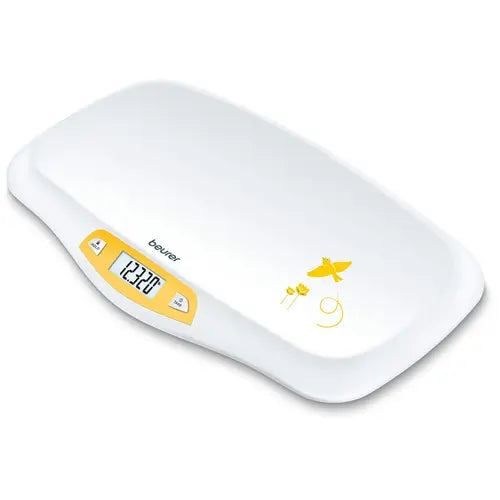
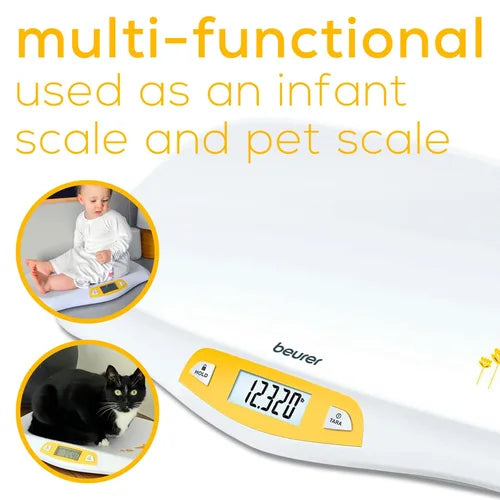
Type: Personal Care
Beurer Digital Baby Scale with Reliable German Technology


Type: Hospital Bed
Hospital Baby Cradle Mild Steel with Mattress for Maternity & Neonatal Care


Type: Patient Room
Baby Cradle Indian Mild Steel


Type: Patient Room
Baby Cradle Indian Stainless Steel
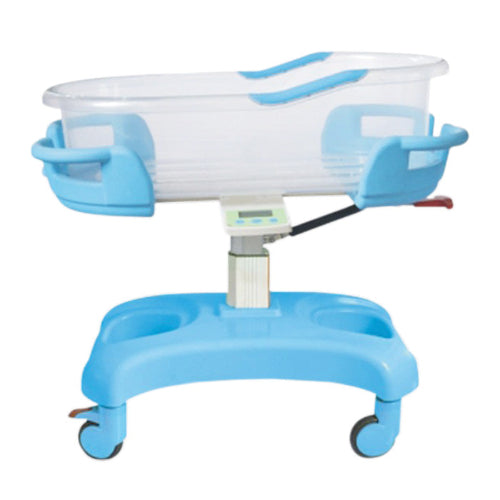
Type: Hospital Beds
Baby Cradle Delux Quality
Type: Patient Room
Baby Bassinet Indian Stainless Steel
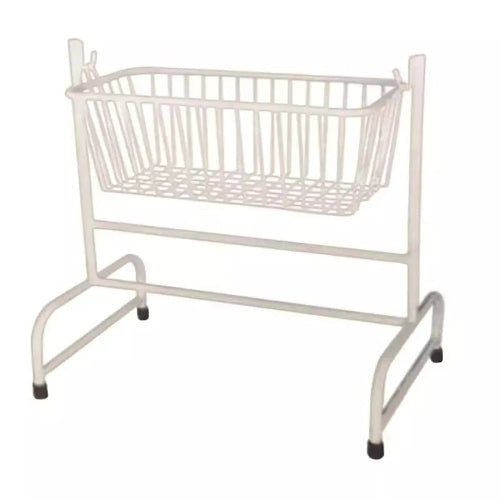
Type: Patient Room
Baby Bassinet Indian Mild Steel
Collection:
Choosing the Right Steel Baby Cradle

Benefits of Steel Construction
- Durability: Steel cradles are highly resistant to wear and tear, which is crucial in a healthcare setting where equipment is used extensively. They can withstand the rigors of daily use, preventing the frequent replacements that wooden or plastic cradles may require. This durability makes steel cradles a wise investment for hospitals looking to minimize long-term costs.
- Safety: The solid construction minimizes the risk of accidents, providing a secure environment for newborns. Steel's inherent strength ensures that the cradle remains stable even with active infants, reducing the chances of tipping or collapsing. The material's integrity also means fewer repairs and maintenance, contributing to a safer environment.
- Hygiene: Steel is easy to clean and disinfect, an essential feature in maintaining a sterile environment in hospitals. The non-porous surface of steel prevents the absorption of fluids, making it less prone to harboring bacteria or viruses. This ease of maintenance ensures that hygiene standards are consistently met, protecting both infants and healthcare workers.
Key Considerations
When choosing a steel baby cradle, several factors should be considered to ensure it meets the specific needs of your facility.
- Size and Capacity: Consider the dimensions and weight capacity of the cradle to ensure it fits the space and can accommodate infants of varying sizes. A versatile cradle can adapt to the diverse needs of a busy hospital ward.
- Customization Options: Look for cradles that offer customizable features, such as adjustable heights and removable components. These options can enhance usability and cater to different care scenarios.
- Cost and Value: While initial costs are important, consider the long-term value provided by the cradle's durability and low maintenance requirements. A higher upfront investment can lead to significant savings over time.
Exploring Baby Cradle Designs

Traditional vs. Modern Designs
- Traditional Cradles: These are stationary and offer a classic look. They are often favored for their stability and simplicity. Traditional cradles provide a sense of nostalgia and reliability, appealing to facilities that prioritize these values. Their robust design is ideal for long-term placement in fixed nursery settings.
- Modern Foldable Designs: These cradles are equipped with folding mechanisms, providing ease of storage and transport. They are ideal for facilities with limited space or those requiring mobility. Modern designs often incorporate innovative features, such as space-saving technology and enhanced portability, making them suitable for dynamic healthcare environments.
- Convertible Cradles: Some designs offer the flexibility to convert into different forms, such as bassinets or toddler beds. This adaptability can extend the cradle's usefulness as a child grows, offering additional value to healthcare providers.
Features to Look For
- Swing Mechanism: Many steel cradles come with a gentle swing feature, which can be soothing for infants. Ensure the swing is smooth and secure to avoid any safety hazards. A well-designed swing mechanism can provide comfort and help calm fussy infants, making it a desirable feature in neonatal care.
- Adjustable Features: Look for cradles with adjustable heights or reclining positions to accommodate various needs. These features allow caregivers to tailor the cradle's setup to the specific requirements of each infant, enhancing care quality.
- Wheels and Mobility: Cradles with wheels offer easy mobility, allowing caregivers to move them effortlessly within the facility. Mobility is crucial in situations where rapid relocation of infants is necessary, such as during emergency drills or equipment reorganization.
Material and Build Quality
- Coating and Finish: Assess the type of coating used on the steel, such as powder coating, which can protect against rust and corrosion. A high-quality finish can enhance both aesthetics and longevity.
- Weld Quality: Inspect the welds on the cradle to ensure they are smooth and free from sharp edges. Proper welds are essential for structural integrity and safety.
- Component Durability: Evaluate the strength and durability of other components, such as fasteners and wheels, to ensure they match the quality of the steel structure.
The Role of Aesthetics and Comfort
While functionality and safety are paramount, aesthetics and comfort should not be overlooked. The appearance of the cradle can impact the ambiance of a nursery or neonatal unit.
Enhancing Comfort
- Padding and Linens: Ensure that the cradle comes with adequate padding and comfortable linens. Soft materials are gentle on a baby's skin and contribute to a cozy environment. The choice of hypoallergenic and breathable fabrics can also enhance infant comfort, reducing the risk of skin irritations.
- Ergonomic Design: Look for cradles with ergonomic designs that support the natural posture of infants. Proper support can aid in healthy development and reduce the risk of physical discomfort.
- Temperature Regulation: Consider the cradle's ability to support temperature regulation, such as through breathable materials or heat-dissipating designs. Maintaining an optimal temperature is crucial for infant comfort and health.
Color and Finish
- Aesthetic Appeal: Steel cradles are available in various finishes, including powder-coated options that offer both aesthetic appeal and additional protection against rust. The color and finish can be chosen to match the overall decor of the nursery or ward, creating a cohesive and soothing environment.
- Psychological Impact: The colors used in healthcare settings can influence mood and stress levels. Choosing calming and neutral tones for cradles can contribute to a tranquil atmosphere, beneficial for both infants and caregivers.
- Maintenance and Care: Opt for finishes that are easy to clean and maintain, ensuring that the cradle's appearance remains pristine over time. A well-maintained cradle reflects positively on the facility's standards.
Selecting the Right Model for Your Needs

Choosing the right steel baby cradle involves understanding the specific needs of your healthcare setting. Whether you're a hospital administrator, medical equipment distributor, or healthcare technology consultant, the following considerations can guide your decision-making process.
For Hospital Administrators
- Budget Considerations: Look for cradles that offer a balance between cost and quality. Investing in durable equipment can reduce long-term expenses. Consider the total cost of ownership, including maintenance and potential replacement costs, to make informed financial decisions.
- Compliance and Standards: Ensure that the cradle meets all relevant safety and quality standards to comply with regulatory requirements. Adherence to standards is vital to avoid legal issues and ensure the highest level of care for patients.
- User Feedback: Gather input from healthcare staff on their preferences and experiences with different cradle models. Staff insights can provide valuable information on practical usability and effectiveness.
For Medical Equipment Distributors
- Market Trends: Stay informed about the latest design trends and technological advancements to offer your clients the best options. Understanding industry shifts can position you as a leader in providing innovative and effective solutions.
- Competitive Positioning: Differentiate your product offerings by highlighting unique features, such as enhanced safety mechanisms or innovative designs. Creating value propositions that resonate with your target audience can strengthen your market position.
- Supplier Relationships: Establish strong relationships with reliable manufacturers to ensure consistent quality and timely delivery of products. Partnering with reputable suppliers can enhance your reputation and customer satisfaction.
For Healthcare Technology Consultants
- Client Needs: Understand the specific needs and challenges of your clients to recommend the most suitable cradle models. Tailoring recommendations to the unique circumstances of each facility can improve client outcomes and satisfaction.
- Technology Integration: Explore options that allow for seamless integration with other healthcare technologies, such as monitoring systems. Integrated solutions can enhance operational efficiency and patient care capabilities.
- Training and Support: Provide training and ongoing support to clients to ensure they maximize the use of the cradles and related technologies. Comprehensive support services can differentiate your consultancy and add significant value to clients.
Conclusion
Selecting the right steel baby cradle is crucial for ensuring the safety, comfort, and well-being of newborns in healthcare settings. By considering factors such as design, functionality, and compliance with standards, healthcare providers can make informed decisions that align with their operational needs and budget constraints.
Investing in high-quality steel baby cradles not only enhances the patient care experience but also contributes to the overall efficiency and reputation of healthcare facilities. Whether you are procuring equipment for a hospital or advising clients on technology integration, understanding the nuances of steel baby cradles will empower you to make impactful and strategic choices.
By keeping abreast of market trends and technological advancements, you can continue to deliver superior solutions in the dynamic landscape of healthcare technology and equipment distribution. Your ability to adapt and provide cutting-edge solutions will ensure that you remain at the forefront of this ever-evolving industry, benefiting both your clients and the healthcare sector as a whole.
Q&A
Question: Why choose a steel baby cradle over wooden or plastic options in a hospital setting?
Short answer: Steel cradles offer superior durability, safety, and hygiene, making them a cost-effective long-term choice. Their robust construction withstands heavy, frequent use without frequent repairs or replacements. The inherent strength enhances stability and reduces tipping risks, while the non-porous surface is easy to clean and disinfect—crucial for maintaining sterile conditions in healthcare environments.
Question: What key features should we prioritize when selecting a steel baby cradle?
Short answer: Focus on size and weight capacity, adjustable features, mobility, and build quality. Ensure the cradle fits your space and accommodates varying infant sizes. Look for smooth, secure swing mechanisms; adjustable height or recline; and quality wheels for easy movement. Assess weld quality, coating/finish (e.g., powder coating for corrosion resistance), and the durability of components like fasteners and casters. Customization options can further improve usability across different care scenarios.
Question: How do traditional, modern foldable, and convertible designs compare—and which suits which environment?
Short answer: Traditional stationary cradles emphasize stability and simplicity, ideal for fixed nursery settings. Modern foldable designs prioritize portability and space-saving, fitting facilities with limited space or frequent room reconfiguration. Convertible cradles add flexibility by transforming into forms like bassinets or toddler beds, extending usefulness and value where broader age stages or evolving care needs are in play.
Question: How do aesthetics and comfort influence care quality in neonatal areas?
Short answer: Thoughtful aesthetics and comfort support a calming, healthy environment for infants and caregivers. Adequate padding and breathable, hypoallergenic linens promote skin comfort and temperature regulation, while ergonomic designs support natural infant posture. Calming, neutral finishes can reduce stress, and easy-to-clean coatings maintain a pristine look and protect against corrosion—reinforcing both hygiene and a professional ambiance.
Question: What should different stakeholders (administrators, distributors, consultants) consider when procuring cradles?
Short answer: Administrators should balance upfront cost with total value, ensure compliance with safety and quality standards, and gather staff feedback on usability. Distributors benefit by tracking design and tech trends, differentiating on unique features (e.g., enhanced safety or portability), and partnering with reliable manufacturers. Consultants should align recommendations to client-specific needs, explore integration with monitoring systems, and provide training and ongoing support to maximize outcomes.