

Type: Tapes & Bands
EPOS Original Korean Kinesio Tape Blue 5cm X 5m Single Roll

Type: General
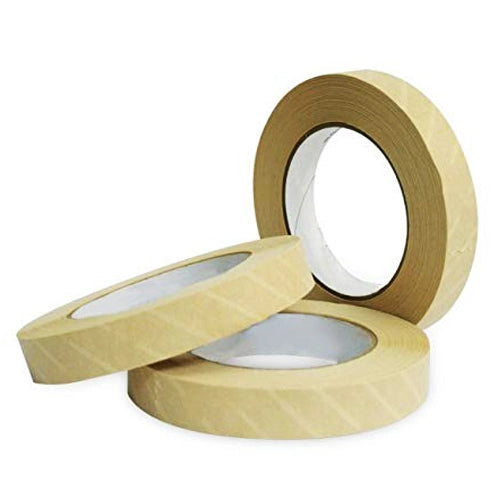
Autoclave Tape Steam Sterilization Indicator Tape (Pack of 5)
Type: Cotton Bandages
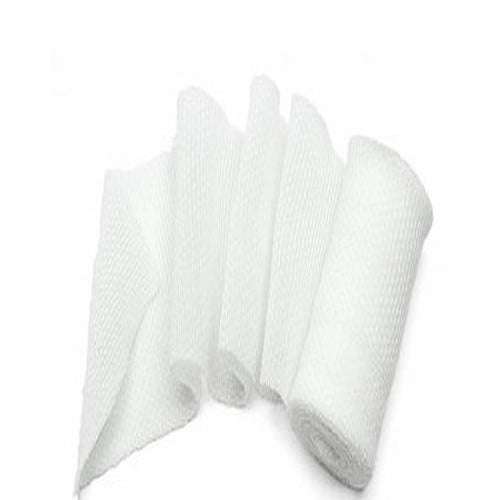
Cotton Bandages (120 Rolls) Woven Fabricated


Type: General Instruments
Lister Bandage Scissors
Type: Tapes & Bands
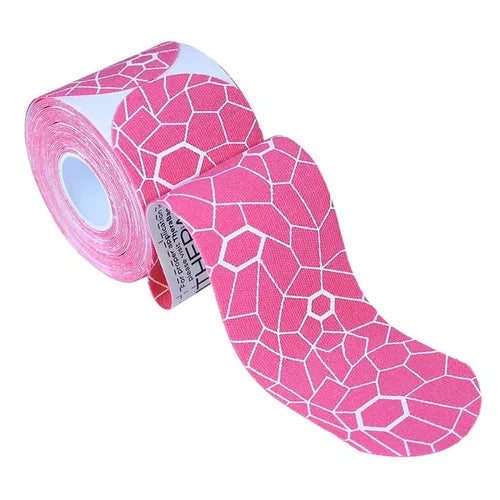
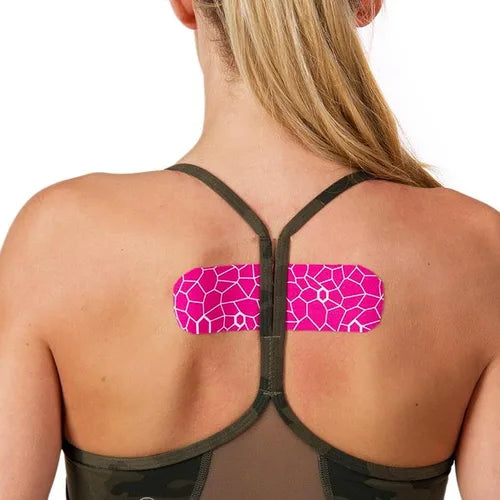
Theraband Kinesiology Tape (Pink White) Pre Cut
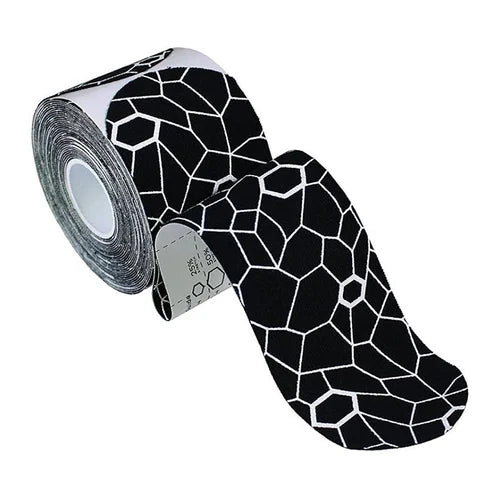

Type: Tapes & Bands
Theraband Kinesiology Tape (Black White) Pre Cut
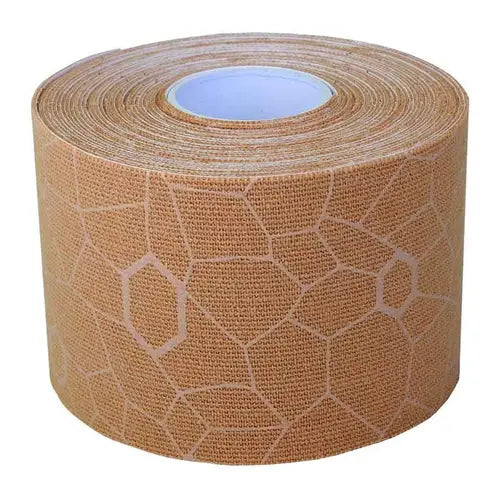

Type: Tapes & Bands
Theraband Kinesiology Tape (Beige Clear) Pre Cut

Type: Tapes & Bandages
Elastic Compression Crepe Bandage
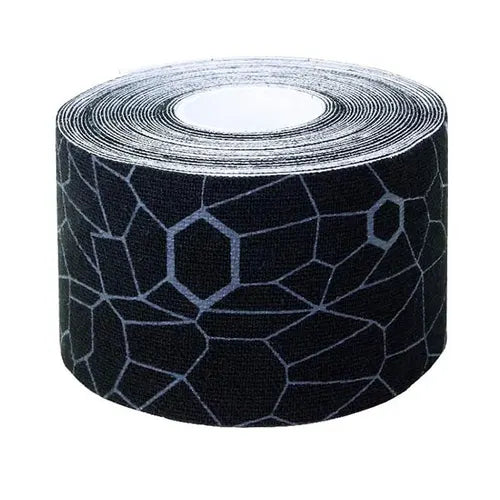
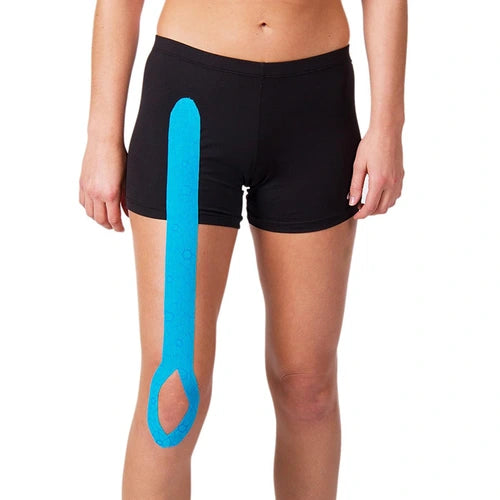
Type: Tapes & Bands
Theraband Kinesiology Tape (Black Grey) Pre Cut
Collection:
Bandage Care: Tips for Faster Healing
In the realm of healthcare, the humble bandage plays a pivotal role in wound management and recovery. From minor scrapes to post-operative care, understanding the nuances of bandage application and care can significantly impact healing time and outcomes. Let's delve into the principles of effective bandage care and how you can optimize healing for yourself or those you care for.

Bandages are not one-size-fits-all. Each type serves a unique purpose and application, which is critical to understand for effective wound care. Here are the four main types of bandages:
Adhesive Bandages
Commonly known as band-aids, adhesive bandages are the go-to option for minor cuts and abrasions. They consist of a small pad attached to a sticky strip, which adheres to the skin, keeping the wound clean and protected from external elements. These bandages are easy to apply and remove, making them convenient for everyday use. It's important to choose the right size and shape to adequately cover the wound without bunching or causing discomfort.
Elastic Bandages
Elastic bandages, or compression bandages, are typically used to reduce swelling and support sprains. They are stretchy and can be wrapped around limbs to provide consistent pressure, promoting circulation and reducing inflammation. However, care must be taken to avoid wrapping too tightly, which can impede blood flow and cause discomfort. Elastic bandages are reusable, but they should be washed regularly to maintain hygiene and elasticity.
Crepe Bandages: Versatile Uses
Crepe bandages are versatile and beneficial for both support and compression. They are commonly used to hold dressings in place and provide light support for strains. The unique texture of crepe bandages allows for flexibility and comfort, making them ideal for use on joints or areas requiring movement. However, it's crucial to ensure they are not applied too tightly to avoid restricting blood flow. Proper application involves smooth wrapping and securing with clips or tape.
Plaster of Paris Bandages
Plaster of Paris bandages are used for immobilizing broken bones or serious injuries. These bandages harden when wet, forming a solid cast that restricts movement and protects the injured area. They are typically applied by healthcare professionals due to the complexity of the application and the need for precise molding. Once dry, these casts provide durable support, but they must be kept dry and clean to prevent damage or infection.
Common Bandaging Mistakes to Avoid
Bandaging, while seemingly simple, can go awry if not done correctly. Here are some common mistakes to avoid:
Applying Too Tight
This can hinder circulation and delay healing. A bandage should be snug enough to stay in place but not so tight that it constricts blood flow. Signs of a too-tight bandage include tingling, numbness, or swelling beyond the bandage. Adjust the fit by rewrapping if these symptoms appear, ensuring a balance between security and comfort.
Using Non-Sterile Bandages
Always use sterile bandages to prevent infection. Sterility is crucial, especially for open wounds, as exposure to bacteria can lead to complications. Ensure your hands are clean when handling bandages, and store them in a clean, dry place to maintain their sterility. In emergency situations, prioritize sterile options to minimize infection risks.
Ignoring Allergic Reactions
Some individuals may be allergic to adhesive materials or latex in bandages. Be mindful of any skin reactions, such as redness, itching, or rashes. If an allergic reaction occurs, remove the bandage immediately and opt for hypoallergenic alternatives. Consulting a healthcare professional can help identify suitable bandage materials and prevent future reactions.
Not Changing Bandages Regularly
Change bandages according to the wound care plan to prevent infection and promote healing. Regular changes ensure that the wound remains clean and that any exudate is absorbed. Ignoring scheduled changes can lead to moisture buildup, promoting bacterial growth and delaying healing. Follow medical advice for optimal frequency, adjusting as needed based on the wound's condition.
How to Apply a Simple Bandage

Applying a bandage correctly is crucial for effective wound care. Here's a step-by-step guide:
Clean the Wound
Gently clean the wound with mild soap and water. This removes dirt and bacteria, reducing infection risks. Avoid harsh scrubbing, which can irritate the wound. Pat dry with a sterile cloth to prepare the area for dressing.
Apply a Sterile Dressing
Place a sterile pad over the wound to absorb any drainage. The dressing acts as a barrier against contamination, keeping the wound environment conducive to healing. Ensure the pad covers the entire wound, extending slightly beyond its edges for maximum protection.
Wrap with the Bandage
Start from the bottom of the wound and wrap upwards. This method supports circulation and prevents slippage. Ensure that the bandage is snug but not too tight, adjusting the tension as you wrap. Overlapping each layer slightly creates an even, secure covering.
Secure the Bandage
Use medical tape or clips to secure the bandage in place. Securing the bandage properly prevents it from loosening or unraveling. Choose hypoallergenic tape to avoid irritation, and check the bandage periodically to ensure it remains intact.
Principles of Wound Care & Bandaging Techniques
Effective wound care involves a combination of proper cleaning, dressing, and bandaging. Here are key principles to follow:
Keep the Wound Clean
Clean the wound and surrounding skin regularly to prevent infection. This involves gentle washing and drying, maintaining a sterile environment. Regular cleaning removes contaminants and facilitates healing, reducing the risk of complications.
Moisture Balance
Maintain a moist wound environment to promote healing. Use appropriate dressings that balance moisture retention and absorb excess exudate. A moist environment supports cell growth and prevents scabbing, which can slow healing.
Avoid Disturbing the Wound
Protect the wound from trauma and keep it covered unless advised otherwise by a healthcare professional. Disturbance can reopen the wound or introduce bacteria, hindering recovery. Follow medical guidance on when to expose the wound for air or additional treatment.
Dressing and Bandaging Bleeding and Wounds
When dealing with bleeding wounds, quick and effective action is necessary. Here's how to handle such situations:
Apply Direct Pressure
Use a sterile pad or clean cloth to apply pressure until bleeding stops. Direct pressure is the most effective method to control bleeding quickly. Maintain pressure steadily, avoiding frequent checks that can disrupt clot formation.
Elevate the Wound
Raise the affected area above heart level if possible to reduce blood flow to the wound. Elevation decreases pressure in the injured area, aiding clotting. This technique is particularly effective for limb wounds and should be combined with pressure.
Secure with a Bandage
Once bleeding has stopped, apply a sterile dressing and bandage to protect the wound. This step maintains cleanliness and supports initial healing. Ensure the bandage is secure but not too tight, accommodating any swelling that may occur.
How Long Should I Wear a Bandage?
The duration for which a bandage should remain in place varies based on the type of wound and bandage. Generally:
Minor Cuts
Change daily or as needed. Daily changes ensure that any new exudate is absorbed and the wound remains clean. Adjust frequency based on healing progress, with more frequent changes if the wound is active or draining.
Post-Operative Wounds
Follow specific medical advice, often requiring more frequent changes. Post-operative care is critical, as these wounds are more susceptible to infection. Regular changes prevent complications and support recovery, aligning with the surgeon's guidance.
Sprains and Strains
Elastic bandages can be worn throughout the day but should be removed at night to prevent circulatory issues. Nighttime removal allows for natural circulation and reduces the risk of constriction. Reapply the bandage in the morning, adjusting for any overnight swelling.
What Happens If You Leave a Bandage on Too Long?
Leaving a bandage on for too long can lead to several issues, such as:
Skin Maceration
Excess moisture can cause skin to become white and wrinkly. Prolonged exposure to moisture weakens the skin's integrity, leading to maceration. This condition can delay healing and increase susceptibility to infections.
Infection
Prolonged use without changing can lead to bacterial growth. Bacteria thrive in moist, warm environments, making timely bandage changes crucial. Infections can complicate healing and require medical intervention, emphasizing the importance of regular monitoring.
Delayed Healing
Inappropriate moisture levels can hinder the natural healing process. Both excessive dryness and moisture can impede cell growth and repair. Balancing moisture through proper dressing choices is essential for effective healing.
Conclusion

Proper bandage care is an essential aspect of effective wound management. By selecting the right bandage, avoiding common mistakes, and applying techniques correctly, you can ensure faster healing and prevent complications. Whether you're a healthcare provider or managing personal care, these tips are invaluable for optimal wound care and recovery. Stay informed, stay prepared, and prioritize your health and well-being. Understanding the intricacies of bandage application and maintenance not only supports physical healing but also empowers individuals with the knowledge to prevent future issues. Embrace these practices as part of a comprehensive approach to health, ensuring resilience and well-being for yourself and those you care for.
Q&A
Question: How do I choose the right bandage for my wound or injury?
Short answer: Match the bandage to the job. Use adhesive bandages (band-aids) for minor cuts and abrasions---pick the right size and shape to cover the wound comfortably. Choose elastic/compression bandages for sprains and swelling---they provide support and pressure but must not be wrapped too tightly; wash and reuse to keep them clean and elastic. Opt for crepe bandages to hold dressings in place or give light support, especially around joints; wrap smoothly and secure with clips or tape. Plaster of Paris bandages are for immobilizing serious injuries or fractures and should be applied by healthcare professionals; once set, keep them dry and clean. If you notice redness, itching, or a rash from adhesives or latex, switch to hypoallergenic options and consider consulting a healthcare professional.
Question: How tight should a bandage be?
Short answer: Snug, not constricting. A properly applied bandage stays in place without cutting off circulation. Signs it's too tight include tingling, numbness, or swelling beyond the bandage. If you notice these, unwrap and reapply with less tension, aiming for secure coverage that balances support and comfort.
Question: What's the correct way to apply a simple bandage?
Short answer: Follow four steps: (1) Clean the wound gently with mild soap and water; pat dry. (2) Place a sterile dressing over the wound, extending slightly past the edges. (3) Wrap the bandage from below the wound upward, overlapping each layer slightly; keep it snug but not tight. (4) Secure with clips or hypoallergenic medical tape, and check periodically to ensure it remains intact and comfortable.
Question: How should I manage a bleeding wound before bandaging?
Short answer: Control bleeding first, then protect the wound. Apply direct pressure with a sterile pad or clean cloth and hold it steadily---avoid frequent checks that can disrupt clotting. Elevate the injured area above heart level if possible to reduce blood flow. Once bleeding stops, place a sterile dressing and secure it with a bandage that's firm but not overly tight, allowing room for any swelling.
Question: How long should I keep a bandage on---and what happens if I leave it on too long?
Short answer: Timing depends on the situation. For minor cuts, change the bandage daily or as needed to keep the area clean. For post-operative wounds, follow your provider's specific schedule, often with more frequent changes. For sprains and strains, wear elastic bandages during the day and remove them at night, reapplying in the morning and adjusting for swelling. Leaving a bandage on too long can cause skin maceration (white, wrinkly, fragile skin), promote infection, and delay healing due to poor moisture balance. Prevent problems by changing bandages as advised, keeping the wound clean, maintaining a moist (not soggy) environment with appropriate dressings, and keeping casts (Plaster of Paris) dry and clean.
Question: Which type of bandage should I use for different injuries?
Short answer: Match the bandage to the need. Use adhesive bandages for minor cuts and abrasions—pick a size and shape that comfortably covers the wound. Choose elastic (compression) bandages to reduce swelling and support sprains—wrap snugly but not tightly, and wash them regularly to keep them clean and elastic. Opt for crepe bandages to hold dressings in place or provide light support, especially around joints—wrap smoothly and secure with clips or tape without restricting blood flow. Plaster of Paris bandages are for immobilizing fractures or serious injuries and should be applied by healthcare professionals; once set, keep the cast dry and clean.
Question: What common bandaging mistakes should I avoid?
Short answer: Avoid wrapping too tightly (watch for tingling, numbness, or swelling beyond the bandage and rewrap if these occur). Don’t use non-sterile bandages—clean hands and clean, dry storage help prevent infection. Don’t ignore allergic reactions to adhesives or latex—switch to hypoallergenic options if redness, itching, or rash develops. Don’t skip regular changes—follow your wound care plan so moisture and exudate don’t build up and slow healing.
Question: What’s the correct way to apply a simple bandage?
Short answer: Clean the wound gently with mild soap and water, then pat dry. Place a sterile dressing over the wound, extending slightly beyond the edges. Wrap the bandage from below the wound upward, overlapping layers slightly; keep it snug but not tight. Secure with clips or hypoallergenic medical tape, and check periodically to ensure it remains intact and comfortable.
Question: How should I control bleeding before bandaging?
Short answer: Apply steady direct pressure with a sterile pad or clean cloth and avoid frequent checks that can interrupt clotting. Elevate the injured area above heart level if possible to reduce blood flow and help bleeding slow. Once bleeding stops, cover with a sterile dressing and secure with a bandage that’s firm but not constricting, allowing room for any swelling.
Question: Should I let my wound “air out,” or keep it covered and moist?
Short answer: Keep it clean, protected, and appropriately moist. A moist environment supports cell growth and helps prevent scabbing that can slow healing. Use dressings that balance moisture—retaining enough to promote healing while absorbing excess exudate—and avoid disturbing the wound unless a healthcare professional advises otherwise.