
Filter
6 products

Type: Anesthesia
CPAP Nasal Vented Mask Standard
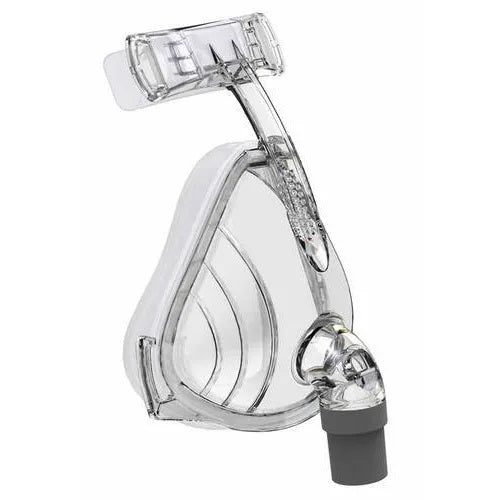
Type: Respiratory
Vented CPAP BIPAP Mask

Type: anesthesia
Full Face Vented Mask YF 02 from Yuvell

Type: anesthesia
Full Face Vented Mask FY 01 from Yuvell
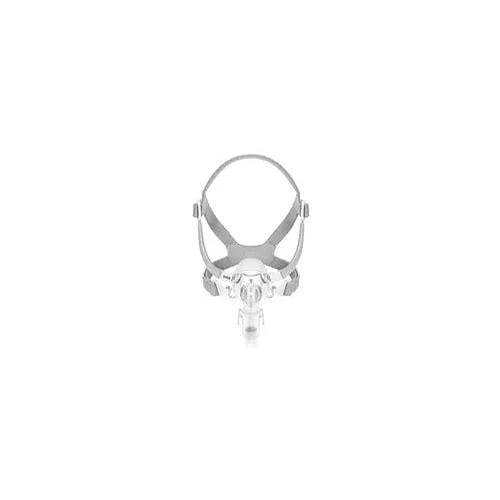
Type: anesthesia
CPAP Nasal Vented YN 03 from Yuvell
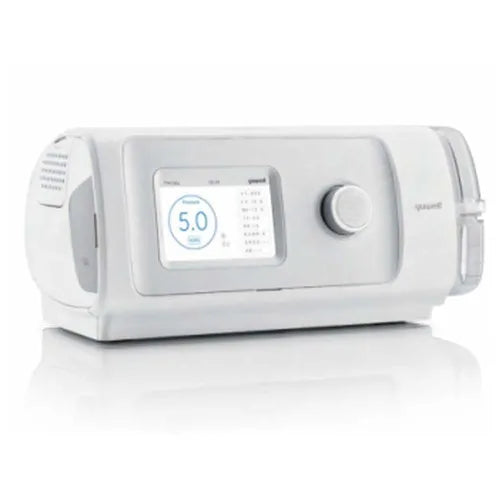
Type: Anesthesia
Yuwell BreathCare II YH-830 BiPAP Machine with Heated Humidifier
Collection:
BiPAP Mask: Types, Uses, Full Face Options, and Complete Guide
Introduction: Why BiPAP Masks Matter So Much
A BiPAP mask is one of the most important parts of non-invasive breathing support because the machine can only work well when the mask fits properly, seals correctly, and matches the patient’s breathing needs. Many people focus mainly on the machine and pressure settings, but the mask is just as important. If the mask is uncomfortable, poorly fitted, or not suited to the person’s breathing pattern, the therapy may feel difficult even when the machine is functioning properly.
The reason this topic is searched so often is that BiPAP users, caregivers, and medical buyers hear several similar mask terms at once. Some people ask for a BiPAP mask. Some ask specifically for a BiPAP full face mask. Others want to understand the broader category of CPAP and BiPAP masks. Many users are not sure whether the same mask styles work for both therapies or whether a BiPAP machine always needs a different kind of interface.
Another source of confusion is that mask choice is not one-size-fits-all. Full face masks, nasal masks, and total face or other NIV mask options all exist for a reason. A person who breathes mainly through the mouth may do better with one mask style, while another person may prefer a lighter nasal option. A patient receiving hospital-based non-invasive ventilation may need a very different mask approach than a person using BiPAP at home during sleep.
This article explains what a BiPAP mask is, how it differs from the machine itself, how BiPAP differs from CPAP, what full face masks actually cover, what common mask types are used in NIV and PAP therapy, how mask fit affects comfort and performance, and how hospitals, clinics, and home users should think about mask selection more clearly.
Home Sleep & PAP Therapy
Important for users trying to understand BiPAP mask comfort, full face mask choices, and mask fit in nightly therapy.
Hospital NIV Use
Useful where non-invasive ventilation masks are selected for respiratory support in hospital and high-dependency settings.
Mask Selection & Procurement
Helpful for understanding mask categories such as nasal, full face, and total face, and how they relate to BiPAP therapy.
What Is a BiPAP Mask?
A BiPAP mask is the patient interface used to deliver bilevel positive airway pressure therapy. It is the part that sits on the face and allows pressurised air from the BiPAP machine to reach the airway. The mask itself does not create the pressure. The machine does that. The mask is the route through which the therapy is delivered.
In simple terms, the mask is to BiPAP therapy what a mouthpiece is to some inhaled therapies: it is the contact point between the device and the person using it. This is why the mask’s design matters so much. A machine can be technically excellent, but if the mask is uncomfortable or badly chosen, the user may struggle with therapy.
In practical PAP therapy language, the same broad mask families may be used for CPAP and BiPAP, but the comfort demands and fitting priorities may differ depending on the user’s therapy pressure, breathing pattern, and tolerance.
Simple Definition
A BiPAP mask is the face interface that delivers bilevel positive airway pressure from the machine to the user’s airway.
What Is BiPAP and How Is It Different from CPAP?
BiPAP, also called BPAP, is a non-invasive positive airway pressure therapy that delivers two different pressure levels: one pressure during inhalation and another during exhalation. This is one of the most important differences between BiPAP and CPAP. CPAP typically provides one continuous pressure, while BiPAP provides a higher pressure for inhaling and a lower pressure for exhaling.
This distinction matters because it helps explain why some users are specifically searching for a BiPAP mask rather than a general PAP mask. The mask must remain comfortable and well sealed while the machine alternates between two pressure levels. Even though the mask categories overlap with CPAP, the user’s comfort experience may differ.
In practical terms:
- CPAP = one continuous pressure level
- BiPAP = two pressure levels, one for inhaling and one for exhaling
This makes BiPAP useful in situations where a person needs more breathing support or a different pressure feel than standard CPAP.
Therapy Rule
BiPAP uses two pressure levels, while CPAP uses one continuous pressure. That difference helps explain why mask comfort and fit are so important in BiPAP therapy.
Are CPAP and BiPAP Masks the Same?
This is one of the most common questions behind the keyword cpap and bipap masks. In many cases, the same broad mask styles are used across both CPAP and BiPAP therapy. Full face masks, nasal masks, and some other PAP mask categories can be prescribed for either CPAP or bilevel therapy depending on the product and the user’s needs.
For example, current Resmed mask guides describe full face masks as being intended for patients prescribed non-invasive CPAP or bilevel positive airway pressure therapy. This shows that the same full face mask family may be suitable for both kinds of therapy if the mask is designed for that purpose.
However, even when the broad mask family overlaps, the best choice may still differ from person to person. A user on BiPAP may prioritize seal stability, mouth coverage, or exhalation comfort differently than a user on lower-pressure CPAP. So the answer is not simply yes or no. The categories overlap, but individual fit and therapy needs still matter.
| Question | Practical Answer | Why It Matters |
|---|---|---|
| Can the same mask styles be used for CPAP and BiPAP? | Often yes, depending on the mask design and therapy prescription | Explains why many masks are described as suitable for PAP therapy generally |
| Does BiPAP always need a different mask? | Not always, but comfort and fit demands may differ | BiPAP users may notice mask tolerance differences because of bilevel pressure changes |
| Is full face mask use common in both? | Yes, especially when mouth breathing is relevant | Full face masks are often prescribed in PAP therapy broadly |
Types of BiPAP Masks
There are several common mask categories used in non-invasive ventilation and PAP therapy. Current hospital NIV guidance and PAP education sources commonly describe mask types such as:
- Nasal mask
- Full face mask
- Oronasal mask
- Total face mask
- Nasal pillow style options in PAP therapy contexts
These mask types exist because patient needs vary. Some users want less facial coverage. Others need mouth coverage. Some need hospital-style NIV masks. Others are long-term home PAP users focused on sleep comfort.
Nasal Mask
Covers the nose and is commonly used when the user is comfortable breathing through the nose.
Full Face Mask
Covers both the nose and mouth and is often chosen when mouth breathing matters.
Total Face Mask
Covers more of the face and is part of the broader NIV mask family in some hospital settings.
Nasal Pillow Style
Uses minimal facial contact around the nostril area in PAP therapy contexts.
What Is a BiPAP Full Face Mask?
A BiPAP full face mask is a full face PAP or NIV mask used to deliver bilevel therapy while covering both the nose and mouth. Current NIV patient guides clearly explain that a full face mask covers the nose and mouth, allowing the person to breathe through either route while receiving therapy.
This mask type is especially relevant because many BiPAP users breathe through the mouth, or they may need a mask that remains effective even when mouth breathing occurs during sleep or respiratory support. That is why the full face mask remains one of the most frequently discussed BiPAP mask categories.
In simple terms, full face masks are often chosen when:
- The user breathes through the mouth
- Nasal-only masks are less suitable
- Broader facial coverage is needed for therapy stability
- The care team wants both nose and mouth inside the mask interface
Full Face Meaning
A BiPAP full face mask covers both the nose and mouth and is often useful when mouth breathing or broader facial coverage matters.
Nasal Mask vs Full Face Mask
One of the most practical choices in PAP therapy is deciding between a nasal mask and a full face mask. A nasal mask covers only the nose. A full face mask covers both the nose and the mouth. That sounds simple, but it has a major effect on comfort and therapy style.
A user may prefer a nasal mask because it feels lighter and less bulky. Another may prefer a full face mask because mouth breathing makes nasal-only therapy less suitable. In hospitals, the care team may choose based on respiratory support needs. In home therapy, the choice often depends on comfort, breathing pattern, and tolerance.
Neither mask is “best” for everyone. The best mask is the one that matches the user’s therapy and facial breathing behavior.
| Mask Type | Main Coverage | Practical Use Meaning |
|---|---|---|
| Nasal Mask | Covers the nose | Useful when the user is comfortable with nose-based therapy |
| Full Face Mask | Covers the nose and mouth | Useful when mouth breathing or broader coverage is important |
| Total Face Mask | Covers a larger facial area | Part of broader NIV mask categories in some settings |
Why Mask Fit Matters in BiPAP Therapy
Mask fit is one of the most important reasons BiPAP therapy succeeds or fails in practice. A badly fitted mask can cause air leaks, discomfort, facial pressure points, disrupted sleep, therapy frustration, and reduced confidence. Even if the machine is delivering the correct settings, the user may still struggle if the mask does not sit well on the face.
This is why hospital NIV guidance emphasizes correct mask sizing and fitting, and why PAP mask guides focus so much on finding the right style. A good fit should provide:
- A stable seal
- Comfortable contact with the face
- Practical wear for the intended duration
- Enough coverage for the user’s breathing pattern
A mask that is too large, too small, too tight, or not suited to the user’s face may create problems even when the general mask category is correct.
Fit Rule
The best BiPAP mask is not just the right category. It is the one that seals well, feels comfortable, and matches the user’s breathing pattern.
Common Problems with BiPAP Masks
Users often search for BiPAP masks because they are dealing with common mask-related difficulties. These may include:
- Mask leaks
- Pressure marks on the face
- Feeling that the mask is too bulky
- Mouth dryness or air leak issues
- Discomfort with straps or cushion pressure
- Difficulty choosing between full face and nasal options
These issues do not always mean the therapy is wrong. Often they mean the mask choice, sizing, or fit needs review. This is why mask selection is not a one-time box-ticking exercise. It is part of therapy optimization.
Leak Problems
Air leaks can reduce comfort and make therapy feel less stable.
Bulkiness
Some users find full face masks more secure but also more noticeable on the face.
Pressure Marks
Incorrect tension or wrong mask shape can create pressure discomfort.
Wrong Mask Category
Some users simply need a different mask style rather than abandoning therapy.
BiPAP Mask in Hospital NIV Settings
In hospital non-invasive ventilation settings, BiPAP masks may be selected more according to immediate respiratory needs than long-term sleep comfort. Current hospital NIV guidance describes mask categories such as nasal, full face, and total face in the context of respiratory support, with the care team helping decide which type is most appropriate.
This means hospital NIV mask selection may focus more strongly on:
- Therapy effectiveness
- Clinical respiratory support goals
- Seal stability
- Tolerance over the needed support period
By contrast, home PAP users may focus more strongly on nightly comfort, sleeping position, and long-term acceptance.
BiPAP Mask in Home Therapy
In home therapy, the BiPAP mask often becomes part of the person’s nightly routine. That means comfort, habit, and usability matter a great deal. A mask that is technically correct but unpleasant to wear every night may reduce therapy adherence.
Home users often care about:
- How the mask feels during sleep
- Whether it works with mouth breathing
- Whether it feels too heavy or too intrusive
- How easy it is to put on and take off
- How well it stays in place during normal movement
This is why mask fitting is such a major part of PAP therapy success at home.
How Hospitals and Buyers Should Choose a BiPAP Mask
Hospitals and buyers should choose a BiPAP mask based on therapy setting, breathing pattern, facial coverage needs, and comfort goals. The most useful questions include:
- Is the user a mouth breather?
- Is full face coverage needed?
- Will the mask be used in home PAP therapy or hospital NIV?
- Does the user tolerate broader facial coverage well?
- Would a nasal-only option be more comfortable if mouth breathing is not a concern?
These questions help move mask selection away from guesswork and toward more logical patient-centered choice.
Selection Logic
The right BiPAP mask depends on breathing pattern, therapy context, coverage needs, and comfort — not just on what looks most common online.
Hover Quick Guide
Neeche ke highlighted terms par cursor le jao:
BiPAP BiPAP ya BPAP therapy do pressure levels use karti hai — ek inhale ke liye aur ek exhale ke liye. Full Face Mask Full face mask nose aur mouth dono ko cover karta hai. Ye mouth breathing ke cases me especially useful ho sakta hai. Nasal Mask Nasal mask sirf nose ko cover karta hai. Ye un users ke liye better ho sakta hai jo nose se breathing tolerate karte hain. CPAP vs BiPAP CPAP usually ek continuous pressure deta hai, jabki BiPAP inhale aur exhale ke liye do alag pressure levels use karta hai.
Frequently Asked Questions
What is a BiPAP mask?
A BiPAP mask is the face interface used to deliver bilevel positive airway pressure therapy from the machine to the airway.
What is the difference between BiPAP and CPAP?
BiPAP uses two pressure levels, while CPAP generally uses one continuous pressure level.
Can the same masks be used for CPAP and BiPAP?
In many cases yes, because broad mask families such as full face and nasal masks may be prescribed for both therapies depending on the mask design and user needs.
What is a BiPAP full face mask?
It is a mask that covers both the nose and mouth and is used to deliver bilevel therapy when broader facial coverage is needed.
When is a full face mask often useful?
A full face mask is often useful when mouth breathing matters or when nose-only coverage is less suitable.
What types of masks are used in NIV and PAP therapy?
Common mask types include nasal masks, full face masks, total face masks, and some nasal pillow-style options depending on the therapy context.
Why does mask fit matter so much in BiPAP therapy?
Mask fit matters because leaks, discomfort, and poor seal can make therapy harder to tolerate even when the machine settings are correct.
Is a nasal mask always better than a full face mask?
No. The best option depends on breathing pattern, therapy need, and user comfort.
Why are BiPAP masks used in hospitals?
In hospitals they are used as interfaces for non-invasive ventilation and are selected according to respiratory support needs and seal effectiveness.
How should a BiPAP mask be chosen?
It should be chosen based on breathing pattern, therapy context, coverage requirement, and comfort rather than appearance alone.
Conclusion
A BiPAP mask is much more than a face covering for a machine. It is the key interface that makes bilevel therapy possible, and its fit, style, and comfort have a major effect on therapy success. Whether someone searches for bipap mask, bipap full face mask, or cpap and bipap masks, the main idea stays the same: the best mask is the one that matches the user’s breathing pattern, therapy needs, and comfort requirements. Once the difference between full face, nasal, and other NIV mask styles is understood clearly, mask selection becomes far more logical and far more effective.