
Type: Home Healthcare
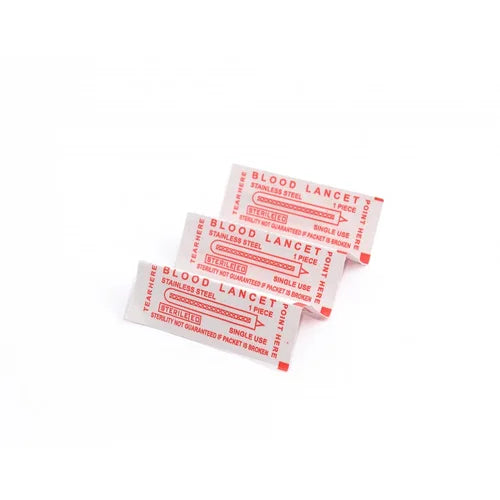
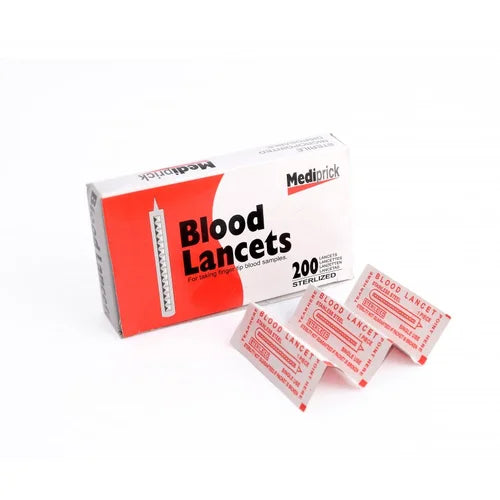
Mediprick Blood Lancets 400 pcs (2 Pack of 200)


Type: Manikin
IV Injection Pad Deluxe for Venipuncture Training


Type: Hospital Beds
Cushioned Blood Transfusion Chair with IV Stand Support


Type: Hospital Beds
Blood Collection Chair with Cushioned Seat, Armrests & IV Pole Support


Type: Simulator Manikins
Injectable Training Arm Model – Delux Injection Training Arm for Hospitals


Type: Manikin
Injection Arm Model with Circulation Pump & Veins
Collection:
Understanding Blood Types and Donation Needs

Blood types are classified based on the presence or absence of certain antigens on the surface of red blood cells. The major blood group systems are ABO and Rh, resulting in eight possible blood types: A+, A-, B+, B-, AB+, AB-, O+, and O-. Each blood type has unique characteristics that determine compatibility for blood transfusions.
Understanding the ABO Blood Group System
The ABO blood group system is the primary classification system for blood types. It is based on the presence or absence of two antigens, A and B, on the surface of red blood cells. Type A blood has only the A antigen, Type B has only the B antigen, Type AB has both antigens, and Type O has neither. This system is crucial for determining compatibility in blood transfusions, as receiving the wrong blood type can lead to serious complications.
The Role of the Rh Factor
The Rh factor, also known as the Rhesus factor, is another antigen present on the surface of red blood cells. Its presence or absence determines whether a blood type is positive or negative. For example, A+ blood has the A antigen and the Rh factor, whereas A- blood has the A antigen but lacks the Rh factor. Understanding the Rh factor is important for pregnancy and transfusions, as Rh incompatibility can cause health issues.
Rare Blood Types and Their Importance
While the eight main blood types are well-known, some individuals have rare blood types due to uncommon antigen combinations. These rare blood types can pose challenges in medical situations requiring transfusions. Blood banks often keep a registry of donors with rare blood types to ensure availability in emergencies. Awareness and understanding of these rare types can be crucial for timely medical intervention.
Universal Blood Type for Donation
O negative is often referred to as the universal donor type. This means O negative blood can be given to patients of any blood type in an emergency. However, individuals with O negative blood can only receive O negative blood.
Why O Negative is Considered Universal
O negative blood lacks the A, B, and Rh antigens, making it the safest choice in emergencies when there is no time to determine a patient's blood type. This universal compatibility is crucial in trauma centers and during surgeries when immediate transfusions are necessary. However, the rarity of O negative donors can lead to shortages, emphasizing the importance of regular donations.
The Limitations of Universal Donation
While O negative is universal for red cell transfusions, it is not universal for plasma donations. AB plasma is considered the universal plasma donor. Understanding these limitations is essential for effective blood management in healthcare settings. Blood banks must carefully balance O negative and AB plasma supplies to meet diverse patient needs.
Importance of Donating Blood
Blood transfusions are necessary for various medical situations, including surgeries, trauma cases, and for patients with certain medical conditions. Donating blood helps ensure that hospitals and blood banks have a steady supply to meet patient needs. Your donation could be a lifeline for someone in critical need.
The Impact of Blood Donations in Healthcare
Blood donations support a wide range of medical treatments, from emergency surgeries to routine procedures for chronic conditions like cancer and anemia. The availability of blood can significantly influence patient outcomes and recovery times. As medical advancements continue, the demand for blood and blood products is expected to grow, highlighting the ongoing need for committed donors.
Community Benefits of Blood Donation
Donating blood is not just a personal act; it is a community service that strengthens public health systems. Blood drives and donation events foster community spirit and awareness about the importance of blood donation. They also provide an opportunity for individuals to engage in life-saving activities, creating a ripple effect of goodwill and altruism.
Blood Donation Eligibility

Blood donation eligibility is determined by several factors, including age, weight, and health status. Generally, donors should be at least 17 years old, weigh at least 110 pounds, and be in good health. However, specific eligibility criteria may vary depending on the blood bank or donation center.
Who is Eligible to Donate Blood?
Eligibility criteria are established to ensure the safety and well-being of both the donor and the recipient. Most healthy adults who meet the age and weight requirements can donate blood. However, other factors such as recent travel history, medications, and lifestyle choices may impact eligibility. Blood banks usually conduct a thorough screening to determine donor suitability.
Who is Not Eligible for Blood Donation?
Certain conditions and behaviors may make an individual ineligible to donate blood. These include having certain infectious diseases, engaging in high-risk behaviors, or having traveled to certain regions where blood-borne diseases are prevalent. It is vital to consult with the donation center for specific guidelines.
Medical Conditions Affecting Eligibility
Chronic illnesses, such as diabetes or cardiovascular diseases, may disqualify an individual from donating blood. Additionally, individuals with conditions like hepatitis or HIV are permanently deferred from donating due to the risk of transmission. Temporary deferrals may apply to those with colds or recent infections until they have fully recovered.
Who Should Avoid Blood Donation?
People with chronic illnesses or those who are feeling unwell should avoid donating blood. Additionally, if you've recently had a tattoo or piercing, or if you're pregnant, it might be best to wait before donating. Always check with the donation center if you're unsure.
Tattoo and Piercing Considerations
Recent tattoos or piercings can introduce a risk of infection, which is why donors are often deferred for a period after such procedures. The waiting period can vary by region and health guidelines but is typically around 3-12 months. This precaution helps ensure the safety of the blood supply and the health of the donor.
Pregnancy and Blood Donation
Pregnant women are advised against donating blood to protect their health and the health of their unborn child. The body undergoes significant changes during pregnancy, including increased blood volume and nutrient demands, making donation inadvisable. Postpartum women may resume donation after a certain period, usually six weeks, depending on individual recovery.
Preparing for Blood Donation
What to Eat Before Donating Blood
Eating a healthy meal before donating blood is essential. Focus on iron-rich foods such as spinach, red meat, and beans, and stay hydrated by drinking plenty of water. Avoid fatty foods as they can interfere with blood tests done after donation.
Hydration and Its Importance
Staying hydrated before donating blood can help prevent dizziness and facilitate a smooth donation process. Water helps maintain blood pressure levels and ensures a steady flow during the donation. Donors are encouraged to drink at least 16 ounces of water before their appointment to ensure optimal hydration.
Foods to Avoid Before Donation
Certain foods can negatively impact the donation experience. Fatty foods, for instance, can cause lipemia, which affects the clarity of blood samples and can complicate testing. Similarly, caffeinated beverages should be consumed in moderation, as they can lead to dehydration, which may increase the risk of dizziness post-donation.
Donation Process Overview

The blood donation process is straightforward and usually takes about an hour. It involves registration, a brief health screening, the donation itself, and a short recovery period with refreshments. After donating, it's important to rest and hydrate.
Step-by-Step Donation Process
-
Registration: Upon arrival, donors provide identification and complete a health history questionnaire. This step ensures that donors meet the eligibility criteria.
-
Health Screening: A brief physical check-up is conducted, including measuring blood pressure, pulse, and hemoglobin levels. This step ensures the donor is in good health to proceed.
-
Donation: The actual blood collection takes about 10-15 minutes. A sterile needle is used to draw approximately one pint of blood, which is then sent for testing and processing.
-
Recovery and Refreshments: After donation, donors are advised to rest and have a snack to replenish energy levels. Refreshments help stabilize blood sugar and prevent faintness.
Post-Donation Care Tips
After donating, it is important to monitor how you feel and avoid strenuous activities for the rest of the day. Keep the bandage on for a few hours to prevent bleeding and drink additional fluids to stay hydrated. If you experience any adverse effects, such as prolonged dizziness or discomfort, contact the donation center for advice.
Types of Blood Transfusions
Blood transfusions can involve whole blood or specific components like red cells, platelets, or plasma, depending on the patient's needs. Understanding the types of transfusions can help you realize the significant impact your donation can have.
Whole Blood Transfusions
Whole blood transfusions are used in situations where patients need all blood components, such as in cases of severe blood loss. While less common than component transfusions, they are critical in emergency settings where rapid volume replacement is necessary.
Red Blood Cell Transfusions
Red blood cell transfusions are the most common type, used to treat anemia or blood loss. By increasing the red cell count, these transfusions improve oxygen delivery throughout the body, enhancing patient recovery and well-being.
Platelet and Plasma Transfusions
Platelet transfusions help patients with clotting disorders or those undergoing chemotherapy. Plasma transfusions, on the other hand, are used to treat patients with liver failure or severe infections. Each component serves a vital function, demonstrating the diverse needs met by blood donations.
Rules and Regulations of Blood Donation
Blood donation centers follow strict guidelines to ensure donor safety and the safety of the blood supply. These rules include health screenings, equipment sterilization, and donor education. Familiarizing yourself with these regulations can help ease any concerns about the donation process.
Ensuring Donor and Recipient Safety
Donor safety is paramount, which is why health screenings and careful monitoring are integral parts of the process. Donation centers adhere to rigorous protocols to prevent adverse reactions and ensure that donors are fit to give blood.
Sterilization and Infection Control
Equipment used in blood donation is thoroughly sterilized or single-use to prevent cross-contamination. Strict infection control measures are in place to protect both donors and recipients, maintaining the integrity of the blood supply.
Educating Donors on the Process
Donors are provided with comprehensive information about the donation process, potential side effects, and post-donation care. This education empowers donors to make informed decisions and ensures they are prepared for their donation experience.
What Are the Disadvantages of Donating Blood?
While donating blood is safe for most people, some may experience minor side effects like dizziness or bruising at the needle site. These are generally short-lived and can be managed by following post-donation care instructions.
Common Side Effects and How to Manage Them
Common side effects of blood donation include lightheadedness, slight bruising, and fatigue. These can be mitigated by resting, hydrating, and eating a nutritious meal post-donation. Donors are encouraged to communicate any concerns to staff immediately to receive appropriate care.
Addressing Donor Anxieties
Some individuals may feel anxious about the donation process, particularly if it's their first time. Donation centers provide support and reassurance to help ease these anxieties. Understanding the process and knowing what to expect can alleviate fears and encourage a positive donation experience.
What Are the Long-Term Effects of Donating Blood?
Regular blood donation is generally safe and can even have health benefits, such as reduced iron levels in the body. However, it is essential to adhere to recommended donation intervals to avoid issues like anemia.
Health Benefits of Regular Donation
Regular blood donation has been linked to potential health benefits, such as reduced risk of heart disease and lower blood pressure. The process of donation stimulates the production of new blood cells, contributing to overall cardiovascular health.
Importance of Adhering to Donation Intervals
To avoid adverse health effects like iron deficiency, it is crucial to adhere to recommended donation intervals. Typically, donors are advised to wait at least 56 days between whole blood donations. This interval allows the body ample time to replenish blood cells and iron levels.
Vitalant Blood Donation
Vitalant is one of the nation's oldest and largest nonprofit transfusion medicine organizations. They play a critical role in maintaining the blood supply and offer various programs and resources for donors. Engaging with organizations like Vitalant can enhance your blood donation experience.
The Role of Vitalant in Blood Supply
Vitalant operates numerous blood centers across the United States, ensuring a reliable blood supply for hospitals and clinics. Their extensive network allows for efficient blood collection, testing, and distribution, supporting healthcare systems nationwide.
Donor Programs and Community Engagement
Vitalant offers a range of donor programs, including rewards programs and community blood drives, to encourage regular donations. These initiatives foster community involvement and raise awareness about the ongoing need for blood donations.
Is Donating Blood Good for Your Body?
Donating blood has health benefits, including reducing the risk of heart disease by lowering iron levels and stimulating the production of new blood cells. It also provides an opportunity for a mini-health check-up, as donors are screened for various health markers.
The Cardiovascular Benefits of Blood Donation
Lowering iron levels through regular blood donation may reduce the risk of heart disease and other cardiovascular conditions. Excess iron in the body can contribute to oxidative stress, which is linked to heart problems. Blood donation helps maintain healthy iron levels, promoting heart health.
Blood Donation as a Health Screening Opportunity
Each blood donation involves a mini-health check, where donors receive insights into their blood pressure, pulse, and hemoglobin levels. This screening can serve as an early detection tool for potential health issues, allowing donors to seek timely medical advice.
Conclusion
Blood donation is a life-saving act that requires understanding and commitment. By learning about blood types, eligibility criteria, and the donation process, you can make informed decisions and contribute positively to your community. Remember, your donation could make a critical difference in someone's life.
The Lifesaving Impact of Blood Donation
Every blood donation has the potential to save multiple lives, making it a powerful act of compassion and humanity. By donating blood, you join a community of individuals dedicated to supporting those in need and improving healthcare outcomes.
Encouraging a Culture of Donation
Promoting awareness and education about blood donation can foster a culture of regular giving. Sharing your donation experience and encouraging others to donate can create a ripple effect, ensuring that blood banks remain well-stocked and ready to respond to emergencies.
Taking the First Step
If you've never donated blood before, consider making an appointment at your local blood center. The process is simple, and the impact is profound. By taking the first step, you contribute to a lifesaving mission that benefits countless individuals and families every day.