
Type: Rollers & Mats
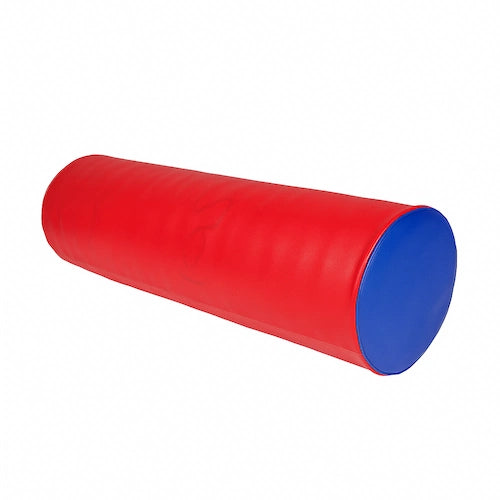
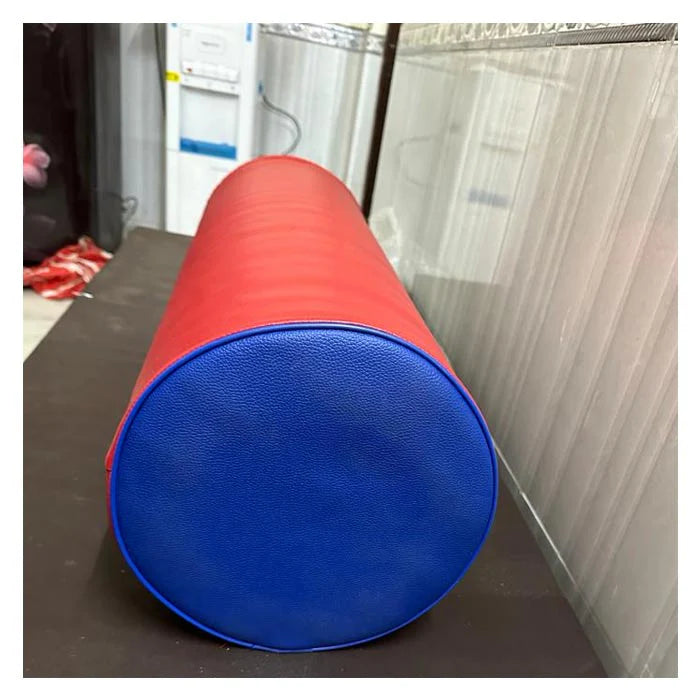
Bolster Roller for Physiotherapy
Type: Occupational
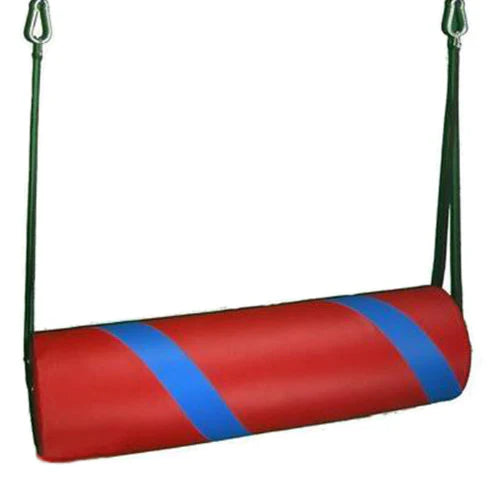
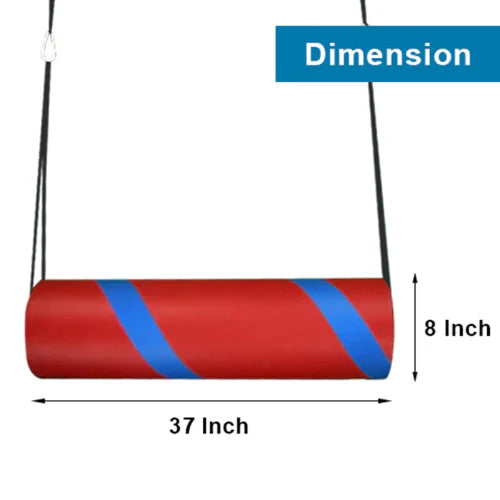
Bolster Swing with Rope and Hooks Delulx Quality

Type:
Adjustable Suspension Bolster Sensory Therapy Swing

Type: Posture Care
Round Shaped Soft Memory Foam Bolster Pillow - Back & Neck Support


Type:
Bolster Swing Halfpipe | Bolster Horse Swing for Kids


Type: Occupational Equipment
Bolster Swing Deluxe Quality
Collection:
Benefits of Physiotherapy Bolsters in Recovery

Physiotherapy bolsters are robust yet comfortable cylindrical cushions that serve myriad purposes in therapeutic settings. They are instrumental in supporting the body during exercises, alleviating discomfort, and aiding in the proper alignment of the spine and limbs. Available in diverse shapes and sizes, bolsters are crafted to meet the unique needs of different patients, making them a versatile addition to any rehabilitation program.
The Multifunctionality of Physiotherapy Bolsters
Bolsters are incredibly versatile, offering support and stability during physical therapy exercises. They play a crucial role in maintaining proper posture and alignment, which is key for effective muscle engagement and injury prevention. By delivering targeted support, bolsters enhance the effectiveness of therapeutic exercises and expedite the recovery process.
Supporting Body Posture
One of the primary functions of bolsters is to support body posture during exercises, ensuring that muscles are engaged correctly without undue strain. This is particularly beneficial for patients who have difficulty maintaining posture due to injury or weakness.
Enhancing Exercise Precision
Bolsters allow for greater precision in exercises by stabilizing the body, enabling patients to isolate specific muscle groups. This precision is crucial for maximizing the benefits of therapeutic exercises and achieving optimal outcomes.
Facilitating Relaxation
By providing comfort and support, bolsters facilitate relaxation during therapy sessions. This relaxation can enhance the overall effectiveness of the therapy by reducing muscle tension and promoting a sense of well-being.
Varieties of Physiotherapy Bolsters
Bolsters come in various forms, each tailored to address specific therapeutic needs. Understanding these variations is essential for selecting the right bolster for each patient.
Round Bolsters
Ideal for supporting the neck, back, and legs, round bolsters help maintain spinal alignment during exercises. Their cylindrical shape is perfect for rolling exercises and can aid in spinal decompression.
Half-round Bolsters
These bolsters are particularly useful for stabilizing the body in prone or supine positions. Their flat base provides stability, making them suitable for support under the knees or ankles.
Wedge Bolsters
Often used to elevate the upper body, wedge bolsters are beneficial for patients with respiratory issues or those who require gentle incline support. They also aid in postural drainage and can be used to alleviate acid reflux symptoms.
Custom-shaped Bolsters
For patients with unique needs, custom-shaped bolsters provide tailored support. These bolsters can be designed to fit specific body contours, offering personalized therapeutic benefits.
Key Benefits of Physiotherapy Bolsters

Integrating physiotherapy bolsters into rehabilitation programs offers numerous benefits, significantly enhancing patient outcomes.
Enhanced Pain Management
Bolsters provide crucial support that alleviates pressure on sensitive areas, reducing discomfort during exercises. For patients dealing with chronic pain or recovering from surgery, bolsters make therapeutic activities more tolerable and effective.
Pressure Relief
By distributing weight evenly, bolsters relieve pressure on joints and sensitive areas, reducing pain and discomfort during therapy sessions.
Pain Reduction
The support provided by bolsters can help reduce pain levels, making it easier for patients to engage in exercises and facilitating a smoother recovery process.
Comfort Enhancement
Bolsters enhance comfort during therapy sessions, allowing patients to relax and focus on their recovery without the distraction of pain.
Improved Mobility and Flexibility
By facilitating proper alignment and posture, bolsters enable patients to perform exercises that enhance mobility and flexibility. They support the body in ways that allow for a greater range of motion, essential for restoring function and preventing future injuries.
Increased Range of Motion
Bolsters help patients achieve a greater range of motion by supporting joints and muscles during stretching exercises, which is vital for improving mobility.
Flexibility Development
The use of bolsters in stretching routines aids in developing flexibility, an essential component of overall physical health and injury prevention.
Posture Correction
Proper alignment provided by bolsters aids in correcting posture, which is crucial for reducing strain on the body and improving mobility.
Effective Strength Training
Incorporating bolsters into strength training exercises helps target specific muscle groups with greater precision. They allow patients to perform exercises that build strength without straining or overexerting themselves, promoting safe and effective muscle development.
Targeted Muscle Engagement
Bolsters enable precise targeting of muscle groups, allowing for effective strength training without the risk of overexertion.
Safe Exercise Environment
By providing support and stability, bolsters create a safe environment for strength training, minimizing the risk of injury.
Progressive Strength Building
Bolsters facilitate progressive strength building by allowing patients to gradually increase the intensity of their exercises in a controlled manner.
Support for Therapeutic Exercises
Bolsters are invaluable in aiding various therapeutic exercises. They help stabilize the body, allowing patients to focus on technique and muscle engagement. This is particularly beneficial for individuals who are new to physical therapy or who have limited strength and balance.
Exercise Stability
By stabilizing the body, bolsters provide a solid foundation for performing therapeutic exercises, ensuring correct form and technique.
Technique Improvement
Bolsters support the body in a way that allows patients to concentrate on improving their technique, essential for maximizing the benefits of therapy.
Balance Enhancement
For individuals with limited balance, bolsters provide the necessary support to perform exercises safely, aiding in balance improvement over time.
Practical Applications in Physiotherapy

In a clinical setting, physiotherapy bolsters are used in diverse ways to support patient recovery.
Rehabilitation Techniques
Incorporating bolsters into rehabilitation techniques enhances their effectiveness. For example, they can be used to support the limbs during passive range of motion exercises, helping to prevent stiffness and promote circulation.
Passive Range of Motion Support
Bolsters assist in passive range of motion exercises by providing support to the limbs, preventing stiffness and promoting flexibility.
Circulation Improvement
The elevation and support provided by bolsters enhance circulation, which is vital for effective rehabilitation and recovery.
Joint Health Maintenance
By supporting joints during exercises, bolsters help maintain joint health, reducing the risk of stiffness and degeneration.
Massage Therapy
In massage therapy, bolsters are used to position the body comfortably, ensuring that the muscles are relaxed and accessible. They help maintain proper alignment, essential for effective massage techniques.
Relaxation Induction
Bolsters facilitate relaxation during massage therapy by positioning the body comfortably, enhancing the therapeutic benefits of the massage.
Muscle Accessibility
By supporting the body in the right position, bolsters make muscles more accessible for massage, enabling deeper and more effective therapy.
Alignment Assurance
Proper alignment provided by bolsters ensures that massage techniques are applied effectively, maximizing their benefits.
Injury Recovery
For patients recovering from injuries, bolsters provide the necessary support to perform exercises that promote healing and prevent further damage. They help distribute weight evenly, reducing strain on injured areas.
Weight Distribution
Bolsters distribute weight evenly across the body, reducing stress on injured areas and facilitating a smoother recovery process.
Healing Promotion
By providing support and stability, bolsters promote healing by allowing patients to engage in exercises safely and effectively.
Injury Prevention
Through proper support, bolsters help prevent further injury by ensuring that exercises are performed correctly and safely.
Integrating Bolsters into Healthcare Procurement
For hospital administrators and medical equipment distributors, understanding the value of physiotherapy bolsters can enhance procurement strategies. Here's how:
Optimizing Procurement Strategies
By recognizing the diverse applications and benefits of bolsters, healthcare facilities can make informed decisions about their acquisition. This ensures that physical therapy departments are equipped with the tools necessary to deliver high-quality patient care.
Needs Assessment
Conducting a thorough needs assessment helps in identifying the specific bolster types required for different therapeutic applications, optimizing procurement strategies.
Informed Decision Making
Understanding the benefits of various bolster types enables healthcare facilities to make informed purchasing decisions, ensuring optimal patient care.
Resource Allocation
Proper allocation of resources for bolster procurement ensures that therapy departments have the necessary tools for effective rehabilitation.
Enhancing Equipment Quality
Investing in high-quality bolsters is crucial for ensuring durability and patient comfort. Distributors can differentiate their products by offering bolsters that meet the highest standards of quality and effectiveness.
Quality Assurance
Ensuring high-quality bolster materials and construction enhances their durability and effectiveness, providing long-term value to healthcare facilities.
Patient Comfort Focus
Bolsters made from high-quality materials offer superior comfort, improving patient satisfaction and therapeutic outcomes.
Product Differentiation
Distributors can stand out by offering bolsters that meet stringent quality standards, providing added value to healthcare providers.
Streamlining Purchasing Procedures
Understanding the specific needs of healthcare providers can help streamline the purchasing process. By offering a range of bolsters tailored to different therapeutic applications, distributors can simplify procurement and improve customer satisfaction.
Tailored Product Offerings
Offering a diverse range of bolsters tailored to specific therapeutic needs simplifies the purchasing process for healthcare providers.
Simplified Procurement
Streamlined procurement processes ensure that healthcare facilities can acquire the necessary bolsters efficiently, reducing administrative burdens.
Customer Satisfaction Enhancement
By providing bolsters that meet specific therapeutic needs, distributors can enhance customer satisfaction and build long-term partnerships with healthcare providers.
Conclusion
Physiotherapy bolsters play a vital role in the recovery process, offering support, comfort, and enhanced therapeutic outcomes. Whether used in strength training, pain management, or mobility improvement, these versatile tools are essential for effective rehabilitation.
For healthcare providers and distributors, understanding the applications and benefits of bolsters is key to optimizing patient care and ensuring successful recovery outcomes. By integrating bolsters into rehabilitation programs, facilities can enhance their therapeutic offerings and improve overall patient satisfaction.
The strategic procurement and effective use of physiotherapy bolsters can significantly impact the quality of care provided, making them an invaluable asset in the healthcare ecosystem. By embracing these tools, healthcare facilities can ensure that they are well-equipped to meet the diverse needs of their patients, fostering recovery and promoting long-term health and well-being.
Q&A
Question: What are physiotherapy bolsters and how do they aid recovery?
Short answer: Physiotherapy bolsters are sturdy, comfortable cushions—often cylindrical—used to support the body during therapy. They help maintain proper posture and alignment, reduce pressure on sensitive areas, and stabilize the body so patients can perform exercises with correct form. This targeted support enhances pain management, improves mobility and flexibility, enables safe strength training, and overall accelerates rehabilitation.
Question: How do I choose the right type of bolster for a specific therapeutic need?
Short answer: Different bolster shapes serve distinct purposes:
- Round bolsters: Support the neck, back, and legs; helpful for spinal alignment, rolling exercises, and gentle decompression.
- Half-round bolsters: Stable with a flat base; ideal under knees or ankles to support prone/supine positions.
- Wedge bolsters: Elevate the upper body; useful for respiratory needs, gentle incline support, postural drainage, and easing acid reflux.
- Custom-shaped bolsters: Tailored to unique body contours or clinical goals when standard shapes aren’t sufficient.
Question: In what ways do bolsters reduce pain and relieve pressure during therapy?
Short answer: Bolsters distribute body weight evenly and support vulnerable joints and soft tissues, which decreases localized strain and discomfort. By offloading sensitive areas and aligning the spine and limbs, they make therapeutic movements more tolerable—especially for people with chronic pain or post-surgical recovery—thereby facilitating consistent participation in therapy and smoother progress.
Question: How do bolsters improve exercise precision, mobility, and safe strength training?
Short answer: By stabilizing the body, bolsters allow patients to isolate specific muscle groups and focus on correct technique. This precision:
- Enhances range of motion and flexibility through supported stretching.
- Promotes posture correction by maintaining proper alignment.
- Creates a safe exercise environment, reducing the risk of overexertion or injury.
- Supports progressive strength building by enabling controlled increases in exercise intensity.
Question: How are bolsters used in practice (rehabilitation, massage therapy, injury recovery)?
Short answer:
- Rehabilitation: They support limbs during passive range of motion work, help prevent stiffness, and improve circulation and joint health.
- Massage therapy: They position the body comfortably, induce relaxation, improve muscle accessibility, and ensure proper alignment for effective techniques.
- Injury recovery: They distribute weight to protect injured areas, provide stability for healing movements, and help prevent re-injury by supporting correct exercise form.
Question: What should healthcare providers consider when procuring physiotherapy bolsters?
Short answer: Start with a needs assessment to match bolster types to therapeutic applications, then prioritize quality (durable materials and patient comfort) to ensure long-term value. Allocate resources to cover a range of shapes and sizes, and work with distributors who offer tailored product assortments and streamlined purchasing processes. This approach supports high-quality care, simplifies procurement, and improves overall patient and provider satisfaction.