
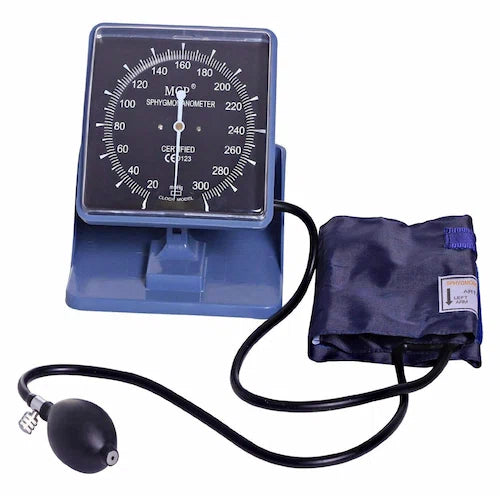

Type: BP Monitor
Desktop Blood Pressure Monitor Clock
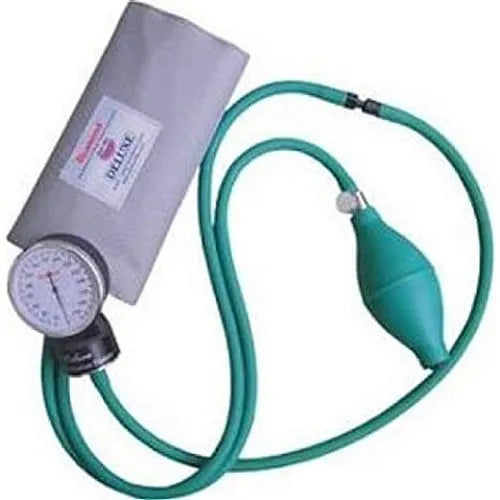
Type: Sphygmomanometer
Diamond Dial Deluxe Sphygmomanometer with Field Calibration BP Apparatus
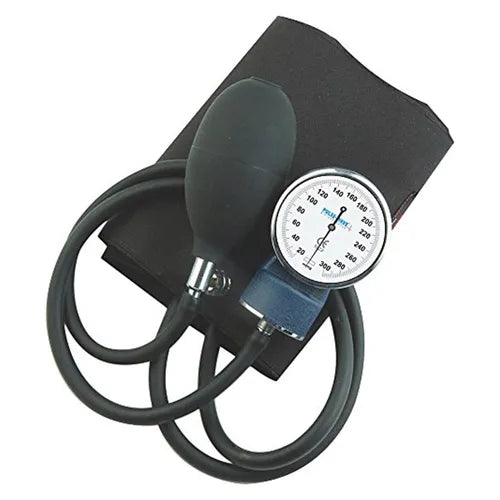
Type: Sphygmomanometer
Portable Aneroid Sphygomanometer

Type: Devices
Omron HBP-1320 Blood Pressure Monitor White


Type: para monitor
5 Para Patient Monitor with SpO2 ECG NIBP & Stand
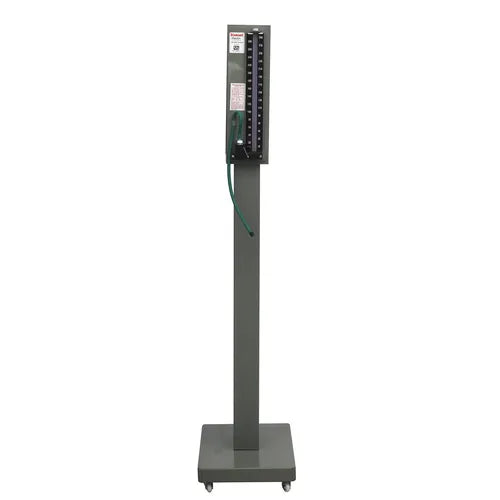
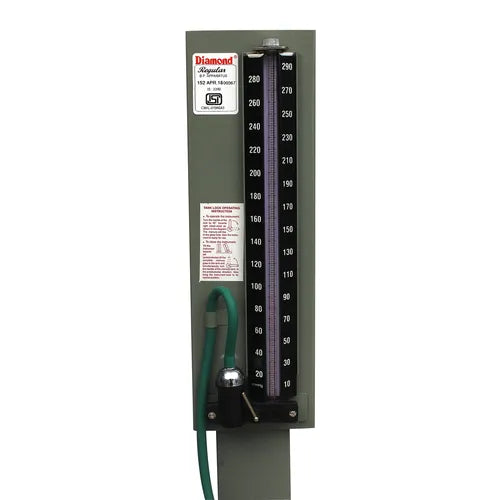
Type: Sphygmomanometer
Diamond Mercurial BP Instrument Stand Model with Velcro Cuff BPMR152
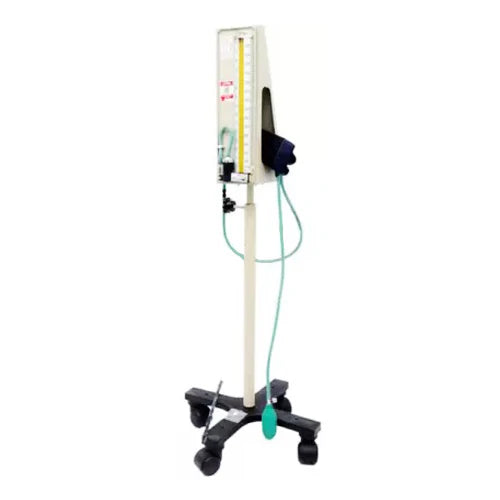
Type: Sphygmomanometer
Mercury BP Monitor Mercury with Stand, For Clinic, 0-300mHg
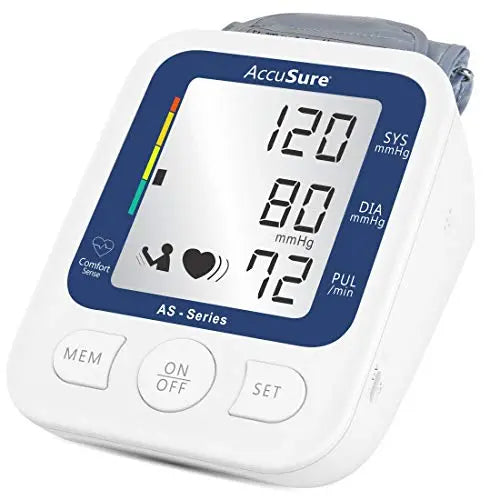
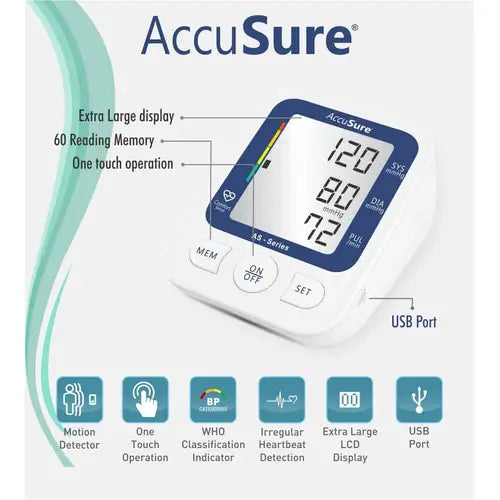
Type: Home Healthcare
AccuSure AS Extra Large LCD and WHO Approved BP Machine
Type: Sphygmomanometer
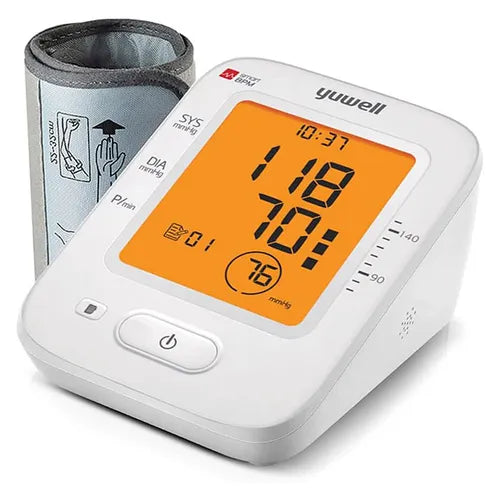
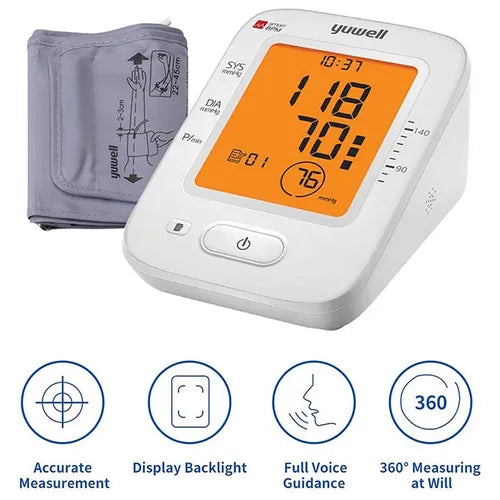
Digital BP Monitor Yuwell YE660F
Type: bpm
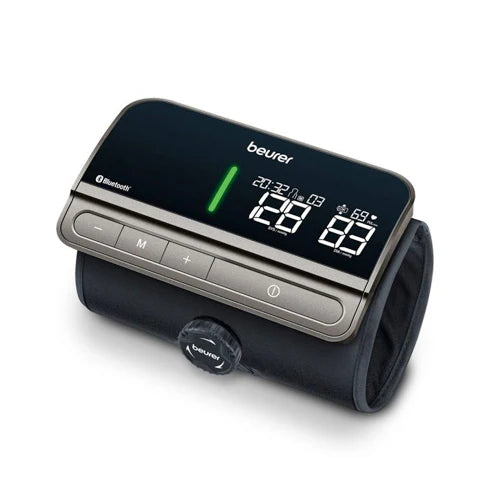
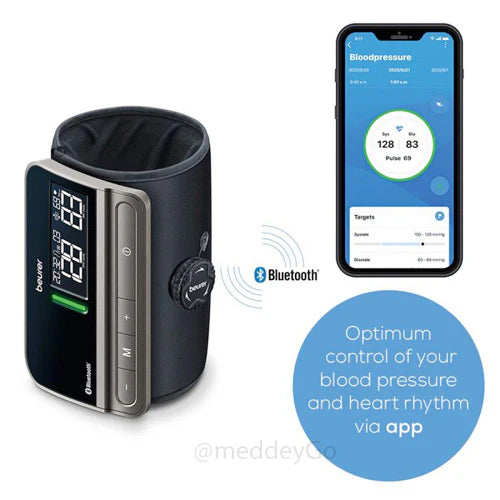
Beurer BM 81 Upper Arm Tubeless BPM with Easy Lock (BT)


Type: Sphygmomanometer
Digital Blood Pressure Machine YE670AR
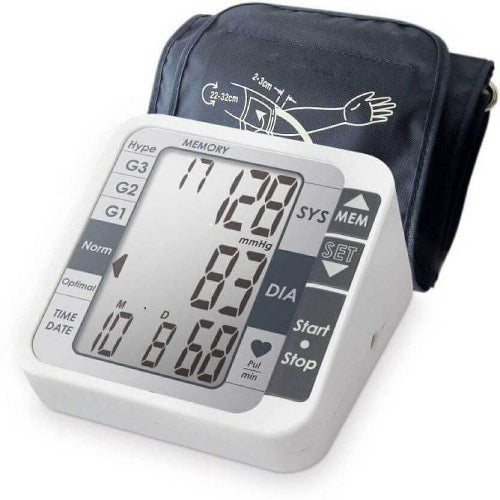
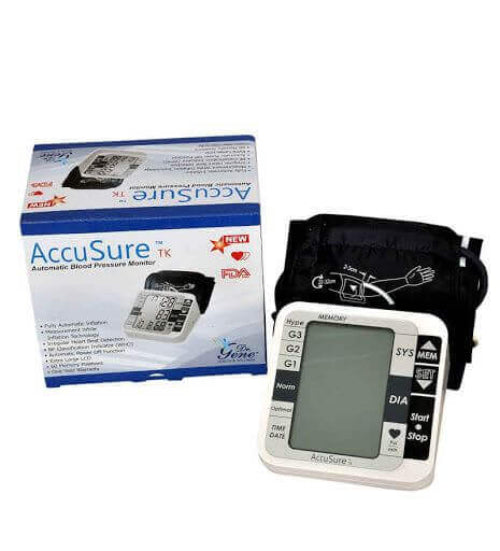
Type: Home Healthcare
AccuSure TS Smart Inflation BP Machine


Type: Sphygmomanometer
Palm Type Aneroid Sphygmomanometer BP Monitor with Stethoscope
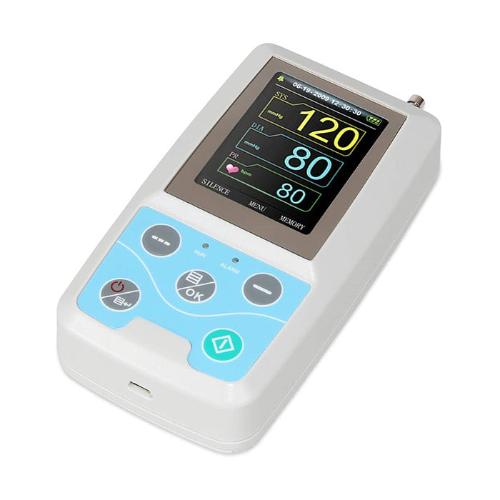
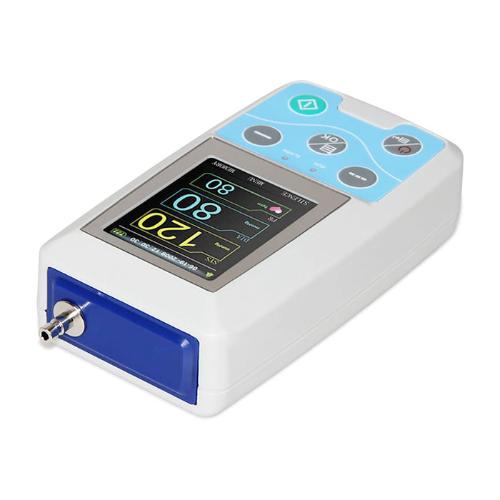
Type: bp monitor
Ambulatory Blood Pressure Monitor with SpO2


Type: Devices
Omron HEM7600T Smart Elite Tubeless BP Monitor for Home Care
Collection:
Choosing the Best BP Machine for Home
Monitoring blood pressure at home has become an essential routine for many individuals aiming to maintain optimal health. With the array of options available, selecting the best blood pressure (BP) machine can be daunting. This article explains key factors and top home BP monitors. It helps you make an informed choice. If you're Choosing the Best BP Machine for Home, this guide will help you compare blood pressure devices and identify the best bp monitor or home bp monitor for your needs.

High blood pressure, often termed the "silent killer," can lead to severe health conditions like heart disease and stroke if left unchecked. Regular monitoring is crucial for early detection and management. Monitoring at home allows for more frequent checks, which can reveal patterns that might be missed with less frequent office visits.
Home BP machines offer convenience, allowing individuals to track their blood pressure consistently and share data with healthcare providers for better management. This regular tracking can be particularly beneficial for individuals with a family history of hypertension or those experiencing borderline readings at the doctor's office.
Moreover, home monitoring can help reduce the "white coat syndrome," where patients exhibit elevated blood pressure readings in a clinical setting due to anxiety. By measuring BP in a familiar and relaxed environment, individuals can obtain more accurate readings that reflect their true health status.
Key Features to Consider
When choosing a BP machine for home use, several features should be at the forefront of your decision-making process. These features not only ensure accurate readings but also enhance the overall user experience, making it easier to incorporate monitoring into your daily routine.
Accuracy and Validation
The primary purpose of a BP machine is to provide accurate readings. An accurate bp monitor should be clinically validated to meet recognized standards, ensuring confidence in the numbers you track over time. Ensure the device is clinically validated, meaning it has passed rigorous testing to meet international standards. Look for certifications from organizations such as the British Hypertension Society (BHS) or the American Heart Association (AHA). These certifications provide assurance that the device has been tested for accuracy and reliability.
It's important to note that even validated devices require proper usage to ensure accuracy. Factors such as cuff placement, arm position, and even body posture can affect readings. Therefore, understanding how to use the machine correctly is as crucial as the machine's inherent accuracy.
Additionally, some devices offer advanced accuracy features, such as multiple reading averages, which help account for variations in blood pressure due to factors like stress or physical activity.
Ease of Use
A user-friendly interface is vital, especially for individuals who may not be tech-savvy. Opt for machines with large, easy-to-read displays and straightforward operation. Many devices offer one-touch operation for added simplicity, which can be a significant advantage for older adults or those with limited dexterity.
Consider machines with intuitive button layouts and clear instructions. Some models come with voice-guided prompts, assisting users in achieving the correct setup and operation, which is particularly helpful for those with visual impairments.
Moreover, lightweight and portable designs can enhance usability, allowing individuals to take their BP machine on the go, whether traveling or visiting family.
Cuff Size and Fit
An ill-fitting cuff can lead to inaccurate readings. Select a machine with a cuff size appropriate for the user's arm circumference. Some devices come with adjustable cuffs that cater to a range of sizes. It's important to measure your arm and select the correct cuff size as per the manufacturer's guidelines.
Cuffs that are too tight can restrict blood flow, while those that are too loose may not apply the necessary pressure for an accurate reading. Adjustable cuffs that fit a range of arm sizes offer flexibility, especially in households with multiple users.
Additionally, some machines offer cuffs with comfort-focused designs, such as those with softer materials or pre-formed shapes, which can enhance the user's experience and encourage regular use.
Memory and Data Management
Consider a BP machine that stores previous readings for comparison over time. Advanced models may offer Bluetooth connectivity, enabling data transfer to a smartphone app or computer for comprehensive tracking and sharing with healthcare professionals. This capability is particularly useful for individuals managing chronic conditions, as it allows for easy access to historical data.
The ability to track trends over weeks or months can provide insights into the effectiveness of lifestyle changes or medication adjustments. Some apps even offer additional features, such as reminders for medication or alerts for abnormal readings.
Furthermore, machines with multi-user functionality can store separate profiles, making them suitable for families or shared households, allowing each user to maintain their personalized record.
Power Source
BP machines can be battery-operated or come with an AC adapter. Battery-operated models offer portability, making them ideal for users who travel frequently or prefer the flexibility of taking readings in different locations. However, it's essential to keep spare batteries on hand to avoid interruptions.
Machines with an AC adapter are perfect for consistent home use, providing a stable power source without the need to replace batteries. Some models even offer dual power options, providing both portability and reliability.
Consider the environment where you will use the machine most frequently, and choose a power option that best suits your lifestyle and needs.
Top 5 BP Machines for Home Use

Selecting the right blood pressure machine involves considering various factors that align with your health objectives and lifestyle. Here, we explore some top-rated models that cater to diverse needs, ensuring you find a machine that meets your expectations. Below, our top 5 bp machine picks highlight dependable choices frequently recommended for home users. These are often cited as top bp check machine options for everyday monitoring.
1. Omron Platinum Blood Pressure Monitor
Renowned for its precision, the Omron Platinum offers advanced accuracy technology. It features a dual-display LCD, stores up to 200 readings, and comes with Bluetooth connectivity, making it a top choice for tech-savvy users. The dual display allows for easy comparison of past and current readings, enhancing monitoring accuracy.
Omron's advanced averaging feature calculates the average of up to three readings taken within ten minutes, providing a more comprehensive view of your blood pressure trends. This monitor also includes a high-contrast display, ensuring readability in various lighting conditions.
Additionally, the Omron Connect app enhances user experience by offering a seamless way to track and share data with healthcare professionals, providing valuable insights into your cardiovascular health.
2. Beurer BM67 Blood Pressure Monitor
The Beurer BM67 is celebrated for its user-friendly design and comprehensive data storage capabilities. It includes a large, backlit display and supports multiple user profiles, ideal for family use. The monitor also offers a risk indicator that categorizes readings according to the WHO guidelines, providing easy-to-understand feedback.
The device's memory function can store up to 60 readings for two users, enabling effective tracking of blood pressure trends. Its adjustable cuff ensures a comfortable fit, promoting accurate measurements.
Furthermore, the Beurer HealthManager app syncs with the monitor, allowing users to analyze their data over time and share insights with healthcare providers for informed medical consultations.
3. Withings BPM Connect
This sleek, compact device combines accuracy with digital innovation. It syncs seamlessly with the Health Mate app, providing a detailed overview of your cardiovascular health. The BPM Connect is easy to use and travel-friendly, thanks to its compact design and rechargeable battery.
The monitor's LED display offers immediate feedback on your readings, with color-coded results for quick interpretation. Its Wi-Fi connectivity ensures automatic syncing of data, even without a smartphone nearby, making it exceptionally convenient.
Moreover, the Health Mate app provides personalized coaching and wellness tips, encouraging users to maintain a proactive approach to their heart health.
4. Dr. Trust Smart Talking Automatic Digital BP Machine
With its voice-guided operation, the Dr. Trust Smart Talking BP Machine is perfect for visually impaired users. It offers dual-user functionality and stores up to 120 readings per user, making it suitable for households with multiple users.
The machine's voice announcements guide users through each step of the measurement process, ensuring accuracy and ease of use. Its large LCD enhances visibility, while the comfort cuff design ensures a snug and accurate fit.
Additionally, the monitor includes a hypertension indicator, providing immediate feedback on blood pressure levels, which can be crucial for timely interventions.
5. Rossmax GB102 Aneroid Blood Pressure Monitor
For those seeking a traditional approach, the Rossmax GB102 is a reliable aneroid sphygmomanometer. It requires manual operation but is highly accurate and cost-effective. This model is ideal for users who prefer a hands-on method or require a backup device for electronic models.
The aneroid design ensures durability, and the included stethoscope allows for precise auscultatory measurements. Its lightweight construction and portable case make it easy to transport and store.
Moreover, this model serves as an excellent educational tool for those learning about manual blood pressure measurement techniques.
Top Brands in India
India hosts a variety of top BP machine brands, each offering unique features to meet diverse needs. Among automatic bp machine top brand choices, Omron and BPL often lead consumer shortlists for reliability and support. If you're comparing the top bp machine in india, scan recent reviews and top 10 bp machine in india roundups to see up-to-date models and prices.
- Omron: Known for innovation and reliability, Omron offers a range of BP monitors that are highly regarded for their accuracy and durability. Their extensive research and development efforts ensure that their products remain at the forefront of medical technology.
- Dr. Morepen: A household name in India, Dr. Morepen provides affordable yet precise BP machines suitable for home use. Their commitment to quality and affordability makes them a trusted choice among Indian consumers.
- BPL Medical Technologies: BPL's BP monitors are recognized for their quality and ease of use, making them a popular choice among Indian consumers. Their products often feature user-friendly designs and advanced functionality, catering to a broad audience.
- AccuSure: Known for offering a wide range of medical devices, AccuSure provides BP monitors that combine accuracy with affordability. Their products are designed to meet the needs of both individual consumers and healthcare professionals.
- Citizen: A well-established brand, Citizen offers reliable BP monitors with features such as memory storage and large displays. Their commitment to precision and innovation has earned them a solid reputation in the Indian market.
Tips for Accurate BP Measurement

Accurate measurement is key to effective blood pressure management. Here are some tips to ensure precise readings:
1. Relax and Rest
Sit quietly for at least five minutes before taking a reading. Ensure you are calm and seated comfortably. Avoid engaging in conversations or activities that might elevate your stress levels, as these can influence your blood pressure.
It's essential to create a calm environment. Consider practicing deep breathing exercises or listening to soothing music before taking your measurement to help stabilize your heart rate and blood pressure.
Try to establish a routine where you measure your blood pressure at the same time each day, as consistent timing can help reduce variations due to daily activities.
2. Proper Positioning
Keep your back supported, feet flat on the floor, and arm at heart level. Use a chair with a backrest to maintain a stable position, and rest your arm on a table or armrest to ensure it is at the correct height.
Positioning your arm correctly is crucial for obtaining an accurate reading. The cuff should be placed on bare skin, and it should not be too tight or too loose. If needed, use a pillow or cushion to adjust your arm's height.
Ensure that your legs are uncrossed and your posture is relaxed, as this can help stabilize your readings and provide a more accurate reflection of your blood pressure.
3. Consistent Timing
Measure your blood pressure at the same time each day for consistency. Morning readings are often recommended as they can provide a baseline before daily activities influence your blood pressure levels.
Choose a time when you are least likely to be rushed or stressed. Consistency in measurement timing helps track trends and monitor the effectiveness of lifestyle changes or medications.
If possible, avoid measuring your blood pressure immediately after eating or exercising, as these activities can temporarily alter your readings.
4. Avoid Caffeine and Smoking
Refrain from consuming caffeine or smoking at least 30 minutes before measuring your BP. These substances can temporarily raise blood pressure levels, potentially skewing your readings.
Be mindful of other factors that might influence your readings, such as recent physical activity or emotional stress. Aim to take measurements in a neutral state to obtain the most accurate assessment of your blood pressure.
Consider keeping a journal of your readings, noting any factors that might have affected them, such as stress or dietary choices, to help identify patterns and potential triggers.
Conclusion
Choosing the best BP machine for home use involves considering accuracy, ease of use, and additional features that suit your lifestyle and health needs. With the right device, you can effectively monitor your blood pressure, gain insights into your cardiovascular health, and work closely with healthcare providers to maintain optimal well-being.
As the healthcare landscape continues to evolve, staying informed about advancements in BP monitoring technology will empower you to make the best choices for your health. Whether you're a hospital administrator optimizing procurement strategies, a medical equipment distributor navigating market demands, or a healthcare technology consultant advising clients, understanding the nuances of BP machines is essential for success in the healthcare ecosystem.
By investing in a reliable BP machine and incorporating it into your daily routine, you take a proactive step towards managing your health, ultimately contributing to a longer, healthier life.
Q&A
Question: What does "clinically validated" mean, and why does it matter?
Short answer: Clinically validated BP machines have been tested against recognized international standards to confirm their accuracy and reliability. Looking for validation/certifications (e.g., from bodies like the British Hypertension Society or the American Heart Association) helps ensure the numbers you track are trustworthy. Even so, proper use---correct cuff placement, arm position, and body posture---remains essential. Features like averaging multiple readings can further improve accuracy by smoothing out normal fluctuations.
Question: How do I choose the right cuff size and ensure a proper fit?
Short answer: Measure your upper arm circumference and select the cuff size recommended by the manufacturer for that measurement. A cuff that's too tight can restrict blood flow and one that's too loose may underinflate, both leading to inaccurate results. Adjustable cuffs that cover a range of sizes are helpful for multi-user households, and comfort-focused designs encourage consistent, correct use.
Question: Should I get an automatic digital monitor or a manual aneroid model?
Short answer: For most home users, an automatic digital monitor is easier, faster, and often includes helpful features like averaging, memory, and Bluetooth/app syncing. A manual aneroid (like the Rossmax GB102) can be highly accurate and cost-effective but requires hands-on technique and is best for those comfortable with manual measurement or as a reliable backup to an electronic model.
Question: How do memory, Bluetooth, and apps improve home BP monitoring?
Short answer: Built-in memory lets you track trends over time and compare readings. Bluetooth/Wi‑Fi connectivity syncs results to apps, making it easy to review history, spot patterns, and share reports with healthcare providers. Some ecosystems (e.g., Omron Connect, Beurer HealthManager, Withings Health Mate) add reminders, color-coded feedback, and coaching, which support adherence and informed decision-making.
Question: What are the key steps to get accurate readings and reduce "white coat" effects?
Short answer: Create a calm routine: rest quietly for at least five minutes; sit with back supported, feet flat, and your arm at heart level; place the cuff on bare skin; and measure at the same time each day. Avoid caffeine and smoking for at least 30 minutes beforehand. Home measurements taken in a familiar setting help minimize anxiety-related spikes (white coat syndrome) and provide readings that better reflect your usual blood pressure.
Question: Which home BP monitor should I choose for my specific needs (tech‑savvy, family use, travel, visual impairment, or a traditional approach)?
Short answer: Match the device to how you'll use it. Tech‑savvy users often favor the Omron Platinum for its advanced accuracy, dual display, large memory (up to 200 readings), and Bluetooth app syncing. For families/multi‑user homes, Beurer BM67 (multiple user profiles, WHO risk indicator) or Dr. Trust Smart Talking (dual‑user, 120 readings per user) make tracking separate profiles easy. Frequent travelers benefit from the compact, rechargeable Withings BPM Connect with Wi‑Fi/app syncing. Users with visual impairments appreciate the Dr. Trust Smart Talking model's voice guidance. Traditionalists or those wanting a reliable backup may prefer the manual Rossmax GB102 aneroid sphygmomanometer.
Question: What makes a BP machine genuinely easy to use at home?
Short answer: Look for large, easy‑to‑read displays, one‑touch operation, and intuitive button layouts. Voice‑guided prompts can help users set up and measure correctly---especially helpful for visual impairments. Clear instructions, comfortable cuff designs, and lightweight/portable builds further smooth the experience, which is valuable for older adults or anyone with limited dexterity.
Question: How should I decide between batteries, an AC adapter, or a rechargeable model?
Short answer: Choose based on where and how often you'll measure. Battery‑operated units maximize portability (great for travel or taking readings in different rooms), but keep spares handy. AC adapter models suit consistent, at‑home use with a stable power source. Some devices offer dual power options for flexibility. Rechargeable designs (e.g., Withings BPM Connect) blend portability with convenience if you prefer not to manage disposable batteries.
Question: How do memory, multi‑user profiles, and connectivity help with long‑term tracking?
Short answer: On‑device memory lets you compare readings over time and spot trends. Multi‑user profiles keep each person's data separate---useful for households sharing one monitor (e.g., Beurer BM67 for two users; Dr. Trust Smart Talking with 120 readings per user; Omron Platinum with a large total memory). Bluetooth/Wi‑Fi syncing moves results to apps, making it easy to review history, receive reminders or color‑coded feedback, and share reports with healthcare providers.
Question: What routine should I follow to get accurate, consistent readings at home? Short answer: Create a calm, repeatable process: rest quietly for at least five minutes; sit with your back supported and feet flat; keep your arm at heart level and the cuff on bare skin; and measure at the same time each day (morning is often a good baseline). Avoid caffeine and smoking for at least 30 minutes beforehand, and don't measure immediately after eating or exercising. This consistency reduces variability and helps avoid "white coat" spikes seen in clinics.
Question: Does home monitoring replace clinic visits?
Short answer: No—home monitoring complements, not replaces, clinical care. Regular at‑home checks let you track trends, reduce “white coat” effects, and share data with your healthcare provider for better management. Use your device consistently and discuss your history and any unusual readings with your clinician.
Question: What common mistakes lead to inaccurate readings at home?
Short answer: The biggest pitfalls are an ill‑fitting or misplaced cuff, poor body position (not seated with back supported and feet flat, arm not at heart level), measuring over clothing, talking or moving during the reading, and timing errors (measuring right after caffeine, smoking, eating, or exercise, or without resting at least five minutes). Correct setup and a calm routine are essential.
Question: How do “averaging” or multiple readings improve accuracy?
Short answer: Blood pressure naturally fluctuates with stress, activity, and posture. Devices that average two or three readings taken close together smooth out these normal variations, giving a more dependable number for tracking over time. For example, some monitors can automatically calculate the average of up to three readings within ten minutes.
Question: What is the WHO risk indicator on some monitors, and how should I use it? Short answer: It’s a built‑in guide that categorizes your result against World Health Organization guidelines—often via colors or labeled ranges—to make interpretation easier. Use it to quickly gauge whether a reading is in a normal or elevated range, then track trends and share results with your healthcare provider for context and advice.
Question: How can home monitoring help me see trends from lifestyle or medication changes?
Short answer: Devices with memory, multi‑user profiles, and app connectivity let you store weeks to months of readings, visualize patterns, and correlate them with changes (like new medications, diet, or exercise). Consistent timing and technique make trends clearer, and app features (reminders, alerts, reports) simplify sharing insights with your clinician.