

Type: General Accessories
Premium Manual Breast Pump


Type: MeddeyGo
Breast Pump – Beurer BY 15 Manual Breast Pump
Type: MeddeyGo
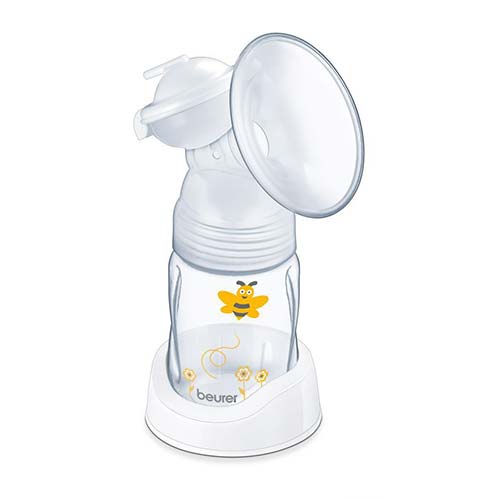
Beurer BY 15 Manual Breast Pump


Type: Manikin
MamaBreast Breastfeeding Simulator with Milk Flow
Type: MeddeyGo
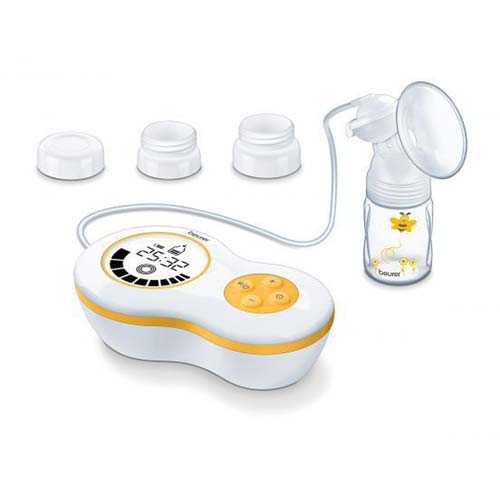
Beurer BY 40 Electric Breast Pump
Collection:
Benefits of Using a Breastfeeding Pump
In the ever-evolving landscape of healthcare technology, the utilization of breastfeeding pumps has marked a significant advancement in maternal and infant care. Understanding the benefits of using a breastfeeding pump is crucial for hospital administrators, medical equipment distributors, and healthcare technology consultants aiming to optimize procurement strategies, enhance product offerings, and provide innovative healthcare solutions. This article delves into the multifaceted advantages of breastfeeding pumps, from their impact on healthcare delivery to their role in modern medical equipment distribution.
Summary
- This article explains how breastfeeding pumps improve maternal comfort, maintain milk supply, and support reliable infant nutrition while empowering families through flexibility and shared caregiving.
- It surveys the breast pump market---from manual to advanced electric and wearable smart models---covering key features, innovations (app connectivity, quieter operation, sustainable materials), and pricing.
- For healthcare administrators and distributors, it offers guidance on strategic positioning, regulatory compliance, market analytics, and optimized procurement and supply chains to deliver high-quality, cost-effective solutions.

Breastfeeding pumps, often referred to as breast milk pumps or breast feeding machines, have revolutionized the way new mothers manage lactation. These devices facilitate the extraction of breast milk, offering convenience and efficiency that manual expression cannot match. For healthcare providers, understanding the mechanics and benefits of these devices is essential to improving patient care and meeting the needs of modern families.
Enhancing Maternal Health and Comfort
- Breastfeeding pumps are designed to mimic a baby's natural sucking rhythm, which helps in maintaining milk supply and relieving engorgement---a common issue faced by lactating mothers.
- This aspect is particularly beneficial for mothers who experience difficulties with direct breastfeeding due to medical conditions or lifestyle constraints.
- By reducing the discomfort associated with engorgement, pumps contribute to a more positive breastfeeding experience and can help prevent potential complications such as mastitis, a painful inflammation of breast tissue.
- Furthermore, the use of pumps allows mothers to express milk at their convenience, reducing stress and promoting overall well-being.
- This flexibility is especially crucial for mothers balancing the demands of work and family life, enabling them to maintain a consistent milk supply even when separated from their infants for extended periods.
- Additionally, by facilitating milk expression, breastfeeding pumps can support the continuation of breastfeeding for longer durations, aligning with health recommendations for infant nutrition.
Supporting Infant Nutrition and Health
- A key benefit of breastfeeding pumps is their role in ensuring continuous infant nutrition.
- For mothers returning to work or unable to nurse directly, pumping breast milk provides a reliable method to continue feeding their infants with the nutritional benefits of breast milk, thereby supporting infant health and development.
- The nutritional composition of breast milk, rich in antibodies and essential nutrients, is unmatched by formula milk, making it vital for building a strong immune system in infants.
- Breastfeeding pumps also enable mothers to store milk for future use, ensuring that infants receive consistent nutrition even in the mother's absence.
- This stored milk can be particularly beneficial for preterm or ill infants who may require frequent feeding.
- Moreover, by allowing for the expression and storage of milk, pumps facilitate the involvement of other family members in feeding, promoting bonding and shared responsibility in infant care.
- In situations where direct breastfeeding may be challenging, such as for mothers with medical conditions or infants with latching difficulties, pumps provide an effective alternative to maintain breastfeeding.
Empowering Mothers and Families
The empowerment aspect of breastfeeding pumps cannot be overstated. By providing mothers with the autonomy to manage their breastfeeding schedules, pumps empower women to balance their personal and professional lives without compromising their commitment to providing breast milk. This empowerment extends to families, as it allows fathers and other caregivers to participate actively in feeding, fostering a collaborative approach to childcare. The ability to store and share the responsibility of feeding enables families to create a supportive environment, enhancing the overall well-being of both mothers and infants.
Breastfeeding Pump Technology: A Market Overview

The market for breastfeeding pumps is diverse, featuring a range of products from manual breast pumps to sophisticated electric breast pumps. Understanding the nuances of these products is vital for medical equipment distributors and healthcare technology consultants aiming to position themselves strategically in this competitive landscape.
Manual vs. Electric Breast Pumps
Manual breast pumps require physical effort to extract milk and are generally more affordable, making them an attractive option for budget-conscious consumers. However, they may not provide the efficiency and comfort that electric breast pumps offer. Electric breast pumps, considered some of the best breast pumps in India and globally, offer automated suction and adjustable settings, catering to a wider range of user needs and enhancing user experience. These electric models often feature multiple modes and levels of suction, allowing mothers to tailor the pumping experience to their comfort and efficiency preferences.
- The choice between manual and electric pumps often depends on individual needs and circumstances.
- Manual pumps, being lightweight and portable, are ideal for occasional use or travel.
- In contrast, electric pumps are better suited for regular use, offering faster milk expression and reducing the physical strain on mothers.
- Additionally, advancements in electric pump technology, such as rechargeable batteries and smart connectivity features, are further enhancing their appeal and functionality.
Innovations in Breast Pump Technology
- The breast pump industry is witnessing rapid technological advancements aimed at improving user experience and efficiency.
- Innovations such as wearable breast pumps, which allow mothers to pump discreetly and hands-free, are gaining popularity.
- These devices are designed to fit inside a bra, offering unparalleled convenience and freedom of movement.
- Smart pumps with app connectivity provide users with real-time tracking of milk volume and pumping patterns, facilitating personalized insights and better management of breastfeeding routines.
- Noise reduction technology is another significant innovation, making pumps quieter and more discreet, which is particularly important for mothers in work or public environments.
- Additionally, the development of eco-friendly and sustainable materials in pump construction reflects a growing consumer preference for environmentally conscious products.
- These innovations are setting new standards in the industry, encouraging manufacturers to continuously enhance product offerings and meet evolving consumer expectations.
Price Considerations and Market Positioning
The breast pump machine price varies significantly across different models and brands. Hospital administrators and medical equipment distributors must consider cost-effectiveness in conjunction with product quality and reliability. Strategic procurement and distribution of best-in-class breastfeeding pumps can provide a competitive edge in the healthcare market. Analyzing the cost-benefit ratio of different pump models is essential for making informed purchasing decisions that align with budget constraints while meeting user needs.
Moreover, understanding consumer preferences and market trends is crucial for effective market positioning. Offering a diverse product range that caters to various price points and preferences can attract a broader customer base. Collaborating with healthcare providers to educate consumers on the benefits and features of different pumps can further enhance brand visibility and credibility. By positioning themselves as trusted advisors in the breastfeeding pump market, distributors can build strong relationships with both consumers and healthcare professionals.
Strategic Positioning in the Breastfeeding Pump Market
With the increasing demand for breastfeeding pumps, strategic positioning becomes essential for both distributors and healthcare facilities. Understanding market trends and technological advancements enables stakeholders to make informed decisions that align with their organizational goals.
Navigating Technological Advancements
As technology evolves, so do the features and capabilities of breastfeeding pumps. Staying abreast of these advancements is crucial for healthcare technology consultants advising clients on the integration of cutting-edge healthcare solutions. Features such as quiet operation, portability, and customizable settings are becoming standard, setting new benchmarks for product excellence. Keeping up with these trends ensures that stakeholders remain competitive and relevant in an ever-changing market landscape.
Collaborating with manufacturers to incorporate the latest technological innovations into product offerings can enhance market positioning and appeal to tech-savvy consumers. Understanding consumer preferences for technology-driven solutions, such as app connectivity and data analytics, can guide product development and marketing strategies. By leveraging technology to create user-friendly and efficient products, stakeholders can meet the demands of modern families and healthcare providers.
Meeting Regulatory Requirements
Compliance with regulatory standards is a critical consideration for medical equipment distributors. Ensuring that breastfeeding pumps meet safety and efficacy standards is imperative to avoid potential liabilities and align with industry best practices. Collaboration with manufacturers to ensure compliance can strengthen market position and build trust with healthcare providers. Adhering to regulations not only safeguards consumer health but also enhances brand reputation and credibility.
Understanding the regulatory landscape and staying informed about changes in standards and requirements is essential for stakeholders. Engaging with regulatory bodies and participating in industry forums can provide valuable insights into compliance trends and challenges. By prioritizing regulatory compliance, distributors can mitigate risks and ensure the safe and effective use of breastfeeding pumps in healthcare settings.
Leveraging Market Insights for Strategic Decisions
Market insights play a crucial role in guiding strategic decisions for distributors and healthcare facilities. Analyzing consumer behavior, competitor offerings, and market dynamics provides valuable information for developing effective marketing and distribution strategies. Leveraging data analytics and market research tools can help stakeholders identify growth opportunities, optimize product portfolios, and tailor marketing messages to target audiences.
Understanding the unique needs and preferences of different consumer segments allows for personalized marketing approaches that resonate with target customers. Engaging with healthcare professionals and consumers to gather feedback and insights can inform product development and innovation. By leveraging market insights, stakeholders can make data-driven decisions that align with organizational goals and drive success in the breastfeeding pump market.
Optimizing Procurement and Distribution Strategies

For hospital administrators and medical equipment distributors, optimizing procurement and distribution strategies for breastfeeding pumps involves a comprehensive understanding of market demands, product differentiation, and supply chain logistics.
Streamlining Procurement Processes
Hospital administrators face the challenge of sourcing reliable medical equipment within budget constraints. Streamlining procurement processes through bulk purchasing, vendor partnerships, and technology-driven solutions can enhance efficiency and reduce costs, ultimately improving patient care delivery. Establishing strong relationships with trusted suppliers ensures access to high-quality products and reliable service.
Leveraging technology in procurement processes, such as automated inventory management systems and digital procurement platforms, can further enhance efficiency and transparency. These tools enable administrators to track inventory levels, monitor supplier performance, and optimize purchasing decisions. By streamlining procurement processes, hospitals can allocate resources effectively and ensure the timely availability of breastfeeding pumps to meet patient needs.
Enhancing Market Share and Reach
For distributors, expanding market share requires a keen understanding of consumer needs and effective product positioning. Leveraging digital platforms and strategic marketing initiatives can enhance visibility and reach, connecting distributors with healthcare providers seeking innovative breastfeeding solutions. Online marketplaces and e-commerce platforms provide opportunities to reach a broader audience and engage with consumers directly.
Collaborating with healthcare professionals and organizations to promote the benefits of breastfeeding pumps can strengthen brand credibility and influence purchasing decisions. Offering value-added services, such as product demonstrations and educational resources, can differentiate distributors from competitors and create a loyal customer base. By enhancing market share and reach, distributors can drive growth and achieve long-term success in the breastfeeding pump market.
Building a Resilient Supply Chain
A resilient supply chain is essential for ensuring the timely delivery of breastfeeding pumps to healthcare facilities and consumers. Distributors must collaborate with manufacturers and logistics partners to optimize supply chain operations and mitigate risks. Implementing robust supply chain management practices, such as demand forecasting and inventory optimization, can enhance operational efficiency and reduce lead times.
Diversifying supplier networks and establishing contingency plans can further strengthen supply chain resilience and ensure continuity in the face of disruptions. By building a resilient supply chain, distributors can maintain product availability, meet customer expectations, and support the delivery of high-quality healthcare solutions.
Conclusion
Breastfeeding pumps offer substantial benefits, from improving maternal and infant health to enhancing healthcare delivery systems. For stakeholders in the healthcare industry, understanding the intricacies of these devices and their market dynamics is essential to optimizing procurement strategies, positioning products effectively, and delivering superior healthcare solutions. As the landscape of healthcare technology continues to evolve, embracing advancements in breastfeeding pump technology will remain a critical component of strategic planning and market success. By prioritizing innovation, compliance, and consumer engagement, stakeholders can contribute to the well-being of mothers and infants while achieving business objectives in a competitive market.
Frequently Asked Questions
Question: What are the primary clinical benefits of breastfeeding pumps for mothers?
Short answer: Breastfeeding pumps help maintain milk supply by mimicking a baby's natural sucking rhythm, relieve engorgement, and reduce the risk of complications like mastitis. They let mothers express milk on their own schedule, lowering stress and supporting continued breastfeeding when work or health factors limit direct nursing. This flexibility can extend breastfeeding duration in line with infant nutrition recommendations.
Question: How do pumps support infant nutrition and family involvement?
Short answer: Pumps ensure consistent access to breast milk---rich in antibodies and essential nutrients---even when mothers are away or infants have latching issues. Expressed milk can be stored for preterm or ill infants who require frequent feeding. By enabling other caregivers to participate in feeding, pumps promote bonding and shared responsibility within the family.
Question: When should a manual pump be chosen over an electric pump (and vice versa)?
Short answer: Choose manual pumps for affordability, light weight, and occasional or travel use. Opt for electric pumps for regular use, faster milk expression, and reduced physical strain. Electric models often provide adjustable suction and modes, rechargeable batteries, and smart features---offering a more customizable, efficient experience for frequent pumping.
Question: What innovations are shaping the breast pump market today?
Short answer: Key advances include wearable, hands-free pumps for discreet use; smart app connectivity for tracking volumes and patterns; quieter operation for privacy at work or in public; and eco-friendly, sustainable materials. These innovations raise usability standards and align with consumer demand for convenience, data-driven insights, and environmental responsibility.
Question: What should hospitals and distributors prioritize in procurement, compliance, and market strategy?
Short answer: Focus on cost-effectiveness without compromising quality by performing cost--benefit analyses and offering a range of models across price points. Streamline purchasing via bulk buys, vendor partnerships, and digital tools (inventory management, e-procurement). Build resilient supply chains through demand forecasting, inventory optimization, and supplier diversification. Ensure regulatory compliance on safety and efficacy, collaborate closely with manufacturers, and use market analytics plus clinician education to position products credibly and grow market share.