
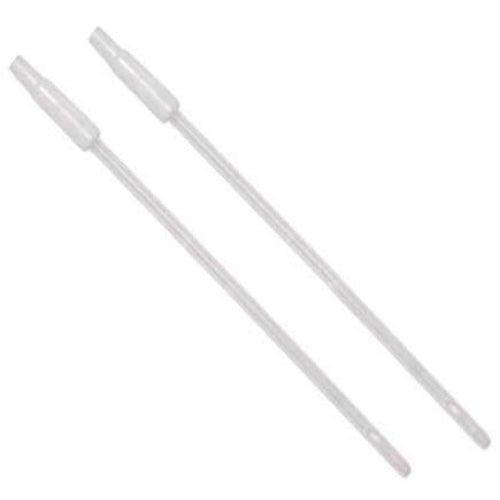
Type: Nursing
Karman type Cannula with Adaptor (pack of 25)

Type: Anesthesia
VentiFlex Oxygen Nasal Cannula Adult (Pack of 20)
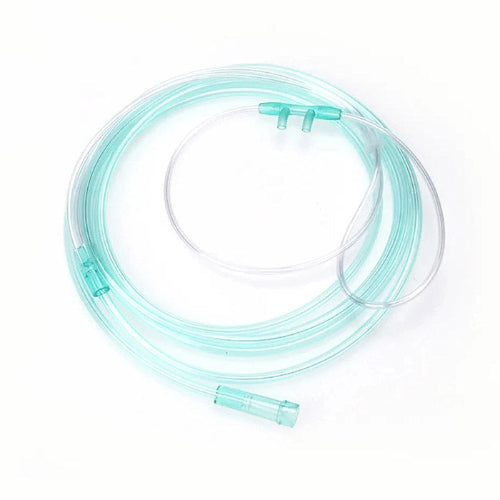
Type: Anesthesia
VentiFlex Oxygen Nasal Cannula Pediatric (Pack of 20)
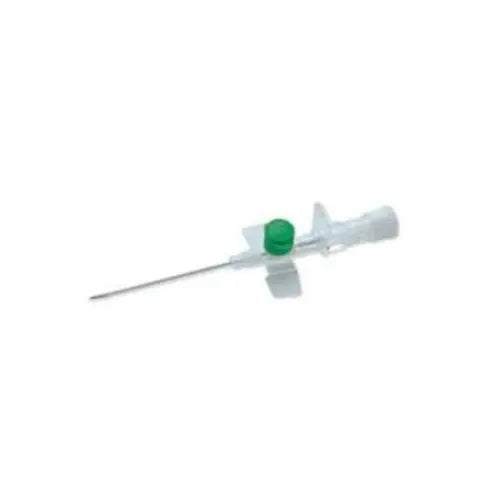
Type: Nursing
BD Venflon I.V. Cannula (Pack Of 20)


Type: Manikin
Central Venus Trainer for Cannulation Practice
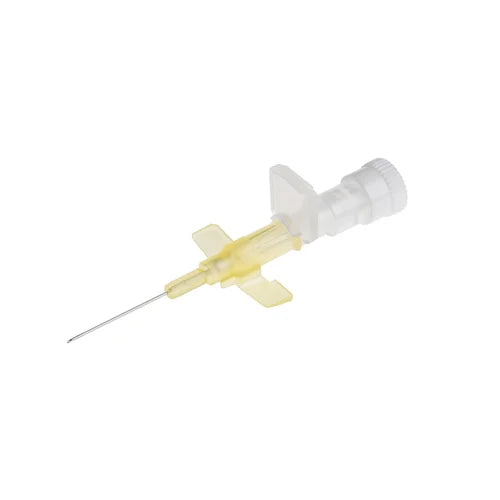
Type: Nursing
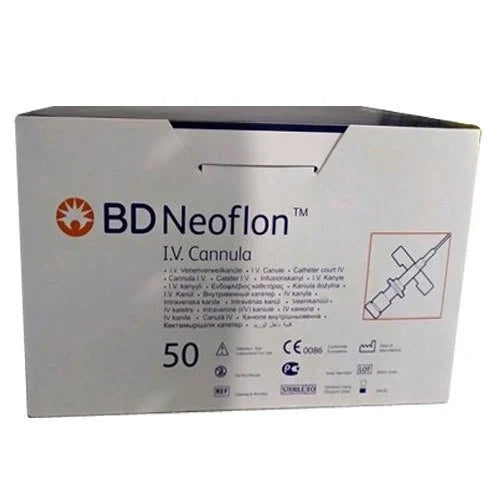
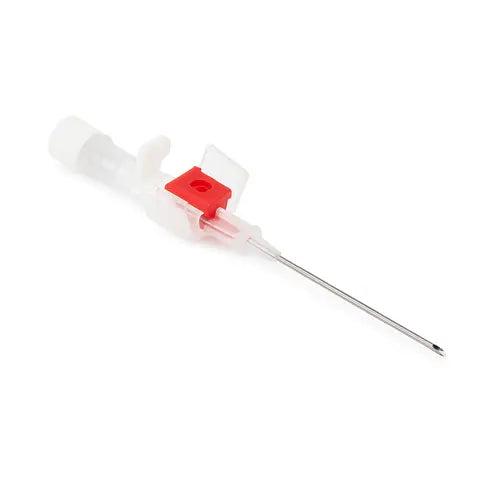
BD Neoflon I.V. Cannula (Pack Of 15)
Type: Nursing
BD Arterial Cannula for Peripheral Arteries
Collection:
Cannulas in Medical Procedures: An Overview

Cannulas are vital tools in modern medicine. They facilitate fluid administration, blood sampling, and oxygen delivery. Their role in healthcare is indispensable.
Understanding cannulas involves knowing their types, sizes, and uses. Each type serves a specific purpose in medical procedures. This knowledge is crucial for healthcare professionals.
Cannula sizes are color-coded for easy identification. This system helps in selecting the right size for each patient. Proper selection is key to effective treatment.
The green cannula, for instance, is commonly used for rapid fluid administration. Its size and color make it easily recognizable. Such details are important in emergency situations.
Cannula insertion requires skill and precision. Proper techniques minimize patient discomfort and reduce complications. Training in these techniques is essential for healthcare staff.
Safety and care are paramount in cannula use. Regular maintenance prevents infections and ensures functionality. Adhering to safety protocols is critical.
Advancements in cannula technology continue to improve patient care. Innovations focus on enhancing safety and efficiency. Staying informed about these trends is beneficial.
For hospital administrators, balancing cost and quality is a challenge. Strategic procurement decisions impact patient outcomes. Understanding market trends aids in making informed choices.
Medical equipment distributors must navigate a competitive landscape. Keeping up with technological advancements is crucial. Identifying new opportunities can increase market share.
Healthcare technology consultants provide valuable insights. They help clients integrate the latest innovations. Their expertise supports informed decision-making.
Cannulas are more than just medical devices. They are integral to patient care and treatment. Optimizing their use enhances healthcare delivery.
Understanding Cannulas: Definition and Historical Context
Cannulas are tubular instruments designed to access veins, arteries, or body cavities. They play a crucial role in delivering fluids and medications, as well as in diagnostic procedures. Their design consists of a flexible or rigid body with a sharp tip for insertion.
Historically, the use of cannulas dates back to ancient times. Early medical practitioners utilized simple hollow tubes for various procedures. Over centuries, improvements in design and materials have enhanced their effectiveness and safety.
The development of modern cannulas began in the 19th century. Advancements in metallurgy and polymer science led to the creation of more reliable devices. These innovations paved the way for widespread use in medical practice.
Today, cannulas are indispensable in hospitals and clinics worldwide. Their applications have expanded beyond basic infusion to include complex surgical procedures. The diversity in cannula types reflects the complexity of healthcare needs.
- Key features:
- Flexible or rigid construction
- Sharp, pointed tip
- Various lengths and diameters
The evolution of cannula design continues to improve patient safety and procedural efficacy. With each innovation, the medical community benefits from better outcomes and enhanced care.

Cannula Types: A Comprehensive Classification
Cannulas are utilized across a broad spectrum of medical procedures. They vary significantly in terms of design and functionality to suit specific needs. Understanding these classifications helps in selecting the appropriate cannula for each medical application.
Main Cannula Categories:
- Intravenous (IV) Cannulas
- Nasal Cannulas
- Arterial Cannulas
- Specialized Cannulas
Each type serves distinct purposes, from administering medication to oxygen delivery. The choice depends on the clinical requirement and patient condition. Thus, recognizing these distinctions is vital for healthcare providers.
Technological advances have led to specialized cannulas designed for enhanced safety and efficiency. For instance, some come with protective sheaths to prevent needlestick injuries. These safety features are crucial in high-risk environments like hospitals.
Cannulas are also classified by the gauge of the needle. This determines the flow rate and use case. The gauge typically ranges from small (for delicate veins) to large (for rapid fluid administration).

Advantages of Varied Cannulas:
- Specific design for particular procedures
- Enhanced patient comfort
- Increased procedural efficacy
The evolution in cannula designs continues to improve the quality of patient care. Understanding these types allows for strategic procurement and inventory management in healthcare settings.


Intravenous (IV) Cannulas
IV cannulas are essential in fluid and medication administration directly into veins. They ensure swift delivery of substances into the bloodstream, which is critical for emergency care and surgical procedures.
Their design usually includes a plastic catheter over a needle, ensuring ease during insertion. Once inserted, the needle is retracted, leaving the catheter in place. This design minimizes trauma to the vein.
IV cannulas are often used in hospitals and are a staple in emergency departments. They help manage acute conditions by allowing rapid medical intervention.
Key considerations when selecting an IV cannula include:
- Gauge size: Determines flow rate
- Length: Affects reach to the vein
- Material: Ensures flexibility and durability
IV cannulas range in size from large bore (for rapid fluid administration) to smaller ones (for slow, steady infusion).

Nasal Cannulas
Nasal cannulas deliver oxygen directly through the nostrils. They are common in respiratory therapies for patients needing supplemental oxygen.
They consist of a lightweight tube that splits into two prongs. These prongs rest in the nostrils, providing a steady flow of oxygen. Their simplicity and effectiveness make them popular in both clinical and home settings.
Nasal cannulas are ideal for patients requiring continuous oxygen at a lower flow rate. Their design allows patients to speak and eat comfortably.
Considerations for use include:
- Material: Soft, hypoallergenic materials reduce irritation
- Fit: Ensures comfort and effective oxygen delivery
- Flow rate: Adjusts according to the patient's need
Arterial and Specialized Cannulas
Arterial cannulas are used in critical care for monitoring blood gases. They provide direct access to an artery, often used in intensive care units. This access allows continuous blood pressure monitoring and blood sampling.
Specialized cannulas, such as those used in dialysis, address specific medical needs. These are designed to handle high flow rates and pressures safely.
Key features of arterial cannulas include:
- Precision: Required for delicate artery placement
- Safety mechanisms: To prevent occlusion and bleeding
- Durability: Withstands prolonged use
These types are crucial in settings where precise monitoring and interventions are essential.

Butterfly Cannulas and Their Uses
Butterfly cannulas, known for their winged design, facilitate easy and stable venous access. They're often used for short-term blood draws or infusions.
Their flexible "wings" allow for easy handling and stabilization during insertion. They are favored in pediatric and elderly care due to minimal discomfort upon insertion.
Common uses include:
- Blood draws
- Short-term infusions
- Pediatric applications
The design simplifies handling, making it ideal for quick and painless venous access.

Three Way Cannulas
Three way cannulas enable simultaneous medication and fluid administration. Their unique design incorporates additional ports for ease of multi-channel use.
They are versatile, suiting complex procedures where multiple infusions are required. This reduces the need for multiple IV lines, enhancing patient comfort and management.
Leech Wilkinson cannulas are used in specific surgical applications. Their specialized design caters to niche medical needs, reflecting advancements in medical technology.
Key benefits include:
- Multi-functionality: Reduces line insertions
- Efficient management: Simplifies treatment protocols
- Specialized applications: Such as high-precision surgical procedures

Cannula Sizes and Color Coding: Standards and Selection
Cannula sizes are pivotal in administering medications effectively. Accurate selection is influenced by patient factors and the procedure. Standardized color coding assists healthcare professionals in quickly identifying the correct size.
Color coding is universal. It ensures consistency across healthcare settings. This standardization streamlines selection, especially in emergency scenarios. Moreover, it minimizes errors, promoting safety and efficiency.
Deciphering cannula codes empowers practitioners to make informed decisions. It's crucial for maintaining seamless clinical operations. Knowing these standards enhances patient outcomes by ensuring appropriate fluid flow rates.
Key factors influencing cannula selection include:
- Patient age and weight
- Procedure type
- Vein condition
Each factor contributes significantly to optimal cannula function.
Choosing the right size ensures therapeutic efficacy. Mismatched sizes can lead to complications, impacting treatment success. Therefore, understanding the interplay of size, color, and functionality is indispensable.
Cannula Colour Codes and Their Significance
Color codes simplify the identification of cannula gauge sizes. Each color corresponds to a specific gauge, indicating flow capacity. This universal coding aids in rapid decision-making.
For example, the pink cannula represents a 20-gauge size. These codes are critical in high-pressure environments where time is essential.
A typical color code system includes:
- Blue: 22G, commonly used for children
- Pink: 20G, suitable for most adults
- Green: 18G, ideal for rapid infusions
These codes facilitate communication among healthcare teams.
Understanding these codes reduces errors during urgent care. This knowledge forms the foundation for effective patient management.
Green Cannula Size and Other Common Sizes
The green cannula size is 18-gauge and designed for high-volume fluid administration. Its versatility makes it highly sought after in both emergency and routine procedures.
Green cannulas are favored for their balance between size and flow rate. They ensure efficient delivery while minimizing discomfort to the patient.
Other common sizes include:
- 24G (Yellow): For fragile veins
- 20G (Pink): For general use
- 16G (Grey): For major surgery and trauma care
The broader the cannula, the faster the fluid flow. Selecting the suitable size optimizes treatment efficiency and patient comfort.
Accurate size selection ensures compatibility with patient needs. A mismatch could hamper treatment, highlighting the importance of informed choices.
Cannula Size According to Age and Patient Needs
Cannula size varies significantly with patient age and physical attributes. Children require smaller sizes, while adults can accommodate larger gauges. These distinctions help align with physiological requirements.
Size selection must consider individual vein sizes. Adjusting for patient needs enhances comfort and procedural success.
Guidelines for size selection include:
- Infants: Use sizes 24G to 22G
- Children: Prefer 22G to 20G
- Adults: Typically 20G to 18G
Each guideline optimizes suitability. Selecting the right size according to age and body requirements prevents complications such as infiltration or phlebitis.
The age-specific approach ensures precision and safety. Tailoring selections to individual characteristics ensures optimal outcomes.
Butterfly Cannula Sizes: Pediatric and Adult Applications
Butterfly cannulas, with their winged tips, cater to both pediatric and adult patients. They offer precise control during insertion and are ideal for short-term use.
Size selection is patient-specific. Smaller sizes accommodate tiny pediatric veins, while larger gauges suit adult applications.
Key features include:
- Variety of sizes: Tailored to patient demographics
- Ease of use: Minimizes patient distress
- Flexibility: Suitable for quick procedures
Their design allows swift placement and removal. This makes butterfly cannulas a favorite in scenarios requiring agility and precision.
Cannula Insertion: Techniques, Best Practices, and Training
Mastering cannula insertion is a blend of skill, knowledge, and practice. Proper insertion techniques minimize patient discomfort and prevent complications. Training is essential for proficiency and confidence among healthcare providers.
Correct technique involves selecting the appropriate site. Preparation must include sterilization and patient assessment. Attention to detail in these steps enhances success rates.
Best practices in cannula insertion address:
- Sterilization protocols
- Patient positioning
- Gentle handling during insertion
These considerations ensure safety and efficacy. Continuous training improves technique and boosts overall patient care quality.
Informed practitioners stay current with advancements. Innovations in cannula design may require refined insertion skills. Thus, ongoing education is crucial.
Simulation-based training offers hands-on experience. This method prepares staff for real-world challenges. A well-trained team optimizes patient outcomes.
Healthcare organizations should foster environments for skill development. This investment leads to higher standards of care, benefiting both patients and providers.
Preparation and Site Selection
Preparation is fundamental for successful cannula insertion. It involves gathering all necessary equipment and preparing the patient. Thorough planning reduces risks and enhances the procedure.
Site selection is vital. An ideal site has good vein visibility and accessibility. Consideration of patient anatomy leads to optimal site choice.
Essential steps in preparation include:
- Equipment check
- Patient consultation and consent
- Vein assessment
Effective preparation fosters smooth insertion. A strategic choice of site aids in minimizing complications. These practices ensure patient comfort and procedural success.
Step-by-Step Cannula Insertion Procedure
Executing a cannula insertion requires precision. Clear, methodical steps result in effective placement. Following a structured approach improves outcomes and reduces errors.
The procedure includes:
- Identify the vein and cleanse the area.
- Apply a tourniquet to distend the vein.
- Insert the cannula at a shallow angle.
- Advance the cannula while retracting the needle.
- Secure the cannula and ensure proper function.
This sequence prioritizes patient safety and minimizes discomfort. Practitioners should practice gentle techniques throughout.
Continuous practice builds expertise. Each step, if followed accurately, increases success rates. Education and training bolster these skills significantly.
Common Challenges and Troubleshooting
Cannula insertion isn't without challenges. Issues such as difficult vein access or inadvertent punctures can arise. Recognizing potential complications enables prompt resolution.
Troubleshooting often involves:
- Re-evaluating vein selection
- Adjusting insertion angle
- Ensuring equipment readiness
Addressing these factors mitigates common pitfalls. Preparedness is key to effective problem-solving.
Continuous learning helps practitioners adapt to new challenges. Sharing experiences within teams fosters innovation and improvement in practices.
Cannula Uses in Medical Procedures
Cannulas play a pivotal role in various medical procedures. Their versatility allows for a wide array of applications, each crucial to patient care. Understanding these uses informs the selection and handling of cannulas.
In hospitals, cannulas are invaluable in fluid administration. They facilitate the delivery of vital nutrients and medications. This capability ensures efficient treatment and recovery processes for patients.
Blood sampling is another key function of cannulas. Precision in this procedure aids in accurate diagnostics and effective treatment planning. With the right cannula, the process is minimally invasive and efficient.
Beyond basic functions, cannulas serve specialized roles. From oxygen delivery to emerging applications, their uses are continually evolving. Adaptability in application is a hallmark of cannula technology.
Innovations in medical procedures further expand their utility. As these uses grow, so does the need for informed procurement and application strategies. Medical professionals benefit from continual education on these evolving uses.
Selecting the appropriate cannula impacts patient outcomes. By aligning choice with specific procedural needs, healthcare providers enhance treatment efficacy. This approach underscores the importance of thoughtful selection.
Fluid Administration and Blood Sampling
Fluid administration is a core use for cannulas. This process involves delivering fluids directly into a vein. It supports hydration, medication delivery, and nutrient provision.
The selection of cannulas for this task includes:
- IV cannulas for continuous infusion
- Butterfly cannulas for short-term needs
Blood sampling is equally essential. Cannulas help in collecting blood efficiently, minimizing discomfort. Using appropriate size and type enhances accuracy.
Precision in these applications ensures patient comfort and procedural success. Informed selection of cannulas is critical for optimal outcomes. This selection process is vital in managing patient care effectively.

Oxygen Delivery and Specialized Applications
Oxygen delivery via cannulas is crucial in respiratory care. Nasal cannulas provide a non-invasive method for administering supplemental oxygen. They support patients with respiratory challenges comfortably.
In specialized medical scenarios, cannulas are essential. Their applications extend to surgical procedures and beyond. For these, choosing the correct cannula is imperative for safety and efficacy.
Common specialized uses include:
- Oxygen therapy via nasal cannulas
- Utilization in minimally invasive surgeries
The correct application of these devices impacts clinical outcomes. Continuous advancements in cannula technology expand these possibilities. Staying informed about innovations aids healthcare providers in maximizing cannula utility.
Cannula Safety: Risks, Complications, and Prevention
Ensuring the safety of patients during cannula use is paramount. Cannulas, while beneficial, can pose risks if not handled properly. Healthcare professionals must be vigilant about potential complications.
Infection prevention is a critical concern. Proper sterile techniques minimize the risk of introducing pathogens into the bloodstream. Adhering to stringent protocols is essential for patient safety.
Complications such as phlebitis or infiltration can arise. These issues occur due to improper insertion or movement. Recognizing early signs helps in prompt management and resolution.
Prevention strategies are multifaceted. They include regular training, adherence to guidelines, and the use of advanced safety features in cannulas. Investing in these areas reduces complication rates significantly.
- Routine staff training on insertion techniques
- Use of securement devices to prevent movement
Innovations in design enhance safety. New features in cannulas contribute to safer procedures. These innovations focus on minimizing risk and maximizing comfort.
By integrating safety measures, healthcare facilities improve patient outcomes. Effective management of risks aligns with better healthcare standards. It is crucial for hospitals to prioritize this in their procurement strategies.

Infection Control and Sterile Techniques
Infection control is crucial in cannula use. Sterile techniques are the first line of defense against infection. Following these practices reduces potential healthcare-associated infections.
Key techniques include:
- Using sterile gloves and equipment
- Ensuring clean insertion sites
Proper hand hygiene is vital. Before and after handling a cannula, hands should be thoroughly cleaned. This basic step cannot be overlooked.
Using sterile equipment helps in maintaining a contamination-free environment. Consistency in these practices ensures patient safety and effective treatment outcomes.

Cannula-Related Complications and Management
Cannula-related complications require prompt attention. Common issues include phlebitis, infiltration, and occlusion. Recognizing symptoms early is key to avoiding further problems.
Management strategies involve:
- Monitoring insertion sites regularly
- Adjusting or removing problematic cannulas
Phlebitis presents as vein inflammation, often with redness or swelling. Infiltration occurs when fluid leaks into surrounding tissue, causing discomfort.
Quick response to these signs prevents further complications. Training in these areas is crucial for all healthcare staff involved in cannula management.
Regular audits and reviews of practice can ensure adherence to best practices. Such proactive measures enhance both patient safety and care quality.

Safety Features and Innovations
Modern cannulas include advanced safety features. These innovations aim to enhance both patient safety and ease of use. New designs incorporate mechanisms to reduce risks, such as needle-stick injuries.
Noteworthy features include:
- Built-in needle protection systems
- Integrated securement devices for stability
These features help protect healthcare providers as well as patients. The reduction of needlestick injuries is a notable benefit.
Staying informed about these innovations can enhance procurement decisions. Healthcare facilities benefit from choosing the latest and safest cannula products.
Implementing these advanced tools supports high-quality patient care. Continual investment in innovative technologies fosters a safer healthcare environment.
Cannula Care: Maintenance, Monitoring, and Replacement
Proper cannula care is fundamental to patient safety and comfort. Maintenance involves both routine inspections and timely cleaning procedures.
Regular monitoring of cannula sites can prevent complications. Healthcare providers should be vigilant for signs of infection or discomfort. Early detection of issues leads to swift intervention.
- Daily inspection of the insertion site
- Checking for signs of infection such as redness or swelling
Cleaning protocols are essential. Ensuring that the cannula and surrounding area remain clean helps in minimizing infection risks. Sterile dressings should be replaced regularly.
Replacement of cannulas should follow specific protocols. Delays in replacement can lead to complications or reduced efficacy. Timely cannula replacement maintains effective patient care.
Consider these guidelines for routine care:
- Follow established schedules for site cleaning
- Document and report any abnormalities immediately
Prioritizing these steps ensures that both patients and healthcare staff are protected. Implementing robust care protocols improves overall healthcare service quality.
Routine Inspection and Cleaning
Routine inspections are crucial for maintaining cannula functionality. Regular site assessment helps in identifying early signs of infection. Pay attention to any swelling or redness at the insertion site.
For effective cleaning:
- Use antiseptic solutions for the skin around the site
- Ensure that the dressing remains dry and intact
These steps help in preventing bacterial growth. Keeping the site clean preserves the integrity of the cannula and reduces the risk of complications.
Consistent inspections should become part of standard nursing routines. By integrating these into daily rounds, healthcare teams can ensure higher standards of care and safety.
Protocols for Cannula Replacement
Cannula replacement should adhere to strict protocols. Overdue replacement increases risks of infection and thrombosis. Ensure replacements are performed within recommended time frames.
Replacement protocols typically include:
- Replacing IV cannulas every 72 to 96 hours
- Documenting any changes or issues during replacement
Timing is critical to maintaining optimal function. Quick replacement upon detecting issues can prevent complications.
These practices should be clearly documented and routinely reviewed. Adhering to a structured replacement protocol enhances patient outcomes and minimizes risks.
Education and training of staff on these protocols are essential. Ensuring that the healthcare team is aware and competent in these procedures supports consistent patient care quality.
Procurement and Distribution: Strategic Considerations for Hospitals and Distributors
Procurement of medical cannulas involves key strategic considerations. Hospitals must navigate balancing cost, quality, and technology advancements.
Understanding market demands is vital. Distributors should focus on recognizing trending needs and adjusting their supply strategies accordingly. This ensures that the right products reach the market efficiently.
Efficient procurement processes streamline operations. Hospitals benefit from implementing strategies that enhance negotiation with suppliers. This can lead to better pricing and improved access to the latest technologies.
Distributors must stay informed about regulatory requirements. Compliance ensures safety and trust in product offerings, enhancing market confidence.
- Regularly update procurement criteria based on new insights
- Maintain strong relationships with trusted suppliers
Integrating technology in procurement processes can increase efficiency. For example, digital platforms offer real-time updates on stock levels and supply chain logistics.
- Utilize data analytics to forecast demand
- Adopt automation tools for inventory management
Engaging multiple stakeholders in the procurement process is beneficial. Input from clinicians, engineers, and procurement specialists can lead to informed decisions that balance various needs effectively.
Balancing Cost, Quality, and Technology
Hospitals must carefully balance cost, quality, and technology when procuring cannulas. Quality must never be compromised for cost savings, as this can impact patient safety.
Considerations include:
- Evaluating product efficacy and safety
- Comparing different suppliers for cost-effectiveness
Technology plays a crucial role. Modern cannulas incorporate advanced features improving patient outcomes. Investing in the latest technology can sometimes lead to long-term savings.

Ultimately, the selection should align with the hospital's broader strategy. Factors such as patient volume and specific clinical requirements guide these decisions.
Digital Platforms and the Role of Meddeygo
Digital platforms, like Meddeygo, revolutionize procurement. They offer streamlined access to a wide range of medical equipment, enhancing efficiency and decision-making.
Benefits of digital platforms:
- Real-time inventory visibility
- Streamlined order processing
These tools support better planning by providing data insights. Hospitals can make informed decisions based on usage patterns and forecasts.
Meddeygo exemplifies digital transformation in healthcare procurement. Their platform connects hospitals with trusted suppliers, ensuring reliable access to quality cannulas and other equipment.
Adopting such platforms can bridge gaps between demand and supply, optimizing resource allocation and reducing delays in equipment availability.
Regulatory Standards and Market Trends in Cannula Technology
Regulatory standards ensure safety and efficacy in cannula use. Compliance with these standards is paramount for hospitals and distributors. It involves adhering to guidelines that govern production, sterilization, and usage.
Emerging market trends focus on innovative materials and designs. New cannulas aim to reduce patient discomfort and minimize risks like infection. These advancements reflect the industry's response to evolving healthcare needs.
A rise in personalized medicine trends influences cannula design. Customized solutions cater to specific patient demographics, enhancing procedural outcomes. This approach is particularly beneficial in pediatric and geriatric care.
- Focus on sustainability with eco-friendly materials
- Incorporate smart technology for enhanced monitoring
Global market expansion highlights increasing demand for cannulas. Growth is driven by rising medical procedures and technological progress. A focus on research and development fuels new product introductions.
Collaboration between manufacturers, clinicians, and regulatory bodies is crucial. Together, they shape the future of cannula technology, ensuring it meets both clinical needs and safety standards. This unified approach fosters trust and advancement in healthcare solutions.
Training and Education: Empowering Healthcare Teams
Effective training is vital in ensuring that healthcare teams are proficient in using cannulas. Proper education reduces complications and improves patient outcomes. Regular updates in cannula use practices help maintain high standards of care.
Healthcare professionals must stay abreast of the latest cannula technologies. Training programs should cover both basic and advanced techniques. This includes hands-on practice and simulation-based learning.
Simulation-based training offers realistic scenarios. It allows healthcare providers to refine their skills in a controlled environment. This method boosts confidence and competence.
Continual professional development is essential for all healthcare staff. Institutions should prioritize comprehensive cannula training. This ensures that team members can perform with precision and efficiency.
- Organize regular workshops and seminars
- Encourage participation in certification programs
- Integrate e-learning modules for flexible learning

Ultimately, empowering healthcare teams through education supports patient safety and enhances healthcare delivery. Maintaining a well-trained workforce can significantly impact overall care quality.
Future Directions: Innovations and Emerging Trends in Cannula Design
The future of cannula design promises remarkable advancements. Innovations focus on enhancing patient comfort and safety. Researchers are exploring new materials to increase durability and flexibility.
Designs are becoming more ergonomic to facilitate easier handling. Cannula insertion is also being refined for minimal invasiveness. These changes aim to reduce patient discomfort during procedures.
Smart technology integration is a game-changer in cannula design. Features like sensors can monitor flow rates and detect occlusions. This smart technology assists in real-time decision-making for better care.
The demand for eco-friendly cannulas is rising. Manufacturers are exploring sustainable materials to meet environmental standards. This shift towards green technology reflects growing sustainability concerns.
Continual research and development are key to these breakthroughs. As technology evolves, cannula innovations will reshape patient care. Expect to see more user-friendly features in upcoming designs.
- Incorporation of biodegradable materials
- Enhanced antimicrobial properties
- Advanced ergonomic designs
Overall, the future of cannula technology looks promising. Continued advancement will lead to improved clinical outcomes and patient experiences.
Key Takeaways and Best Practices
Understanding cannula diversity is crucial for healthcare excellence. Knowing the types, sizes, and uses aids in precise medical procedures. This knowledge ensures better patient care and outcomes.
Practicing sterile insertion techniques reduces complications. This is essential for maintaining high health standards. Regular staff training remains a critical component of effective cannula use.
Cannula care is about more than maintenance. It includes timely replacement and infection control, vital for patient safety. Hospitals must adopt comprehensive care protocols.
Innovations continue to transform cannula technology. This impacts procurement strategies and clinical practices. Staying updated with trends is vital for healthcare providers.
- Choose the right cannula type for each procedure.
- Adopt stringent care and maintenance protocols.
- Engage in continuous education and training.
Overall, these practices optimize cannula utility in medical settings. They contribute to enhanced patient experiences and improved healthcare delivery.
Frequently Asked Questions (FAQs) on Cannulas
Cannulas are integral to various medical procedures. Understanding them is essential for both healthcare professionals and patients. Below are some common queries:
What Are the Different Types of Cannulas?
Cannulas come in several types, including intravenous (IV), nasal, arterial, and butterfly variants. Each serves distinct purposes in medical procedures.
How Is Cannula Size Determined?
Cannula size is chosen based on patient age, vein size, and the procedure's purpose. Sizes are often color-coded for easy identification.
What Are Common Cannula-Related Complications?
Complications can include infection, phlebitis, and infiltration. These issues require immediate attention to ensure patient safety.
Key Points:
- Identify the correct cannula type for specific procedures.
- Be aware of sizes and color coding for accurate application.
- Understand potential complications and management strategies.
This succinct information addresses critical concerns about cannulas, facilitating better comprehension and usage.
Conclusion: Optimizing Cannula Use for Better Patient Outcomes
Cannulas play a pivotal role in delivering effective medical care. Their correct use can significantly enhance patient outcomes.
Choosing the right type and size of cannula is crucial. This decision should be guided by patient-specific factors and clinical needs.
Healthcare teams must remain informed about the latest innovations and safe practices. Training is key to minimizing risks and improving procedural efficiency.
Key Considerations:
- Select cannulas based on clinical requirements.
- Ensure ongoing education for healthcare providers.
- Embrace technological advancements to improve patient safety and comfort.
By focusing on these areas, healthcare providers can ensure optimal use of cannulas, ultimately improving patient experiences and outcomes.
Q&A
Question: What are the main types of cannulas and when is each used?
Short answer: Cannulas vary by purpose and placement. IV cannulas deliver fluids and medications directly into veins and are common in emergencies and perioperative care. Nasal cannulas provide supplemental oxygen through prongs in the nostrils and are suited to lower-flow, comfortable respiratory support in clinical and home settings. Arterial cannulas give direct arterial access for continuous blood pressure monitoring and frequent blood gas sampling in critical care. Butterfly cannulas (winged sets) offer easy, stable short-term venous access for blood draws and brief infusions, especially in pediatric and geriatric patients. Specialized cannulas include three way cannulas that enable multiple simultaneous infusions through extra ports, and devices like Leech Wilkinson cannulas designed for niche surgical applications or high-flow needs (e.g., dialysis).
Question: How do color codes and gauge sizes affect cannula selection and flow rates?
Short answer: Color coding maps to gauge (diameter), allowing quick, error-reducing selection—larger bores (lower gauge numbers) permit faster flow. Typical examples include Yellow (24G) for very fragile veins, Blue (22G) often for children or small veins, Pink (20G) for general adult use, Green (18G) for rapid infusions, and Grey (16G) for major surgery/trauma. Choice should factor in patient age/weight, vein condition, and procedure type: infants typically 24–22G; children 22–20G; adults 20–18G, with larger gauges for high-volume needs. Length and material also influence ease of insertion and durability.
Question: Why is the green cannula commonly preferred in emergencies?
Short answer: The green cannula is 18G, offering a high-volume flow suitable for rapid fluid administration, which is critical in resuscitation and urgent care. Its standardized green color makes it instantly recognizable to teams under time pressure, helping coordinate swift, appropriate access while balancing flow efficiency with patient comfort and vein preservation.
Question: What best practices and training improve cannula insertion success and safety?
Short answer: Effective insertion blends preparation, sterile technique, and skill. Core steps are: assess and select a suitable vein; cleanse the site; apply a tourniquet; insert at a shallow angle; advance the catheter while retracting the needle; secure and confirm function. Best practices include strict hand hygiene, sterile equipment, optimal patient positioning, gentle technique, and securement to minimize movement. Troubleshoot by reassessing vein choice, adjusting angle, and verifying equipment readiness. Ongoing education—especially simulation-based training—builds proficiency and keeps clinicians current with evolving cannula designs and techniques.
Question: What complications can occur with cannulas, and how are they prevented and managed?
`Short answer: Common issues are infection, phlebitis (vein inflammation), infiltration (fluid leaking into tissue), and occlusion. Prevention hinges on sterile technique, clean/dry dressings, securement to limit movement, and routine monitoring of the site for redness, swelling, or pain. Management includes promptly adjusting or removing problematic lines and documenting findings. Adhering to replacement protocols—typically changing IV cannulas every 72–96 hours—and conducting daily inspections help reduce risk and maintain device function. Continuous staff training and use of safety features (e.g., needle protection, integrated securement) further enhance safety.