
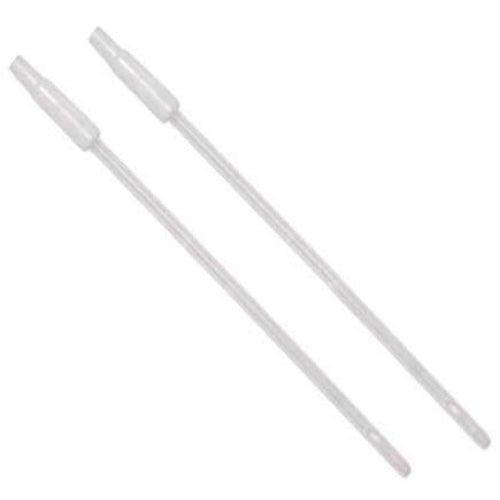
Type: Nursing
Karman type Cannula with Adaptor (pack of 25)
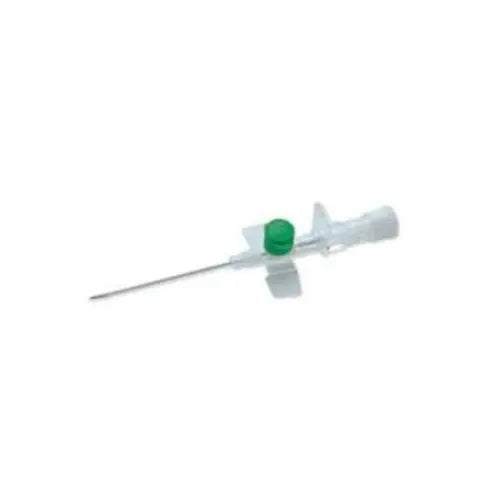
Type: Nursing
BD Venflon I.V. Cannula (Pack Of 20)


Type: Instruments
4mm Cannulated Cancellous Screw Instruments Set
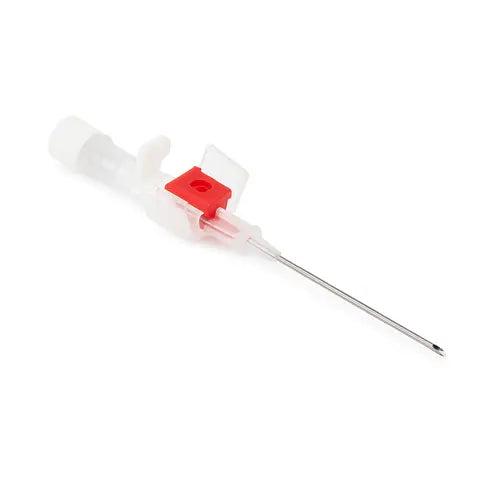
Type: Nursing
BD Arterial Cannula for Peripheral Arteries


Type: Instruments
7mm Cannulated Cancellous Screw Instruments Set
Collection:
Karman Cannula & MVA Kit
Manual Vacuum Aspiration (MVA) uses a handheld aspirator and a soft, flexible Karman cannula to gently and safely empty the uterus, commonly for early abortion, incomplete miscarriage management, or endometrial sampling. Compared with D&C, it is less invasive, usually requires only local anesthesia, is performed in a clinic, and has a strong safety and effectiveness record endorsed by the WHO. The procedure is quick (often 2–5 minutes), discomfort is typically brief cramping, recovery is fast, and aftercare centers on monitoring for rare complications. Cannulas are single-use, aspirators may be reusable with strict sterilization, and access and cost vary by provider and location.
When a pregnancy ends in its early stages---either from a miscarriage or a chosen abortion---a safe, gentle way to help the body recover is essential. For decades, one of the most common and effective methods has involved a simple but innovative toolset: the Manual Vacuum Aspiration (MVA) kit. Though the name sounds technical, the procedure itself is designed for patient comfort and safety.
"Manual vacuum aspiration" can seem intimidating, but the terms simply describe the process. "Manual" means the procedure is controlled by a clinician's hand, not a machine, allowing for a gentle touch. "Vacuum aspiration" refers to the use of light suction to remove tissue from the uterus. Therefore, an MVA is a non-surgical procedure using handheld suction to clear the uterus.
Instead of more invasive options, uterine aspiration for miscarriage or early abortion is often preferred because it can be done quickly and comfortably in a clinic setting. The key components, the Karman Cannula & MVA Kit, are recognized by the World Health Organization as a crucial innovation in women's health for their high safety record and effectiveness in millions of procedures worldwide.
This guide explains what an MVA kit is, how it works, and the situations where it's used, providing factual, jargon-free information to help you understand this important aspect of reproductive healthcare.

What Exactly is a Manual Vacuum Aspiration (MVA) Kit?
The MVA kit consists of two primary components that work together. The first is a specially designed syringe, called an aspirator , which creates the suction. The second is a thin, flexible tube called a cannula. Think of the cannula as a very soft, medical-grade straw that is designed to be gentle on the body.
During a procedure, the provider uses the suction from the handheld aspirator to draw tissue out of the uterus through the cannula. Because this system is manual and the tools are flexible, it is widely recognized as a less invasive option than older surgical methods. A key part of its safety lies in the specific design of that flexible tube, the Karman cannula.
The Karman Cannula: Why a Flexible Tube is a Key Safety Feature
While the MVA kit's cannula acts like a gentle straw, the specific type used---the Karman cannula---was a revolutionary development. Unlike older medical tools, this tube is made from a soft, semi-flexible plastic. This isn't just a minor detail; it's a critical design choice that centers on patient safety. The ability of the cannula to bend slightly is what makes the procedure so much gentler than earlier methods.
To understand the benefits of a flexible aspiration cannula, imagine trying to gently scrape the inside of a delicate, hollow fruit. A rigid metal instrument would carry a high risk of scraping or even puncturing the soft wall. The Karman suction cannula, however, is designed to conform to the natural shape of the uterus. Its flexibility allows a provider to perform the procedure with a high degree of control, dramatically reducing the risk of injury to the uterine lining.
This soft plastic design stands in stark contrast to the sharp, rigid metal instruments used in more traditional surgical procedures. The introduction of the Karman-type plastic suction cannula marked a significant advancement, moving away from invasive "scraping" to a gentler method of "aspiration." For patients, this innovation means a safer procedure, less discomfort, and a quicker recovery, which is why it has become a worldwide standard in care.
How the MVA Procedure Works: A Gentle, Step-by-Step Explanation
Understanding what happens during a medical procedure can help ease anxiety. For an MVA, the process is designed to be as brief and comfortable as possible, usually taking place in a private room at a clinic. To begin, a healthcare provider gently inserts an instrument called a speculum, just like during a routine Pap smear, to get a clear view of the cervix---the opening to the uterus. The area is then carefully cleaned.
To ensure comfort, the next step almost always involves pain management. The provider applies a numbing medication, known as a local anesthetic, directly to the cervix. This simple step is key to minimizing pain during the main part of the procedure.
Once the area is numb, the provider inserts the thin, flexible Karman cannula through the cervix and into the uterus. The manual aspirator (the special syringe) is then attached to the end of the cannula. By pulling back on the syringe's plunger, a gentle suction is created that quickly and quietly removes the pregnancy tissue from the uterus. This core part of the procedure is remarkably fast, often lasting only two to five minutes.
After the tissue has been removed, the instruments are taken out. Most people experience some cramping, similar to a strong period cramp, as the uterus contracts back to its normal size. A provider will ensure you have time to rest and recover before going home. The entire visit is straightforward, prioritizing patient safety and comfort from start to finish.
When is an MVA Kit Used? Three Common Scenarios
While the MVA procedure itself is straightforward, its applications are specific and vital for women's health. One of the most common reasons a provider recommends uterine aspiration is to manage an incomplete miscarriage. This is a situation where a miscarriage begins, but the body does not naturally pass all of the pregnancy tissue. An MVA provides a gentle, controlled way to help the body complete this process, reducing the risk of infection and allowing for physical and emotional healing to begin.
Another primary use for the MVA kit is for an elective abortion, especially within the first twelve weeks of pregnancy. For individuals who have decided to end a pregnancy, MVA is one of several safe and effective early pregnancy termination options. Because it is minimally invasive and can be performed in a clinic setting without general anesthesia, many people choose it for its convenience and quick recovery time compared to more surgical alternatives.
Beyond pregnancy-related care, the MVA kit is also a valuable diagnostic tool for endometrial sampling. The endometrium is the lining of the uterus, and sometimes a tiny sample of this tissue is needed to investigate issues like abnormal bleeding. The MVA's gentle suction can quickly gather a sample for analysis, often avoiding the need for a more involved hospital procedure.
In all these scenarios---from miscarriage management to a chosen abortion and diagnostics---the goal is to provide the safest, least invasive care possible.
MVA vs. D&C: Understanding the Critical Differences
While both Manual Vacuum Aspiration (MVA) and D&C are procedures used to empty the uterus, the way they are performed is fundamentally different. People often hear the term "D&C," which stands for Dilation and Curettage, in reference to miscarriage care or abortion. Historically, it was the standard method, but it is a more surgical procedure compared to the gentler MVA. Understanding the distinction between manual aspiration vs a D&C can help clarify your healthcare options.
The main differences come down to the tools used, the level of anesthesia required, and where the procedure takes place. MVA was developed as a less invasive alternative, a shift reflected in every aspect of the patient experience.
Here's a simple breakdown of how they compare:
- Tool: An MVA uses a thin, flexible tube (cannula ) and gentle, handheld suction. In contrast, a traditional D&C uses a slender metal instrument called a curette, which can have a sharp edge, to clear the uterine lining.
- Anesthesia: An MVA is typically performed with only local numbing medication injected near the cervix. A D&C, however, usually requires sedation or general anesthesia, where you are put completely to sleep.
- Location: Because it is less invasive, an MVA is commonly done in a standard clinic or doctor's office. A D&C is more often performed in a hospital operating room or surgical center.
Ultimately, these factors make MVA a simpler, more accessible procedure that avoids the complexities of a hospital visit for many patients.
Is Manual Vacuum Aspiration Painful? A Realistic Look at Comfort and Pain Management
It's completely natural to wonder about pain when considering any medical procedure. For Manual Vacuum Aspiration (MVA), the goal is to make the experience as comfortable as possible. Before the procedure begins, a healthcare provider will use a local anesthetic to numb the cervix. This is very similar to the numbing injection you might get at the dentist's office before a filling; you may feel a brief pinch, but the area quickly becomes numb, which prevents sharp pain during the MVA procedure steps.
The most common sensation people report during MVA is cramping. This feeling is often described as being similar to strong menstrual cramps. The uterus is a muscle, and the suction causes it to contract, which creates this cramping feeling. While it can be intense, it is a normal part of the process. Your provider may also recommend taking an over-the-counter pain reliever like ibuprofen beforehand to help reduce the intensity of this cramping.
Importantly, the aspiration itself is very quick, usually lasting only a few minutes. This means any significant discomfort is brief. Once the procedure is over, the cramping typically subsides quickly, though some mild cramping may continue for a day or two as part of the uterine aspiration recovery.
The Recognized Benefits: Why Health Experts Recommend MVA
The widespread use of MVA is supported by the world's leading health authorities. The World Health Organization (WHO) lists Manual Vacuum Aspiration as a preferred and exceptionally safe method for managing both early abortion and incomplete miscarriage. This endorsement comes from decades of data gathered from millions of procedures performed globally, establishing MVA as a cornerstone of modern reproductive healthcare.
Beyond its safety record, the procedure is remarkably effective, with a success rate of over 98%. This high level of effectiveness offers peace of mind and significantly reduces the chance of needing a follow-up procedure. A key advantage of manual aspiration vs D&C is its gentle approach. The flexible aspiration cannula benefits the patient by avoiding sharp instruments, making it a preferred treatment for retained products of conception when the uterus needs to be cleared safely.
From a patient's perspective, one of the most practical benefits is convenience. Because MVA does not require general anesthesia, it is typically performed in a single visit to a clinic, avoiding the costs and logistics of a hospital stay. Patients can usually go home the same day and experience a quicker recovery than with more invasive surgeries.
What to Expect After the Procedure: Your Guide to Recovery and Aftercare
Once the MVA procedure is complete, the focus shifts to your recovery, which is typically straightforward. Most people feel well enough to return to their normal, non-strenuous activities within a day or two. Your healthcare provider will give you specific instructions, but understanding the general guidelines for uterine aspiration recovery and aftercare will help you know what to expect.
It's very common to experience cramping, similar to menstrual cramps, for the first few hours or days. You may also have some bleeding or spotting that can last for several days, much like the end of a period. Your provider will likely recommend over-the-counter pain medication for any discomfort and advise you on when you can resume activities like exercise and sexual intercourse.
While complications of the MVA procedure are uncommon, it's important to know the signs that warrant a call to your doctor or clinic. Contact your provider immediately if you experience any of the following:
- Heavy bleeding: Soaking more than two large sanitary pads in an hour, for two hours in a row.
- Severe pain: Cramping that doesn't get better with pain medication.
- Fever: A temperature of 100.4°F (38°C) or higher.
- Unusual discharge: Fluid from the vagina that has a strong, unpleasant odor.
Listening to your body is key. Your medical team is there to support you, so never hesitate to reach out if something doesn't feel right.
Are MVA Kits Reusable? A Critical Look at Device Safety
The reusability of medical equipment is a crucial safety question. For the MVA kit, the answer depends on the component. The thin, flexible cannula that enters the uterus is always single-use. It arrives in a sterile, sealed package for each individual and is safely disposed of immediately after the procedure. This non-negotiable rule is the foundation of infection prevention.
The aspirator, the special syringe that creates suction, is a different matter. Some models are disposable, but many high-quality versions, such as those that follow the Ipas MVA Plus aspirator function, are designed for reuse. However, this involves a rigorous, multi-step sterilization process with specialized equipment and cleaning agents to ensure every single germ is destroyed. This is a strict clinical protocol handled only by trained professionals.
This dual approach---a brand-new, sterile cannula for every person, combined with a professionally sterilized aspirator---is what makes the MVA procedure so safe. Reputable clinics work with a certified MVA Kit Manufacturer & Supplier to ensure all equipment meets global health standards.
Understanding Your Choices: Where MVA Fits Among Other Options
If you're managing an incomplete miscarriage or an early abortion, MVA is just one safe path. The right choice depends on your health and what feels most comfortable. Other common options are medication abortion (using pills) and expectant management, which means waiting for your body to pass the tissue on its own. Each approach has a different timeline and experience, giving you control over how you want to proceed.
Medication abortion uses pills to cause the uterus to empty over a day or two. Unlike a single-visit MVA, this process happens at home, offering more privacy. The trade-off is a less predictable timeline that can feel like a very heavy, crampy period. It is one of the most common early pregnancy termination options available today and is just as safe and effective as a procedure when used correctly.
For some, especially after a miscarriage, the preferred approach is no immediate procedure. Known as expectant management or "watchful waiting," it allows the body to complete the process naturally over days or weeks. While it avoids intervention, this path requires patience and follow-up visits with your doctor to ensure everything has passed safely and to prevent complications.
Ultimately, the decision is a conversation to have with your provider. MVA offers a quick, predictable outcome in a clinic, while medication or watchful waiting provide a private, at-home experience with a less certain timeline.
Access and Cost: Finding a Provider and What Influences Price
Once you and your provider decide on MVA, the next step is finding where to have the procedure done. These procedures are routinely performed in specialized women's health clinics, family planning centers, and hospitals. The most important factor is choosing a licensed, reputable facility where you feel safe and respected. Never hesitate to ask a potential provider about their experience and what you can expect during your visit.
The cost of a manual aspiration procedure can vary significantly based on a few key factors. Your insurance coverage, the type of facility you choose, and even your geographic location all play a part in the final bill. To avoid surprises, it's always a good idea to inquire directly with the clinic about their pricing, payment options, and what is included in the fee.
Interestingly, the availability of MVA also depends on a well-functioning supply chain that operates behind the scenes. An MVA Kit Manufacturer & Supplier in India, for instance, is responsible for ensuring that hospitals and clinics receive sterile, high-quality kits. Medical supply companies like meddeygo help bridge the gap between production and practice, playing a crucial role in keeping these essential tools accessible for clinicians.
Navigating these practical details---from locating a provider to understanding the costs---is an essential part of the process. Being informed allows you to focus on what truly matters: your health and well-being.
Your Health, Your Knowledge: Making an Empowered Choice
Manual Vacuum Aspiration is a straightforward procedure designed for safety. Its simplicity---a flexible Karman cannula and gentle, handheld suction---has made it a globally recognized standard for uterine care. Having this knowledge is powerful, especially when facing personal health decisions.
Whether exploring options after a miscarriage or when choosing between medical and surgical abortion for an early pregnancy, you are better equipped to understand your choices. You can now recognize this method as a modern, gentle alternative to more invasive procedures.
This knowledge prepares you to ask informed questions and have confident conversations with your healthcare provider. It empowers you to participate fully in making the best decision for your health and circumstances.
Q&A
Question: What is an MVA kit and how does it work?
Short answer: An MVA kit has two main parts: a handheld syringe (the aspirator) that creates suction and a thin, soft Karman cannula (a flexible tube) that goes through the cervix into the uterus. The clinician manually draws gentle suction with the aspirator to remove tissue through the cannula. Because it’s manual, flexible, and non-surgical, the procedure is quick (often 2–5 minutes), designed for comfort and safety, and typically done in a clinic with local anesthesia.
Question: When is Manual Vacuum Aspiration used?
Short answer: MVA is commonly used in three situations: to manage an incomplete miscarriage (when some pregnancy tissue remains), for elective abortion in early pregnancy (often within the first 12 weeks), and for endometrial sampling (collecting a small tissue sample from the uterine lining for diagnosis). In each case, MVA offers a gentle, controlled, clinic-based option with fast recovery.
Question: How does MVA differ from a D&C?
Short answer: MVA uses a soft, flexible plastic cannula and handheld suction, while a D&C uses a rigid metal curette that can scrape the uterine lining. MVA typically requires only local anesthesia and is performed in a clinic; D&C usually involves sedation or general anesthesia and is often done in a hospital or surgical center. Backed by decades of global use, MVA is endorsed by the WHO as a safe, effective method, with a success rate over 98%.
Question: Is MVA painful, and what is recovery like?
Short answer: Comfort is prioritized. The cervix is numbed with a local anesthetic, so sharp pain is minimized. Most people feel cramping similar to strong period cramps during the brief suction phase (often 2–5 minutes). Afterward, mild cramping and light bleeding or spotting can continue for a few hours to a few days. Call your provider if you have heavy bleeding (soaking more than two large pads per hour for two hours in a row), severe pain not relieved by medication, a fever of 100.4°F (38°C) or higher, or foul-smelling discharge.
Question: Are MVA kits reusable, and how is safety ensured?
Short answer: The cannula is always single-use and comes sterile for each patient. The aspirator may be disposable or reusable; reusable models undergo strict, multi-step sterilization by trained staff. This combination—a new cannula every time and a properly sterilized aspirator—supports infection prevention. Reputable clinics source kits from certified manufacturers and suppliers that meet global health standards.