
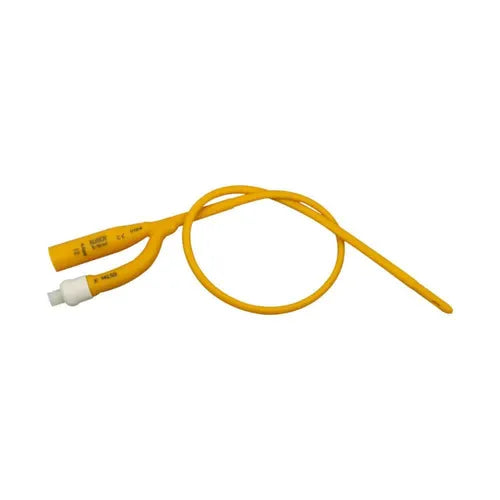
Type: Nursing
Rusch Gold Latex Foley Balloon Catheter

Type: Catheter
Ramsons R 90 Urethral Catheter

Type: Nursing
Latex Foley Catheter 2 Way Pediatric Pack of 10
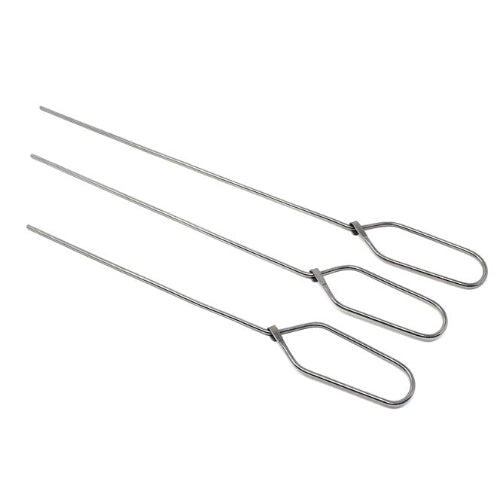
Type: General Instruments
Metal Catheter 12, 14, 16 Inch (Set of 3)

Type: Nursing
Urinary Catheter 3 Way Foley Catheter Adult Pack of 10
Collection:
Catheter Use Guide: Urinary Catheter Types, Reasons, Safety & Care
Introduction: Understanding Catheter Use
Urinary catheter use involves placing a tube into the bladder or urinary tract to drain urine, monitor output or support specific urological care. Catheters should be used only for an appropriate indication because unnecessary catheterisation increases infection and urethral-complication risk.
This MeddeyGo guide explains catheter use through practical selection, safe use, common types, buying considerations, maintenance, pricing factors and frequently asked questions. The article is designed as a long-form reference for home users, caregivers and healthcare buyers.
What Is Catheter Use?

Catheter Use should be understood by its intended use and measurable specifications rather than by a broad marketplace label. Size, material, capacity, compatibility, sterility and care environment can all change which product is appropriate.
Common Uses of Catheter Use
- Acute urinary retention
- Accurate urine-output monitoring in selected critically ill patients
- Perioperative use for selected procedures
- Bladder drainage after some urological operations
- Intermittent emptying in neurogenic bladder
- Carefully selected comfort-care situations
Main Types of Catheter Use
Foley Indwelling Catheter
Balloon-retained catheter that remains in the bladder.
When considering foley indwelling catheter within the catheter use category, compare its practical advantages with the exact user, care setting, expected frequency and maintenance requirements. A design that is ideal in one setting may add unnecessary complexity in another.
Intermittent Catheter
Inserted to drain the bladder and then removed.
When considering intermittent catheter within the catheter use category, compare its practical advantages with the exact user, care setting, expected frequency and maintenance requirements. A design that is ideal in one setting may add unnecessary complexity in another.
Suprapubic Catheter
Placed through the lower abdomen into the bladder by a clinician.
When considering suprapubic catheter within the catheter use category, compare its practical advantages with the exact user, care setting, expected frequency and maintenance requirements. A design that is ideal in one setting may add unnecessary complexity in another.
Three-Way Foley Catheter
Includes an extra lumen for bladder irrigation.
When considering three-way foley catheter within the catheter use category, compare its practical advantages with the exact user, care setting, expected frequency and maintenance requirements. A design that is ideal in one setting may add unnecessary complexity in another.
External Urinary Device
Collects urine without entering the urethra.
When considering external urinary device within the catheter use category, compare its practical advantages with the exact user, care setting, expected frequency and maintenance requirements. A design that is ideal in one setting may add unnecessary complexity in another.
Key Features to Compare Before Buying Catheter Use
Intended Use
Confirm the exact purpose and user group.
Correct Specification
Check size, capacity, material or performance range.
Ease of Use
Look for clear setup, cleaning and handling.
Supply & Support
Check replacements, consumables and seller continuity.
How Catheter Use Works
The design of catheter use determines how it performs its intended task. Understanding the basic mechanism helps buyers identify which specifications are essential and which are merely convenience features.
Before first use, compare the delivered catheter use with the ordered model or prescribed specification. Confirm package integrity, accessories, dimensions and instructions before the product becomes part of routine care.
Catheter Use Specification Guide
| Selection Point | Why It Matters | What to Verify |
|---|---|---|
| Intended user | Adult, paediatric and professional needs differ | Age and care setting |
| Size or capacity | Wrong range can reduce performance | Manufacturer data |
| Material | Affects comfort, durability and compatibility | Product label |
| Accessories | Can determine whether the product works with existing equipment | Included parts |
| Use cycle | Disposable and reusable products require different planning | Manufacturer instructions |
Safety Guidelines for Catheter Use
- Use the smallest appropriate catheter size
- Maintain a closed drainage system
- Keep the bag below bladder level
- Avoid unnecessary disconnection
- Secure the catheter
- Remove an indwelling catheter as soon as it is no longer needed
- Seek review for blocked drainage, fever or severe pain
Catheter Use Price and Cost Factors
Catheter cost depends on catheter type, material, coating, size, balloon capacity, sterile packaging and whether the product is intermittent, indwelling or specialised.
| Cost Driver | Why It Changes Cost |
|---|---|
| Product design | Specialised mechanisms or materials add complexity |
| Size or capacity | Larger or higher-capacity variants may cost more |
| Packaging | Sterile individual packs differ from bulk formats |
| Accessories | Included parts change package value |
| Brand and documentation | Testing and support influence price |
| Quantity | Bulk cartons change per-unit cost |
How to Buy Catheter Use Online
- Confirm the exact product category
- Check the required size or technical range
- Review material and intended use
- Compare included accessories
- Read single-use or reusable status
- Check warranty or expiry where relevant
- Compare pack quantity and final delivered cost
- Verify seller, manufacturer and model number
Common Mistakes With Catheter Use
| Mistake | Why It Is a Problem | Better Approach |
|---|---|---|
| Choosing only by price | May miss essential specification | Match function first |
| Ignoring size | Can reduce fit or performance | Measure or use protocol |
| Skipping instructions | Safety steps may be missed | Read label and manual |
| Using damaged items | Integrity may be compromised | Inspect before use |
| Improvising compatibility | Can cause leakage or failure | Use approved connections |
| Buying bulk too early | Wrong stock becomes expensive | Test a representative product first |
Cleaning, Storage and Maintenance of Catheter Use
Care requirements for catheter use depend on whether the product is disposable, reusable, fabric based, electronic or intended to remain sterile until use. The manufacturer cleaning and storage instructions take priority over a generic routine.
- Inspect before every use
- Keep storage clean and dry
- Protect sterile packaging from damage
- Allow washable parts to dry fully
- Replace worn accessories
- Rotate stock by expiry where applicable
- Keep model information for reordering
Catheter Use Use Case 1: Acute urinary retention
One important application of catheter use is acute urinary retention. Before using the product for this purpose, confirm that the particular model is actually designed for it and that the size, material and care environment match the user.
For this use case, success should be judged by an observable outcome rather than a general impression. Record whether the catheter use remains comfortable, functional and free from unexpected leakage, blockage, skin injury, loss of performance or other problems relevant to the category.
Catheter Use Use Case 2: Accurate urine-output monitoring in selected critically ill patients
One important application of catheter use is accurate urine-output monitoring in selected critically ill patients. Before using the product for this purpose, confirm that the particular model is actually designed for it and that the size, material and care environment match the user.
For this use case, success should be judged by an observable outcome rather than a general impression. Record whether the catheter use remains comfortable, functional and free from unexpected leakage, blockage, skin injury, loss of performance or other problems relevant to the category. Section-specific review marker 2 for catheter use.
Catheter Use Use Case 3: Perioperative use for selected procedures
One important application of catheter use is perioperative use for selected procedures. Before using the product for this purpose, confirm that the particular model is actually designed for it and that the size, material and care environment match the user.
For this use case, success should be judged by an observable outcome rather than a general impression. Record whether the catheter use remains comfortable, functional and free from unexpected leakage, blockage, skin injury, loss of performance or other problems relevant to the category. Section-specific review marker 3 for catheter use.
Catheter Use Use Case 4: Bladder drainage after some urological operations
One important application of catheter use is bladder drainage after some urological operations. Before using the product for this purpose, confirm that the particular model is actually designed for it and that the size, material and care environment match the user.
For this use case, success should be judged by an observable outcome rather than a general impression. Record whether the catheter use remains comfortable, functional and free from unexpected leakage, blockage, skin injury, loss of performance or other problems relevant to the category. Section-specific review marker 4 for catheter use.
Catheter Use Use Case 5: Intermittent emptying in neurogenic bladder
One important application of catheter use is intermittent emptying in neurogenic bladder. Before using the product for this purpose, confirm that the particular model is actually designed for it and that the size, material and care environment match the user.
For this use case, success should be judged by an observable outcome rather than a general impression. Record whether the catheter use remains comfortable, functional and free from unexpected leakage, blockage, skin injury, loss of performance or other problems relevant to the category. Section-specific review marker 5 for catheter use.
Catheter Use Use Case 6: Carefully selected comfort-care situations
One important application of catheter use is carefully selected comfort-care situations. Before using the product for this purpose, confirm that the particular model is actually designed for it and that the size, material and care environment match the user.
For this use case, success should be judged by an observable outcome rather than a general impression. Record whether the catheter use remains comfortable, functional and free from unexpected leakage, blockage, skin injury, loss of performance or other problems relevant to the category. Section-specific review marker 6 for catheter use.
Catheter Use: Who the Product Is For
Define the intended user by age, anatomy, diagnosis and care setting. A product selected for a hospital procedure may be inappropriate for unsupervised home use, while a home-care item may not meet professional workflow requirements.
Applied specifically to catheter use, this means turning who the product is for into a written check before purchase or first use. The buyer should define the acceptable specification, verify it on the actual product and record any mismatch for future ordering.
Catheter Use: Sizing and Measurement
Correct size is a functional requirement. Use the manufacturer chart, French gauge, body measurement, capacity or device-specific range instead of assuming that a standard size will suit every user.
Applied specifically to catheter use, this means turning sizing and measurement into a written check before purchase or first use. The buyer should define the acceptable specification, verify it on the actual product and record any mismatch for future ordering.
Catheter Use: Materials and Construction
Material affects comfort, flexibility, durability, allergy risk, chemical compatibility and cleaning. Product descriptions should identify the relevant material rather than rely on colour or appearance.
Applied specifically to catheter use, this means turning materials and construction into a written check before purchase or first use. The buyer should define the acceptable specification, verify it on the actual product and record any mismatch for future ordering.
Catheter Use: First-Use Preparation
Before first use, inspect the package, identify each component and compare the delivered item with the order. This is particularly important for sterile, invasive, airway or respiratory products.
Applied specifically to catheter use, this means turning first-use preparation into a written check before purchase or first use. The buyer should define the acceptable specification, verify it on the actual product and record any mismatch for future ordering.
Catheter Use: Home-Care Practicality
Home users need clear handling, storage, cleaning and reordering. If a product requires specialised technique, a caregiver should receive structured training before routine use.
Applied specifically to catheter use, this means turning home-care practicality into a written check before purchase or first use. The buyer should define the acceptable specification, verify it on the actual product and record any mismatch for future ordering.
Catheter Use: Hospital and Clinic Procurement
Clinical buyers should consider batch traceability, standardisation, infection-control compatibility, staff training, supply continuity and the ability to obtain the same configuration again.
Applied specifically to catheter use, this means turning hospital and clinic procurement into a written check before purchase or first use. The buyer should define the acceptable specification, verify it on the actual product and record any mismatch for future ordering.
Catheter Use: Caregiver Handover
When several people provide care, document the correct setup and warning signs. Mixed routines create errors even when every caregiver has good intentions.
Applied specifically to catheter use, this means turning caregiver handover into a written check before purchase or first use. The buyer should define the acceptable specification, verify it on the actual product and record any mismatch for future ordering.
Catheter Use: Daily Monitoring
Repeated use should include observation for pain, leakage, blockage, poor fit, skin injury, loss of suction, unexpected readings or any other sign that the product is not behaving normally.
Applied specifically to catheter use, this means turning daily monitoring into a written check before purchase or first use. The buyer should define the acceptable specification, verify it on the actual product and record any mismatch for future ordering.
Catheter Use: Replacement Decisions
Damage, contamination, expiry, permanent deformation or loss of performance can make replacement necessary even if the product still looks usable from a distance.
Applied specifically to catheter use, this means turning replacement decisions into a written check before purchase or first use. The buyer should define the acceptable specification, verify it on the actual product and record any mismatch for future ordering.
Catheter Use: Comparing Brands
Two brands can use the same category name yet differ in size ranges, materials, connectors and accessories. Compare the specification line by line before substituting one for another.
Applied specifically to catheter use, this means turning comparing brands into a written check before purchase or first use. The buyer should define the acceptable specification, verify it on the actual product and record any mismatch for future ordering.
Catheter Use: Reading Labels Properly
Terms such as premium or hospital grade are less useful than measurable data. Look for intended use, size, material, sterility, capacity, pressure range, warnings and reuse status.
Applied specifically to catheter use, this means turning reading labels properly into a written check before purchase or first use. The buyer should define the acceptable specification, verify it on the actual product and record any mismatch for future ordering.
Catheter Use: Storage Conditions
Heat, humidity, UV light, freezing, compression and dust affect medical materials differently. Follow the storage conditions printed by the manufacturer.
Applied specifically to catheter use, this means turning storage conditions into a written check before purchase or first use. The buyer should define the acceptable specification, verify it on the actual product and record any mismatch for future ordering.
Catheter Use: Travel and Portability
Travel changes charging, disposal, spare-supply and storage needs. Portable care should include a backup plan for failure, breakage or loss.
Applied specifically to catheter use, this means turning travel and portability into a written check before purchase or first use. The buyer should define the acceptable specification, verify it on the actual product and record any mismatch for future ordering.
Catheter Use: Paediatric Considerations
Children require appropriately sized equipment and closer supervision. Adult products should not be improvised into paediatric use simply because the correct size is unavailable.
Applied specifically to catheter use, this means turning paediatric considerations into a written check before purchase or first use. The buyer should define the acceptable specification, verify it on the actual product and record any mismatch for future ordering.
Catheter Use: Older Adult Considerations
Reduced dexterity, sensation, vision and skin resilience can change the best choice. Simpler controls, gentle materials and clear markings may matter more than extra features.
Applied specifically to catheter use, this means turning older adult considerations into a written check before purchase or first use. The buyer should define the acceptable specification, verify it on the actual product and record any mismatch for future ordering.
Catheter Use: Avoiding Over-Reliance
A medical product supports care; it does not replace assessment of worsening illness. Repeatedly using a device to suppress warning signs can delay needed treatment.
Applied specifically to catheter use, this means turning avoiding over-reliance into a written check before purchase or first use. The buyer should define the acceptable specification, verify it on the actual product and record any mismatch for future ordering.
Catheter Use: Bulk Buying
Test the exact size and configuration before purchasing a large quantity when fit, skin tolerance, tubing compatibility or medicine compatibility is uncertain.
Applied specifically to catheter use, this means turning bulk buying into a written check before purchase or first use. The buyer should define the acceptable specification, verify it on the actual product and record any mismatch for future ordering.
Catheter Use: Total Cost of Ownership
Include consumables, replacement accessories, cleaning, batteries, servicing, delivery and caregiver time instead of comparing only the initial purchase price.
Applied specifically to catheter use, this means turning total cost of ownership into a written check before purchase or first use. The buyer should define the acceptable specification, verify it on the actual product and record any mismatch for future ordering.
Catheter Use: Online Review Interpretation
Reviews can reveal issues with packaging, sizing and durability, but they are not reliable substitutes for medical advice, clinical guidelines or technical specifications.
Applied specifically to catheter use, this means turning online review interpretation into a written check before purchase or first use. The buyer should define the acceptable specification, verify it on the actual product and record any mismatch for future ordering.
Catheter Use: Return and Exchange Planning
Check the seller policy before opening items that may be non-returnable once unsealed, especially sterile medical products or patient-contact consumables.
Applied specifically to catheter use, this means turning return and exchange planning into a written check before purchase or first use. The buyer should define the acceptable specification, verify it on the actual product and record any mismatch for future ordering.
Catheter Use: Documentation and Reordering
Record the exact model, size, SKU, batch details and invoice after a successful purchase. This reduces errors when visually similar products appear in search results later.
Applied specifically to catheter use, this means turning documentation and reordering into a written check before purchase or first use. The buyer should define the acceptable specification, verify it on the actual product and record any mismatch for future ordering.
Catheter Use: Clinical Compatibility
Products that connect to other equipment must match the intended connector, pressure, tubing, mask, catheter, chamber or other interface. Never force an incompatible connection.
Applied specifically to catheter use, this means turning clinical compatibility into a written check before purchase or first use. The buyer should define the acceptable specification, verify it on the actual product and record any mismatch for future ordering.
Catheter Use: Hygiene Planning
Disposable and reusable designs require different workflows. Reusable items need validated cleaning and thorough drying, while single-use products should be discarded as labelled.
Applied specifically to catheter use, this means turning hygiene planning into a written check before purchase or first use. The buyer should define the acceptable specification, verify it on the actual product and record any mismatch for future ordering.
Catheter Use: Recognising Product Failure
Cracks, leaks, unusual resistance, failed seals, loss of suction, poor adhesion, weakened elastic or unreliable output are practical signs that a product should be reassessed.
Applied specifically to catheter use, this means turning recognising product failure into a written check before purchase or first use. The buyer should define the acceptable specification, verify it on the actual product and record any mismatch for future ordering.
Catheter Use: Avoiding Substitution Errors
Similar-looking sizes can be clinically different. Replacements should be checked against the exact requirement instead of relying on package colour or general category names.
Applied specifically to catheter use, this means turning avoiding substitution errors into a written check before purchase or first use. The buyer should define the acceptable specification, verify it on the actual product and record any mismatch for future ordering.
Catheter Use: Economy Versus Premium Options
Higher cost makes sense only when the additional feature improves safety, performance, comfort, durability or workflow for the intended user.
Applied specifically to catheter use, this means turning economy versus premium options into a written check before purchase or first use. The buyer should define the acceptable specification, verify it on the actual product and record any mismatch for future ordering.
Catheter Use: Accessibility and Ease of Use
Controls, closures, labels and handling should suit the person who actually uses the product. A technically advanced product can fail in practice if operation is too complex.
Applied specifically to catheter use, this means turning accessibility and ease of use into a written check before purchase or first use. The buyer should define the acceptable specification, verify it on the actual product and record any mismatch for future ordering.
Catheter Use: Environment of Use
Home, ambulance, operating theatre, ward and rehabilitation settings place different demands on durability, portability, cleaning and speed of access.
Applied specifically to catheter use, this means turning environment of use into a written check before purchase or first use. The buyer should define the acceptable specification, verify it on the actual product and record any mismatch for future ordering.
Catheter Use: Training New Users
A short demonstration plus teach-back reduces variation. The user should be able to explain setup, expected function and the warning signs that require stopping.
Applied specifically to catheter use, this means turning training new users into a written check before purchase or first use. The buyer should define the acceptable specification, verify it on the actual product and record any mismatch for future ordering.
Catheter Use: Final Pre-Purchase Audit
Before checkout, verify the exact user, purpose, size, accessories, maintenance needs and seller support. This final audit catches many avoidable ordering errors.
Applied specifically to catheter use, this means turning final pre-purchase audit into a written check before purchase or first use. The buyer should define the acceptable specification, verify it on the actual product and record any mismatch for future ordering.
Hover Quick Guide
PurposeCheck exactly what this catheter use is intended to do.SizeCorrect size or range can directly affect performance.SafetyUnexpected harm or deterioration requires reassessment.PriceCompare the complete specification, not only the headline cost.
Frequently Asked Questions
How should I compare two products online?
Compare the exact size, material, intended use, included accessories and manufacturer instructions rather than judging only by photographs.
Should I buy the cheapest option?
A lower price can be appropriate when the product meets every essential requirement, but cost should not override safety, compatibility or fit.
What should I check when the product arrives?
Verify the model, size, packaging condition, quantity and any required accessories before first use.
When should I stop using the product?
Stop when it causes unexpected harm, loses function, becomes damaged or the patient develops warning signs requiring clinical review.
How should I store medical products?
Follow the manufacturer storage conditions and protect items from heat, moisture, sunlight and physical damage as applicable.
Why Buy Catheter Use from MeddeyGo?
MeddeyGo.com focuses on medical equipment, healthcare consumables, rehabilitation products and home-care solutions. Buyers can compare available catheter use options by brand, size, design and intended use before ordering.
- Healthcare-focused catalogue
- Options for home and professional buyers
- Detailed specifications where available
- Multiple configurations when available
- Online ordering across India
- Institutional procurement support
Catheter Use: First-Week Evaluation
During the first week of use, observe practical issues that may not appear during a short trial. Comfort, cleaning time, accessory availability and repeated handling often determine whether the product works well in daily life.
For catheter use, document the specific outcome that would confirm this aspect is satisfactory. That makes the review useful for the next purchase and prevents vague judgments such as simply calling the product good or bad.
Catheter Use: Troubleshooting Without Improvisation
When a problem occurs, first check size, orientation, connection, damage and instructions. Avoid solving an incorrect specification by forcing the product, overtightening a strap or altering a setting outside its stated range.
For catheter use, document the specific outcome that would confirm this aspect is satisfactory. That makes the review useful for the next purchase and prevents vague judgments such as simply calling the product good or bad. Section-specific review marker 2 for catheter use.
Catheter Use: How to Build a Reorder Checklist
Create a short reorder note containing product name, exact size, model code, pack quantity and any critical accessory. This reduces substitution errors when online listings change.
For catheter use, document the specific outcome that would confirm this aspect is satisfactory. That makes the review useful for the next purchase and prevents vague judgments such as simply calling the product good or bad. Section-specific review marker 3 for catheter use.
Catheter Use: What to Do if the Product Arrives Damaged
Photograph the package and product before use, keep the invoice and contact the seller. Sterile or safety-critical products with damaged packaging should not be put into service.
For catheter use, document the specific outcome that would confirm this aspect is satisfactory. That makes the review useful for the next purchase and prevents vague judgments such as simply calling the product good or bad. Section-specific review marker 4 for catheter use.
Catheter Use: How to Compare Two Similar Listings
Open both specifications side by side and compare dimensions, intended use, material, accessories, reusable status and warranty. Do not use discount percentage as a deciding clinical feature.
For catheter use, document the specific outcome that would confirm this aspect is satisfactory. That makes the review useful for the next purchase and prevents vague judgments such as simply calling the product good or bad. Section-specific review marker 5 for catheter use.
Catheter Use: Long-Term Reliability
Repeated use reveals seal strength, flexibility, battery behaviour, adhesive quality or cleaning durability depending on the category. Long-term value should be judged on sustained function rather than initial appearance.
For catheter use, document the specific outcome that would confirm this aspect is satisfactory. That makes the review useful for the next purchase and prevents vague judgments such as simply calling the product good or bad. Section-specific review marker 6 for catheter use.
Catheter Use: Managing Stock at Home
Keep enough stock to avoid interruption but avoid excessive hoarding of items that expire, degrade or change size requirements. Rotate older stock to the front.
For catheter use, document the specific outcome that would confirm this aspect is satisfactory. That makes the review useful for the next purchase and prevents vague judgments such as simply calling the product good or bad. Section-specific review marker 7 for catheter use.
Catheter Use: Managing Stock in a Clinic
Clinics can define minimum and maximum inventory levels based on consumption, lead time and expiry. Standardising too many similar variants can increase picking errors.
For catheter use, document the specific outcome that would confirm this aspect is satisfactory. That makes the review useful for the next purchase and prevents vague judgments such as simply calling the product good or bad. Section-specific review marker 8 for catheter use.
Catheter Use: When Professional Review Is Important
Professional assessment is important when the product is tied to invasive care, airway management, persistent symptoms, infection risk, severe pain, bleeding or worsening respiratory or cardiovascular status.
For catheter use, document the specific outcome that would confirm this aspect is satisfactory. That makes the review useful for the next purchase and prevents vague judgments such as simply calling the product good or bad. Section-specific review marker 9 for catheter use.
Catheter Use: Final Selection Summary
The safest buying decision is the option that satisfies every essential requirement with the least unnecessary complexity. Once essentials are met, comfort, convenience and price can be compared.
For catheter use, document the specific outcome that would confirm this aspect is satisfactory. That makes the review useful for the next purchase and prevents vague judgments such as simply calling the product good or bad. Section-specific review marker 10 for catheter use.
Catheter Use: Practical Buying Note 1
Practical buying note 1 for catheter use focuses on one distinct question: what exact feature would make this product unsuitable in the intended setting? Write that feature down before ordering so the decision is based on a real requirement rather than a general preference.
After first use, practical buying note 1 should be closed with a brief result: whether fit, function, hygiene, compatibility and user handling were acceptable. If not, record the specific mismatch and use it to refine the next order.
Conclusion
Catheter Use should be selected by intended use, correct specification, safety and real-world handling rather than by price alone.
Compare types, size, materials, maintenance, accessories, supplier support and total cost before purchasing.
Explore suitable catheter use options and related healthcare products at MeddeyGo.com.