


Type: Patient Transfer
Karma Rainbow 11 Foldable Aluminum Commode Chair


Type: Patient Room
Karma Commode chair Rainbow 2
Type: Patient Transfer
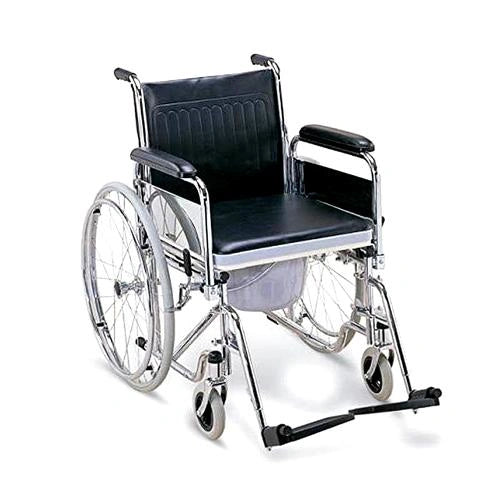
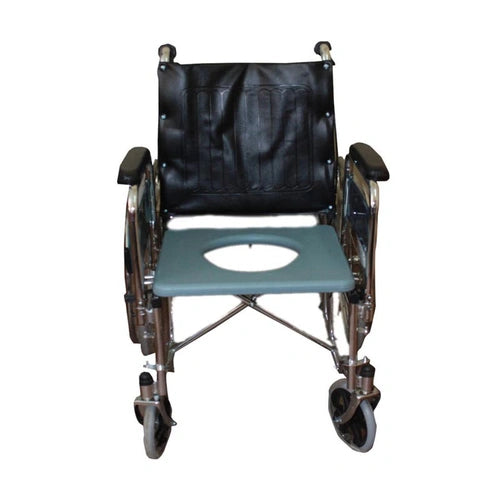
Karma Rainbow 6 Commode Chair Wheelchair with 24 Inch Rear Wheels & Pan
Collection:
Commode Chairs: Enhancing Bathroom Accessibility
Worrying about a loved one's safety when they need to get to the bathroom, especially in the middle of the night, is a heavy burden. A fall can be devastating, and the fear of one happening can disrupt everyone's peace of mind. Instead of being a sign of decline, a quality commode chair is a powerful tool for independence and a proactive step toward a safer home.
According to safety experts, the bathroom is one of the most common places for falls to occur. By placing a secure and accessible commode chair right where it's needed, you dramatically improve bathroom safety and provide a powerful sense of security for both the user and their family.
This guide removes the guesswork by providing a simple, step-by-step process for making the right choice, ensuring you find a solution that offers comfort, stability, and renewed confidence.
What Is a Commode Chair and How Does It Work?
A commode chair---often called a bedside commode---is a portable, standalone toilet that doesn't require any plumbing. Its purpose is to shorten the distance a person needs to travel to use the toilet, drastically reducing the risk of a fall and making the process safer and more accessible.
The design is straightforward, focusing on stability and ease of use. A commode consists of three basic parts: a sturdy frame with legs and armrests for support, a familiar toilet seat for comfort, and a removable pail (or bucket) that fits securely underneath. This simple, all-in-one system is practical for home care, as it can be set up in minutes and is designed for easy cleaning.
Bedside Commode vs. Raised Toilet Seat: Which Do You Need?
The choice between a full commode and a seat addition depends on one simple question: can the person safely get to the bathroom?
Let's simplify the decision by breaking down the three main solutions based on the specific challenge they solve:
- Bedside Commode: For someone who cannot safely travel to the bathroom, especially at night. It's a complete, portable toilet that you place where it's most needed, like in the bedroom.
- Raised Toilet Seat: For someone who can get to the bathroom but finds the toilet too low, making it difficult or painful to sit down and stand up. It simply adds 3-5 inches of height to your existing toilet.
- Toilet Safety Frame: For someone who can use the regular toilet but just needs sturdy armrests to help them lower themselves down and push themselves back up securely.
Thinking through the primary need---proximity, height, or support---is the most important step. Fortunately, some modern commodes are designed for flexibility, which brings us to the versatile "3-in-1" option.

The "3-in-1" Commode: A Versatile and Smart Choice
The 3-in-1 commode is an adaptable device that works in three ways: as a standalone bedside commode, as a safety frame and raised seat over your toilet (by removing the bucket), and often, as a sturdy shower chair. This design offers a commode chair for patients that can evolve with their recovery journey.
This versatility is ideal for post-surgery recovery or for changing health conditions. A person might first need the commode at their bedside, but as they regain strength, that same device can be moved into the bathroom to act as a support frame over the toilet.
Using it as a shower chair is a major safety benefit, as it minimizes risky transfers in a slippery bathroom. Just ensure the model you choose is specifically designed for wet environments with rust-proof materials. For those needing even greater mobility for bathing, some specialized commodes also come with wheels.
Rolling Shower Commodes: The Key to Safer, Easier Bathing
While some 3-in-1 commodes can be used in the shower, a rolling shower commode with wheels takes bathroom safety to an entirely new level. These specialized commodes are designed to eliminate risky transfers across a wet, slippery floor. The wheels allow you to move the user with minimal effort, drastically reducing the physical strain on the caregiver and the risk of a fall.
Imagine this simplified routine: a person can be helped onto the commode in the bedroom, use it for toileting, and then be rolled directly into a walk-in shower. This single piece of equipment serves as a transport chair, a portable toilet for a disabled person, and a shower seat, creating one smooth, secure trip and a more dignified experience.
Because these commodes are designed for wet environments, they must be made from rust-proof materials like medical-grade PVC or anodized aluminum. A standard commode, even a 3-in-1, can quickly rust if not meant for the shower, becoming weak and unsafe.
The Most Important Safety Feature: Commode Weight Capacity
The most critical safety feature of any commode chair is its weight capacity. This number indicates the maximum weight the commode can securely support. Exceeding this limit can cause the frame to buckle or break, leading to a dangerous fall. Before you look at any other feature, you must confirm that the commode's weight capacity is appropriate for the user.
As a reliable rule of thumb, always select a commode with a weight capacity at least 50 pounds higher than the user's current weight. This buffer accounts for the added force exerted when a person sits down, ensuring the frame remains stable and secure during every use.
For those who need more support, a heavy-duty commode , often labeled as a bariatric commode, is the right choice. These models are built with reinforced frames and wider seats to safely support higher weights, typically starting around 350 or 400 pounds.
How to Ensure a Perfect, Stable Fit: Adjustable Height
Getting the height right is just as important as weight capacity. The ideal setup is when the user can sit with their feet resting flat on the floor and their hips positioned just slightly higher than their knees. This posture provides a stable base and makes the commode easier to operate independently.
Sitting with the hips above the knees naturally shifts the body's weight forward, giving the user helpful momentum as they begin to stand. It reduces the strength needed to push up from the seat, putting less strain on tired joints and muscles.
Most commodes make this adjustment easy. Look for models with height-adjustable legs, which usually feature a simple push-pin system. This allows you to set the perfect height without any tools.
Drop-Arm Commodes: For Easier Wheelchair Transfers
While sturdy armrests provide excellent support for standing up, they can become a barrier for individuals who use a wheelchair or have very limited mobility. A fixed armrest can block the path from a chair to the commode, making transfers difficult and unsafe.
A drop-arm commode solves this problem. On these models, one or both armrests can be unlocked and lowered out of the way. This creates a completely open, unobstructed path, allowing a person to slide sideways from a wheelchair or bed directly onto the commode seat. This movement, known as a lateral transfer, is a much safer alternative to trying to stand and pivot when mobility is severely limited.
A drop-arm commode for transfers dramatically reduces the risk of falls for the user and prevents potential back injuries for caregivers who would otherwise have to perform a risky lift.

Need a Commode for Travel? What to Look for in a Folding Commode Chair
For visiting family, taking a trip, or simply storing the commode out of the way, a folding commode chair offers a practical solution. This portability provides freedom and peace of mind, ensuring a safe toileting option is always available.
Designed for convenience, these portable models are typically made from lightweight aluminum and collapse in seconds, often without tools. The frame folds flat, making it easy to slide into a car trunk or store discreetly in a closet.
When considering a portable commode chair, its locking mechanism is the most critical feature. Before any use, confirm that the frame clicks securely into place and feels completely rigid and stable. A strong, reliable lock is what separates a convenient travel aid from a potential safety hazard.
How to Use a Bedside Commode: A Simple 5-Step Safety Guide
Once you have the right commode, setting it up correctly is the most important step for ensuring safety and building confidence. Following these five simple steps every time creates a safe space that minimizes risk and maximizes comfort.
- Position it Correctly. Place the commode chair on a flat, even surface right next to the bed, preferably on the side the person normally uses to get up.
- Clear the Area. Make sure the path from the bed to the commode is completely free of clutter, loose rugs, or electrical cords.
- Lock It Down. If your commode has wheels, always check that the brakes are firmly locked before use. Give the frame a gentle push to confirm it won't slide.
- Prepare Supplies. Keep essential items like toilet paper, wet wipes, and a call bell within easy arm's reach to prevent twisting or straining.
- Offer Support. Stand nearby to offer a steadying hand, but encourage your loved one to use the commode's armrests to push themselves up, which helps maintain their strength.
How to Clean a Portable Commode Pail: A Stress-Free Routine
Keeping the bedside commode clean doesn't have to be a difficult task. The first step is to put on a pair of disposable gloves. Carefully carry the commode pail to a standard toilet, empty the contents, and flush. This should ideally be done after each use to prevent odors.
After emptying, clean the pail itself. You can use a standard household disinfectant spray or a diluted bleach solution to kill germs. Spray the inside thoroughly, scrub with a dedicated toilet brush used only for the commode pail, and then rinse it out. Wiping it dry before putting it back completes the process.
For an even simpler cleanup, consider using disposable commode liners . These work just like a trash bag for your commode pail. Many liners also include a gelling powder that turns liquids into a solid gel, which helps prevent splashes and contains odors.
Using a Commode Chair Over an Indian Toilet
For households with a floor-level squat toilet (sometimes called an Indian toilet), a standard commode frame can be a game-changer for someone who can no longer squat down safely. This simple adaptation makes an otherwise inaccessible bathroom usable again.
The process is straightforward: remove the bucket from a 3-in-1 commode, and place the remaining support frame directly over the squat toilet. When choosing a commode chair for Indian toilets, look for one with a wide base and high-quality, non-slip rubber feet to ensure the frame stays firmly in place.
Bathroom Safety After Hip Replacement: The "90-Degree Rule"
For anyone recovering from hip surgery, physical therapists stress the golden rule for a safe recovery: never bend your hip more than 90 degrees. Your knees should never rise higher than your hips. This precaution is critical to prevent the new hip from dislocating, and it makes a standard low toilet a risk.
A 3-in-1 commode is a perfect solution. By removing the bucket and placing the frame over your existing toilet, you can adjust the leg height to create a custom-fit medical toilet seat. This ensures your hips stay safely above your knees, honoring the 90-degree rule. The commode's sturdy armrests provide another essential layer of safety, allowing you to use your arms to push yourself up and take pressure off the healing joint.
Talking About a Commode: A Guide to Preserving Dignity
Suggesting a commode chair can feel like a difficult conversation. Frame the discussion not around inability, but around empowerment. Present the commode as a smart tool for maintaining safety and control, much like a handrail on a staircase.
Involve your loved one in the decision to reinforce this sense of control. Explore the options together and ask for their opinion on features like a padded seat or adjustable arms. This collaboration transforms the process from something that is happening to them into a choice they are making for their own well-being.
Focus the conversation on concrete benefits: it's about preventing a dangerous fall, conserving precious energy, and maintaining independence. When presented this way, the commode becomes a symbol of care, not of weakness.
Your Action Plan: Choosing the Right Commode
You can now confidently assess your options for a commode chair. Before buying, run through this quick checklist to ensure you've covered all the bases:
- Assess Mobility: Can the user walk to the bathroom, or is a bedside option needed?
- Identify Key Needs: Do they require higher weight support, drop-arms for wheelchair transfers, or a shower-safe model?
- Measure for Fit: Check the user's height to ensure the seat can be adjusted so their feet are flat on the floor with hips slightly above the knees.
- Discuss with the User: Frame the commode as a tool for maintaining their independence and safety.
By making an informed choice, you are doing more than just purchasing equipment. You are turning a source of worry into a practical solution for fall prevention and restored independence. You are investing in dignity, security, and peace of mind for both you and the person you care for.
Q&A
Question: How do I keep a bedside commode clean and control odors?
Short answer: Wear disposable gloves, carry the pail to a regular toilet, empty and flush after each use, then disinfect. Spray the pail with a household disinfectant or diluted bleach solution, scrub with a brush dedicated to the commode, rinse, and wipe dry before replacing. For easier cleanup and odor control, use disposable commode liners—many include gelling powder that solidifies liquids to reduce splashes and smells.
Question: What should I look for in a folding commode chair for travel?
Short answer: Prioritize a lightweight frame (often aluminum) that folds flat quickly without tools, but make the locking mechanism your top safety check. Before use, confirm the frame clicks firmly into place and feels rigid with no wobble. A solid, reliable lock is what turns a portable model into a safe, travel-ready aid.
Question: Can I use a commode chair over an Indian (squat) toilet?
Short answer: Yes. Remove the bucket from a 3-in-1 commode and place the frame directly over the floor-level toilet. Choose a model with a wide base and high-quality, non-slip rubber feet so it stays securely in place. This setup provides needed seat height and supportive armrests, making the bathroom usable without squatting.
Question: What is the correct seat height, and how do I adjust it?
Short answer: Aim for feet flat on the floor with hips slightly higher than the knees. This position improves stability and gives forward momentum to stand with less effort. Most commodes have push-pin, height-adjustable legs—use them to dial in the height so the user’s feet rest fully on the floor while achieving that “hips above knees” posture.
Question: How do I set up and use a bedside commode safely?
Short answer: Follow a simple routine: place the commode on a flat surface right next to the bed (on the user’s usual getting-up side), clear the path of rugs and cords, and if it has wheels, lock the brakes and test for any movement. Keep essentials—tissue, wipes, call bell—within easy reach to avoid twisting. Stay nearby to steady as needed, but encourage using the commode’s armrests so the user maintains strength and control.