Filter
8 products
Type: Patient Room
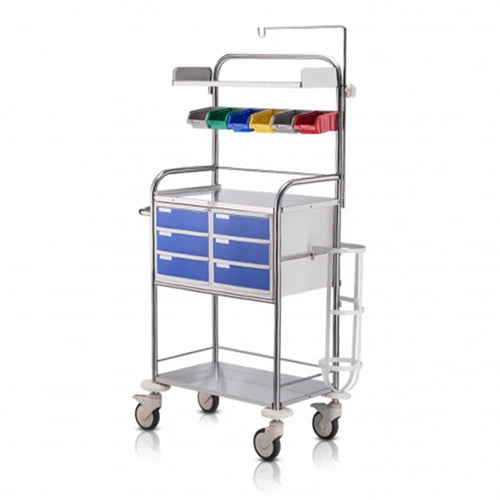
Crash Cart Trolley for Hospital | ICU & Emergency
Type: Trolley
Mini Crash Cart Trolley Horizontal
Type: Patient Room
Mini Crash Cart Trolley Vertical
Type: Patient Room
Crash Cart Trolley Double Drawers
Type: Operating Room
Abs Emergency Crash Cart Trolley Delux
Type: Patient Room
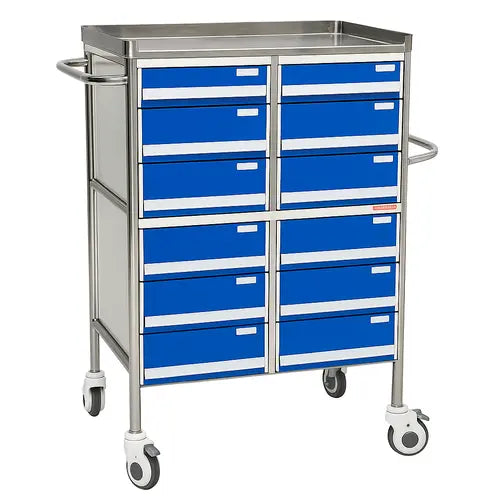
Crash Cart Trolley Double Drawers SS 304 Grade -delux
Type: Patient Room
Crash Cart Trolley Double Drawers SS 304 Grade
Type: Operating Room
Abs Emergency Crash Cart Trolley
Collection:
Hospital Crash Carts & Emergency Medical Trolleys
In the high-pressure environment of an ICU, OT, or Emergency Room, seconds are the currency of survival. A crash cart, also widely recognized as a code cart or emergency trolley, stands as the most vital piece of hospital furniture where swift, organized action determines life-saving outcomes. These mobile units are engineered to centralize, organize, and provide immediate access to life-critical medical supplies, empowering dr and clinical teams during cardiac arrest, anaphylaxis, or respiratory distress.
The Life-Saving Benefits of a High-Quality Hospital Crash Cart
Investing in a premium crash cart at Meddeygo.com delivers multifaceted advantages that directly impact patient survival rates and clinic operational efficiency.
1. Drastically Faster Emergency Response
During a "Code Blue," every moment counts. A well-organized crash cart with intuitive labeling and color-coding allows clinicians to retrieve defibrillator pads, epinephrine, or intubation kits in heartbeats. By slashing response times, these units support ACLS (Advanced Cardiovascular Life Support) guidelines, ensuring the team stays focused on resuscitation rather than searching for equipment.
2. Enhanced Clinical Efficiency and Coordination
A thoughtfully engineered medical crash cart boosts team coordination by up to 30%. In specialized units like the ICU or OT, it eliminates bottlenecks by allowing doctors, nurses, and paramedics to work in a synchronized workflow. This centralized "portable powerhouse" ensures that multidisciplinary teams can deliver chest compressions or IV access without interpretation delays.
Core Functions: The Anatomy of a Life-Saving Trolley
A crash cart trolley is more than just a storage unit; it is a specialized piece of hospital equipment designed for rapid mobility and standardized organization.
Strategic Centralized Storage
From AED defibrillators and Ambu bags to critical medications like atropine and lidocaine, the crash cart stores everything in one place. Its design accommodates the standard crash cart checklist, ensuring that IV fluids, suction devices, and oxygen masks are always within reach.
Rapid Mobility and Stable Anchoring
Equipped with heavy-duty, 360-degree swivel wheels, these carts facilitate swift navigation through crowded hospital corridors and elevators. Once at the bedside, lockable castors anchor the cart firmly to prevent any drift during high-intensity procedures.
Advanced Technical Features
| Feature | Clinical Advantage |
|---|---|
| High-Grade Construction | Epoxy powder-coated steel or stainless steel resists rust and microbial growth. |
| Anti-Static Wheels | 5-inch polyurethane castors minimize static discharge near sensitive electronics. |
| Secure Access Control | Breakaway locks allow instant access while deterring theft of controlled drugs. |
Longevity and Safety: Meeting Regulatory Standards
Whether for a physio center, wellness clinic, or a large-scale hospital, durability is key. Quality crash carts are built to withstand corrosive hospital disinfectants and heavy loads of up to 200kg. By choosing units that align with BIS-certified materials and NABH accreditation standards, facilities ensure long-term cost efficiency and maximum patient safety.
Hygiene Excellence: Infection Control and Sterilization
In an ICU or OT, the crash cart moves from one patient to another rapidly. Without strict sterilization, it can become a vector for cross-contamination. Modern hospital furniture must be designed to withstand rigorous cleaning cycles without degrading the material.
1. High-Impact Antimicrobial Materials
Premium carts utilize ABS (Acrylonitrile Butadiene Styrene) plastics or high-grade stainless steel. These materials are non-porous, meaning bacteria cannot "hide" in the surface. When a Dr. or nurse wipes down the cart with 70% Isopropyl Alcohol or Sodium Hypochlorite, the smooth, rounded edges ensure that no residue is left behind.
Security and Integrity: Tamper-Evident Systems
A medical crash cart contains high-alert medications and narcotics. Maintaining the integrity of this inventory is a legal requirement for any hospital or clinic.
Breakaway Plastic Seals vs. Central Locking
Most emergency trolleys use a "One-Push" central locking system combined with plastic breakaway seals.
- The Visual Cue: A broken seal immediately tells the nursing staff that the cart has been used and needs a full inventory restock.
- Emergency Access: Unlike traditional keys, these seals can be snapped by hand in a fraction of a second, ensuring the dr has zero delay in reaching life-saving drugs.
The Audit Trail: Maintenance and Compliance
To meet NABH or JCI accreditation standards, a crash cart must be part of a documented preventive maintenance program. It isn't just about having the cart; it's about proving it works.
Monthly Technical Audit Checklist
| Component | Checklist Action |
|---|---|
| Caster Wheels | Inspect for debris and ensure the "Lock/Unlock" mechanism is smooth. |
| Drawers | Check the auto-return or soft-close slides for any sticking. |
| Defibrillator Shelf | Verify the swivel tension and weight-bearing stability. |
| Medication Expiry | Remove and replace any drugs expiring within the next 30-60 days. |
Compliance in Physio and Wellness Centers
In a physiocenter or wellness clinic, emergencies are rare, but the risk of anaphylaxis or syncope remains. Even if the cart isn't used for months, the "Ready-to-Use" status must be maintained. A well-maintained crash cot at a competitive crash cart price is an insurance policy for your practice's reputation.
Advanced Life Support (ALS): Beyond the Basics
While a basic emergency trolley provides the essentials, a high-acuity ICU or OT requires a crash cart equipped for Advanced Life Support (ALS). This transition involves moving from simple ventilation to invasive airway management and electrical therapy.
Integrated Cardiac Therapy
For a dr managing a cardiac arrest, the cart must support a Manual Defibrillator with pacing capabilities. This allows the team to treat not just Ventricular Fibrillation, but also symptomatic bradycardia through transcutaneous pacing. Ensuring your medical crash cart has a dedicated, reinforced shelf for this heavy equipment is vital for stability during transport.
Pediatric Precision: The Broselow Method
In pediatric emergencies, "one size fits all" is a dangerous philosophy. Children require weight-based dosing and appropriately sized instruments. This is where pediatric crash carts become indispensable for any hospital or wellness center catering to younger patients.
Color-Coding and Weight-Based Accuracy
The most effective emergency crash cart for pediatrics utilizes color-coded drawers that match the Broselow Pediatric Emergency Tape.
- Eliminating Math Errors: When a child arrives, their length is measured with the tape, which points to a specific color (e.g., Blue for 12-14kg).
- Instant Access: The dr immediately opens the Blue drawer, which contains pre-calculated medication doses and the exact sizes of ET tubes and masks needed for that specific child.
The Diagnostic Edge: Point-of-Care Integration
Modern 2026 clinical standards suggest that a crash cot should also facilitate rapid diagnosis.
Advanced Equipment Checklist
- ✅ End-Tidal CO2 (Capnography): The gold standard for confirming ET tube placement and CPR quality.
- ✅ Intraosseous (IO) Kits: For rapid vascular access when IV lines are impossible to establish.
- ✅ Portable Suction Units: High-vacuum suction to clear airways during emesis or trauma.
Reliability in Every Department
Whether in a specialized physiocenter or a high-traffic clinic, having an organized ALS-ready cart ensures that your facility is prepared for the most complex emergencies. While the crash cart price for an ALS-ready unit is higher, the ability to provide definitive care on-site is an unmatched clinical advantage.
What is a Crash Cart Used For? The Life-Saving Purpose
In the medical world, a crash cart is the ultimate "emergency workstation." Its primary use is to provide a dr or clinical team with a mobile, organized, and fully stocked kit to perform immediate Advanced Life Support (ALS). Whether in an ICU, OT, or a physio clinic, it is used to manage:
- Cardiac Arrest: Providing immediate defibrillation and ACLS drugs.
- Respiratory Failure: Facilitating rapid intubation and mechanical ventilation.
- Anaphylactic Shock: Swift delivery of life-saving Epinephrine.
- Trauma Management: Providing fluids and hemorrhage control in a hospital emergency.
The "Big Five": Critical Emergency Drugs in a Crash Cart
While every clinic may customize their cart, these are the 5 essential drugs that every medical crash cart must contain for effective resuscitation:
- Epinephrine: The gold standard for cardiac arrest and severe allergic reactions.
- Atropine: Used to treat life-threateningly slow heart rates (bradycardia).
- Amiodarone: A powerful anti-arrhythmic for shock-refractory heart rhythms.
- Lidocaine: An alternative for ventricular arrhythmias when Amiodarone is unavailable.
- Adenosine: Used to "reset" the heart during supraventricular tachycardia (SVT).
What is a Crash Cart Checklist?
A crash cart checklist is a mandatory document used by nursing staff to verify that every item in the emergency trolley is present, functional, and unexpired. In a hospital setting, this checklist is usually audited daily. It covers everything from the pressure in the oxygen cylinder to the battery percentage of the defibrillator. Without a strict checklist protocol, a dr may find themselves missing a critical tube or drug during a live "Code Blue."
Standardization: What is the Color Code for a Crash Cart?
Most hospital crash carts are Red to symbolize "Urgency" and "Emergency." However, internal organization follows specific color codes:
- Red/Pink: Cardiac drugs and resuscitation supplies.
- Blue: Respiratory and Airway equipment.
- Yellow: Pediatric-specific tools (often used in conjunction with Broselow Tape).
- Green: IV start kits and circulatory fluids.
Why Choose Meddeygo.com for Your Crash Medication and Surgical Carts?
Buying hospital furniture is a long-term investment in your patient's safety. Here is why India's leading dr and hospital owners trust Meddeygo.com:
- Unmatched Durability: Our carts use high-grade epoxy-coated steel that resists the most aggressive hospital-grade disinfectants.
- Competitive Crash Cart Price: We bridge the gap between premium international quality and affordable Indian pricing.
- Ready for Accreditation: All our models are designed to help you pass NABH and JCI audits with ease.
- Specialized for All Settings: Whether you need a full ICU setup or a compact cart for a physiocenter or wellness clinic, we have the right configuration.
Frequently Asked Questions (FAQ)
A: Ideally, every shift. However, a full crash cart checklist audit is mandatory once every 24 hours.
A: Usually, the cart and the defibrillator are sold separately, but our carts come with pre-drilled, reinforced shelves to accommodate all major defibrillator brands.
Conclusion: Precision in Every Second
An organized, high-quality crash cart is the backbone of any emergency response. From the ICU to the physiocenter, having the right medical crash cart ensures that your team is empowered to save lives when every heartbeat matters. Don't compromise on quality—choose a cart that offers mobility, security, and standardization.
Upgrade Your Emergency Readiness Today
Secure the best crash cart price in India with our certified range of trolleys.
Browse Full Collection