
Filter
3 products
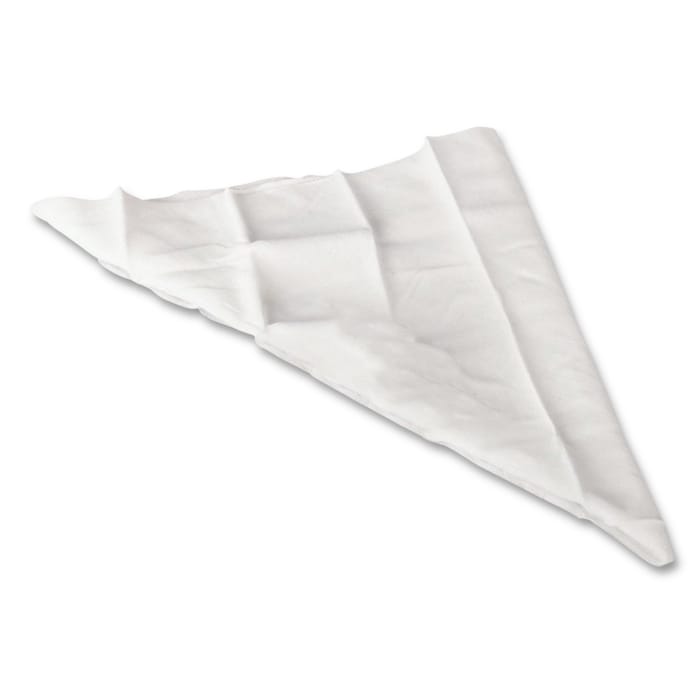
Type: Tapes & Bandages
Triangular Bandage 130cm x 90cm (Pack of 20)


Type: Tapes & Bandages
Elastic Compression Crepe Bandage for Support & Medical Care
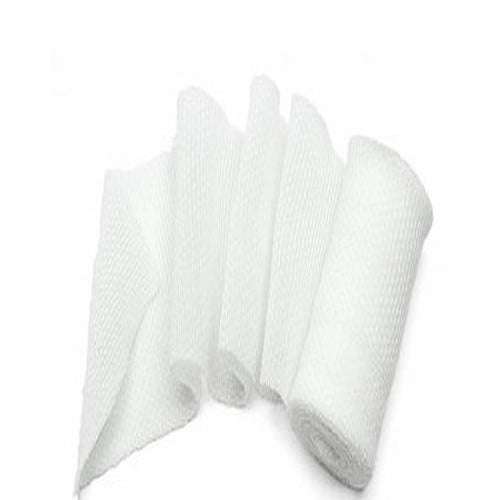
Type: Cotton Bandages
Cotton Bandages (120 Rolls) Woven Fabricated
Collection:
Crepe Bandage Guide: Uses, Sizes, Price, Safety & Buying Tip
Introduction: Why Crepe Bandages Are Common in First Aid and Support Care
A crepe bandage is a stretchable woven bandage used to provide light-to-moderate compression, support and securement around a body part. It is frequently found in first-aid kits, sports bags, clinics, physiotherapy departments and home-care setups because it can be wrapped around joints and limbs while still allowing some movement. People may also search for the same product using terms such as crab bandage, crepe tape, hand crepe bandage, leg crepe bandage or rolled elastic bandage.
Crepe bandages are most commonly used for temporary support after selected sprains, strains and soft-tissue injuries, or to hold a dressing in place. Compression can sometimes help reduce swelling and improve comfort, but it is not suitable for every injury. Different clinical services use compression somewhat differently; some recommend elastic bandaging for comfort and swelling control, while others emphasise that it does not necessarily speed healing. Therefore, the purpose should be clear before a bandage is applied.
The bandage should never be wrapped so tightly that it causes numbness, tingling, increasing pain, cold fingers or toes, blue or pale skin, or worsening swelling beyond the edge of the wrap. These signs may indicate excessive pressure or impaired circulation. A crepe bandage is a support product, not a substitute for assessment of a fracture, severe ligament injury, blood clot, infection or significant circulation problem.
This Meddeygo.com guide explains what a crepe bandage is used for, the main bandage types, common widths and body-area selection, how a knee or leg crepe bandage differs from an elastic adhesive bandage, when compression should be avoided, what affects crepe bandage price, and how to choose a good-quality product for home, clinic or sports use.
First Aid & Sports
Useful for selected sprains, strains and soft-tissue support when compression is appropriate.
Physiotherapy & Rehabilitation
May provide temporary support and proprioceptive feedback during selected rehabilitation routines.
Home Care
Can help secure dressings or provide light support when a healthcare professional has advised its use.
What Is a Crepe Bandage?
A crepe bandage is an elastic or semi-elastic woven bandage that stretches enough to conform to the contours of the body. Traditional crepe materials use cotton-rich yarns with a characteristic crinkled texture, while modern elastic bandages may combine cotton with elastomeric fibres. The result is a reusable support bandage that can be wrapped around the ankle, knee, wrist, elbow, hand or lower leg.
Unlike a rigid splint, a crepe bandage does not completely immobilise a joint. Unlike an elastic adhesive bandage, a standard crepe bandage is not usually self-adhesive and is secured with clips, tape or another approved fastener. This distinction matters because adhesive compression products may offer stronger, more fixed support and may require more experience to apply.
Simple Definition
A crepe bandage is a stretchable rolled bandage used for support, light compression and dressing securement around limbs or joints.
What Is a Crepe Bandage Used For?
The main role of a crepe bandage is to provide support or compression around a body part. In minor soft-tissue injuries, compression may help limit swelling and make movement feel more supported. NHS first-aid guidance still includes compression as one option for sprains and strains, although the exact value and duration of compression can vary with the injury.
- Supporting selected ankle, wrist, knee or elbow sprains
- Providing light compression around swollen soft tissue when appropriate
- Holding a dressing or pad in position
- Supporting a joint during early return to normal movement
- Providing mild compression around a lower limb under professional guidance
- Supporting sports first-aid and rehabilitation routines
- Helping secure cold or protective pads when not wrapped too tightly
Joint Support
A wrap can give a joint a supported feeling during selected activities.
Compression
Elastic pressure may help manage swelling when clinically appropriate.
Dressing Securement
Crepe rolls can help hold a wound dressing or protective pad in place.
Reusable Design
Many non-adhesive crepe bandages can be washed and reused according to product instructions.
Crepe Bandage for Knee
A crepe bandage for knee is usually a wider elastic bandage wrapped around the knee joint to provide light support or compression. It may be used after a minor sprain, mild swelling or during selected rehabilitation activities when a clinician or physiotherapist has recommended compression.
The knee is a moving joint, so the wrap should support without bunching deeply behind the knee or restricting circulation. A figure-of-eight or overlapping wrap may be used by trained individuals, but the exact technique depends on the reason for application. If there is major swelling, inability to bear weight, locking, deformity, instability or severe pain, the knee should be assessed rather than simply wrapped.
Hand Crepe Bandage and Wrist Support
A hand crepe bandage may be used to secure dressings or provide light support around the wrist and hand after selected strains or minor injuries. Fingers should generally remain visible when circulation needs to be observed. If a hand wrap causes increasing finger swelling, colour change, numbness or coldness, it should be loosened and reviewed.
Hand and wrist injuries can include fractures, tendon injuries and nerve problems that may initially look like simple sprains. Persistent pain, reduced grip, visible deformity or marked swelling should be medically assessed.
Leg Crepe Bandage
A leg crepe bandage can provide temporary support or light compression to a lower limb. However, leg swelling has many causes. It may follow a minor sprain, but it can also occur with venous disease, infection, heart or kidney problems, or a blood clot. For unexplained one-sided swelling, redness, warmth, calf tenderness or breathlessness, self-compression should not replace urgent medical assessment.
Medical compression for venous disease is different from casually applying a crepe bandage. Therapeutic compression often requires a measured pressure system and assessment of arterial circulation. A standard crepe bandage should not be assumed to provide the same controlled compression as a prescribed compression garment or multilayer bandaging system.
Shoulder Crepe Bandage
A shoulder crepe bandage is less straightforward than wrapping an ankle or wrist because the shoulder has a large range of movement and a rounded anatomy. A simple crepe roll may be used to secure a dressing around the shoulder, but it is not a substitute for a sling, brace or specialist support when immobilisation is required.
Shoulder pain after a fall can represent dislocation, fracture, rotator-cuff injury or other damage. Severe pain, visible deformity, inability to move the arm or numbness should be evaluated promptly.
Crepe Bandage Sizes
Crepe bandages are commonly sold by width and roll length. Exact dimensions vary by manufacturer, but narrow rolls suit small body parts and wider rolls suit larger joints or limbs. The right width helps create even pressure without excessive overlapping.
| Common Width | Typical Body Area | Buying Consideration |
|---|---|---|
| 5 cm | Finger, hand or small wrist areas | Useful for small local wrapping and dressing securement. |
| 7.5 cm | Wrist, forearm or small ankle | Versatile home and first-aid size. |
| 10 cm | Ankle, knee, elbow or lower leg | Common general-purpose width. |
| 15 cm | Thigh, knee, shoulder or broad lower limb | Provides broader coverage with fewer turns. |
| Larger widths | Large body areas or institutional use | Select according to clinical need and product instructions. |
Types of Crepe and Elastic Bandages
Traditional Crepe Bandage
A traditional crepe bandage is a reusable woven elastic roll that relies on overlapping layers to provide support. It generally does not stick to the skin or to itself.
High-Elastic Compression Bandage
High-elastic bandages stretch more than traditional crepe. They can generate stronger compression and therefore require appropriate application. They should not be treated as interchangeable with every simple crepe bandage.
Elastic Adhesive Bandage
Elastic adhesive bandage uses include sports strapping and more fixed compression where the adhesive layer helps maintain position. Because adhesive products can create sustained pressure and may irritate skin, application technique and skin condition matter.
Cohesive Bandage
A cohesive bandage sticks to itself rather than directly to the skin. It is useful when frequent clips or adhesive tape are inconvenient, but it can still be wrapped too tightly.
| Point | Crepe Bandage | Elastic Adhesive Bandage | Cohesive Bandage |
|---|---|---|---|
| Adhesive | Usually none | Adheres to skin or itself depending on product | Sticks mainly to itself |
| Reusability | Often reusable | Usually limited reuse | Usually single episode of use |
| Compression | Light to moderate, application dependent | Can provide firmer fixed support | Application dependent |
| Skin Sensitivity | Generally low adhesive risk | Adhesive may irritate sensitive skin | Usually lower skin adhesion |
| Typical Use | First aid, support, dressing securement | Sports strapping, fixed compression | Quick support and dressing securement |
How to Apply a Crepe Bandage Safely
A bandage should be applied evenly and smoothly. Start with a comfortable anchor, overlap each turn consistently, and avoid wrinkles that can create pressure points. The aim is support—not maximum tightness.
- Choose the correct bandage width for the body area.
- Check skin colour, temperature and sensation before wrapping.
- Wrap with even tension rather than pulling as hard as possible.
- Avoid deep creases and bulky folds.
- Keep fingers or toes visible when possible so circulation can be monitored.
- Recheck the area after several minutes because swelling can change pressure.
- Loosen or remove the bandage if numbness, tingling, increasing pain, pallor, blue colour or coldness develops.
- Follow clinician advice about whether to remove the wrap at night.
Circulation Warning
A crepe bandage should never cause numbness, pins-and-needles, cold fingers or toes, blue/pale colour or increasing pain. These may indicate excessive pressure.
When Not to Use a Crepe Bandage
A crepe bandage is not appropriate for every painful or swollen limb. Compression may be harmful if arterial circulation is severely reduced, and unexplained swelling may need diagnosis before any wrap is applied.
- Suspected fracture or dislocation requiring proper immobilisation
- Severe circulation problems unless a clinician has assessed the limb
- Unexplained one-sided leg swelling or suspected blood clot
- Active severe skin infection or extensive skin damage beneath the wrap
- Marked numbness or reduced sensation where pressure injury may go unnoticed
- Severe pain, deformity or rapidly increasing swelling
- When a clinician has specifically advised against compression
Is Crepe Bandage Good for Leg Pain?
A crepe bandage may make some minor strains or sprains feel more supported, but leg pain is not itself an indication for compression. Muscle strain, joint sprain, varicose-vein symptoms, nerve pain, arterial disease and deep-vein thrombosis can all present differently. Therefore, the cause matters more than the presence of pain alone.
For a minor sports-related injury with swelling, an elastic wrap may be reasonable as part of a broader first-aid plan. For sudden calf pain and swelling, redness, warmth, chest pain or breathlessness, urgent medical assessment is more important than applying a bandage.
Crepe Bandage vs Knee Cap
A crepe bandage is adjustable and can be wrapped with different tension, while a knitted knee cap or sleeve provides more consistent circumferential compression and is quicker to put on. A knee sleeve may be more convenient for repeated daily use, whereas a crepe wrap offers flexibility for short-term first aid or when one bandage is used on different body areas.
| Point | Crepe Bandage | Knee Cap / Sleeve |
|---|---|---|
| Fit | Adjusted by wrapping | Pre-sized garment |
| Pressure | Depends strongly on technique | More consistent once correct size is chosen |
| Convenience | Requires re-wrapping | Pull-on application |
| Versatility | Can be used on different limbs | Designed mainly for the knee |
| Best For | Temporary support and first aid | Repeated knee support during daily activity |
Crepe Bandage Price
Crepe bandage price varies with width, length, fibre composition, elasticity, edge finish, clips, washability, brand and pack quantity. A wider or longer roll generally costs more than a small roll, while institutional packs may offer a lower per-unit cost.
| Price Factor | Why It Matters |
|---|---|
| Width and Length | More material generally increases cost. |
| Elastic Recovery | Better elastic recovery supports repeated wrapping. |
| Fabric Quality | Soft, breathable material may improve comfort. |
| Washability | Reusable products may provide better long-term value. |
| Clips or Fasteners | Included securement components affect convenience. |
| Brand and Pack Size | Professional packs and branded products may vary in price. |
How to Choose the Best Crepe Bandage
The best crepe bandage is one that fits the intended body area, provides predictable stretch and feels comfortable against the skin. It should return reasonably well after stretching and should not fray excessively at the edges.
- Choose the correct width for the joint or limb.
- Look for soft, breathable fabric if it will be worn for several hours.
- Check stretch and elastic recovery.
- Review washing and reuse instructions.
- Check whether clips or another fastener are supplied.
- For sports use, consider whether a cohesive or adhesive support would be more appropriate.
- For therapeutic compression, follow a clinician's recommended product rather than improvising with a basic crepe roll.
- Compare actual roll dimensions before comparing price.
Buying Crepe Bandage Online from Meddeygo.com
When buying a crepe bandage online, review the listed width, length, material, stretch and intended use. A product image alone does not show how much compression the bandage will provide. If the wrap is being purchased after surgery, for significant swelling or for a vascular condition, confirm the recommended bandage type with the treating healthcare professional.
Meddeygo.com offers healthcare, rehabilitation, physiotherapy and home-care products for individual and professional buyers. Choose the required size according to the body area and use the product according to its instructions.
Common Mistakes with Crepe Bandages
| Mistake | Possible Problem | Better Practice |
|---|---|---|
| Wrapping too tightly | Reduced circulation, numbness or increasing pain | Use even moderate tension and recheck circulation. |
| Using a narrow bandage on a large limb | Uneven pressure and multiple ridges | Choose a wider roll for larger body areas. |
| Leaving wrinkles | Local pressure points | Smooth each layer as it is applied. |
| Using compression for unexplained swelling | May delay diagnosis of a serious condition | Get the cause assessed first. |
| Using it as a fracture splint | Inadequate immobilisation | Seek medical assessment and proper immobilisation. |
| Ignoring skin symptoms | Irritation or pressure injury may worsen | Remove and inspect the skin if discomfort develops. |
Crepe Bandage in Sports and Exercise
Sports participants often keep elastic bandages available because they are compact, inexpensive and versatile. A bandage can provide a sense of support after a mild sprain or while waiting for a more specific brace. However, wrapping an injury should not be used to force an athlete back into play when pain, instability or loss of function suggests a significant injury.
For return to sport, the important factors are pain, swelling, strength, balance, range of movement and the ability to perform sport-specific movements safely. A bandage may contribute to comfort, but it does not restore torn ligaments or replace rehabilitation. Recurrent ankle or knee injuries may benefit from physiotherapy, strengthening and a correctly selected brace rather than repeated self-wrapping alone.
Crepe Bandage for Older Adults
Older adults may have thinner skin, reduced sensation, fragile veins, arthritis or circulation problems, so extra caution is needed with compression. The bandage should be smooth and comfortably supportive, and the skin should be checked regularly for pressure marks, bruising or irritation.
If an older person has diabetes, peripheral arterial disease, neuropathy, significant leg swelling or previous ulcers, compression should be discussed with a healthcare professional. Reduced sensation can make it difficult to recognise when a wrap is too tight.
How to Wash and Store a Reusable Crepe Bandage
Reusable bandages last longer when cleaned according to the care label. Many can be hand-washed in cool or lukewarm water using mild detergent, gently squeezed without aggressive twisting, and dried flat away from direct high heat. Hot water, harsh bleach and tumble drying may damage elastic fibres on some products.
- Read the manufacturer's washing instructions before first cleaning.
- Close or remove clips so they do not catch the fabric.
- Wash separately if the bandage has been exposed to wound fluid.
- Rinse detergent thoroughly because residue may irritate skin.
- Allow the bandage to dry fully before rolling and storing.
- Store clean and dry in a covered first-aid box or pouch.
- Replace the bandage when elasticity is lost, edges fray badly or the fabric no longer applies evenly.
Crepe Bandage vs Elastic Tubular Bandage
A tubular elastic bandage is supplied as a sleeve that is pulled over a limb, while a crepe bandage is wrapped from a roll. Tubular support is faster to apply and may provide more uniform light pressure when the correct size is chosen. Crepe bandages offer more flexibility because the user can adjust overlap and coverage around irregular shapes.
Neither product should be assumed to provide medically prescribed graduated compression. For venous ulcers, lymphoedema or significant chronic oedema, specialist compression systems are selected according to vascular assessment and treatment goals.
How to Know if a Crepe Bandage Is Too Tight
A wrap may feel snug, but it should not progressively become painful. Check the exposed fingers or toes for normal colour and warmth. Ask whether there is new tingling, numbness or throbbing. If any of these occur, loosen or remove the bandage rather than waiting for the symptoms to settle.
Swelling can increase after an injury, which means a wrap that felt comfortable initially can become too tight later. Rechecking the bandage is especially important during the first hours after injury, after activity and in people who cannot easily communicate discomfort.
Crepe Bandage and Skin Care
The skin under a reusable bandage should be clean and dry. Moisture, sweat and friction can contribute to irritation, especially when a bandage is worn for long periods. If itching, rash, blistering or broken skin develops, remove the bandage and assess whether the product, pressure or moisture is causing the problem.
When the bandage is being used to hold a wound dressing, the wound itself should be covered with an appropriate sterile or clean dressing rather than placing the crepe fabric directly over an open wound. Follow wound-care advice for dressing changes and infection warning signs.
Crepe Bandage After a Sprain: What Else Matters?
Compression is only one part of managing a soft-tissue injury. Early protection, sensible relative rest, elevation when swollen, gradual return to movement and appropriate pain control may all be relevant. As pain settles, progressive mobility and strengthening are usually more important for restoring function than continuing to rely on a bandage.
If symptoms are not improving as expected, a physiotherapy or medical review can help identify whether there is a more significant ligament injury, tendon problem or fracture. A bandage should support recovery, not hide deterioration.
Crepe Bandage for Travel and First-Aid Kits
A crepe bandage is useful in a travel or workplace first-aid kit because one roll can serve several functions. It can help secure a sterile dressing, provide temporary support after a mild twist, or keep a protective pad in position until further assessment is available. For first-aid use, it is sensible to keep more than one width because a narrow hand wrap is not ideal for a large knee or thigh.
First-aid kits should also include sterile dressings, adhesive tape, scissors and other items so the crepe bandage is not used for tasks it was not designed to perform. A bandage should never be used as a tourniquet unless a specific emergency tourniquet technique is required and the responder is trained to manage life-threatening bleeding.
Crepe Bandage Quality Checklist
Two crepe bandages that look similar can differ in stretch, fibre quality and how well they recover after repeated use. Good elastic recovery allows the bandage to return closer to its original length instead of becoming permanently stretched after a few applications. Smooth edges reduce fraying and make the wrap easier to layer.
- Check whether the roll has uniform weaving without thin weak spots.
- Confirm the stated width and unstretched length.
- Look for clear care instructions and material information.
- Check whether the product is supplied clean and individually packed.
- For institutional use, review batch identification and manufacturer details.
- Select reusable or single-patient products according to infection-control requirements.
When a Brace May Be Better Than a Crepe Bandage
A pre-sized brace may be more useful when a patient needs repeatable support every day, because it can provide a more consistent fit than a hand-wrapped bandage. An ankle brace, knee sleeve or wrist support may also be easier for a patient to apply independently. Some braces include hinges, straps or targeted stabilisation that a simple crepe roll cannot provide.
The trade-off is that a brace must fit correctly and is usually designed for one body area. A crepe bandage remains more versatile and inexpensive for temporary support. The best choice depends on whether the main goal is first aid, daily support, joint stabilisation, compression or dressing securement.
Hover Quick Guide
Neeche highlighted terms par cursor le jao:
Crepe BandageStretchable rolled bandage jo support aur light compression ke liye use hota hai. Knee CrepeKnee ke around temporary support aur selected swelling control ke liye wrap kiya ja sakta hai. Elastic AdhesiveAdhesive elastic bandage zyada fixed support de sakta hai aur sports strapping mein use hota hai. Compression SafetyBandage itna tight nahi hona chahiye ki numbness, colour change ya cold fingers/toes ho.
Frequently Asked Questions
What is a crepe bandage used for?
A crepe bandage is commonly used for temporary support, light compression and dressing securement around limbs and joints.
When should a crepe bandage not be used?
Avoid self-compression for severe circulation problems, suspected fracture, unexplained one-sided leg swelling, severe skin infection or when a clinician has advised against compression.
Is crepe bandage good for leg pain?
It may support selected minor sprains or strains, but leg pain has many causes. Unexplained or severe pain should be assessed.
Which is the best crepe bandage?
Choose a soft, breathable bandage with suitable width, reliable elasticity and good edge finish for the intended body area.
Can I use crepe bandage for knee pain?
It may provide temporary support for some mild knee injuries, but persistent swelling, locking, instability or severe pain requires assessment.
Can I sleep with a crepe bandage?
Some injury guidance recommends removing compression at night. Follow the instructions provided for your specific injury and product.
How tight should a crepe bandage be?
It should feel supportive but should not cause numbness, tingling, colour change, coldness or increasing pain.
Can a crepe bandage reduce swelling?
Compression may help manage swelling after selected soft-tissue injuries, although benefit varies by injury and application.
Is crepe bandage reusable?
Many non-adhesive crepe bandages are reusable if washed and dried according to the product instructions.
What size crepe bandage is used for the knee?
A 10 cm or 15 cm width is commonly practical for knees, but choose according to body size and product guidance.
What size is used for the wrist?
A 5 cm to 7.5 cm roll is commonly convenient for the wrist or hand.
What is a hand crepe bandage?
It is simply a crepe bandage used around the hand or wrist for dressing securement or selected support.
What is a leg crepe bandage?
It is a wider elastic roll applied around the lower limb for selected support or compression.
Is a crepe bandage the same as compression stockings?
No. Medical compression stockings deliver more defined graduated pressure and are selected according to vascular assessment.
Is a crepe bandage the same as elastic adhesive bandage?
No. Standard crepe is usually non-adhesive, while elastic adhesive bandage sticks and provides more fixed support.
Can crepe bandage be used for varicose veins?
Do not assume a basic crepe bandage is appropriate. Medical compression for venous disease should be selected after professional assessment.
What is crepe tape?
Crepe tape is an informal search term that may refer to elastic crepe bandaging or tape used to secure a crepe wrap.
Why do my toes swell after bandaging?
The wrap may be too tight or swelling may have shifted beyond the bandage. Remove or loosen it and seek advice if symptoms persist.
Can crepe bandage be used after surgery?
Only if the surgeon or care team recommends the appropriate compression method.
What affects crepe bandage price?
Width, roll length, fabric quality, elasticity, washability, brand and pack quantity affect price.
Conclusion
A crepe bandage can be a useful first-aid and support product when light compression or dressing securement is appropriate. Correct width, even tension and regular circulation checks are essential.
For severe injuries, unexplained swelling, circulation problems or persistent pain, professional assessment is more important than simply wrapping the area.
Explore crepe bandages and rehabilitation-support products online at Meddeygo.com and choose the size and design that matches the intended use.