Skip to content

India’s Go to Platform for Medical Supplies Procurement

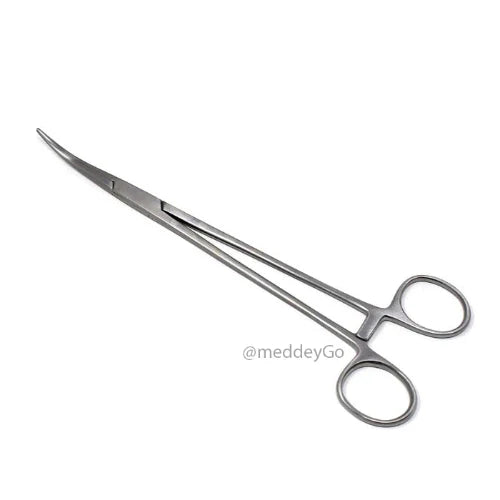
Right Angle Artery Forceps

Type: General Instruments

Right Angle Artery Forceps

Regular price From Rs. 689
Sale price From Rs. 689 Regular price Rs. 920
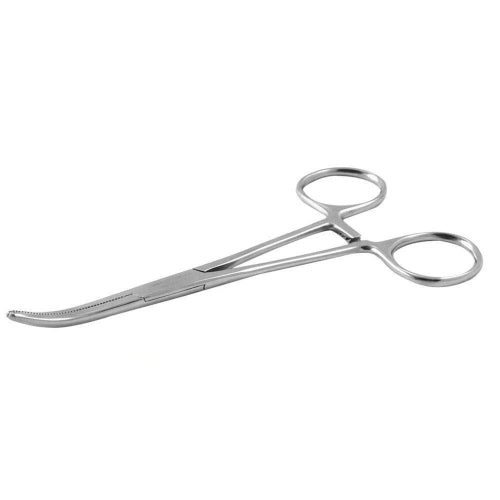
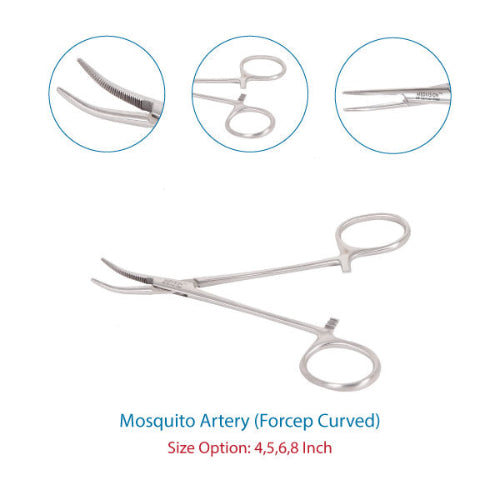
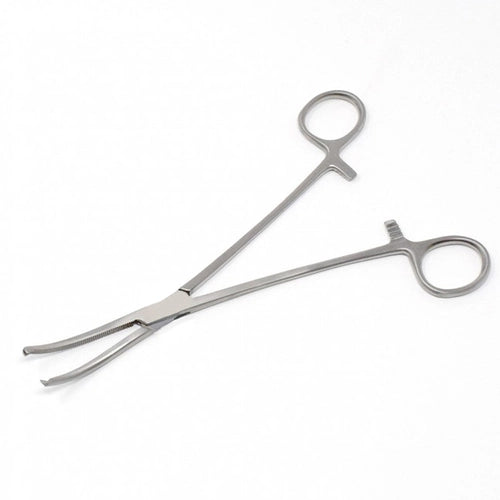
Mosquito Artery Forceps Curved 8 inch

Type: General Instruments

Mosquito Artery Forceps Curved 8 inch

Regular price Rs. 380
Sale price Rs. 380 Regular price Rs. 506
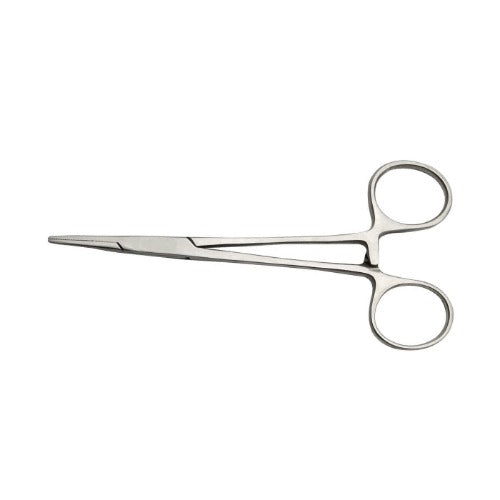
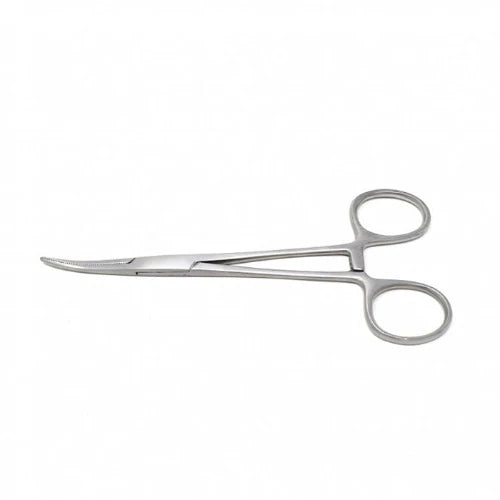
kochers forceps curved

Type: Instruments

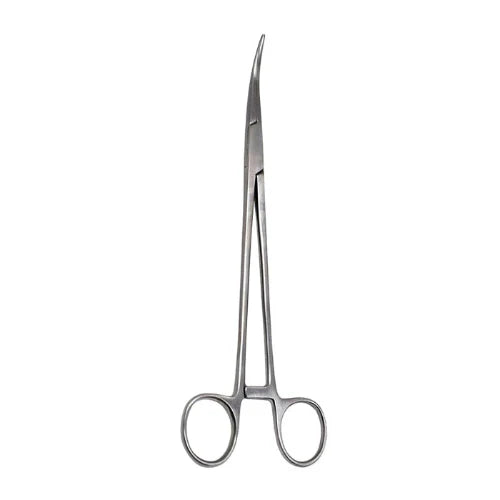
Kochers Forceps Curved

Regular price From Rs. 598
Sale price From Rs. 598 Regular price Rs. 920
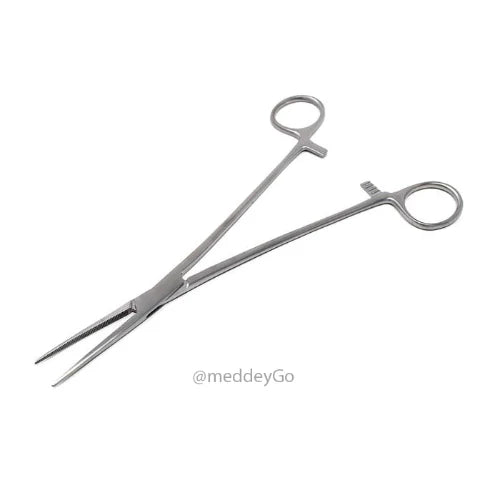
artery forceps straight

Type: General Instruments

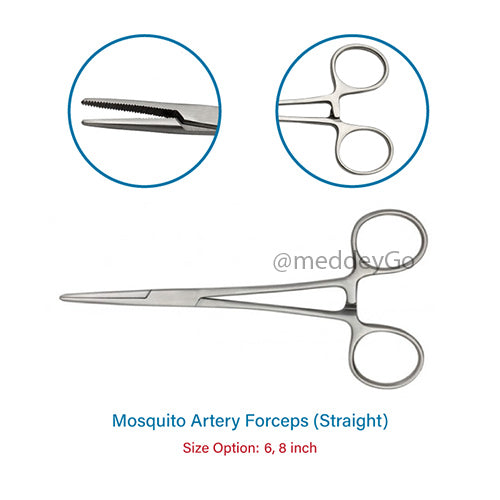
Mosquito Artery Forceps Straight

Regular price From Rs. 395
Sale price From Rs. 395 Regular price Rs. 552
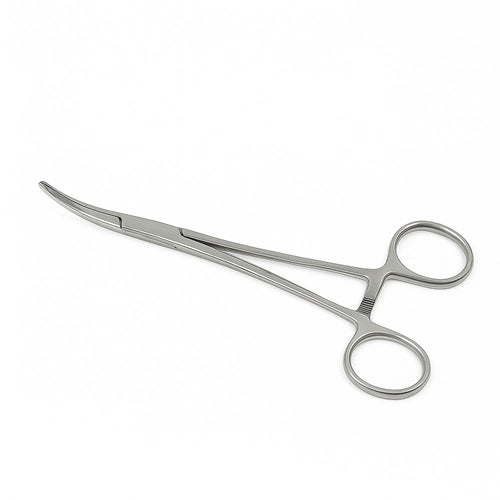
crile artery forceps (Curved)

Type: Instruments

Crile Artery Forceps (Curved)

Regular price From Rs. 597
Sale price From Rs. 597 Regular price Rs. 690
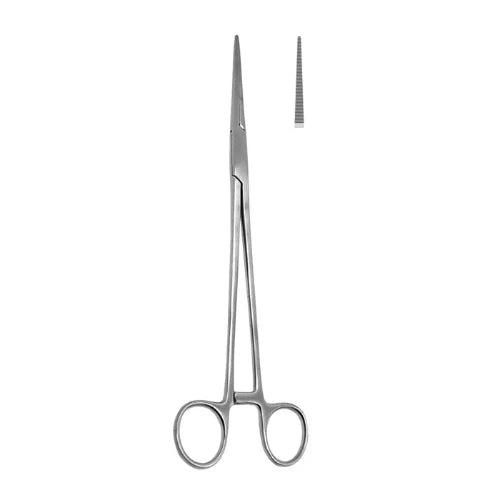
Crile Artery Forceps

Type: Instruments

Crile Artery Forceps (Straight)

Regular price From Rs. 505
Sale price From Rs. 505 Regular price Rs. 598
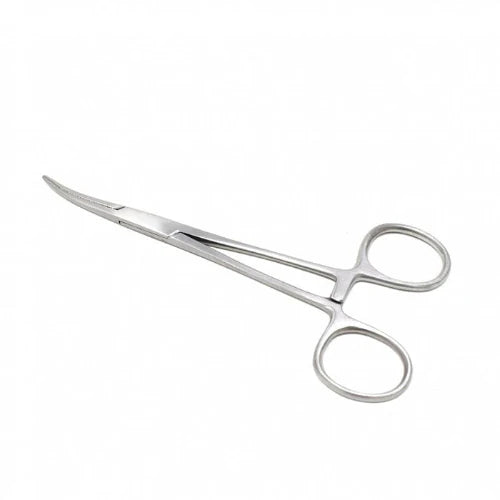
dandy Artery Forceps

Type: Instrument

Dandy Artery Forceps

Regular price Rs. 777
Sale price Rs. 777 Regular price Rs. 1,196
Tonsil Artery Forceps (Straight) 8 Inch

Type: Forceps

Tonsil Artery Forceps (Straight) 8 Inch

Regular price Rs. 827
Sale price Rs. 827 Regular price Rs. 966
Tonsil Artery Forceps (Curved) 8 Inch

Type: Forceps

Tonsil Artery Forceps (Curved) 8 Inch

Regular price Rs. 827
Sale price Rs. 827 Regular price Rs. 966

Collection: Curved Artery Forceps: The 2026 Hemostasis & Surgical Masterclass

What is the use of curved artery forceps?

A curved artery forceps, clinically categorized as a HemostatDerived from 'hemo' (blood) and 'stat' (stop). These are surgical tools used to control bleeding by clamping and occluding blood vessels. The curved profile specifically allows surgeons to see "around" the instrument in deep or narrow surgical fields., is the primary instrument used to stop hemorrhage during surgical procedures. By compressing the vessel wall, the curved artery forceps use allows for the temporary occlusion of blood flow, providing a clear field for the Doctor to perform ligation or cauterization.

The distinction of being curved is vital. Unlike straight forceps, the curved variant follows the natural contours of the human anatomy. This is particularly useful in Hospitals for procedures involving the curved artery structures found in the pelvis, thoracic cavity, and deep abdominal layers where a straight instrument would obstruct the surgeon's line of sight.

Hemostasis

Immediate control of bleeding from severed arteries or veins by clamping the vessel ends securely.

Blunt Dissection

The use of curved artery forceps extends to gently separating tissue planes without cutting them.

Tissue Retraction

Used to hold back delicate fascial layers or small vessels to expose underlying pathology.

Top 5 Artery Forceps Brands & Comparison (2026)

Brand Ranking Model Series Material Technology Best For
#1 Agarwals Precision Satin-Finish SS 410 General Surgery & ER Hemostasis
#2 Trust & Care Crile ISO Certified High-Grade Steel Deep Abdominal Procedures
#3 LifeX Hemostats Anti-Glare Matte Coating Operating Room (OR) Environment
#4 Polodent Curved Reinforced Ratchet System Dental & Maxillofacial Surgery
#5 Surgitronix ISO Autoclavable Polymer-Bonded High-Volume Clinical Use

Medical Condition Focus 1: Acute Intraoperative Hemorrhage

During complex surgeries, such as a partial hepatectomy or splenectomy, the risk of a "runaway" bleed is a constant threat. When a major surgical artery is inadvertently nicked, the hemostatic artery forceps becomes the most critical tool in the room.

In these scenarios, the curved artery forceps use is rapid. The surgeon utilizes the curve to "dive" into the blood pool, feel for the vessel pulsation, and clamp the bleeder precisely. Because the jaws are serrated, they provide a non-slip grip even in the presence of slippery fluids. Without this tool, hypovolemic shock would set in within minutes. The artery forceps price is a negligible cost compared to its life-saving utility in preventing cardiac arrest due to blood loss.

👨⚕️ Clinician's Note: The "Click" of Safety

Always verify the artery forceps sizes before beginning. A mosquito forceps (10-12cm) is perfect for skin-level bleeders, but for deep pelvic vessels, an 8-inch Kelly or Crile is required. Listen for the distinct 'click' of the ratchet mechanism; a partial lock is a common error that leads to vessel slippage mid-surgery.

The Anatomy of a Curved Clamp: Design & Types

To understand the use of curved artery forceps, one must first master the architectural differences between various surgical clamps. While they may look similar to a layperson, a surgeon selects a specific hemostatic artery forceps based on the tissue's fragility and the required clamping force.

What are the three types of clamps?

In the sterile field, clamps are categorized by their intended impact on the vessel:

  • Atraumatic Clamps: Designed with fine serrations to occlude blood flow without damaging the vessel wall (e.g., Satinsky or DeBakey).
  • Traumatic Clamps: Feature aggressive teeth or heavy serrations for a "never-slip" grip on tissue that will be removed (e.g., Kocher).
  • Hemostatic Clamps: The category where curved artery forceps reside, used for crushing the vessel to trigger natural clotting.

Curved Artery Forceps vs. Kocher Forceps

A common question in surgical nursing is: "What is the difference between curved artery forceps and Kocher forceps?" The answer lies at the very tip of the instrument.

Feature Curved Artery Forceps (Crile/Kelly) Kocher Forceps (Ochsner)
Tip Design Blunt, smooth-edged curve. Features a 1x2 "tooth" at the tip.
Tissue Impact Crushing but non-piercing. Piercing and high-traction.
Primary Use Clamping surgical artery structures. Grasping tough tissue like fascia or bone.
Safety Note Safe for delicate vessels. NEVER use on a vessel you intend to keep.

How to use curved artery forceps? (Surgical Protocol)

Proper handling of curved forceps called hemostats is a rite of passage in surgical training. The technique, known as the "Three-Finger Grip," ensures maximum stability and tactile feedback.

The Protocol for Vessel Occlusion:

  1. The Grip: Place the thumb and ring finger into the rings. The index finger should be extended along the shaft (shank) to provide "pointing" accuracy.
  2. The Approach: Utilize the curved artery profile to approach the vessel at a 90-degree angle. The curve should point toward the center of the surgical field to maintain visibility.
  3. The Ratchet: Engage the first "click" for minor vessels. For a major hemostatic artery forceps application, engage the third click to ensure no slippage during ligation.
  4. The Release: Slight compression followed by a lateral thumb movement disengages the ratchet smoothly without jerking the vessel.

Medical Condition Focus 2: Vascular Traumatic Injuries

In the Emergency Department, surgical artery trauma from deep lacerations or gunshot wounds requires immediate "Blind Clamping" if the bleeder cannot be visualized.

The use of curved artery forceps is superior here because the Doctor can sweep the curved tip through the wound cavity to "hook" the retracted end of a severed artery. Because trauma involves a high risk of exsanguination, having a variety of artery forceps sizes (from the 5-inch Mosquito to the 9-inch Rochester-Pean) is critical. The artery forceps price is irrelevant in trauma surgery—reliability is the only metric that matters.

💡 Clinic Note: The "17 Forceps" Mystery

Newer students often ask: What are 17 forceps used for? In specific surgical catalogs, "17" refers to a 17cm medium-length artery forceps. This is the 'workhorse' size—long enough for abdominal work but precise enough for superficial vascular repair.

Biological Context: The 4 Types of Arteries

A curved artery is not a uniform structure; arteries vary significantly in their elasticity and muscularity. When a surgeon selects a hemostatic artery forceps, they must account for the specific type of vessel being clamped to avoid permanent wall damage.

1. Elastic Arteries

Large vessels like the Aorta. They require high-precision, often atraumatic curved clamps to prevent "shattering" the elastic tunica media.

2. Muscular Arteries

Medium-sized vessels (e.g., Brachial/Radial). This is where the use of curved artery forceps is most common for ligation.

3. Arterioles

Tiny "resistance" vessels. These are managed with 'Mosquito' artery forceps sizes (10cm-12cm).

4. Capillaries

Microscopic vessels. Usually controlled via cautery rather than mechanical surgical artery clamping.

The 7 Types of Blood Vessels & Hemostasis

Effective surgery requires the Doctor to manage an entire network. The curved artery forceps diagram usually illustrates how the tool’s serrations are designed to interact with these different vessel wall thicknesses:

  1. Large Veins: Low pressure but thin-walled; require gentle clamping.
  2. Medium Veins: Common sites for hemostatic artery forceps application during tissue resection.
  3. Venules: Small veins draining capillaries.
  4. Capillaries: The exchange point.
  5. Arterioles: Regulation of blood pressure.
  6. Muscular Arteries: Distribution vessels.
  7. Elastic Arteries: Conducting vessels.

Medical Condition Focus 3: The Top 3 Riskiest Surgeries

In the "Riskiest Surgeries" of 2026, the curved artery forceps is the line between success and catastrophe. These procedures are characterized by high-volume blood flow and deep-seated anatomy.

1. Open-Heart Surgery (Cardiothoracic)

Managing the curved artery structures of the heart requires absolute precision. During a bypass, the surgeon must clamp coronary branches. The use of curved artery forceps allows the surgeon to maintain a visual on the beating heart while blood flow is redirected.

2. Neurosurgery (Brain Aneurysms)

The brain is the most vascular organ. A ruptured aneurysm requires surgical artery clamping within seconds. Here, ultra-fine artery forceps sizes are used to pin-point the vessel without crushing the surrounding delicate neural tissue.

3. Pancreatectomy (Whipple Procedure)

Often cited as the most difficult abdominal surgery. It involves the complex intersection of the portal vein and superior mesenteric artery. The hemostatic artery forceps is used throughout to navigate the "vascular jungle" of the mid-abdomen.

Surgery Type Risk Factor Forceps Utility
Cardiac Exsanguination from Aorta Atraumatic occlusion for bypass.
Neuro Intracranial Pressure Spike Micro-clamping of cerebral bleeders.
Abdominal Portal Hypertension Bleeding Deep-cavity retraction and clamping.

🛑 Critical Warning: Instrument Fatigue

Because surgical artery forceps rely on a box-joint, repeated autoclaving can lead to "joint-stiffness." A stiff curved artery forceps can cause the surgeon to over-apply force, leading to vessel transection (accidental cutting). Always test the tension before the first incision.

END OF PART 3: PHYSIOLOGY & RISK

Next Session: Final 500-word FAQ Masterclass, Maintenance & Sterilization, and the MeddeyGo Value Proposition.

The Surgical Masterclass: Long-Form FAQ

1. What are curved forceps called in different clinical settings?

In the operating room, curved forceps called by various names depending on their specific size and serration pattern. The most common term is a **Hemostat**. However, you will frequently hear surgeons call for a "Crile" (for medium vessels), a "Kelly" (for larger tissue bundles), or a "Mosquito" (for delicate, superficial bleeders).

Technically, they are also referred to as "Pean" or "Rochester" clamps when they are larger and heavier. Regardless of the name, the use of curved artery forceps remains consistent: to provide secure, ratcheted occlusion of a surgical artery or vein. Understanding these synonyms is vital for surgical scrub techs to ensure the correct instrument is handed over without delay during a high-stress hemorrhage event.

2. What is a curved clamp used for besides blood vessels?

While the primary use of curved artery forceps is hemostasis, their utility extends to several non-vascular tasks. They are excellent tools for Blunt DissectionA surgical technique where the closed tips of the curved forceps are inserted into tissue and then slowly opened. This gently separates muscle fibers or fascial planes along their natural lines of division without the risk of cutting underlying nerves or vessels with a scalpel..

Additionally, they are used to hold small needles during suturing in tight spaces, to pass ligatures under deep vessels (the "tie-on-a-passer" technique), and to grasp small pieces of debris or foreign bodies during wound debridement. The curved artery forceps diagram shows how the fine tips can reach into narrow crevices where fingers or straight tools cannot penetrate, making them a versatile "extension" of the surgeon's hand.

3. Why is Artery Forceps Price a Factor in 2026?

In 2026, the artery forceps price reflects the quality of the stainless steel and the precision of the box-joint. Low-cost instruments often suffer from "jaw-misalignment," where the serrations don't meet perfectly. This is dangerous because it can lead to partial clamping, allowing a surgical artery to slip and bleed out while the surgeon believes it is secure.

High-quality hemostatic artery forceps are made from 400-series martensitic stainless steel, which allows them to maintain a sharp "grip" and stay corrosion-resistant through hundreds of autoclave cycles. Investing in premium curved artery tools reduces the "total cost of ownership" for a Hospital by minimizing instrument replacement and, more importantly, reducing surgical complications.

The MeddeyGo Standard: Surgical Grade Excellence

Precision is non-negotiable in the operating room. MeddeyGo is the preferred 2026 supplier for Hospitals and private Clinics because we prioritize the metallurgical integrity of every surgical artery tool we sell.

Perfect Ratchet Tension

Our curved artery forceps feature a calibrated 3-step ratchet that locks firmly but releases with a gentle lateral thumb motion.

Anti-Glare Satin Finish

Reduces eye fatigue for the Doctor under intense OR lighting, allowing for better visualization of the curved artery.

ISO Certified Quality

Every batch of hemostatic artery forceps undergoes a 'Boil Test' and 'Corrosion Test' to ensure longevity and patient safety.

Conclusion: The Unsung Hero of the Sterile Field

The curved artery forceps remains the most fundamental and vital instrument in the history of surgery. From the riskiest neurosurgical procedures to routine clinic repairs, its ability to provide instant hemostasis is unparalleled. By understanding the use of curved artery forceps, mastering the different artery forceps sizes, and insisting on the highest-grade surgical artery tools, medical professionals ensure the highest standard of patient care. In the hands of a skilled surgeon, this simple steel tool is the definitive answer to the chaos of bleeding.

CLAMP WITH CONFIDENCE. OPERATE WITH PRECISION. MEDDEYGO.