Filter
6 products
Type: anesthesia
Flight BiPhasic Defibrillator with Printer, AED, SpO2, NIBP, ETCos
Type: anesthesia
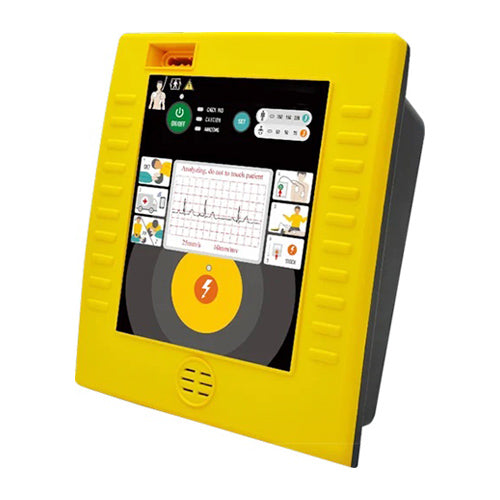
Flight BiPhasic Defibrilator
Type: Anesthesia
Sanjeevni 1003 Defibrillator
Type: Anesthesia
Sanjeevni BiPhasic 1006 Defibrillator
Type: Anesthesia
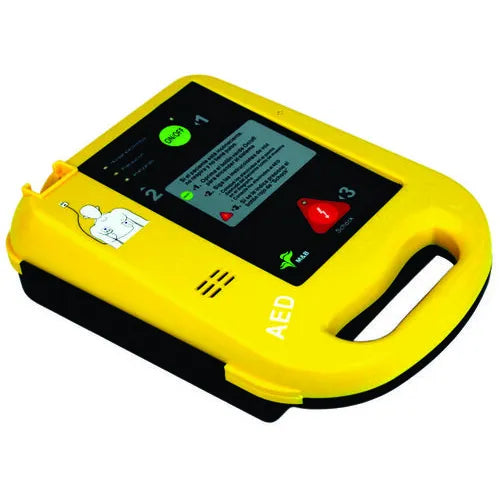
Automatic External Defibrillator (AED 7000)
Type: Anesthesia
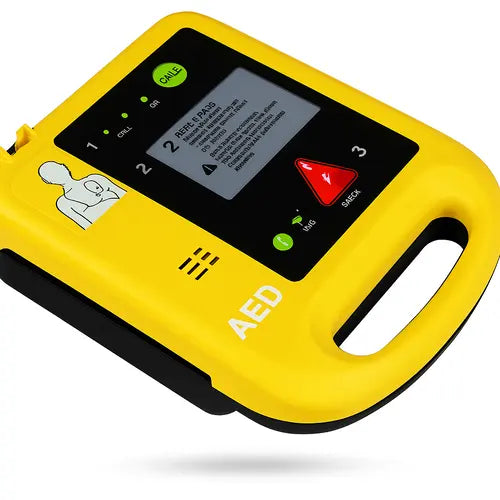
AED View Automatic External Defibrilator
Collection:
Defibrillator Machine: Uses, Types, Definition & Complete Guide
Understanding the defibrillator definition is essential in modern emergency medicine. A AED is a life-saving medical device used to restore a normal heartbeat by delivering an electric shock to the heart. It plays a critical role in treating sudden cardiac arrest (SCA), a condition where the heart suddenly stops beating effectively.
A defibrillator machine is commonly used in hospitals, ambulances, public places, and even homes. With advancements in medical technology, devices such as automated external (AEDs) have made it possible for even non-medical individuals to respond quickly during emergencies.
AED Definition
A defibrillator is a medical device that delivers a controlled electrical shock to the heart to correct abnormal heart rhythms (arrhythmias), particularly ventricular fibrillation and ventricular tachycardia. These conditions can lead to cardiac arrest if not treated immediately.
In simple terms, a defibrillator helps restart or stabilize the heart by restoring its normal electrical activity.
What is a Defibrillator Machine?
A defibrillator machine is designed to monitor heart rhythm and deliver an electric shock when necessary. Modern devices are equipped with sensors, displays, and automated systems that guide users through the process.
These machines are essential in emergency response systems and are increasingly available in public locations such as airports, malls, and offices to improve survival rates during cardiac emergencies.
Defibrillator Machine Use
The defibrillator use is primarily focused on saving lives during cardiac emergencies. It is used when a person experiences sudden cardiac arrest or life-threatening arrhythmias.
- Cardiac arrest treatment: Restores normal heart rhythm.
- Emergency response: Used in ambulances and hospitals.
- Public safety: Installed in public places for quick access.
- ICU monitoring: Used in critical care settings.
- Post-surgery care: Supports heart rhythm stabilization.
Types of AED
There are several defibrillator types, each designed for specific use cases:
| Type | Description | Best Use |
|---|---|---|
| Automated External Defibrillator (AED) | Easy-to-use, automated device | Public & home use |
| Manual Defibrillator | Operated by healthcare professionals | Hospitals |
| Implantable Cardioverter Defibrillator (ICD) | Implanted inside the body | Long-term heart monitoring |
| Wearable Defibrillator | Portable wearable device | Temporary protection |
How Does a Defibrillator Work?
A defibrillator works by analyzing the heart’s rhythm and delivering an electrical shock when it detects a dangerous arrhythmia. The shock stops abnormal electrical activity, allowing the heart to reset and resume normal function.
Modern AED devices provide voice instructions, making them easy to use even for untrained individuals.
AED Machine Price in India
The price of a defibrillator varies based on type, features, and brand.
| Type | Price Range (₹) |
|---|---|
| AED | ₹70,000 – ₹2,50,000 |
| Manual Defibrillator | ₹1,50,000 – ₹5,00,000 |
| ICD Device | ₹3,00,000 – ₹10,00,000+ |
Comparison: AED vs Manual Defibrillator
| Feature | AED | Manual Defibrillator |
|---|---|---|
| User | Anyone | Medical professional |
| Operation | Automatic | Manual control |
| Use | Public places | Hospitals |
Quick Facts About AED
- ✔ Defibrillators can increase survival rates in cardiac arrest by up to 70% if used immediately.
- ✔ AED devices are designed for use by non-medical individuals.
- ✔ Every minute delay in defibrillation reduces survival chances significantly.
- ✔ Used in hospitals, ambulances, airports, gyms, and public spaces.
Important Safety Warning
Defibrillators are life-saving devices, but incorrect usage can be dangerous.
- ⚠ Do not touch the patient during shock delivery.
- ⚠ Ensure the chest is dry before applying pads.
- ⚠ Do not use near water or flammable materials.
- ⚠ Follow AED voice instructions carefully.
- ⚠ Only trained professionals should use manual defibrillators.
Top Defibrillator Machines in India
Below are some of the best defibrillator machines available based on reliability, accuracy, and emergency performance:
| Model | Brand | Key Features | Best Use |
|---|---|---|---|
| Zoll AED Plus | Zoll | CPR feedback, easy operation | Public places |
| Philips HeartStart HS1 | Philips | Lightweight, voice guidance | Home & office |
| Mindray BeneHeart D3 | Mindray | Manual + AED mode | Hospitals |
| Nihon Kohden AED | Nihon Kohden | Fast shock delivery | Emergency care |
| BPL Defibrillator DF250 | BPL | Affordable, reliable | Clinics |
Benefits of Defibrillator Machine
- Life-saving capability: Restores normal heart rhythm instantly during cardiac arrest.
- Improves survival rate: Early defibrillation significantly increases survival chances.
- Easy to use: AED devices guide users with voice instructions.
- Portable: Many models are lightweight and easy to carry.
- Essential in emergencies: Critical device for hospitals, ambulances, and public safety.
When Should a Defibrillator Be Used?
A defibrillator should be used immediately when a person shows signs of sudden cardiac arrest, such as:
- Unconsciousness
- No pulse or breathing
- Sudden collapse
- Irregular or absent heartbeat
Immediate action, including CPR and defibrillation, is crucial to save life.
Why Choose Defibrillator from Meddeygo.com
Selecting the right defibrillator machine is critical for emergency preparedness and patient safety. High-quality devices ensure accurate performance and reliable operation during life-threatening situations.
Meddeygo.com offers a wide range of defibrillators including AEDs and professional-grade machines from trusted brands. The platform ensures genuine products, detailed specifications, and competitive pricing.
With reliable delivery, quality assurance, and expert support, Meddeygo.com is a trusted destination for hospitals, clinics, and organizations looking to invest in life-saving equipment.
How to Use a Defibrillator (Step-by-Step Guide)
Using a defibrillator machine correctly can save a life during a cardiac emergency. Modern AED devices are designed to be simple and guide users through the process.
- Check responsiveness: Ensure the person is unconscious and not breathing.
- Call for help: Contact emergency medical services immediately.
- Turn on the AED: Follow voice prompts provided by the device.
- Attach electrode pads: Place pads on the patient’s chest as indicated.
- Analyze heart rhythm: The device will automatically check the rhythm.
- Deliver shock if advised: Ensure no one is touching the patient.
- Continue CPR: Follow instructions until help arrives.
Who Should Use a Defibrillator?
Defibrillators are designed for both trained and untrained individuals depending on the type of device:
- AED devices: Can be used by anyone with minimal training.
- Healthcare professionals: Use manual defibrillators in hospitals.
- First responders: Police, firefighters, and paramedics.
- Workplace staff: Trained employees in offices and public spaces.
Who Should Avoid Using Defibrillator?
While AEDs are safe, certain precautions must be followed:
- Do not use on a conscious person.
- Avoid use in water or wet environments.
- Do not place pads over implanted devices without care.
- Ensure proper training for manual defibrillator use.
Future of Defibrillator Technology
The future of defibrillator machines is evolving with smart healthcare integration. Modern AEDs are being developed with IoT connectivity, real-time monitoring, and AI-assisted diagnosis.
Wearable defibrillators and portable smart devices are making cardiac care more accessible. These innovations aim to improve response time and increase survival rates globally.
Clinical Importance of Defibrillator in Emergency Care
In emergency medicine, the defibrillator machine is considered a cornerstone device for managing cardiac arrest. The first few minutes after cardiac arrest are critical, and early defibrillation significantly increases survival rates.
Clinical studies show that immediate use of a defibrillator within the first 3–5 minutes can dramatically improve survival outcomes. This is why defibrillators are now an essential part of emergency response systems in hospitals, ambulances, and public locations.
Checklist Before Using a Defibrillator
Before using a defibrillator, ensure the following:
- ✔ The patient is unconscious and not breathing.
- ✔ Emergency services have been contacted.
- ✔ The chest area is dry and free from obstruction.
- ✔ No one is touching the patient during shock delivery.
- ✔ AED pads are placed correctly as per instructions.
Maintenance and Care of Defibrillator Machine
Proper maintenance of a defibrillator machine ensures it functions correctly during emergencies. Regular checks and servicing are essential to maintain reliability.
- Check battery status regularly and replace when needed.
- Inspect electrode pads for expiry and damage.
- Keep the device clean and stored in a safe location.
- Perform routine self-tests as per manufacturer guidelines.
- Ensure staff are trained and familiar with the device.
Advanced Comparison of Defibrillator Types
| Feature | AED | Manual | ICD | Wearable |
|---|---|---|---|---|
| Automation | Fully automatic | Manual control | Automatic (internal) | Semi-automatic |
| User | General public | Doctors | Patient (internal) | Patient |
| Portability | High | Moderate | Implanted | Wearable |
| Use Case | Public emergencies | Hospitals | Long-term care | Temporary protection |
| Complexity | Low | High | Very high | Moderate |
Defibrillator Placement Guidelines
To maximize effectiveness, defibrillators should be strategically placed in locations where rapid access is possible during emergencies.
- Airports and railway stations
- Shopping malls and offices
- Schools and universities
- Gyms and sports facilities
- Hospitals and clinics
- Residential complexes
Common Mistakes to Avoid
- ❌ Delaying defibrillation during cardiac arrest.
- ❌ Incorrect placement of electrode pads.
- ❌ Touching the patient during shock delivery.
- ❌ Ignoring AED voice instructions.
- ❌ Using device in wet or unsafe conditions.
Role of Defibrillator in Public Health Safety
The widespread availability of defibrillator machines has transformed public health safety by enabling rapid response to cardiac emergencies. Public access defibrillation programs have significantly reduced mortality rates associated with sudden cardiac arrest.
Governments and healthcare organizations are increasingly promoting the installation of AEDs in public places to ensure immediate intervention and improve survival outcomes.
Pro Tip for Emergency Readiness
✔ Always ensure a defibrillator is easily accessible in your facility.
✔ Train staff regularly in CPR and AED usage.
✔ Keep emergency contact numbers visible.
✔ Conduct mock drills for preparedness.
Frequently Asked Questions (FAQ)
A defibrillator is a medical device that delivers an electric shock to the heart to restore a normal heartbeat. It is mainly used during sudden cardiac arrest to save a person’s life by correcting abnormal heart rhythms quickly and effectively.
The main use of a defibrillator is to treat life-threatening heart rhythm problems such as ventricular fibrillation. It helps restart the heart and restore normal rhythm during emergencies like cardiac arrest.
Yes, defibrillators are safe when used properly. AEDs are specifically designed with safety features and voice instructions to guide users step by step, reducing the risk of misuse.
An AED is automated and can be used by anyone, while a manual defibrillator requires professional training and is used in hospitals. AEDs analyze heart rhythm automatically, whereas manual devices require interpretation by a doctor.
Defibrillators should be installed in high-traffic and high-risk areas such as airports, malls, offices, schools, gyms, and hospitals to ensure quick access during emergencies.
Conclusion
The defibrillator machine is one of the most important life-saving devices in modern healthcare. Its ability to restore heart rhythm during sudden cardiac arrest makes it essential in hospitals, emergency services, and public spaces.
Understanding the defibrillator definition, its uses, and types helps individuals and healthcare providers respond effectively during emergencies. With advancements in technology and increasing accessibility, defibrillators are becoming a critical part of public safety infrastructure.
Choosing reliable devices from trusted platforms like Meddeygo.com ensures quality, safety, and readiness in life-saving situations.