
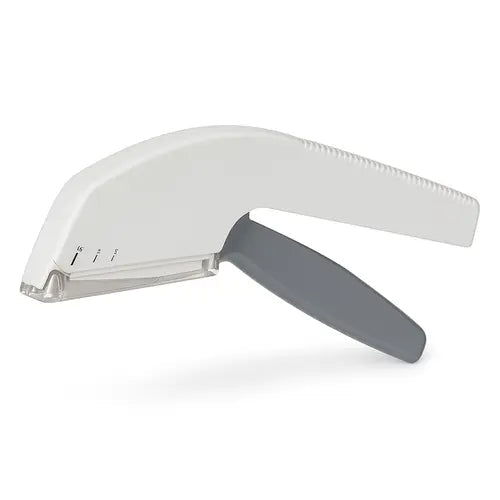
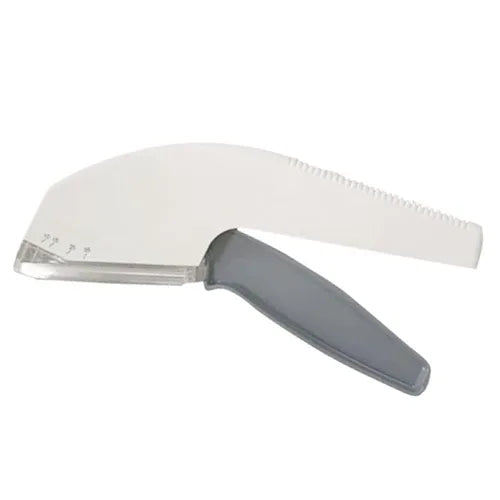
Type: Surgical
Niko Skin Stapler 35W


Type: MVA Kit
Gynecological Aspiration Kit (MVA Kit)
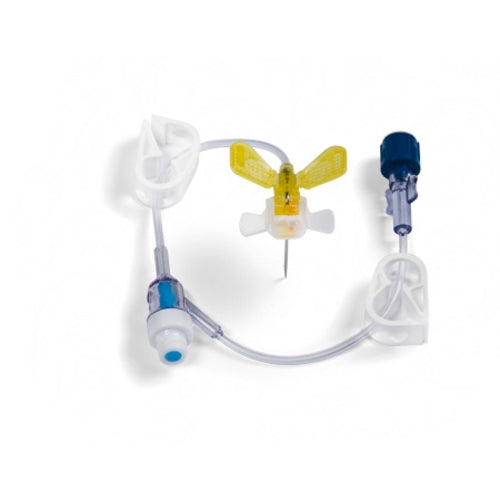
Type: Nursing
BARD Winged Infusion Set
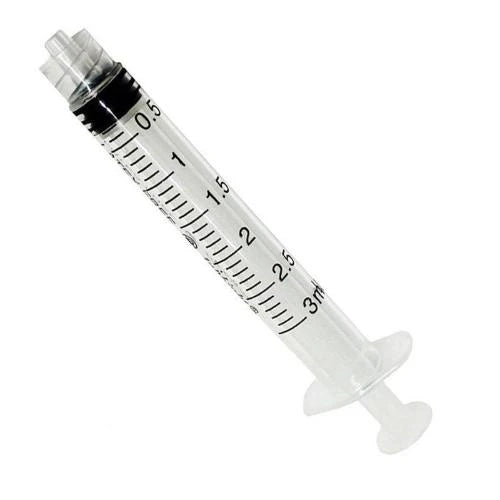
Type: Nursing
BD Syringe 3ml Luer Lock (Pack of 100)
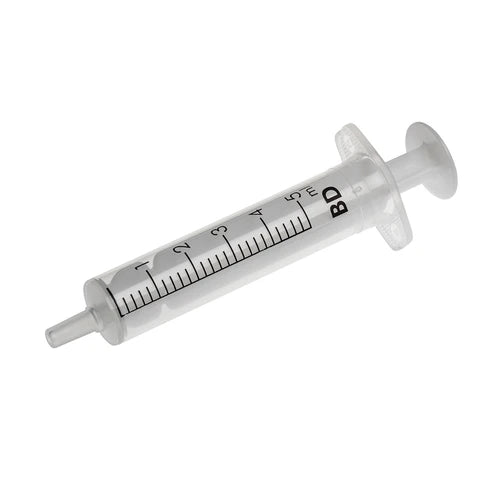
Type: Nursing
BD Discardit II Syringe 5ml (Pack of 100)
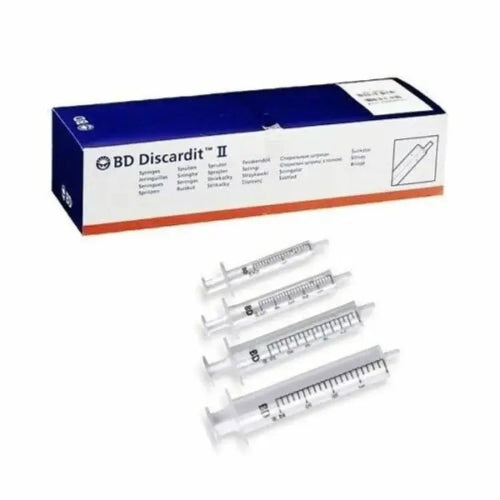
Type: Nursing
BD Discardit II Syringe 20ml (Pack of 80)


Type: Instruments
Ear Syringe SS Delux Quality
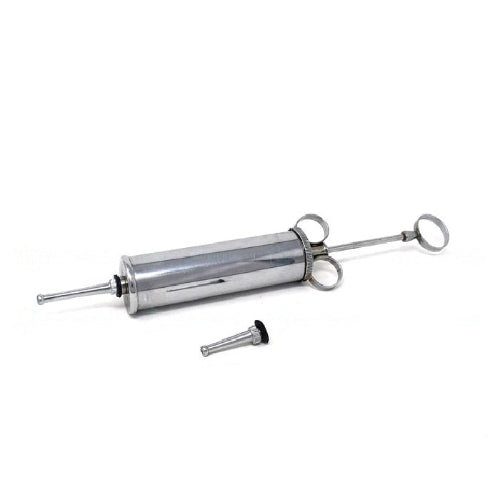
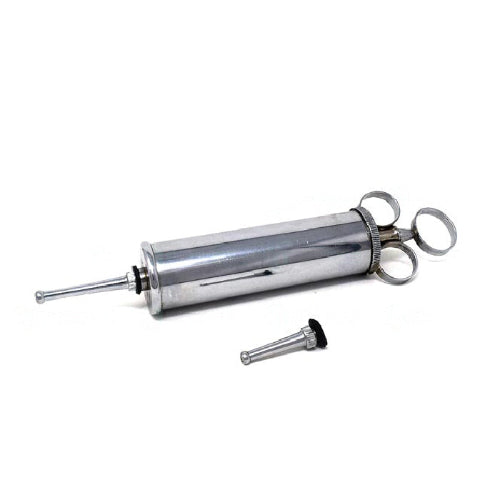
Type: Instruments
Ear Syringe SS Metal
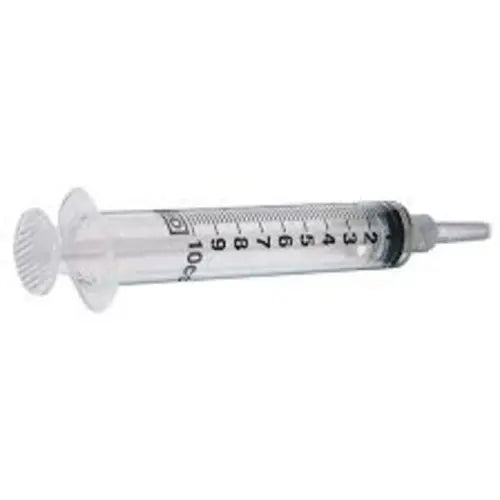
Type: Nursing
BD Luer-Lock Syringe 10ml (Pack of 100)
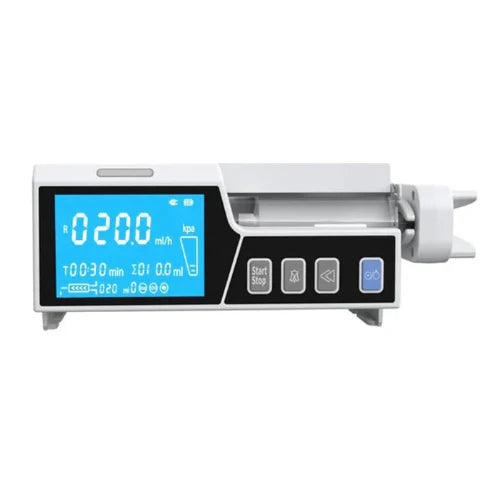
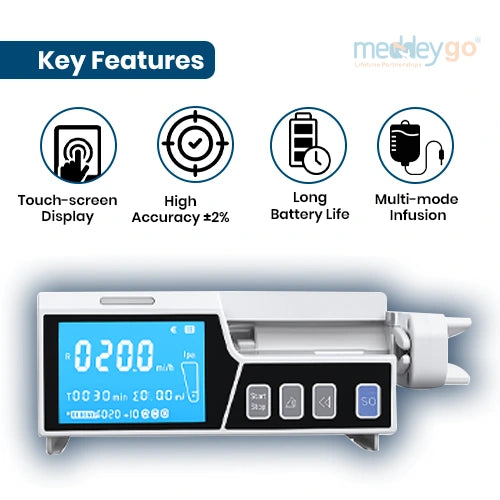
Type: syringe pump
Syringe Pump SP08 with 3.8-Inch Display for Hospital Infusion


Type: Needle Terminator
Syringe Needle Terminator Electric Economy


Type: Needle Terminator
Electric Needle Destroyer Syringe Terminator Deluxe
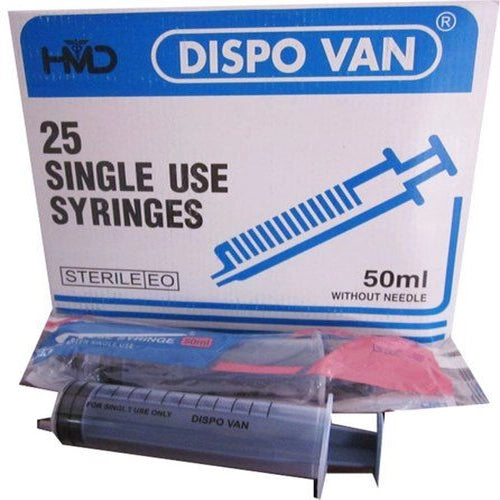
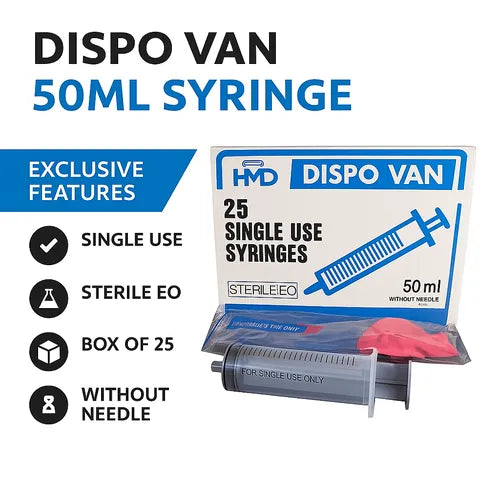
Type: Dispovan Syringes
Dispovan Syringes- 50ml without needle LM (Box of 25)


Type: General Accessories
Needle Hub Cutter 1000ml for Safe Disposal

Type: General Instruments
Sharp Containers 5 Liter
Collection:
Understanding the Different Types of Syringes

Standard Medical Syringes
Standard medical syringes are the most commonly used. They come in different sizes, typically ranging from 1 ml to 60 ml. These syringes are versatile, used for a variety of purposes such as administering medication, vaccinations, and drawing blood.
Versatility and Application
The versatility of standard medical syringes makes them a staple in clinics and hospitals. Their adaptability to different needle sizes allows healthcare workers to use them for both intravenous and intramuscular injections. This flexibility is crucial in emergency settings where quick decision-making is vital.
Material and Design
Most standard syringes are made from plastic, reducing the risk of cross-contamination and making them cost-effective for single use. The design often includes a clear barrel for easy visualization of the fluid, and a secure plunger to prevent leakage, ensuring precise dosage administration.
Innovations in Syringe Design
Recent innovations focus on enhancing safety and ease of use. For instance, some syringes now feature safety caps to prevent accidental needle sticks, and ergonomic designs to reduce user fatigue. These advancements play a significant role in improving the overall efficiency of medical procedures.
Insulin Syringes
Insulin syringes, particularly U-100 insulin syringes, are designed for subcutaneous injections. They are crucial for diabetic patients who require insulin administration. Their design minimizes pain and allows for precise dosing.
Importance for Diabetic Care
For diabetic patients, insulin syringes are a lifeline. The precision of these syringes ensures accurate dosing, which is critical in managing blood sugar levels. This accuracy helps prevent both hyperglycemia and hypoglycemia, which can have severe health implications.
Pain Minimization Techniques
The design of insulin syringes often incorporates ultra-fine needles, reducing the discomfort associated with frequent injections. Some syringes also feature lubrication to facilitate smoother needle entry, enhancing patient comfort during administration.
Education and Patient Empowerment
Educating patients about correct syringe handling and injection techniques can significantly improve their self-management skills. Proper training empowers patients, reducing anxiety and increasing adherence to their treatment regimen.
Dental Syringes
Dental syringes are specifically designed for oral procedures. They are equipped with long, thin needles to administer anesthetics directly into the gum tissue. Their precision is vital for effective dental care.
Role in Pain Management
Dental syringes are integral in delivering local anesthesia effectively, ensuring that patients undergo pain-free procedures. The precision in needle length and gauge allows dentists to target specific areas, providing localized numbness and comfort.
Design for Dental Precision
The design of dental syringes often includes features like angled tips to reach challenging areas within the mouth. This precision is crucial for procedures like fillings and extractions, where accurate anesthetic delivery can significantly impact patient experience.
Sterility and Safety Protocols
Maintaining sterility is paramount in dental settings to prevent infections. Dental syringes are typically single-use, and practices must adhere to strict sterilization protocols for any reusable components to ensure patient safety.
Asepto Syringes
Asepto syringes are typically used in surgical settings to irrigate wounds or cavities. They are larger in size, often holding up to 120 ml, and are essential for maintaining a sterile field during procedures.
Importance in Surgery
In surgical environments, Asepto syringes play a crucial role in wound irrigation and maintaining clear surgical fields. Their large capacity allows surgeons to efficiently rinse areas, minimizing the risk of infection and promoting healing.
Design and Functionality
These syringes are designed with a bulbous shape, enabling easy handling and control during procedures. The wide opening allows for rapid fluid delivery, which is essential in emergency or high-volume applications.
Applications Beyond Surgery
Beyond surgery, Asepto syringes are also utilized in post-operative care and certain diagnostic procedures. Their ability to flush out debris and cleanse areas makes them versatile tools in various medical scenarios.
Toomey Syringes
Toomey syringes are used in medical settings where large volumes of fluid need to be moved quickly, such as in feeding or irrigation procedures. Their large bore and plunger are designed for rapid fluid transfer.
High-Volume Applications
Toomey syringes are indispensable in scenarios requiring quick movement of fluids, such as gastrointestinal procedures or bladder irrigation. Their design facilitates efficient fluid transfer, which is vital in time-sensitive situations.
Construction and Durability
Constructed with robust materials, Toomey syringes are built to withstand repeated use, especially in high-demand environments. Their durability ensures consistent performance, crucial for both patient safety and procedural efficiency.
Adaptability and Usage
These syringes are adaptable for various attachments, such as catheters or tubing, expanding their utility in medical treatments. This adaptability makes them valuable assets in both acute and chronic care settings.
Tommy Syringes
Tommy syringes refer to specialized types used in veterinary or other non-human medical applications. They are designed to meet the specific needs of animal care.
Veterinary Applications
In veterinary medicine, Tommy syringes are tailored to the anatomical and physiological differences of animals. Their designs accommodate the unique requirements of species ranging from household pets to livestock.
Customization for Species-Specific Needs
These syringes often feature customizable components to adjust for different animal sizes and treatment needs. This customization is crucial for accurate dosing and effective administration of medications.
Enhancing Animal Care
Tommy syringes play a significant role in improving veterinary care by ensuring that treatments are administered safely and effectively. Their use supports a wide range of veterinary practices, from routine vaccinations to complex surgical procedures.
Syringe Pumps vs. Infusion Pumps

Syringe Pumps
Syringe pumps are used for precise, small-volume delivery of drugs. They are ideal for applications where accuracy is critical, such as in neonatal care or during anesthesia.
Precision in Drug Delivery
The primary advantage of syringe pumps is their ability to deliver medication with high precision. This makes them invaluable in critical care settings where exact dosing is crucial to patient outcomes.
Applications in Specialized Care
Syringe pumps are often used in specialized areas like oncology and pediatrics. Their ability to deliver small, controlled doses is essential for treatments that require tight regulation of drug administration.
Technological Advancements
Recent advancements in syringe pump technology include programmable interfaces and wireless capabilities, enhancing their functionality and ease of use. These innovations are driving improvements in patient monitoring and treatment customization.
Infusion Pumps
Infusion pumps deliver larger volumes of fluid and are commonly used for long-term treatments, such as chemotherapy or hydration.
Versatility in Treatment
Infusion pumps are versatile devices capable of administering a wide range of therapies, including nutrition, hydration, and medication delivery. Their ability to handle various fluid types makes them suitable for diverse medical applications.
Long-Term Care Solutions
These pumps are particularly beneficial in settings requiring continuous or long-term care, such as home health environments or chronic disease management. Their design supports sustained therapy without constant manual intervention.
Safety Features and Monitoring
Modern infusion pumps come equipped with safety features like alarms and automatic shut-offs to prevent over-infusion. These features, coupled with advanced monitoring capabilities, enhance patient safety and treatment efficacy.
Choosing the Right Pump
Understanding the differences between syringe and infusion pumps helps in choosing the right equipment for specific medical needs.
Evaluating Clinical Needs
When selecting a pump, healthcare providers must consider the specific clinical requirements of their patients, such as dosage accuracy and treatment duration. This evaluation ensures that the chosen device aligns with therapeutic goals.
Cost and Efficiency Considerations
Cost and efficiency are significant factors in decision-making. Providers must balance the benefits of advanced features with budget constraints, ensuring that the selected pump delivers value without compromising care quality.
Training and Implementation
Proper training is crucial for the effective use of both syringe and infusion pumps. Healthcare facilities should invest in comprehensive training programs to ensure staff proficiency and optimize the benefits of these devices.
Considerations for Safe Syringe Use
Needle Safety and Pain Management
One common concern with syringes is the pain associated with needle use. Innovations in needle design, such as ultra-fine or coated needles, aim to reduce discomfort. Educating patients about these options can improve their experience.
Importance of Needle Design
The design of needles has evolved significantly to address patient comfort and safety. Ultra-fine needles, for instance, are engineered to minimize tissue damage and reduce pain during injections. This focus on design is critical in enhancing patient compliance and satisfaction.
Pain Management Strategies
Healthcare providers can employ various strategies to manage and reduce pain associated with injections. Techniques such as topical anesthetics or distraction methods can be used alongside advanced needle designs to improve patient experiences.
Patient Education and Empowerment
Informing patients about available needle options and pain management techniques empowers them to make informed decisions about their care. Education initiatives can also alleviate anxiety and enhance their overall healthcare experience.
Syringe Disposal
Proper disposal of syringes is critical to prevent needlestick injuries and transmission of infections. Medical facilities should implement strict protocols for the disposal of used syringes in designated sharps containers.
Implementing Disposal Protocols
Establishing clear protocols for syringe disposal is essential in healthcare settings. These protocols should outline the correct use of sharps containers and ensure that all staff members are trained in safe disposal practices.
Environmental Considerations
Beyond safety, environmental considerations are becoming increasingly important in syringe disposal. Facilities are exploring eco-friendly disposal methods, such as recycling programs, to minimize environmental impact while maintaining safety standards.
Compliance and Regulation
Adhering to local and international regulations regarding syringe disposal is crucial. Compliance ensures that facilities operate within legal frameworks, protecting both healthcare workers and patients from potential hazards.
Risks Associated with Syringe Use
Improper use of syringes can lead to serious health risks, including infection and tissue damage. Healthcare providers must be trained in correct techniques and the selection of appropriate syringe types for each application.
Infection Control Measures
Infection control is a primary concern with syringe use. Proper sterilization, single-use policies, and aseptic techniques are critical components of infection prevention in medical environments.
Training and Competency
Ensuring that healthcare providers are adequately trained in syringe use is essential for minimizing risks. Competency-based training programs should focus on technique, safety, and the correct selection of syringe types for various applications.
Monitoring and Quality Assurance
Ongoing monitoring and quality assurance measures help maintain high standards of syringe use. Regular audits and feedback mechanisms can identify areas for improvement and ensure adherence to best practices.
Market Trends and Pricing

The syringe market is continually evolving, driven by technological advancements and changing healthcare demands. This section explores current market trends, pricing, and strategic insights for stakeholders.
Syringe Pump Prices
Syringe pump prices vary based on features, brand, and technology. Recent trends show an increase in demand for digital and programmable pumps, which offer enhanced precision and user control.
Factors Influencing Pricing
Several factors influence syringe pump pricing, including technological advancements, production costs, and brand reputation. Understanding these factors helps stakeholders make informed purchasing decisions.
Market Demand and Innovation
The growing demand for advanced syringe pumps is fueled by the need for precision in drug delivery. Innovations such as connectivity features and user-friendly interfaces are driving market growth and setting new standards in healthcare technology.
Strategic Purchasing Decisions
Healthcare facilities must weigh the cost of syringe pumps against their potential benefits. Strategic purchasing decisions should consider both immediate needs and long-term value, ensuring that investments align with clinical goals and financial constraints.
Disposable Medical Syringe Market
The market for disposable medical syringes is expanding due to the increased emphasis on infection control and single-use products. Distributors need to stay informed about regulatory changes and consumer preferences to effectively compete.
Growth Drivers and Challenges
The disposable syringe market is driven by factors such as infection control measures and the push for single-use products. However, challenges like regulatory compliance and environmental concerns must also be navigated.
Regulatory Landscape
Understanding the regulatory landscape is crucial for distributors. Staying informed about changes in regulations ensures compliance and helps in anticipating market shifts that could impact business operations.
Consumer Preferences and Sustainability
Consumer preferences are increasingly leaning towards sustainable and eco-friendly products. Distributors can gain a competitive edge by offering syringes that align with these preferences, supporting both health and environmental goals.
Strategic Insights for Healthcare Professionals
Hospital Administrators
For hospital administrators, optimizing procurement strategies involves balancing cost with quality and innovation. Staying informed about the latest syringe technologies and market trends can streamline purchasing decisions and improve patient care.
Balancing Cost and Quality
Hospital administrators face the challenge of balancing cost constraints with the need for high-quality medical supplies. Strategic procurement involves evaluating product performance, durability, and long-term cost-effectiveness.
Innovation in Procurement
Embracing innovation in syringe technology can enhance patient care and operational efficiency. Administrators should prioritize products that offer improved safety features and ease of use to optimize clinical outcomes.
Streamlining Decision-Making
Implementing streamlined decision-making processes can improve procurement efficiency. Utilizing data-driven insights and collaborative approaches ensures that purchasing decisions align with organizational goals and patient needs.
Medical Equipment Distributors
Distributors should focus on understanding market needs and differentiating their products in a crowded field. Building relationships with manufacturers and healthcare providers can help identify opportunities and enhance market share.
Identifying Market Opportunities
Market research and analysis are key to identifying opportunities in the medical equipment sector. Distributors should focus on emerging trends and unmet needs to position their products effectively.
Building Strategic Partnerships
Establishing strong relationships with manufacturers and healthcare providers can enhance market presence. Collaborative partnerships facilitate knowledge exchange and foster innovation, driving growth and success in the competitive syringe market.
Differentiating Products
Product differentiation is crucial for standing out in a crowded market. Distributors should highlight unique features, such as advanced safety mechanisms or eco-friendly materials, to attract and retain customers.
Healthcare Technology Consultants
Consultants play a key role in guiding healthcare facilities through technology integration. Keeping abreast of the latest developments in syringe technology allows them to provide informed recommendations that align with their clients' goals and needs.
Role in Technology Integration
Healthcare technology consultants are instrumental in facilitating the integration of new syringe technologies into clinical practice. Their expertise helps ensure that implementations are smooth, efficient, and aligned with organizational objectives.
Staying Informed on Developments
Staying current with technological advancements is essential for consultants. By understanding the latest trends and innovations, they can provide valuable insights and recommendations to healthcare facilities seeking to enhance their operations.
Aligning Solutions with Client Goals
Effective consulting involves aligning technological solutions with client goals and needs. By understanding the unique challenges and objectives of each healthcare facility, consultants can tailor their recommendations to support optimal outcomes.
Conclusion
Syringes are a fundamental component of medical care, offering a range of types and applications to suit diverse healthcare needs. Understanding the different types of syringes, their uses, and the considerations for safe handling is essential for healthcare professionals and administrators. By staying informed about market trends and technological advancements, stakeholders can ensure the delivery of safe and effective patient care.
The evolving landscape of syringe technology and market dynamics presents opportunities and challenges for all involved in the healthcare sector. By embracing innovation, prioritizing safety, and fostering collaboration, the industry can continue to advance and meet the ever-changing needs of patients and providers alike.
Q&A
Question: What's the key difference between syringe pumps and infusion pumps, and when should each be used? Short answer: Syringe pumps excel at delivering very small, highly precise doses over short durations, making them ideal for neonatal care, anesthesia, oncology, and pediatrics where accuracy is critical. Infusion pumps handle larger volumes over longer periods, fitting continuous therapies like hydration, nutrition, or chemotherapy. Choosing between them depends on required dose precision, volume, treatment duration, care setting, and available safety/monitoring features.
Question: How do standard medical syringes differ from Asepto and Toomey syringes in design and typical use? Short answer: Standard syringes (1--60 ml) are versatile, plastic, single-use devices with clear barrels and secure plungers, used for injections and blood draws. Asepto syringes are larger (often up to 120 ml) with a bulbous shape and wide opening for efficient wound or cavity irrigation in surgical and post-op settings. Toomey syringes feature a large bore and robust construction for rapid, high-volume fluid transfer in feeding or irrigation, and they adapt easily to catheters or tubing.
Question: What features make insulin syringes (especially U-100) suitable for diabetic care? Short answer: Insulin syringes are designed for precise, subcutaneous delivery, supporting accurate dosing that helps prevent hypo- and hyperglycemia. They commonly incorporate ultra-fine, lubricated needles to reduce pain from frequent injections. Paired with patient education on handling and injection technique, these design elements improve comfort, adherence, and overall self-management.
Question: How do dental syringes ensure precise and comfortable local anesthesia delivery? Short answer: Dental syringes use long, thin needles to accurately place anesthetic into gum tissue, with design features like angled tips to reach difficult oral areas. Their precision supports effective, localized numbness and pain-free procedures. Strict sterility---typically single-use syringes and sterilization of any reusable parts---helps prevent infection in dental settings.
Question: Which factors influence syringe pump pricing and how should buyers decide what to purchase?
Short answer: Pricing is shaped by features (e.g., digital/programmable interfaces, connectivity), brand reputation, and production costs. Demand is rising for advanced, user-friendly pumps that enhance precision and monitoring. Buyers should assess clinical needs (dose accuracy, therapy duration), safety features, and long-term value, balancing budget constraints with benefits to patient safety and workflow efficiency.
Question: How should healthcare providers choose the right syringe type for a specific procedure?
Short answer: Match the syringe to the route, volume, and precision needed. Standard syringes (1--60 ml) with appropriate needles cover most IV and IM injections and blood draws. Insulin syringes (U-100) are optimized for precise subcutaneous dosing and comfort. Dental syringes use long, thin needles and angled tips for targeted oral anesthesia. For high-volume flushing or irrigation, Asepto (large, bulb-shaped, wide opening) and Toomey (large bore, robust, catheter/tubing-friendly) syringes enable rapid fluid movement. Also consider safety features, setting (e.g., emergencies), and patient comfort.
Question: What practices and features reduce injection pain and improve safety?
Short answer: Use ultra-fine, lubricated needles to minimize tissue trauma, and pair with pain-management strategies like topical anesthetics or distraction. Choose single-use, clear-barrel plastic syringes for accurate dosing and reduced cross-contamination. Employ safety-cap designs and ergonomic syringes to prevent needlesticks and fatigue. Maintain strict aseptic technique, adhere to single-use policies, and dispose of sharps promptly in designated containers under clear protocols and regulatory guidelines. Reinforce with training, audits, and competency checks.
Question: What are Tommy syringes, and why are they important in veterinary care?
Short answer: Tommy syringes are specialized syringes for non-human medical use. They're tailored to animal anatomy and physiology, often with customizable components to match species size and dosing needs. This customization supports accurate, safe medication delivery across settings---from routine vaccinations in pets to procedures in livestock---enhancing efficacy, safety, and overall animal care.
Question: Which innovations are improving syringe and pump usability and safety?
Short answer: Syringe innovations include safety caps to prevent accidental sticks and ergonomic designs to reduce user fatigue while maintaining dosing accuracy. In pumps, advances such as programmable interfaces, wireless connectivity, alarms, and enhanced monitoring improve precision, workflow, and patient safety. Together, these features streamline procedures, support tighter dose control, and help clinicians tailor therapy.
Question: How are market trends and sustainability shaping syringe purchasing decisions?
Short answer: Rising demand for digital, programmable syringe pumps reflects the push for precision, connectivity, and ease of use---factors that influence pricing alongside brand and production costs. In disposables, emphasis on infection control is boosting single-use products, while regulatory changes and consumer preference for eco-friendly options are steering buyers toward compliant and more sustainable choices. Strategic purchasing balances clinical needs, safety features, long-term value, and environmental impact.
Q&A
Question: When should clinicians choose a syringe pump instead of an infusion pump? Short answer: Use a syringe pump when you need very precise, small-volume dosing over shorter periods—common in neonatal care, anesthesia, oncology, and pediatrics. Choose an infusion pump for larger volumes delivered continuously or long term, such as hydration, nutrition, or chemotherapy. Selection hinges on required accuracy, total volume, therapy duration, care setting, and desired safety/monitoring features (e.g., programmable interfaces, alarms, connectivity).
Question: How do standard medical syringes differ from Asepto and Toomey syringes in design and use? Short answer: Standard syringes (about 1–60 ml) are versatile, single-use plastics with clear barrels and secure plungers for injections, vaccinations, and blood draws. Asepto syringes are larger (often up to 120 ml), bulb-shaped with wide openings for efficient wound or cavity irrigation in surgical and post-op care. Toomey syringes have large bores and robust plungers for rapid, high-volume transfer in feeding or irrigation and readily connect to catheters or tubing.
Question: What makes U-100 insulin syringes well-suited for diabetic care? Short answer: They’re engineered for precise subcutaneous dosing, supporting tight blood glucose control and helping prevent hypo- and hyperglycemia. Ultra-fine, often lubricated needles reduce discomfort from frequent injections, and when paired with patient education on handling and technique, they improve adherence and confidence in self-management.
Question: How do dental syringes achieve accurate and comfortable local anesthesia? Short answer: Dental syringes use long, thin needles—and often angled tips—to deposit anesthetic exactly where needed in gum tissue, enabling targeted numbness for pain-free procedures. Strict sterility practices, typically single-use syringes with sterilization of any reusable parts, help prevent infection in dental settings.
Question: What are the key safety and disposal practices for syringes, and how do sustainability concerns factor in? Short answer: Safety relies on ultra-fine or safety-capped needles, ergonomic designs, aseptic technique, single-use policies, and competency-based training with ongoing audits. Used sharps must go directly into designated containers under clear protocols that meet regulations. Many facilities now weigh environmental impact too, exploring compliant, eco-friendlier options (e.g., recycling programs) while maintaining strict infection control.