
Filter
3 products
Type: Devices
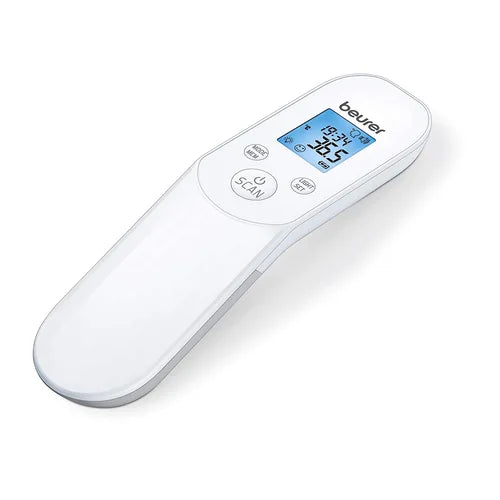
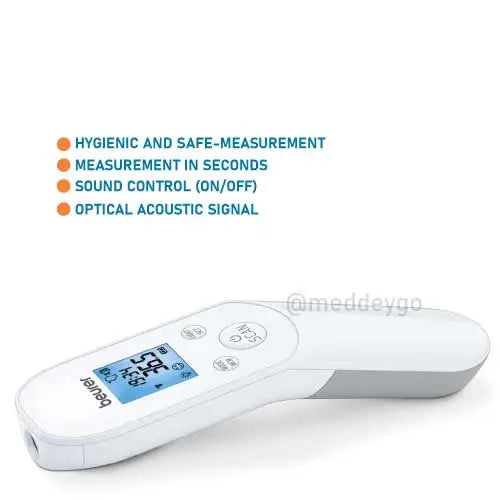
Beurer FT 85 Clinical Non Contact Thermometer


Type: Home Healthcare
Infrared Non Contact Thermometer
Type: Home Healthcare
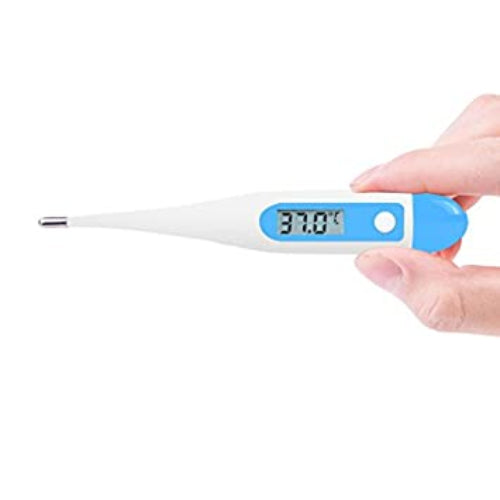
Digital Thermometer Fixed Tip
Collection:
Digital Thermometer: Fast & Accurate Readings & How to Use Guide
Understanding different thermometer options is essential in both clinical and home healthcare settings. Thermometers are fundamental diagnostic tools used to measure body temperature, helping detect fever, infection, and other medical conditions. With advancements in technology, many temperature-measuring devices are now available, offering improved accuracy, speed, and convenience.
From traditional mercury thermometers to modern digital and infrared devices, each option serves a specific purpose. Knowing the major meter categories and their correct usage helps ensure accurate readings and better patient care outcomes.
What is a Thermometer?
A thermometer is a medical instrument used to measure body temperature. It plays a crucial role in diagnosing fever and monitoring patient health. Body temperature is an important vital sign that reflects the body’s physiological condition.
Modern thermometers use various technologies such as digital sensors, infrared radiation, and electronic probes to provide quick and precise readings.
How Many Types Are There?
There are several thermometer types based on their design, working principle, and application. Each one is suited for specific situations such as home use, hospitals, pediatric care, or public screening.
Main Thermometer Categories
Below are the most commonly used temperature-measuring devices in healthcare:
1. Digital
A digital thermometer is one of the most widely used devices today. It uses electronic heat sensors to measure body temperature and displays the result on a digital screen. These thermometers are fast, accurate, and safe, making them ideal for both home and clinical use.
2. Mercury
The mercury thermometer is a traditional device that uses mercury inside a glass tube to measure temperature. Although highly accurate, its use has declined due to safety concerns related to mercury exposure and breakage risks.
3. Infrared
An infrared thermometer measures temperature by detecting infrared radiation emitted from the body. It is commonly used as a non-contact device, making it ideal for quick screening in hospitals, clinics, airports, schools, and public places.
4. Ear (Tympanic)
This thermometer measures temperature inside the ear canal using infrared technology. It provides fast readings and is commonly used for infants, children, and situations where quick temperature checks are needed.
5. Forehead
Forehead thermometers use infrared technology to measure temperature from the temporal artery area.
6. Disposable
Disposable thermometers are single-use devices often used in hospitals to reduce cross-contamination. They are convenient and hygienic, although they may be less accurate than high-quality digital thermometers.
Comparison of Types
| Type | Accuracy | Speed | Best Use |
|---|---|---|---|
| Digital | High | Fast | Home & hospital |
| Mercury | Very High | Slow | Clinical reference use |
| Infrared | Moderate | Very Fast | Screening |
| Ear | High | Fast | Children |
| Forehead | Moderate | Very Fast | Non-contact use |
| Disposable | Basic to Moderate | Moderate | Single-use hospital settings |
How to Use
Using a thermometer correctly ensures accurate readings. The method may vary depending on the type of device used.
- Clean the thermometer before and after use.
- Follow manufacturer instructions carefully.
- Place the thermometer correctly for the chosen method, such as oral, ear, or forehead use.
- Wait for the reading to stabilize or for the beep in digital models.
- Record the temperature if ongoing monitoring is needed.
Quick Facts About
- ✔ Normal body temperature is approximately 98.6°F (37°C), but it can vary slightly.
- ✔ Digital thermometers are the most commonly used due to their safety and accuracy.
- ✔ Infrared thermometers allow non-contact temperature measurement, reducing infection risk.
Important Things You Should Know
Thermometers are essential diagnostic tools, but their accuracy depends on correct usage and maintenance. Improper handling can lead to incorrect readings and misinterpretation of health conditions.
- Always clean the thermometer before and after use.
- Choose the correct device based on age, comfort, and clinical need.
- Avoid eating or drinking before oral temperature measurement.
- Ensure proper placement for accurate readings.
- Replace batteries regularly in digital thermometers.
Advanced Understanding of meter Types
Different thermometer designs are created to meet varying healthcare needs. While digital thermometers are preferred for everyday use, infrared units are widely used for mass screening and quick checks. Mercury thermometers, though highly accurate, are now less common because of safety and environmental concerns.
Healthcare professionals often select a temperature device based on patient age, clinical environment, speed requirements, and desired precision. For example, ear thermometers are often useful for children, while forehead thermometers are preferred when non-contact reading is important.
Usage Tips
✔ Use digital thermometers for routine home monitoring.
✔ Use infrared thermometers for quick screening in public areas.
✔ Avoid mercury thermometers where safer alternatives are available.
✔ Always follow proper hygiene practices during use.
✔ Store thermometers in a safe, clean, and dry environment.
Frequently Asked Questions (FAQ)
Common thermometer types include digital, mercury, infrared, ear (tympanic), forehead, and disposable models. Each one is designed for a particular purpose. Digital units are widely used for home monitoring, infrared devices are preferred for quick and contactless screening, and ear or forehead models are popular in pediatric and high-traffic settings. Choosing the right one depends on speed, convenience, accuracy, and the age of the patient.
Mercury thermometers have historically been considered highly accurate, but digital thermometers now offer comparable accuracy with better safety and convenience. In real-world practice, the most accurate meter is often the one used correctly. Infrared meters can also be reliable, but their performance depends heavily on proper technique, correct distance, and stable environmental conditions.
Choosing the right thermometer depends on who will use it and where it will be used. For home use, digital meters are usually the best option because they are affordable, safe, and easy to use. For children, ear or forehead meters can be more convenient. Hospitals and clinics may require more advanced or specialized models depending on their workflow and patient volume.
Yes, infrared thermometers can provide accurate readings when used correctly. However, their accuracy can be affected by external temperature, sweat, improper positioning, and measurement distance. They are best used according to the manufacturer’s instructions. In screening situations, they are very convenient, but in some clinical cases a confirmatory reading with another device may still be useful.
Digital meters are considered very safe because they do not contain mercury or glass components that can break easily. They are widely used in both home and clinical settings due to their reliability, ease of handling, and low maintenance.
The frequency of temperature measurement depends on the person’s condition. During fever, infection, or illness, temperature may need to be checked multiple times a day to monitor progress. For routine health observation, occasional checks are usually enough. If symptoms worsen or fever persists, the readings should be documented and shared with a healthcare professional.
Conclusion
Understanding thermometer categories is essential for accurate temperature measurement and effective healthcare management. Each option offers its own advantages, from the precision of digital meters to the convenience of infrared devices.
Selecting the appropriate thermometer and using it correctly ensures reliable readings and better health monitoring. With proper knowledge and usage, meters remain indispensable tools in both clinical and home healthcare settings.