
Filter
3 products
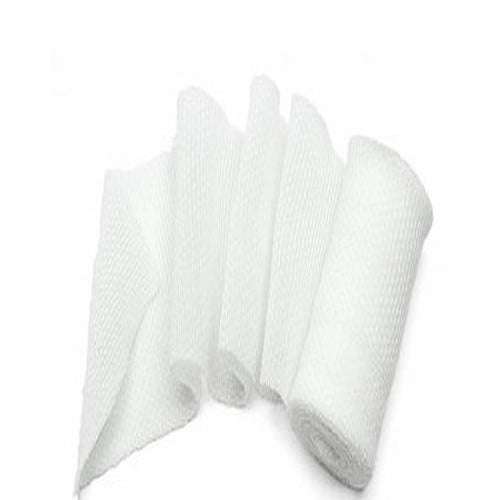
Type: Cotton Bandages
Cotton Bandages (120 Rolls) Woven Fabricated

Type: Tapes & Bandages
Elastic Compression Crepe Bandage
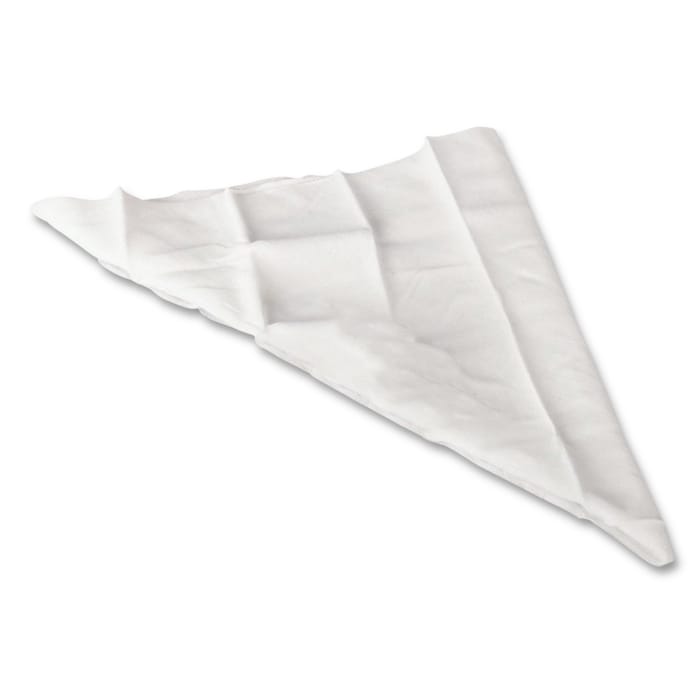
Type: Tapes & Bandages
Triangular Bandage 130cm x 90cm (Pack of 20)
Collection:
Dynaplast Elastic Adhesive Bandage - All Sizes & Variants | MeddeyGo
What is Dynaplast? Material Science & Clinical Philosophy
In the specialized hierarchy of wound care and orthopedics, dynaplast is not merely a tape; it is a complex mechanical device categorized as a Long-Stretch Elastic Adhesive Bandage (EAB) . To fully grasp elastic adhesive bandage uses, one must understand its construction. Dynaplast is composed of high-twist cotton yarns combined with elastic fibers, which are then coated with a specialized porous adhesive. This creates a "Dynamic Splint" effect—providing the rigidity of a cast with the flexibility of a textile.
The core philosophy behind the dynaplast bandage is "Controlled Compression." When a clinician applies a dynaplast plaster, they are engaging in a form of passive therapy. The bandage exerts a constant resting pressure on the underlying tissues. This is crucial for managing venous return in patients with varicose veins or post-thrombotic syndrome. Unlike non-elastic bandages that become loose when the muscle is at rest, the Regain Length of Dynaplast ensures that the pressure remains therapeutic 24/7.
The Porosity Breakthrough
One of the primary reasons surgeons specify dynaplast is its Porous Adhesive Matrix . Traditional adhesive bandages trap heat and sweat, leading to "maceration"—the softening and breaking down of skin. Dynaplast's adhesive is applied in a pattern that leaves microscopic "air channels." This allows for high-velocity moisture vapor transmission, ensuring the skin remains dry and intact even under high-compression loads.
Furthermore, the "Flesh Colour" of the dyna plaster serves a psychological clinical purpose. For patients requiring long-term bandaging—such as those recovering from reconstructive surgery or managing chronic edema—the neutral tone reduces the "sick-label" stigma, improving patient compliance. From a technical standpoint, the adhesive is zinc-oxide based, which provides mild antiseptic properties and ensures Minimum Residue upon removal, a critical factor for geriatric patients with fragile skin "tissue paper" syndrome.
Sports Medicine: The Biomechanics of Dynaplast Bandaging
When discussing dynaplast uses in sports medicine, the focus shifts from simple protection to "Proprioceptive Feedback." When an athlete wears a dynaplast bandage around a vulnerable joint like the ankle or knee, the pressure on the skin receptors tells the brain exactly where the joint is in space. This significantly reduces the risk of re-injury during high-intensity maneuvers.
A common question is: Can I use Dynaplast Elastic Adhesive Bandage for sports injuries? Clinically, it is the preferred choice for "Active Recovery." For instance, in a Grade II Ankle Sprain, a rigid tape might be too restrictive, causing the surrounding muscles to atrophy. However, the dynaplast plaster allows for the natural expansion of the calf muscle during movement while preventing the "Inversion" motion that caused the injury in the first place.
"Regain Length" & Compression Memory
In technical specs, dynaplast is praised because its Regain Length is appreciably less than its stretched length. In layman's terms: the bandage doesn't get "tired." Cheaper bandages lose 30% of their tension within an hour of exercise. Dynaplast maintains its "Elastic Memory," providing consistent stabilization through an entire 90-minute football match or a marathon.
The Good Extensibility of the dynaplast bandage makes it "Easy to Wrap" around complex, multi-axial joints like the shoulder or the heel. Physiotherapists use it to "Unload" tendons. By applying the bandage with 50% stretch over a strained Achilles tendon, the bandage absorbs a portion of the mechanical load during walking, allowing the tendon to heal while the patient remains mobile. This "Functional Loading" is the cornerstone of modern sports rehabilitation.
Clinical Edema Management: The Physics of Fluid Drainage
Does dynaplast help reduce swelling? To answer this, we must look at the "Starling Principle" of fluid dynamics. Swelling (Edema) occurs when the pressure inside the blood vessels is higher than the pressure in the surrounding tissue, causing fluid to leak out. By applying an elastic adhesive bandage, we increase the "Tissue Hydrostatic Pressure."
This external force literally pushes the fluid back into the lymphatic capillaries. Because dynaplast is an adhesive bandage, it doesn't "slip" down the limb. Non-adhesive crepe bandages often slide down as the swelling decreases, leading to a loss of therapeutic pressure. Dynaplast stays exactly where the doctor applied it, ensuring the "Pressure Gradient" remains intact.
Warning: The "Tourniquet Effect"
- Clinical Warning: Because of its high elasticity, it is easy to over-tighten dynaplast. If the patient experiences numbness, tingling (paresthesia), or coldness in the fingers or toes, the bandage must be removed and reapplied immediately. Always wrap "Distal to Proximal" (from fingers/toes toward the heart) to assist venous return.
For surgical post-op care, dynaplast uses involve the prevention of "Dead Space." After a tumor removal or a plastic surgery procedure, fluid can collect in the space where tissue was removed. A firm application of dynaplast compresses these layers together, promoting faster "re-attachment" of tissue layers and significantly reducing the risk of infection and seroma formation.
Dynaplast Specifications: Sizes, Variants & Color Palette
When hospital procurement departments look to buy dynaplast online, they must navigate a variety of widths and lengths designed for different anatomical regions. A dynaplast bandage used for a finger sprain is technically identical in material to one used for a thigh strain, but the width dictates the pressure distribution.
Table 1: Size Options for Dynaplast Elastic Adhesive Bandage
| Width (cm/in) | Standard Length | Primary Clinical Application |
|---|---|---|
| 5 cm (2 in) | 4m / 6m (Stretched) | Wrist, Ankle, and Pediatric Limb Support |
| 7.5 cm (3 in) | 4m / 6m (Stretched) | Elbow, Lower Leg, and Small Knee Joints |
| 10 cm (4 in) | 4m / 6m (Stretched) | Thigh, Knee, and Post-Op Abdominal Support |
| 15 cm (6 in) | 4m / 6m (Stretched) | Large Torso Fixation and Hip Stabilization |
In terms of colour options, Dynaplast is predominantly manufactured in a "Flesh/Tan" shade. This is not purely aesthetic; the flesh-colored dye used in a dyna plaster is often formulated to be non-reactive with the adhesive, ensuring that the bandage maintains its Porous Adhesive properties. While some sports variants may come in white, the flesh-colored version remains the clinical standard for its ability to blend with bandages and clothing during long-term therapy.
How Long Can I Wear Dynaplast Safely?
A common patient query is: How long can I wear Dynaplast Elastic Adhesive Bandage safely? In a clinical setting, the duration depends on the goal of the therapy. For acute injury stabilization, a dynaplast bandage is typically worn for 24 to 48 hours before being removed for skin inspection.
Because of the Porous Adhesive which gives a longer life to the bandage, Dynaplast can technically stay adhered for up to 5 days. However, medical professionals recommend a "Check and Re-wrap" every 48 hours. This is to ensure that as the swelling goes down, the elastic adhesive bandage uses remain therapeutic. If the bandage becomes loose, it will no longer provide the necessary compression to manage edema.
For patients with chronic venous issues, the dynaplast plaster may be integrated into a multi-layer compression system that stays on for a full week. In these cases, the clinician must ensure the skin is prepped with a barrier film to prevent "Adhesive Trauma" during the eventual removal of the dyna plaster.
Is Dynaplast Suitable for All Skin Types?
The adhesive used in dynaplast is a high-quality Zinc Oxide base. Zinc oxide is naturally soothing to the skin and has mild antimicrobial properties. This makes the dynaplast bandage suitable for the majority of skin types. However, "Adhesive Sensitivity" is a real clinical concern, especially in adult patients or those with history of contact dermatitis.
The Minimum Residue feature is what sets Dynaplast apart for sensitive skin. When removing a cheaper elastic adhesive bandage, the adhesive often "tears" at the stratum corneum (the top layer of skin). Dynaplast is designed to release cleanly. Furthermore, the porosity ensures that sweat—a common irritant—doesn't get trapped against the skin.
If you have an allergy to latex, you must check the specific variant packaging. While many modern dynaplast plaster formats are latex-free, the classic orthopedic versions may contain natural rubber latex in the elastic fibers. For these patients, a "Barrier Wipe" or a layer of stockinette should be used under the dyna plaster to prevent direct contact.
Market Analysis: Dynaplast Price in India
The price of Dynaplast in India varies based on the width and the length of the roll. Typically, a standard 10cm x 4m roll is priced between ₹250 to ₹450 , depending on whether it is a single pack or part of a clinical bulk order. When compared to generic crepe bandages (which cost ₹50-₹100), the dynaplast price reflects its "Active Support" technology.
When you buy dynaplast online from MeddeyGo, the value is found in the "Total Cost of Care." Because a single dynaplast bandage provides better support for a longer duration than 5 generic bandages, it is actually the more cost-effective choice for long-term rehabilitation. Hospitals prefer it because it reduces "Nurse Intervention Time"—the time spent fixing slipping bandages.
| Product Variant | Average Price (INR) | Value Proposition |
|---|---|---|
| Dynaplast 5cm | ₹180 - ₹220 | Ideal for small joint sprains |
| Dynaplast 10cm | ₹380 - ₹440 | Best for post-surgical compression |
| Bulk Clinic Pack (10 Rolls) | ₹3200 - ₹3800 | Optimized for OPD and OT use |
Mastering the Wrap: Anatomical Application Guide
Applying a dynaplast bandage is a clinical art form. Because it is an adhesive product with high "Elastic Recoil," improper application can lead to skin shearing or circulatory compromise. The goal of elastic adhesive bandage uses is to provide "Compression without Constriction."
A. The Figure-of-Eight Ankle Wrap
For ankle sprains, the dynaplast plaster must stabilize the talofibular ligaments. Start by making two "anchor" circular turns around the mid-foot. Move diagonally across the top of the foot, around the back of the ankle (Achilles area), and back down. This "Figure-of-Eight" pattern ensures that the dyna plaster provides lateral stability while allowing the foot to move up and down (plantar/dorsiflexion).
B. The Knee Stabilization (Patellar Tracking)
When using dynaplast for knee pain, the focus is often on the patella. Apply two strips of dynaplast bandage in a "V" shape below the kneecap to support the patellar tendon. Because Dynaplast has Good Extensibility , it will expand when you sit and contract when you stand, maintaining a constant pressure that generic crepe bandages lose immediately.
Ensure the skin is clean, dry, and free of hair. Hair trapped under dynaplast makes removal painful and reduces adhesion.
Apply with roughly 50% stretch. Never stretch to 100% during application as this creates a tourniquet effect.
Each turn of the dynaplast bandage should overlap the previous one by 50% to ensure even pressure distribution.
Smooth down the edges firmly. The heat from your hands helps activate the porous adhesive for a longer life.
What is Another Name for Leukoplast Tape? The Comparison
In the medical supply world, people often confuse Leukoplast with Dynaplast. While both are manufactured under rigorous clinical standards, their mechanical properties are opposites. Leukoplast is a rigid zinc-oxide tape (also known as "ZOP" or Zinc Oxide Plaster). It has zero stretch.
Dynaplast, on the other hand, is an Elastic Adhesive Bandage (EAB) . Use Leukoplast when you want to "freeze" a joint (like a jammed finger). Use Dynaplast when you want to support a joint but allow it to function (like an athlete's ankle).
| Feature | Dynaplast (EAB) | Leukoplast (Rigid Tape) |
|---|---|---|
| Elasticity | High (Long-Stretch) | None (Zero-Stretch) |
| Primary Goal | Compression & Support | Rigid Immobilization |
| Breathability | High (Porous Adhesive) | Moderate |
| Best For | Muscle strains/Edema | Wound dressing/Splinting |
Maintenance: Is Dynaplast Washable?
A unique feature of the dynaplast bandage is that it is Easily Washable with Lukewarm Water . However, there is a technical caveat. When you wash a dyna plaster, you are primarily cleaning the cotton fabric and the elastic fibers to restore their "Elastic Memory."
The adhesive properties will diminish after washing. Therefore, a washed dynaplast bandage is usually relegated to "Support-Only" use, where it is secured with safety pins or additional tape rather than its own adhesive. This is excellent for home-care scenarios where the dynaplast price makes single-use expensive.
How to Wash Properly:
- Use only lukewarm water; hot water can damage the elastic polymers.
- Use a mild soap; avoid harsh detergents that leave chemical residues.
- Do not wring. Squeezing the bandage harshly breaks the internal elastic threads.
- Dry flat in the shade. Direct sunlight makes the adhesive side "gummy" and unusable.
Because it has Good Extensibility & After Stretching It, the Regain Length is Appreciably Less , proper washing helps the fibers "snap back." This ensures that the elastic adhesive bandage uses remain effective for multiple sessions of light rehabilitation.
Clinical Intelligence: Dynaplast Advanced FAQs
Absolutely, but with clinical precision. In the immediate "Acute Phase" (first 0-72 hours) of a muscle tear, dynaplast serves as the primary compression tool in the R.I.C.E. protocol. Unlike standard bandages, the dynaplast bandage provides "Mechanical Hemostasis"—the pressure helps to constrict ruptured capillaries, thereby limiting the size of the internal hematoma (bruising). By restricting the expansion of the muscle, it prevents further fiber separation. However, it must be applied over a primary non-adherent dressing if there is an open wound. Its high elastic "Regain Length" ensures that as the initial inflammatory swelling peaks, the bandage expands, and as it subsides, the bandage contracts to maintain constant support.
The reduction of swelling via a dynaplast plaster is governed by "LaPlace’s Law." This law states that the pressure exerted by a bandage is proportional to the tension and the number of layers, and inversely proportional to the radius of the limb. Dynaplast uses this principle to increase interstitial hydrostatic pressure. This force counteracts the high capillary pressure that pushes fluid into the tissues. Because Dynaplast is an adhesive bandage, it maintains a "Static Stiffness Index" higher than non-adhesive wraps. This means every time the patient moves their muscle, the muscle pushes against the semi-rigid dyna plaster, creating a "Pump Effect" that moves lymphatic fluid toward the regional lymph nodes for drainage.
While dynaplast is designed for high-performance adhesion, it contains a specialized Zinc-Oxide based adhesive that is generally hypoallergenic. For pediatric use, it is excellent for securing splints because children are prone to wiggling out of standard wraps. For geriatric skin, caution is advised. Aging skin has a thinner basement membrane, making it susceptible to "Medical Adhesive Related Skin Injury" (MARSI). To mitigate this, clinicians often apply a "Skin Barrier Wipe" before the dynaplast bandage. The Porous Adhesive is the saving grace here; it allows the skin to breathe, preventing the moisture build-up that usually softens and weakens the skin under long-term bandaging.
In a standard orthopedic or surgical context, a dynaplast bandage can be worn safely for 24 to 72 hours . The limiting factor is not the adhesive strength—which can often last over a week—but the physiological need for skin inspection and neurovascular checks. If used for "Compression Therapy" in venous ulcers, it may stay on for up to 7 days under a doctor's supervision. However, for home users, the bandage should be removed if there is any "Window Edema" (swelling popping out at the edges), significant itching, or if the dynaplast price effectiveness is compromised by the bandage becoming soiled. Always remove by "walking" your fingers under the tape or using an adhesive remover to prevent skin stripping.
Size selection is critical for therapeutic efficacy. For fingers and toes, the 5cm dynaplast bandage is necessary to avoid "bulk" that prevents joint movement. The 7.5cm variant is the "Universal Size," perfect for adult wrists and ankles. For larger muscle groups like the quadriceps, hamstrings, or for post-op abdominal binding, the 10cm or 15cm dyna plaster is mandatory. Using a size that is too narrow for a large limb creates high-pressure "ridges" that can cause skin necrosis. Conversely, using a 15cm roll on an ankle will result in "creasing," which creates air pockets where bacteria can flourish, defeating the purpose of the Porous Adhesive .
The fundamental difference lies in "Fixation" and "Elastic Power." A standard crepe bandage is a "Short-Stretch" non-adhesive wrap. It provides support only as long as the tuck or clip holds. It frequently slips, especially on joints like the knee. Dynaplast is a "Long-Stretch" adhesive bandage. It chemically bonds to the skin or the underlying layer, meaning it cannot slip. Furthermore, Dynaplast has a significantly higher "Working Pressure"—the pressure exerted when the muscle is active. While the dynaplast price is higher, its ability to remain therapeutic for 48 hours without adjustment makes it far more cost-effective than a crepe bandage that needs re-wrapping every 3 hours.
Why Choose MeddeyGo?
Clinical Grade Authenticity
We source directly from certified manufacturers, ensuring your dynaplast bandage has the genuine "Regain Length" and Zinc-Oxide adhesive properties required for medical use.
Precision Inventory
Adhesive products have a shelf life. At MeddeyGo, we utilize "First-In-First-Out" (FIFO) logic to ensure the dynaplast plaster you receive is fresh and at peak tackiness.
Unbeatable Economics
Our dynaplast price in India is optimized for both individual patients and bulk hospital procurement, ensuring high-quality care is accessible to all.
Final Conclusion
Whether you are an elite athlete recovering from a ligament strain, a surgeon preventing post-operative hematomas, or a patient managing chronic venous edema, dynaplast is the definitive choice for elastic adhesive support. Its unique blend of high-twist cotton, porous adhesive, and "Elastic Memory" provides a level of stabilization that generic bandages simply cannot replicate.
By understanding the nuances of elastic adhesive bandage uses—from the "Figure-of-Eight" wrap to the physics of hydrostatic pressure—you can significantly accelerate the healing timeline. Always remember to prioritize skin health by choosing a porous, flesh-colored dyna plaster and following professional removal protocols.
Step Into Recovery with Confidence
Professional-grade Dynaplast Bandages available in all sizes. Guaranteed high-tack adhesion and maximum breathability.