
Type: Nursing
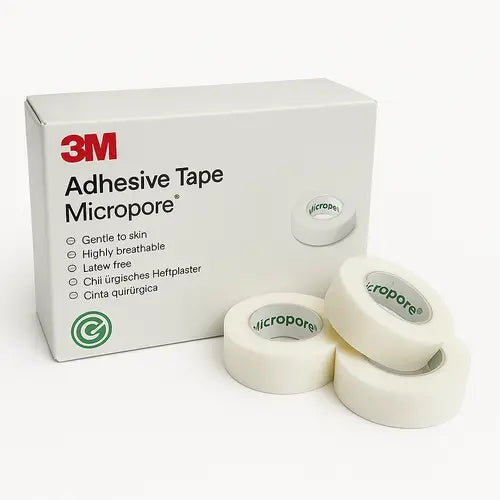
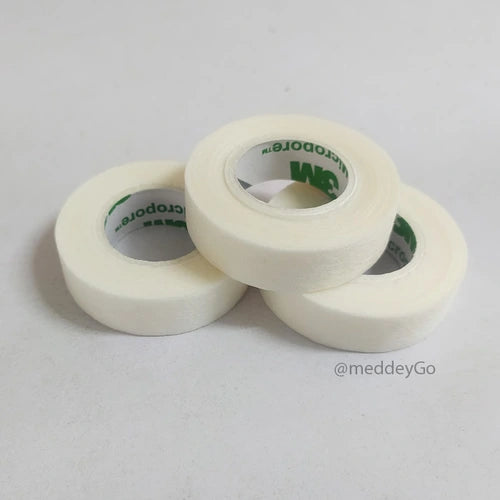
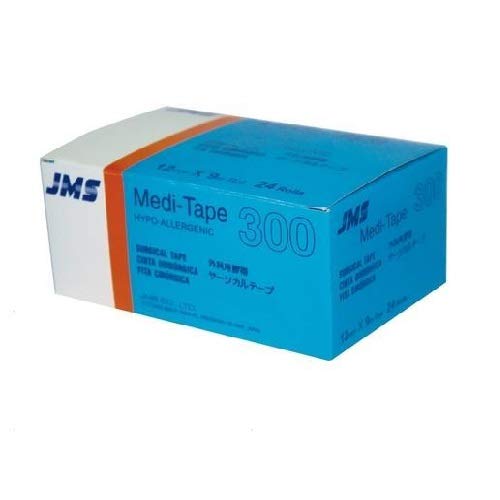
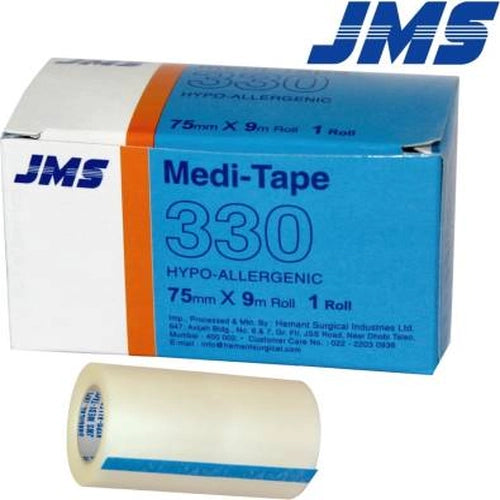
JMS Medi Tape Micropore Dressing
Type: Instruments
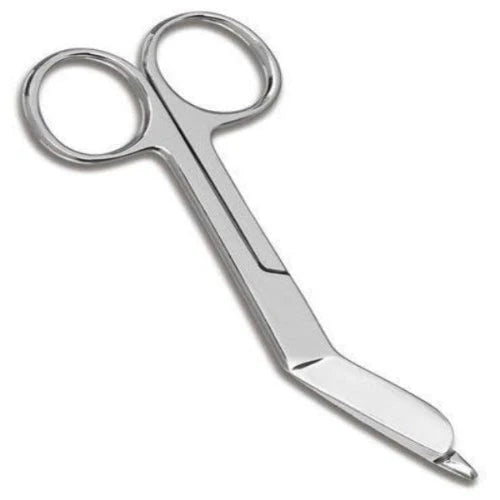
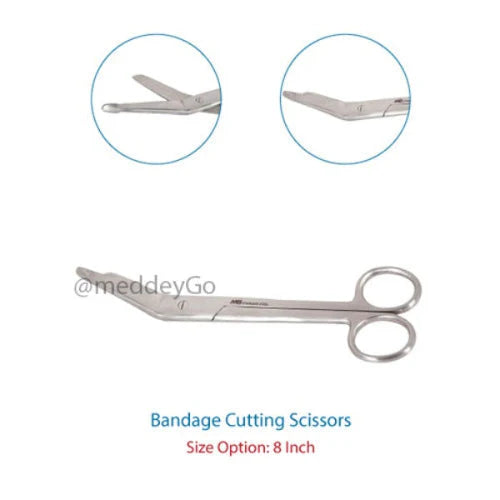
Bandage and Plaster Cutting Scissor 7.5 Inch


Type: General
Autoclave Tape Steam Sterilization Indicator Tape 19mm x 50 Mtr

Type: Tapes & Bandages
Generic Kinesio Athletic Sports Kinesiology Tape - 5m x 5cm


Type: General Accessories
Head Circumference Measuring Tape, PVC, Reusable (Pack of 4)
Type: Tapes & Bands
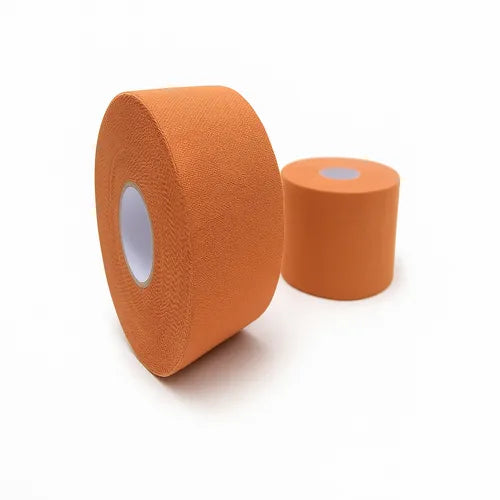
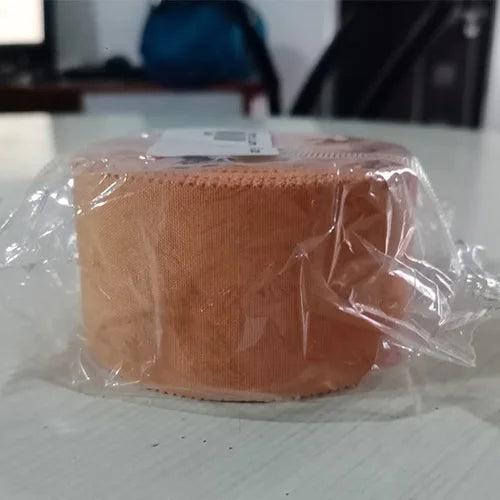
Premium Rigid Tape
Type: Tapes & Bandages
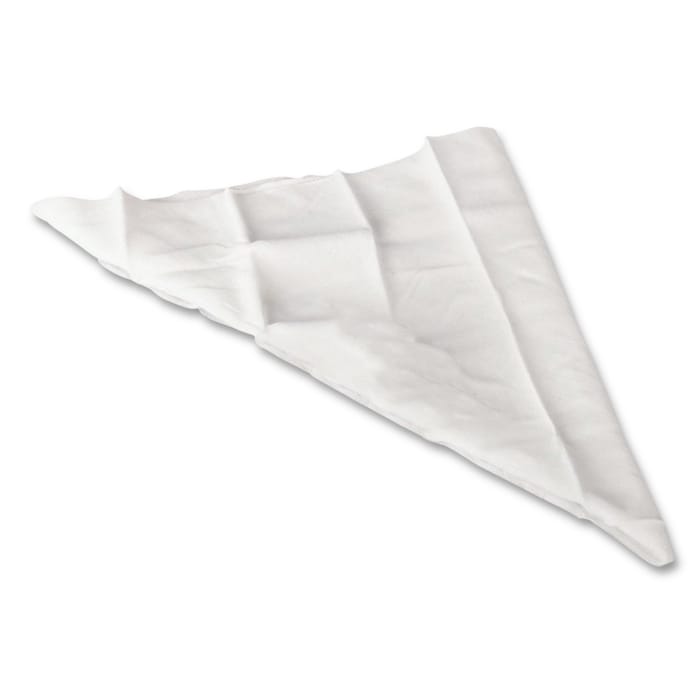
Triangular Bandage 130cm x 90cm (Pack of 20)

Type: Medansh
Rigid Tape 2.5cm W X 13.7m
Type: General Accessories
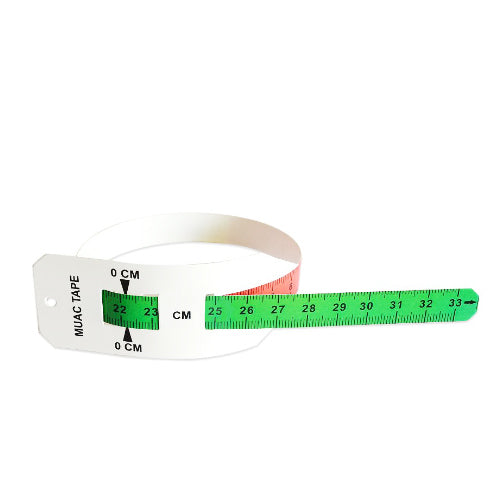
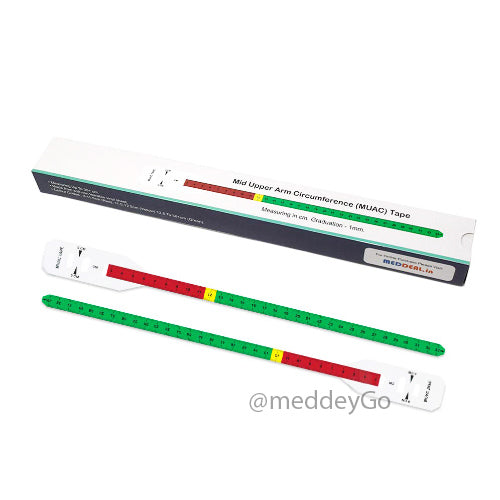
Muac Measuring Tape (Pack of 10)
Type: Tapes & Bands
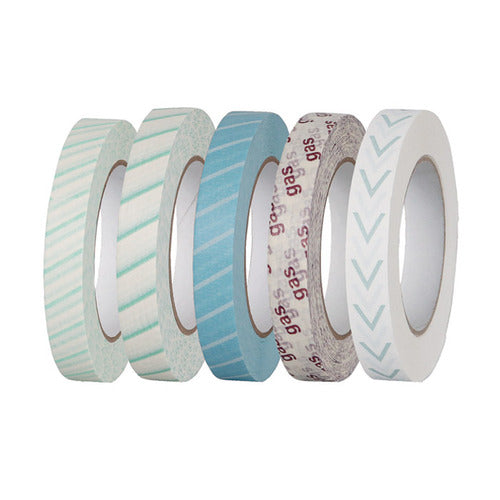
ETO Indicator Tape 50 Mtr
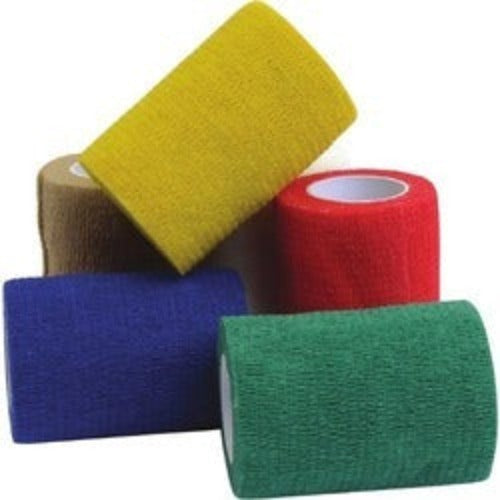
Type: Tapes & Bandages
Cohesive Tape 5 Yards Length


Type: Tapes & Bandages
Elastic Compression Crepe Bandage for Support & Medical Care
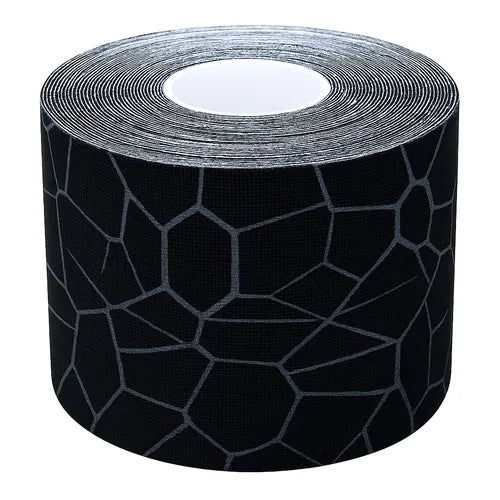
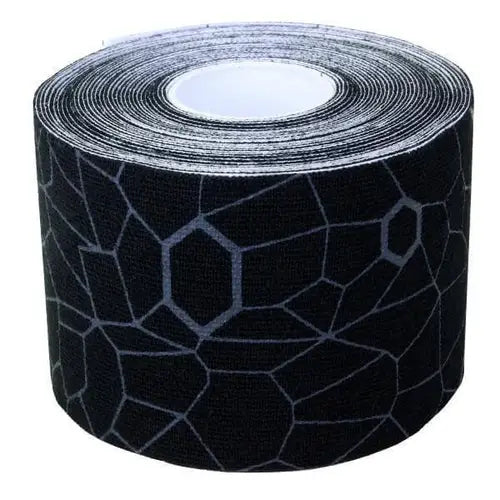
Type: Tapes & Bands
Theraband USA Kinesiology Tape Black Grey Print
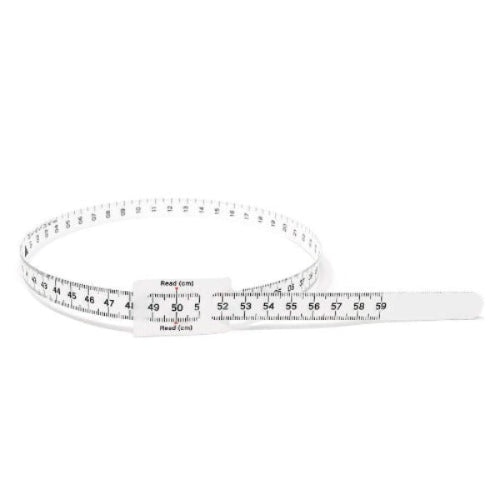
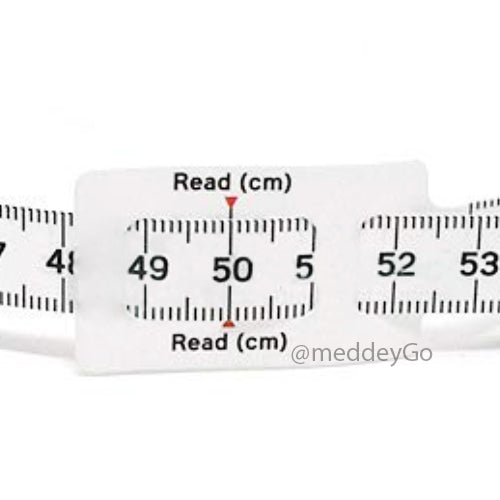
Type: General Accessories
Head Circumference Measuring Tape, PVC, Reusable (Pack of 10 Pcs.)
Collection:
Understanding Dynaplast: A Comprehensive Overview
We've all been there: you put a bandage on a knuckle, and it pops off the second you bend your finger. Or you try one on your knee, and it feels more like a stiff splint than a comfortable covering. The problem isn't that you're using it wrong; it's that traditional bandages were not designed for a body that needs to move.
This frustration extends beyond just stiffness. Think about what happens after you simply wash your hands. A standard plastic bandage often peels at the edges, while a fabric one can become a soggy mess that traps moisture against your skin. In practice, this lack of breathability can create an environment that isn't ideal for proper healing, making a simple cut more of a hassle than it needs to be.
What if a dressing could work with your life, not against it? The ideal for any first-aid kit is a bandage that acts like a second skin---one that stretches when you move, stays on when wet, and lets your skin breathe naturally. It would protect the wound without constantly reminding you it's there, giving you the freedom to go about your day without compromise.
This isn't a futuristic concept; it's the basis for a smarter approach to wound care. A specific type of advanced dressing was created to solve these exact problems, and understanding the different Dynaplast uses can change how you treat minor injuries. It's all built on the simple but powerful idea of the Dynaplast bandage.
What is Dynaplast, and Why Is It Called a 'Second Skin'?
At its core, Dynaplast is a modern, elastic adhesive bandage. Unlike the stiff plastic or simple fabric bandages you might be used to, it's designed to solve their most common frustrations. Think of it less like a piece of tape and more like a high-performance athletic fabric for your skin. Its primary job is to protect wounds on moving body parts---like knuckles, knees, and elbows---without peeling off or restricting your movement.
The nickname "second skin" comes from its ability to mimic how healthy skin behaves. A regular plastic bandage traps moisture and heat, which can make the skin pale and wrinkly. Dynaplast, however, is breathable; it has microscopic pores that let air circulate and moisture escape, keeping the area drier and more comfortable. This breathability, combined with its incredible flexibility, is what makes it feel so different from anything you've used before.
So, what are the core properties that make this "second skin" so effective? It all comes down to a few key features:
- Stretches in multiple directions to move with your joints.
- Allows air and moisture to escape, which helps the healing process.
- Sticks securely but gently, providing reliable protection without painful removal.
These qualities work together to create a bandage that protects you so well, you can almost forget it's there. But how exactly does it manage to be so flexible and stay put?

The Secret to a Bandage That Stays Put: Unpacking Dynaplast's Flexibility
Ever put a bandage on your knuckle, only to have the edges lift up the second you bend your finger? That happens because a stiff material can't move with your skin; instead, it pulls against the adhesive until it gives up. Dynaplast solves this problem with its built-in elasticity. The material itself stretches and flexes, moving like a part of you. This means the adhesive isn't fighting a constant battle to stay on, allowing the bandage to remain securely in place, even on the most awkward joints.
This unique stretchiness is what makes Dynaplast so effective for high-movement areas. For scrapes that cause surface-level knee pain or cuts on an elbow, it offers protection that won't peel away after a few hours of activity. The bandage conforms to the shape of the joint, whether it's bent or straight, providing a comfortable and reliable barrier against dirt and germs without limiting your range of motion. It works with your body, not against it.
This flexibility is for comfortable coverage, not heavy-duty support. Dynaplast is designed to protect surface wounds like cuts and scrapes. It is not the right tool for the deep compression needed for sprains and strains , nor is it meant to function as ankle support. Its purpose is to act as a protective second skin, not a brace. But staying on is only half the battle; for a wound to heal well, the bandage also needs to let your skin breathe.
Better Healing Through Breathability: Why Trapped Moisture Is the Enemy
Ever peel off a regular plastic bandage to find the skin underneath is white, soggy, and wrinkled? This common issue, especially when a bandage is left on overnight, is caused by trapped moisture. This waterlogged state doesn't just feel unpleasant; it can soften the skin so much that it actually slows down healing and makes the surrounding area more fragile. For a wound to repair itself efficiently, it needs protection, but it also needs to breathe.
The intelligent design of a Dynaplast bandage directly prevents this. Instead of forming a solid plastic seal, the material is breathable. Think of it like modern athletic fabric: it has microscopic pores that are too small for outside water and germs to get in, but large enough for your skin's natural moisture to escape. This constant air exchange is crucial for many dynaplast bandage uses, as it keeps the skin drier and avoids that soggy, weakened state that hinders recovery.
Ultimately, this breathability reduces the risk of irritation, one of the most common dynaplast plaster side effects people worry about with any adhesive product. By balancing robust protection with the need for air, it helps create an ideal healing environment. While this makes it perfect for cuts and scrapes, its role is very different from that of other bandages, making it crucial to know when a different tool, like a crepe bandage, is the right choice.

Dynaplast vs. Crepe Bandage: Which One Do You Actually Need?
After learning how Dynaplast protects cuts and scrapes, it's easy to think it's the solution for every minor injury. However, the world of first aid includes different tools for different problems. A common point of confusion is the difference between an adhesive bandage like Dynaplast and a non-sticky, roll-on crepe bandage. Knowing which one to grab can make all the difference in providing the right care.
The most important distinction in the dynaplast vs crepe bandage debate comes down to one simple rule: Dynaplast is for covering , while a crepe bandage is for compressing. Dynaplast acts as a protective shield for broken skin, like a cut on your finger or a scraped knee. Its job is to stick to the surrounding skin, keep germs out, and create a safe environment for healing.
A crepe bandage, on the other hand, provides support and gentle pressure. Think of it as a firm hug for a sprained ankle or a sore wrist. It's a long, elastic cloth roll that you wrap around a joint to reduce swelling and limit movement. It has no adhesive and is not designed to cover an open wound directly.
Both are essentials, which is why you'll find them in first-aid kits and see them as common items for which bandage is mostly used in hospitals. But they are not interchangeable. Using a crepe bandage on a cut won't seal it from bacteria, and trying to wrap a sprain with a small Dynaplast will offer no support. Choosing the right one starts with asking: do I need to cover a wound or support a joint?

How to Apply Dynaplast for a Perfect, Lasting Fit: The 3-Step Method
You might think applying a flexible bandage is straightforward, but getting Dynaplast to feel like a second skin requires a specific technique. The biggest mistake people make is stretching it tightly over a wound, thinking a tighter fit is better. In reality, this causes the material to constantly pull back, which lifts the edges and irritates your skin. The secret to a lasting application is to work with its flexibility, not against it.
Learning how to apply Dynaplast correctly is easy once you know the professional approach. This simple guide to dynaplast application can be broken down into three quick steps: Prep, Place, and Press.
- 1. PREP: Start with clean and, most importantly, completely dry skin. Any lotion, oil, or moisture will prevent the adhesive from forming a strong bond.
- 2. PLACE: Peel the backing away and lay the bandage flat over the area. The golden rule is: do not stretch it. Simply place it smoothly onto the skin.
- 3. PRESS: Smooth the bandage from the center outwards to eliminate any air bubbles. To finish, press and hold the edges with the warmth of your hand for 10-15 seconds. This helps the adhesive meld to your skin for a secure, long-lasting seal.
Following these simple dynaplast strapping techniques is the key to preventing curled edges and ensuring the bandage stays on through hand washing and daily movement.
Guide to Strapping a Knee: How to Apply Dynaplast for Pain and Minor Support
Beyond covering simple cuts, the flexibility of Dynaplast makes it excellent for providing light support to aching joints. If you're wondering how to apply Dynaplast for knee pain from overuse or minor instability, this four-strip method can offer gentle reinforcement. Remember, the goal isn't to immobilize the joint, but to give your brain a subtle reminder to be mindful of its movement, which can help reduce discomfort.
First, you'll create two "anchor" strips. While sitting with your knee slightly bent, apply one strip of tape horizontally around your leg about two inches above your kneecap. Apply a second anchor strip in the same way about two inches below your kneecap. Don't stretch the tape tightly; just lay it smoothly. Think of these anchors as the secure foundation that the rest of the support will attach to, ensuring nothing peels away as you move.
With your anchors in place, you'll create the supportive "X." Take a new strip of tape and place one end on the outer edge of your top anchor. Run it diagonally down across the front of your knee, attaching the other end to the inner edge of your bottom anchor. Repeat this with a final strip, starting from the inner edge of the top anchor and crossing down to the outer edge of the bottom one, forming an "X" directly over your knee.
This simple guide to Dynaplast strapping techniques is intended for minor aches and feelings of weakness. While using Dynaplast for sprains and strains can offer comfort during recovery, it is not a substitute for medical evaluation. If you experience sharp pain, significant swelling, or cannot put weight on your leg, it is essential to stop and consult a doctor immediately.

How Long Should You Wear Dynaplast? (And Can You Sleep With It On?)
After applying a bandage, the next big question is always about timing. For most minor cuts and scrapes, a good rule of thumb for how long should you wear Dynaplast is to change it every 24 to 48 hours. This allows you to check on the wound's healing progress and, most importantly, keep the area clean. Regular changes are a key part of proper wound care and one of the most effective Dynaplast bandage uses.
Of course, life happens. You should change your bandage immediately if you notice any of these signs, regardless of how long it's been on:
- The edges are peeling up and no longer creating a seal.
- It is visibly dirty or has been soaked (like after a shower).
- The absorbent pad is wet or has fluid soaking through.
And can you sleep with Dynaplast on? Absolutely. Because the material is breathable, it allows air to circulate overnight, which helps create a healthy healing environment. This prevents the skin from becoming overly moist and white, a common issue with traditional plastic bandages.
Removing Dynaplast Tape Without Pain: 2 Easy Tricks
We've all been taught to rip bandages off quickly, but that's actually the most painful way. For effective and gentle removing dynaplast tape without pain, the secret is to go low and slow. Instead of pulling the tape straight up and away from you, fold it back over itself and peel it away while keeping it parallel and close to your skin. This simple change in angle puts less stress on your skin, dramatically reducing the "ouch" factor.
For an even gentler approach, especially in sensitive areas, you can use a common household item: oil. Dab a little baby oil, coconut oil, or even olive oil onto the edges of the dynaplast tape with a cotton ball. Let it sit for a minute or two to work its magic. The oil helps to break down the adhesive (the sticky part), allowing the bandage to lift off effortlessly without any pulling. This method is particularly great for children or anyone with delicate skin.
Even with the best removal technique, you might sometimes notice a little redness right after. This is usually just temporary irritation from the adhesive. However, if that redness persists or feels itchy, it's worth asking if you're experiencing one of the minor dynaplast plaster side effects.
Are There Side Effects? What to Know About Skin Reactions
The most common of the dynaplast plaster side effects is a mild skin reaction, but it's quite rare. This is because one of the key dynaplast benefits is that it's hypoallergenic, meaning the material is specifically designed to be less likely to cause allergies. However, just like with certain soaps or lotions, a very small number of people have skin that can be sensitive to any kind of adhesive, no matter how gentle it is.
It's helpful to know the difference between simple irritation and an actual allergic reaction. A little temporary redness right after you peel the tape off is usually just irritation from the adhesive sticking to your skin---think of it like the mark a tight sock leaves on your ankle. An allergic reaction, on the other hand, is more noticeable. It typically involves an itchy rash, small bumps, or persistent redness that doesn't fade away quickly.
If you notice any discomfort that seems like more than temporary redness, the first step is to gently remove the plaster and wash the area with soap and water. If the reaction is mild and fades shortly after, you may just have sensitive skin. But if the area remains itchy, bumpy, or irritated, it's best to stop using the product.
Finding Your Fit: A Quick Guide to Dynaplast Types, Sizes, and Cost
Choosing the right Dynaplast product is much simpler than it sounds, as each format is designed for a specific kind of situation. Instead of a one-size-fits-all approach, you can pick the perfect tool for the job, whether you're dealing with a scraped knee, a kitchen cut, or a joint that needs support. The different types of Dynaplast tape and plasters are all about giving you a better, more comfortable way to protect a wound.
Dynaplast generally comes in three main formats, making it easy to choose the right one:
- Rolls of Tape: Think of this as a versatile, cut-to-fit option. It's ideal for wrapping a sprained wrist or ankle for light support, or for securing a larger gauze pad over an awkward area like a knee or elbow.
- Pre-cut Plasters: These are your everyday, ready-to-use bandages for common cuts and scrapes. They come in various shapes and sizes, perfect for a fingertip cut or a child's scraped shin.
- Small Patches: These are typically small, round dressings designed for very specific spots, like covering the area after a vaccination or protecting a small, emerging blister.
When it comes to dynaplast bandage price and sizes , you'll find plenty of variety. As for what is the price of Dynaplast in India , it is generally very affordable. A single plaster can cost just a few rupees, while the dynaplast tape price for a full roll usually falls in the range of ₹50 to a couple of hundred rupees, depending on its size. This makes it an accessible option for any home first-aid kit.
From First-Aid Frustration to Confident Care: Your Dynaplast Action Plan
Gone are the days of feeling frustrated by stiff, soggy bandages that fall off at the worst moment. You now understand that a simple plaster can do more than just cover a cut---it can work with your body. By grasping the core benefits of using Dynaplast plaster, you've seen how flexibility, breathability, and reliable adhesion create a more comfortable and effective healing environment.
This new knowledge empowers you to make smarter choices for yourself and your family. The next time you face a scrape or blister, run through this quick mental checklist before you choose a bandage:
-
- **Your New Bandage Checklist:**Does it stretch with you?
- Does it let your skin breathe?
- Is the adhesive gentle but strong?
- Does it solve your specific problem (coverage vs. compression)?
The next time you reach for a Dynaplast bandage or any other, you'll know exactly what to look for. You are no longer just passively covering a wound; you're actively choosing a smarter, more comfortable way to heal. This shift in perspective is the real power behind understanding Dynaplast---turning a simple first-aid item into a tool for better care.
Q&A
Question: What makes Dynaplast a "second skin" compared to regular bandages? Short answer: Dynaplast is an elastic adhesive bandage that moves and breathes like healthy skin. It stretches in multiple directions so it doesn't peel at joints, uses breathable material with microscopic pores to let moisture escape (reducing that soggy, white skin effect), and adheres securely yet gently for comfortable, long-lasting protection.
Question: When should I use Dynaplast versus a crepe bandage? Short answer: Use Dynaplast to cover and protect broken skin (cuts, scrapes) by sealing out dirt and germs while allowing airflow. Choose a crepe bandage when you need support and gentle compression for issues like sprains or swelling---it doesn't cover wounds. They're not interchangeable: a crepe bandage won't protect an open cut, and Dynaplast won't provide true compression. For minor aches (like a sore knee), Dynaplast can offer light support with anchor strips and an "X" over the joint, but it's not a brace. Seek medical care if you have sharp pain, significant swelling, or can't bear weight.
Question: How do I apply Dynaplast so it actually stays on? Short answer: Follow the 3-step method---Prep, Place, Press.
- Prep: Clean and completely dry the skin (no oils/lotions).
- Place: Lay the bandage flat without stretching it.
- Press: Smooth from the center outward, then warm-press the edges for 10--15 seconds. Not stretching the tape is the key to preventing edge lift and irritation.
Question: How long should I wear Dynaplast, and can I sleep with it on? Short answer: For most minor cuts and scrapes, change Dynaplast every 24--48 hours to keep the area clean and monitor healing. Change it sooner if:
- Edges are lifting and the seal is broken
- It's visibly dirty or has been soaked (e.g., shower)
- The pad is wet or fluid is seeping through You can sleep with Dynaplast on; its breathable design helps prevent excessive moisture buildup overnight.
Question: Are there side effects or skin reactions to Dynaplast? Short answer: Reactions are uncommon because Dynaplast is hypoallergenic, but mild irritation can occur. Temporary redness right after removal is usually just from the adhesive; an allergic reaction looks more like persistent redness, itchiness, or a bumpy rash. If irritation occurs, remove the bandage, gently wash the area, and stop using it if symptoms persist.
Q&A
Question: What is Dynaplast, and why is it called a “second skin”? Short answer: Dynaplast is an elastic adhesive bandage designed to move and breathe like natural skin. It stretches in multiple directions so it won’t peel at joints, uses a breathable material with microscopic pores that let air and moisture escape (reducing the soggy, white skin effect), and adheres securely yet gently for comfortable, long-lasting protection on high-movement areas like knuckles, knees, and elbows.
Question: When should I choose Dynaplast versus a crepe bandage? Short answer: Use Dynaplast to cover and protect broken skin (cuts, scrapes) by sealing out dirt and germs while allowing airflow. Choose a crepe bandage when you need support and gentle compression for issues like sprains, strains, or swelling—it doesn’t cover open wounds. They aren’t interchangeable: a crepe bandage won’t protect a cut, and Dynaplast won’t provide true compression or act as an ankle brace. For minor aches (e.g., a sore knee), Dynaplast can offer light, mindful support with anchor strips and an “X,” but seek medical care if you have sharp pain, significant swelling, or can’t bear weight.
Question: How do I apply Dynaplast so it actually stays on? Short answer: Follow the three-step method—Prep, Place, Press.
- Prep: Clean and completely dry the skin (no oils, lotions, or moisture).
- Place: Lay the bandage flat without stretching it (stretching makes edges lift).
- Press: Smooth from the center outward, then warm-press the edges for 10–15 seconds to help the adhesive bond. Applied this way, Dynaplast conforms to movement and resists peeling through regular handwashing and daily activity.
Question: How long should I wear Dynaplast, and can I sleep or shower with it? Short answer: For most minor cuts and scrapes, change Dynaplast every 24–48 hours to check healing and keep things clean. Change sooner if the edges lift (seal is broken), it’s visibly dirty or soaked (e.g., after a shower), or the pad is wet/oozing through. You can sleep with it on—its breathable design helps prevent overnight moisture buildup. It can tolerate routine wettings, but if it becomes saturated, replace it.
Question: How do I remove Dynaplast without pain, and what if my skin reacts? Short answer: Peel “low and slow”: fold the tape back over itself and remove it parallel to the skin rather than pulling straight up. For extra comfort, loosen the edges with a little baby oil, coconut oil, or olive oil, wait a minute, then peel. Mild, brief redness after removal is usually normal irritation from the adhesive. An allergic reaction is more persistent and itchy, often with small bumps or a rash. If irritation doesn’t fade quickly, remove the bandage, wash the area, and stop use.