


Type: Surgical
Cautery Machine for Minor Surgical Procedures
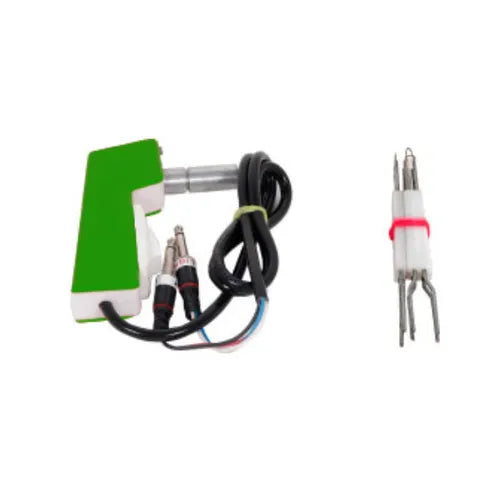
Type: Surgical
Electro Surgical Cautery Machine Accessories
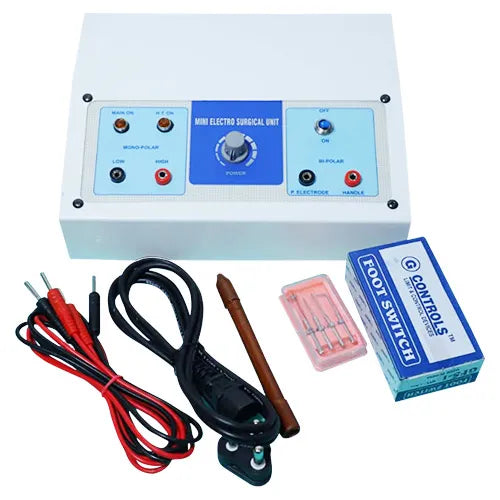
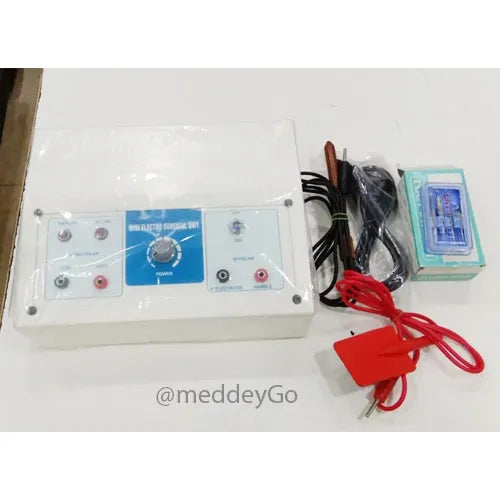
Type: Surgical
Mini Cautery Electro Surgical Monopolar Bi-Polar Unit
Type: Surgical
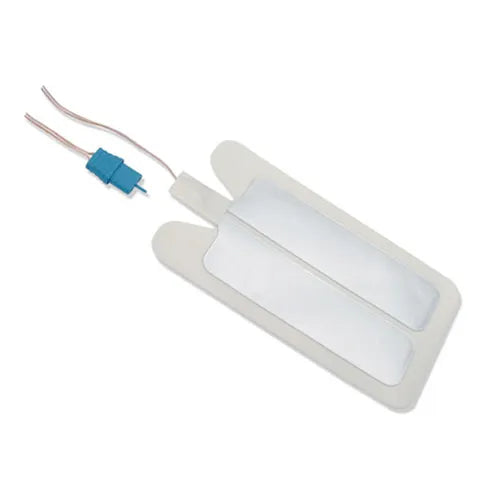
Diathermy Lead Cautery Pad Disposable Sterile Adult for Valleylab
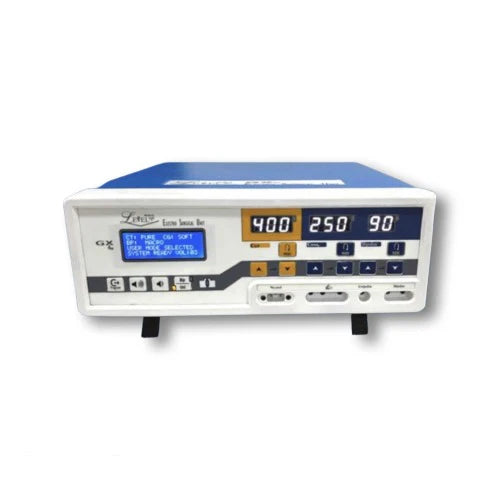
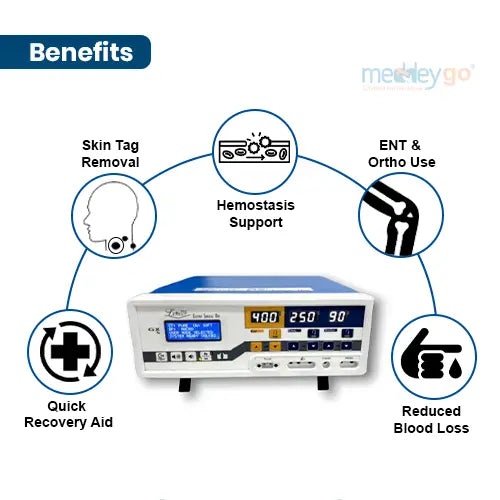
Type: Surgical
Digital Cautery Machine 400W
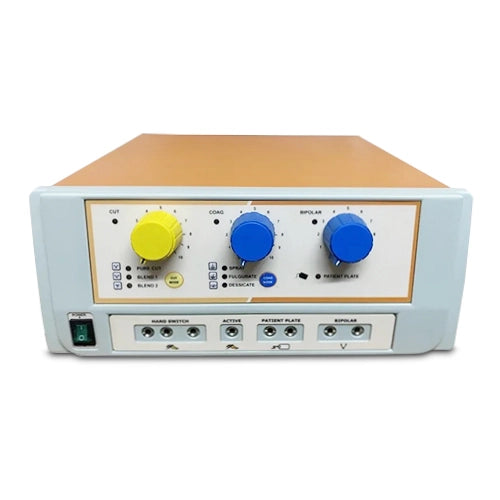
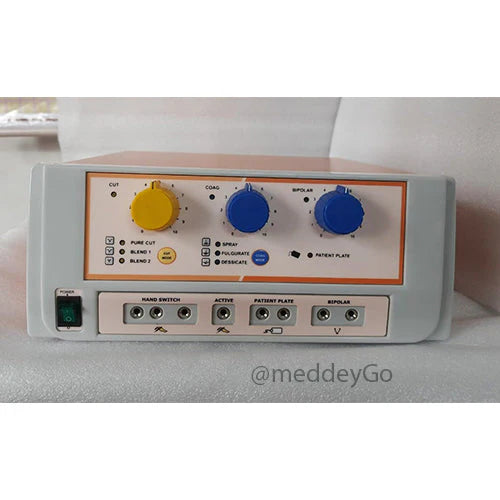
Type: Surgical
Analog Cautery Machine 400w
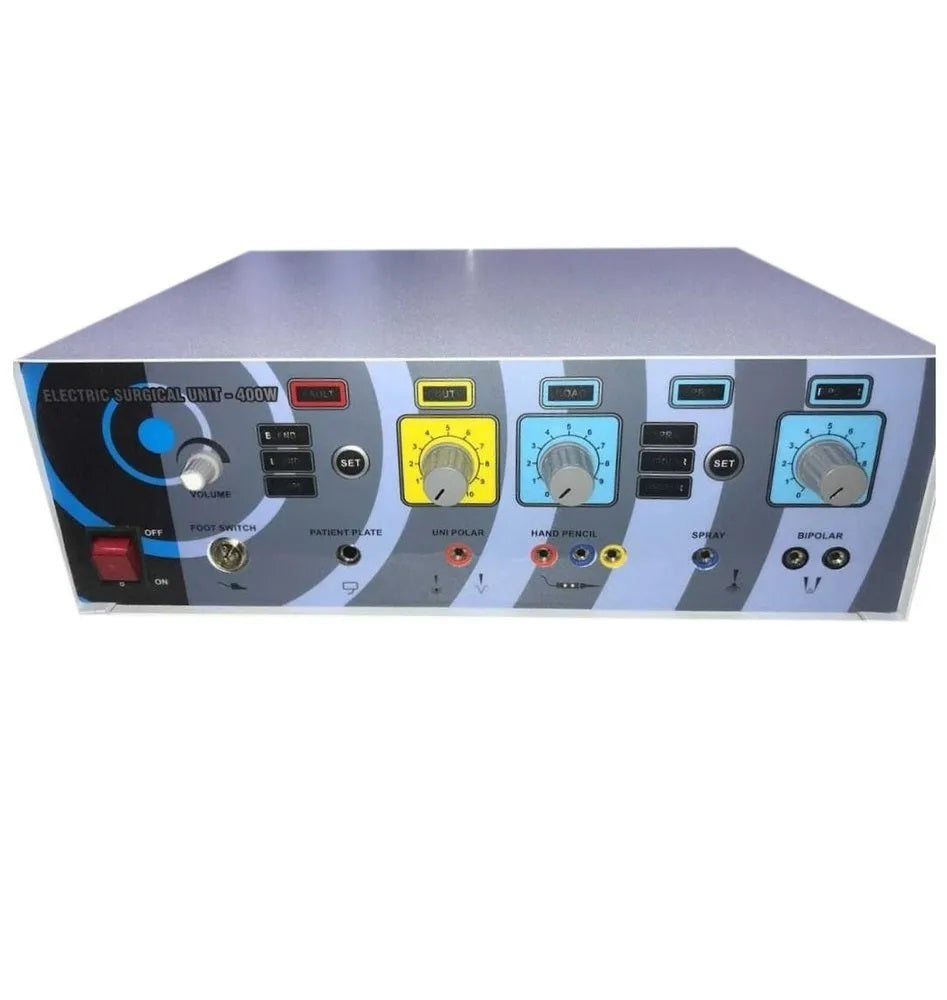
Type: Surgical
Analog Cautery Machine 400 Watt
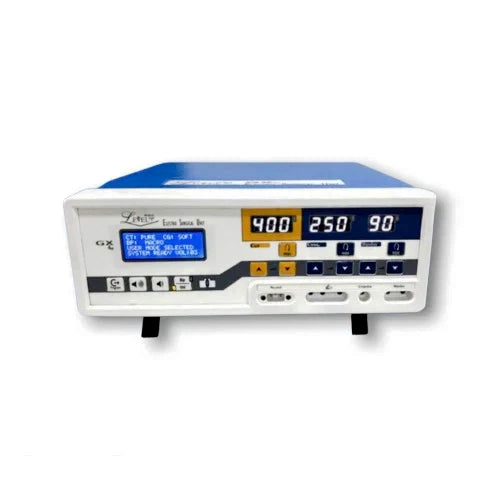
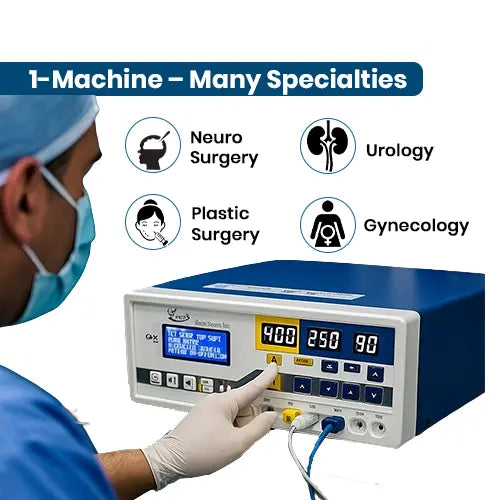
Type: Surgical
Digital Cautery Machine 300W
Collection:
Benefits of Electrosurgical Cautery in Surgery
Benefits of Electrosurgical Cautery in Surgery
If you have ever watched a fast-paced medical drama, you have likely heard a surgeon shout for a "Bovie" before making an incision. It creates a dramatic moment on screen, but in real life, this device performs a feat that seems almost contradictory: sending high-voltage electricity through a patient's body without causing a shock. Instead of being dangerous, this technology allows doctors to operate with a level of safety and precision that was impossible just a few decades ago.
Think of a traditional scalpel like a sharp kitchen knife; it relies on steel and physical pressure to slice through layers. In contrast, modern

While the term "cautery" might make you think of a hot branding iron, modern
This unique ability to seal tissue while cutting answers a critical problem surgeons faced for centuries: bleeding that blocks their view. Before the widespread use of
In the medical world, this specific type of tool is often referred to simply as a "Bovie," named after William T. Bovie, the physicist who popularized the technology in the 1920s. Just as people often say "Kleenex" when they mean facial tissue, the Bovie has become synonymous with
Understanding how these devices work replaces the fear of the unknown with confidence in modern medicine. Whether it is a minor procedure or complex surgery, the goal remains the same: using controlled energy to heal rather than harm. A closer look at the mechanics reveals how a simple circuit turns the human body into a safe path for life-saving treatment.
How a 'Microscopic Lightning Bolt' Safely Seals Your Blood Vessels
If you were to accidentally touch a live wire in your home, the electricity would shock your nerves and force your muscles to contract violently.
Because the energy vibrates back and forth so rapidly, your nerves and muscles simply cannot react fast enough to register the signal. The current becomes effectively invisible to your nervous system, allowing the surgeon to pass energy through tissue without causing your body to twitch or your heart rhythm to be disturbed. This specialized radiofrequency energy focuses strictly on heating the targeted area rather than shocking the patient.
The actual cutting or sealing happens when this concentrated energy meets the water inside your cells. Just as a microwave excites water molecules to heat food, electrosurgical generators work by agitating the fluid within a specific cell until it boils. If the heat rises instantly, the cell turns into vapor and bursts, creating a precise cut. If the heat is applied more slowly, the cell dries out---a high frequency desiccation process---which creates a natural seal to stop bleeding immediately.
Once this microscopic work is complete, the electricity must exit your body safely to complete the circuit. This flow of energy relies entirely on a crucial safety component: the grounding pad placed on your skin, which acts as a dedicated highway for the current to leave your body.
The Grounding Pad: Creating a 'Safe Highway' for Surgical Energy
Every electrical system acts as a loop, and your body during surgery is no exception. While the surgeon's tool---called the active electrode---acts like a sharp pencil tip focusing all energy into a tiny point to cut, the electricity still needs a path back to the generator to complete the circuit. Without a designated exit, that energy could wander unpredictably, seeking any metal object touching your skin to escape. This is where the return electrode, commonly known as a grounding pad, becomes the most critical safety device in the room.
To prevent patient burns during surgery, the grounding pad creates a wide "highway" for electricity to exit gently. Think of this concept like walking on snow: a high heel sinks deep because all the weight is focused on one inch, but a snowshoe distributes weight so you stay on top. In this dynamic of active electrode versus return electrode, the surgical pen is the high heel delivering intense heat to cut, while the large sticky pad is the snowshoe. It spreads the returning current over a broad area of skin, making the energy so dilute that the tissue barely warms up.
Because the pad must maintain perfect contact to work, the surgical team follows strict protocols for electrosurgical grounding pad placement. If a pad peels up even slightly, the "snowshoe" effect is lost, concentrating heat in a small area. To ensure a safe connection, nurses adhere to three golden rules:
- Choose muscular sites: Large, fleshy areas like the thigh or flank conduct electricity better than dry or fatty tissue.
- Avoid bony prominences: Placing pads over hips or shoulders can create uneven pressure points that interrupt the flow.
- Check for implants: Pads are never placed directly over metal hip replacements to prevent internal heating.
Modern generators actively protect you by constantly monitoring the pad's grip on your skin. If the connection loosens, the machine instantly cuts the power before a burn can occur. This setup---electricity entering through a small tip and exiting through a large pad---is the foundation of the most common surgical technique: Monopolar Mode.

Monopolar Mode: The 'Flashlight Beam' for Broad Surgical Areas
In the operating room, the workhorse of modern procedures is a technique known as monopolar
Surgeons favor monopolar
While highly effective, this "long-distance" circuit creates a specific challenge for delicate anatomy. Since the electricity flows from the surgical site all the way to the grounding pad, the current passes through surrounding tissues that aren't being treated. This creates a risk of unintended heating near sensitive nerves, spinal cords, or metal implants. To solve this problem in high-risk areas, medical teams utilize a different configuration that changes the physics entirely: bipolar
Bipolar Cautery : Using 'Heated Tweezers' for Delicate Precision
While the monopolar "flashlight" works wonders for large muscles, surgeons face a different problem when operating near delicate structures like the brain or spine. Stray energy in these areas could be dangerous, so doctors need a tool that limits where the electricity travels.
Picture a pair of electric tweezers. In this setup, the active electrode and the return electrode are essentially the two tips of the instrument itself. When the surgeon pinches tissue, the electrical current travels only a few millimeters---flowing out of one tip, through the tissue, and directly into the other tip. Because the circuit is completed right within the bipolar forceps surgical applications, no grounding pad is needed on the patient's leg. The energy is restricted strictly to the tissue held between the metal points.
This localized approach dramatically increases safety for patients with pacemakers or metal joint replacements. Since the electricity doesn't wander through the torso to find an exit, it won't accidentally heat up a hip implant or interfere with heart rhythm devices. Using
Precision is vital, but how the machine actually affects the tissue---whether it cuts like a knife or seals like glue---depends on the "rhythm" of the electricity used. This difference explains why surgical generators feature distinct buttons and pedals, often color-coded to signal exactly what happens next.

Why 'Yellow' Means Cut and 'Blue' Means Seal: Deciphering Generator Modes
If you were to look under the operating table during a procedure, you would almost always see two distinct foot pedals: one yellow and one blue. These colors act as a universal traffic light system for surgeons, dictating exactly how the electrical energy behaves when it reaches the patient. The difference between making an incision and stopping a bleed isn't about using "different" electricity, but rather changing the rhythm at which it flows---much like the difference between a steady stream of water and a pulsed spray.
Stepping on the yellow pedal activates the "Cut" mode, which unleashes a continuous, non-stop wave of energy. Imagine a water faucet turned on full blast; the flow is constant and relentless. Because the energy never pauses, the temperature inside the targeted cells skyrockets instantly. The water within the cells boils and bursts in a microscopic explosion, vaporizing the tissue to create a clean opening without the physical drag or pressure of a traditional metal knife.
In contrast, the blue "Coag" (coagulation) pedal changes the electricity's rhythm to a pulsed beat, similar to how a car's anti-lock brakes pump rapidly to maintain control. This intermittent delivery allows the tissue to cool slightly between zaps. Instead of exploding, the cells slowly dry out and melt together. This "welding" effect creates a natural seal that stops bleeding immediately, a crucial component of electrosurgical unit safety protocols.
Regardless of what are the different types of
- Yellow (Cut): Constant energy flow vaporizes cells to divide tissue cleanly.
- Blue (Coag): Pulsed energy flow dries and melts cells to stop bleeding.
- Blend: A mix of both rhythms, allowing the surgeon to cut through tissue while simultaneously sealing small vessels.
Mastering these modes allows the surgeon to move fluidly through the body, minimizing blood loss and preparing the tissue for the healing process.
Vaporizing vs. Welding: How High-Tech Energy Heals You Faster
Beyond just speed, these tools dramatically improve how your body recovers. In the past, surgeons had to physically tie off bleeding vessels with silk or gut thread, leaving behind foreign material that could irritate the body. Modern
Another hidden advantage of using focused heat is a lower risk of infection. While a cold steel blade can inadvertently push surface bacteria deeper into a wound, the intense energy used in radiofrequency tissue ablation technology effectively sterilizes the edges of the cut as it is made. This thermal action kills bacteria instantly upon contact, creating a microscopic zone of protection. This ensures the incision remains as clean as possible from the very first moment, giving your immune system a head start on healing.
Perhaps the most welcome of the Benefits of Electrosurgical Cautery is the potential for reduced pain after you wake up. Just as the device seals blood vessels, it also seals the tiny nerve endings that would normally send sharp pain signals to the brain, leaving them less raw than a traditional cut would. While this vaporization process is excellent for your recovery, it does transform a small amount of tissue into gas, necessitating important safety considerations regarding the air quality in the room.
Managing the 'Surgical Vapor': Keeping the Operating Room Air Clean
When tissue is vaporized, it releases a small puff of steam technically known as "surgical plume." While the idea of smoke in an operating room might sound alarming, analysis reveals that this vapor is roughly 95% water---similar to the steam that rises when you boil a pot of pasta. However, because it comes from biological material, the remaining 5% can contain tiny particles and cellular debris that shouldn't be inhaled. To address potential medical smoke plume health risks, modern hospitals treat this byproduct with the same seriousness as the surgery itself, ensuring the air remains pristine for everyone in the room.
Specialized vacuums attached directly to the
Protecting the surgical team is the primary driver for these strict measures, as doctors and nurses are exposed to these procedures daily for their entire careers. By implementing these robust electrosurgical unit safety protocols, the hospital environment remains safe for the staff's long-term health while ensuring you breathe clean air during your brief stay in the operating room. This focus on safety and refinement didn't happen overnight; the technology has come a long way from its spark-generating origins.
From Spark Gaps to Solid-State: The Evolution of the 'Electric Knife'
If you visited an operating room in the 1920s, the
Technology took a massive leap forward when engineers replaced those erratic sparks with transistor technology, similar to the microchips found in modern computers. The comparison of solid state vs spark gap units is like comparing a campfire to a modern induction cooktop. Instead of raw, fluctuating heat, solid-state generators produce smooth, consistent energy waves. This reliability ensures that the doctor gets the exact amount of energy needed to seal a vessel without damaging the healthy tissue right next to it.
The journey from basic sparks to computer-guided precision followed a clear path:
- 1920s: The first Spark Gap generators introduce electricity to the operating room, offering a new way to stop bleeding.
- 1970s: Solid-state technology replaces vacuum tubes, shrinking the machine size and drastically increasing safety.
- 2000s & Beyond: "Smart" generators arrive, capable of sensing tissue density and adjusting power automatically.
Today's
Troubleshooting the Tech: Why Your Surgeon Might Pause for a Moment
Hearing a sudden, high-pitched beep during a procedure can be unsettling for a patient, but in the world of
Most interruptions are brief, requiring only a few seconds for the surgical team to adjust the
- A Loose Return Pad: The sticky "grounding" pad on the patient's skin has peeled up slightly, breaking the safe return path for the electricity.
- Unplugged Cords: A foot pedal or handpiece cable has been tugged loose from the main unit.
- Tissue Resistance: The machine detects that the tissue is too thick or dry for the current power setting to work effectively.
Beyond digital alarms, physical maintenance is also part of the surgery's rhythm. Just as food eventually sticks to a spatula while cooking, treated tissue---called eschar---builds up on the tip of the device. This "char" acts as an insulator, blocking the energy flow. The surgeon will frequently pause to let a technician scrape the tip clean, ensuring the instrument remains precise. While the deep sterilization of reusable cautery instruments happens between operations, these quick intra-operative "pit stops" ensure the tool is always ready for the next precise cut.
This constant loop of feedback and maintenance keeps human hands safer, but new technology is attempting to automate the process entirely.
The Future of the 'Smart Scalpel' in Robotic Surgery
While human surgeons are incredibly skilled, holding a heated instrument perfectly steady for hours is physically demanding. To solve this, modern medicine frequently mounts
Beyond just steadying the hand, these systems are now equipped with "cruise control" for energy delivery. Old methods required the surgeon to guess exactly how long to apply heat, but new radiofrequency tissue ablation technology actually "feels" the tissue it touches. The device measures the tissue's density and moisture levels thousands of times per second, automatically stopping the energy flow the exact instant a seal is complete. This advanced sealing capability is so reliable it can permanently close arteries up to 7mm wide, often replacing the need for leaving metal clips or sutures inside the body.
The next leap forward involves teaching artificial intelligence to act as a co-pilot during these delicate moments. Future
Summary: Why Energy is the Surgeon's Best Friend
Knowledge of
The benefits of Electrosurgical Cautery impact your recovery directly. By swapping a steel blade for a heated tip, surgeons reduce blood loss, sterilize tissue to prevent infection, and shorten healing times. The grounding pad acts as a safety highway, ensuring energy leaves your body without harm. When you realize the goal is to weld vessels shut instantly, the technology becomes a trusted safeguard rather than a scary unknown.
Ultimately, a cautery device is simply a high-tech tool to keep the body closed and clean. Just as a toaster safely harnesses energy in your kitchen, these devices harness heat to protect your health in the operating room. You can now approach medical situations with confidence, knowing that the hum of the equipment signals a cleaner, safer, and more efficient path to healing.
Q&A
Question: How can surgeons use electricity to cut tissue without shocking the patient?
Short answer:
Question: What does the grounding (return) pad do, and how is it placed safely?
Short answer: The return pad is the “safe highway” that lets current leave the body gently. Like a snowshoe spreading weight, its broad contact area dilutes energy so the skin barely warms. To prevent burns, teams place pads on muscular, fleshy sites (like the thigh), avoid bony prominences, and don’t put pads over metal implants. Modern generators continuously monitor pad contact and shut off power instantly if the pad starts to peel or loses uniform contact.
Question: What’s the difference between monopolar and bipolar
Short answer: Monopolar mode sends energy from the instrument, through the body, to a separate return pad—like a flashlight beam crossing a foggy room. It’s fast and powerful for broad tissue work in open surgeries, cutting and sealing as it goes. Bipolar mode contains current between the two tips of a forceps—like heated tweezers—so energy travels only a few millimeters. It’s preferred near delicate structures (brain, spine), and in patients with pacemakers or metal implants, because it limits stray energy and needs no return pad.
Question: Why do surgeons use yellow and blue pedals on the generator?
Short answer: The pedals control the “rhythm” of the energy. Yellow (Cut) delivers a continuous wave that instantly boils intracellular water, vaporizing tissue for a clean incision. Blue (Coag) delivers pulsed bursts that let tissue cool between pulses, drying and melting cells together to seal bleeding vessels. A “Blend” setting mixes both, allowing simultaneous cutting with light coagulation.
Question: Why is electrosurgical cautery often preferred over a traditional scalpel?
Short answer: It reduces blood loss by sealing vessels as it cuts, speeds procedures (less time under anesthesia), sterilizes incision edges to lower infection risk, and can lessen postoperative pain by sealing tiny nerve endings—often resulting in less bruising and swelling. One tradeoff is surgical plume from vaporized tissue; hospitals mitigate this with tip-mounted smoke evacuation and ULPA filtration to protect air quality for staff and patients.