
Filter
5 products
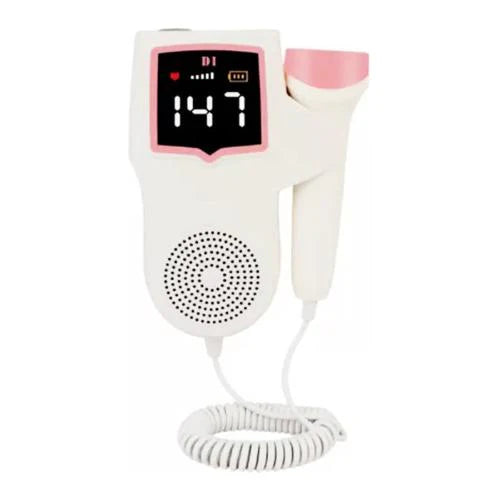
Type: Devices
Portable Fetal Doppler 2.0 MHz


Type: Devices
Vcomin Fetal Doppler 300D


Type: Devices
Vcomin Fetal Doppler 200D
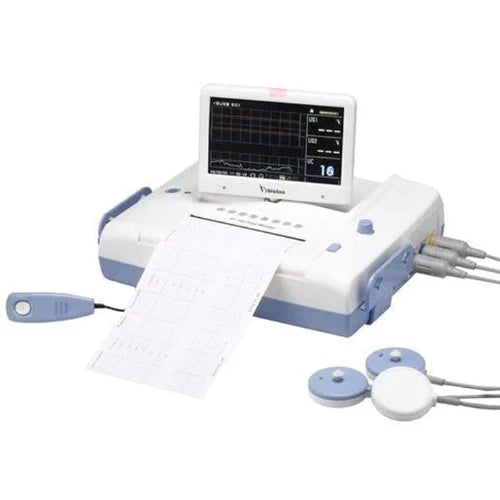
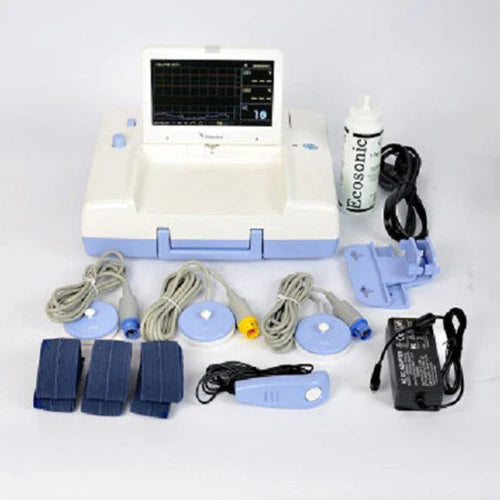
Type: Devices
Bistos BT350 Fetal Monitor CTG Machine with 7 inch Screen LED Light Source


Type: MeddeyGo
Fetal Monitor with CTG Flight 800
Collection:
Fetal Heart Rate Monitoring: The Complete Guide to Fetal Dopplers
The Vital Sign of Life: What is FHR Monitoring?
Fetal Heart Rate (FHR) Monitoring is the gold standard for assessing fetal well-being during pregnancy and labor. For a gynecologist or obstetric nurse, the heart rate is the most immediate indicator of fetal oxygenation and distress. Modern monitoring has evolved from the simple Pinard stethoscope to advanced Digital Fetal Dopplers and Cardiotocography (CTG) machines.
Clinical Baseline: What is a "Normal" Fetal Heart Rate?
In a healthy pregnancy, the baseline fetal heart rate typically ranges between 110 and 160 beats per minute (BPM). Variations outside this range—known as Fetal Tachycardia or Fetal Bradycardia—require immediate clinical evaluation to rule out hypoxia or cord compression.
The Physics of Sound: How Fetal Dopplers Work
A Fetal Doppler uses high-frequency sound waves (ultrasound) to detect the movement of the fetal heart. When the probe is placed on the mother's abdomen, it emits waves that "bounce" off the fetal heart valves. The machine then calculates the change in frequency (the Doppler Effect) and converts it into an audible heartbeat and a digital BPM reading.
Professional Monitoring Modalities:
- Handheld Dopplers: Essential for routine ANC (Antenatal Care) checkups to confirm viability.
- Non-Stress Test (NST) Machines: Used in the third trimester to monitor FHR in response to fetal movement.
- CTG (Cardiotocography): Continuous monitoring of FHR alongside uterine contractions during active labor.
1. Clinical Protocols: NST vs. CST vs. CTG
In high-risk pregnancy management, a dr must choose the appropriate monitoring intensity. Understanding the difference between these tests is critical for timely intervention.
A non-invasive test measuring FHR in response to the baby's own movements. A "Reactive" result means the heart rate accelerates properly when the baby moves, indicating good oxygenation.
Measures how the fetal heart reacts to uterine contractions. This identifies if the placenta can provide enough oxygen during the "stress" of labor.
2. Practitioner’s Guide: How to Find the Fetal Heartbeat
For a nurse or midwife, finding the heartbeat quickly reduces maternal anxiety. Use this standardized approach with a Digital Fetal Doppler:
- Preparation: Have the patient lie in a supine position. Apply a generous amount of ultrasound transmission gel to the lower abdomen to eliminate air between the probe and skin.
- The "Leopold" Check: Briefly palpate the abdomen to identify the fetal back; the heartbeat is clearest when the probe is placed over the baby's shoulder.
- Probe Angle: Start at the midline, just above the symphysis pubis. Angle the probe slowly toward the pelvic floor.
-
Differentiating Sounds:
- Fetal Heart: A rapid, rhythmic "galloping horse" sound (110-160 BPM).
- Maternal Pulse: A slower, thumping sound consistent with the mother's pulse (60-100 BPM).
3. Understanding Variability & Accelerations
A flat, unchanging heart rate is actually a cause for concern. In 2026, NST Machines look for:
- Accelerations: Short-term rises in heart rate (at least 15 BPM above baseline for 15 seconds). These are a sign of a healthy, "reactive" fetus.
- Variability: The "beat-to-beat" changes. Moderate variability indicates a well-oxygenated fetal central nervous system.
- Decelerations: Drops in heart rate. Early decelerations are often normal (head compression), while Late decelerations signal placental insufficiency.
4. Clinical Perspective: Home vs. Hospital Monitoring
The availability of consumer-grade Fetal Dopplers has changed the prenatal landscape. However, for a dr or midwife, it is essential to educate patients on the difference between "hearing a sound" and "clinical monitoring."
Performed by a trained nurse using medical-grade equipment. Includes interpreting variability, decelerations, and correlating FHR with maternal health markers.
Provides reassurance for parents but can lead to "False Reassurance." Hearing a heartbeat does not always mean the fetus is not in distress; movements and kick counts remain the primary home indicators.
5. Safety & The ALARA Principle
While Fetal Heart Rate Monitoring is non-invasive, it uses ultrasound energy. In 2026, medical professionals adhere to the ALARA Principle (As Low As Reasonably Achievable).
- Thermal Index (TI): Prolonged exposure to high-intensity ultrasound can theoretically increase tissue temperature. Professional NST machines are calibrated to stay well below safety thresholds.
- Non-Ionizing Energy: Unlike X-rays, Dopplers do not use radiation, making them safe for repeated use when clinically indicated by a gynecologist.
6. Equipment Longevity: Probe Care & Maintenance
The most sensitive part of any fetal monitoring system is the transducer (probe). Proper care ensures accurate readings and prevents cross-contamination in a hospital setting.
Maintenance Best Practices:
- Clean After Every Use: Use a non-alcohol-based disinfectant wipe. Alcohol can degrade the acoustic lens of the probe over time.
- Cable Management: Avoid tightly winding the probe cables. Internal wire breakage is the #1 cause of "static" or intermittent signal loss.
- Gel Removal: Never let ultrasound gel dry on the probe surface. Dried gel acts as a barrier to sound waves, reducing sensitivity.
7. The 3-Tier Interpretation System (NICHD)
For a dr or obstetrician, a CTG strip is not just a graph; it is a diagnostic tool categorized into three tiers. This system dictates whether the medical team should "wait and watch" or prepare for an immediate delivery.
| Category | Interpretation | Clinical Action |
|---|---|---|
| Category I (Normal) | Strong baseline, moderate variability, no late decelerations. | Routine monitoring; high predictive value of normal acid-base status. |
| Category II (Indeterminate) | Tachycardia, minimal variability, or periodic decelerations. | Requires continued surveillance and re-evaluation. |
| Category III (Abnormal) | Absent variability with recurrent late/variable decelerations or Bradycardia. | Emergency Intervention: Correct maternal hypoxia or proceed to C-section. |
8. Troubleshooting: Overcoming Monitoring Obstacles
In an Emergency Room or Labor Ward, getting a clean signal can be difficult. Common challenges for a nurse include:
- Maternal Obesity: Adipose tissue can dampen ultrasound waves. Tip: Use a lower frequency probe (if adjustable) or place the probe more laterally where the tissue may be thinner.
- Fetal Movement: An active baby can "slip" out of the ultrasound beam. Tip: Use NST machines with wide-beam transducers that offer a larger detection "sweet spot."
- Signal Doubling: Occasionally, the machine may count the maternal pulse or double the fetal rate. Always cross-check the mother's pulse manually if the reading seems erratic.
9. Buyer’s Guide: Essential Features for 2026
When procuring diagnostic equipment for a maternity clinic, look for these high-performance features:
10. Clinical Comfort: Positioning for Accurate Monitoring
For an obstetric nurse, the accuracy of a 20-minute Non-Stress Test (NST) depends heavily on maternal positioning. Proper setup prevents "Supine Hypotension Syndrome," where the weight of the uterus compresses the mother's vena cava, potentially causing a false drop in the fetal heart rate.
Optimal Setup Protocol:
- The Lateral Tilt: Position the patient in a semi-Fowler’s position or a left lateral tilt using a wedge pillow. This ensures maximum placental blood flow.
- Transducer Placement: Use high-quality elastic CTG belts to secure the transducers. The belts should be snug enough to maintain contact during fetal movement but loose enough to prevent maternal discomfort.
- Gel Management: Always use a hypoallergenic, water-soluble ultrasound gel. High-viscosity gels are preferred for CTG as they stay in place longer during extended monitoring sessions.
11. The MeddeyGo Standards: Precision in Neonatal Care
When a hospital or private clinic procures FHR monitoring equipment from Meddeygo.com, they are investing in more than just a device. We provide a full ecosystem of clinical reliability.
12. Cost-Benefit Analysis: Investing in Quality Diagnostics
While the Fetal Doppler price may vary, the value of early detection is immeasurable. High-fidelity equipment reduces "false positives" for fetal distress, which in turn reduces unnecessary medical interventions and C-sections. For a dr, having equipment that provides an accurate Fisher Score or auto-analysis is a significant defensive medicine asset.
Clinical & Patient FAQ: Everything You Need to Know
Navigating the complexities of Fetal Heart Rate Monitoring involves answering many questions for both clinicians and expectant parents. Here are the most common inquiries addressed by gynecologists.
1. Is it safe to use a fetal Doppler every day?
While ultrasound is non-ionizing, medical consensus suggests using a Fetal Doppler only when necessary. For home use, a few minutes once every 14 to 30 days is generally considered safe. Daily use is discouraged unless specifically directed by a dr for a high-risk medical reason.
2. Does a heart rate of 180 BPM indicate a problem?
The normal range is 110–160 BPM. While 180 BPM is high, clinical Fetal Tachyarrhythmia is usually diagnosed when the rate exceeds 200 BPM. A rate of 180 may occur temporarily due to fetal movement or maternal fever and should be monitored by a nurse.
3. Can dietary choices affect the fetal heart rate?
Yes. Essential minerals like calcium, copper, phosphorus, and thiamine support heart development. A diet rich in leafy greens, whole grains, and dairy can positively influence fetal cardiovascular health.
4. When can a heartbeat first be detected?
A heartbeat can often be seen on ultrasonography as early as 5½ to 6 weeks. However, it is much easier to assess and hear via a Digital Fetal Doppler after 7 weeks of gestation.
Conclusion: Ensuring a Safe Start to Life
Whether through external monitoring with Doppler belts or internal monitoring during complex labors, tracking the fetal heart rate is an indispensable part of modern obstetrics. It allows healthcare providers to detect oxygen deprivation early and take life-saving steps before complications arise.
At MeddeyGo.com, we are dedicated to providing hospitals and clinics with high-precision NST machines and Fetal Dopplers that meet the rigorous demands of 2026 maternal care standards.
Ready to Upgrade Your Maternity Ward?
Contact MeddeyGo for expert advice on selecting the right FHR monitoring systems for your facility.