


Type: Patient Transfer
Foldable Soft Stretcher with Safety Belt for Patient Transport


Type: Patient Transfer
Patient Stretcher Trolley | Folding Mild Steel Design
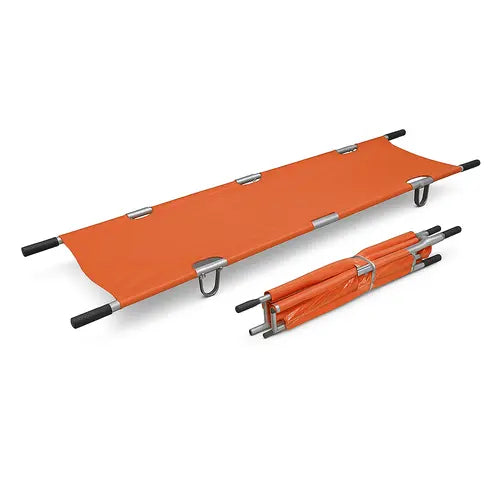
Type: Patient Transfer
Foldable Stretcher Canvas Type Two Fold


Type: Patient Transfer
Four Fold Stretcher Aluminium
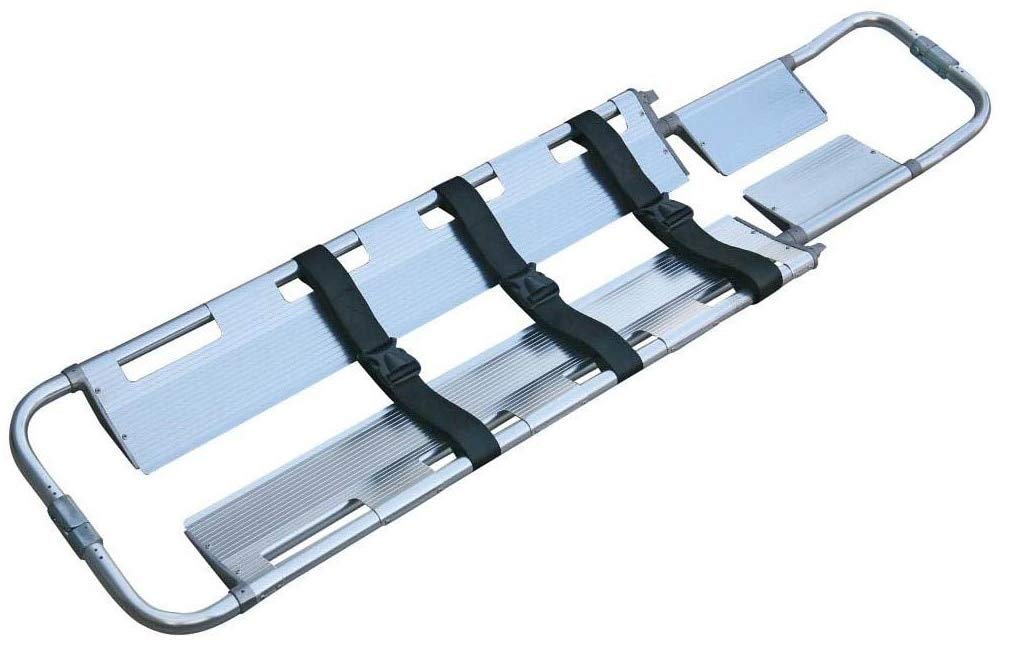
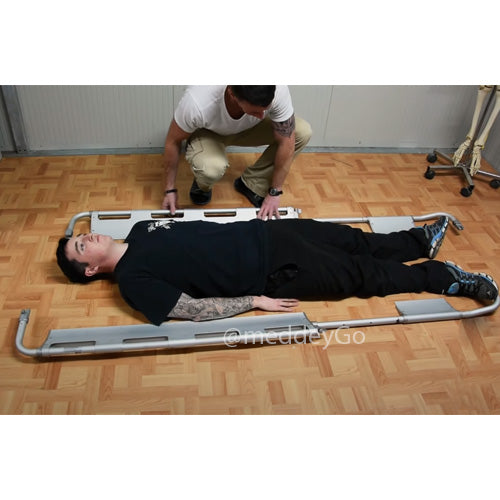
Type: Patient Transfer
Model Scoop Stretcher Premium Aluminium Frame


Type: Patient Transfer
Head Immobilizer for Spine Boards & Trauma Care


Type: Patient Transfer
Autoloader Ambulance Stretcher with Adjustable Height


Type: MeddeyGo
2 Fold Metal Folding Stretcher with wheels


Type: Patient Transfer
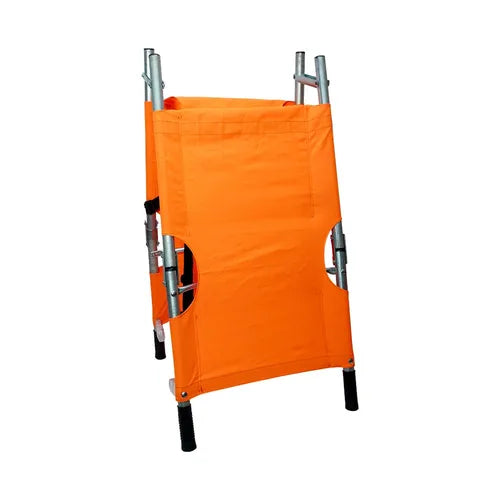
Two Fold Stretcher MS
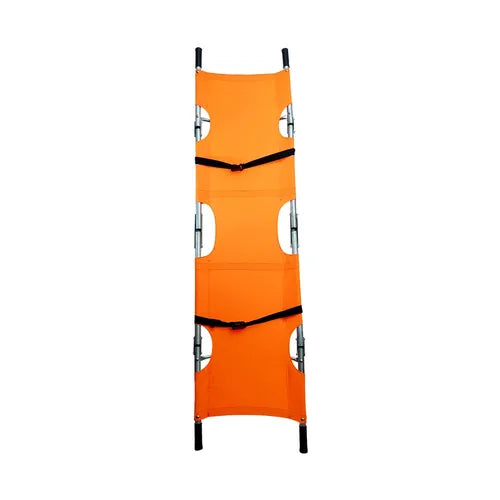
Type: Patient Transfer
Four Fold Stretcher MS


Type: Patient Transfer
Stretcher Cum Wheelchair


Type: Ambulance
Multi Functional Rescue Stretcher
Type: Patient Transfer
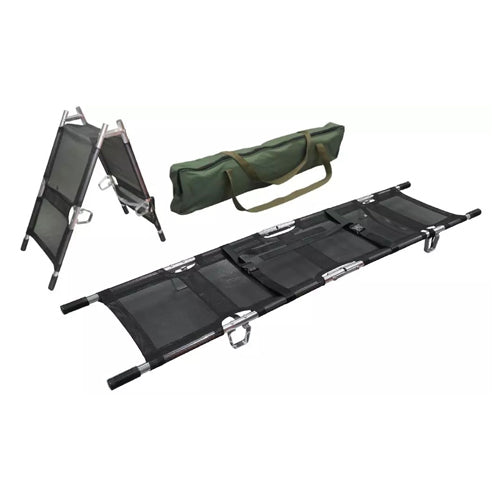
Model Stretcher Four Fold Premium Quality
Type: Patient Transfer
Model Stretcher Two Fold Premium Quality
Type: Patient Transfer
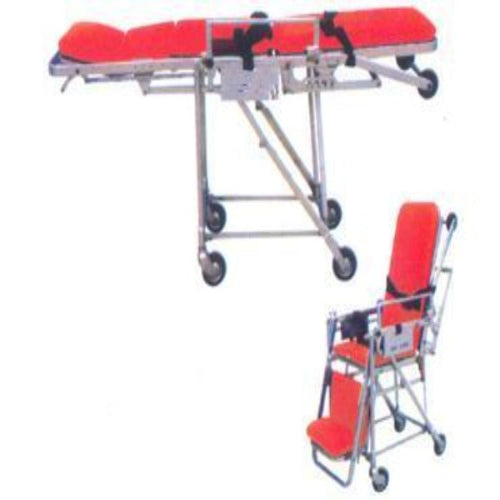
Model Wheel Chair Stretcher with Varied Position
Collection:
How to Choose the Right Foldable Stretcher
In the fast-paced world of healthcare, having the right equipment on hand is essential for providing optimal patient care. Foldable stretchers are a crucial component of emergency medical services, offering portability, ease of use, and efficient storage. With various models available, choosing the right foldable stretcher can be challenging. This guide aims to simplify your decision-making process by exploring key considerations, types of stretchers, and market trends.

Foldable stretchers are designed to be compact and lightweight, making them ideal for situations where space and speed are crucial. Commonly used in ambulances, emergency rescue operations, and hospitals, these stretchers ensure that patients can be transported safely and comfortably.
Design and Construction
The design of foldable stretchers focuses on maximizing portability without compromising on safety. They often feature collapsible frames made of lightweight materials, allowing for easy storage and maneuverability. The fabric used is usually durable and easy to clean, crucial for maintaining hygiene in medical settings.
Deployment in Emergency Situations
In emergency situations, the ability to quickly deploy a stretcher can make a significant difference. Foldable stretchers are built to be easily unfolded and locked into place, enabling rapid response times. This is particularly important in high-pressure environments where every second counts, such as during natural disasters or at accident scenes.
Versatility Across Different Settings
Foldable stretchers are not limited to just one type of emergency scenario. Their versatility makes them useful across various settings, from urban hospitals to remote rescue operations. They can be used for transporting patients in tight spaces, such as stairwells, where traditional stretchers may not fit, ensuring that patient care is not compromised by environmental constraints.
Key Features to Consider
When choosing a foldable stretcher, it's important to consider several critical features that align with your needs.
Portability and Weight
A lightweight stretcher is essential for emergency responders who need to move quickly. Consider the stretcher's weight capacity to ensure it can safely transport patients of varying sizes.
Importance of Lightweight Design
The lightweight design of a stretcher directly affects the ease with which emergency personnel can transport it. In many scenarios, responders must carry the stretcher over uneven terrain or up multiple flights of stairs. A lighter stretcher reduces the physical strain on responders, allowing them to maintain their energy and focus on patient care.
Balancing Weight with Capacity
While a lightweight stretcher is desirable, it must also have a sufficient weight capacity to accommodate patients of different sizes.
Compactness for Storage and Transport
The compact nature of foldable stretchers not only aids in portability but also in storage. Stretchers that can be easily folded and stored in small spaces are ideal for environments with limited storage capacity, such as small clinics or packed emergency vehicles.
Durability and Material
The materials used in the construction of a foldable stretcher will affect its durability. Look for high-quality materials such as aluminum or stainless steel frames with durable fabric, ensuring the stretcher can withstand harsh conditions and frequent use.
Choosing the Right Frame Material
The choice of frame material plays a critical role in the stretcher's longevity and performance. Aluminum and stainless steel are popular choices due to their strength and resistance to corrosion. These materials ensure that the stretcher can endure frequent use without degrading, even in challenging environments.
Assessing Fabric Quality
The fabric used in foldable stretchers must be both durable and easy to clean. High-quality, tear-resistant fabrics prevent wear and tear during use. Additionally, materials that resist staining and can be sanitized quickly are essential for maintaining hygiene standards in medical settings.
Impact of Environmental Conditions
Consider the environmental conditions in which the stretcher will be used. For outdoor or rugged terrain, materials that can withstand exposure to the elements, including moisture and extreme temperatures, are necessary to ensure the stretcher remains functional and safe over time.
Ease of Use
In high-pressure situations, ease of use is paramount. Choose a stretcher that is easy to unfold, lock into place, and refold after use. Look for intuitive designs that minimize the complexity of operation.
User-Friendly Mechanisms
The mechanisms for folding and unfolding the stretcher should be simple and intuitive, enabling quick setup and breakdown. This ease of use is critical in emergency situations where time is of the essence, allowing responders to focus on patient care rather than equipment operation.
Training and Familiarity
A stretcher that is easy to use reduces the training time required for personnel. It allows staff to quickly become proficient in its operation, ensuring that all team members can confidently handle the equipment in any emergency scenario, thereby improving overall efficiency and response times.
Reducing Setup Time
The ability to quickly set up a stretcher can be crucial, especially in time-sensitive situations. Stretchers with streamlined designs and minimal setup requirements enable responders to act swiftly, reducing delay in patient care and transportation.
Safety Features
Safety is non-negotiable. Consider stretchers with secure locking mechanisms, adjustable straps, and non-slip surfaces to ensure patient stability during transport.
Secure Locking Mechanisms
A robust locking mechanism is vital for ensuring that the stretcher remains stable once set up. It prevents accidental folding or collapse during transport, maintaining patient safety and providing peace of mind to both patients and responders.
Adjustable Straps for Stability
Adjustable straps offer customizable support, ensuring that patients are securely fastened to the stretcher. This is particularly important during transport over uneven terrain, where movement could otherwise lead to injury or discomfort.
Non-Slip Surfaces
Non-slip surfaces on the stretcher minimize the risk of the patient sliding during transport. This feature is crucial in maintaining patient positioning, especially when navigating through challenging environments or when the stretcher is at an incline.

Types of Foldable Stretchers
Understanding the different types of foldable stretchers will help you make an informed choice.
Standard Foldable Stretchers
These are the most common type, offering basic functionality and foldability. They are suitable for general use in hospitals and ambulances.
Advantages of Standard Models
Standard foldable stretchers are highly versatile, making them suitable for a wide range of situations. They provide reliable performance at a reasonable cost, making them a popular choice for many healthcare facilities.
Limitations to Consider
While effective for general use, standard models may lack specialized features needed for certain environments or patient conditions. It's important to assess whether additional capabilities are necessary for your specific needs.
Typical Use Cases
Standard stretchers are ideal for regular hospital use, patient transfers within facilities, and routine ambulance calls. They provide a dependable solution for everyday emergency medical situations.
Foldable Soft Stretchers
Made from flexible materials, these stretchers are designed for easy carrying and are ideal for situations where a hard frame may not be necessary.
Benefits of Flexibility
The flexibility of soft stretchers allows them to conform to different body shapes and positions, offering comfort to patients who may be injured or in pain. Their lightweight nature also makes them easy to carry and maneuver.
Ideal Scenarios for Use
Soft stretchers are particularly useful in environments where space is tight or access is difficult, such as in narrow hallways or confined rescue operations. They are also beneficial for transporting patients who do not require the rigidity of a hard-framed stretcher.
Considerations for Safety
While soft stretchers offer many benefits, it's important to ensure they provide adequate support and security. Look for models with reinforced handles and secure fastening systems to maintain patient safety during transport.
Foldable Ambulance Stretchers
These are specifically designed for ambulance use, often featuring wheels and additional features like height adjustment to facilitate easy loading and unloading.
Enhancements for Ambulance Use
Ambulance stretchers are equipped with features that make patient transport more efficient, such as wheels for smooth rolling and height adjustments for ease of transfer. These enhancements are crucial for reducing physical strain on medical personnel.
Importance of Mobility Features
The mobility features of ambulance stretchers, including wheeled bases and swivel mechanisms, allow for seamless movement in and out of vehicles. This is essential for maintaining patient comfort and minimizing transfer times.
Customization Options
Many ambulance stretchers offer customization options to meet specific requirements, such as adding IV poles or oxygen tank holders. These additions can improve functionality and convenience during patient transport.
First Aid and Rescue Stretchers
These are designed for field use, often lightweight and compact, making them ideal for military and wilderness rescue operations.
Adaptability in the Field
First aid and rescue stretchers are built to withstand demanding conditions, such as rugged terrain or adverse weather. Their adaptability ensures that they can be deployed effectively in a variety of challenging environments.
Features for Quick Deployment
Quick deployment is a key feature of rescue stretchers. They are designed to be rapidly set up and used in urgent situations, where time is critical for patient survival and comfort.
Special Considerations for Remote Areas
In remote areas, the portability and compactness of rescue stretchers are invaluable. They can be carried over long distances by rescue teams, providing essential support in areas inaccessible to vehicles or larger equipment.
Emerging Trends in the Foldable Stretcher Market
As technology advances, so does the functionality of medical equipment. Here are some trends to keep an eye on.
Integration of Smart Technology
The integration of smart technology in medical equipment is on the rise. Some modern stretchers come equipped with features that allow for real-time monitoring of patient vitals during transport.
Benefits of Smart Features
Smart features on foldable stretchers enhance patient monitoring and data collection, providing responders with crucial information to make informed decisions. This technology can significantly improve patient outcomes by enabling real-time adjustments to care.
Challenges and Considerations
While beneficial, the integration of smart technology can present challenges, such as increased costs and the need for training. It's important to weigh these factors against the potential benefits when considering smart stretchers.
Future Implications
The future of smart technology in foldable stretchers is promising, with potential developments including automated adjustments and integration with other medical devices. These advancements could revolutionize patient transport and care.
Eco-Friendly Materials
There is an increasing demand for medical equipment made from sustainable materials. Eco-friendly stretchers not only reduce environmental impact but also appeal to environmentally conscious healthcare providers.
Importance of Sustainability
Sustainability in medical equipment is becoming increasingly important as healthcare providers strive to reduce their environmental footprint. Eco-friendly stretchers offer a way to contribute to this goal without sacrificing performance or safety.
Material Innovations
Innovations in sustainable materials, such as biodegradable fabrics and recyclable metals, are making eco-friendly stretchers a viable option. These materials provide the same durability and functionality as traditional options, with the added benefit of environmental responsibility.
Market Appeal
Eco-friendly stretchers appeal to healthcare providers who prioritize sustainability. This growing market segment reflects a broader trend towards environmentally conscious purchasing decisions in the healthcare industry.
Customizable Solutions
Manufacturers are offering more customizable options, allowing healthcare providers to tailor stretchers to specific needs or branding requirements.
Advantages of Customization
Customization allows healthcare providers to select features and designs that best meet their specific needs. This can include branding, specialized attachments, or unique configurations that enhance functionality.
Meeting Unique Requirements
In some cases, standard models may not fully meet the demands of a particular facility or situation. Customizable stretchers address this by offering tailored solutions that align with unique requirements, improving overall efficiency and effectiveness.
Trends in Personalization
The trend towards personalization in medical equipment is growing, with more manufacturers offering options for customization. This reflects a shift towards more individualized approaches to healthcare solutions.

Pricing Considerations
Understanding the price range and factors affecting cost can help you make a budget-conscious decision.
What Influences Foldable Stretcher Price?
Several factors can influence the price of a foldable stretcher, including materials, additional features, brand reputation, and country of manufacture. For instance, a foldable stretcher with wheels and advanced safety features will typically be more expensive than a basic model.
Material and Construction Costs
The choice of materials has a direct impact on cost. High-quality materials like aluminum and advanced fabrics tend to increase the price but offer durability and longevity. The construction process and technological integration also contribute to overall costs.
Brand and Manufacturer Impact
Reputation and brand equity can significantly influence the price of a stretcher. Established brands with a history of reliability and innovation often command higher prices, reflecting their commitment to quality and customer satisfaction.
Feature-Driven Pricing
Additional features, such as smart technology integration or eco-friendly materials, can also affect pricing. While these features add value, they may also increase the cost, making it important to assess the necessity and benefits of each feature for your specific needs.
Cost-Effective Options
For budget-conscious buyers, there are cost-effective models available that do not compromise on safety and quality. Consider exploring suppliers on platforms such as Indiamart for competitive pricing.
Balancing Cost and Quality
While it may be tempting to opt for the least expensive option, it's important to ensure that cost-effective models still meet essential safety and quality standards. Compromising on these aspects can lead to increased costs in the long run due to frequent repairs or replacements.
Identifying Value Deals
Look for promotions or bulk purchase discounts that can provide additional savings. Many suppliers offer competitive pricing for bulk orders, making it possible to obtain quality stretchers at a lower per-unit cost.
Exploring Alternative Suppliers
Platforms like Indiamart offer access to a wide range of suppliers, providing an opportunity to compare prices and features. By exploring these options, you can find cost-effective solutions that meet your needs without compromising on quality.
Conclusion
Choosing the right foldable stretcher involves careful consideration of your specific needs, budget, and the environment in which it will be used. By understanding the types of stretchers available, key features, and market trends, you can make an informed decision that enhances your ability to provide quality patient care.
Remember, the right stretcher not only improves the efficiency of emergency response but also significantly impacts patient outcomes. Invest wisely and consider all factors to ensure your selection supports your healthcare objectives effectively.
By focusing on these essential aspects, hospital administrators, medical equipment distributors, and healthcare technology consultants can navigate the complexities of the foldable stretcher market with confidence and clarity.
Q&A
Question: How do I balance a lightweight stretcher with the need for adequate weight capacity?
Short answer: Prioritize models that keep overall mass low while clearly stating a safe working load suited to your patient population. A lighter stretcher reduces responder fatigue—especially on stairs or uneven terrain—but it must still support larger patients securely. Look for designs that use strong, corrosion-resistant frames (e.g., aluminum or stainless steel) and reinforced fabrics so you don’t sacrifice capacity or stability for weight savings.
Question: Which materials should I look for to ensure durability and easy hygiene?
Short answer: Choose frames made from aluminum or stainless steel for strength and corrosion resistance, and pair that with high-quality, tear-resistant fabric that cleans and sanitizes quickly. If you’ll face moisture, temperature extremes, or rugged use, prioritize materials rated for harsh conditions to prevent premature wear while maintaining hygiene standards.
Question: What type of foldable stretcher best fits my setting (hospital, ambulance, or remote rescue)?
Short answer:
- Hospitals/general EMS: Standard foldable stretchers offer versatile, cost-effective performance for routine transfers and ambulance calls.
- Tight spaces/limited access: Foldable soft stretchers excel in narrow hallways or confined rescues where a rigid frame isn’t essential.
- Ambulances: Foldable ambulance stretchers with wheels and height adjustment streamline loading/unloading and reduce strain on staff.
- Field/wilderness/military: First aid and rescue stretchers are lightweight, compact, and built for quick deployment and tough environments.
Question: What safety and ease-of-use features are non-negotiable in emergencies?
Short answer: Look for robust locking mechanisms to prevent accidental collapse, adjustable straps for secure patient restraint, and non-slip surfaces to maintain positioning. Equally important are intuitive fold/unfold mechanisms that cut setup time and reduce training needs—so teams can deploy quickly and focus on patient care when seconds matter.
Question: Are smart features, eco-friendly materials, and customization worth the added cost?
Short answer: It depends on your goals and budget. Smart features improve real-time monitoring but add cost and training needs. Eco-friendly materials support sustainability without sacrificing performance, though they may carry a premium. Customization (e.g., IV poles, oxygen holders, branding) tailors function to your workflow. To stay cost-effective, compare suppliers (including platforms like Indiamart), assess which features truly impact outcomes, and leverage promotions or bulk discounts—always ensuring safety and quality standards are met.