
Skip to content

India’s Go to Platform for Medical Supplies Procurement

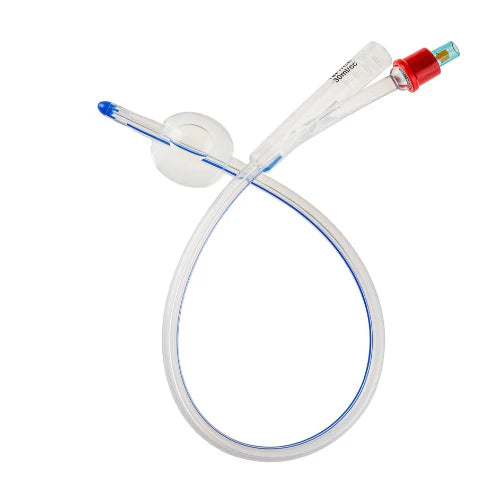
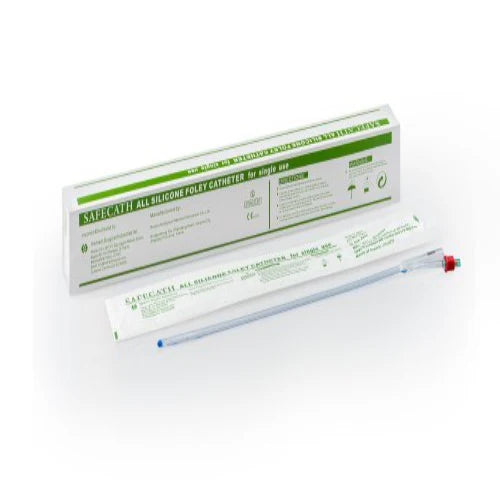
safeCath silicon two way Foleys Cathete (Pack of 10)

Type: Nursing

SafeCath Silicon Two Way Foleys Cathete

Regular price From Rs. 1,651
Sale price From Rs. 1,651 Regular price Rs. 3,680
Silko Cath Adult GS 1078

Type: Nursing

Silko Cath Adult GS 1078

Regular price From Rs. 1,855
Sale price From Rs. 1,855 Regular price Rs. 3,372
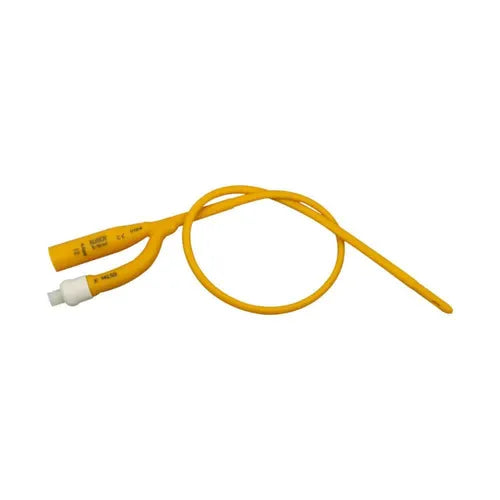
Rusch Gold Latex Foley Balloon Cathete

Type: Nursing

Rusch Gold Latex Foley Balloon Catheter

Regular price From Rs. 1,066
Sale price From Rs. 1,066 Regular price Rs. 1,840
foley trac gs 1026

Type: Nursing

Foley Trac GS 1026

Regular price From Rs. 735
Sale price From Rs. 735 Regular price Rs. 1,455
urinary catheter

Type: Nursing

Latex Foley Catheter 2 Way Pediatric Pack of 10

Regular price From Rs. 1,120
Sale price From Rs. 1,120 Regular price Rs. 2,036
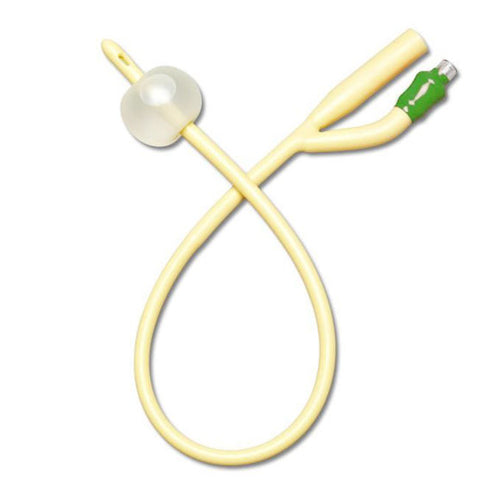
Uro Cath 2 Way Adult GS-1072 (Pack of 10)

Type: Nursing

Uro Cath 2 Way Adult GS-1072 (Pack of 10)

Regular price From Rs. 919
Sale price From Rs. 919 Regular price Rs. 2,346
urinary catheter

Type: Nursing

Urinary Catheter 3 Way Foley Catheter Adult Pack of 10

Regular price From Rs. 1,794
Sale price From Rs. 1,794 Regular price Rs. 3,262

Collection: Foley Catheter Use in Medical Settings Today


A Foley catheter is one of the most widely used urinary drainage devices in hospitals, clinics, rehabilitation centers, nursing homes, and home-care settings. It is used when urine has to be drained from the bladder in a controlled and continuous way. In professional medical language, people often search for terms like foley catheter meaning, foley meaning medical, or foleys in situ because they want to understand how this device works, when it is used, and why it remains an important part of patient care.

A Foley catheter is not simply a tube. It is a carefully designed sterile system that enters the bladder through the urethra and stays in place with the help of a small balloon near the tip. That is why it is called an indwelling catheterAn indwelling catheter is a catheter that remains in place inside the bladder for a period of time instead of being inserted and removed immediately after drainage.. It is often used for urinary retention, accurate urine output monitoring, perioperative care, severe mobility limitations, and specific urology conditions.

At the same time, Foley catheter use must always be approached carefully. The device is helpful, but it also carries risks such as infection, trauma, discomfort, blockage, and misuse if not handled correctly. That is why insertion, ongoing care, and removal should follow trained clinical practice. In this article, the focus is on helping doctors, physiotherapists, hospital teams, clinics, and home-care professionals understand the structure, types, sizing, common uses, and safe handling principles of Foley catheters.

Hospitals

Used for surgery, ICU care, urine monitoring, and acute urinary retention management.

Home Care

Supports selected long-term patients under caregiver and medical supervision.

Rehabilitation

Useful in cases involving mobility impairment, neurological recovery, and bladder management planning.

What Is a Foley Catheter and How Does It Actually Work?

A Foley catheter is a flexible urinary catheter that is inserted through the urethra into the bladder and then held in place with a small inflated balloon. Once positioned correctly, the catheter allows urine to flow from the bladder into a collection bag. This continuous drainage is what makes the Foley catheter different from a simple in-and-out catheterization technique.

The catheter works through a drainage lumen that carries urine outward. In most standard two-way Foley designs, there is one lumen for urine drainage and another lumen for balloon inflation. In a 3 way Foley cat, there is an additional channel that allows irrigation fluid to enter, which is useful in selected post-operative or urological situations.

This system makes it possible to monitor urine output, relieve retention, or maintain bladder drainage over a defined period. However, because the catheter stays inside the body, correct placement, sterile insertion, and ongoing care are all essential.

What Are the Different Catheter Types and Sizes?

There are several catheter types used in urinary care, but the Foley catheter is specifically known as an indwelling urinary catheter. Within Foley systems, there are different materials, balloon sizes, lengths, tip styles, and channel configurations. Some common categories include latex Foley catheters, silicone Foley catheters, standard two-way Foley catheters, and 3 way Foley catheter designs.

Silicone models are often preferred in some longer-term situations because of their biocompatibility and reduced latex-related concerns. Latex options may still be used depending on product selection and patient suitability. In addition, there are pediatric and adult versions, and the size must match the patient’s anatomy and the clinical purpose.

Type Main Design Typical Use Key Note
Two-Way Foley Catheter Drainage channel + balloon channel Routine bladder drainage Most commonly used Foley type
Three-Way Foley Catheter Drainage + balloon + irrigation channel Post-urology procedures, hematuria management Supports continuous bladder irrigation
Silicone Foley Catheter Silicone material Selected longer-term or sensitivity-related use May be preferred in specific patients
Latex Foley Catheter Latex-based construction General clinical use where appropriate Not suitable for latex-sensitive patients

How to Understand Catheter Sizing (The French Scale)

Foley catheter sizes are usually described using the French scale, commonly written as Fr or Ch. This scale refers to the outer diameter of the catheter. A larger French number means a larger catheter diameter. For example, if someone asks, Which Foley catheter is bigger, 14 or 16?, the answer is very straightforward: 16 Fr is bigger than 14 Fr.

Foley catheter sizes and sizes are chosen based on patient anatomy, drainage need, comfort, and clinical context. A size that is too small may not drain as well in certain situations, while a size that is too large may create unnecessary urethral trauma or discomfort. In routine adult practice, common sizes often include 14 Fr, 16 Fr, and 18 Fr, though clinical judgment determines the final choice.

Understanding the French scale is important because correct sizing directly affects both function and patient safety.

Quick Sizing Note

On the French scale, the higher the number, the larger the catheter diameter. So 16 Fr is larger than 14 Fr.

When Is a Foley Catheter Used? Common Applications

Foley catheter indications vary across hospital and home-care settings. One of the most common reasons is urinary retention, where the patient is unable to empty the bladder effectively. Another major use is accurate urine output monitoring in critical care, perioperative care, or fluid-balance-sensitive cases.

Foley catheters are also used in selected post-surgical cases, in prolonged immobility, in severe neurological conditions affecting bladder control, and in certain palliative or long-term care contexts. In urology, the 3 way Foley catheter uses become especially important after prostate or bladder procedures where irrigation may be needed.

In all of these cases, the Foley catheter should only be used when clinically appropriate. Because it increases infection risk over time, it should not remain in place without a clear reason.

Urinary Retention

Used when the bladder cannot empty normally and continuous drainage is needed.

Urine Monitoring

Important in ICU and perioperative care where exact output matters.

Post-Surgical Use

Supports drainage after selected surgeries and urology interventions.

Neurological Care

May be used in selected neurogenic bladder or spinal injury-related management.

What Are the Parts of a Foley Catheter Called?

The phrase foleys catheter parts usually refers to the basic structural components of the device. These typically include the catheter tube itself, the drainage lumen, the balloon near the tip, the inflation channel, the inflation port, and the drainage outlet that connects to the urine bag. In a 3 way Foley catheter, there is also a separate irrigation channel.

The balloon is one of the most important parts because it helps keep the catheter in place after insertion. The drainage eyelets near the tip allow urine to enter the catheter. The external ports are designed for drainage and balloon inflation. In a 3-way catheter, the added port supports irrigation fluid flow.

Part Name Main Function
Catheter Shaft Main flexible tube body
Drainage Lumen Carries urine outward
Balloon Holds the catheter in place inside the bladder
Inflation Channel Allows balloon filling
Inflation Port Entry point for sterile balloon inflation fluid
Drainage Port Connects to the urine collection bag
Irrigation Channel (3-way only) Supports bladder irrigation

What Is a 3-Way Foley Catheter Used For?

A 3-way Foley catheter is used when bladder drainage alone is not enough and irrigation is also needed. This is commonly seen after some prostate procedures, bladder surgery, or in cases where blood clots and debris may obstruct normal drainage. The third channel allows irrigation solution to flow in while urine and irrigant flow out through the drainage lumen.

Because of this extra function, the 3-way catheter is especially important in urology care. It is not chosen routinely when simple urine drainage is all that is required.

How to Insert a Foley Catheter Safely: Clinical Overview

Foley catheter insertion is an invasive sterile procedure and should be performed only by trained clinicians following institutional protocol. The general principles include patient identification, correct indication review, sterile preparation, lubrication, careful urethral insertion, confirmation of urine flow, and correct balloon inflation only after the catheter is confirmed to be in the bladder.

Because insertion errors can cause trauma, pain, false passage, or infection, the process should never be treated as an untrained home technique. In clinical practice, safe Foley insertion depends on sterile technique, the right catheter size, gentle handling, and proper documentation.

Clinical Safety Warning

Foley catheter insertion should only be performed by trained healthcare professionals. It is not a home DIY procedure.

How to Remove a Foley Catheter with Minimal Discomfort

Removal of a Foley catheter also requires proper technique. The key clinical principles include confirming that removal is appropriate, emptying the drainage bag, completely deflating the balloon, and then removing the catheter gently and steadily. Forced removal without balloon deflation can cause major urethral injury.

Minimal discomfort depends on correct balloon deflation, patient relaxation, slow removal, and post-removal monitoring. In home-care situations, removal should only happen if specifically advised and taught by a qualified professional. Otherwise, patients and caregivers should not attempt unsupervised removal.

Common Risks, Complications, and Care Tips

The major risk linked with Foley catheter use is catheter-associated urinary tract infection. Other risks include discomfort, blockage, urethral trauma, leakage, bladder spasm, and skin issues around the drainage system. Long-duration catheter use should therefore be reviewed regularly.

Good Foley catheter care includes keeping the drainage system closed, positioning the urine bag below bladder level, preventing kinks in the tubing, maintaining hygiene, and watching for warning signs such as fever, cloudy urine, lower abdominal pain, leakage, or reduced drainage.

What is a Foley catheter?

A Foley catheter is an indwelling urinary catheter inserted into the bladder and held in place with a balloon for continuous drainage.

Which Foley catheter is bigger, 14 or 16?

A 16 Fr Foley catheter is bigger than a 14 Fr Foley catheter.

What is a 3-way Foley catheter used for?

It is mainly used when bladder irrigation is needed in addition to drainage, especially after certain urology procedures.

What are the parts of a Foley catheter called?

Common parts include the catheter shaft, drainage lumen, balloon, inflation channel, inflation port, drainage port, and in 3-way designs, an irrigation channel.

Conclusion

A Foley catheter is a valuable urinary management device when used for the right indication and with the right technique. Understanding foley catheter types, foley catheter types and sizes, foleys catheter parts, and the role of the 3 way Foley catheter helps doctors, nurses, physiotherapists, hospitals, and home-care teams deliver more informed and safer care. The best Foley catheter practice is always based on correct indication, correct sizing, trained insertion, proper maintenance, and timely removal.