
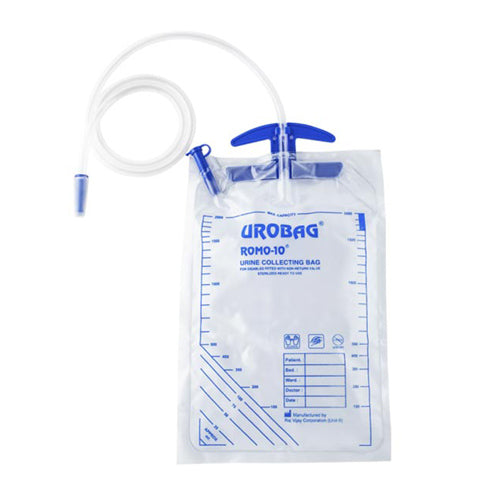
Type: Nursing
Uro Bag Romo 10 DB-1070-10 (Pack of 10)
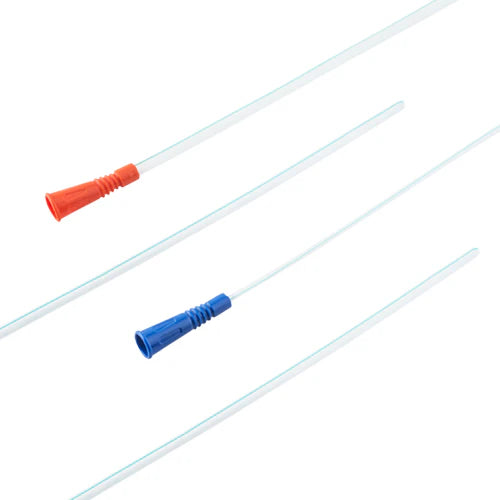
Type: Nursing
Nel Cath GS 1004


Type: Patient Transfer
Roll Splint 90x11 Cm | Orthopedic Roll Splint

Type: Bed Support
Male Cath GS-1010 (Pack of 10)

Type: Nursing
Silko Cath Adult GS 1078

Type: Nursing
T U R Set GS 1008 (Pack of 10)

Type: Nursing
Supra Cath Plus GS 1006S


Type: Nursing
Urometer Urine Measuring Device Drainage Bag for ICU

Type: Nursing
Foley Trac GS 1026


Type: Patient Room
Over Bed Table Gearmatic Trolley Delux Quality with PVC Top


Type: Drapes
Under Pad Non Sterile 60 x 90cm (10 Pcs)

Type: Nursing
Latex Foley Catheter 2 Way Pediatric Pack of 10

Type: Drapes
Under Pad Sterile 60 x 90cm (10 Pcs)
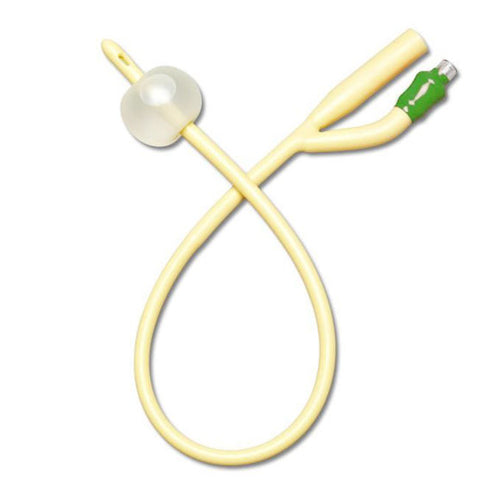
Type: Nursing
Uro Cath 2 Way Adult GS-1072 (Pack of 10)

Type: Patient Room
Single Basin and Solutions Stand with Shelf
Collection:
Understanding Foley Catheters: Uses and Care
Hearing that you or a loved one needs a Foley catheter can be overwhelming. This guide is here to provide simple, clear answers to your most urgent questions, turning confusion into confidence. A
What Is a Foley Catheter? A Simple Explanation
A Foley catheter is a soft, flexible tube designed to help your bladder drain. Think of it as a tiny, gentle plumbing assistant that provides a helping hand when your body is unable to urinate on its own. Once in place, the catheter creates a safe and discreet pathway for urine to flow from your bladder into a special collection bag. This allows you to rest and recover without needing to worry about trips to the bathroom. It is a standard, trusted device used in hospitals and homes everywhere.
Why Are Foley Catheters Used?
One of the most frequent times a catheter is needed is after surgery. While your body focuses on healing, a catheter takes care of urination for you, a key part of post-surgery bladder management. It also gives your medical team a simple way to measure your urine output, offering a clear picture of your hydration and recovery.
In other situations, the body’s own “plumbing” can run into trouble. A condition known as urinary retention occurs when the bladder is full but the pathway out is blocked. This can be painful and dangerous. A catheter acts as a relief valve, creating an immediate and safe channel for the urine to drain, bringing quick comfort.
While many catheters are used short-term, they can also provide essential long-term support. For people with certain nerve-related conditions, a spinal cord injury, or severe illness that makes getting to the bathroom difficult, a catheter offers a reliable way to manage bladder function, prevent complications, and maintain quality of life.
The Tiny Balloon That Keeps It Securely in Place
The secret to how a Foley catheter stays put is a tiny balloon on the tip of the tube that rests inside your bladder. After the catheter is perfectly positioned, a nurse uses a separate port to fill the balloon with a small amount of sterile water. This small, inflated balloon acts as a gentle anchor, keeping the flexible tube from slipping out.
This anchoring mechanism is designed to hold the catheter securely without causing discomfort during normal movements like walking, sitting, or sleeping. The catheter itself is made from a soft material like silicone to prioritize both security and comfort. Once it's correctly in place, you shouldn’t feel the balloon at all. It’s small enough to rest gently inside the bladder without creating pressure or sensation.

What to Expect When a Catheter is Placed
It's completely normal to feel nervous about catheter placement. A trained professional, like a doctor or nurse, will always perform the insertion using a sterile kit and will explain each step. The key sensation most people report is pressure, not sharp pain. The nurse will use a generous amount of lubricating jelly to help the soft tube slide in easily. As the catheter moves through the urethra (the tube that carries urine out of your body), you'll feel a strange pushing or pressure sensation. While it might feel a bit uncomfortable or awkward, it should not be intensely painful.
For most people, the entire procedure takes less than a minute. Once it is securely in place and the balloon is inflated, the initial feeling of pressure typically fades very quickly.

Your Catheter's Parts: A Quick Guide to the Tube, Ports, and Bag
Now that the catheter is in place, you’ll notice it’s a simple system with a few key parts. Understanding each one can make you feel more confident and in control. The entire
There are three main components to know:
- The Catheter Tube: This is the main, flexible tube that carries urine from your bladder to the collection bag.
- The Balloon Port: This is a small, colored valve off to the side. This port is not for urine. It’s only used by your nurse to inflate the tiny balloon holding the catheter in place. You can simply ignore it.
- The Drainage Bag: This is the urinary drainage bag that collects the urine. This is the part you will interact with when it needs to be emptied.
While resting, you will likely use a larger bag. When you need to move around, a smaller, more discreet bag is used.

Managing Your Leg Bag: How to Move Around with Confidence
Being connected to a large drainage bag isn’t practical for moving around. The leg bag is your key to mobility. This smaller, discreet bag comes with soft, adjustable straps to secure it comfortably to your thigh or calf. Position it snugly enough to stay in place but not so tight that it pinches. Loose-fitting pants, skirts, or dresses can easily conceal the bag, allowing you to go about your day with privacy.
When you position the bag, there is one crucial rule: always keep it below the level of your bladder. This allows gravity to drain urine away from your body, preventing old urine from flowing backward, which is a key part of avoiding infection. To keep the leg bag from becoming heavy or noticeable, a good rule of thumb is to empty it when it is about half to two-thirds full. This prevents the weight from pulling on the catheter tube and ensures the bag remains discreet.
The Overnight Bag: Tips for a Safe Night's Sleep
Getting a full night of rest is essential. At night, you’ll switch from the smaller leg bag to a larger urinary drainage bag, which is designed to hold a full night’s worth of urine so you won’t have to wake up to empty it. This simple switch is a key part of how to care for an indwelling catheter at home.
Just like with the leg bag, keep the bag below the level of your bladder. Most overnight bags come with a hook to hang on the side of your bed frame. If that isn't an option, placing the bag in a clean basin on the floor works perfectly. Before you sleep, do a quick check to ensure the tubing runs in a fairly straight line and isn't twisted or kinked. A clear path ensures urine can drain freely all night long.
How to Empty Your Drainage Bag Safely and Cleanly
Emptying your drainage bag is a task you’ll do a few times a day, and it quickly becomes routine. You should empty the bag when it is about two-thirds full or at least every eight hours. A full bag can pull on the catheter, causing discomfort and irritation.
The goal is to create a clean, one-way exit for urine without letting germs enter the system. Follow these "no-touch" technique steps every time:
- Wash your hands thoroughly with soap and water.
- Position the bag's drainage spout over the toilet. Be careful not to let the tip of the spout touch the toilet.
- Open the clamp or valve and allow the urine to drain.
- Before closing the spout, wipe the tip clean with a fresh alcohol pad. Then, close it securely and wash your hands again.
By keeping the system clean, you are doing the single most effective thing to prevent infections. This careful process is the cornerstone of good
Your Simple Daily Cleaning Routine to Prevent Infection

Along with keeping the drainage bag clean, your other key task is simple daily hygiene where the catheter enters your body. Once a day, gently wash the skin around the catheter using a soft cloth, warm water, and mild soap. This is one of the most effective ways for
The direction you clean is very important. Always start where the catheter enters and wipe away from your body, moving down the tube a few inches. This carries any potential germs away from you. Never scrub the area or try to clean inside the opening.
After washing, gently pat the area dry with a clean towel. Avoid using powders, creams, or lotions around the area unless your doctor specifically tells you to, as they can trap moisture and encourage germ growth.
Yes, You Can Shower! How to Do It Safely
A common question is, "Is it safe to shower?" The answer is yes. Showering is a great way to handle your daily cleaning routine all at once. It helps you feel fresh and reduces infection risk.
Before you get in, empty your drainage bag to make it easier to manage. In the shower, let the bag hang down while you wash. Use this time to perform your daily
The Best Clothing for Comfort and Discretion
Finding the right outfit is about comfort and freedom of movement. Loose-fitting clothing is your best friend. For women, skirts and dresses are excellent choices. For everyone, wide-leg pants, joggers, or bottoms made from soft, stretchy fabrics work wonders. They allow the tubing to rest naturally without pulling or kinking.
Choosing clothes like this helps you feel more like yourself. When your clothing easily accommodates the equipment, you don't have to worry about snagging the tube or feeling self-conscious about the bag. This confidence is a huge part of successfully living with a urinary drainage bag.
Hydration is Your Best Friend: Why Drinking Water is Crucial
Staying well-hydrated is one of the most powerful tools for successful
Sometimes, urine can contain tiny particles called sediment. Without enough fluids, your urine becomes concentrated, and this sediment can clump together and create a clog. Good hydration keeps your urine diluted, preventing these particles from causing painful blockages.
A good rule of thumb is to drink enough water and clear fluids to keep your urine a light, pale yellow color. If it starts to look dark or amber, that’s a signal from your body to drink more.
Silicone vs. Latex: What You Need to Know About Catheter Materials
Most Foley catheters are made from either latex or silicone. The choice often comes down to allergies. It is crucial to tell your doctor or nurse if you have a known latex allergy, so they can provide a catheter made from a different material to keep you safe.
For those with allergies or who need a catheter long-term, silicone is the most common alternative. Silicone catheters are generally smoother and can be less irritating over weeks or months. Your healthcare team will choose the best material for your specific situation.

How Catheter Sizing Works (And Why Your Doctor Handles It)

Catheter sizing is not one-size-fits-all. A healthcare professional will carefully select the correct size for your body using the French scale, considering factors like your anatomy to ensure the catheter functions properly.
The goal is to find a size that is large enough to allow urine to drain freely but small enough to be as comfortable as possible. This decision is always made by your care team, so you never have to worry about figuring out numbers or charts. Their expertise ensures the catheter works effectively without causing unnecessary discomfort.
Red Flags: 4 Signs of a Catheter-Associated UTI (CAUTI)
While a Foley catheter is safe, its main risk is creating a pathway for germs to enter the bladder, leading to a Catheter-Associated Urinary Tract Infection (CAUTI). These infections are treatable, and you are the first line of defense in spotting the signs early.
The most common signs of a catheter-associated UTI are clear signals from your body that something isn't right. Be on the lookout for any of the following:
- Changes in your urine: It might look cloudy, have a reddish or pink tint (from blood), or have a new, strong odor.
- Fever or chills: Feeling feverish is your body's alarm bell that it's fighting an infection.
- New pain or tenderness: Discomfort in your lower stomach (abdomen) or back that wasn't there before.
- Burning or discomfort: A new feeling of burning or pain where the catheter enters your body.
If you experience one or more of these symptoms, contact your doctor or nurse’s office right away.
What if My Catheter Stops Draining? How to Spot a Blockage
If you check and find the drainage bag is empty after several hours, it might be the first sign of a blockage. Your body will also send signals, such as a new feeling of fullness, pressure, or cramping pain in your lower stomach. You might also feel a sudden, urgent need to urinate.
Before you panic, check the tubing to make sure it hasn't become kinked or twisted. If the tube is straight and still not draining, or if you are in pain, it's time to call your nurse or doctor for help. It's crucial not to ignore these symptoms.
How to Manage Bladder Spasms with a Catheter
That sudden, intense urge to urinate or a cramping feeling in your lower abdomen might be a bladder spasm. Your bladder is a muscular organ, and when it becomes irritated by the catheter, it can sometimes squeeze down hard. This sudden muscle contraction is a spasm, and while startling, it is very common.
The most effective strategy for preventing bladder spasms with a catheter is to minimize irritation. One of the biggest culprits is the catheter tubing pulling or tugging. Prevent this by securing the tube to your thigh with a leg strap or medical tape. Staying well-hydrated and preventing constipation can also make a big difference, as a full bowel can press on the bladder. While most spasms are brief, persistent or painful ones are a good reason to check in with your healthcare team.
When to Call Your Doctor or Nurse: A Simple Checklist
Living with a catheter means becoming the expert on your own body. This simple guide helps you know when to seek help immediately and when to call during regular office hours.
Call Immediately If:
- No urine has drained into the bag for more than 4 hours.
- The catheter falls out completely.
- You have a fever over 101°F (38.3°C), especially with chills or back pain.
Call Your Provider’s Office If:
- You see early signs of a catheter associated uti, like cloudy, bad-smelling urine or a burning feeling (without a high fever).
- The skin around the catheter becomes very red, swollen, or painful.
- You have persistent bladder spasms that don't go away.
Trust your instincts. If something feels wrong and you're worried, never hesitate to reach out to your healthcare team.
What to Expect When Your Foley Catheter is Removed
The day your catheter is removed signals a return to normalcy. The process is usually quick and straightforward. A nurse will use a small syringe to deflate the internal balloon, and the soft tube simply slides out. You might feel a strange sensation or slight pressure, but it’s typically over in seconds.
After removal, it’s normal for your body to need time to readjust. You might feel a mild burning sensation the first few times you urinate, feel the urge to go more frequently, or have a little leakage. These common catheter removal side effects happen because your bladder muscles are “waking up.” For most, these feelings fade within a day or two. Drinking plenty of water can help flush your system and ease discomfort.
Are There Alternatives? A Brief Look at Other Catheter Types
While the Foley catheter is common, it’s one of several options. Your medical team always chooses the right device for your situation. For individuals who can’t empty their bladder on their own but don’t need constant drainage, an intermittent catheter is often used. This tube is inserted to drain the bladder and then immediately removed, typically on a schedule. The key difference between an indwelling vs intermittent catheter is that one stays in place while the other is for temporary, repeated use.
In some long-term situations, a suprapubic catheter may be necessary. This type drains the bladder continuously but is inserted through a small opening in the lower belly instead of the urethra. These different urinary retention treatment options show that care can be tailored to what your body needs.
You Are in Control: Key Takeaways for Living Confidently
You have turned a daunting medical term into a clear and manageable part of your daily routine. Mastering
You are the most important and active partner on your healthcare team. Each time you practice these simple steps, you build confidence. You are not just a patient managing a device; you are a capable person taking charge of your well-being, proving that a comfortable and full life is absolutely possible.
