
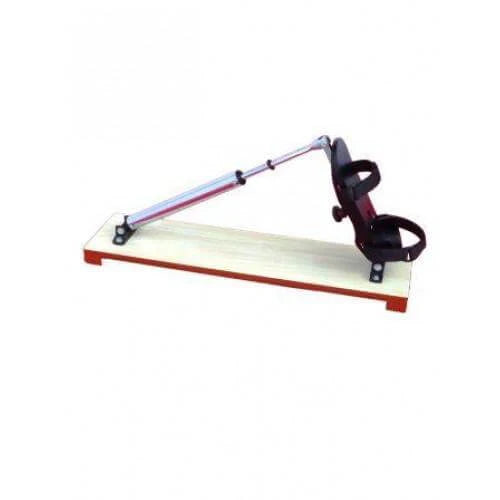
Type: Occupational
Heel Exerciser with Wooden Base


Type: Occupational
Medansh Exercise Quadriceps Chair

Type: Occupational
Heel Stretcher Exerciser
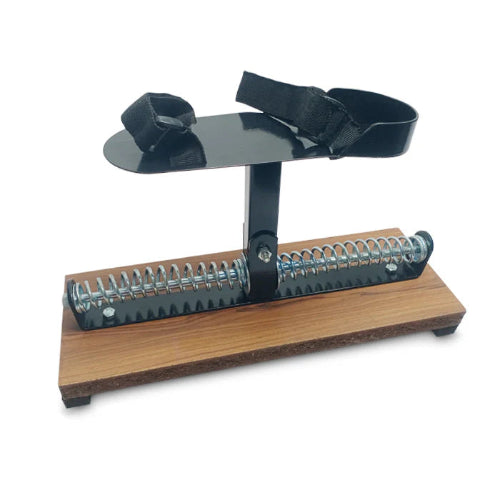
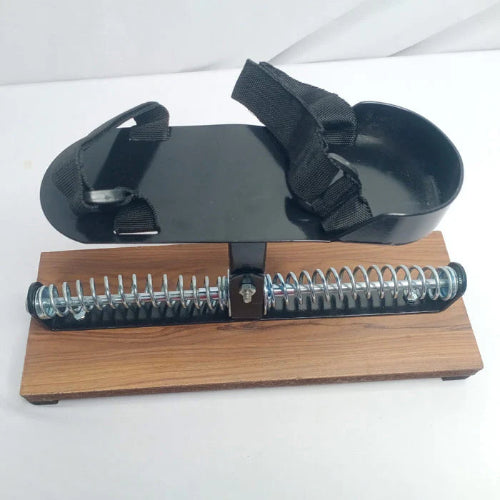
Type: Occupational
Ankle Exerciser Premium Quality


Type: Modalities
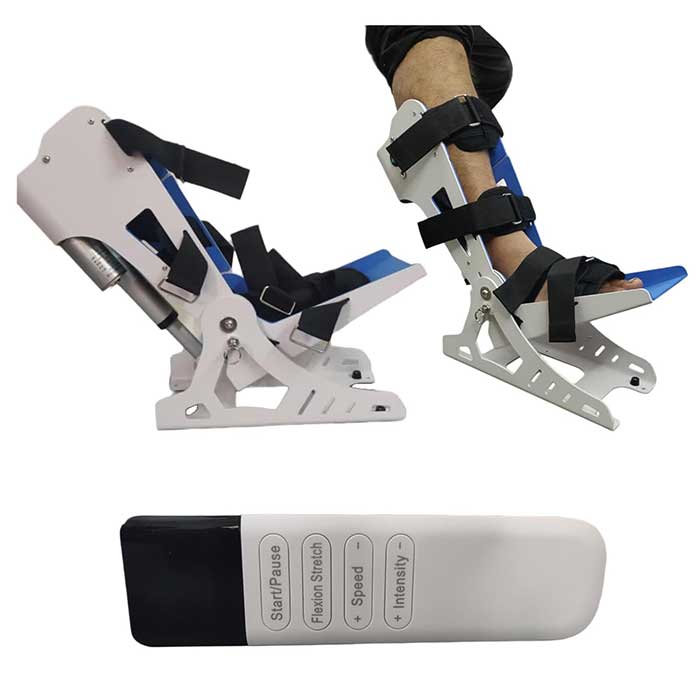
Ankle CPM Machine for Ankle Rehabilitation & Recovery
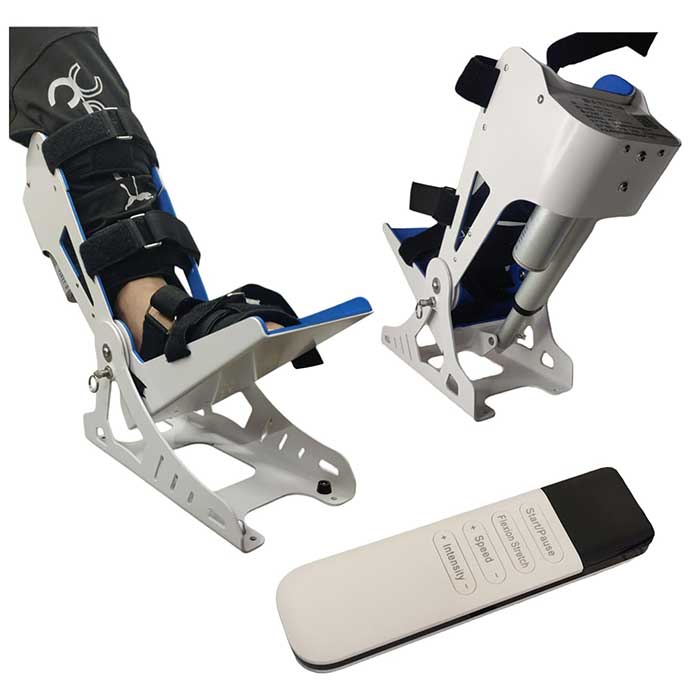
Type: Modalities
Ankle CPM Machine - delux
Collection:
Choosing the Right Foot and Ankle Exercise Equipment
When it comes to maintaining foot and ankle health, the right exercise equipment can make all the difference. Whether you're a hospital administrator, a medical equipment distributor, or a healthcare technology consultant, understanding the nuances of foot and ankle exercise equipment is crucial. This guide will help you navigate the options available and choose the most suitable equipment for your needs.

The Role of Exercises in Injury Prevention
Regular foot and ankle exercises are a cornerstone in preventing injuries. By strengthening the muscles and ligaments around these joints, individuals can reduce the likelihood of sprains and strains.
Enhancing Balance and Coordination
Balance and coordination are critical for everyday activities and sports performance. Exercises targeting the foot and ankle can improve these skills by activating stabilizing muscles and enhancing the neural pathways responsible for balance. This not only aids athletes in achieving peak performance but also helps older adults maintain independence by reducing fall risks.
Supporting Recovery and Pain Management
Incorporating foot and ankle exercises into rehabilitation programs can significantly support recovery. They help restore mobility and strength post-surgery or injury, facilitating a quicker return to normal activities. Additionally, regular exercises can alleviate chronic pain conditions, such as plantar fasciitis and Achilles tendonitis, by reducing inflammation and improving blood flow.
Types of Foot and Ankle Exercise Equipment
The market offers a diverse range of equipment designed to target specific needs related to foot and ankle health. Let's explore the most common types.
Balance Boards and Stability Trainers
Balance boards are excellent for improving proprioception and balance. They engage multiple muscles, enhancing overall stability.
- Target Users: Patients recovering from injuries, athletes, and older adults.
- Benefits: Improves coordination and reduces the risk of re-injury.
Enhancing Proprioception and Stability
Balance boards are pivotal in training proprioception, which is the body's ability to perceive its position in space. By challenging the body's equilibrium, these tools engage core muscles and improve joint stability, crucial for both athletes and those recovering from lower limb injuries.
Versatility in Exercise Routines
These boards are not just for rehabilitation; they can be integrated into general fitness routines. By incorporating them into exercises like squats and lunges, users can increase workout intensity and engage additional muscle groups, making them a versatile addition to any fitness regimen.
Adapting to Different User Needs
Balance boards come in various designs, from simple flat boards to more complex models with multidirectional capabilities. This variety allows users to select boards that match their skill levels, from beginners seeking basic stability training to advanced users looking for a challenging workout.
Resistance Bands and Tubes
Resistance bands are versatile tools for strength training. They are available in various resistance levels, catering to different fitness levels.
- Target Users: Suitable for both rehabilitation and general fitness.
- Benefits: Increases muscle strength and flexibility without putting undue stress on joints.
Customizable Resistance Levels
One of the standout features of resistance bands is their ability to offer varying levels of resistance. Users can easily switch between light, medium, and heavy bands to tailor their workouts to their fitness levels or rehab needs, making them ideal for gradual strength progression.
Portability and Convenience
Resistance bands are lightweight and portable, allowing users to perform exercises virtually anywhere. Whether at home, in the clinic, or while traveling, these bands provide a convenient solution for maintaining a regular exercise routine without the need for bulky equipment.
Safe and Joint-Friendly Workouts
These bands are particularly beneficial for those with joint issues, as they provide resistance without the impact associated with free weights. This makes them a safe option for older adults and individuals recovering from surgeries, ensuring effective workouts without the risk of exacerbating joint pain.
 Stretching and Flexibility Tools
Tools like foam rollers, massage balls, and calf stretchers aid in enhancing flexibility and relieving tension.
- Target Users: Individuals with tight muscles or those recovering from surgery.
- Benefits: Improves range of motion and reduces muscle soreness.
Foam Rollers for Deep Tissue Massage
Foam rollers are excellent for self-myofascial release, a technique used to relieve muscle tightness and improve flexibility. By rolling the foot and calf muscles over the foam, users can target knots and tension areas, promoting better muscle recovery and performance.
Massage Balls for Precision Relief
Massage balls offer targeted relief for specific areas of tension, such as the arches of the feet. These small, portable tools can be used to apply pressure to tight spots, helping to release tension and improve mobility, particularly beneficial for conditions like plantar fasciitis.
Calf Stretchers for Enhanced Flexibility
Calf stretchers are designed to isolate the calf muscles, providing an effective stretch that improves flexibility and reduces the risk of Achilles tendon injuries. Regular use of calf stretchers can enhance the range of motion and support activities that require ankle dorsiflexion.
Pedal Exercisers and Mini Ellipticals
These devices provide low-impact cardiovascular exercise, which is beneficial for overall health and specific foot and ankle conditions.
- Target Users: Patients with limited mobility or those recovering from lower limb injuries.
- Benefits: Boosts circulation and supports cardiovascular health.
Low-Impact Cardiovascular Benefits
Pedal exercisers and mini ellipticals offer a gentle form of cardiovascular exercise that minimizes stress on the joints. This makes them an ideal option for individuals who need to improve heart health or maintain fitness levels without exacerbating joint pain or injury.
Enhancing Circulation and Muscle Engagement
These devices are particularly beneficial for enhancing circulation in the lower extremities. By encouraging regular pedal motion, they help prevent blood pooling and swelling, which is crucial for patients recovering from surgery or those with circulatory issues.
Versatility and Ease of Use
Both pedal exercisers and mini ellipticals are compact and easy to use, making them suitable for use in small spaces or by individuals with limited mobility. They can be used while seated, allowing for exercise during activities like watching TV or working at a desk, ensuring users can integrate movement into their daily routines.
How to Choose the Right Equipment
Selecting the appropriate equipment requires a thorough understanding of user needs, medical conditions, and the intended use environment.
Assessing User Needs
Consider the specific requirements of the users, whether they are patients, athletes, or older adults. Tailor the equipment choice based on their fitness level, recovery goals, and any medical conditions.
Identifying Specific Health Conditions
Understanding the health conditions of the user is paramount when choosing equipment. For example, individuals with arthritis may require low-impact equipment that aids joint mobility, while those recovering from a fracture might need tools that focus on gradual strength building and flexibility.
Tailoring to Fitness and Recovery Goals
It's crucial to align equipment with the user's fitness and recovery goals. An athlete may prioritize equipment that enhances performance and agility, while a senior might focus on tools that improve balance and reduce fall risk. Identifying these goals helps in selecting the most appropriate equipment.
Considering Age and Physical Limitations
Age and physical limitations play a significant role in equipment selection. Older adults or those with disabilities might need equipment that is easy to use and supports their physical limitations. Adjustable features and safety mechanisms should be prioritized to ensure a comfortable and effective exercise experience.
Evaluating Quality and Durability
Ensure that the equipment is made from high-quality materials and is built to last. Look for products from reputable manufacturers who offer warranties and customer support.
Importance of Material Quality
The material quality of exercise equipment directly impacts its durability and user safety. Opt for equipment made from robust materials such as high-grade plastic or metal that can withstand regular use and provide a stable and secure exercise experience.
Manufacturer Reputation and Reliability
Reputable manufacturers are more likely to produce reliable and durable equipment. Look for brands with positive reviews and a track record of delivering high-quality products. A good reputation often indicates a commitment to quality and customer satisfaction.
Warranty and Customer Support Considerations
A manufacturer's warranty is a testament to the confidence they have in their product. Ensure that the equipment comes with a comprehensive warranty covering defects and potential issues. Additionally, reliable customer support can provide assistance and troubleshooting, ensuring long-term satisfaction with the equipment.
Considering Budget and Cost-effectiveness
Balance quality with cost. While it's important to stay within budget, prioritize durable and effective equipment that offers the best value.

When evaluating equipment, consider the cost-to-benefit ratio. While cheaper options may be appealing, investing in slightly higher-priced equipment often ensures better quality and durability, reducing long-term costs associated with replacements and repairs.
Exploring Financing and Bulk Purchase Options
For healthcare facilities or distributors, exploring financing options or discounts for bulk purchases can enhance affordability. Many manufacturers offer financing plans or reduced rates for bulk orders, making it easier to acquire high-quality equipment without exceeding budget constraints.
Long-term Value and Return on Investment
Consider the long-term value and potential return on investment when selecting equipment. Durable, high-quality equipment may have a higher upfront cost but will likely save money in the long run by reducing maintenance and replacement expenses. Additionally, effective equipment can lead to better patient outcomes, enhancing the facility's reputation and attracting more clients.
Strategic Procurement for Healthcare Facilities
For hospital administrators, sourcing reliable foot and ankle exercise equipment involves strategic procurement practices.
Streamlining Purchasing Procedures
Implement a streamlined procurement process that allows for quick decision-making and reduces lead times. Utilize digital platforms for efficient ordering and inventory management.
Leveraging Technology for Efficient Procurement
Digital procurement platforms can significantly improve the efficiency of purchasing procedures. By automating order processes and integrating inventory management, healthcare facilities can reduce administrative workload and ensure timely equipment acquisition.
Establishing Standardized Protocols
Standardized procurement protocols help ensure consistency and reliability in purchasing. By establishing clear guidelines and criteria for equipment selection, hospitals can make informed decisions quickly, minimizing delays and optimizing resource allocation.
Collaborating with Key Stakeholders
Engaging key stakeholders, such as clinical staff and financial managers, in the procurement process ensures that all perspectives are considered. This collaborative approach helps align equipment purchases with clinical needs, budgetary constraints, and overall facility goals, leading to more strategic and effective procurement decisions.
Enhancing Equipment Quality
Focus on acquiring equipment that meets high standards of quality and safety. Collaborate with trusted suppliers to ensure consistent supply and service.
Implementing Rigorous Quality Assessments
Conduct thorough quality assessments to ensure equipment meets safety and performance standards. This involves evaluating product specifications, testing equipment in real-world scenarios, and obtaining feedback from clinical staff to confirm effectiveness and reliability.
Building Relationships with Reliable Suppliers
Establishing strong relationships with reliable suppliers is essential for maintaining a consistent supply of high-quality equipment. Trusted suppliers are more likely to offer competitive pricing, timely deliveries, and responsive customer service, all of which contribute to effective procurement.
Continuous Monitoring and Evaluation
Regularly monitor and evaluate the performance of procured equipment to ensure it continues to meet quality standards. Implement feedback mechanisms that allow clinical staff to report issues or suggest improvements, ensuring ongoing optimization of equipment quality.
Optimizing Procurement Strategy
Develop a procurement strategy that aligns with the hospital's goals of enhancing patient care and operational efficiency. Regularly review market trends and adjust strategies to stay competitive.
Aligning Procurement with Strategic Goals
Procurement strategies should be closely aligned with the hospital's overarching goals, such as improving patient care, increasing operational efficiency, and managing costs. By aligning procurement with these objectives, facilities can ensure that equipment acquisitions directly support their mission and enhance overall performance.
Adapting to Market Changes
The healthcare equipment market is constantly evolving, with new technologies and products emerging regularly. Staying informed about market trends and innovations allows hospitals to adapt their procurement strategies, ensuring they acquire cutting-edge equipment that meets evolving clinical needs.
Evaluating Cost-effectiveness and Impact
Regularly assess the cost-effectiveness and impact of procurement strategies. This involves analyzing the return on investment of acquired equipment, evaluating patient outcomes, and identifying areas for improvement. By continuously refining procurement strategies, hospitals can optimize resource allocation and enhance the quality of care.
Opportunities for Medical Equipment Distributors
Medical equipment distributors can leverage the growing demand for foot and ankle exercise equipment by identifying market trends and positioning products effectively.
Identifying Market Demands
Stay informed about the latest trends in foot and ankle health. Engage with healthcare providers to understand their needs and preferences.
Conducting Market Research and Analysis
In-depth market research is crucial for identifying emerging trends and demands. By analyzing data on consumer preferences, technological advancements, and healthcare challenges, distributors can anticipate market needs and position their products effectively.
Engaging with Healthcare Professionals
Regular engagement with healthcare professionals provides valuable insights into their equipment needs and preferences. By fostering relationships with clinicians and therapists, distributors can better understand clinical challenges and tailor their offerings to meet specific requirements.
Leveraging Feedback and Insights
Collecting feedback from end-users and healthcare facilities can guide product development and marketing strategies. By incorporating user insights into product design and features, distributors can enhance product appeal and ensure their offerings meet the practical needs of the market.
Differentiating Products in a Competitive Landscape
Highlight the unique features and benefits of your products. Offer comprehensive training and support to healthcare facilities to ensure optimal product use.
Emphasizing Unique Selling Propositions
To stand out in a competitive market, distributors must emphasize the unique selling propositions (USPs) of their products. This includes highlighting innovative features, superior quality, or specialized applications that address specific clinical needs, setting their offerings apart from competitors.
Providing Comprehensive Training and Support
Offering training and support services enhances product value and ensures optimal use by healthcare professionals. Distributors can provide workshops, online tutorials, and technical support, helping facilities maximize the benefits of their equipment and fostering long-term customer relationships.
Developing Strategic Partnerships
Building strategic partnerships with manufacturers and healthcare providers can enhance product visibility and credibility. Collaborative efforts, such as co-branded promotions or joint educational initiatives, can strengthen market presence and drive sales growth.
Insights for Healthcare Technology Consultants

Healthcare technology consultants can play a pivotal role in guiding clients through the selection and integration of foot and ankle exercise equipment.
Staying Current with Technology Trends
Continuously update your knowledge on the latest advancements in healthcare technology. Attend industry conferences and webinars to stay informed.
Engaging in Continuous Professional Development
Healthcare technology consultants must commit to ongoing professional development to stay abreast of technological advancements. Attending workshops, certification programs, and courses can enhance expertise and provide valuable insights into emerging trends and innovations.
Networking with Industry Leaders
Building a network of industry leaders and experts provides access to cutting-edge information and perspectives. By participating in professional associations and forums, consultants can engage with thought leaders and stay informed about the latest developments in healthcare technology.
Utilizing Online Resources and Publications
Online resources, such as industry publications, podcasts, and webinars, offer convenient ways to stay updated on technology trends. Regularly consuming this content helps consultants maintain a comprehensive understanding of the market and anticipate future developments.
Providing Informed Recommendations
Offer clients tailored recommendations based on their specific needs and goals. Provide insights into cost-effective solutions and innovative products that enhance patient care.
Conducting Needs Assessments
Thorough needs assessments are essential for providing informed recommendations. By evaluating a client's clinical requirements, budget constraints, and strategic goals, consultants can tailor their advice to ensure optimal equipment selection and integration.
Highlighting Cost-effective and Innovative Solutions
Consultants should emphasize cost-effective solutions that offer high value and align with client goals. By showcasing innovative products that improve patient outcomes and operational efficiency, consultants can help clients make informed decisions that enhance their service offerings.
Facilitating Seamless Integration
Assisting clients with the integration of new equipment into their existing systems is crucial for maximizing value. Consultants can provide guidance on workflow adjustments, staff training, and technology integration, ensuring smooth transitions and optimal utilization of new equipment.
Conclusion
Choosing the right foot and ankle exercise equipment is essential for improving patient outcomes and enhancing the quality of care in healthcare settings. By understanding the types of equipment available and considering the specific needs of users, healthcare professionals can make informed decisions that benefit both patients and the healthcare ecosystem as a whole. Whether you're involved in procurement, distribution, or consulting, staying informed and proactive in this evolving market is key to success. By embracing innovative solutions and strategic approaches, stakeholders can drive advancements in foot and ankle health, ultimately contributing to better patient care and improved clinical outcomes.
Q&A
Question: Why are foot and ankle exercises important for different populations (athletes, older adults, patients)?
Short answer: Regular foot and ankle exercises strengthen muscles and ligaments, reducing the risk of sprains and strains, and improve proprioception to prevent falls—especially in older adults. They also enhance balance and coordination for daily activities and sports. In rehabilitation, these exercises restore mobility and strength after injury or surgery and can help manage chronic pain conditions like plantar fasciitis and Achilles tendonitis by improving blood flow and reducing inflammation.
Question: Which types of equipment align best with common goals like balance, strength, flexibility, and low-impact cardio?
Short answer: For balance and proprioception, balance boards and stability trainers engage stabilizing muscles and suit athletes, older adults, and those recovering from injuries. For strength and flexibility without joint stress, resistance bands offer customizable resistance levels and are portable for rehab or general fitness. For flexibility and tension relief, foam rollers, massage balls, and calf stretchers improve range of motion and target tight spots (e.g., arches, calves). For low-impact cardiovascular needs and circulation support, pedal exercisers and mini ellipticals provide gentle, seated-friendly movement ideal for limited mobility or post-surgery recovery.
Question: How should I choose equipment based on user needs and health conditions?
Short answer: Factor in specific conditions: arthritis may call for low-impact, mobility-focused options; fracture recovery may need gradual strength and flexibility tools. Consider age and physical limitations—prioritize adjustability, ease of use, and safety features to ensure effective, comfortable use.
Question: What quality and budget factors matter most when evaluating equipment?
Short answer: Prioritize durable materials (e.g., high-grade plastics or metals), reputable manufacturers with positive reviews, and comprehensive warranties backed by responsive customer support. Balance cost with long-term value: higher-quality products can reduce replacement and maintenance expenses and improve outcomes. For facilities, explore financing and bulk-purchase discounts to stay within budget while maintaining standards.
Question: How can healthcare facilities, distributors, and consultants maximize success with foot and ankle equipment?
Short answer: Facilities should streamline procurement via digital platforms, standardize selection protocols, involve clinical and financial stakeholders, conduct rigorous quality assessments, cultivate reliable supplier relationships, and routinely evaluate outcomes and ROI. Distributors can lead by doing market research, engaging clinicians for feedback, emphasizing product USPs, offering training and support, and forming strategic partnerships. Consultants add value by staying current on tech trends, performing thorough needs assessments, recommending cost-effective, innovative solutions, and facilitating seamless integration and staff training.