Filter
15 products
Type: Instruments
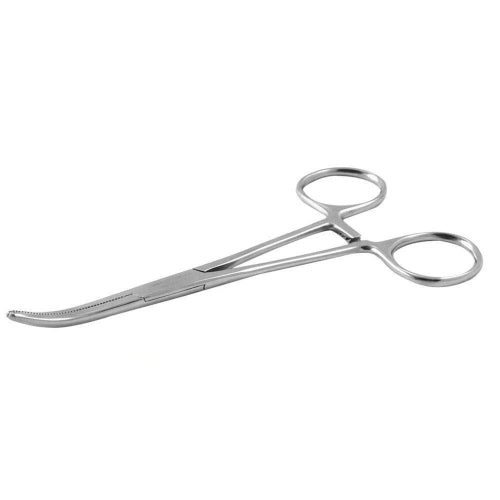
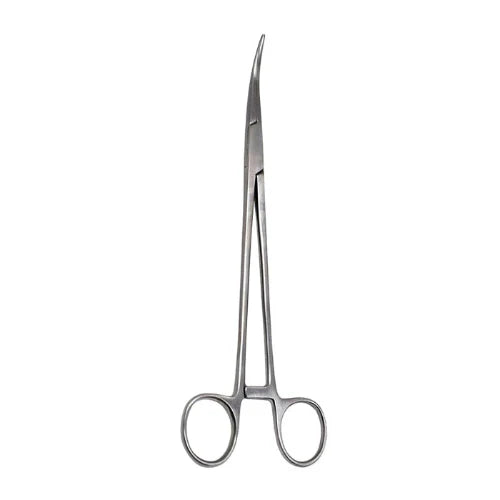
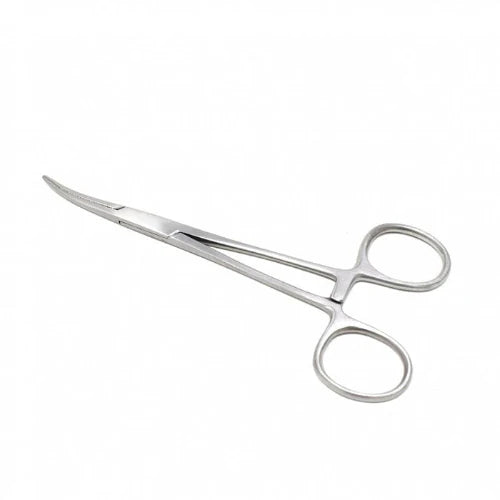
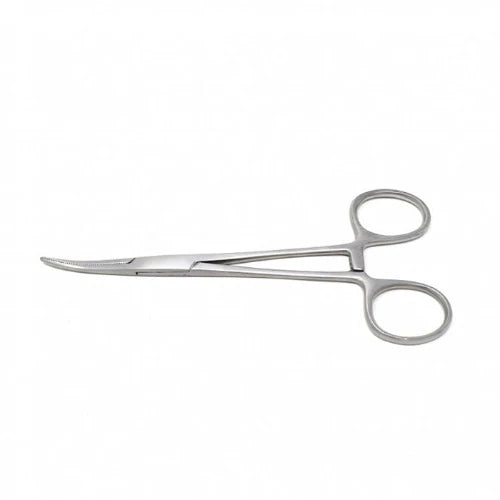
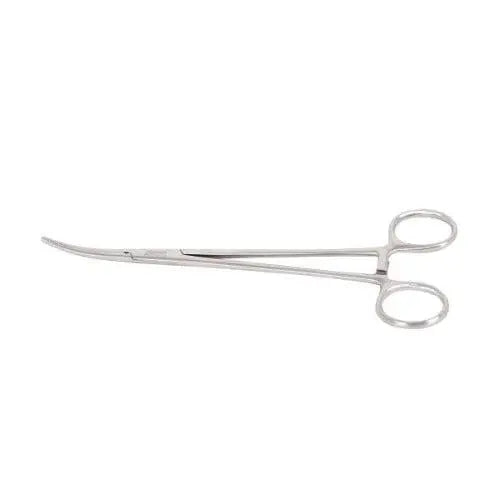
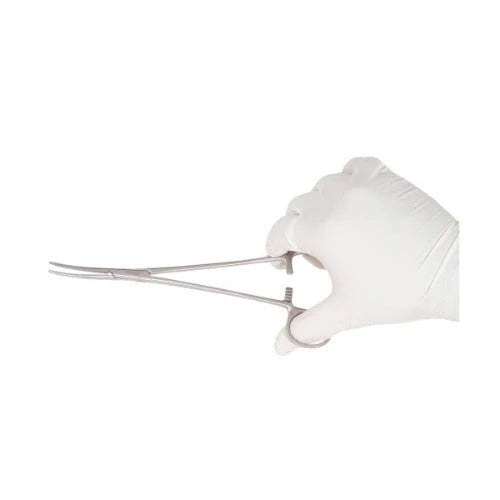
Artery Forceps Curved SS Delux Quality
Type: General Instruments
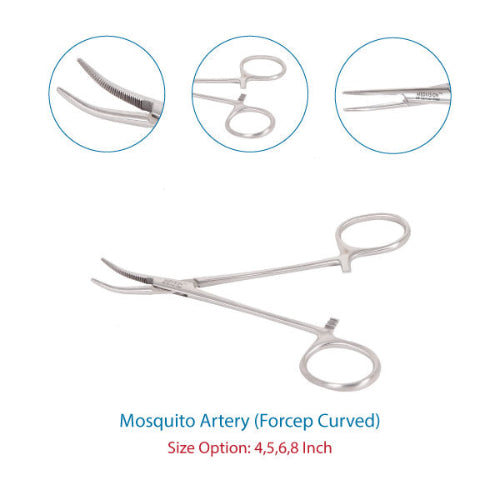
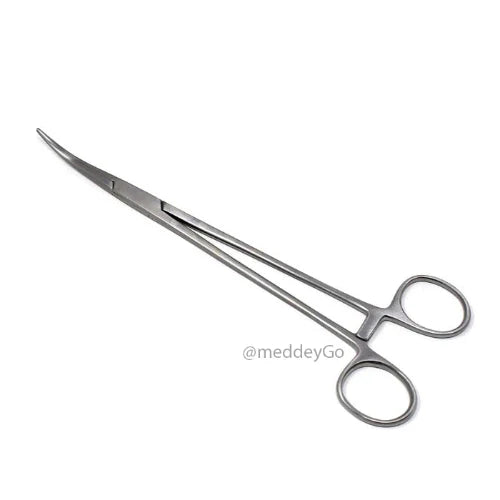
Mosquito Artery Forceps Curved 8 inch
Type: Instruments
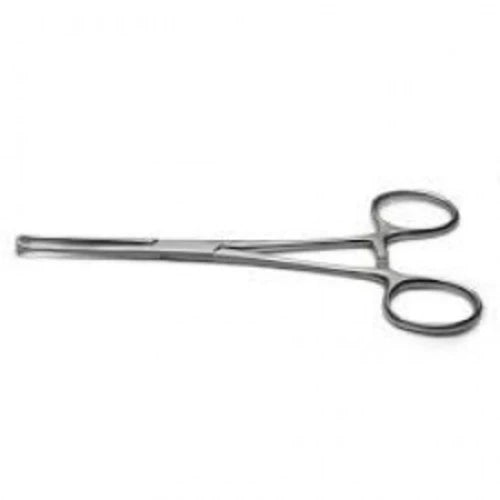
Allis Tissue Forceps Surgical Instrument
Type: General Instruments
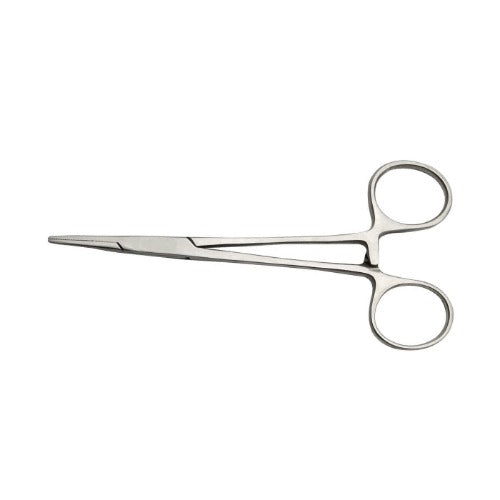
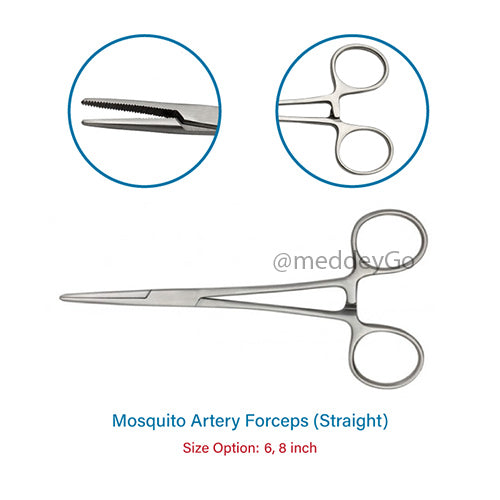
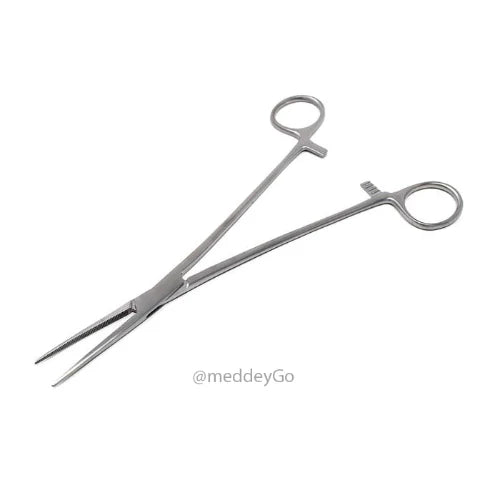
Mosquito Artery Forceps Straight
Type: Instruments
Crile Artery Forceps (Curved)
Type: Instruments
Allis Tissue Forceps Straight SS Delux Quality
Type: Instrument
Debakey Satinsky Forceps
Type: Instruments
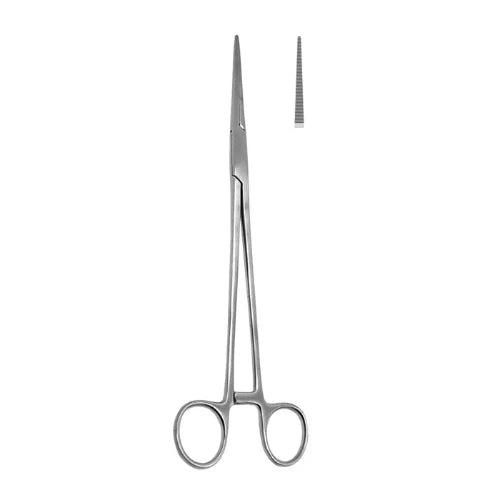
Crile Artery Forceps (Straight)
Type: Instrument
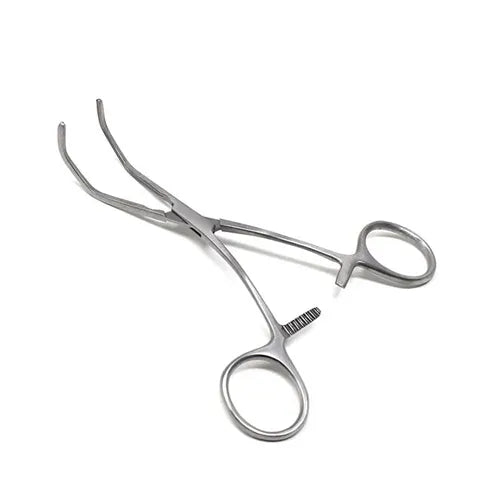
Dandy Artery Forceps
Type: Instruments
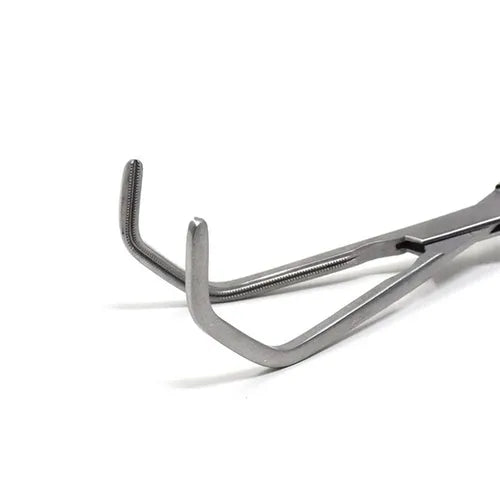
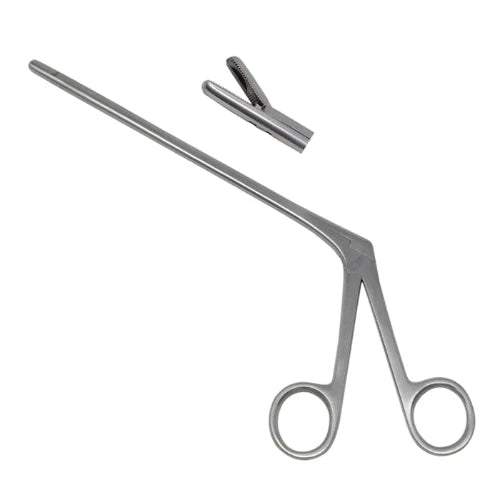
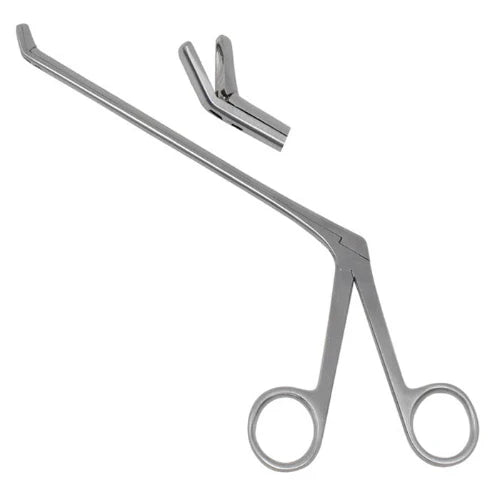
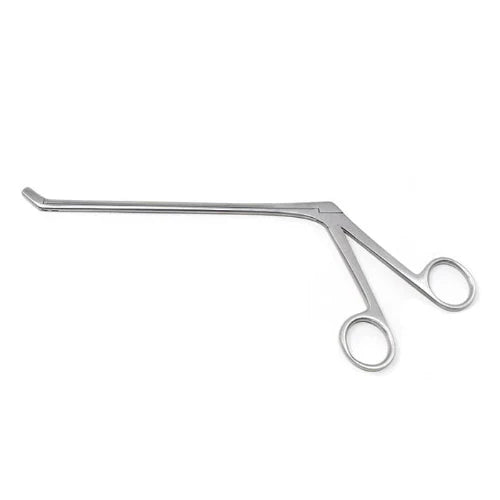
Disc Punch Forceps (Serrated) Down
Type: Instrument
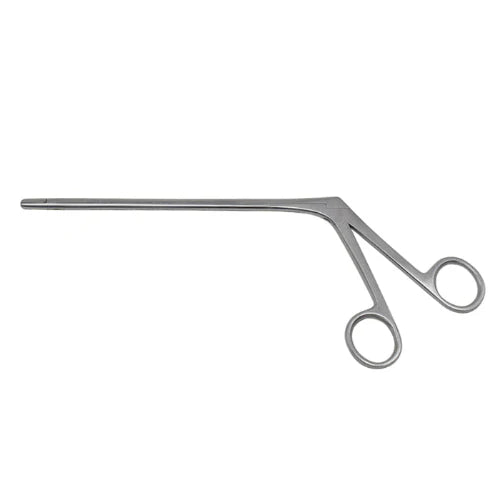
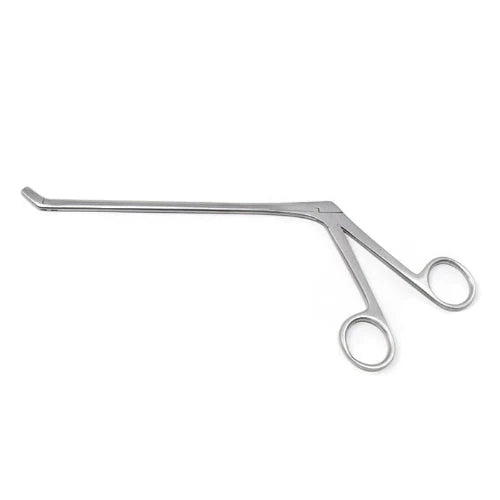
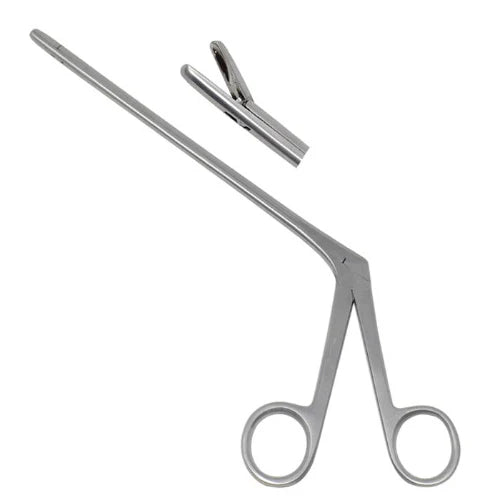
Disc Punch Forceps (Serrated) Straight
Type: Instrument
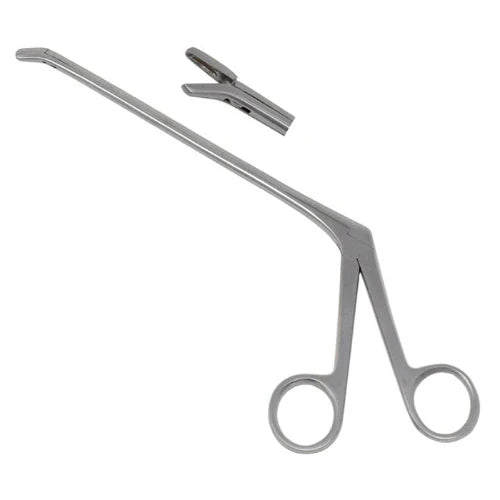
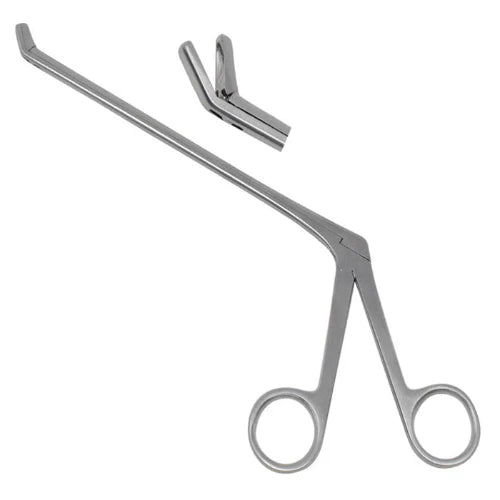
Disc Punch Forceps (Serrated) Up
Type: Instrument
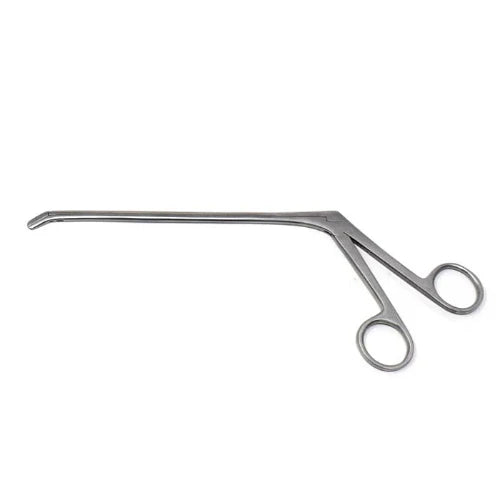
Disc Punch Forceps Plain Down
Type: Instrument
Disc Punch Forceps Plain Up
Type: Instrument
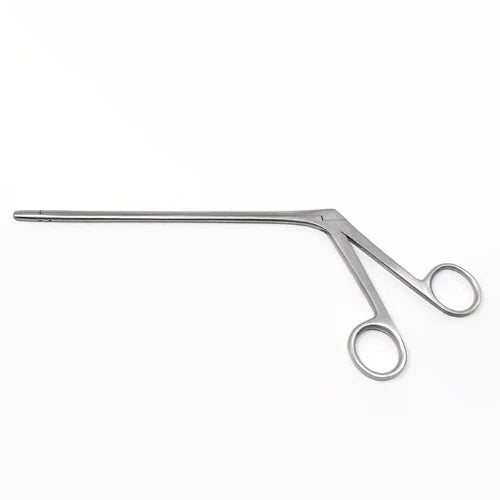
Disc Punch Forceps Plain Straight
Collection:
Forceps Instrument: Types, Uses, Surgical Categories, and Complete Guide
Introduction: Why Forceps Instruments Matter So Much in Surgery
A forceps instrument is one of the most essential categories in surgery because forceps are used to grasp, hold, manipulate, clamp, or stabilize tissues and structures during medical procedures. Although forceps may look simple to a non-medical observer, they are actually a broad and highly specialized family of surgical instruments. The shape of the tips, presence or absence of teeth, handle style, locking mechanism, and overall size all influence how the instrument is used.
This topic is searched frequently because buyers, students, and healthcare staff often use the word forceps very broadly. Some people mean thumb forceps. Some mean artery forceps. Some mean tissue forceps. Some are looking for small forceps. Others want to understand forceps used in surgery in general. This is why search phrases such as instrument forceps, surgical forceps, forceps surgical instruments, and small forceps all appear together. They point to one broad question: what exactly are forceps, and how are they classified?
Surgical education sources explain that forceps can be divided into ratcheted and non-ratcheted types. TeachMeSurgery, for example, categorizes instruments like Allis, Babcock, Spencer Wells, and Dunhill under ratcheted forceps, while DeBakey, Lane, and Gillies are discussed as non-ratcheted tissue forceps. This is a very useful distinction because it helps learners understand how forceps are grouped not only by name, but by function and handle design.
A scientific review on surgical-instrument contamination also describes tissue forceps as instruments designed to grasp tissue so that the tissue experiences minimal trauma during surgery, while hemostats are forceps used for clamping. This reinforces an important idea: “forceps” is not one single instrument type. It is a family that includes both grasping and clamping roles.
This article explains what forceps are, how forceps instruments are classified, what the difference is between ratcheted and non-ratcheted forceps, what small forceps means, how common named forceps differ from each other, and how hospitals and learners should think about forceps more clearly.
Operation Theatre Use
Forceps are core surgical tools used for grasping tissue, holding structures, and clamping when needed.
Medical Education
Important for students because forceps are taught through both functional categories and named instrument types.
Procurement & Instrument Sets
Useful for understanding which forceps belong in general sets and why different tip designs are chosen for different tissues.
What Is a Forceps Instrument?
A forceps instrument is a medical or surgical tool used to grasp, hold, clamp, or manipulate tissue and other materials during a procedure. In general surgical education, forceps are part of the core instrument family and are designed with different tip patterns for different tissue-handling needs. TeachMeSurgery’s instrument overview makes this very clear by presenting multiple forceps types with different gripping characteristics and different clinical uses.
In simple terms, forceps work like precision holding instruments. Some are intended to hold tissue gently. Some are intended to grasp tougher tissue firmly. Some are mainly used to clamp vessels before ligation. This variation is why the word forceps alone is not enough to describe the exact instrument.
A scientific review also notes that tissue forceps are specifically designed to grasp tissue with minimal trauma, which highlights one of the most important goals of good forceps design: holding tissue effectively without causing unnecessary damage.
Simple Definition
A forceps instrument is a surgical tool used to grasp, hold, manipulate, or clamp tissues and structures during medical procedures.
Why Forceps Are So Important in Surgery
The phrase forceps surgery often appears in search behavior because forceps are among the most basic and universal surgical instruments. They are used throughout surgery for exposure, handling, holding, clamping, and assisting other steps of the procedure. In general instrument teaching, forceps are not treated as optional extras. They are part of the basic operative language of instrument use.
Their importance comes from several practical roles:
- Holding tissue so it can be visualized or manipulated
- Grasping structures before cutting or ligation
- Providing traction during tissue handling
- Helping control bleeding when used as hemostatic forceps
- Allowing more precise work in confined surgical spaces
Because surgery depends on controlled tissue handling, the forceps family remains one of the most fundamental instrument groups in clinical practice.
Grasping Role
Forceps are widely used to grasp tissues or structures during procedures.
Holding Role
They help maintain control of tissues while the surgeon proceeds with other steps.
Clamping Role
Some forceps, especially hemostatic types, are designed to clamp vessels or structures.
Precision Role
Forceps allow targeted and controlled tissue handling in open and delicate procedures.
Main Classification of Surgical Forceps
A very useful way to understand surgical forceps is to classify them into two broad groups:
- Ratcheted forceps
- Non-ratcheted forceps
TeachMeSurgery uses this classification in its general instrument guide. Ratcheted forceps are the ones that can lock shut through a ratchet mechanism, while non-ratcheted forceps are generally held manually without a locking handle. This classification is important because it reflects how the instrument is used, not just what it is called.
Another practical classification is by function:
- Tissue forceps
- Hemostatic forceps
- Atraumatic forceps
- Toothed forceps
- Non-toothed forceps
The scientific contamination review supports this kind of thinking by distinguishing tissue forceps from hemostats and emphasizing minimal-trauma grasping in tissue-handling forceps.
| Classification | Main Idea | Why It Matters |
|---|---|---|
| Ratcheted Forceps | Can lock in place using a ratchet | Useful when clamping or maintaining grip without constant hand pressure |
| Non-Ratcheted Forceps | Held directly by hand pressure | Useful for precise tissue handling and manual control |
| Tissue Forceps | Designed for tissue grasping | Often selected to reduce unnecessary tissue trauma |
| Hemostatic Forceps | Designed more for clamping | Important in bleeding control and vessel handling |
Ratcheted Forceps
Ratcheted forceps are instruments that can lock closed through a ratchet mechanism on the handle. TeachMeSurgery lists examples such as Allis, Babcock, Dunhill, Littlewood, Sawtell, and Spencer Wells in its ratcheted forceps section. These examples show how wide the ratcheted category is: some are used for firm tissue grasping, some for delicate atraumatic holding, and some for vascular clamping before ligation.
This category is important because the locking action changes the work style of the instrument. Instead of requiring continuous squeezing, the instrument can remain closed once ratcheted. That makes it especially useful where sustained clamping or holding is needed.
A scientific review describing hemostats as forceps used for clamping also fits very well with the ratcheted-forceps concept.
Ratcheted Rule
Ratcheted forceps are designed to lock shut, which makes them especially useful for clamping or maintaining grip during a procedure.
Non-Ratcheted Forceps
Non-ratcheted forceps are generally held by direct hand pressure and do not lock shut. TeachMeSurgery includes DeBakey, Lane, and Gillies in this category. These are often the instruments learners think of when they imagine hand-held tissue forceps used for precise grasping.
This category matters because direct hand control allows fine adjustments in grip and pressure. That is especially important for tissues where gentler or more precise handling is needed.
DeBakey forceps are specifically described as non-toothed forceps used in a wide variety of procedures and able to grasp tissues such as bowel without damaging them, making them a good example of atraumatic tissue-handling design.
Manual Control Rule
Non-ratcheted forceps are often chosen when the surgeon needs direct, fine, and adjustable grip control rather than a locked clamp.
Toothed vs Non-Toothed Forceps
Another very important distinction in forceps surgical instruments is whether the tips are toothed or non-toothed. TeachMeSurgery repeatedly points this out in its descriptions of Lane, Gillies, and DeBakey forceps. Toothed forceps are commonly used where firmer tissue grip is needed, while non-toothed forceps are more suitable for delicate tissues where minimizing trauma matters more.
This distinction is practically useful because the tip design strongly influences what tissue the instrument can handle appropriately. A forceps that is good for fascia may not be appropriate for bowel. A forceps good for skin may not be ideal for delicate internal tissue.
Toothed Forceps
Often used where firmer grip on tissue is required, such as tougher tissues.
Non-Toothed Forceps
More suitable for tissues where less traumatic handling is important.
Atraumatic Handling
Design choices aim to reduce tissue damage while still allowing grip.
Task-Specific Choice
Tip pattern should match the tissue type and intended use.
Common Types of Surgical Forceps
Surgical education sources often teach named forceps individually because each type reflects a distinct handling purpose. TeachMeSurgery’s overview includes several common examples:
- Allis forceps for grasping firm tissue such as fascia
- Babcock forceps for holding more delicate structures atraumatically
- Dunhill forceps for grasping vessels prior to ligation
- Spencer Wells forceps for clamping medium to large vessels
- DeBakey forceps for atraumatic tissue grasping
- Gillies forceps for narrow toothed skin grasping
- Lane forceps for grasping tough tissue
These examples show why the forceps family is so broad. Even though all are called forceps, their tissue roles are very different.
| Forceps Type | General Role | Teaching Example |
|---|---|---|
| Allis | Firm tissue grasping | Often discussed for fascia handling |
| Babcock | Atraumatic tissue holding | Often associated with delicate structures |
| Spencer Wells | Vessel clamping | Used before ligation of medium or large vessels |
| DeBakey | Delicate atraumatic grasping | Widely used across procedures |
| Gillies | Skin grasping | Narrow toothed design |
What Does Small Forceps Mean?
The term small forceps usually refers to forceps of smaller overall size, finer tips, or more delicate handling role. In surgical practice, “small” may reflect the size of the instrument itself, the working space, or the type of tissue involved. TeachMeSurgery, for instance, describes Dunhill forceps as small forceps with curved serrated ends often used to grasp vessels prior to ligation.
This means small forceps should not be understood only as mini versions of general forceps. Often they are built for finer work, smaller structures, or more precise operative spaces.
In procurement and education, small forceps are important because size affects visibility, accuracy, and tissue-handling appropriateness.
Size Logic
Small forceps usually indicate finer, smaller, or more precise instruments suited to smaller structures or narrower working spaces.
Forceps Instrument Design Features
A forceps instrument is defined not only by its name, but also by its design features. These commonly include:
- Tip type and shape
- Presence or absence of teeth
- Serration pattern
- Locking ratchet or no ratchet
- Overall size and shaft length
- Curved or straight profile
TeachMeSurgery’s examples reflect these differences very clearly. Babcock forceps have a smooth end for delicate structures. Spencer Wells are available in curved or straight versions. Dunhill forceps have curved serrated ends. These differences are not cosmetic — they define the use of the instrument.
Good forceps design aims to achieve a stable grip with minimal unnecessary trauma. A recent paper on shark skin forceps states that important safety requirements for forceps include the ability to stably grasp fine tissue while causing minimal tissue damage.
Tip Shape
Determines what kind of tissue or structure can be grasped effectively.
Teeth Pattern
Influences grip strength and how atraumatic or firm the hold will be.
Ratchet Presence
Changes the work style from manual holding to locking clamp behavior.
Size and Curvature
Helps match the instrument to the operative space and task.
Forceps in General Surgical Sets
Forceps are commonly part of general surgical sets because different forceps serve different operative needs. TeachMeSurgery’s overview of a general open abdominal set includes multiple forceps categories, which shows that no single forceps can meet every tissue-handling requirement in surgery.
This is a useful educational point. A good surgical set does not only contain “a forceps.” It contains multiple forceps with distinct roles. That is why learners must go beyond the general word forceps and understand the specific named instruments.
How Hospitals and Clinics Should Choose Forceps Instruments
Hospitals and clinics should choose surgical forceps according to tissue type, operative role, locking need, and instrument-set purpose. The most useful selection questions include:
- Is the forceps for tissue grasping or vessel clamping?
- Is a ratchet needed?
- Will the instrument handle delicate or tough tissue?
- Is a toothed or non-toothed design more appropriate?
- Is a smaller or finer instrument needed for the intended work?
This type of selection logic is more useful than choosing only by habit or by the general term “forceps instrument.” It helps ensure the right tip design, grip behavior, and handling style are available for the intended procedure.
Selection Reminder
The right forceps should be chosen by task, tissue type, and grip style, not just by general instrument category.
Hover Quick Guide
Neeche ke highlighted terms par cursor le jao:
Ratcheted Forceps Ratcheted forceps me locking mechanism hota hai, jisse instrument close position me lock ho sakta hai aur clamping ke liye useful hota hai. Non-Ratcheted Forceps Non-ratcheted forceps direct hand pressure se control hote hain aur fine tissue handling me kaafi useful hote hain. Toothed Forceps Toothed forceps firmer grip dete hain aur generally tougher tissue ke liye use hote hain, delicate tissues ke liye har jagah suitable nahi hote. DeBakey Forceps DeBakey forceps non-toothed atraumatic forceps category ka classic example hain jo delicate tissue handling ke liye widely known hain.
Frequently Asked Questions
What is a forceps instrument?
A forceps instrument is a surgical tool used to grasp, hold, manipulate, or clamp tissues and structures during procedures.
What are surgical forceps used for?
Surgical forceps are used for grasping tissue, holding structures, providing traction, and clamping when required.
What is the difference between ratcheted and non-ratcheted forceps?
Ratcheted forceps can lock closed, while non-ratcheted forceps are controlled directly by hand pressure without a locking ratchet.
What are tissue forceps?
Tissue forceps are designed to grasp tissue, ideally with minimal unnecessary trauma during surgery.
What are hemostatic forceps?
Hemostatic forceps are forceps mainly used for clamping, especially in vessel-related handling.
What does small forceps mean?
Small forceps usually means a finer or smaller instrument suited to more precise work or smaller structures.
What is the difference between toothed and non-toothed forceps?
Toothed forceps generally offer firmer grip, while non-toothed forceps are more suitable for delicate tissue handling.
Are all forceps the same?
No. Forceps vary by tip design, teeth pattern, locking mechanism, size, and the kind of tissue they are intended to handle.
Which forceps are used for delicate tissue?
Atraumatic and non-toothed forceps such as DeBakey are classic examples used for more delicate tissue handling.
Why do surgeons need multiple forceps types?
Because different tissues and operative tasks need different grip styles, tip designs, and levels of firmness or atraumatic handling.
Conclusion
A forceps instrument is one of the most fundamental tool categories in surgery because it covers a wide family of grasping, holding, and clamping instruments. Whether someone searches for forceps instrument, instrument forceps, surgical forceps, forceps surgical instruments, or small forceps, the most important idea remains the same: forceps are not one single instrument but a diverse group designed for very specific tissue-handling roles. Once the difference between ratcheted, non-ratcheted, toothed, non-toothed, and named forceps is understood clearly, surgical instrument selection becomes much easier and much more meaningful.