
Filter
3 products
Type: Gauzes
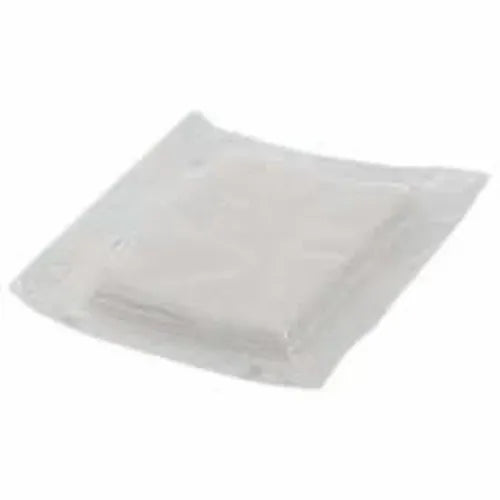
Sterile Gauze 12 Ply Swab Dressing (100 Pc - 25 packs of 4 Each)

Type: Gauzes
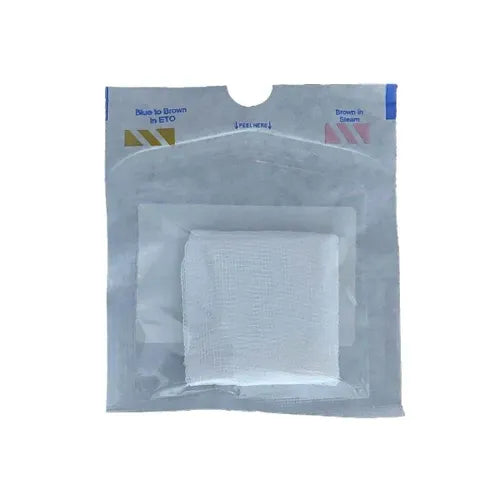
Sterile Gauze 12 Ply Swab Dressing (Pack of 4) with Sterility Indicator


Type: Gauzes
Gauze Than 90cm x 18mtr
Collection:
Gauze Bandage: Sterile Rolled Cotton Gauze for Hospitals & Clinics
In the hierarchy of medical consumables, few items possess the historical reliability and clinical versatility of the gauze bandage. For the modern healthcare professional, a gauze roll is not merely a "wrap"; it is a sophisticated mechanical barrier engineered from high-grade cotton fibers. Whether managing a complex post-operative incision in a Hospital OT or stabilizing a soft-tissue injury in a Physiotherapy Clinic , the selection of the correct gauze can dictate the speed of epithelialization and the prevention of secondary infections.
At MeddeyGo, we recognize that clinicians require more than just a product; they require data-driven insights into material science. This guide explores the intricate balance between absorbency, breathability, and "atraumatic" removal that defines the United Surgical range of gauze products.
1. Clinical Utility: What is a Gauze Rolled Bandage Truly Used For?
Beyond Simple Covering: The Professional Perspective
The primary clinical function of a Gauze Rolled Bandage is to serve as a high-capacity absorbent secondary dressing. In the context of a Hospital setting, it is rarely placed directly on an open, moist wound. Instead, it acts as a "reservoir" for exudate that passes through the primary non-adherent layer. This prevents "pooling" of fluids, which is a major risk factor for bacterial proliferation and skin maceration.
Key Professional Use-Cases Include:
- Surgical Site Sealing: After abdominal or orthopedic surgeries, surgeons use rolled gauze to provide a cushioned barrier that protects the delicate suture line from friction against hospital linens.
- Physio-Stabilization: Physiotherapists frequently use gauze rolls to provide light, non-elastic compression. This is critical in the early stages of ligamentous injury where aggressive elastic compression might impede venous return.
- Mechanical Debridement: In specialized "wet-to-dry" dressing techniques, the texture of the gauze weave is utilized to gently remove necrotic tissue during dressing changes, a vital step in preparing a wound bed for healing.
- Burn Management: The high breathability of 100% cotton gauze allows heat to dissipate from burn sites while maintaining a sterile environment, a balance that synthetic dressings often fail to achieve
2. Clinical Engineering: Gauze Bandage vs. Adhesive Bandages
To a layperson, a "bandage" is a "bandage." However, to a Healthcare Provider, the difference between a United Surgical Gauze Roll and a standard adhesive plaster is a matter of "Shear Force" and "Vapour Transmission Rates." Adhesive bandages rely on medical-grade glues that can cause contact dermatitis or "skin stripping" in vulnerable populations.
| Wound Metric | Gauze Rolled Bandage | Adhesive Plasters (Band-Aids) |
|---|---|---|
| Exudate Capacity | Extreme (Multi-layer absorption) | Minimal (Small center pad only) |
| Vapour Permeability | High (Open weave allows O2 exchange) | Low (Occlusive plastic backing) |
| Trauma Risk | Zero (Non-adhesive, slides off) | High (Adhesive can tear new epithelium) |
| Anatomical Fit | Conforms to joints/curvatures | Rigid (Best for flat surfaces only) |
⚠️ CLINICAL WARNING: The Danger of Occlusion
Applying a standard adhesive bandage to a high-exudate wound in a Hospital Ward can lead to "Silent Maceration." The adhesive seal traps moisture, turning the skin white and soggy, which effectively halts the healing process. For any wound deeper than 2mm, professional protocol dictates the use of sterile rolled gauze to ensure moisture vapour can escape the wound site.
3. Hypoallergenic Profile: Is Gauze Safe for Sensitive Skin?
The United Surgical Gauze Bandage is specifically manufactured to be chemically inert. While many synthetic "modern" dressings contain silver particles, hydrocolloid resins, or latex-based adhesives, pure cotton gauze is naturally hypoallergenic. This makes it the only safe choice for three specific patient demographics found in Professional Hospitals:
- Geriatric Patients: Aging skin lacks the structural integrity of younger dermis. Adhesive removal can cause "skin tears" that are harder to heal than the original wound. Gauze is the safer alternative.
- Neonatal/Pediatric: Infant skin is highly permeable. Using chemically treated bandages can lead to systemic absorption of irritants. Pure cotton gauze is the "Clean Standard."
- Diabetes Management: Patients with Diabetic Foot Ulcers have compromised circulation. Any restriction or chemical irritation can trigger a flare-up. The soft, pressure-free wrap of a gauze roll is essential.
Optimise Your Medical Inventory Today
The Clinical Hierarchy: What are the 4 Main Types of Bandages?
In professional wound management, a "bandage" is categorized by its mechanical function and material stretch. For a Doctor or Physiotherapist, selecting the wrong category can lead to restricted circulation or failed dressing adherence. The four primary types include:
- Roller Bandages (Gauze): These are the most common in Hospitals. They are non-elastic and designed to hold primary dressings in place while providing high breathability. They are the "workhorse" of post-surgical care.
- Compression Bandages (Elastic): Often referred to as "Crepe Bandages," these provide high elastic tension. Physiotherapists use these for RICE (Rest, Ice, Compression, Elevation) protocols to limit swelling in sprains and strains.
- Triangular Bandages: A staple of Emergency First Aid. These are versatile cloth pieces used primarily as slings to immobilize limbs or as "donuts" to stabilize embedded objects.
- Tubular Bandages: These are elasticated tubes designed for limbs and joints. They provide uniform pressure and are ideal for securing dressings on fingers or toes where traditional wrapping is difficult.
The United Surgical Gauze Bandage falls into the "Roller" category but is distinguished by its high-thread-count cotton weave, which offers superior absorbency compared to synthetic blends.
Material Science: How Many Types of Gauze Exist?
While consumers see "gauze" as a single product, Healthcare Professionals distinguish between several specialized variants based on the "Wound Bed" requirements. Understanding these types is essential for preventing tissue trauma.
A. Woven vs. Non-Woven Gauze
Woven Gauze: This is the traditional "United Surgical" style. It features a loose, open weave that is excellent for secondary dressings. However, it can leave "lint" or fibers in a healing wound.
Non-Woven Gauze: Manufactured by pressing fibers together rather than weaving. It is much softer, produces less lint, and is generally more absorbent. It is the preferred choice for Doctors when cleaning a wound or for primary contact.
B. Impregnated Gauze (Non-Stick)
This gauze is saturated with substances like petrolatum (Vaseline), paraffin, or bismuth tribromophenate. It is used for "non-stick" applications, such as over burns or fresh surgical incisions, to ensure the dressing does not integrate into the new granulated tissue.
C. X-Ray Detectable & Antimicrobial Gauze
Used exclusively in the Operating Theatre (OT), X-ray detectable gauze contains a barium-impregnated thread. This allows a surgeon to confirm via X-ray that no gauze has been accidentally left inside a patient post-surgery. Antimicrobial gauze, on the other hand, contains PHMB or silver to fight localized infections.ALT: Four primary types of medical bandages used in hospitals and physical therapy
Preventing Tissue Trauma: What Material Doesn't Stick to Wounds?
One of the greatest challenges in Professional Wound Care is the "Dressing-Tissue Interface." When a standard dry gauze bandage is placed on a moist, healing wound, the new granulation tissue (the tiny blood vessels and collagen) grows into the holes of the gauze weave. When the nurse or doctor removes the bandage, it rips away this new tissue, causing pain, bleeding, and delaying the healing process.
To solve this, modern medicine utilizes Non-Adherent Materials. These materials have a high "Surface Tension" that prevents them from integrating with the wound bed:
- Telfa (Polyester Film): This is a perforated plastic film. The holes allow fluid to pass through to the absorbent gauze above, but the smooth plastic surface cannot stick to the wound.
- Paraffin & Petrolatum: These are "Impregnated Gauzes." The oil-based coating acts as a hydrophobic barrier. Water-based wound fluids can pass, but the cotton fibers never touch the tissue directly.
- Silicone Coatings: The "Platinum Standard" in Hospitals. Silicone is chemically inert and has a very low "Peel Force," making it the ideal choice for adult patients with "Paper-Thin" skin.
- Calcium Alginate: Derived from seaweed, this material turns into a soft gel when it touches wound fluid. Because it is a gel, it cannot mechanically "hook" into the tissue.
Inventory Management: Sizes for United Surgical Gauze Bandages
Selecting the correct width is a matter of anatomical precision. A bandage that is too narrow will create "Pressure Points," while one that is too wide will "Bunch Up," causing friction. United Surgical manufactures these in standardized widths to fit every clinical need from a finger laceration to a post-abdominal surgery wrap.
| Bandage Width | Standard Length | Clinical Application |
|---|---|---|
| 2 Inch (5 cm) | 3 - 4 Meters | Fingers, Toes, and Wrist Strapping (Physio) |
| 3 Inch (7.5 cm) | 4 Meters | Forearms, Pediatric Limbs, and Neck Dressings |
| 4 Inch (10 cm) | 4 - 6 Meters | Standard Adult Size: Elbows, Knees, and Lower Legs |
| 6 Inch (15 cm) | 6 Meters | Thighs, Chest Wraps, and Post-Abdominal Surgery |
Professional Safety: Precautions & Quick Tips
💡 Quick Tip: The Two-Finger Rule
When a Physiotherapist or Nurse applies a gauze roll, they must always ensure the bandage is not too tight. After wrapping, you should be able to comfortably slide two fingers under the bandage. If you cannot, the bandage is too tight and risks causing "Compartment Syndrome" or localized necrosis due to lack of blood flow.
⚠️ Warning: The "Strike-Through" Effect
If you see fluid or blood seeping through to the outer layer of the gauze, this is called "Strike-Through." In a Hospital OT or Ward, this is considered a contaminated dressing. The moisture acts as a "bridge" for bacteria to travel from the air directly into the wound. Action: Change the dressing immediately.
Clinical Precautions List
- Sterility Check: Always check the expiry date and seal of the United Surgical pack. A compromised seal means a non-sterile bandage.
- Directional Wrapping: Always wrap from "Distal to Proximal" (from the hand toward the heart). This assists venous return and prevents swelling in the extremities.
- Avoid "Circular" Overlap: Do not wrap in a perfect circle; use a "Figure-8" pattern. This distributes pressure evenly and prevents the bandage from cutting off circulation when the patient moves.
The Two Types of Gauze: Woven vs. Non-Woven Engineering
For a Healthcare Professional , choosing between woven and non-woven gauze is not about price—it's about the "Wound Morphology." Both types have distinct manufacturing processes that result in different performance metrics regarding linting, strength, and absorbency.
A. Woven Gauze (The Traditional Standard)
Woven gauze, like the United Surgical Rolled Bandage, is made from 100% cotton yarn that is woven into a grid-like pattern.
Best For: Secondary dressings, compression, and absorption of heavy discharge. Its high tensile strength makes it ideal for securing primary layers on moving joints.
Professional Insight: Because it is woven, it has "fringed" edges. In an OT Surgery, care must be taken that these loose threads do not enter the wound, as they can cause a foreign body reaction or "granuloma."
B. Non-Woven Gauze (The Modern Alternative)
Non-woven gauze is produced by interlocking fibers (usually a polyester-rayon blend) using mechanical or chemical bonding. It looks more like a solid sheet of fabric than a mesh.
Best For: Primary wound contact, cleaning, and debriding. It has superior "wicking" ability, pulling fluid vertically away from the wound rather than spreading it horizontally.
Professional Insight: It is virtually "lint-free." For a Physiotherapist cleaning a post-op scar, non-woven gauze ensures no tiny fibers are left behind to cause irritation or infection.
Clinical Protocol: How to Use & Professional Benefits
Why Hospitals Prefer United Surgical Gauze
Superior Breathability
The open-cell weave ensures maximum oxygen flow to the wound site, which is essential for aerobic cellular repair and preventing anaerobic bacterial growth.
High Exudate Capacity
Can hold up to 5x its weight in fluid, reducing the frequency of dressing changes and improving patient comfort in a Hospital Ward.
Latex-Free & Non-Irritant
Safe for all skin types, including neonates. It eliminates the risk of Type I or Type IV hypersensitivity reactions commonly seen with adhesives.
Advanced Clinical FAQ & The Professional Wound Index
1. What is a gauze bandage used for in advanced surgical recovery?
In the context of Advanced Surgical Recovery, a gauze bandage serves as a critical "mechanical ventilator" for the wound bed. While its basic use is to hold a dressing in place, its physiological role is far more complex. For a Surgeon or OT Specialist , the gauze bandage is the primary tool for managing Dead Space. After a deep incision is closed, fluids (serous fluid or blood) tend to accumulate in the underlying tissue layers. By applying a tiered gauze wrap, clinicians can provide "graduated pressure" that collapses these dead spaces, preventing the formation of seromas or hematomas.
Furthermore, in cases of Secondary Intention Healing (where a wound is left open to heal from the bottom up), gauze is used as a "packing" agent. The sterile gauze roll is lightly moistened with saline and tucked into the wound cavity. This ensures the wound stays moist—a prerequisite for cellular migration—while the texture of the gauze provides a scaffold for new tissue growth.
In Physiotherapy , the use shifts toward protection during rehabilitation. A patient recovering from a tendon repair needs a dressing that can withstand the friction of movement without losing its structural integrity. The United Surgical Gauze is specifically designed with a "locking weave" that prevents the roll from unravelling or shifting during active range-of-motion exercises. This dual-purpose role—biological protection and mechanical stabilization—is why gauze remains the gold standard in modern hospitals.
The choice of bandage is a clinical decision based on the "Goal of Therapy." The four types are selected based on the need for Fixation, Compression, Support, or Immobilization.
A. The Gauze Roller: This is the default choice for Fixation . If the goal is simply to keep a sterile pad over a surgical site while allowing maximum air exchange, a gauze roll like the United Surgical brand is used. It offers zero "resting pressure," meaning it won't cut off circulation even if the limb swells slightly.
B. The Elastic Compression Bandage: Chosen for Compression . In cases of venous ulcers or acute sports injuries, a Physiotherapist needs to push interstitial fluid back into the lymphatic system. These bandages have "high stretch" properties. However, they require expert application; if applied too tightly by a non-professional, they can cause skin necrosis.
C. The Triangular Bandage: Primarily used for Immobilization and Support . In an ER setting, if a patient has a suspected fracture, the triangular bandage creates a sling that offloads the weight of the limb from the shoulder. It is also used to secure bulky dressings on the head or jaw where rollers might slip.
D. The Tubular Bandage: These are specialized for Joint Support and Ease of Use . They provide 360-degree uniform pressure. Surgeons often use these post-orthopedic surgery to hold dressings on the knee or thigh because they don't require tape or clips, which can irritate sensitive post-op skin.
3. What advanced precautions should a professional take with Gauze Bandages?
Beyond the "Two-Finger Rule," professional precautions involve monitoring for Neurovascular Compromise. When a gauze bandage is applied to a patient with peripheral neuropathy (common in diabetics), they may not feel if the bandage is too tight. A clinician must perform regular "Blanch Tests" on the distal extremities.
Another critical precaution is Moisture Balance. While gauze is absorbent, a "saturated" gauze bandage becomes a vector for infection. If a gauze roll stays wet for more than 4–6 hours, it loses its "Bacterial Barrier" function. Capillary action can actually pull bacteria from the outside of the bandage into the wound. This is why United Surgical bandages are designed for "High-Wick" performance, pulling moisture into the outer layers where it can evaporate more quickly.
Lastly, consider the Direction of Flow. Professional protocol mandates wrapping from the "most distal point" toward the "proximal point." For example, when wrapping a leg, you start at the ankle and move toward the knee. This mimics the natural flow of the venous system. If you wrap from the knee down to the ankle, you can "trap" blood in the lower leg, causing painful swelling and potentially triggering deep vein thrombosis (DVT) in high-risk hospital patients.
Professional Quality & Color Standards
| Standard Category | Indicator / Requirement | Clinical Reason |
|---|---|---|
| Bleached White | High Whiteness Index | Allows for immediate detection of blood/exudate "strike-through". |
| Blue Thread | X-Ray Detectable | Mandatory for OT use to prevent "Retained Surgical Items". |
| Edge Finish | Self-Selvaged / Non-Fraying | Prevents loose cotton fibers from entering the wound bed. |
| Yarn Count | 40s x 40s (Standard) | Provides the optimal balance of tensile strength and softness. |