
Filter
2 products
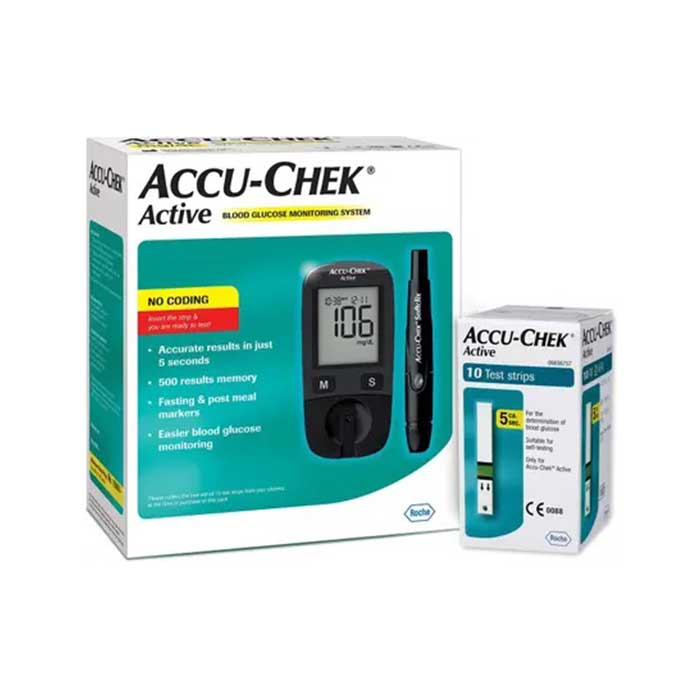
Type: Home Healthcare
Accu Chek Active Glucometer Machine with 10 Strips Free
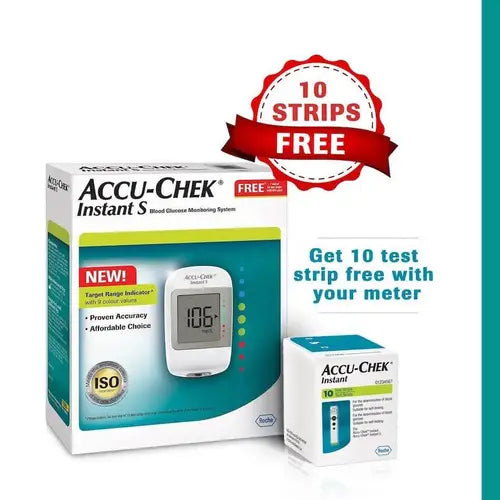
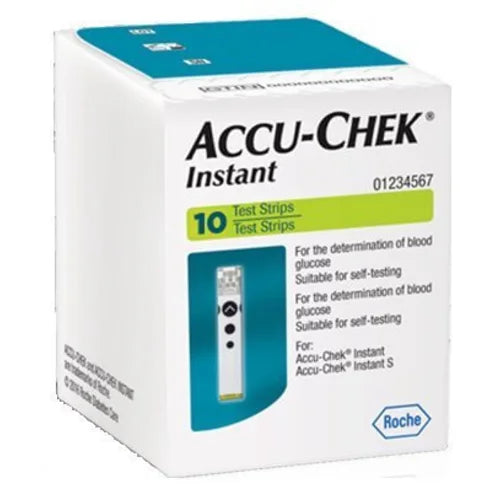
Type: Home Healthcare
Accu Chek Instant S Glucometer Machine with 10 Test Strip Free
Collection:
Glucometer Strips | Essential for Diabetes Care
Small Strips That Make Blood Sugar Monitoring Possible
Glucometer strips are small disposable strips used with a compatible glucometer to check blood sugar levels. Although they look simple, they play a major role in diabetes monitoring. Without the correct strip, a sugar testing machine cannot give a reading. Therefore, strips are just as important as the meter itself.
Many users buy a glucometer once, but they keep buying strips regularly. Because of this, long-term diabetes monitoring depends heavily on strip availability, strip price, expiry date, and compatibility. A good meter is useful only when its matching blood glucose test strips are available easily and remain affordable.
People search for sugar check strips, glucose strips, glucose test strips, sugar machine strips, test strips, glucometer test strips, GRBS strips, and blood sugar test strips because these products are needed for routine home and clinical testing. Some users also type glucose trips by mistake while searching for glucose strips. In most cases, they are looking for the same consumable category.
This guide explains what glucometer strips are, how they work, why compatibility matters, how to store them, what affects glucometer strips price, how to compare sugar strips 50 price, and how to use strips safely for accurate blood sugar monitoring.
What Are Glucometer Strips?
Glucometer strips are single-use testing strips designed to work with a specific blood glucose meter. Each strip contains a chemical testing area. When a small drop of blood touches the strip, the strip reacts with glucose in the blood. Then, the meter reads the reaction and displays the blood sugar value.
These strips are also called blood glucose test strips, glucose test strips, glucose strips, or blood sugar test strips. In clinical practice, they may also be called GRBS strips because GRBS means general random blood sugar. However, the exact name may vary by hospital, pharmacy, or brand.
Every strip is made for a specific meter system. Therefore, strips are not universal. A strip from one brand may not work with another brand’s meter. Even within the same brand, different models may need different strips. For this reason, buyers should always match the strip name with the meter model before purchase.
Simple Meaning
Glucometer strips are disposable test strips used with a compatible glucometer to measure blood sugar from a small blood sample.
How Blood Glucose Test Strips Work
Blood glucose test strips work through a chemical reaction. The strip has a sample area where the blood drop is applied. Once blood enters the strip, the meter measures the electrical or chemical response and converts it into a glucose reading.
The process is quick, but accuracy depends on correct use. For example, the user should wash and dry hands before testing. Also, the blood sample should be enough for the strip. If the strip is expired, wet, overheated, damaged, or incompatible, the reading may be unreliable.
Because test strips are sensitive, they must be handled carefully. Keep the container closed. Do not touch the testing area with wet fingers. Also, do not leave strips exposed to humidity or sunlight. These small habits can help protect strip quality.
- Insert the correct strip into the compatible glucometer.
- Use a fresh lancet to obtain a small blood drop.
- Apply the blood sample to the correct area of the strip.
- Wait for the meter to process and display the reading.
- Record the result with date, time, and meal status.
- Dispose of the used strip safely after testing.
Why Compatibility Is Most Important
Compatibility is the first rule when buying glucometer test strips. A test strip must match the glucometer model. If the strip does not match, the meter may not accept it. In some cases, using the wrong strip can lead to an error message or an unreliable result.
Many users search only for glucometer strips price and then buy the lowest-priced option. However, this can be a mistake. The strip must be made for the exact meter. For example, a user should not buy strips only because they look similar. The product name, model compatibility, pack size, expiry date, and seller reliability should be checked carefully.
Pharmacies and online sellers should also mention compatibility clearly. This helps customers avoid wrong purchases. In addition, clinics should maintain stock according to the meters they use, so staff do not face testing delays.
Compatibility Rule
Always buy glucometer strips that match the exact meter model. Strips are not universal, and wrong strips can give errors or unreliable readings.
Sugar Check Strips and Sugar Machine Strips
Sugar check strips and sugar machine strips are common buyer terms. Most users use these names when they want strips for a home sugar testing machine. These terms are easy to understand, but the product should still be selected by meter model.
A sugar machine is another common name for a glucometer. Therefore, sugar machine strips are simply test strips used with that machine. If the user has lost the box or strip name, they should check the meter label, user manual, previous strip vial, or consult the seller before buying.
Also, users should check whether the pack includes only strips or a complete kit. Some products are sold as glucometer price with strips, while others are sold as strip-only packs. So, the buyer must read the product details carefully.
Correct Meter Match
The strip must match the exact glucometer model for proper testing.
Clear Expiry Date
Expired strips may give inaccurate readings, so expiry must be checked.
Proper Storage
Heat, moisture, and open containers can damage glucose strips.
Single Use Only
Each strip should be used once and discarded safely after testing.
Glucose Strips, Glucose Test Strips, and Glucose Trips
Glucose strips and glucose test strips are professional and common names for the same diabetes monitoring consumables. These strips are used to measure blood glucose through a meter. They are widely used at home, in clinics, hospitals, pharmacies, and nursing care setups.
Some users type glucose trips instead of glucose strips. This is usually a spelling error. Still, the search intent remains the same. The user wants strips for checking blood sugar. For SEO, this term can be included naturally, but the main product term should remain glucose strips or glucometer strips.
When writing product pages or category pages, it is better to educate users clearly. Use the correct term first, then mention common spelling variations in a helpful way. This improves readability and prevents keyword stuffing.
GRBS Strips in Clinical Use
GRBS strips are commonly used in hospitals and clinics for random blood sugar testing. GRBS stands for general random blood sugar. Nurses and clinical staff often use glucometers with compatible strips to check blood sugar quickly at the bedside.
In clinical settings, infection control is very important. Staff should use gloves when required, dispose of lancets safely, and follow facility protocol. The meter should be cleaned and disinfected according to policy. Also, strips should be stored properly and used before expiry.
For hospitals, strip stock management is important. If a facility uses multiple glucometer brands, each meter may need different strips. Therefore, procurement teams should match strip purchase with meter inventory.
Clinical Use Point
GRBS strips are used for quick random blood sugar testing, but clinics must follow infection-control, storage, expiry, and meter-compatibility protocols.
Glucometer Strips Price: What Affects Cost?
Glucometer strips price depends on brand, pack size, strip technology, meter compatibility, seller, expiry period, availability, and online offers. Some brands are more affordable, while others may cost more because of accuracy claims, technology, or brand reputation.
The strip cost matters because diabetes testing is repeated regularly. A user may check sugar once daily, twice daily, or more often depending on medical advice. Therefore, the monthly cost of strips can become higher than the meter cost over time.
Before buying, compare the cost per strip. For example, a pack of 50 strips may look expensive at first, but it may be cheaper per test than a small pack. However, users should not buy too many strips if they cannot use them before expiry.
| Price Factor | Why It Matters |
|---|---|
| Brand | Different brands and meter systems have different strip prices. |
| Pack Size | Larger packs may reduce per-strip cost but must be used before expiry. |
| Expiry Date | Near-expiry strips may be cheaper but may not be useful for slow users. |
| Seller Reliability | Trusted sellers reduce the risk of damaged or wrongly stored strips. |
| Availability | Common strips are easier to buy regularly. |
| Meter Compatibility | The strip must match the exact glucometer model. |
Sugar Strips 50 Price: When a 50-Strip Pack Makes Sense
Many users search sugar strips 50 price because a 50-strip pack is common for regular diabetes monitoring. A larger pack may be useful for patients who test frequently. It may also be suitable for clinics, nursing homes, and caregivers who monitor patients regularly.
However, a 50-strip pack is not always the best choice. If the user tests only occasionally, strips may expire before use. As a result, a smaller pack may be safer. Therefore, buyers should estimate monthly use before selecting pack size.
For example, a user testing once daily may use around 30 strips in a month. In this case, a 50-strip pack may be practical. On the other hand, a user testing once a week may not need a large pack. So, the best pack size depends on testing frequency and expiry period.
- Choose a 50-strip pack if testing is regular.
- Check expiry before buying a larger pack.
- Calculate cost per strip, not only total pack price.
- Store strips correctly after opening.
- Do not buy large packs only because of discount.
Glucometer Price With Strips: Kit vs Strip-Only Pack
The search term glucometer price with strips usually means the buyer wants a complete starter kit. Such kits may include a glucometer, lancing device, lancets, test strips, carry pouch, and user manual. This is useful for first-time users because they need the full setup.
However, users who already have a meter may need only glucometer strips. In that case, buying another full kit may not be necessary. Still, the user should confirm the strip model before ordering. A meter without compatible strips cannot be used.
For SEO product pages, it is helpful to explain both options. A complete kit is useful for new users, while strip-only packs are useful for regular users who already own the meter.
| Buying Option | Best For | Important Check |
|---|---|---|
| Glucometer With Strips | First-time users and new diabetes monitoring setup | Check included strip count and meter warranty |
| Strip-Only Pack | Users who already own a compatible meter | Check exact meter compatibility |
| 50-Strip Pack | Regular testers and clinics | Check expiry and monthly testing frequency |
| Small Strip Pack | Occasional users or travel backup | Check cost per strip and expiry |
| Clinic Bulk Purchase | Hospitals, clinics, nursing homes, pharmacies | Check batch, expiry, storage, and stock rotation |
How to Store Test Strips Correctly
Test strips are sensitive to heat, moisture, humidity, sunlight, and contamination. Therefore, they should be stored exactly as the manufacturer recommends. Most strips should be kept in their original container. The cap should be closed immediately after taking one strip out.
Do not keep strips in a bathroom, kitchen, car dashboard, or near sunlight. Also, do not transfer strips into another bottle unless the manufacturer allows it. If strips are exposed to moisture, they may become unreliable. Because of this, storage habits can directly affect testing accuracy.
Clinics should also follow stock rotation. Use older stock first if it is still within expiry. Keep strips away from direct heat and humidity. In addition, staff should check expiry before each testing batch.
Storage Rule
Keep test strips in their original container, close the cap tightly, avoid moisture and heat, and never use expired or damaged strips.
How to Use Glucometer Test Strips Safely
Safe use begins before the strip touches blood. First, wash hands with soap and water. Then dry them properly. Wet fingers can dilute the sample, while food residue may affect the reading. After that, insert the correct strip into the meter and use a fresh lancet to prick the side of the fingertip.
Apply the blood drop only to the correct sample area. Do not smear blood across the strip. Also, do not add more blood after the meter has already started reading unless the meter manual allows it. After the reading appears, record the result and dispose of the strip safely.
- Use only compatible strips.
- Check expiry before every new pack.
- Wash and dry hands before testing.
- Use a fresh lancet for finger-prick testing.
- Apply enough blood to the strip.
- Do not reuse used glucose test strips.
- Record the reading with time and meal status.
- Consult a doctor for repeated high or low readings.
Blood Sugar Test Strips and Reading Accuracy
Blood sugar test strips can support useful diabetes monitoring, but readings can be affected by several factors. Expired strips, poor storage, wrong strips, contaminated fingers, very small blood sample, or damaged meter can lead to confusing results. Therefore, correct technique is important.
If a reading does not match how the user feels, repeat the test with clean hands and a fresh strip. If the second reading is still unusual, contact a healthcare professional. Do not change insulin or diabetes medicine based only on one unexpected reading unless the doctor has already given a clear plan.
Also, users should remember that a glucometer reading is different from an HbA1c test. A glucometer shows blood sugar at that moment. HbA1c shows average sugar control over a longer period. Both have different roles in diabetes care.
Medical Safety Note
Do not change diabetes medicine or insulin based only on one glucometer reading. Recheck if needed and follow your doctor’s diabetes care plan.
Common Mistakes While Buying Glucometer Strips
Many buyers focus only on glucometer strips price. However, the cheapest strip is not useful if it does not match the meter. Another mistake is buying a large pack without checking expiry. If strips expire before use, the money is wasted and testing becomes unsafe.
Some users also buy strips from unreliable sources. This can be risky because storage history may be unknown. Heat, humidity, and damaged packaging can affect strip performance. Therefore, buyers should choose trusted pharmacies, verified sellers, or reliable medical suppliers.
| Mistake | Problem | Better Choice |
|---|---|---|
| Buying only by low price | May result in wrong or poor-quality strips | Check compatibility, expiry, and seller reliability |
| Ignoring meter model | Strips may not work with the meter | Match strip name with the exact glucometer model |
| Buying too many strips | Strips may expire before use | Buy pack size according to testing frequency |
| Poor storage | Moisture and heat can damage strips | Store in original container with cap closed |
| Using expired strips | Readings may be inaccurate | Discard expired strips safely |
Buying Checklist for Glucometer Strips
Before buying glucometer strips, check the meter model first. Then compare strip pack size, expiry date, seller reliability, and storage condition. Also, check whether the product is sealed. If the pack is damaged, opened, or unclear, avoid using it.
For home users, a pack size should match testing frequency. For clinics, stock should match patient volume. For pharmacies, proper storage and stock rotation are important. In every setting, accuracy and safety should come before discount.
- Check the exact meter model before buying.
- Buy only compatible glucometer test strips.
- Check expiry date and batch details.
- Choose pack size based on testing frequency.
- Compare cost per strip.
- Buy from a reliable seller.
- Avoid damaged, opened, or poorly stored packs.
- Store strips as per manufacturer instructions.
Use in Home Care, Clinics, and Pharmacies
At home, sugar check strips help users track blood sugar as advised by their doctor. A caregiver can also help adult patients test and record readings. However, the caregiver should use clean technique and avoid sharing lancets.
In clinics, GRBS strips support quick random blood sugar checks. Nurses and staff should follow infection-control guidelines. Also, clinic meters should be maintained properly. If many people use the same meter, cleaning and disinfection become more important.
In pharmacies, strips are frequently sold to regular diabetes users. Therefore, pharmacists should guide customers about compatibility, expiry, pack size, and storage. This improves customer trust and reduces wrong purchases.
When to Contact a Doctor
Blood sugar readings are useful only when they are interpreted correctly. Contact a doctor if readings are repeatedly high, repeatedly low, or very different from usual values. Also, medical advice is needed if the user has dizziness, sweating, confusion, fainting, vomiting, severe weakness, dehydration, fever, or infection.
If a reading seems unusual, test again with clean hands and a fresh strip. If the result remains abnormal, follow medical advice. Do not panic from one number, but do not ignore repeated abnormal readings either.
Doctor Review Reminder
Repeated high or low sugar readings, symptoms of low sugar, or unusual results should be discussed with a healthcare professional.
FAQs
What are glucometer strips?
Glucometer strips are disposable test strips used with a compatible glucometer to check blood sugar from a small blood sample.
Are sugar check strips and glucometer strips the same?
Yes, sugar check strips usually mean glucometer strips or blood glucose test strips used for checking blood sugar.
What are blood glucose test strips?
Blood glucose test strips are small strips that react with blood glucose and help the meter display a blood sugar reading.
What are glucose strips?
Glucose strips are another name for glucose test strips used with a glucometer for blood sugar monitoring.
What affects glucometer strips price?
Glucometer strips price depends on brand, pack size, compatibility, expiry date, availability, seller reliability, and strip technology.
What does sugar strips 50 price mean?
Sugar strips 50 price refers to the price of a 50-strip pack used for regular blood sugar monitoring.
Are test strips reusable?
No. Test strips are single-use only. After one blood sugar test, the used strip should be discarded safely.
What are sugar machine strips?
Sugar machine strips are strips used with a sugar testing machine or glucometer. They must match the exact meter model.
What is glucometer price with strips?
Glucometer price with strips usually means the price of a complete kit that includes the meter and some test strips.
What are GRBS strips?
GRBS strips are glucometer strips used for general random blood sugar testing in clinics, hospitals, and home monitoring.
Can I use any strip with any glucometer?
No. Glucometer test strips are model-specific. Always use strips that are compatible with your meter.
How should blood sugar test strips be stored?
Blood sugar test strips should be stored in their original container, away from heat, sunlight, moisture, and humidity. Keep the cap closed tightly.
Conclusion
Glucometer strips are essential consumables for safe and regular blood sugar monitoring. Whether users search for sugar check strips, blood glucose test strips, glucose strips, glucose test strips, glucometer strips price, glucose trips, sugar machine strips, sugar strips 50 price, test strips, glucometer price with strips, glucometer test strips, GRBS strips, or blood sugar test strips, the main buying rule remains simple: choose strips that match the exact meter, check expiry, store them properly, and buy from a reliable seller. For better diabetes care, users should test correctly, record readings clearly, and follow their healthcare professional’s guidance.