

Type: Occupational
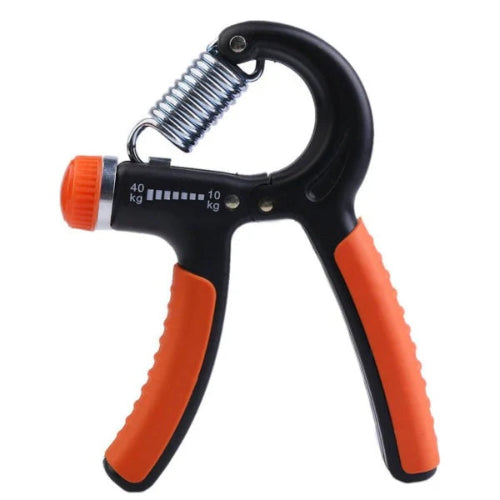
Grip And Finger Exerciser With Metal Base
Type: Occupational
Hand Grip Exerciser Strengthener


Type: Occupational
Finger Ladder Shoulder Ladder for Hand Exercises

Type: Occupational
Hand Gym Kit Board Premium Quality
Type: Occupational
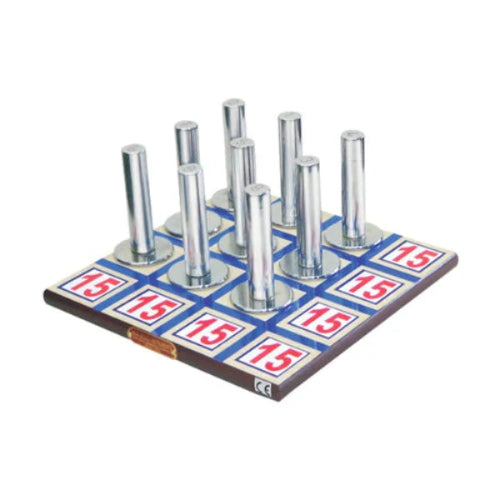
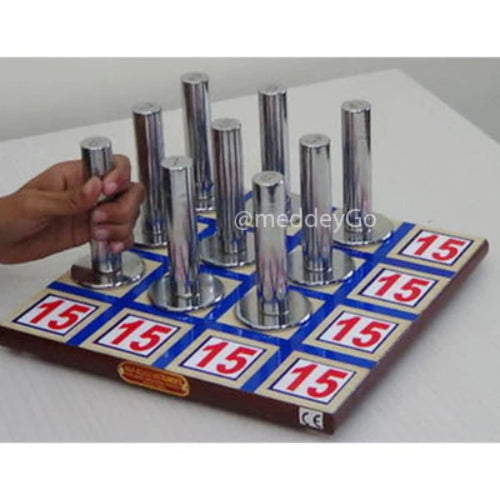
Magnetic Peg Board (Magic Square)


Type: Medansh
Magnetic Peg Board (25 Metal Pegs)


Type: Occupational
Hand Robotics Rehabilitation Gloves


Type: Occupational
Hand Exercise Table
Type: Occupational
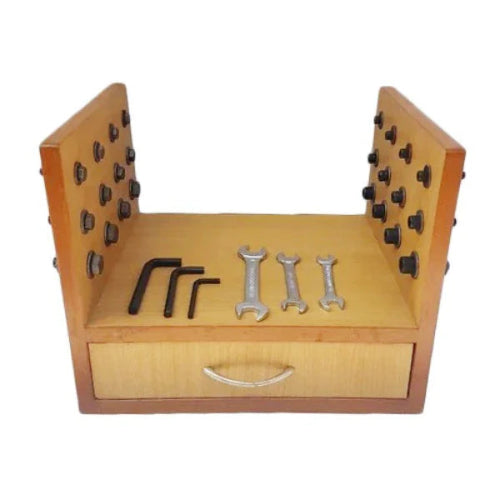
Hand Tool Test Board


Type: MeddeyGo
A D L Training Wall Panel
Type: Occupational
Hand Exercise Table for Therapy & Rehabilitation
Type: Modalities
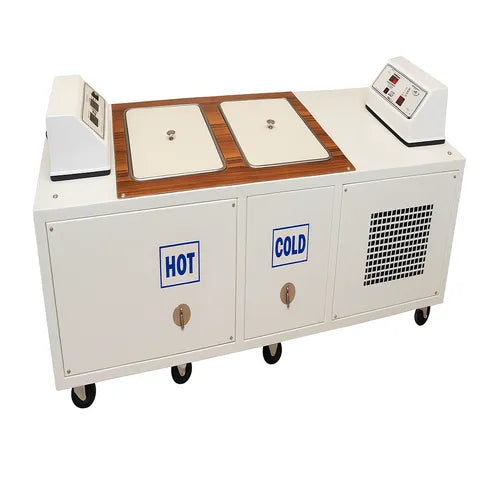
Medansh Rectangular Contrast Bath Mild Steel with 1 year warranty
Collection:
Choosing the Right Hand Rehab Equipment & Tools
Selecting the right hand rehabilitation equipment and tools is pivotal for effective therapy and recovery. Whether you are a hospital administrator aiming to enhance patient care, a medical equipment distributor seeking to understand market demands, or a healthcare technology consultant guiding clients on technology integration, understanding the nuances of hand rehab tools is essential. This guide provides a detailed look into choosing the best equipment for hand therapy, ensuring optimal outcomes for patients.

Hand rehabilitation is crucial in restoring function, strength, and mobility for individuals recovering from injuries, surgeries, or conditions like arthritis and stroke. The right tools not only support the recovery process but also significantly enhance the quality of life for patients. With advancements in technology, a range of hand rehab equipment is now available, catering to various therapeutic needs.
The Role of Hand Rehabilitation
Hand rehabilitation plays a significant role in the overall recovery process for patients. It focuses on restoring the basic hand functions necessary for daily activities, such as grasping objects, writing, or even tying shoelaces. Through targeted exercises and the right equipment, patients can regain their independence and improve their quality of life. This makes understanding the appropriate rehab tools critical for therapists and healthcare providers.
Technological Advancements in Hand Rehab Tools
The field of hand rehabilitation has witnessed significant technological advancements. From traditional therapy putty to sophisticated digital therapy devices, technology has revolutionized the way therapists approach hand rehabilitation. These advancements allow for more precise, customizable, and effective treatment plans, accommodating the specific needs of each patient. For instance, digital devices provide real-time feedback, making it easier to track progress and adjust therapy as needed.
Enhancing Patient Outcomes
Effective hand rehabilitation is associated with improved patient outcomes, both physically and psychologically. Patients who engage in regular hand therapy often experience reduced pain levels, increased strength, and improved hand function. Furthermore, successful rehabilitation can boost a patient's confidence and emotional well-being, providing them with a greater sense of control over their recovery journey. This underscores the importance of selecting the right rehabilitation tools tailored to each patient's unique needs.
Categories of Hand Rehab Equipment
Hand rehab equipment can be broadly categorized into several types, each serving specific therapeutic purposes:
Grip Strength Tools
Grip strength tools are essential for improving grip strength and hand function. These tools include hand grippers, therapy putty, and resistance bands. Hand grippers are particularly useful for building endurance, while therapy putty can be manipulated to enhance fine motor skills. Resistance bands offer varying levels of resistance, making them suitable for progressive strengthening exercises. Each tool is designed to target specific muscles and joints, promoting comprehensive hand rehabilitation.
Occupational Hand Therapy Equipment
Occupational hand therapy equipment is designed to aid in daily living activities. This category includes adaptive utensils, dressing aids, and mobility devices. Adaptive utensils help patients with limited hand function to eat independently, while dressing aids assist with tasks like buttoning shirts or tying shoelaces. Mobility devices, such as splints and braces, support hand positioning and movement, reducing strain and preventing further injury. These tools are crucial for helping patients regain autonomy in their daily lives.
Hand and Wrist Therapy Tools
Hand and wrist therapy tools are used for enhancing wrist mobility and hand dexterity. Examples include wrist weights, therapy balls, and hand exercisers. Wrist weights can be used to strengthen the wrist and forearm muscles, while therapy balls improve coordination and stress reduction. Hand exercisers are versatile tools that can be customized to suit different therapeutic needs, promoting flexibility and dexterity. These tools are integral in addressing a variety of hand and wrist conditions.
Stroke Rehab Equipment for Hand
Stroke rehab equipment is specifically tailored to assist stroke survivors in regaining hand function. This includes digital hand therapy devices and robotic gloves. Digital devices provide interactive exercises that focus on improving motor skills, while robotic gloves offer assistance in performing complex movements. These tools utilize advanced technology to facilitate neuroplasticity, helping patients recover lost functions and regain independence. They represent a significant advancement in post-stroke rehabilitation therapy.
Key Considerations in Choosing Hand Rehab Equipment

Selecting the right equipment involves several considerations, ensuring that the tools meet the therapeutic needs and are suitable for the intended patient demographic.
Assessing Patient Needs
Understanding the specific requirements of patients is the first step in selecting appropriate equipment.Tailoring equipment choices to patient demographics ensures that therapy is both effective and accessible, accommodating a range of abilities and rehabilitation goals.
Evaluating Equipment Features
When evaluating hand rehab tools, consider several key features. Adjustability is crucial, as equipment with adjustable resistance levels can cater to varying patient strengths and progressions. Portability is another important factor; lightweight and portable tools are beneficial for home-based therapy and travel. Durability should not be overlooked, ensuring the materials used are robust enough to withstand repeated use over time. These features collectively enhance the usability and longevity of rehabilitation equipment.
Budget and Cost-Effectiveness
For hospital administrators and medical equipment distributors, budget considerations are paramount. It's vital to balance cost with quality, ensuring the equipment is both affordable and effective. Exploring bulk purchasing options or partnerships with manufacturers can also offer cost benefits. By strategically managing budgets, healthcare providers can invest in high-quality tools that deliver lasting value and improve patient care.
Safety and Compliance
Safety and compliance are crucial considerations when selecting hand rehab equipment. All tools should meet the necessary regulatory standards and certifications to ensure patient safety and efficacy. Compliance with these standards builds trust with patients and stakeholders, providing assurance of the quality and effectiveness of the rehabilitation tools. Regularly updating and maintaining equipment is also essential in preventing accidents or malfunctions during therapy sessions.
Customization and Personalization
Customization and personalization of hand rehab equipment are key factors in effective therapy. Tools that can be tailored to meet individual patient needs enhance the therapeutic experience and improve outcomes. Personalized equipment allows therapists to create specific exercise programs that address unique challenges faced by each patient. This level of customization is particularly beneficial in complex cases, such as post-stroke rehabilitation or severe hand injuries.
Top Hand Rehab Equipment & Tools
With numerous options available, here are some of the best hand therapy tools that have gained traction in the market:
Therapy Putty
A favorite among occupational therapists, therapy putty helps improve hand strength and dexterity. Available in different resistance levels, it can be used for a variety of exercises to enhance fine motor skills. Patients can squeeze, stretch, and twist the putty, engaging multiple muscle groups and promoting flexibility. Its versatility makes it an ideal choice for both clinical and home-based therapy, accommodating a wide range of rehabilitation needs.
Hand Grippers
Hand grippers are excellent for building grip strength and endurance. They are adjustable, allowing for a gradual increase in resistance as the patient's strength improves. Regular use of hand grippers can enhance overall hand function, making daily tasks easier and more manageable. This tool is particularly beneficial for athletes or individuals recovering from hand injuries, as it supports the development of strong, resilient grip muscles.
Therapy Balls
Therapy balls are versatile tools used for hand exercises, improving coordination and reducing stress. They come in various sizes and resistance levels, suitable for different therapeutic needs. Patients can perform squeezing, rolling, or tossing exercises, promoting muscle strength and joint flexibility. Therapy balls are also effective for stress relief, offering a tactile experience that can be calming and therapeutic.
Digital Hand Therapy Devices

Digital hand therapy devices use technology to provide targeted therapy for hand and wrist rehabilitation. They offer real-time feedback and customizable programs, making them ideal for tech-savvy patients and therapists. These devices often include interactive games or exercises that engage patients, increasing motivation and adherence to therapy. By integrating technology, digital devices offer a modern approach to hand rehabilitation, catering to the demands of an increasingly digital world.
Robotic Gloves
Robotic gloves represent a cutting-edge innovation in hand rehabilitation. These gloves assist patients in performing complex hand movements, providing support and guidance during therapy. They are particularly beneficial for patients with severe hand impairments, such as those recovering from stroke or spinal cord injuries. By simulating natural hand movements, robotic gloves facilitate neuroplasticity and help restore lost functions, offering hope and improved outcomes for patients with challenging conditions.
Strategic Considerations for Procurement
For hospital administrators and distributors, strategic procurement of hand rehab tools involves understanding market trends and aligning purchases with institutional goals.
Market Analysis and Trends
Staying informed about the latest trends in hand rehab technology is crucial. The increasing demand for digital therapy tools and customizable equipment reflects a shift towards personalized patient care. Understanding these trends allows healthcare providers to make informed purchasing decisions, ensuring they invest in equipment that aligns with current and future needs. Market analysis also helps identify emerging technologies that could offer competitive advantages in rehabilitation services.
Supplier Relationships
Building strong relationships with suppliers can ensure timely deliveries and access to the latest equipment. Engaging in collaborative partnerships can also foster innovation and enhance service delivery. By working closely with suppliers, healthcare providers can negotiate favorable terms and gain insights into new product developments. These relationships are essential for maintaining a steady supply of high-quality rehabilitation tools, ensuring consistent patient care.
Regulatory Compliance
Ensure all equipment meets the necessary regulatory standards and certifications. Compliance not only guarantees safety and efficacy but also builds trust with patients and stakeholders. Healthcare providers must stay updated on regulatory changes and ensure all equipment is regularly inspected and maintained. Adhering to compliance standards is a critical component of effective risk management and quality assurance in healthcare settings.
Cost Management and Efficiency
Efficient cost management is vital for the strategic procurement of hand rehab equipment. Healthcare providers must balance quality and cost, ensuring they invest in durable, effective tools within budget constraints. Exploring options like bulk purchasing or leasing can reduce expenses and improve financial efficiency. By optimizing procurement strategies, healthcare organizations can allocate resources effectively, enhancing patient care without compromising financial stability.
Integration with Existing Systems
When procuring new rehabilitation equipment, consider how it will integrate with existing systems and processes. Compatibility with current technology and workflows is essential for seamless implementation and operation. Training staff on new equipment is also critical to ensure effective use and maintenance. By prioritizing integration, healthcare providers can maximize the benefits of new tools, enhancing therapy outcomes and operational efficiency.
Conclusion
Choosing the right hand rehab equipment and tools is a critical step in optimizing therapeutic outcomes. By considering patient needs, evaluating equipment features, and strategically managing procurement processes, healthcare providers can enhance their rehabilitation services. As the landscape of healthcare technology continues to evolve, staying informed and adaptable is key to delivering exceptional patient care and maintaining a competitive edge in the market. Investing in the right tools today will ensure effective, personalized therapy solutions for patients tomorrow.
Q&A
Question: What are the main categories of hand rehab equipment and what does each one target?
Short answer: Hand rehab tools fall into four broad groups:
- Grip strength tools (hand grippers, therapy putty, resistance bands) for strengthening grip and fine motor control.
- Occupational hand therapy equipment (adaptive utensils, dressing aids, splints/braces) to support daily living tasks and safe positioning.
- Hand and wrist therapy tools (wrist weights, therapy balls, hand exercisers) to build wrist/forearm strength, dexterity, and coordination.
- Stroke-specific tools (digital devices, robotic gloves) that deliver interactive training and assisted movements to promote motor recovery and independence.
Question: How should I match equipment to different patient needs and demographics?
Short answer: Start with the patient’s goals, abilities, and condition.Individuals recovering from sports injuries typically need progressive resistance for strength and dexterity (e.g., grippers, bands, hand exercisers, wrist weights). Stroke survivors or patients with severe hand impairments tend to benefit from digital devices that provide real-time feedback and robotic gloves that assist complex movements. Personalizing resistance levels and exercise programs ensures accessibility and better outcomes across all groups.
Question: Which equipment features should I prioritize when evaluating hand rehab tools?
Short answer: Focus on adjustability (to match and progress resistance), portability (for home programs and travel), and durability (to withstand repeated clinical use). Also value tools that allow customization and personalization so therapists can tailor exercises to individual needs. These features together improve usability, adherence, and long-term value.
Question: When are digital hand therapy devices or robotic gloves the better choice?
Short answer: Choose digital hand therapy devices when you need precise, customizable programs with real-time feedback to track progress and keep patients engaged (often via interactive exercises). Opt for robotic gloves when patients require physical assistance to complete complex or repetitive hand movements—common after stroke or severe injury. Both support neuroplasticity and functional recovery; digital devices emphasize feedback and motivation, while robotic gloves provide movement assistance.
Question: What procurement strategies help balance quality, cost, and implementation success?
Short answer: Align purchases with market trends favoring digital and customizable tools, and cultivate supplier partnerships to access new products and favorable terms. Use cost levers such as bulk purchasing or leasing while ensuring regulatory compliance and proper maintenance. Plan for integration with existing systems and provide staff training to ensure seamless adoption and sustained clinical impact.