
Type: patient room
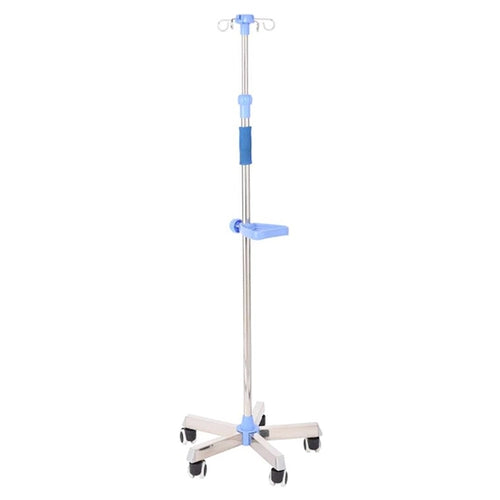
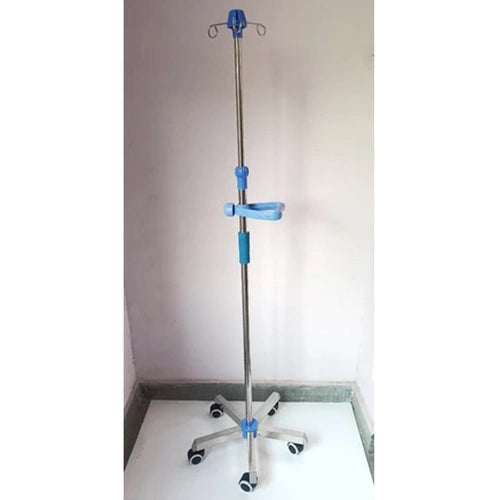
IV Stand Fully Stainless Steel
Type: Nursing
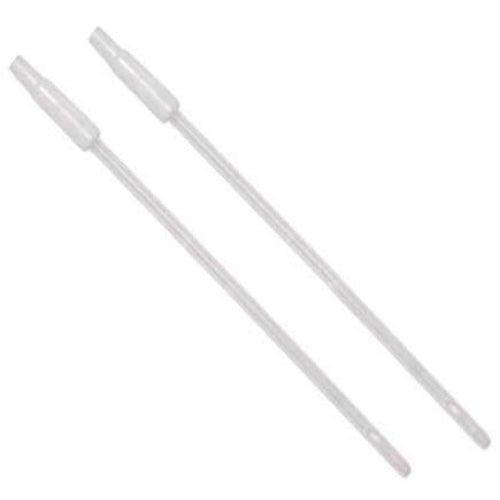
Karman type Cannula with Adaptor (pack of 25)
Type: Patient Room
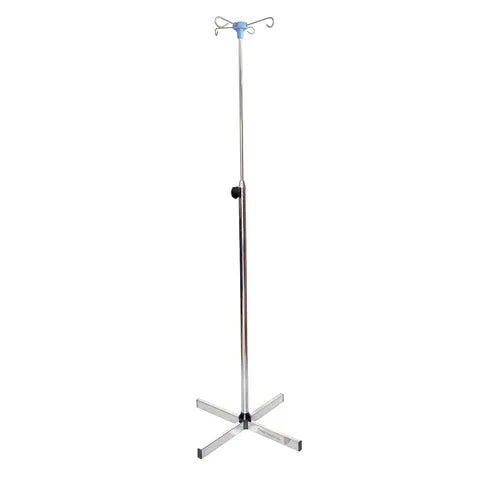
IV Stand with 4 Hooks Chrome Plated Pipe and Metal Base

Type: Anesthesia
VentiFlex Oxygen Nasal Cannula Adult (Pack of 20)


Type: Patient Room
IV Stand with 4 Hooks Stainless Steel Pipe and Fiber or Metal Base
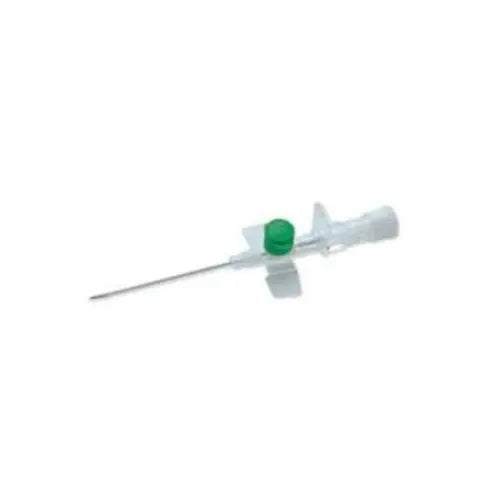
Type: Nursing
BD Venflon I.V. Cannula (Pack Of 20)
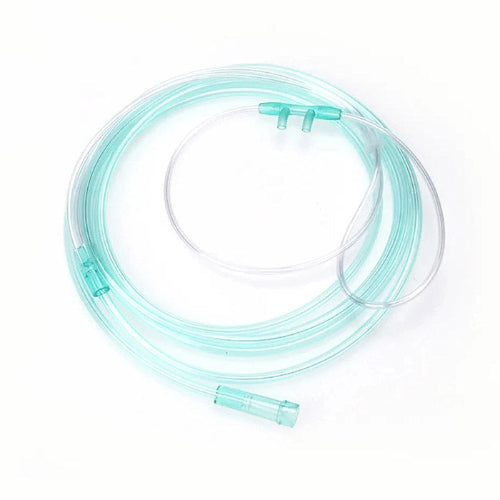
Type: Anesthesia
VentiFlex Oxygen Nasal Cannula Pediatric (Pack of 20)

Type: patient room
IV Stand All Stainless Steel Incl Base
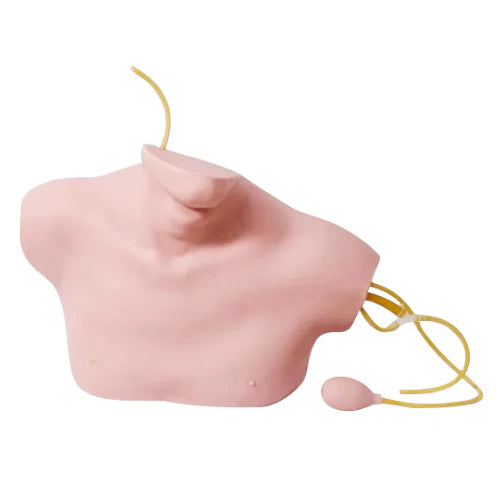
Type: Manikin
Central Venus Cannulation trainer
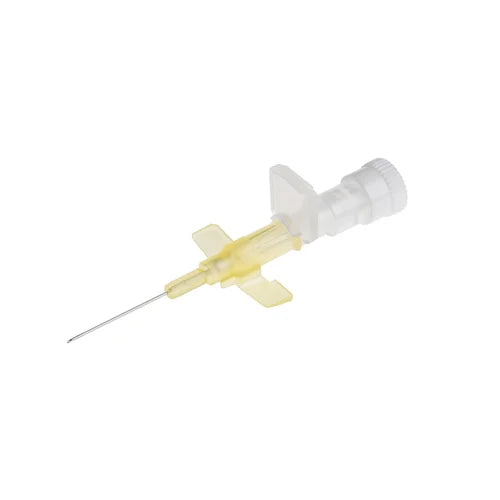
Type: Nursing
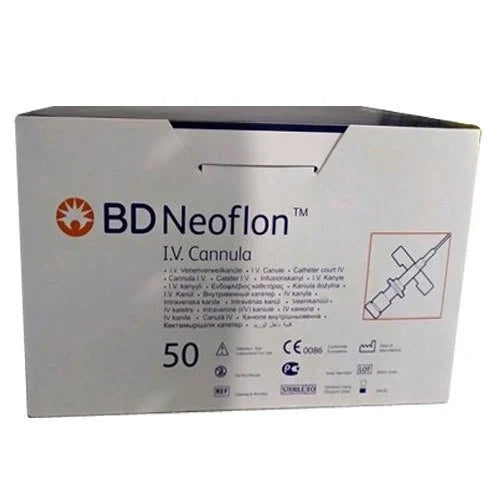
BD Neoflon I.V. Cannula (Pack Of 15)
Type: Nursing
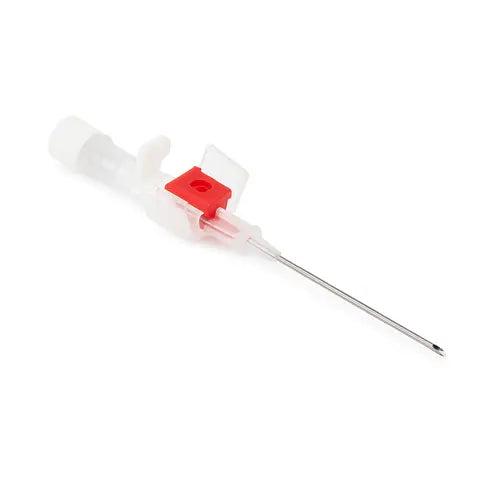
BD Arterial Cannula for Peripheral Arteries


Type: Manikin
Multifunctional Adult IV Training Arm Model


Type: Manikin
Multifunction Child IV Arm


Type: MeddeyGo
IV Training Arm for Venipuncture Practice & Medical Training

Type: Patient Room
IV Stand with 4 Hooks Stainless Steel Pipe and Base
Collection:
Understanding IV Cannulas: Types and Uses
For many, the thought of a needle staying in your arm is a major source of anxiety during a hospital visit. However, the biggest misconception is that the rigid needle remains, when it is actually gone in seconds. That sharp pinch during an IV insertion is from a guide needle that is immediately removed.
What’s left behind is not a needle, but a surprisingly soft, flexible plastic tube called an IV cannula. This small, pliable tube stays in the vein to deliver fluids or medicine. A soft cannula can move with your arm, making it far more comfortable and safer than a rigid needle would be. The distinction between the temporary needle and the indwelling IV cannula vs catheter (a term often used interchangeably) is the key to feeling more at ease.
By demystifying this common tool, you can replace apprehension with confidence. Understanding how an IV cannula is used for various treatments, and why they come in different colors and sizes, turns a source of anxiety into something you feel comfortable with.
What Is an IV Cannula?
The sharp needle used for an IV is only there for a few seconds. Its sole job is to guide a tiny, soft tube into your vein. Once the tube is in place, the nurse slides it off the needle and immediately withdraws and discards the needle itself. What remains in your arm is this flexible plastic tube—the IV cannula—made from a special, medical-grade plastic designed to be safely left in your body.
Think of the cannula as a small, secure doorway into your vein. This tiny port allows your medical team to give you medicine, fluids, or nutrition without needing a new needle for each dose. Because the cannula is soft and flexible, it moves with you, making treatment easier and less stressful.

Why Do IV Cannulas Have Colors? A Guide to Size and Purpose
The color on the small hub where your IV tubing connects is not for decoration; it’s part of a critical, universal color-coding system. Each color represents a specific size of cannula, allowing medical staff to quickly identify the right tool for a patient's needs. This simple system is a key part of modern medical safety.
The size of a cannula is measured in gauge. The gauge system works in reverse: the larger the gauge number, the smaller and thinner the cannula. For example, a 22-gauge (22G) cannula is much smaller than an 18-gauge (18G) one. Think of it like drinking straws: a thin coffee stirrer is like a high-numbered gauge (24G), while a thick milkshake straw is like a low-numbered gauge (16G).
This variety exists to control how quickly fluids enter your vein. A smaller cannula (like a blue 22G) is perfect for slowly delivering routine antibiotics. For emergencies or surgery requiring blood or a lot of fluid quickly, a larger cannula (like a green 18G) is necessary to create a wider "highway" for the fluid. Your nurse chooses the size based entirely on the job it needs to do.

Decoding the 3 Most Common Cannula Colors
While the full IV cannula chart includes many options, you will most likely encounter three. These are the workhorses of the hospital floor, each chosen for a specific task based on the speed and type of fluid needed:
-
Pink (20G): The all-rounder. This is the most common size for adults and is perfect for routine medications and giving fluids at a normal pace.
-
Blue (22G): The smaller, gentler option. A nurse may choose this for someone with smaller or more fragile veins, or for medications that need to be given slowly.
-
Green (18G): The high-flow option. This larger size is used for situations that require a lot of fluid or blood to be delivered quickly, such as during surgery or in an emergency.
For example, if you are admitted for dehydration, the versatile pink cannula is often the perfect tool. The smaller blue IV cannula size might be used for an elderly relative receiving antibiotics, as it’s gentler on their veins. In contrast, someone preparing for major surgery will almost always receive a larger green one so the team is ready for anything. The selection is a careful decision to ensure you get what you need, safely and efficiently.
What to Expect When Your IV Is Placed: A Step-by-Step Guide
The process of placing an IV follows the same few steps every time. Knowing the Insertion of Intravenous Cannula procedure beforehand can help you feel more in control.
First, your nurse will look for a good vein, typically on your hand or forearm, by tying a tight band called a tourniquet around your upper arm. This firm squeeze makes your veins easier to see and feel. After finding the right spot, they will clean your skin with a cool alcohol swab.
Next, you will feel a brief, sharp pinch as the needle guides the soft cannula into the vein. This sensation of IV insertion pain usually lasts only a second or two. As soon as the cannula is in, the nurse removes the needle completely, leaving just the flexible plastic tube in place.
Once the needle is gone, the nurse secures the cannula hub with special tape or a clear dressing and may flush it with saline to ensure it's working. The initial pinch should fade quickly. The entire IV cannulation procedure usually takes just a couple of minutes.
The "Butterfly Needle": How Is It Different?
You may have seen a device with little plastic "wings" used for a blood draw. This is a winged infusion set, commonly known as a "butterfly needle." The wings allow the nurse to hold it steady during insertion and then tape it securely for the short time it’s needed.
Unlike a standard IV cannula where the needle is immediately removed, with a butterfly IV cannula the small, thin metal needle stays in your vein for the entire, brief procedure. Because the needle is very short and fine, it's ideal for quick tasks like drawing blood, especially for patients with small or delicate veins.
The primary winged IV cannula uses are for short-term jobs—an "in-and-out" task, not long-term therapy. For anything that requires medication or fluids over several hours or days, your care team will use a standard IV cannula, as the soft plastic is much safer and more comfortable to leave in your arm.
How Long Can an IV Cannula Safely Stay in Your Arm?
Once in place, an IV cannula can generally stay there for about three to four days. This can vary based on hospital policy and your medical needs, but it’s a standard safety timeframe. If therapy is finished sooner, it will be removed. If it's needed longer, your nurse will find a new spot for a fresh cannula.
This routine change is a proactive step to prevent problems. Any opening in the skin can become an entry point for germs, so regularly changing the IV access site is an effective way to prevent infection and allow the vein to rest. To ensure everything remains safe, your nurse will check the site often, looking at the skin and asking how it feels as part of your daily care.
Caring for Your IV Site: 3 Simple Ways to Help
While your nurse manages the medical side of your IV, you can play a huge role in caring for an IV cannula site to ensure your treatment goes smoothly.
Here are three simple ways you can help:
-
Keep the dressing clean and dry. The clear bandage, or IV cannula fixator, over your cannula is a protective shield. If it gets wet or starts peeling, it can let germs in. Be careful when washing and tell your nurse right away if the site gets damp.
-
Protect the tubing from pulls or kinks. The clear IV line is your lifeline for fluids. A sharp kink can stop the flow, and a sudden pull can be painful or even dislodge the cannula. Be mindful of the tubing when you shift in bed or get up.
-
Speak up, don't “fix” it. If your IV pump starts beeping, it’s a notification for your nurse. Never try to silence alarms or adjust settings yourself. Your job is simply to press the call bell and let a professional handle it.
When to Press the Call Bell: Recognizing Signs of an IV Problem
Your body is excellent at sending signals when something isn't right with an IV site. Recognizing these signs and letting your nurse know is the key to staying comfortable and safe.
One of the most frequent common complications of iv cannulation occurs if the cannula tip slips out of the vein, causing fluid to leak into the surrounding tissue. You might notice puffiness or swelling near the site, and the skin may feel tight, tender, and cool to the touch. This is simple to address when caught quickly.
Another possibility is phlebitis, where the vein becomes irritated by the cannula or medication, which is one of the Risk Factors of iv cannula use over several days. If you experience phlebitis from iv cannula, you might see a red streak on your skin that follows the path of the vein, and the area may feel warm, hard, or tender. It’s a clear signal that the vein needs a break.
If you notice swelling, coolness, pain, or a red, warm streak, press your call bell right away. While not typically emergencies, these issues require a nurse's attention. They will likely remove the cannula and start a new IV in a different spot.
What Are Central Lines and Midlines?
For patients needing IV therapy for more than a few days, repeatedly replacing a standard peripheral cannula can become impractical. In these cases, your care team may recommend a more durable solution.
A Midline Catheter or a Central Venous Catheter (CVC) are longer, softer tubes placed in the larger, deeper veins of your upper arm or chest. If a standard IV is a small local road, a central line is a major highway, allowing for more reliable, long-term access without disturbing smaller veins.
The decision to use one of these lines is based on medical needs, such as long-term antibiotics, nutrition, or certain chemotherapies. They are placed by specially trained professionals and are designed to make extended treatment safer and more comfortable.
From Fear to Familiarity: You Are in Control
The most reassuring truth about an IV is that the needle is only there for a moment. A soft, flexible cannula is what remains, making the experience far safer and more comfortable than many imagine. The different colored hubs are not a puzzle, but a clear sign that the right tool has been chosen for the job, turning a daunting device into a logical part of a standard intravenous therapy procedure.
With this clarity, you are empowered to be an active partner in your care. If you notice pain or swelling around the IV access site, you have the confidence to know this is worth mentioning to your nurse with informed awareness.
The next time you or a loved one needs an IV, you can look at that small colored hub and feel a sense of understanding instead of fear. You have replaced apprehension with knowledge, turning a moment of vulnerability into an opportunity to be a confident advocate for your health.