
Filter
7 products
Type: patient room
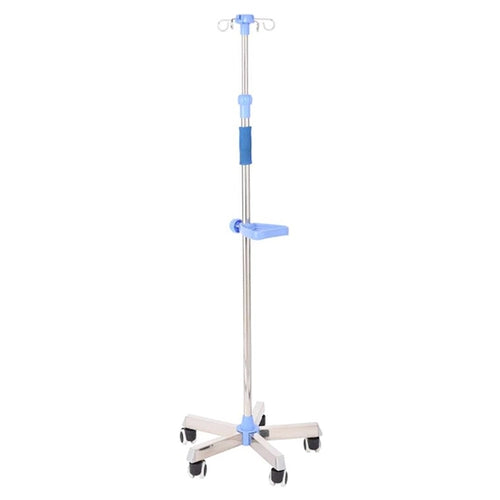
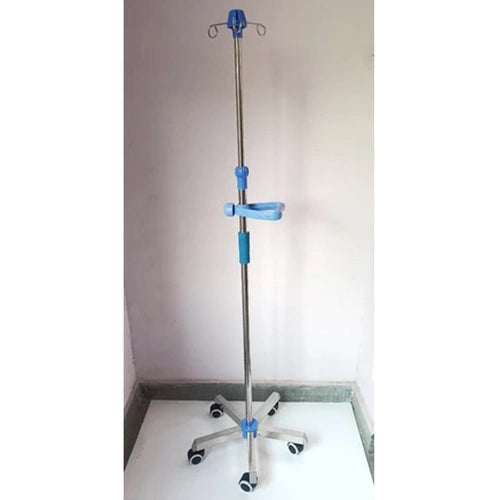
IV Stand Fully Stainless Steel


Type:
BPL Infusion Pump for Accurate IV Fluid Delivery


Type: Manikin
Multifunctional Adult IV Training Arm Model


Type:
Pediatric IV Cannulation Training Arm for Vein Practice


Type:
Infant Scalp Intravenous (IV) Injection Practice Model
Type:
Infant IV Injection Practice Model for Training
Type:
BPL Infusion Pump for Accurate IV Fluid Delivery
Collection:
IV Set Parts & Types: Buy IV Infusion Sets Online | MeddeyGo
What Is an IV Set? Definition and Full Form
The IV set full form is Intravenous Infusion Set . It is a specialized medical conduit designed to facilitate the controlled delivery of fluids, electrolytes, and medications directly into a patient's circulatory system. An iv set is the critical bridge between the fluid container (bottle or bag) and the venous access device (cannula). In modern medicine, the iv infusion set parts are engineered to ensure sterility, prevent air embolism, and allow for precise flow rate titration.
Physiologically, intravenous therapy is the fastest way to deliver fluids and medications because it bypasses the digestive system and the first-pass metabolism of the liver. This makes the iv set name synonymous with emergency care, hydration, and long-term nutrition. Whether it is a vented iv set for glass bottles or a macro drip set parts configuration for rapid fluid resuscitation, each component plays a role in maintaining hemodynamic stability.
For doctors and clinicians, understanding iv set uses is fundamental. These sets are not just for saline; they are used for administering chemotherapy, blood transfusions (using specialized blood sets), and anesthetic agents during surgery. The iv line parts are manufactured from medical-grade PVC or DEHP-free materials to ensure chemical compatibility with a wide range of pharmacological agents.
IV Set Parts and Their Functions: A Technical Breakdown
To master the use of this device, one must identify every individual iv set parts name. An iv set diagram typically starts from the top with the Protective Spike Cap and the Spike . The spike is a sharp, rigid plastic component used to puncture the fluid bag. Immediately below the spike is the Air Vent (in a vented iv set ), which allows air to enter the bottle to displace the fluid.
The fluid then enters the Drip Chamber. This transparent chamber is one of the most vital iv infusion set parts as it allows clinicians to count the drops per minute and ensures that air does not enter the tubing. Below the chamber is the Fluid Filter , which catches any particulates or undissolved drug particles. The PVC Tubing (usually 150cm to 180cm) carries the fluid. Along this line, you find the Roller Clamp (or flow regulator), which is the primary tool for controlling the infusion speed.
The final iv drip set parts include the Luer Lock Connector and the Needle . The Luer lock ensures a leak-proof connection to the IV cannula. For specialized care, pediatric drip set parts (micro-drip) include a much smaller needle inside the drip chamber to produce tiny drops, ensuring that neonates or small children do not receive fluid overload.
Types of IV Infusion Sets: Macro, Micro, and Vented
There is no "one-size-fits-all" in infusion therapy; hence, iv set types vary based on the patient's age and clinical needs. The two primary categories are Macro-Drip and Micro-Drip . A Macro drip set parts configuration typically delivers 10, 15, or 20 drops per mL and is used for adult patients requiring rapid fluid replacement. Conversely, micro drip set parts deliver 60 drops per mL, providing extreme precision for pediatric use or for potent medications like nitroglycerin.
Another major distinction is the Vented vs Non-Vented IV Set . A vented iv set features a small blue or white cap with a filter. This is essential for glass bottles or semi-rigid plastic containers that do not collapse as they empty. The air vent prevents a vacuum from forming, which would stop the flow. Non-vented sets are used for flexible plastic bags that collapse under atmospheric pressure.
Specialized intravenous set parts also include Burette Sets (Volumetric sets), which have a large graduated chamber (usually 100mL to 150mL) to limit the amount of fluid a patient can receive, providing an extra layer of safety against fluid toxicity. There are also Blood Administration Sets which have a larger filter (usually 200 microns) to handle the viscosity of blood cells.
Difference Between Vented and Non-Vented IV Set
The functional difference between vented and non-vented iv set technology is rooted in the physics of fluid displacement. In a vented iv set , there is an air inlet integrated into the spike or the drip chamber. As the fluid leaves a rigid container, air is sucked in through a 0.5-micron bacteria-retentive filter. This air pushes the fluid down. If you buy iv set online for a hospital that uses glass IV bottles, the vented type is mandatory.
A non-vented iv set is simpler. It is used with collapsible plastic bags. As the fluid leaves the bag, the bag itself crumples inward, so no "replacement air" is needed. Using a vented set on a plastic bag is fine (just keep the vent closed), but using a non-vented set on a rigid bottle will cause the infusion to fail within minutes. This is a common point of confusion in nursing school and clinical practice.
In terms of iv set parts uses, the vented set's filter also serves to protect the patient from airborne contaminants. Higher-end vented sets from brands like MeddeyGo ensure that the filter is hydrophobic, meaning it allows air in but won't let the fluid leak out. When evaluating iv set parts , the quality of the air vent filter is often what separates professional-grade sets from budget versions.
How to Use an IV Set Safely (Step-by-Step)
The safe operation of an iv set is a critical skill for nurses and doctors to prevent complications like air embolism or sepsis. The process begins with Priming . Priming involves filling the iv infusion set parts with fluid to displace all air. First, close the roller clamp completely. Spike the IV bag and squeeze the drip chamber until it is half-full. Slowly open the clamp to let fluid run through the iv line parts until a drop exits the luer connector.
A critical safety note: When using a vented iv set , ensure the air vent is open if using a glass bottle. If using a micro drip set parts for a pediatric patient, double-check the calculation, as a small error in flow rate can lead to fluid overload. After connection, always secure the iv parts with medical tape to prevent accidental dislodgement.
Applications and Uses of IV Sets
The versatility of iv set uses makes them indispensable in various medical departments. In the Operating Theater (OT) , IV sets are used for "Induction," where anesthetic agents are delivered rapidly. In the ICU and Emergency Wards , they are primarily used for Volume Replacement Therapy —replacing blood or fluids lost during trauma. The infusion set uses extend to nutritional support (TPN) for patients who cannot consume food orally.
Physiotherapists and rehabilitation clinics also see iv set use in pain management clinics where IV hydration or vitamin therapy is administered. Furthermore, in oncology, specialized iv line parts made of light-protected (amber) material are used to deliver chemotherapy drugs that are sensitive to UV light. The iv infusion set parts must be compatible with these aggressive chemicals to prevent "leaching" of plastic into the bloodstream.
For home-care settings, simple iv drip set parts allow for long-term antibiotic therapy. This reduces hospital stay times and costs. Whether it is a vented iv set for a standard saline drip or a complex pump-compatible set, the fundamental goal is the same: providing a direct, sterile, and controlled pathway into the patient's vascular system.
Macro vs Micro IV Set: When to Use Which?
The choice between a Macro and a Micro iv set is determined by the "Drop Factor." Macro sets are the standard for adult care, while Micro sets are specialized pediatric drip set parts . The primary infusion set parts that differ are located inside the drip chamber; the Micro set has a thin metal needle that creates much smaller droplets.
| Feature | Macro Drip Set | Micro Drip Set (Pediatric) |
|---|---|---|
| Drop Factor | 10, 15, or 20 gtt/mL | 60 gtt/mL |
| Target Patient | Adults / Emergency Trauma | Infants / Neonates / Cardiac Care |
| Typical Use | Rapid Fluid Resuscitation | Precision Medication Delivery |
| Chamber Needle | Wide Plastic Orifice | Narrow Metal Hypodermic Needle |
When calculating flow rates, the iv set parts uses become clear: in a Macro set, 20 drops equal 1mL. In a Micro set, 60 drops equal 1mL. Therefore, if a cardiac patient needs only 10mL of medication over an hour, a Micro iv infusion set parts configuration is much easier to monitor. Using a Macro set for such low volumes increases the risk of "free flow" or inaccurate dosing. Doctors must specify the iv set types on the prescription to ensure the nursing staff selects the correct hardware for the patient's safety.
The 8 Critical Sites for IV Injection: Clinical Anatomy
Identifying the correct anatomical site is as important as the iv set parts themselves. For a doctor or nurse, selecting a vein depends on the duration of therapy and the type of fluid being infused. The Cephalic Vein (lateral arm) and the Basilic Vein (medial arm) are the most common primary sites. In the antecubital fossa, the Median Cubital Vein is frequently used for short-term emergency access due to its large size.
Other sites include the Dorsal Venous Arch on the back of the hand, which is ideal for non-irritating fluids but can be painful. In pediatric cases where arm access is difficult, the Great Saphenous Vein (near the ankle) or even Scalp Veins (in neonates) are utilized with specialized pediatric drip set parts. In critical care, a Central Line (Internal Jugular or Subclavian) is used when the iv line parts need to deliver highly concentrated medications directly near the heart.
Selecting the wrong site can lead to "Infiltration"—where the fluid enters the tissue instead of the vein. When this happens, the infusion set parts will show a backflow of blood or the drip will stop entirely. Clinicians must be trained to recognize the anatomy of these 8 sites to ensure that the iv set parts name they are using—like the luer lock and cannula—are perfectly aligned with the vessel's path.
The 5 Most Common IV Solutions in Infusion Therapy
The iv set use is always paired with a specific solution. The most common is 0.9% Normal Saline (NS) , an isotonic solution used for dehydration and sodium replacement. Next is Lactated Ringer’s (LR) , often used in OTs and trauma centers because it closely mimics the body's plasma electrolytes. For patients needing energy, D5W (5% Dextrose in Water) provides calories while hydrating the cells.
Specialized solutions like D5NS (Dextrose in Saline) or Hypertonic Saline are used in ICUs to manage cerebral edema or severe electrolyte imbalances. When using these viscous or high-concentration fluids, the quality of the iv drip set parts—particularly the fluid filter inside the drip chamber—is vital to prevent microscopic precipitates from entering the bloodstream.
For healthcare facilities, stocking a variety of solutions requires a matching inventory of iv set types. For example, a vented iv set is often required for glass-bottled specialty medications, while standard NS bags use non-vented sets. Understanding the pH and osmolarity of these 5 solutions ensures that the iv parts selected will not degrade or cause phlebitis (vein inflammation) in the patient.
Choosing the Right IV Set: Professional Buyer’s Guide
For hospitals and clinics, purchasing the correct iv infusion set parts is a balance of cost, safety, and compatibility. The first factor to consider is the Material . Modern standards demand DEHP-free PVC to prevent phthalate leaching, especially in neonatal care. Secondly, consider the Needle Gauge ; while most sets come with a standard 21G needle, specialized micro drip set parts may require different interfaces for pediatric cannulas.
| Specification | Medical Grade Standard | Application Target |
|---|---|---|
| Tubing Length | 150cm - 180cm | Standard Hospital Beds / OT |
| Filter Size | 15 Micron (Standard) | Standard Fluid Infusion |
| Flow Regulator | V-clamp or Roller Clamp | Gravity Flow Control |
| Sterilization | EO Gas (Ethylene Oxide) | Guaranteed Pyrogen-Free |
When you buy iv set online, check for the presence of a "Y-injection port." This part allows for "piggybacking" medications without interrupting the main fluid line. For high-volume hospitals, buying vented iv set variants in bulk is usually more efficient as they work with both glass and plastic containers. At MeddeyGo, we ensure that every iv set name in our catalog is ISO-certified, ensuring the intravenous set parts withstand high pressure and remain kink-resistant during patient movement.
IV Infusion Set: Master Clinical FAQs
Clinically, the four main types are: 1. Macro-Drip Sets (standard adult infusions), 2. Micro-Drip Sets (precision pediatric care), 3. Vented IV Sets (for glass or rigid containers), and 4. Blood Administration Sets (featuring large-pore filters for blood viscosity). Choosing the right iv set types is crucial for dosage accuracy.
An iv set parts name list includes the Spike, Protective Cap, Air Vent, Drip Chamber, Fluid Filter, PVC Tubing, Roller Clamp, Y-Injection Site, and the Luer Lock Connector. Each of these iv set parts works in unison to maintain sterility and flow control.
According to CDC guidelines, a standard iv line parts configuration should be changed every 72 to 96 hours to prevent CRBSI (Catheter-Related Bloodstream Infections). However, if the set is used for blood or lipids, it must be changed every 4 to 24 hours.
The Flashball is a rubber bulb near the needle end of the iv drip set parts. It allows clinicians to squeeze and check for blood backflow, confirming the cannula is still inside the vein without needing a separate syringe.
Yes. A vented iv set is universal. You can use it for plastic bags by simply keeping the air vent closed. However, a non-vented set *cannot* be used for glass bottles as it will cause a vacuum lock.
The most common causes are a closed roller clamp, a clogged fluid filter, a vacuum lock in a glass bottle (if using a non-vented set), or a kinked iv line parts section. Always check the line from the bag down to the patient.
Why Choose MeddeyGo?
Medical Grade PVC
Our iv set parts are made from non-toxic, DEHP-free medical grade PVC, ensuring zero chemical leaching during therapy.
Pyrogen-Free Sterility
Every iv infusion set parts batch is EO Gas sterilized and tested to be 100% pyrogen-free for patient safety.
Precision Drip Tech
Whether you need micro drip set parts or macro, our chambers provide consistent drop sizes for accurate dosing.
Kink-Resistant Tubing
Soft, flexible, and 100% kink-resistant iv line parts ensure uninterrupted fluid flow even with patient movement.
Professional Maintenance & Biohazard Disposal
In a hospital or OT setting, the lifecycle of an iv set doesn't end with the infusion. Disposal is a high-priority safety protocol. Because intravenous set parts have been in contact with blood (via backflow) and high-concentration medications, they are considered "Red Category" Biohazardous Waste. The needle must be separated using a needle cutter and placed in a puncture-proof translucent container (white bin), while the tubing and drip set parts should be put in the red bin for autoclaving.
Maintenance during use involves "Flushing" the iv infusion set parts. If the line is being used for intermittent medication, it must be flushed with 0.9% Normal Saline every 8-12 hours to prevent the formation of fibrin clots at the tip of the cannula. By maintaining a clear and sterile iv set use environment, clinicians can extend the life of the venous access and ensure the patient's comfort throughout their recovery.
Precision Infusion Starts Here
Equip your OT, ICU, or Clinic with ISO-certified IV Sets . Guaranteed sterility, zero-leakage connectors, and clinical-grade precision.