
Filter
3 products

Type: Tapes & Bandages
Generic Kinesio Athletic Sports Kinesiology Tape - 5m x 5cm
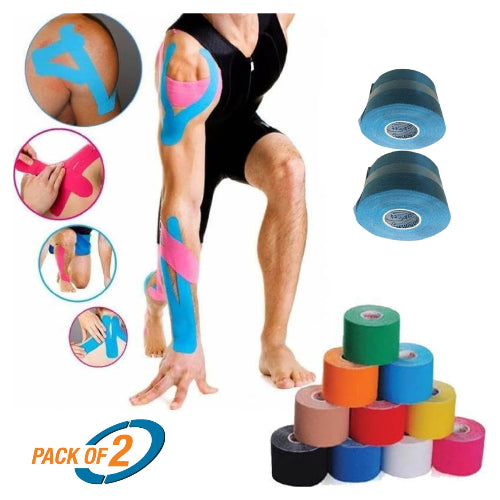
Type: Tapes & Bandages
Generic Kinesio Athletic Sports Kinesiology Tape - 5m x 5cm - Pain Relief in Sports (Pack of 2)
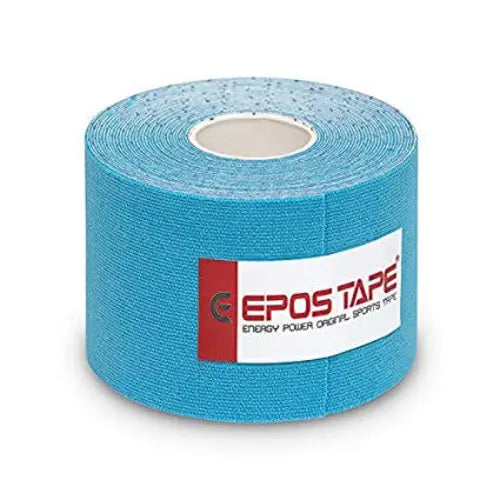
Type: Tapes & Bands
EPOS Original Korean Kinesio Tape Blue 5cm X 5m Single Roll
Collection:
Kinesio Tape: Best for Muscle Support & Comfort
Support Movement Without Making the Body Feel Restricted
Kinesio tape is a flexible therapeutic tape used in physiotherapy, sports care, rehabilitation, and wellness support. Unlike rigid athletic tape, it stretches with body movement. Because of this, many users prefer it when they want light support without fully restricting motion.
In clinics and sports settings, kinesio tape may be applied around muscles, joints, tendons, or soft tissues. It is commonly used as a support tool during recovery, posture correction, sports activity, or movement training. Also, many users search for KT tape, physio tape, sports tape, k tape, muscle tape, and pain relief tape when they want a flexible tape for body support.
However, kinesio tape should be understood correctly. It can support comfort and movement awareness, yet it is not a cure for injury. If pain is severe, swelling is sudden, movement is limited, or injury is fresh, the user should get a proper assessment before applying tape. As a result, the safest use is under the guidance of a physiotherapist, sports therapist, or trained healthcare professional.
This guide explains how kinesio tape works, where it may be used, how it differs from sports tape, what affects kinesio tape price, how to compare kinesiology tape price, what to check before buying KT tape, and when tape should be avoided.
What Is Kinesio Tape?
Kinesio tape is an elastic adhesive tape designed to move with the skin and body. It is usually made from stretchable cotton or synthetic fabric with a skin-safe adhesive backing. Since it stretches, it can follow natural body movement better than rigid support tape.
The tape is often used in physiotherapy and sports care. Depending on the application method, it may support muscle activation, posture feedback, joint awareness, swelling management, or mild pain comfort. Still, these effects depend on the condition, technique, tape quality, and user response.
Many people call it KT tape, k tape, or physio tape. In buyer language, these names are often used for the same category. Yet, product quality can vary. Therefore, buyers should check stretch, adhesive quality, water resistance, skin comfort, roll size, and brand reliability before purchase.
Simple Meaning
Kinesio tape is a stretchable adhesive tape used to support movement, muscle function, posture awareness, and comfort during physiotherapy or sports activity.
How KT Tape Works
KT tape works by gently lifting or stimulating the skin depending on how it is applied. This may improve body awareness and provide a supportive feeling during movement. In addition, the tape may help remind the user to maintain better posture or avoid painful movements.
The effect depends on tension, direction, body part, skin condition, and application method. For example, a physiotherapist may apply the tape with light tension for sensory feedback. In another case, they may use a different pattern around a joint or muscle group. Therefore, correct technique matters.
Because every injury is different, one taping style cannot suit everyone. A shoulder application is different from a knee application. Similarly, a calf application is different from a wrist or ankle application. For this reason, first-time users should learn proper application from a trained professional.
- It may support movement awareness during activity.
- It may provide light support without full restriction.
- It may help users feel more confident during selected movements.
- It may support physiotherapy exercises when applied correctly.
- It should not replace medical diagnosis or rehabilitation.
Kinesio Tape vs Sports Tape
Many buyers compare kinesio tape with sports tape. Although both are used in sports and rehabilitation settings, they are not the same. Kinesio tape is elastic and allows movement. Sports tape may be rigid or semi-rigid, depending on the product. Rigid tape is often used when stronger joint restriction is needed.
For example, an athlete may use rigid sports tape for firm ankle support during a sport. In contrast, kinesio tape may be used when the goal is movement support, sensory feedback, or light muscle support. Therefore, the right choice depends on the body part, injury type, activity level, and professional advice.
| Point | Kinesio Tape | Sports Tape |
|---|---|---|
| Stretch | Elastic and moves with the body | May be rigid or less elastic |
| Main Use | Movement support and sensory feedback | Joint support and stronger restriction |
| Comfort | Usually more flexible during movement | May feel tighter depending on application |
| Application | Needs correct tension and direction | Needs correct wrapping and support technique |
| Best Setting | Physiotherapy, rehab, sports comfort | Sports support, injury protection, joint stability |
Physio Tape in Rehabilitation
Physio tape is commonly used as a support tool in rehabilitation. It may be applied during shoulder rehab, knee rehab, ankle support, back posture work, sports recovery, or muscle retraining. However, it should be part of a complete plan, not the full treatment by itself.
A good physiotherapy plan may include assessment, exercise, stretching, strengthening, manual therapy, posture correction, balance training, and education. In addition, kinesio tape may be used to support a specific movement goal. For example, it may help the patient feel more aware of shoulder position or knee alignment during exercise.
Still, tape should not hide pain. If the patient feels more pain after application, the tape should be removed. Also, if the skin becomes red, itchy, blistered, or irritated, the tape should not be continued.
Rehab Reminder
Physio tape can support a rehabilitation plan, but exercise, diagnosis, posture training, and professional guidance remain more important for recovery.
Common Uses of K Tape
K tape may be used across different body areas. However, the application should match the goal. Some users apply it for muscle support. Others use it for posture feedback or joint awareness. In sports, it may help athletes feel supported during movement.
The tape is often seen on shoulders, knees, ankles, calves, wrists, elbows, lower back, and neck areas. Yet, these are general use areas. A trained physiotherapist should decide the correct pattern, tension, and direction when pain or injury is present.
- Shoulder support during selected rehabilitation exercises.
- Knee support during movement training or sports activity.
- Ankle support during return-to-activity phases.
- Calf or shin support during sports-related activity.
- Lower-back posture feedback during daily movement.
- Wrist or elbow support during selected repetitive tasks.
- Muscle awareness during physiotherapy sessions.
Although these uses are common, they do not mean the tape is suitable for every person. Therefore, users with swelling, skin issues, acute injury, or serious pain should first seek professional advice.
Muscle Tape and Movement Support
Muscle tape is another common name for kinesiology tape. Users often apply it around muscles to support movement and comfort. Because it is elastic, it can move with the body during walking, running, lifting, stretching, or training.
In physiotherapy, muscle tape may help provide feedback to the nervous system. For example, when the tape stretches during movement, the user may become more aware of posture or alignment. This feedback may support better control during exercises.
However, muscle tape should not be used as a shortcut. If a muscle is weak, tight, painful, or injured, the cause should be addressed. Exercise and recovery planning are still essential. Tape can support the process, but it cannot replace strength training or mobility work.
Flexible Support
The tape stretches with movement and feels less restrictive than rigid tape.
Posture Feedback
It may help remind users about body position during activity.
Sports Use
Athletes may use it as part of warm-up, training, or recovery support.
Rehab Aid
Physiotherapists may use it with exercise and movement correction plans.
Pain Relief Tape: Correct Expectation
Pain relief tape is a common buyer phrase. However, the term should be used carefully. Kinesio tape may help some users feel more comfortable during movement, but it is not a guaranteed pain treatment. Also, pain can come from many causes, including injury, inflammation, nerve irritation, joint disease, poor posture, overuse, or muscle imbalance.
Because the cause of pain matters, tape should not be used to ignore symptoms. If pain is severe, new, worsening, or linked with swelling, numbness, weakness, fever, redness, or injury, medical assessment is needed. In addition, tape should not be applied over broken skin or an open wound.
Pain Safety Note
Pain relief tape should not replace medical diagnosis. Severe pain, swelling, numbness, weakness, open wounds, or fresh injury should be checked by a healthcare professional.
Kinesio Tape Price and Kinesiology Tape Price
Kinesio tape price and kinesiology tape price depend on roll size, material quality, adhesive strength, stretch level, water resistance, brand, color, pack quantity, and skin comfort. A basic roll may cost less, while premium sports tape or branded KT tape may cost more.
Before comparing price, buyers should check the roll length and width. Some tapes look cheaper, but the roll may be shorter. Also, adhesive quality matters. A low-cost tape may peel quickly, irritate the skin, or lose stretch during activity. Therefore, price should be compared with quality and intended use.
| Price Factor | Why It Matters |
|---|---|
| Roll Size | Longer rolls usually give more applications and better value. |
| Material Quality | Good fabric improves stretch, comfort, and durability. |
| Adhesive Strength | Better adhesive helps the tape stay during movement. |
| Water Resistance | Water-resistant tape is useful during sweat or sports use. |
| Brand | Trusted brands may cost more due to better quality control. |
| Skin Comfort | Skin-friendly tape reduces irritation risk for many users. |
KT Tape Price: What Buyers Should Check
KT tape price can vary across online and offline sellers. Some packs are sold as uncut rolls. Others come as pre-cut strips. Pre-cut strips are easier for beginners, while rolls give more flexibility for custom cutting. Therefore, the better choice depends on the user’s experience and need.
If a physiotherapy clinic uses tape daily, a roll may be more economical. However, a sports user may prefer pre-cut strips for quick application. Also, a clinic should check whether the tape leaves residue, causes skin reaction, or peels during sweat.
- Check whether the tape is roll-based or pre-cut.
- Compare length, width, and number of applications.
- Check adhesive strength for sweat and movement.
- Choose skin-friendly tape for sensitive users.
- Check color options only after checking quality.
- Compare price with durability and comfort.
- Buy from a reliable medical or sports supplier.
Kinesiology Tape Near Me: Buying Locally vs Online
Many users search kinesiology tape near me when they want to buy tape quickly from a nearby pharmacy, sports store, medical shop, or physiotherapy supplier. Local buying is useful because users can check the roll size, texture, adhesive quality, and expiry or manufacturing details before purchase.
Online buying may offer more brands and price options. However, buyers should check reviews, product images, roll size, return policy, and seller reliability. Also, they should avoid unknown products with unclear material details or unrealistic claims.
For clinics and sports teams, bulk purchase may reduce cost. Yet, bulk buying should be done only after testing a small quantity. If the tape does not stay well or causes irritation, bulk stock may go unused.
Buying Tip
Before buying kinesiology tape in bulk, test a small roll first to check adhesive quality, stretch, skin comfort, and durability during activity.
How to Apply Kinesio Tape Safely
Safe application begins with clean and dry skin. Oils, sweat, lotion, or dirt can reduce adhesive strength. The tape should be cut with rounded edges so it does not peel quickly. Also, the user should avoid overstretching the ends, because too much tension can irritate the skin.
The tape should feel supportive but not painful. If it creates itching, burning, redness, blisters, or discomfort, remove it gently. In addition, do not apply tape over cuts, rashes, wounds, infection, or fragile skin. Adult users and people with sensitive skin need extra care.
- Clean and dry the skin before application.
- Do not apply tape over wounds, cuts, or rashes.
- Round the tape edges before applying.
- Apply with correct tension as advised by a professional.
- Avoid overstretching the tape ends.
- Remove the tape if itching, burning, or redness appears.
- Do not use tape to hide serious pain or injury.
When Kinesio Tape Should Be Avoided
Kinesio tape should not be used in every condition. It should be avoided over open wounds, broken skin, active skin infection, severe allergy, fragile skin, and areas with unexplained swelling. Also, it should not be applied over suspected blood clots, serious infection, or undiagnosed acute injury.
People with diabetes, poor sensation, poor circulation, kidney disease, heart-related swelling, or very sensitive skin should ask a healthcare professional before using tape. Since they may not notice skin irritation early, extra caution is needed.
Do Not Apply Tape If
Avoid kinesio tape on open wounds, fragile skin, infection, allergy, unexplained swelling, suspected clot, or serious undiagnosed pain.
How to Remove Kinesio Tape
Removing kinesio tape carefully is important. Pulling it quickly can irritate the skin. Instead, remove it slowly in the direction of hair growth. Also, support the skin with one hand while peeling the tape with the other hand. If the tape is strongly stuck, use oil or warm water if suitable for the skin and product instructions.
After removal, check the skin. Mild temporary redness may occur, but strong redness, blisters, itching, burning, or skin damage is not normal. If irritation appears, avoid reapplication until the skin has recovered. Also, change tape brand or consult a professional if reactions continue.
| Removal Step | Correct Method | Why It Matters |
|---|---|---|
| Peel Slowly | Remove tape gently and slowly. | Reduces skin pulling and irritation. |
| Support Skin | Hold skin while removing tape. | Protects fragile or sensitive skin. |
| Follow Hair Direction | Peel in the direction of hair growth. | Reduces discomfort. |
| Use Oil If Needed | Use skin-safe oil only if suitable. | Helps loosen adhesive. |
| Check Skin | Look for redness, blisters, or rash. | Prevents repeated irritation. |
Common Mistakes While Using K Tape
One common mistake is applying tape with too much tension. This may cause skin irritation and discomfort. Another mistake is applying tape on dirty, sweaty, or oily skin. As a result, the tape may peel quickly. Some users also apply tape over painful injuries without knowing the cause. This can delay proper treatment.
In addition, many buyers choose tape only by color or low price. Color does not decide quality. The better approach is to check stretch, adhesive, skin comfort, and durability.
| Mistake | Problem | Better Practice |
|---|---|---|
| Too much tension | May cause skin irritation or pulling | Use correct tension as advised |
| Applying on oily skin | Tape may peel early | Clean and dry skin first |
| Using on wounds | May worsen skin damage | Avoid broken or open skin |
| Ignoring pain cause | May delay diagnosis | Get pain assessed when symptoms are serious |
| Buying only by color | Quality may be poor | Check adhesive, stretch, and comfort |
FAQs
What is kinesio tape?
Kinesio tape is an elastic adhesive tape used in physiotherapy and sports care to support movement, posture awareness, and muscle or joint comfort.
Is KT tape the same as kinesio tape?
KT tape is commonly used as a short name for kinesiology tape. Many users use KT tape, k tape, and kinesio tape for the same product category.
What is physio tape used for?
Physio tape may be used during rehabilitation to support movement, posture feedback, muscle awareness, or joint support as part of a broader therapy plan.
What is sports tape?
Sports tape is a tape used for sports support. It may be elastic like kinesio tape or rigid depending on the product and support need.
What is muscle tape?
Muscle tape is a common name for kinesiology tape used around muscles to support comfort, movement awareness, and physiotherapy exercises.
Can pain relief tape cure pain?
No. Pain relief tape may support comfort in selected users, but it does not cure the cause of pain. Serious or ongoing pain needs professional assessment.
What affects kinesio tape price?
Kinesio tape price depends on roll size, material quality, adhesive strength, stretch, water resistance, brand, and skin comfort.
What affects kinesiology tape price?
Kinesiology tape price changes with brand, roll length, width, adhesive quality, pack type, pre-cut design, and product durability.
What affects KT tape price?
KT tape price depends on whether it is pre-cut or roll-based, the number of strips, adhesive quality, water resistance, and seller reliability.
Can I search kinesiology tape near me for local buying?
Yes. Searching kinesiology tape near me can help find nearby pharmacies, sports stores, medical shops, or physiotherapy suppliers.
Can kinesio tape be used on open wounds?
No. Kinesio tape should not be applied on open wounds, cuts, rashes, infections, or fragile skin.
How should kinesio tape be removed?
Remove it slowly while supporting the skin. Peel in the direction of hair growth and stop if the skin becomes irritated.
Conclusion
Kinesio tape is a flexible support tape used in physiotherapy, sports care, posture training, movement feedback, and selected rehabilitation programs. Whether users search for KT tape, physio tape, sports tape, k tape, muscle tape, pain relief tape, kinesio tape price, kinesiology tape price, KT tape price, or kinesiology tape near me, the right choice should depend on tape quality, skin comfort, stretch, adhesive strength, roll size, water resistance, and correct application. Most importantly, kinesio tape should be used as a support tool, not as a replacement for diagnosis, exercise therapy, injury care, or medical treatment. If pain is severe, swelling is present, skin is damaged, or the injury is unclear, professional guidance is the safest first step.