


Type: Manikin
Spine Knee Shoulder Model Combo for Anatomy Training


Type: Manikin
Human Knee Joint Model with Ligaments for Anatomy Teaching


Type: Manikin
Knee Joint Arthritis Model 4 Stage Osteoarthritis Teaching Aid


Type: Modalities
Medansh Physiotherapy CPM Machine for knee Rehabilitation after knee surgery (Continuous Passive Motion) with 1 year warranty
Type: General
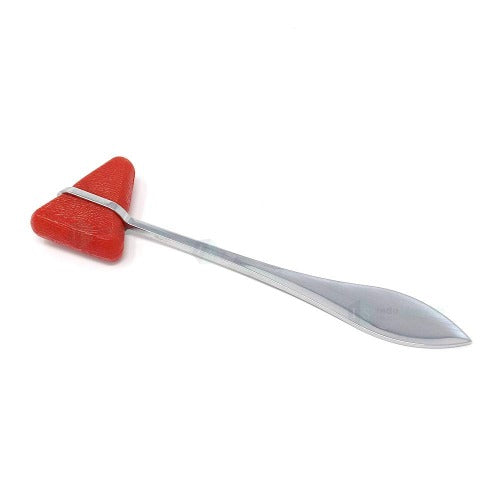
Taylor Neurological Knee Hammer
Type: Modalities
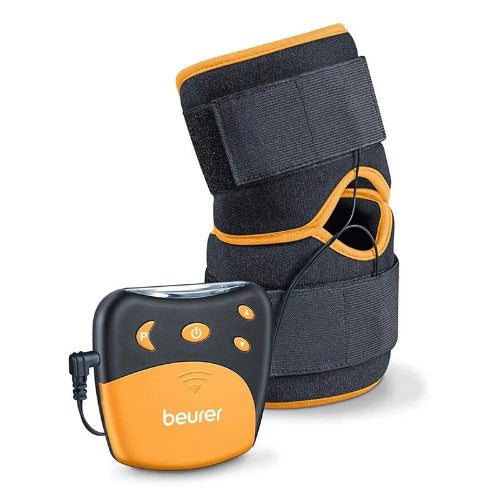
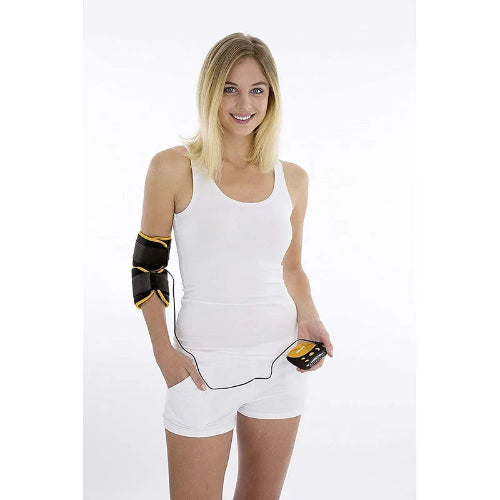
Beurer TENS Machine for Knee and Elbow Pain Therapy with 1year warranty

Type: Orthopedic Supports
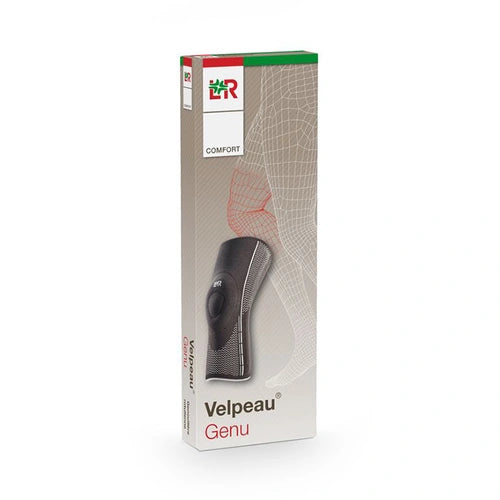
Elastic Knee Support Genu Comfort from Velpeau France
Type: General Accessories
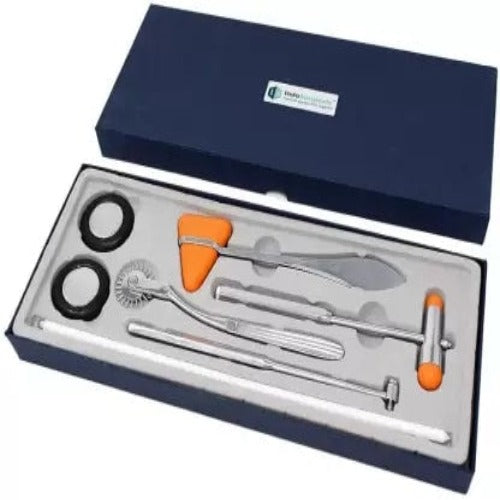
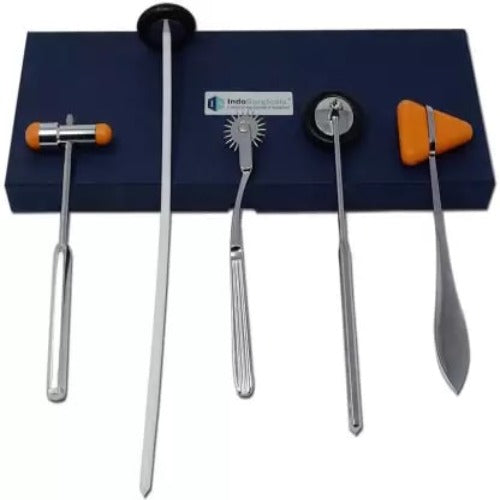
Neurological Knee Hammer Set

Type: Accessories
Percussion Chrome Plated Handle Knee Hammer Taylor Model
Type: Orthopedic Supports
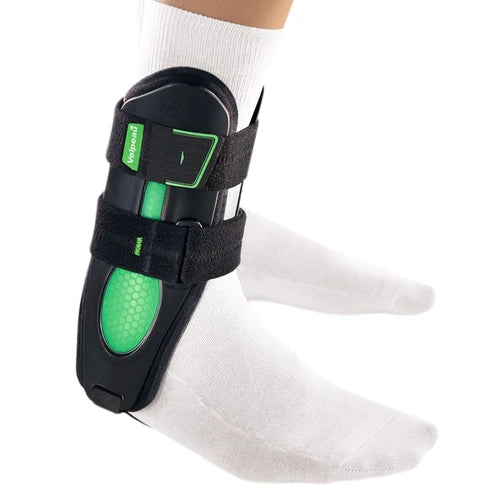
Ankle Brace Freecast Adjust Universal Size from Velpeau France

Type: Modalities
Continuous Passive Motion Machine for Knee Rehabilitation | CPM Therapy


Type: Manikin
Knee Joint Model with Muscles for Anatomy Teaching


Type: Modalities
Leg Massager for Feet Calf and Full Leg Relief


Type: General Accessories
Goniometer Set for Joint Angle Measurement Tools
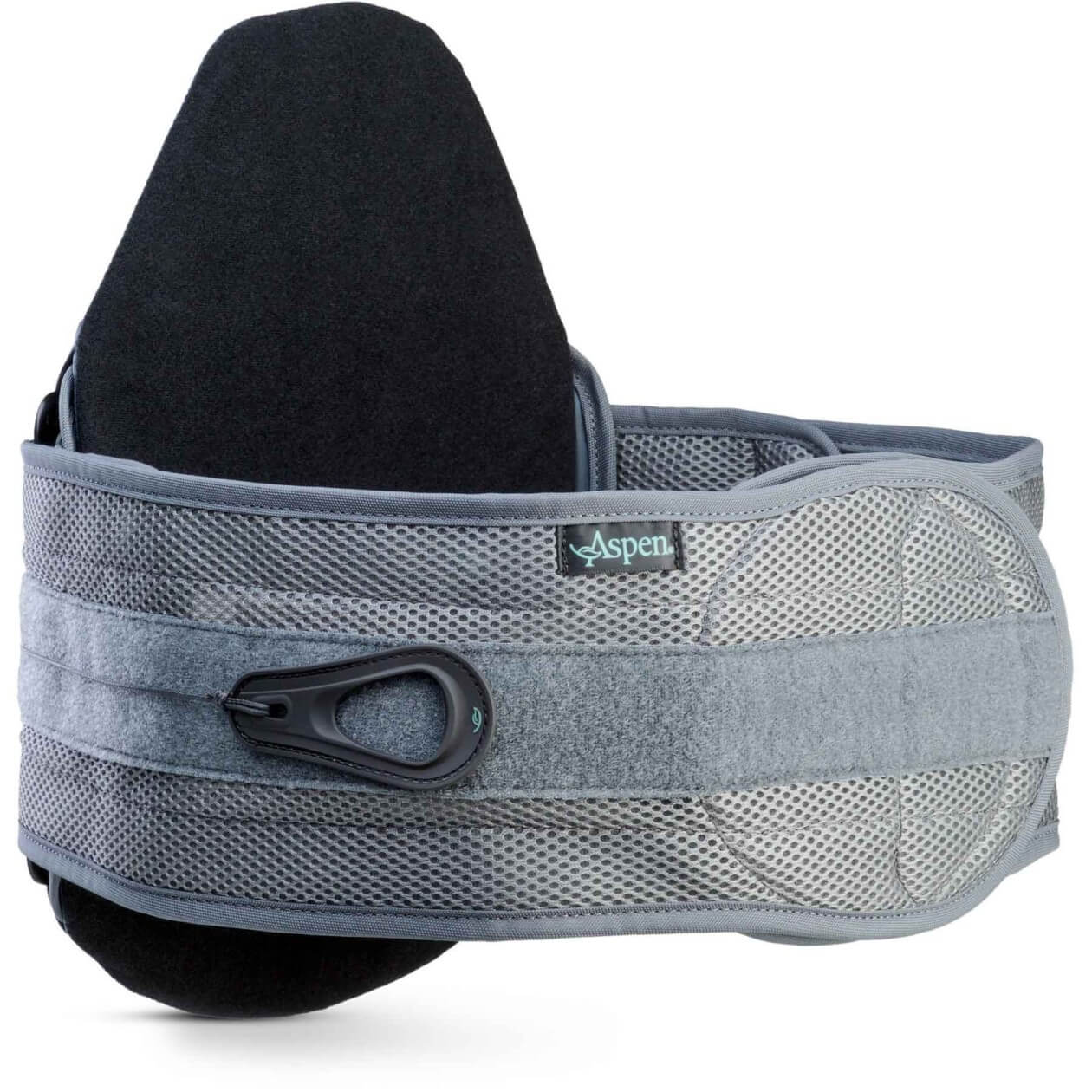
Type: Orthopedic Supports
Aspen OTS LSO 648 Spinal Brace
Collection:
Treatment Options for Knee Cap Pain

Before diving into treatment options, it's essential to understand the anatomy of the knee cap, or patella. The knee cap is a small, flat, triangular bone located at the front of the knee joint. It plays a vital role in protecting the knee joint and improving the leverage of the thigh muscles, making it easier to extend the leg.
The Role of the Patella
The patella acts as a shield, safeguarding the knee joint from external impacts. By sitting in the trochlear groove of the femur, it facilitates smooth movement of the knee joint. This functionality is crucial for activities involving leg extension, such as walking, running, and jumping.
Patellar Tendon and Ligament Connections
The patella is connected to the quadriceps tendon at the top and the patellar tendon at the bottom, linking it to the tibia. These connections are vital for knee stability and movement. Any disruption or imbalance in these tendons can lead to knee cap pain or instability.
Synovial Fluid and Knee Joint Cushioning
The knee joint is surrounded by synovial fluid, which acts as a lubricant, reducing friction during movement. This fluid also provides nutrients to the cartilage, ensuring the knee cap moves smoothly without causing wear and tear. Maintaining healthy levels of synovial fluid is essential for preventing joint degeneration.
Common Causes of Knee Cap Pain
Knee cap pain can result from various causes, including overuse, injury, misalignment, or conditions such as arthritis. Common symptoms include tenderness, swelling, and discomfort when bending or straightening the knee.
Overuse and Repetitive Stress
Engaging in repetitive activities that put stress on the knee joint can lead to overuse injuries. This is common among athletes who perform high-impact sports, leading to inflammation and pain around the knee cap. Rest and proper conditioning are key to preventing overuse injuries.
Misalignment and Structural Issues
Misalignment of the knee cap, often due to a congenital condition or muscle imbalance, can cause pain. This misalignment can lead to abnormal tracking of the patella, increasing stress on the joint. Corrective exercises and physical therapy are often recommended to address these issues.
Impact of Arthritis on the Knee Cap
Arthritis, particularly osteoarthritis, can lead to the degeneration of cartilage behind the knee cap. This deterioration results in pain, stiffness, and reduced mobility. Early intervention and lifestyle modifications can help manage arthritis-related knee cap pain effectively.
Non-Surgical Treatment Options
Knee Cap Exercises

Quadriceps Strengthening
Strengthening the quadriceps can help stabilize the knee cap. Exercises such as leg presses and squats are beneficial in enhancing quadriceps strength. Consistent practice improves muscle support around the knee, reducing pain and the risk of injury.
Hamstring Stretches
Stretching the hamstrings reduces tension on the knee. Incorporating dynamic and static stretches into your routine can enhance flexibility and prevent muscle tightness. This, in turn, alleviates pressure on the knee cap during movement.
Calf Raises
Strengthen the calf muscles to support knee function. Calf raises, both seated and standing, contribute to overall lower leg strength. This support aids in maintaining proper knee alignment, especially during weight-bearing activities.
Use of Knee Cap Braces
Knee cap braces provide support and help distribute pressure more evenly across the joint. Types of knee cap braces include:
- Hinged Knee Cap Braces
Offer stability and limit sideways movement. These braces are ideal for individuals recovering from ligament injuries, providing both support and flexibility. They ensure the knee cap remains in proper alignment during physical activities.
- Open Knee Cap Braces
Provide targeted support without restricting movement. Open knee cap braces are suitable for those needing moderate support while maintaining a full range of motion. They are comfortable for prolonged wear and can be used during various activities.
- Sports Knee Cap Braces
Designed for athletes, offering high levels of support. These braces are engineered to withstand intense physical activities, providing additional support and protection. They help prevent injuries and enhance performance by stabilizing the knee cap.
Benefits of Wearing Knee Cap Braces
The benefits of wearing a knee cap brace include reducing pain, preventing further injury, and enhancing mobility. By providing external support, braces can alleviate discomfort associated with movement. They are an essential tool for both rehabilitation and injury prevention.
Advanced Supportive Measures
- Ankle Knee Cap Support
Ankle knee cap supports are beneficial for individuals experiencing both knee and ankle issues. These supports help maintain proper alignment and reduce strain on the knee joint.
- Combined Support Mechanisms
These dual supports provide stability to both the ankle and knee, addressing two areas commonly affected by overuse. The design ensures that each joint receives the necessary support, minimizing the risk of injury and enhancing overall lower limb stability.
Customizable Options for Individual Needs
Many ankle knee cap supports offer customizable features, allowing users to adjust compression and fit. This adaptability ensures maximum comfort and efficacy, catering to the specific needs of the individual, whether for daily activities or athletic endeavors.
Enhancing Recovery and Performance
By stabilizing both the ankle and knee, these supports aid in quicker recovery from injuries. They also enhance performance by providing the necessary support for high-impact activities, ensuring that both joints function optimally and in unison.
Heat and Cold Therapy
Applying heat or cold to the affected area can help manage pain and reduce inflammation. Cold packs are beneficial immediately after an injury, while heat therapy can soothe ongoing discomfort.
Cold Therapy for Immediate Relief
Cold therapy, or cryotherapy, is effective in reducing swelling and numbing acute pain. Applying ice packs or cooling gels soon after an injury constricts blood vessels, decreasing inflammation and providing immediate pain relief.
Heat Therapy for Chronic Discomfort
Heat therapy increases blood flow to the affected area, promoting relaxation and healing. Warm compresses or heating pads can alleviate muscle stiffness and chronic pain, making them ideal for ongoing knee cap issues.
Combining Heat and Cold Treatments
Alternating between heat and cold therapy can provide comprehensive pain management. This method, known as contrast therapy, leverages the benefits of both treatments to reduce inflammation, enhance circulation, and accelerate recovery.
When to Consider Surgical Options

In cases where non-surgical treatments are ineffective, surgical options may be considered. Procedures such as arthroscopy or realignment surgery can address structural issues within the knee joint.
Knee Cap Injury and Dislocation
Severe knee cap injuries or dislocations may require surgical intervention to repair damaged tissues and restore proper alignment.
Arthroscopic Surgery for Precision Repair
Arthroscopy involves using a small camera to guide the surgical repair of knee structures. This minimally invasive technique allows for precise intervention, reducing recovery time and minimizing scarring.
Realignment Procedures for Chronic Misalignment
For individuals with persistent misalignment issues, realignment surgery can reposition the knee cap. This procedure ensures that the patella tracks correctly, alleviating pain and preventing future complications.
Post-Surgical Rehabilitation and Recovery
Following surgery, a structured rehabilitation program is crucial for recovery. Physical therapy focuses on restoring strength, flexibility, and range of motion, ensuring a successful return to daily activities and reducing the risk of recurrence.
Importance of Professional Guidance
It's important to seek guidance from healthcare professionals when experiencing knee cap pain. They can provide personalized treatment plans based on the specific cause and severity of your condition.
Role of Healthcare Technology
Advancements in healthcare technology have improved the diagnosis and treatment of knee cap pain. Digital platforms and medical equipment offer precise imaging and innovative solutions for managing knee conditions.
Diagnostic Imaging for Accurate Assessment
Technological advancements in imaging, such as MRI and ultrasound, provide detailed views of the knee structure. These tools enable healthcare providers to accurately diagnose the cause of knee cap pain, facilitating targeted treatment.
Telemedicine for Accessible Consultations
Telemedicine platforms offer patients the convenience of virtual consultations. This accessibility allows individuals to seek expert advice without geographical constraints, ensuring timely intervention and management of knee cap pain.
Innovative Treatment Approaches
Emerging technologies, such as regenerative medicine and biomechanical analysis, offer new avenues for treatment. These innovations focus on enhancing the body's natural healing processes and improving joint function, providing cutting-edge solutions for knee cap pain.
Conclusion
Knee cap pain is a common but manageable condition with a range of treatment options available. From exercises and braces to advanced supportive measures, individuals can find relief and improve their quality of life. Consulting with healthcare professionals ensures that you receive the most appropriate care tailored to your needs.
Whether you're dealing with an acute knee cap injury or chronic discomfort, understanding your options empowers you to make informed decisions for effective treatment and recovery. By staying informed and proactive, you can navigate the challenges of knee cap pain with confidence and achieve optimal joint health.
Q&A
Question: Which exercises can help relieve knee cap pain, and why?
Short answer: Strengthening and stretching the muscles around the knee improves support, alignment, and comfort. The guide highlights three pillars: quadriceps strengthening (e.g., leg presses, squats) to stabilize the patella and reduce pain; hamstring stretches (dynamic and static) to decrease tension on the knee and improve flexibility; and calf raises (seated and standing) to bolster lower-leg support and help maintain proper knee alignment during weight-bearing activities. Consistent practice can alleviate current discomfort and lower the risk of future injury.
Question: What type of knee cap brace should I choose?
Short answer: Choose based on the level and type of support you need. Hinged knee cap braces add stability and limit side-to-side motion---helpful after ligament injuries. Open knee cap braces provide targeted support while preserving full range of motion, suitable for moderate support needs. Sports knee cap braces are built for high-demand activities, offering robust support and protection for athletes. All can reduce pain, improve mobility, and help prevent further injury by distributing pressure and aiding patellar alignment.
Question: Should I use heat or cold therapy for knee cap pain---and can I combine them?
Short answer: Use cold therapy immediately after an injury to reduce swelling and numb acute pain---ice or cooling gels constrict blood vessels and curb inflammation. Use heat for ongoing or chronic discomfort to increase blood flow, relax tissues, and ease stiffness---warm compresses or heating pads work well. You can also alternate them (contrast therapy) to pair the anti-inflammatory effects of cold with the circulation-boosting benefits of heat for broader pain management and recovery support.
Question: When should I consider surgery, and what does recovery involve?
Short answer: Consider surgical options if non-surgical treatments aren't effective or with severe injuries/dislocations. Arthroscopy enables precise, minimally invasive repair of knee structures, often with reduced recovery time and scarring. For chronic patellar misalignment, realignment surgery repositions the patella to restore proper tracking and reduce pain. After surgery, a structured rehabilitation program is essential---physical therapy focuses on restoring strength, flexibility, and range of motion to support a safe return to activities and reduce recurrence.
Question: Do I need professional guidance, and how can healthcare technology help?
Short answer: Yes-professional evaluation ensures your treatment matches the specific cause and severity of your knee cap pain. Advanced imaging (MRI, ultrasound) provides detailed views for accurate diagnosis and targeted care. Telemedicine offers accessible expert consultations, enabling timely advice and follow-up. Innovative approaches like regenerative medicine and biomechanical analysis are emerging to enhance natural healing and improve joint function, expanding the options available for managing patellar pain.
Question: Which exercises can help relieve knee cap pain, and why?
Short answer: Strengthening and stretching the muscles around the knee improves support, alignment, and comfort. The guide emphasizes quadriceps strengthening (e.g., leg presses, squats) to stabilize the patella; hamstring stretches (dynamic and static) to reduce tension on the knee; and calf raises (seated or standing) to bolster lower-leg support and help maintain proper knee alignment during weight-bearing activities. Consistent practice can ease current pain and lower future injury risk.
Question: How do I choose the right knee cap brace?
Short answer: Match the brace to your support needs and activity level. Hinged knee cap braces add stability and limit side-to-side movement---useful during recovery from ligament injuries. Open knee cap braces provide targeted patellar support while preserving full range of motion, fitting moderate support needs for daily activities. Sports knee cap braces are built for high-demand conditions, offering robust stabilization for athletes. All braces can help reduce pain, distribute pressure, and improve patellar tracking.
Question: What are ankle knee cap supports, and who might benefit from them?
Short answer: They're combined supports that stabilize both the ankle and knee to maintain proper alignment and reduce joint strain---helpful if you have issues in both areas or participate in activities that stress the lower limbs. Many are customizable for compression and fit, improving comfort and effectiveness. By supporting both joints together, they can aid faster recovery and enhance performance during daily tasks or high-impact sports.
Question: Should I use heat or cold therapy for knee cap pain---and can I combine them?
Short answer: Use cold therapy right after an injury to reduce swelling and numb acute pain; ice or cooling gels constrict blood vessels and calm inflammation. Use heat for ongoing or chronic discomfort to increase blood flow, relax tissues, and ease stiffness (e.g., warm compresses or heating pads). Alternating them (contrast therapy) can pair cold's anti-inflammatory effects with heat's circulation boost for broader pain management and recovery support.
Question: When should I consider surgery, and what does recovery involve?
Short answer: Consider surgical options if non-surgical measures aren't effective or if you have severe injuries or dislocations. Arthroscopy allows precise, minimally invasive repair of knee structures, often with shorter recovery and less scarring. For persistent misalignment, realignment surgery repositions the patella to restore proper tracking and reduce pain. After surgery, a structured rehabilitation program is essential---physical therapy focuses on restoring strength, flexibility, and range of motion for a safe return to activities.
Question: What does the knee cap (patella) do, and how can surrounding structures contribute to pain?
Short answer: The patella protects the front of the knee and boosts the leverage of the thigh muscles to make leg extension more efficient. It glides within the femur's trochlear groove for smooth motion. It's anchored by the quadriceps tendon above and the patellar tendon below to the tibia---any imbalance or disruption in these tendons can cause pain or instability. Synovial fluid lubricates the joint and nourishes cartilage; if lubrication or cartilage health is compromised, friction and degeneration can lead to discomfort.
Question: What are the most common causes of knee cap pain and early steps to address them?
Short answer: Common causes include overuse and repetitive stress (often in high-impact sports), misalignment or abnormal patellar tracking from muscle imbalances or congenital factors, and arthritis (especially osteoarthritis) that wears down cartilage. Typical symptoms are tenderness, swelling, and pain with bending or straightening. Early non-surgical steps include rest and proper conditioning for overuse, corrective exercises and physical therapy for tracking issues, and lifestyle modifications plus early intervention for arthritis-related pain.
Question: Which exercises can help relieve knee cap pain, and why?
Short answer: Strengthening and stretching the muscles around the knee improves support, alignment, and comfort. Key pillars are: quadriceps strengthening (e.g., leg presses, squats) to stabilize the patella and reduce pain; hamstring stretches (dynamic and static) to decrease tension and improve flexibility; and calf raises (seated or standing) to bolster lower-leg support and help maintain proper knee alignment during weight-bearing activities. Consistent practice can ease current pain and lower future injury risk.
Question: How do I choose the right knee cap brace?
Short answer: Match the brace to your support needs and activity level. Hinged knee cap braces add stability and limit side-to-side movement---useful during recovery from ligament injuries. Open knee cap braces provide targeted patellar support while preserving full range of motion, fitting moderate support needs for daily activities. Sports knee cap braces are built for high-demand conditions, offering robust stabilization for athletes. All can reduce pain, distribute pressure, improve patellar tracking, and enhance mobility.
Question: When should I consider surgery, and what does recovery involve?
Short answer: Consider surgical options if non-surgical treatments aren't effective or if you have severe injuries or dislocations. Arthroscopy enables precise, minimally invasive repair of knee structures, often with reduced recovery time and scarring. For chronic misalignment, realignment surgery repositions the patella to restore proper tracking and reduce pain. After surgery, a structured rehabilitation program is crucial---physical therapy focuses on restoring strength, flexibility, and range of motion to support a safe return to activities and reduce recurrence.
Question: What does the knee cap (patella) do, and why can it become painful?
Short answer: The patella protects the front of the knee and improves the leverage of the thigh muscles to make leg extension more efficient. It glides in the femur’s trochlear groove and is anchored by the quadriceps tendon above and the patellar tendon below, which together stabilize movement. Pain often stems from overuse and repetitive stress, misalignment or abnormal tracking (often from muscle imbalance or congenital factors), and arthritis that wears down cartilage. Synovial fluid normally lubricates and nourishes the joint; when joint health is compromised, friction and degeneration can contribute to discomfort.
Question: Which exercises can help relieve knee cap pain, and why?
Short answer: Strengthening and stretching around the knee can improve support, tracking, and comfort. The guide highlights three pillars: quadriceps strengthening (e.g., leg presses, squats) to stabilize the patella; hamstring stretches (dynamic and static) to reduce tension and improve flexibility; and calf raises (seated or standing) to bolster lower-leg support and help maintain proper alignment during weight-bearing activities. Consistency can ease current pain and lower future injury risk.
Question: How do I choose the right knee cap brace?
Short answer: Match the brace to your support needs and activity level. Hinged braces add stability and limit side-to-side motion—useful during recovery from ligament injuries. Open knee cap braces provide targeted patellar support while preserving full range of motion for moderate support needs. Sports knee cap braces are built for high-demand activities, offering robust stabilization for athletes. All can help reduce pain, distribute pressure more evenly, and improve patellar tracking.
Question: Should I use heat or cold therapy—and can I combine them?
Short answer: Use cold therapy immediately after an injury to reduce swelling and numb acute pain by constricting blood vessels (ice packs or cooling gels). Use heat for ongoing or chronic discomfort to increase blood flow, relax tissues, and ease stiffness (warm compresses or heating pads). Alternating them (contrast therapy) pairs cold’s anti-inflammatory effects with heat’s circulation boost for broader pain management and recovery support.
Question: When should I consider surgery, and what does recovery involve?
Short answer: Consider surgical options if non-surgical measures don’t relieve symptoms or in cases of severe injury or dislocation. Arthroscopy enables precise, minimally invasive repair of knee structures, while realignment procedures reposition the patella to correct chronic tracking issues. Post-surgical success depends on structured rehabilitation—physical therapy focuses on restoring strength, flexibility, and range of motion to support a safe return to activities and reduce recurrence.