
Filter
3 products

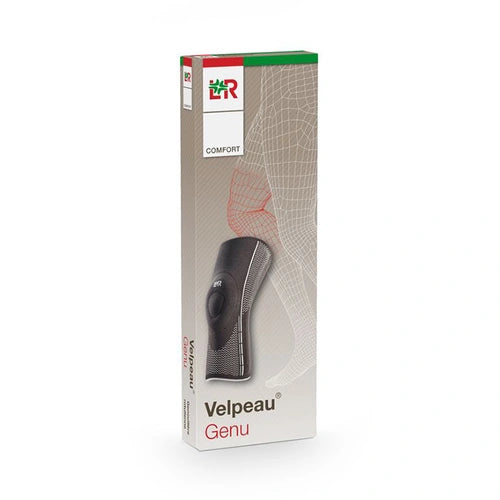
Type: Orthopedic Supports
Elastic Knee Support Genu Comfort from Velpeau France
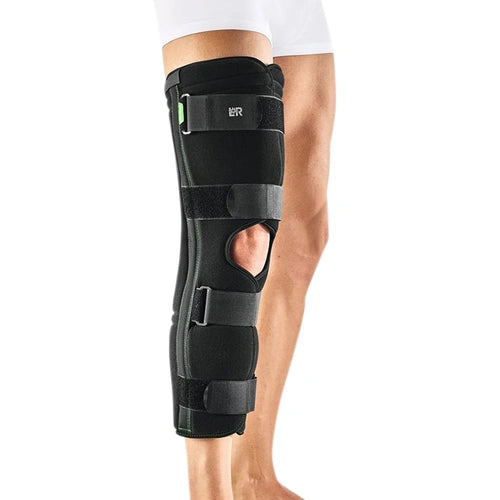
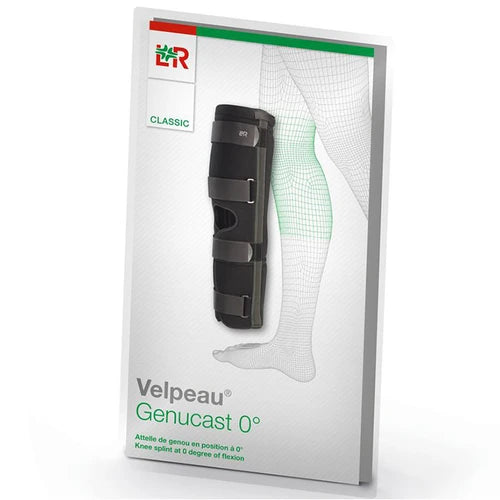
Type: Orthopedic Supports
Knee Immobiliser Genucast 0 Degree from Velpeau France

Type: Orthopedic Supports
Expandable Knee Brace Ligation Comfort Velpeau France
Collection:
Knee Support Guide: Types, Uses, Sizes, Price & Buying Tips
Introduction: Understanding Knee Support
A knee support is a wearable orthopaedic aid designed to provide compression, warmth, proprioceptive feedback or mechanical support around the knee. Products range from simple elastic sleeves to hinged braces and unloading systems prescribed for specific knee conditions.
For buyers searching online, knee support products may look similar while differing in intended use, construction, size, compatibility, safety requirements and long-term cost. The right product should match the actual user rather than simply the most popular listing.
This MeddeyGo guide covers uses, types, specifications, safety, price, comparisons, maintenance, common mistakes, buying guidance and FAQs so that home users and healthcare buyers can compare knee support options more confidently.
Sports & Activity
Elastic supports may provide compression and confidence during selected activity.
Older Adults
Sleeves or prescribed braces may assist comfort and stability in some people with knee arthritis.
Rehabilitation
Braces may be used temporarily after injury or surgery as part of a clinician-directed recovery plan.
What Is Knee Support?
A knee support is a wearable orthopaedic aid designed to provide compression, warmth, proprioceptive feedback or mechanical support around the knee. Products range from simple elastic sleeves to hinged braces and unloading systems prescribed for specific knee conditions.
The exact specification of knee support depends on the product type. Manufacturer instructions, medical-device labelling and professional advice should take priority over informal descriptions used in online marketplaces.
Simple Buying Principle
Choose knee support according to intended use, correct specification, comfort, safety and reliable supply—not only by price.
Common Uses of Knee Support
Common reasons for using knee support include:
- Providing light compression around the knee
- Supporting selected mild sprains or overuse symptoms
- Improving awareness of knee position during activity
- Helping some people with osteoarthritis feel more stable
- Supporting the patella with ring or strap designs
- Protecting movement after selected injuries when prescribed
- Supporting return to activity alongside strengthening and rehabilitation
One product may be useful in one setting but unsuitable in another. When a clinician has recommended a specific setup, follow that requirement instead of substituting a different knee support based only on appearance or discount.
Main Types of Knee Support
Elastic Knee Sleeve
Stretchable compression sleeve for light support and warmth.
When comparing this type, review comfort, maintenance, compatibility and the exact intended use. Design details vary between manufacturers, so the product manual and specification should be checked before purchase.
Open-Patella Knee Support
Includes an opening or patellar ring intended to reduce pressure over the kneecap.
When comparing this type, review comfort, maintenance, compatibility and the exact intended use. Design details vary between manufacturers, so the product manual and specification should be checked before purchase.
Hinged Knee Brace
Provides greater side-to-side control and may be prescribed after ligament injury or surgery.
When comparing this type, review comfort, maintenance, compatibility and the exact intended use. Design details vary between manufacturers, so the product manual and specification should be checked before purchase.
Patellar Strap
Narrow strap worn below the kneecap for selected patellar tendon or anterior-knee symptoms.
When comparing this type, review comfort, maintenance, compatibility and the exact intended use. Design details vary between manufacturers, so the product manual and specification should be checked before purchase.
Unloader Knee Brace
Specialised brace that shifts load away from an affected knee compartment in selected arthritis cases.
When comparing this type, review comfort, maintenance, compatibility and the exact intended use. Design details vary between manufacturers, so the product manual and specification should be checked before purchase.
Key Features to Compare Before Buying Knee Support
Intended Use
Check whether the product is intended for home, professional, continuous, rehabilitation or another specific use.
Correct Fit / Compatibility
Size, connector, sensor, tubing, body fit or consumable compatibility can determine real-world performance.
Ease of Use
Clear controls, labels, fitting instructions and simple maintenance support consistent use.
Quality & Support
Warranty, replacement parts, consumables, traceability and seller support matter over time.
How Knee Support Works
Every knee support is designed around a particular function. Understanding that function makes it easier to separate essential features from optional extras. A good product should perform predictably within its stated limits when set up and maintained correctly.
Before first use, inspect the product, read the instructions, confirm size or technical range, and identify any contraindications. If the knee support is part of a medical care plan, confirm that it matches the clinician’s recommendation.
Use It as Designed
Do not modify or repurpose knee support. Use it only within the manufacturer’s stated instructions and clinical guidance.
Knee Support Size, Capacity and Specification Guide
Size and specification are important because a "standard" knee support does not necessarily fit every user or environment. The relevant specification may be physical size, capacity, gauge, flow range, sensor fit, strap length, battery runtime or another technical parameter.
| Selection Point | Why It Matters | What to Check |
|---|---|---|
| Intended user | Adult, child, home and professional products may differ | Age group and care environment |
| Fit / size | Incorrect fit may reduce comfort or performance | Manufacturer chart or dimensions |
| Technical range | Devices may have defined limits | Product specification |
| Accessories | Compatibility affects ongoing use | Connector, strap, sensor, tubing or set |
| Frequency | Reusable and disposable options have different care needs | Label and replacement plan |
Safety Guidelines for Knee Support
Safe use of knee support begins with correct selection, correct setup and recognition of warning signs.
- Choose the correct size based on manufacturer measurements
- The brace should feel supportive but not cut off circulation
- Stop use for numbness, tingling, colour change or increasing swelling
- Do not use a brace to continue activity through severe pain
- Follow clinician instructions after surgery or significant ligament injury
- Keep skin clean and inspect for pressure areas
- Combine support with rehabilitation rather than relying on the brace alone
Stop use and seek appropriate professional advice if the product appears to cause injury, worsening symptoms, loss of function or an unexpected problem. Do not let a support or monitoring device delay urgent medical assessment when a patient is deteriorating.
Safety Reminder
Knee Support can support care or comfort, but it should not be used to mask serious symptoms or replace urgent medical evaluation.
Comparison: Choosing the Right Knee Support Type
| Point | Knee Sleeve | Hinged / Structured Brace |
|---|---|---|
| Support Level | Light to moderate compression | Greater mechanical control |
| Movement | Usually flexible | May limit selected movements |
| Common Use | General support and mild symptoms | Selected ligament, post-operative or instability needs |
| Fitting | Often pull-on sizing | May require straps and professional fitting |
There is rarely one universally best knee support. Match the product to the user, setting and required level of support or performance.
Knee Support Price and Cost Factors
Knee support price depends on material, compression level, patellar design, hinges, straps, anti-slip features, sizing range and brand. A simple elastic sleeve is usually less expensive than a hinged or unloader brace.
When comparing listings, verify the exact model, size, quantity, included accessories and warranty. A lower headline price may describe a smaller pack or less capable configuration.
| Price Factor | How It Can Affect Cost |
|---|---|
| Product type | Specialised configurations may cost more |
| Size / capacity | Larger or higher-capacity products may use more material or technology |
| Reusable vs disposable | Different long-term cost pattern |
| Accessories | Cases, straps, sensors, sets or connectors affect value |
| Brand / documentation | Quality systems and support can influence price |
| Pack quantity | Bulk packs can change per-unit cost |
How to Buy Knee Support Online
Buying knee support online is convenient, but compare the full specification rather than only the first image or discount.
- Measure thigh, knee and calf according to the size chart
- Choose sleeve, open-patella, hinged or specialised support based on need
- Check breathable and skin-friendly material
- Review compression and strap adjustability
- Look for anti-slip design for active use
- Consider washability and drying instructions
- Check whether right/left specific
- Seek professional advice for significant instability or arthritis
For clinics and hospitals, also consider batch traceability, GST invoicing, regulatory documentation, stock continuity and availability of the same compatible product in future orders.
Online Buying Tip
Write down the exact knee support model, size or specification you need before ordering. Similar-looking products can differ in important ways.
Common Mistakes When Buying or Using Knee Support
| Common Mistake | Possible Problem | Better Approach |
|---|---|---|
| Buying only by price | May not match required specification | Compare fit, quality, compatibility and total cost |
| Ignoring size chart | Poor fit or performance | Measure and follow brand guidance |
| Skipping instructions | Setup or safety steps can be missed | Read the manual before use |
| Using a damaged product | Performance or hygiene can be compromised | Inspect before each use |
| Continuing despite warning signs | May worsen injury or delay treatment | Stop and seek advice |
| Assuming every brand is identical | Specifications can vary | Check exact model and manufacturer data |
Cleaning, Storage and Maintenance of Knee Support
Maintenance varies between reusable and disposable knee support products. Clean reusable components only as instructed. Electronic and sterile products require different care from washable supports.
- Inspect before each use for wear or damage
- Follow the approved cleaning method
- Dry washable parts fully before storage
- Replace worn consumables or accessories
- Keep the model number and instructions
- Follow service, battery or calibration schedules where applicable
Who Should Consider Knee Support?
Home Users
Prioritise simple setup, comfort, correct size and practical maintenance.
Caregivers
Consider handling, cleaning and ability to recognise warning signs.
Healthcare Professionals
Prioritise intended use, technical specification and clinical protocol.
Institutional Buyers
Evaluate traceability, quantity, training, consumables and after-sales support.
When Professional Advice Is Important
Professional assessment is particularly important when knee support is being used because of significant illness, injury, surgery, breathing difficulty, vascular access, tube feeding, catheter care or persistent symptoms.
If a patient develops sudden deterioration, severe pain, altered consciousness, major bleeding, blue or grey colour, loss of circulation or another urgent warning sign, seek emergency medical help rather than relying on the product.
Why Buy Knee Support from MeddeyGo?
MeddeyGo offers healthcare equipment, rehabilitation products, medical consumables and home-care solutions for individual users, doctors, clinics, hospitals and institutional buyers across India.
Compare available knee support options by intended use, specification, size, accessories and brand. Prices and exact configurations can change, so review the current MeddeyGo.com product listing before ordering.
- Healthcare-focused catalogue
- Options for home and professional buyers
- Clear specifications for comparison
- Multiple brands and configurations where available
- Online ordering across India
- Support for clinic and institutional procurement
Hover Quick Guide
Intended UseProduct ko wahi use ke liye choose karein jo manufacturer ne define kiya hai.Correct FitSize ya compatibility comfort aur performance ko affect karti hai.SafetyWarning signs ko ignore karke product use continue na karein.PriceExact model, quantity aur accessories ko compare karein.
Frequently Asked Questions
What does a knee support do?
It may provide compression, warmth, proprioceptive feedback or mechanical support depending on design.
Is knee support good for knee pain?
It may help selected people, but persistent or severe pain should be assessed.
Which knee support is best?
The best support is matched to the diagnosis, activity and required stability.
Can I wear knee support all day?
Some soft supports can be worn for longer periods, but fit, skin condition and clinical advice matter.
Is a knee brace useful for arthritis?
Some braces and sleeves can assist stability and function; specialised unloader braces may help selected one-sided arthritis.
How tight should a knee support be?
It should be snug without causing numbness, tingling, colour change or circulation problems.
Can I exercise with knee support?
Some supports are intended for activity, but exercise should match the injury and rehabilitation plan.
What is the difference between knee cap and knee brace?
Retail "knee cap" often means an elastic sleeve; a brace may include straps, stays or hinges.
What affects knee support price?
Material, design, hinges, compression, sizing and brand affect cost.
When should I see a doctor for knee pain?
Seek assessment for inability to bear weight, major swelling, deformity, locking, instability or persistent symptoms.
Detailed Buying Checklist for Knee Support
A structured checklist helps compare knee support without getting distracted by marketing claims. Define the user, environment and exact problem first, then separate essential features from optional ones.
- Identify intended user and environment
- Confirm exact product category
- Verify size, capacity or technical range
- Check compatibility with existing accessories
- Review reusable or disposable status
- Check cleaning and maintenance needs
- Check replacement-part availability
- Review storage and expiry if applicable
- Confirm warranty and service
- Compare final delivered cost
Institutional buyers may benefit from standardising knee support models when appropriate because this can simplify training and stocking. However, a single product should not be forced into every patient situation if clinical requirements differ.
Quality Indicators in Knee Support
Quality cannot be judged from appearance alone. Review packaging, material finish, labelling, sizing consistency, instructions and traceability. For regulated devices, confirm intended-use and applicable documentation.
Durability should be judged according to function. Depending on the product, flexibility, breathability, reliable seals, stable electronics or consistent disposable components may be more important than weight or thickness.
How to Compare Reviews for Knee Support
Online reviews can reveal information about fit, comfort, battery life, packaging, cleaning or seller service, but they should not replace technical specifications. Give more weight to repeated practical observations than to dramatic claims.
A product described as "best" by one reviewer may be unsuitable for a different user. Compare the review context with your own intended use before relying on it.
Frequently Overlooked Factors Before Purchasing Knee Support
- Ongoing cost of consumables
- Storage or charging space
- Cleaning in the intended environment
- Availability of replacement size
- Comfort during real duration of use
- Caregiver ability to operate it
- Whether professional fitting or supervision is required
- Suitability for children, older adults or mobility limitations
- Clear invoice and model identification
- Speed of service or replacement
Final Selection Advice for Knee Support
The safest and most economical knee support is usually the product that correctly matches the user, not the one with the longest feature list. Define the function first and then compare specification, safety, maintenance and price.
If knee support is part of a prescribed treatment, retain the packaging and model information so the care team can identify the exact product. Do not substitute a materially different size, device or consumable without checking compatibility when it could affect treatment.
Knee Support for Osteoarthritis
Some people with knee osteoarthritis use a sleeve for warmth and compression, while others are prescribed a structured support or unloader brace. AAOS guidance notes that braces can assist stability and function in selected knee arthritis cases.
A brace should not replace strength and mobility work. Strong muscles around the knee help absorb load, which is why exercise and weight management remain important parts of many arthritis plans.
Knee Support for Sports
Sports users often choose elastic sleeves because they allow movement while adding compression and proprioceptive feedback. A hinged brace may be used only when greater control is actually required.
A support should not be used to hide an unstable or acutely injured knee. A major twist, pop, rapid swelling or inability to bear weight should be assessed before returning to sport.
Sizing a Knee Support Correctly
Sizing methods differ by brand. Some measure the knee centre, while others require thigh and calf circumference at a specified distance from the joint.
If the support rolls, slips or leaves deep marks, sizing or strap adjustment may be wrong. A correctly fitted brace should remain stable without causing numbness or circulation changes.
How to Evaluate Comfort During the First Week
When using knee support for the first time, pay attention to comfort, fit and whether the product behaves as expected. Minor adjustment may be normal, but increasing pain, skin injury, repeated alarms, leakage or loss of function should not be ignored.
The correct decision still depends on the individual user and manufacturer instructions. Avoid changing a prescribed setup solely on the basis of an online comparison.
Replacement and Reordering Strategy
If knee support will be used regularly, record the exact model, size and reorder code. This prevents accidental substitution with a visually similar product that has a different specification. Clinics can also set minimum stock levels for essential consumables.
The correct decision still depends on the individual user and manufacturer instructions. Avoid changing a prescribed setup solely on the basis of an online comparison.
Questions to Ask Before Final Purchase
Ask who will use the knee support, how often it will be used, whether training is required, what accessories are needed, how it is cleaned and what happens if it fails. These questions reveal hidden cost and workflow issues before purchase.
The correct decision still depends on the individual user and manufacturer instructions. Avoid changing a prescribed setup solely on the basis of an online comparison.
Home Care vs Hospital Requirements
Home and hospital buyers may prioritise different features. Home users often value simplicity and portability, while hospitals may prioritise standardisation, infection control, traceability, throughput and service support.
The correct decision still depends on the individual user and manufacturer instructions. Avoid changing a prescribed setup solely on the basis of an online comparison.
How to Avoid Marketing Confusion
Healthcare product listings sometimes use broad words such as professional, premium, advanced or hospital grade. These terms are less useful than measurable specifications. Compare stated dimensions, capacity, material, intended use, compatibility and warranty instead.
The correct decision still depends on the individual user and manufacturer instructions. Avoid changing a prescribed setup solely on the basis of an online comparison.
When a Cheaper Product Can Be the Right Choice
A lower-cost knee support can be entirely suitable when it meets the required specification and quality expectations. Paying more only makes sense when the extra feature solves a real need, improves safety or reduces ongoing cost.
The correct decision still depends on the individual user and manufacturer instructions. Avoid changing a prescribed setup solely on the basis of an online comparison.
When a Premium Product May Be Worth It
A premium knee support may justify a higher price through better durability, reusable design, service support, consumable availability, comfort or clinical workflow. Compare these benefits against how often the product will actually be used.
The correct decision still depends on the individual user and manufacturer instructions. Avoid changing a prescribed setup solely on the basis of an online comparison.
Keeping Records for Medical Equipment
For products used in ongoing care, keep the invoice, serial or lot number, model information and instructions. These records make service, warranty claims, clinical communication and repeat ordering easier.
The correct decision still depends on the individual user and manufacturer instructions. Avoid changing a prescribed setup solely on the basis of an online comparison.
Knee Support and User Training
Even a well-designed knee support can be used poorly if the user has not been shown the correct setup. Training should focus on the specific model rather than only the general product category. Users should know how to prepare the product, confirm that it is working as expected, recognise warning signs, clean or store it correctly and know when to stop using it. For home-care products, the primary caregiver should ideally demonstrate the process back to the trainer so misunderstandings can be corrected early.
Written instructions are useful, but they should support rather than replace practical understanding. Keep the quick guide or user manual close to the knee support. If more than one family member or staff member will use the product, make sure everyone follows the same routine instead of developing different shortcuts.
Choosing Knee Support for Older Adults
Older adults may have reduced hand strength, vision, hearing, skin tolerance, mobility or memory. These factors can change which knee support is easiest and safest to use. Large labels, simple controls, adjustable straps, low physical effort and easy cleaning can be more valuable than advanced features that are difficult to understand.
Caregivers should also consider whether the user can recognise a problem and ask for help. If the knee support is worn on the body, check pressure areas and skin more frequently in people with fragile skin or reduced sensation. If it is an electronic device, choose displays and alarms that are easy to notice.
Choosing Knee Support for Children and Paediatric Care
Products used for children should be specifically suitable for the child’s size, age and clinical requirement. An adult-sized knee support should not automatically be adapted for a child simply because it is available. Paediatric fit, softer materials, smaller accessories and caregiver supervision may all matter.
Children can also become anxious around unfamiliar healthcare products. Explaining the process in simple language, allowing a calm caregiver to be present and avoiding unnecessary force can make use easier. Any product that appears to interfere with breathing, circulation, feeding, sleep or movement should be reassessed promptly.
Knee Support for Clinics, Hospitals and Institutional Procurement
Institutional procurement requires more than selecting a popular model. Hospitals and clinics may need consistent supply, batch traceability, compatible consumables, staff training, infection-control compatibility and a clear pathway for complaints or replacements. A product that is easy to buy once but difficult to reorder can create operational problems.
Before standardising a knee support, involve the people who will actually use it. A short evaluation by nurses, therapists, technicians or other relevant staff can reveal handling issues that are not obvious from a brochure. Procurement should consider both clinical suitability and total ownership cost.
How to Compare Brands of Knee Support
Brand reputation can be useful, but it should not replace specification comparison. Two brands may use the same general product name while offering different sizes, materials, alarms, consumables, support levels or warranties. Compare the exact model rather than assuming all products from one category are interchangeable.
Where possible, compare manufacturer instructions, product dimensions, intended-use statements, replacement accessories and warranty terms side by side. For a product used repeatedly, local availability of parts and consumables may be more important than a small difference in initial price.
What “Best Knee Support” Really Means
Online searches frequently ask for the best knee support, but “best” depends on the user. A hospital may value durability and standardisation, a home user may value simplicity, and a traveller may prioritise portability. A product can be excellent in one of these situations and inconvenient in another.
A useful way to define the best option is to list three essential requirements and three optional preferences. Reject any product that fails an essential requirement even if it has attractive extra features. This keeps the buying decision tied to real need rather than marketing.
Knee Support Price: How to Judge Value Instead of Cost Alone
Price becomes easier to judge when buyers calculate the complete cost of use. A low-cost knee support may require expensive consumables, frequent replacement or difficult-to-find accessories. A higher-priced option may cost less over time if it is durable, reusable or supported by readily available components.
For disposable products, compare the cost per piece or per day of use. For reusable equipment, consider expected service life, batteries, cleaning, service and replacement parts. Institutional buyers should also consider staff time because complicated setup can carry a hidden operational cost.
How to Identify a Poor Fit or Wrong Knee Support Selection
A product may be the wrong choice if it repeatedly slips, leaks, alarms, causes pressure, cannot connect to the required accessory, is difficult to clean or does not meet the prescribed technical range. Do not assume the user simply needs more practice if the specification itself is wrong.
When a problem occurs, check the model, size and setup systematically. Compare it with the manufacturer instructions and the original clinical requirement. Replacing the product with the correct size or configuration is often safer than improvising a workaround.
Environmental and Storage Considerations for Knee Support
Heat, humidity, dust and direct sunlight can affect many healthcare products. Electronic devices may have specified storage temperatures, while sterile consumables require dry, intact packaging. Fabric supports can develop odour or skin irritation if stored damp. Follow the stated storage conditions rather than keeping all medical products in the same place.
For travel, keep the knee support protected from crushing and contamination. Carry compatible spare consumables when failure would interrupt care. Battery-operated products should be transported with charging accessories and, where appropriate, spare batteries.
Final Pre-Purchase Questions for Knee Support
Before clicking buy, confirm: Is this the exact product category I need? Is the size or technical range correct? Is it intended for this user? Are the required accessories included? Can I obtain replacements? Is the cleaning method practical? Does the seller clearly identify the model and brand? What happens if the product arrives damaged or does not fit?
Answering these questions takes only a few minutes and prevents many avoidable returns. For medically important products, also confirm whether a doctor, nurse, therapist, dietitian or other professional has specified a particular type or size.
A Practical Final Checklist Before Using Knee Support
Before first use, compare the product in your hand with the order or prescription, if one exists. Confirm the model, size, patient group, accessories, packaging condition and instructions. Set up the product in a calm environment rather than during an avoidable rush. For a wearable support, check comfort and circulation. For a monitoring or powered device, confirm battery or power status and understand the display or alarms. For a consumable, check integrity, expiry and compatibility. For products used with a tube, catheter, sensor or connector, never force a connection that does not fit naturally. These simple checks reduce many preventable problems and make it easier to recognise whether the knee support is behaving normally.
After use, review what happened rather than simply storing the product away. Was it comfortable? Did it stay in position? Did the reading, flow, drainage, support or suction behave as expected? Were there any leaks, alarms, pressure marks or unexpected symptoms? Record important observations when the product is part of ongoing medical care. If the same issue happens repeatedly, do not keep compensating with tighter straps, extra force, improvised connectors or altered settings. Recheck the specification and seek professional or manufacturer support. A good knee support should make the intended task more manageable, not create a new set of problems that users have to work around.
Conclusion
Knee Support can be an important part of home care, rehabilitation or clinical practice when it is correctly selected and used for its intended purpose.
Compare types, size or technical specification, safety, maintenance, accessories, warranty and total cost before purchasing.
Explore suitable knee support options and related healthcare products at MeddeyGo.com.