


Type: Bed Sheets
Disposable Bed Sheet Large Size 160 X 210cm


Type: Drapes
Disposable Draw Sheet Large Size 100 X 160 Cm


Type: Drapes
Disposable Bed Sheet Sterile with Indicator Large Size 160 X 200 cm


Type: Drapes
Reusable Draw Sheet 35 x 80 inches Premium Quality
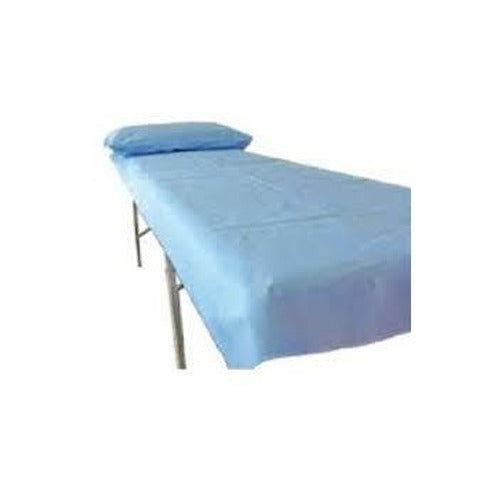
Type: Bed Sheets
Disposable Bed Sheet Medium Size 100cm x 100cm


Type: Drapes
Disposable Abdominal Drape Sterile 150x220cm with Incision Cut 8x10 Inch

Type: Bed Sheets
Disposable Bed Sheet Sterile with Indicator Large Size 160 X 210cm - Pack of 5


Type:
Disposable Bed Sheet Sterile with Indicator Medium 100cm X 100cm


Type: Nonwovens
Plain Sheet Premium Hygiene SW D301 120x210 cm Sterile
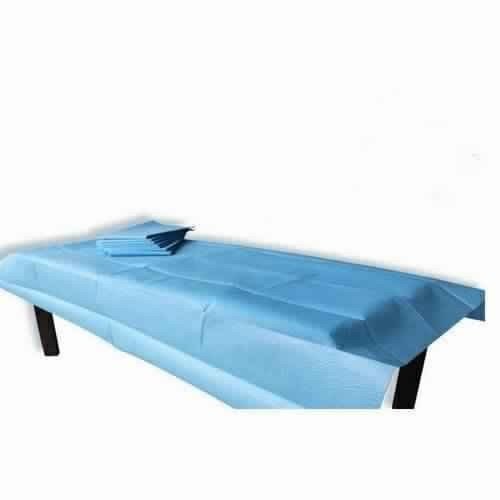
Type: Bed Sheets
Disposable Bed Sheet Sterile with Indicator Large Size 160 X 210cm
Collection:
Mackintosh Medical Sheets
Dealing with bedwetting or incontinence can feel like an exhausting, endless cycle of changing sheets and scrubbing mattresses. If you're looking for a reliable, long-term solution that caregivers have trusted for generations, the Mackintosh sheet might be exactly what you need. It represents a shift from constantly reacting to accidents to proactively preventing them, offering a much-needed sense of control and peace of mind.
So, what is a mackintosh in medical terms? The simplest way to think of it is as a heavy-duty, reusable raincoat for your mattress. It is a completely waterproof, often rubberized, piece of fabric placed on a bed to create an impenetrable barrier against all liquids. Unlike disposable pads that can shift and leak or thin plastic covers that easily tear, these sheets are specifically designed for durability and total protection, night after night.
The primary goal of Mackintosh Medical Sheets is to break the frustrating cycle of mattress damage and excessive laundry. For anyone managing care at home, this means an end to the demanding task of deep-cleaning stains and eliminating persistent odors from a mattress. In practice, hospitals and care facilities have relied on this type of protection for decades because it is built to withstand constant use while providing dependable results.
Finding the right solution shouldn't add to your stress. This guide is designed to give you clear, simple answers about medical bed protection. We will walk you through the different types available, explain how to use them for maximum effectiveness, and provide straightforward cleaning tips. By the end, you'll have the confidence to select the right sheet for your specific needs and finally put the worry of a ruined mattress to rest.
What Exactly Makes a 'Mackintosh' Sheet Different from a Regular Waterproof Protector?
If you're familiar with the crinkly, fitted sheet that goes under your main bedding, you already understand the basics of mattress protection. But when dealing with frequent accidents or medical care at home, a standard protector might not be enough. This is where the Mackintosh sheet, often called a rubber hospital sheet, shows its true value by taking a completely different approach.
The most significant difference lies in its placement and purpose. A standard waterproof protector is designed to encase the entire mattress, fitting snugly underneath your regular sheets. A Mackintosh sheet, on the other hand, is a smaller, heavy-duty pad placed on top of the bottom sheet, directly under the person. This top-layer protection is designed to be the first line of defense, catching liquids before they ever reach the main bedding. This simple change makes cleanup much faster---you only need to remove the Mackintosh sheet, not strip the entire bed.
Here's a direct comparison in the areas that matter most to a caregiver:
- Placement: A Mackintosh sheet lies on top of the fitted sheet for quick removal, while a standard protector goes underneath all the bedding.
- Durability: Made from thick, rubberized fabric, a Mackintosh is built to withstand daily, harsh cleaning. Standard protectors use thinner materials that can wear out with frequent, high-heat washing.
- Purpose: Mackintosh sheets offer targeted, heavy-duty protection for high-need areas. A standard protector provides general, all-over coverage for occasional spills.
This robust design isn't accidental; it comes from decades of use in hospitals and long-term care facilities where reliability is non-negotiable. These environments demand materials that won't rip, tear, or fail after hundreds of washes. While a standard protector is great for safeguarding a mattress from an occasional accident, the Mackintosh sheet is the trusted workhorse for situations requiring constant, dependable moisture control.
Of course, these durable sheets aren't the only option for managing incontinence. They must also be compared against the single-use disposable underpads you often see in stores.
Mackintosh Sheets vs. Disposable Underpads: A Breakdown of Cost, Waste, and Effort
When you're standing in the store aisle, the appeal of disposable underpads is obvious. They seem convenient---use one, toss it, and grab another. This simplicity is tempting, especially when you're already feeling overwhelmed. However, this convenience often comes with hidden costs in money, effort, and waste that can add up surprisingly fast. Comparing them to a reusable option like a rubber hospital sheet reveals a very different picture for long-term care.
The most significant difference is the long-term financial impact. A single, high-quality Mackintosh sheet might cost between $25 and $40 upfront. While a pack of disposable medical sheets seems cheaper, the expense is recurring. If you use just two pads a day, you could easily spend over $40 a month, totaling nearly $500 in a single year. In contrast, that one-time purchase of a reusable sheet pays for itself in the first month and can continue to protect your bed for years, leading to substantial savings.
Beyond the numbers, it's important to consider the effort involved. The "toss-away" nature of disposables creates a constant need to monitor your supply, add pads to the shopping list, and make extra trips to the store. You also have to manage the bulky, overflowing trash. A reusable medical bed protector, on the other hand, trades that frantic cycle for a simple routine. After an accident, you can quickly wipe it down or toss it in the laundry. This predictable task can bring more peace of mind than the constant worry of running out of supplies at an inconvenient time.
Finally, the environmental benefit of choosing a reusable option is clear. A single caregiver might use over 700 disposable pads a year, all of which end up in a landfill. A durable Mackintosh sheet replaces that mountain of waste with one reliable product that lasts. It's a practical choice that not only simplifies your caregiving tasks and saves you money but also reduces your household's daily waste.

Decoding the Materials: Is Rubber, Vinyl, or Polyurethane Right for You?
Choosing a reusable sheet isn't just about grabbing the first one you see. The material it's made from---the actual mackintosh fabric---makes a world of difference to the person using it, affecting everything from their comfort to how well they sleep. Since the goal is to solve a problem without creating a new one (like a noisy, sweaty bed), understanding your options is the key to making the right choice.
Most of these waterproof protectors fall into one of three main material categories: the traditional rubberized cotton, the common and budget-friendly vinyl, or the more modern polyurethane. Each one offers a different balance of durability, comfort, and cost.
Making the right decision is easier when you can compare them side-by-side. Here's a simple breakdown of what you can expect from each material:
-
Rubberized Cotton (The Original Workhorse)
- Feel & Comfort: This is a heavy-duty material that feels substantial and durable. It's not very breathable, so it can trap heat, but it's built to last for years.
- Noise Level: Very quiet. No crinkling sounds.
- Best For: Situations demanding extreme durability. Think of the classic waterproof rubber sheet for a hospital bed that needs to withstand constant use and harsh cleaning.
-
Vinyl (The Budget-Friendly Option)
- Feel & Comfort: Can feel "plasticky" and doesn't allow air to pass through, which may cause sweating. Its main benefit is being incredibly easy to wipe clean.
- Noise Level: This is its biggest drawback. Vinyl sheets often make a noticeable "crinkly" sound with movement, which can easily disturb a light sleeper.
- Best For: Quick-cleanup situations where overnight comfort isn't the top priority, or for those on a tight budget.
-
Polyurethane (The Modern, Comfortable Solution)
- Feel & Comfort: Soft, flexible, and much more breathable than rubber or vinyl. It provides waterproof protection while allowing some body heat and vapor to escape, making for a far more comfortable night's sleep.
- Noise Level: Virtually silent.
- Best For: Anyone, but especially light sleepers or those who will be using the sheet every night. It's the top choice for balancing effective protection with personal comfort.
If the person using the sheet is a very light sleeper, the silence of polyurethane or rubberized cotton is worth it. If you're managing frequent accidents and need something that will last a decade, the durability of classic rubberized cotton is unmatched. But for most home-care situations, the quiet comfort of polyurethane provides the best of all worlds.
How to Place a Mackintosh Sheet on a Bed for Zero Leaks
Now that you've chosen the right material for your needs, using it correctly is the key to complete peace of mind. Getting the placement right is simple, but it's the most important step in preventing leaks and making your life easier. Unlike a standard mattress protector that zips up or fits under your main bedding, a Mackintosh sheet is designed to work on top. You'll place it directly over the regular fitted bottom sheet, creating a waterproof barrier that protects your bedding as well as your mattress. This one simple difference means that after an accident, you're often just dealing with the waterproof sheet itself, not stripping and washing every layer on the bed.
For the best protection, you don't need to cover the entire bed. Instead, lay the Mackintosh sheet horizontally across the middle third of the mattress. This placement is strategic, as it covers the area from the upper back down to the knees, where the vast majority of leaks occur. Once it's positioned, make sure there is enough extra material on both sides to tuck it tightly under the mattress. A snug, flat surface is less likely to bunch up or shift during the night, ensuring the protective layer stays exactly where it's needed most.
While a Mackintosh sheet is a champion of protection, the rubber or vinyl surface isn't always the most comfortable layer to sleep on directly. To solve this, many caregivers add one more simple layer: a soft, folded cotton sheet on top of the Mackintosh. This top layer, often called a draw sheet, serves two great purposes. First, it provides a soft, breathable, and comfortable surface for the person to lie on. Second, it makes cleanup even faster. For minor spills, you may only need to swap out this small draw sheet, leaving the Mackintosh and the rest of the bedding perfectly clean and dry underneath.
This simple layered system---fitted sheet, Mackintosh sheet, and a soft draw sheet on top---is a time-tested method used in home healthcare for a reason. It provides maximum protection for your mattress, enhances comfort for your loved one, and, most importantly, significantly reduces your laundry workload and stress.

The Simple Guide to Cleaning Your Mackintosh Sheet (and Making It Last)
One of the greatest benefits of a Mackintosh sheet is how simple it is to clean. After an accident, you're no longer faced with a mountain of laundry or a deep-set mattress stain. Because the sheet is non-absorbent, cleanup is fast and straightforward, whether you're dealing with a minor spill or a major incident. Properly caring for your sheet not only ensures it remains hygienic but also protects the waterproof material, guaranteeing it will last for years to come. This simple routine is the final step in creating a stress-free system for managing incontinence or bedwetting.
For small spills or everyday freshening up, a machine wash is rarely necessary. You can simply wipe the surface clean right on the bed. Using a cloth with warm, soapy water or a standard disinfectant wipe, you can quickly sanitize the affected area. Once wiped, just pat it dry with a towel, and the bed is ready for use again in minutes. This quick-spot cleaning is a huge time-saver, preventing the need to strip and remake the entire bed after every minor leak. It's this convenience that makes Mackintosh sheets a reliable tool for daily caregiving.
When a more thorough cleaning is needed, these durable sheets are designed to handle a machine wash. Most rubberized or vinyl sheets can be washed in hot water, which is excellent for killing germs and removing any lingering odors. However, the key to preserving the waterproof layer is to avoid harsh chemicals. Never use bleach, as it can make the rubber brittle and cause it to crack over time. When it comes to drying, high heat is the enemy. Always tumble dry on a low or no-heat setting, or simply hang it to air dry.
By following these simple care instructions, you are protecting your investment. The durable, rubberized material is built to withstand constant use, but avoiding high heat and bleach is the secret to making it last for many years. This turns a single purchase into a long-term, cost-effective solution.
Are Rubber Bed Sheets Actually Comfortable for Patients?
Perhaps the most important question is whether a practical solution can also be a comfortable one. Protection is useless if the person using the bed is miserable. The idea of sleeping on a rubber sheet doesn't sound very appealing. Traditional rubberized or vinyl sheets are completely non-absorbent, which means they can trap body heat and sweat. This can lead to a clammy, sticky feeling, and the material can sometimes feel stiff or make crinkling noises with movement. So, while these sheets are champions of protection, their comfort level can be a genuine concern.
Fortunately, there is a simple and incredibly effective way to solve this problem: layering. The secret is to never have the person lie directly on the Mackintosh sheet itself. By placing it underneath a soft, absorbent cotton or flannel top sheet (sometimes called a "draw sheet"), you get the best of both worlds. The Mackintosh provides its impenetrable waterproof barrier below, while the person only feels the soft, familiar comfort of a regular bed sheet against their skin. This thin fabric layer is enough to wick away perspiration and completely eliminate that "plasticky" feel, ensuring a dry and comfortable night's sleep.
For those who want an all-in-one solution, modern materials offer excellent alternatives to classic plastic bed protectors. Many newer reusable underpads are made with a polyurethane laminate instead of traditional rubber. Think of it like the difference between an old-school poncho and a modern rain jacket; while both block water, the modern fabric is far quieter, softer, and more breathable. These polyurethane options are designed to block liquids while allowing some heat and vapor to escape, making them a strong candidate for the best mattress protector for incontinence when comfort is the absolute top priority.
With these simple strategies, you can ensure your loved one remains both clean and comfortable. Whether you choose to layer a classic Mackintosh with a soft cotton sheet or opt for a modern, breathable material, you no longer have to sacrifice comfort for protection.
The Hidden Benefit: Using a Mackintosh as a "Draw Sheet" to Turn Patients Safely
Beyond just protecting the mattress, that sturdy Mackintosh sheet offers a powerful secondary benefit that can make a world of difference for caregivers: it makes moving a person in bed significantly easier and safer. When someone has limited mobility, trying to help them sit up or turn over can put a serious strain on your back. The combination of a strong, waterproof Mackintosh sheet and the soft top sheet (often called a "draw sheet" in this context) creates an incredibly useful tool for repositioning.
The principle is simple. The durable, low-friction surface of the rubberized Mackintosh glides easily over the bottom fitted sheet, much like sliding a heavy box across the floor on a blanket. By gripping the top sheet and the Mackintosh together, you are moving the person with the sheets, not dragging their body against the bed. This simple technique dramatically reduces friction, which not only protects the person's sensitive skin from shearing but also requires far less physical effort from you. It transforms one of the most physically demanding parts of caregiving into a smooth, controlled motion.
For boosting a person up in bed or turning them onto their side, the safest method involves two people. While it can be done alone with practice for smaller adjustments, a two-person team ensures stability and prevents injury for everyone.
Here is a simple, two-person technique:
- Position Yourselves: Have one caregiver stand on each side of the bed, facing the person you are assisting.
- Get a Firm Grip: On your respective sides, roll the edges of both the top draw sheet and the Mackintosh sheet together tightly, creating a strong, comfortable handhold close to the person's body.
- Lift and Shift Together: On a count of three, use your legs (not your back!) to lift slightly and smoothly slide the person up or over. This coordinated effort makes the movement gentle and secure.
This single technique is one of the most valuable secrets in home healthcare waterproof bedding solutions, turning a protective sheet into an indispensable aid. By learning to use your Mackintosh sheet and draw sheet for patient turning, you're not just managing incontinence; you're actively protecting your own physical well-being. This reduction in daily strain allows you to provide better, more sustainable care with confidence and less risk of burnout or injury.
Beyond the Bedroom: 5 Unexpectedly Smart Uses for a Mackintosh Sheet
While a Mackintosh sheet is an absolute lifesaver for protecting a mattress, its true value extends far beyond the bed. The very qualities that make it one of the best home healthcare waterproof bedding solutions---its total liquid-proof barrier and rugged durability---transform it into a versatile, multi-purpose tool for managing life's inevitable messes all around the house.
Thinking of a Mackintosh as a one-trick pony for incontinence care is missing half its potential. Because it's built to withstand years of use, this single purchase can solve dozens of other frustrating problems.
Here are five practical ways a waterproof rubber sheet can save the day:
- Post-Partum & Recovery Care: For new mothers recovering at home, it provides discreet, reliable protection for bedding or chairs, offering peace of mind during a time when comfort is paramount.
- The Ultimate Kids' Craft Mat: Unfold it on the floor or a table before breaking out the paint, glitter, or play-doh. Cleanup is as simple as wiping it down, saving your surfaces from permanent damage.
- A Sick-Day Savior: When a child has a stomach bug, the last thing you want is to be scrubbing the couch at 2 a.m. Placing a Mackintosh sheet over the sofa or their temporary resting spot contains any accidents for stress-free care.
- Pet-Proofing Your Home and Car: Use it to line a pet crate, protect the back seat of your car from muddy paws, or place it under food and water bowls to keep your floors pristine.
- A Portable Changing Pad: A smaller sheet can be folded neatly into a diaper bag, giving you a large, hygienic, and easy-to-clean surface for changing a baby anywhere you go.
From protecting furniture to making playtime less messy, this simple sheet proves its worth time and again. Instead of seeing it as just medical equipment, think of it as a permanent, multi-purpose shield against spills and stains.
How to Choose the Perfect Mackintosh Sheet
To find the right Mackintosh sheet, use this checklist to pinpoint the exact features that matter most for your unique situation.
Your 5-Point Checklist for the Right Choice:
- 1. Primary Need: What is the main purpose? Is it for a child's occasional bedwetting, consistent adult incontinence, or temporary post-operative care?
- 2. Material Choice: What is your priority---ultimate comfort or maximum durability? This will guide you between softer polyurethane and classic, hard-wearing rubber.
- 3. Size: How much coverage do you need? A small pad for a chair, a half-bed sheet for the central area, or a full-width sheet that tucks in?
- 4. Comfort Plan: Will you need a soft, absorbent cotton sheet to place on top of the Mackintosh for added comfort, or will you choose an all-in-one polyurethane model?
- 5. Cleaning Method: What works for your routine? Will you primarily wipe the sheet clean, or do you need the convenience of a machine-washable option?
Answering these questions ensures the product you choose will seamlessly fit into your life and solve the problem at hand. Investing in a durable, reusable solution saves money over time, dramatically cuts down on laundry, and provides total mattress protection.
Choosing the right protection isn't just about the mattress; it's about making life easier, ensuring dignity for your loved one, and giving yourself one less thing to worry about. You are taking a proactive step to find a better way and can now move forward with a clear path to lasting peace of mind.
Frequently Asked Questions
Question: What is a Mackintosh sheet, and how is it different from a standard waterproof mattress protector?
Short answer: A Mackintosh sheet is a heavy-duty, reusable, waterproof pad (often rubberized) that lies on top of the fitted sheet, directly under the person, to catch liquids before they reach the bedding. Unlike a standard protector that encases the entire mattress underneath all bedding, a Mackintosh is a top-layer barrier designed for quick removal and targeted protection. It’s built for durability and frequent cleaning, making it ideal for frequent accidents or medical care at home.
Question: Why choose a reusable Mackintosh over disposable underpads?
Short answer: Reusables win on cost, waste, and routine. A single quality Mackintosh ($25–$40) can pay for itself within a month compared to using two disposable pads a day (often $40+ per month, ~$500 per year). It also eliminates the constant buying, restocking, and bulky trash from disposables—reducing household waste by replacing hundreds of single-use pads each year. Cleanup becomes a predictable wipe-down or wash, rather than managing an ongoing supply chain of disposables.
Question: Which material should I choose: rubberized cotton, vinyl, or polyurethane?
Short answer:
- Rubberized cotton: Ultra-durable, quiet, and long-lasting; less breathable and can trap heat. Best for heavy-duty, frequent use.
- Vinyl: Budget-friendly and very easy to wipe clean; can feel plasticky, traps heat, and is crinkly/noisy. Best for quick-clean scenarios or tight budgets.
- Polyurethane: Soft, flexible, breathable, and virtually silent; balances comfort and protection. Best for nightly use and light sleepers. Choose durability (rubberized cotton) for constant use, or comfort (polyurethane) for everyday home care. Vinyl suits short-term, cost-conscious needs.
Question: How do I place it to prevent leaks, and should I use a draw sheet?
Short answer: Lay the Mackintosh on top of the fitted sheet across the middle third of the mattress (upper back to knees), with enough overhang to tuck tightly on both sides so it stays flat and secure. For comfort and faster cleanup, add a soft cotton or flannel draw sheet on top of the Mackintosh. This keeps the person off the rubber/vinyl surface, improves breathability, and often lets you change just the small draw sheet after minor spills.
Question: What’s the correct way to clean and dry a Mackintosh so it lasts?
Short answer: For small spills, wipe the surface with warm, soapy water or a standard disinfectant wipe, then pat dry—no need to strip the bed. For deeper cleaning, most rubberized or vinyl sheets can be machine washed in hot water. Avoid harsh chemicals—never use bleach, which can make rubber brittle and crack. Dry on low or no heat, or air-dry; high heat damages the waterproof layer. Following these steps keeps the sheet hygienic and extends its lifespan.