
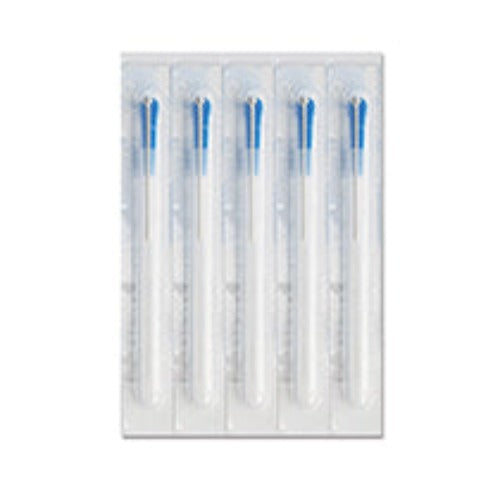
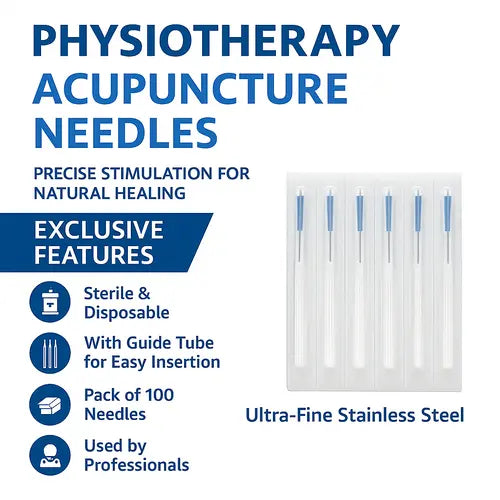
Type: Physiotherapy
Acupuncture Needles with Guide Tube (Pack of 100)


Type: Accessories
EACU Accupuncture and Dry Needle 4 Sizes Combo Pack (400 Needles)
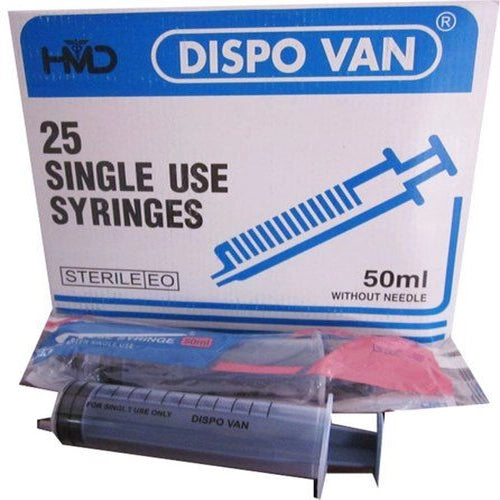
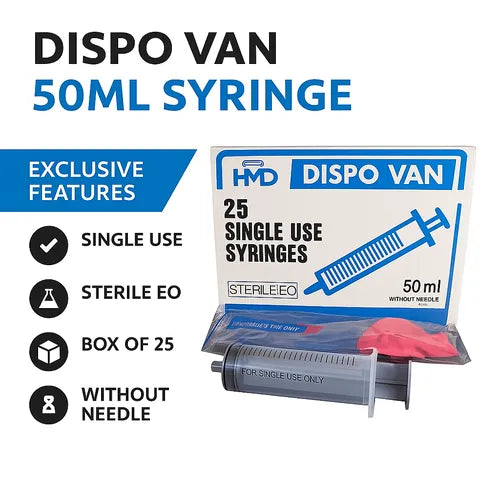
Type: Dispovan Syringes
Dispovan Syringes- 50ml without needle LM (Box of 25)

Type: Disposable needles
Microlance 3 Disposable needles 30G 0.30x13 mm (Pack of 100)
Collection:
Benefits of Using 30g Medical Needles
In the realm of medical practices, precision and patient comfort are paramount. The choice of medical equipment, particularly syringe needles, plays a critical role in achieving these objectives. Among the various needle sizes available, the 30g medical needle has garnered significant attention for its unique benefits.
In this comprehensive exploration, we will delve into the advantages of using 30g medical needles, examining their impact on both medical professionals and patients. We will consider aspects such as reduced patient discomfort, precision in application, and their versatility in medical procedures.
30g medical needles, among the finest gauges, offer high precision with minimal patient discomfort, making them ideal for subcutaneous and intradermal uses such as insulin delivery, allergy testing, pediatric care, and cosmetic procedures. Their small diameter reduces tissue trauma, speeds healing, eases needle anxiety, and supports accurate dosing and placement, which can improve adherence and outcomes. They are less suitable for rapid, high-volume infusions and require careful handling and training. Advances in sharpness and coating technologies, alongside trends toward minimally invasive and personalized care, continue to expand their utility.

To fully appreciate the benefits of 30g medical needles, it is essential to understand needle sizes in general. Needle gauge (abbreviated as "g") is a measurement of the needle's diameter. Interestingly, the smaller the gauge number, the larger the diameter of the needle. Thus, a 30g needle is finer than a 25g or 20g needle.
The Role of Needle Gauge in Medical Procedures
The gauge of a needle is more than just a number; it defines the needle's use and purpose in medical procedures. A higher gauge number indicates a thinner needle, which is crucial for minimizing tissue damage. This fine gauge is particularly beneficial in procedures that require precision and minimal patient discomfort.
Applications of 30g Needles
The 30g needle is among the finest available and is primarily used for subcutaneous and intradermal injections. Its slender design allows for minimally invasive procedures, making it ideal for situations where precision is crucial. This includes delicate areas such as facial injections in cosmetic procedures, where accuracy is paramount.
Comparison with Other Needle Sizes
Comparing the 30g needle with other sizes, such as 20g or 25g, reveals its unique advantages in specific contexts. While larger needles are suitable for rapid fluid administration, the 30g needle shines in situations demanding precision and reduced pain. This comparison highlights the importance of selecting the right needle size for each medical scenario.
Advantages of 30g Medical Needles
Reduced Patient Discomfort

One of the most significant advantages of using a 30g needle is the reduction in patient discomfort. Due to its finer diameter, the 30g needle causes less tissue trauma upon insertion. This is particularly beneficial in procedures requiring multiple injections, as it minimizes cumulative discomfort.
Alleviating Needle Anxiety
Moreover, the reduced diameter translates to a smaller puncture wound, which can alleviate anxiety in needle-phobic patients and improve their overall experience. This aspect is especially crucial in pediatric care, where creating a positive healthcare experience can have long-lasting effects on a child's perception of medical treatments.
Impact on Recovery and Healing
A finer needle size not only reduces immediate discomfort but also aids in quicker recovery. Smaller puncture sites heal faster and are less prone to infections, which is a critical consideration in patient care, especially for those with compromised immune systems.
Enhancing Patient Compliance
Reduced discomfort can significantly enhance patient compliance with treatment regimens. Patients are more likely to adhere to prescribed therapies, such as regular insulin injections, if their experiences are less painful, improving overall health outcomes.
Precision in Medical Procedures
The precision afforded by 30g needles is another compelling reason for their use. In procedures such as insulin administration, hormone therapies, or local anesthetic delivery, accuracy is crucial. The fine gauge of the 30g needle allows healthcare providers to administer medication with pinpoint accuracy, reducing the risk of complications such as bruising or incorrect dosage delivery.
Importance in Insulin Administration
In the management of diabetes, precise insulin delivery is vital to maintain blood sugar levels. The 30g needle allows for accurate dosing, which is critical in preventing both hypoglycemic and hyperglycemic episodes, thereby enhancing patient safety.
Cosmetic Application Precision
In addition, the 30g needle's precision is advantageous in cosmetic applications, such as Botox injections, where exact placement of the substance is necessary to achieve desired aesthetic outcomes. The accuracy provided by these needles ensures that the cosmetic results are both effective and natural-looking.
Reducing Complications in Procedures
Precision reduces the likelihood of complications during medical procedures. By ensuring accurate delivery of substances, healthcare providers can minimize risks such as tissue damage or adverse reactions, enhancing the overall quality of care.
Versatility in Usage
30g medical needles are versatile and can be employed in a variety of medical contexts. They are commonly used in:
- Diabetes management: For insulin delivery, ensuring minimal pain and precise dosing.
- Allergy testing: For intradermal testing where small, controlled amounts of allergen are introduced to the skin.
- Cosmetic procedures: Such as dermal fillers or Botox, where precision and minimal discomfort are priorities.
- Pediatric care: Where reducing the fear and discomfort associated with needle use is essential.
Applications in Chronic Disease Management
Their adaptability makes them an invaluable tool in the medical professional's arsenal, capable of addressing diverse patient needs with efficacy and comfort. In chronic disease management, where frequent injections are necessary, the 30g needle's minimal discomfort is a significant advantage.
Role in Preventive Healthcare
In preventive healthcare, such as vaccinations and routine screenings, the use of 30g needles ensures that procedures are as painless as possible. This enhances patient willingness to participate in preventive care measures, crucial for early disease detection and management.
Supporting Specialized Medical Fields
The versatility of 30g needles extends to specialized medical fields such as oncology, where precise delivery of chemotherapy agents can significantly impact treatment effectiveness. Their use in such contexts highlights their critical role in modern medicine.
Considerations in the Use of 30g Needles
While the benefits of 30g medical needles are notable, it is important to consider the limitations and appropriate contexts for their use. Due to their fine gauge, these needles may not be suitable for all types of injections, particularly those requiring the rapid administration of large volumes of fluid. In such cases, a larger gauge needle might be more appropriate.
Limitations in Fluid Administration
The fine nature of 30g needles limits their use in procedures requiring rapid fluid administration. Large volume infusions or emergency situations often necessitate larger gauge needles to ensure timely delivery, underscoring the importance of selecting the appropriate needle for each clinical scenario.
Training and Handling Considerations
Additionally, care must be taken to ensure that healthcare providers are adequately trained in the use of finer needles, as their delicate nature demands precision in handling to prevent bending or breaking. Proper training ensures that the benefits of these needles are fully realized while minimizing the risks of mishandling.
Balancing Benefits and Limitations
Healthcare providers must balance the benefits and limitations of 30g needles, considering factors such as patient condition, procedure type, and expected outcomes. This balanced approach ensures optimal patient care and maximizes the effectiveness of medical interventions.
Technological Advancements in Needle Design
The development of 30g medical needles is a testament to the advancements in medical technology aimed at improving patient care. Recent innovations have focused on enhancing needle sharpness and reducing friction during penetration, further minimizing discomfort and optimizing the injection experience.
Innovations in Needle Sharpness
For instance, some manufacturers have introduced needles with special coatings that decrease resistance, allowing for smoother entry and exit. These innovations in needle sharpness are pivotal in reducing pain and improving patient experience during injections.
Coating Technologies
Innovative coating technologies have revolutionized needle design, creating ultra-smooth surfaces that glide effortlessly through tissue. This not only reduces pain but also minimizes tissue trauma, leading to quicker recovery times and enhanced patient satisfaction.
Future Directions in Needle Technology
These technological improvements underscore the commitment of the medical industry to refine tools for better patient outcomes. The continuous evolution of needle technology promises even greater advancements in patient care, with future developments likely to focus on further reducing pain and enhancing precision.
The Future of Needle Use in Medicine
As medical research progresses, the role of needles in healthcare will continue to evolve. The trend towards minimally invasive procedures and patient-centric care will likely drive further innovations in needle design. We can anticipate the development of even finer gauges and advanced materials that enhance both efficacy and patient comfort.
Trends in Minimally Invasive Procedures
The future of needle use is closely tied to the growing trend of minimally invasive procedures. As patients and providers seek less invasive options with quicker recovery times, the demand for advanced needle technologies will increase, driving innovation in the field.
Personalized Medicine and Needle Design
Furthermore, as personalized medicine becomes more prevalent, the demand for precise, patient-specific delivery mechanisms will increase, positioning 30g needles and their successors as critical components in the landscape of modern healthcare. Personalized needle technologies will allow for tailored treatments that cater to individual patient needs, enhancing care outcomes.
Integration with Emerging Technologies
The integration of needle technology with other emerging medical technologies, such as robotics and artificial intelligence, holds the potential to revolutionize patient care. These advancements will enable unprecedented precision and control in medical procedures, further enhancing the role of needles in future healthcare.
Conclusion
The 30g medical needle exemplifies the delicate balance between precision and patient comfort. Its fine gauge and versatile applications make it an indispensable tool in various medical settings, from managing chronic conditions like diabetes to performing cosmetic enhancements.
As healthcare continues to prioritize patient experience and outcomes, the role of specialized equipment like 30g needles will only grow in importance. By embracing these advancements, healthcare providers can ensure they are delivering care that is both effective and empathetic, paving the way for a future where medical interventions are as gentle as they are precise.
Q&A
Question: What does “30g” mean, and why does gauge matter in needle selection?
Short answer: “30g” refers to a needle’s gauge, which indicates its diameter; the higher the gauge number, the thinner the needle. A 30g needle is finer than 25g or 20g, causing less tissue trauma and enabling precise placement. This thin profile is particularly valuable for subcutaneous and intradermal injections where minimizing discomfort and maximizing accuracy are priorities.
Question: How do 30g needles improve patient comfort and confidence?
Short answer: Their small diameter creates a smaller puncture and reduces tissue damage, which lessens pain during insertion. Smaller puncture sites also tend to heal faster and are less prone to infection. These comfort benefits can reduce needle anxiety—especially important in pediatric care—and make patients more likely to adhere to frequent injection regimens, improving overall outcomes.
Question: In what procedures do 30g needles offer the most clinical value?
Short answer: They excel in subcutaneous and intradermal applications that demand precision and minimal discomfort, including:
- Diabetes management (accurate insulin delivery)
- Allergy testing (controlled intradermal dosing)
- Cosmetic procedures (e.g., Botox, fillers) requiring exact placement
- Pediatric care to reduce fear and pain
- Preventive care (e.g., vaccinations and screenings) to encourage participation
- Specialized fields like oncology, where precise delivery can influence treatment effectiveness Across these uses, their precision helps reduce complications such as bruising or misplacement.
Question: When are 30g needles not the best choice, and what handling considerations apply?
Short answer: They are less suitable for rapid, high‑volume fluid administration (e.g., large infusions or emergencies), where larger gauges are needed for speed. Because 30g needles are very fine, they require careful handling and proper training to avoid bending or breaking and to ensure accurate, consistent technique.
Question: What innovations are enhancing 30g needle performance, and what trends shape their future?
Short answer: Advances in tip sharpness and low‑friction coatings reduce penetration resistance, further minimizing pain and tissue trauma. Looking ahead, trends toward minimally invasive, patient‑centric, and personalized care are driving development of even finer gauges and new materials. Integration with emerging technologies—such as robotics and AI—promises greater precision and control, expanding the role and utility of 30g needles in modern medicine.