
Filter
3 products


Type: Drapes
Under Pad Non Sterile 60 x 90cm (10 Pcs)

Type: Physio Accessories
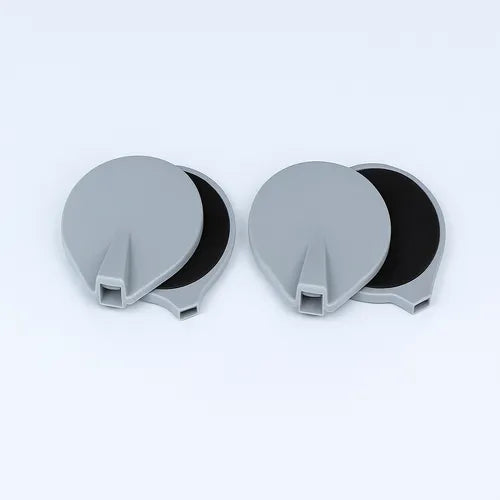
Tens Pads for Tens Machine Set of 4pc (Pack of 2)

Type: Drapes
Under Pad Sterile 60 x 90cm (10 Pcs)
Collection:
Medical Pads & Wound Dressings
Medical pads, encompassing a variety of forms such as absorbent pads, incontinence pads, and surgical pads, serve a myriad of purposes in healthcare settings. These pads are essential in managing bodily fluids, ensuring patient hygiene, and providing comfort. In surgical environments, they offer protection by absorbing excess fluids during operations, thereby preventing potential complications. Furthermore, in non-surgical settings, medical pads cater to patients with chronic conditions, assisting in daily hygiene and skin protection.
This overview explains how medical pads (absorbent, incontinence, surgical) and wound dressings (gauze, hydrogel, hydrocolloid, alginate, foam) manage exudate, maintain moist healing, and protect against infection across surgical, non-surgical, and emergency contexts. It highlights innovations like antimicrobial and sensor-enabled dressings, plus hypoallergenic, breathable, and sustainable materials. Guidance is provided for distributors and consultants on differentiation, marketing, regulatory compliance, and market expansion (including home care), and for hospital administrators on data-driven, cost-effective procurement via partnerships and GPOs. Staying current with technology, regulation, and market dynamics enables stakeholders to improve outcomes, efficiency, and patient quality of life.
Absorbent pads, in particular, are meticulously designed to manage exudate from wounds, thereby preventing skin maceration and promoting healing. This is achieved through their multi-layered construction, which efficiently wicks moisture away from the skin, maintaining an optimal healing environment. The variety in pad sizes and absorbency levels ensures that healthcare providers can select the most appropriate option for individual patient needs.
Incontinence pads, another critical type of medical pad, are tailored to offer discreet and effective management of urinary and fecal incontinence. These pads come with advanced features such as odor control and skin-friendly materials, enhancing the quality of life for patients by providing comfort and dignity. The development of hypoallergenic and breathable materials further emphasizes patient-centric care, minimizing the risk of skin irritation and allergies.
Wound dressing pads are specialized coverings applied to wound sites to facilitate healing, prevent infection, and manage exudate. These pads come in various materials and configurations, including sterile gauze pads, hydrogel dressings, and advanced composite dressings. Each type serves distinct purposes based on the wound's nature, severity, and the healing phase it is in, ensuring tailored care for diverse medical conditions.
Sterile gauze pads, a staple in wound care, provide an effective barrier against infection and assist in the absorption of wound exudate. Their versatility allows them to be used in a range of wound types, from minor cuts to more severe lacerations. The availability of pre-cut sizes and sterile packaging enhances their usability in diverse medical settings.
Advanced synthetic dressings, such as hydrocolloid and alginate dressings, have revolutionized wound care by offering enhanced healing properties. These dressings interact with the wound exudate to form a gel, which maintains a moist environment conducive to healing. Such innovations promote autolytic debridement, a process that assists in the natural removal of dead tissue, thereby accelerating the healing process.
Foam dressings, known for their high absorbency, are particularly beneficial for wounds with heavy exudate. These dressings provide cushioning, which protects the wound site from mechanical trauma, and their breathable structure ensures that the skin remains dry, reducing the risk of maceration. The integration of antimicrobial agents in some foam dressings offers an additional layer of protection against infection.
Wound dressings are indispensable in both surgical and non-surgical contexts, serving as critical components in the continuum of care. In surgical settings, dressing pads are vital in post-operative care, providing a sterile barrier against pathogens. These dressings are often multi-layered, designed to absorb exudate, reduce infection risk, and protect the wound from mechanical trauma, thereby facilitating optimal healing conditions.
In non-surgical settings, dressing pads such as sterile gauze and medical tape play a pivotal role in managing chronic wounds, ulcers, and minor injuries. Their application helps maintain a moist environment conducive to healing while offering protection against external contaminants. Furthermore, these dressings are integral in palliative care, providing comfort and dignity to patients with long-term conditions.
The use of wound dressings in emergency care settings cannot be understated. Quick and efficient application of appropriate dressings can prevent further complications and stabilize the patient's condition. The availability of easily accessible and user-friendly dressing kits enhances the preparedness of healthcare professionals in emergency scenarios.
The advancement of dressing technologies has led to the development of innovative solutions like hydrocolloid, alginate, and foam dressings. These materials are engineered to interact with wound exudate, forming a gel that maintains a moist environment and promotes autolytic debridement. Such advancements not only expedite the healing process but also enhance patient comfort and compliance, as these dressings require less frequent changes, reducing discomfort and disruption.
Moreover, the integration of antimicrobial properties in certain dressings provides an added layer of protection against infection, a critical factor in improving patient outcomes. These dressings release antimicrobial agents in response to the presence of bacteria, ensuring targeted action against potential pathogens. The ability to reduce infection rates significantly impacts recovery times and overall healthcare costs.
Patient-specific dressing solutions have also emerged, catering to individual needs based on the wound type and patient condition. Personalized care plans, incorporating advanced dressing technologies, lead to improved adherence to treatment protocols and better healing outcomes. The flexibility in design and application of these dressings supports a holistic approach to wound management, addressing both physical and psychological aspects of healing.
For medical equipment distributors, differentiating products in a saturated market poses significant challenges.
- The ability to understand and communicate the unique benefits of each product type, from lap pads used in surgeries to blue medical pads for incontinence management, is crucial for market success. Distributors must educate healthcare providers on the specific features and advantages of their products, ensuring informed purchasing decisions.
- In a market flooded with similar products, establishing a strong brand identity becomes imperative. Distributors need to highlight their products' unique selling propositions, such as superior absorbency, advanced materials, or cost-effectiveness. Building relationships with key opinion leaders and leveraging testimonials can enhance brand credibility and trust among healthcare providers.
- Effective marketing strategies also play a crucial role in product differentiation. Utilizing digital platforms, trade shows, and educational seminars can increase product visibility and engage potential clients. By providing comprehensive training and support, distributors can enhance customer satisfaction and loyalty, driving long-term business success.
Staying abreast of technological advancements and regulatory changes is imperative for distributors and healthcare technology consultants.
- The integration of smart technologies, such as sensors embedded in dressings to monitor wound conditions, represents the forefront of innovation in wound care. These technologies provide real-time data on wound progression, enabling timely interventions and personalized care plans.
- Compliance with evolving standards ensures the safety and efficacy of these products, thus fostering trust and reliability among healthcare providers. Distributors must navigate complex regulatory landscapes, ensuring that their products meet all necessary certifications and quality standards. This involves continuous monitoring of regulatory updates and engaging with industry bodies to stay informed.
- The adoption of eco-friendly practices and materials is increasingly becoming a regulatory focus. Distributors who prioritize sustainable product lines not only meet regulatory requirements but also appeal to environmentally conscious consumers. This strategic alignment with global sustainability goals can enhance brand reputation and open new market opportunities.
Hospital administrators face the challenge of sourcing high-quality medical pads and wound dressings within budget constraints.
- By optimizing procurement strategies, hospitals can enhance equipment quality, streamline purchasing procedures, and ultimately improve patient care delivery. A thorough analysis of current procurement processes can identify inefficiencies and areas for improvement, leading to cost savings and better resource allocation.
- Establishing partnerships with reliable suppliers and leveraging group purchasing organizations (GPOs) can lead to cost savings and better access to advanced products. Such collaborations enable hospitals to negotiate better pricing and terms, ensuring that they can procure high-quality products without compromising on budgetary constraints. Furthermore, GPOs provide valuable market insights and benchmarking data, assisting hospitals in making informed purchasing decisions.
- Implementing data-driven procurement strategies can significantly enhance decision-making processes. By analyzing purchase histories, usage patterns, and supplier performance, hospitals can optimize inventory levels and reduce wastage. This approach not only improves operational efficiency but also ensures that hospitals are well-prepared to meet patient needs with timely and appropriate supplies.
For medical equipment distributors, identifying new market opportunities is key to expanding market share.
- This involves conducting thorough market analysis to pinpoint unmet needs, such as the demand for eco-friendly and sustainable dressing solutions. By aligning product offerings with these emerging trends, distributors can differentiate themselves and capture a larger portion of the market.
- Exploring niche markets and specialized healthcare sectors can also provide lucrative opportunities. For instance, the growing demand for home healthcare products presents a significant market potential. Distributors who can offer tailored solutions for home care settings, including easy-to-use and efficient wound care products, can tap into this expanding market.
- Strategic alliances and collaborations with healthcare providers and technology firms can drive innovation and market expansion. By co-developing products or integrating advanced technologies, distributors can enhance their product portfolios and offer cutting-edge solutions. These partnerships not only strengthen market presence but also foster continuous improvement and adaptation to evolving healthcare needs.
Medical pads and wound dressings are integral components of the healthcare ecosystem, playing a vital role in patient care and recovery. As the industry continues to evolve, understanding the complexities of these products and their strategic positioning becomes increasingly important for all stakeholders. By staying informed about technological advancements, regulatory changes, and market dynamics, hospital administrators, distributors, and consultants can enhance their decision-making capabilities and drive better outcomes in healthcare delivery.
In the ever-changing landscape of healthcare procurement, the ability to synthesize complex information and implement strategic insights is what sets successful organizations apart. Embrace the advancements in medical pads and wound dressings, and navigate the future of wound care with confidence and expertise. By fostering collaboration and innovation, healthcare stakeholders can ensure that patient care remains at the forefront of their efforts, ultimately improving health outcomes and quality of life for patients worldwide.
Medical Pads & Wound Dressings Q&A
Question: What are the main types of medical pads and how are they used across different care settings?
Short answer: Medical pads include absorbent pads, incontinence pads, and surgical pads, each designed for specific roles. Absorbent pads manage wound exudate with multi-layered, moisture-wicking construction to prevent skin maceration and support healing. Incontinence pads discreetly manage urinary and fecal incontinence using odor control and skin-friendly, hypoallergenic, and breathable materials to protect skin and preserve dignity. Surgical pads protect the operative field by absorbing excess fluids during procedures and support post-op care by reducing infection risk. Across non-surgical and chronic care, these pads aid daily hygiene, skin protection, and patient comfort.
Question: How do advanced wound dressings compare to traditional gauze, and when are they preferred?
Short answer: Traditional sterile gauze provides a versatile, sterile barrier and absorbs exudate for a wide range of wounds. Advanced dressings—such as hydrogel, hydrocolloid, alginate, and foam—actively interact with exudate to form a gel, maintaining moist healing and promoting autolytic debridement (natural removal of dead tissue). Foam dressings offer high absorbency and cushioning for heavily exuding wounds, while antimicrobial options add targeted infection protection. These advanced solutions often require less frequent changes, improving comfort and adherence, and are generally preferred when moisture balance, protection from mechanical trauma, or enhanced infection control is needed.
Question: What recent innovations are improving outcomes in wound care and pad/dressing performance?
Short answer: Key advances include antimicrobial dressings that release agents in response to bacterial presence, reducing infection rates and associated costs; sensor-enabled “smart” dressings that deliver real-time data on wound conditions to guide timely, personalized interventions; and the broader use of hypoallergenic, breathable, and sustainable materials that enhance comfort, reduce irritation risk, and align with environmental goals. Collectively, these innovations help accelerate healing, improve patient comfort and compliance, and support data-driven care.
Question: What should medical equipment distributors focus on to differentiate products and succeed in a crowded market?
Short answer: Distributors should clearly communicate product-specific benefits (e.g., superior absorbency, advanced materials, cost-effectiveness) across categories like surgical lap pads and blue incontinence pads. Effective tactics include education for providers, training and support, leveraging testimonials and key opinion leaders, and active presence on digital platforms, trade shows, and seminars. Staying current with technology and regulatory standards is essential, as is prioritizing eco-friendly lines to meet emerging requirements and consumer preferences. Market analysis to identify unmet needs—such as home care-friendly solutions—plus strategic partnerships with healthcare providers and tech firms can further strengthen differentiation and expand market share.
Question: How can hospital administrators procure high-quality pads and dressings cost-effectively?
Short answer: Administrators can optimize procurement by partnering with reliable suppliers and leveraging group purchasing organizations (GPOs) for better pricing, terms, and access to advanced products. Implementing data-driven purchasing—analyzing historical usage, inventory levels, and supplier performance—reduces waste, streamlines processes, and ensures readiness for patient needs. Continuous review of procurement workflows to remove inefficiencies, combined with benchmarking insights from GPOs, supports evidence-based decisions that improve both care quality and budget stewardship.