


Type: Devices
OMRON NE-U200 Durable and Reliable Portable Nebulizer
Type: Home Healthcare
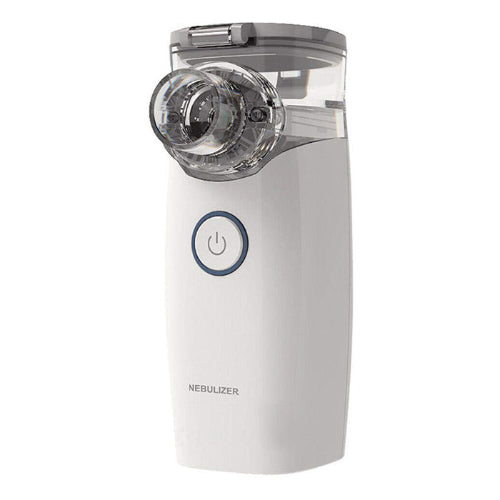
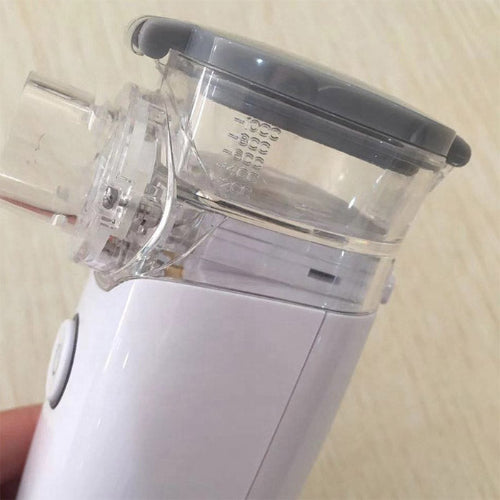
Cool Mist Ultrasonic Mesh Nebulizer Nebulizer with Rechargeable Batteries
Type: Home Healthcare
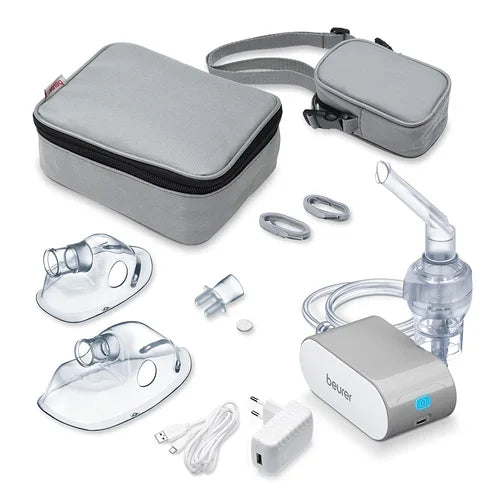
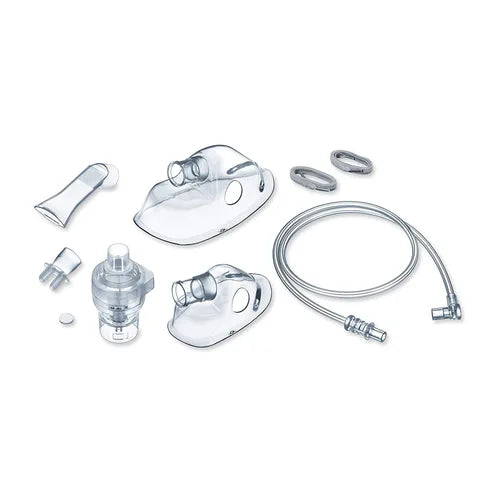
Beurer Nebulizer with 0.25 ml per min capacity and German Technology
Type: General Accessories
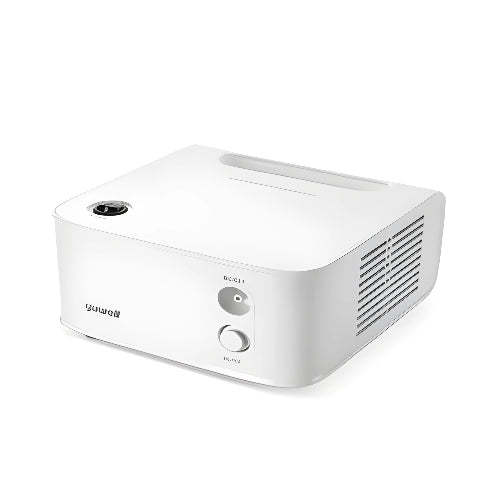
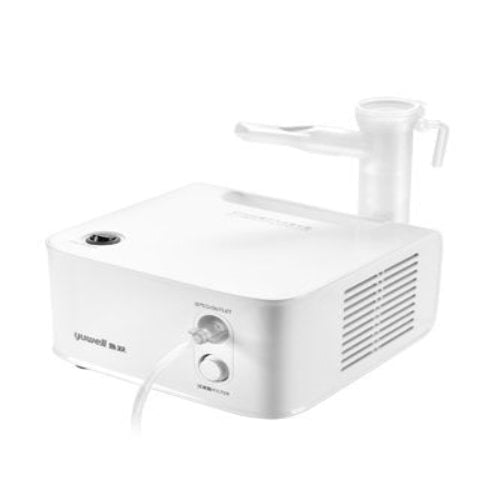
Heavy Duty-Piston Compressor Nebulizer For Hospital Use from Yuwell
Type: Home Healthcare
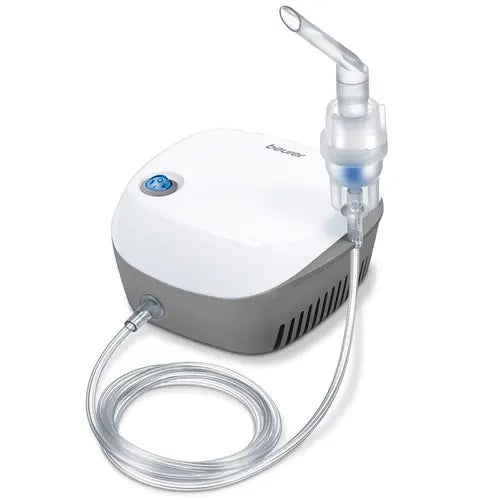
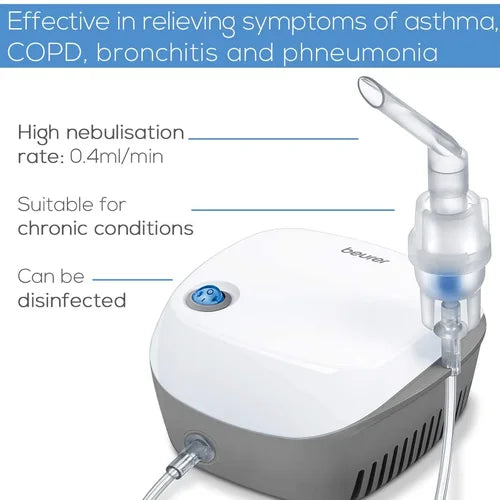
Beurer Nebulizer with 2 Masks Made in Germany


Type: Respiratory
Nebulizer Mask Kit Premium Quality for Respiratory Therapy


Type: Patient Room
Omron Ultrasonic Nebulizer NE-U780
Type: Home Healthcare
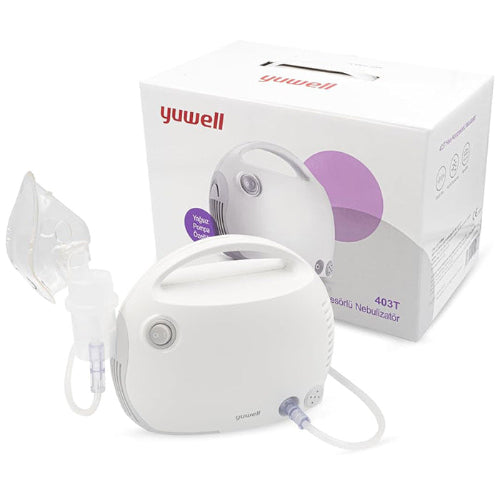
Heavy Duty Compressor Nebulizer Yuwell 403T
Collection:
Nebulizer Machine Maintenance and Care Tips
Just home from the doctor with a prescription for a nebulizer? If you're looking at a box filled with a machine, tubes, and a mask feeling overwhelmed, you are not alone. This guide is designed to turn that box of confusing parts into a simple tool that you can use with complete confidence.
At its core, a nebulizer is just a small machine that does one simple job: it turns liquid medicine into a fine, breathable mist. Think of it like a tiny, personal humidifier, but instead of just adding moisture to the air, it delivers a powerful breathing treatment directly into your lungs where it can get to work immediately.
You might be wondering, what is a nebulizer used for that a simple inhaler can't handle? Doctors often recommend a nebulizer machine because it delivers medicine over several minutes of normal, relaxed breathing. This makes it a preferred method for young children, during a severe breathing attack, or for anyone who finds coordinating a puff from an inhaler to be difficult.
Here, we will walk you through setting up your machine, using it correctly, and the simple way to keep it clean and safe for every single treatment.
What Is a Nebulizer Machine and How Does It Help You Breathe?
If your doctor has prescribed a nebulizer, you might be wondering what this strange-looking machine is used for. At its core, a nebulizer is simply a device that turns liquid medicine into a very fine, breathable mist. Think of it like a personal humidifier, but instead of just adding moisture to the air, it creates a cool cloud filled with the exact medicine you need to feel better.
The true benefit of a nebulizer comes from this medicinal mist. Rather than taking a pill that has to travel through your whole body, you breathe the medicine directly into your lungs. This targeted approach is a major advantage because it sends the medication straight to the source of your breathing problem---your airways.
Because the medicine gets to work right where it's needed, it can provide fast and effective relief. For people struggling with asthma, COPD, or other respiratory conditions, this direct delivery is a powerful way to open up airways and make breathing easier, especially during a difficult flare-up.
Who Needs to Use a Nebulizer? Common Scenarios Explained
You might be familiar with inhalers, but a nebulizer is the tool of choice when a standard "puffer" isn't the best option. It's not about one being better than the other; it's about using the right tool for the right job. Doctors often prescribe nebulizers because they solve specific challenges that can make using an inhaler difficult or less effective, especially when a full and calm breathing treatment is needed.
Nebulizers are particularly helpful for:
- Young children. A nebulizer doesn't require a special breathing technique. A child can simply wear a comfortable mask and breathe normally, ensuring they get their medicine without a struggle.
- Anyone during a severe breathing attack. When you're struggling for air, it's hard to take the deep, coordinated breath an inhaler requires. A nebulizer delivers medicine steadily over several minutes.
- People with certain conditions. For some illnesses like COPD, the specific medication needed may only come in a liquid form designed for a nebulizer machine.
Ultimately, the key advantage in all these scenarios is simplicity. A nebulizer does the work for you, delivering a continuous mist while you simply relax and breathe. This makes it a reliable and less stressful way to get the full, effective dose your lungs need to feel better.
Unboxing Your Device: A Guide to the 4 Key Parts of Your Nebulizer
At first glance, a new home nebulizer might look a bit intimidating with its various pieces. But once you know what you're looking at, you'll see it's a surprisingly simple device. Think of it as a small system where each part has one specific job to do. As you can see in the image below, nearly every nebulizer device breaks down into just four essential components that work together to create the medicated mist you breathe.
Getting familiar with these parts is the first step toward a confident and stress-free treatment. Each piece plays a simple role:
- The Compressor: This is the main unit, the box with the power switch. Its only job is to work as a small, powerful air pump.
- The Tubing: A clear, flexible plastic tube that connects the compressor to the medicine cup. It's simply the pathway for the air.
- The Nebulizer Cup: This small, two-part container is where the magic happens. You'll pour your liquid medicine in here, and the air from the compressor will turn it into a fine mist.
- The Mask or Mouthpiece: This is what you'll use to breathe in the mist. A mask fits comfortably over your nose and mouth, while a mouthpiece goes between your lips.
These four parts are all you need to assemble the device for your first treatment.

How to Use Your Nebulizer: A 5-Step Guide to Your First Treatment
A nebulizer treatment is a calm, simple process. The entire session usually takes just 10 to 15 minutes, giving you plenty of time to relax and breathe.
For a safe and effective treatment, just follow these five steps. It will quickly become a familiar routine.
- Wash Your Hands. Before handling your medicine or equipment, always start by washing your hands thoroughly with soap and water to keep everything germ-free.
- Add Your Medicine. Carefully empty your single-dose vial of liquid medicine into the nebulizer cup. Make sure not to spill any.
- Connect the Parts. Screw the top firmly onto the medicine cup, then attach the tubing to both the cup and the compressor. Finally, connect your mask or mouthpiece to the top of the cup.
- Turn On and Breathe. Sit upright in a comfortable chair, turn on the compressor, and place the mask over your nose and mouth. Just breathe normally. There's no need for special breathing techniques.
- Finish the Treatment. Continue breathing until the mist stops, which means all the medicine has been used. You might hear a "sputtering" sound as it gets close to empty.
You've successfully completed your first nebulizer treatment. Once you're finished, the only thing left is to give your equipment a quick cleaning to make sure it's hygienic and ready for your next session.
The "Why" Behind Cleaning: How 5 Minutes Prevents Germs and Protects Your Lungs
After finishing a treatment, it's tempting to just pack the equipment away. However, cleaning is the most important final step. A nebulizer works by creating a fine, damp mist---and that same moisture makes the tubing and medicine cup a perfect breeding ground for bacteria and mold if left uncleaned. Keeping germs out is the simple reason why cleaning is essential.
Without regular cleaning, you risk inhaling these harmful germs directly into your lungs with your next treatment. This could lead to a serious respiratory infection, defeating the entire purpose of the nebulizer and potentially making your breathing condition worse. The safety of a nebulizer is directly linked to how well you maintain it; a clean device is a safe device.
Proper nebulizer machine maintenance doesn't just prevent sickness; it also ensures the machine works effectively. Leftover medicine or hard water deposits can clog the small parts that create the mist, reducing the amount of medicine you receive. A quick cleaning after each use guarantees you get a full, effective dose every time, protecting your health and your investment.
Your Daily Cleaning Routine: The 3 Simple Steps After Every Use
Fortunately, keeping your nebulizer safe and effective doesn't require a lot of time. This simple daily habit, which should take less than two minutes, is one of the most important care tips you can learn. After every single treatment, perform this quick rinse to prevent germs from growing and leftover medicine from building up.
Just follow these three easy steps:
- Disassemble: Take the mouthpiece or mask off the medicine cup. If your cup comes apart, separate the pieces.
- Rinse: Wash these parts (but not the tubing) under warm running water for about 30 seconds. Do not use any soap for this daily rinse.
- Air Dry: Shake off the excess water and place the pieces on a clean paper towel to air dry completely. Don't use a dishcloth, as it can leave behind tiny fibers called lint that you don't want to inhale.
This simple rinse is your first line of defense. However, to fully disinfect the equipment, you'll also need to perform a deeper clean once a week.
Weekly Deep Clean: How to Safely Disinfect Your Nebulizer Parts
While your daily rinse is essential for immediate hygiene, a more thorough disinfection is needed once a week to eliminate any stubborn germs that water alone can't wash away. Think of it as the difference between wiping down your kitchen counter and truly sanitizing it. Proper weekly maintenance is crucial for safe and effective nebulizer therapy. For this, a simple, homemade solution is often all you need: a mixture of one part white vinegar and three parts warm water.
To perform this weekly clean, soak your disassembled mouthpiece or mask and medicine cup in the vinegar-water solution for at least 30 minutes. This bath gives the vinegar enough time to break down any microscopic buildup. After soaking, rinse the parts thoroughly under warm running water to remove any lingering vinegar smell or taste. Just like your daily routine, place them on a clean paper towel and let them air dry completely before your next use. This is the cornerstone of how to clean a nebulizer safely.
Before you begin, however, always double-check the instruction manual that came with your machine. Some manufacturers may recommend other disinfection methods, such as boiling the parts for a few minutes or using a special cleaning solution. Following your specific equipment guide ensures you won't accidentally damage any components.
The Forgotten Part: How to Clean (and When to Replace) Nebulizer Tubing
It might seem counterintuitive, but the most important rule for cleaning nebulizer tubing is simple: don't wash the inside. Unlike the other washable pieces, the tubing's only job is to carry filtered air from the compressor to the medicine cup. If you get water inside, it's nearly impossible to dry completely, which could create a place for germs to hide. You only want clean air, not moisture, traveling toward your medicine.
Instead of washing, your role is to inspect. After each treatment, glance through the tubing to make sure no moisture has accidentally backed up into it. If you ever spot condensation, simply disconnect the tubing from the medicine cup, reattach it to the compressor, and run the machine for a minute. The airflow will act like a blow dryer, clearing out any dampness. This quick visual check is an essential part of your daily nebulizer maintenance.
Over time, even with careful use, the plastic tubing can become cloudy, discolored, or stiff. These are clear signs that it's time for a replacement. To be safe, most manufacturers recommend getting a new tube every 3 to 6 months. This small step ensures one of the most critical nebulizer machine parts stays in top condition.
Filter Focus: Why Changing Your Nebulizer's Air Filter is Crucial
Think of the small air filter on your compressor as a bodyguard for your lungs. It catches dust, pet dander, and other tiny particles from the room's air before they can enter the machine. This simple barrier ensures that the air used to create your medicinal mist is clean and pure. Without it, the machine's motor could get clogged, and you could end up breathing in irritants along with your medication.
Checking this filter is a quick part of good nebulizer machine maintenance. Once a week, just take a look at it. Most filters for nebulizer machines are small, white, felt-like pads, often found behind a small cover on the compressor unit. If you notice your filter is turning grey or looks dirty, it has done its job capturing particles and is ready for a change.
As a general rule, you should replace the filter about every six months, even if it still looks clean. This inexpensive step is crucial for any model, whether it's a BPL nebulizer machine or another brand, as it protects both the device and your airways.
Nebulizer vs. Inhaler: How to Know Which Tool is Right for the Moment
Many people are familiar with inhalers, so it's natural to wonder why a doctor might prescribe a nebulizer instead. While both devices deliver medicine to your lungs, the best way to think of them is as different tools for different jobs. The primary difference comes down to one simple thing: the breathing technique required.
An inhaler demands a specific, coordinated action. You have to press the device and take a sharp, deep breath at the exact same moment to pull the puff of medicine into your lungs. This can be difficult for young children to master and can be challenging for anyone in the middle of a severe breathing attack when taking a deep breath is hard.
This is where the nebulizer shines. It uses a method called passive delivery , meaning it does most of the work for you. Instead of a single puff, it turns medicine like albuterol sulfate inhalation solution into a fine mist that you breathe in over 10-15 minutes of normal, relaxed breathing. This makes it an ideal asthma nebulizer for toddlers, the elderly, or for anyone who needs a thorough treatment when feeling too unwell to coordinate an inhaler.
In the nebulizer vs inhaler for asthma discussion, one isn't better than the other---they serve different purposes. Your inhaler is your portable, on-the-go tool for quick relief. Your nebulizer is your reliable, at-home system for delivering a complete dose with minimal effort.
The 3 Main Types of Nebulizers: Compressor, Ultrasonic, and Mesh
While all nebulizers turn liquid medicine into a mist, they don't all work the same way. The main differences come down to size, noise, and the technology inside, which can be helpful to know if you're choosing a machine or simply want to understand the one you have. Most devices fall into one of three categories.
The most traditional and common model is the Compressor Nebulizer, often called a "jet" nebulizer. You'll recognize it as the larger, tabletop unit that plugs into the wall. It uses a small, powerful air pump (the compressor) to blast air through the liquid medicine, turning it into a fine aerosol. While they are the loudest of the bunch, they are also very durable and work with nearly all prescribed medications.
For those needing quieter or more portable options, newer technologies are available. An Ultrasonic Nebulizer uses high-frequency sound vibrations to create the mist, making it much quieter than a compressor model. The most recent innovation is the Mesh Nebulizer. These devices are silent, battery-powered, and often small enough to fit in your pocket, making them the ultimate portable nebulizer for travel or use on the go. They work by vibrating a fine mesh screen with thousands of microscopic holes, which gently pushes the liquid through to create a perfect mist.
Which one is best really depends on your lifestyle and your doctor's recommendation. A child might use a durable compressor model at home, while a frequent traveler might prefer a silent mesh device.

What Liquid is Actually Used in a Nebulizer?
What liquid is used in a nebulizer? Most often, the small plastic vials from your pharmacy contain a medicine called a bronchodilator . A common example is Albuterol Sulfate Inhalation Solution. This medicine helps relax and open up the airways in your lungs, making it much easier to breathe during an asthma attack or a respiratory flare-up. It directly targets the tightness in your chest, providing relief where you need it most.
In other situations, a doctor might prescribe a sterile saline solution for nebulizing. This isn't medicine in the typical sense, but rather a simple, sterile saltwater mixture. Its main job is to add moisture to your airways, which helps to thin and loosen sticky mucus. This makes it easier to clear your lungs by coughing, which can be a huge help when you're congested from a cold or other respiratory illness. It's crucial to only use the sterile solution from a pharmacy, not homemade saltwater.
Whether the prescription is for a bronchodilator or saline, the most important rule is to only use the liquid prescribed by your healthcare provider. Because both the medicine and the device are used to treat medical conditions, you typically do need a prescription for a nebulizer and its solutions. Never add anything else to the nebulizer cup, as it could be harmful to your lungs.
Troubleshooting: 3 Simple Checks if Your Nebulizer Isn't Misting
You've set everything up, turned on the machine, and hear the compressor humming... but no mist is coming out. It's a common and frustrating moment, but the fix is usually surprisingly simple. Run through this quick three-step check to solve the number one nebulizer problem.
- Check Power and Tubing. Is the machine plugged in and the power switch on? Next, trace the clear plastic tubing with your fingers. Make sure one end is pushed firmly onto the air outlet on the compressor and the other is connected securely to the bottom of the medicine cup. A loose connection is the most common reason for a lack of mist.
- Check the Medicine Cup Assembly. Ensure the top piece of the nebulizer cup is twisted on straight and snug, not crooked or loose. If it's not sealed properly, the air pressure needed to make the mist will escape.
- Find the Baffle. This is the most critical and easily missed part. Unscrew the medicine cup and look inside. You should see a small plastic piece (often a little colored cone or plug) sitting in the center. This tiny component is the baffle , and its job is to break the liquid medicine into a breathable mist. If this piece falls out during cleaning and isn't put back, the machine cannot create mist.
Nine times out of ten, checking for a loose tube or a missing baffle will get your treatment started in seconds.
Helping Your Child Use a Nebulizer: Tips for a Tear-Free Treatment
The whirring sound of the compressor and the strange feeling of a mask can be overwhelming for a little one. If your child is scared of their nebulizer treatment, you're not alone. The goal isn't just to get the medicine in; it's to turn a potentially frightening experience into a normal, calm part of their routine. Making the nebulizer for kids a less intimidating object is the first and most important step.
With a little creativity, you can completely change how your child sees their treatment. Here are a few parent-tested strategies that work wonders:
- Decorate the machine. Let your child put their favorite stickers on the compressor. Giving it a silly name---like "Puffy the Dragon" or "The Mist Machine"---turns it from scary medical equipment into a familiar toy.
- Introduce a "breathing buddy." Pick a favorite stuffed animal that also "gets a treatment" just by sitting nearby. This creates a sense of teamwork and normalcy.
- Use special screen time. Reserve a favorite cartoon or a fun mobile game exclusively for treatment time. The 10-15 minute session will fly by when they have something engaging to focus on.
- Ask about pacifier attachments. For infants and many toddlers, special pediatric nebulizer kits are available that include a pacifier attachment. This allows them to self-soothe while receiving their medicine, which is incredibly effective.
By making the process predictable and even a little bit fun, you're building your child's confidence and reinforcing that their asthma nebulizer is a helper.

Is It Safe to Use a Nebulizer Daily? Understanding Your Treatment Plan
A very common question is, "Is it good to use nebulizer daily?" The answer depends entirely on your doctor's instructions. When prescribed as part of a long-term plan, daily nebulizer therapy is a safe and highly effective way to manage chronic breathing conditions. The safety and effectiveness come from following the specific plan your doctor has created for you or your child.
Your prescription will typically fall into one of two categories. The first is a maintenance treatment , which is medicine you take on a regular schedule---often once or twice a day---to prevent symptoms before they start. Think of it like a daily vitamin for your lungs that works to reduce inflammation and keep airways open over time. The second is a rescue treatment, which is used only as needed when symptoms like wheezing or shortness of breath suddenly appear, providing fast-acting relief.
Ultimately, your doctor determines the right frequency for your specific needs. Sticking to that prescribed schedule is the single most important factor in ensuring your nebulizer treatment is both safe for the lungs and effective at managing your condition.
Common Side Effects: What's Normal and When to Call Your Doctor
After finishing a treatment, it's natural to wonder about the side effects of nebulizers. Most medications, including common ones like albuterol sulfate inhalation solution, work by opening up your airways. This powerful action can sometimes cause mild, temporary feelings in the rest of your body as the medicine does its job.
These feelings are normal and usually pass within a short time. However, it's important to know the difference between a common side effect and a reaction that needs medical attention.
-
- Common & Mild Side Effects:Feeling a bit shaky, jittery, or nervous
- A temporarily faster heartbeat
- A dry or irritated throat
- Call Your Doctor If You Experience:Severe dizziness or chest pain
- An allergic reaction like a rash, hives, or swelling
- Breathing that gets worse instead of better after a treatment
Knowing what to expect can help you stay calm and confident during your therapy. The mild side effects are typically a sign the medicine is working and should fade quickly. Trust your instincts, though---if anything feels wrong or worries you, don't hesitate to contact your doctor or pharmacist. Your comfort and safety are the top priorities.
Your Nebulizer Care Checklist: A Simple Plan for a Healthy Machine
Proper nebulizer machine maintenance isn't just about making the equipment last; it's a critical step in protecting your health from germs and ensuring you get the most effective treatment every time. This simple plan breaks down nebulizer care into easy, manageable tasks.
Following these tips will help you feel confident that your machine is safe, clean, and ready when you need it.
-
- After Every Single Use:Rinse the medicine cup and mask/mouthpiece with warm water.
- Gently shake off any excess water and let the parts air dry completely on a clean paper towel.
- Once a Week:Wash the medicine cup and mask/mouthpiece with warm, soapy water. You can also disinfect them by soaking the parts for 30 minutes in a solution of one part white vinegar and three parts water.
- Rinse all parts thoroughly and let them air dry.
- Check your compressor's air filter. If it looks discolored or dirty, it's time for a change.
- As Needed (Often Every 3-6 Months):Replace disposable parts like the nebulizer cup, tubing, and mask. These parts wear out and can be difficult to clean fully over time.
- Install new filters for your nebulizer machine according to the manufacturer's instructions.
Breathe Easier: You're Now in Control of Your Home Respiratory Care
The home nebulizer that may have seemed complicated is now a familiar tool. You understand what each part does, how to assemble it correctly, and the simple steps needed to keep it safe and clean for every use.
With each treatment, you are building the confidence to manage this process with ease. This machine is no longer a mystery; it is your reliable partner in health. You now have the knowledge to make nebulizer therapy a routine and empowering part of your life, allowing you to take control and, most importantly, breathe easier.
Q&A
Question: Should I use a mask or a mouthpiece for my treatments?
Short answer: Use the option that fits your age and comfort. Young children generally do best with a mask because they can breathe normally without coordinating their breaths. Older children and adults often prefer a mouthpiece. Whichever you choose, ensure a snug seal (mask over nose and mouth; lips sealed around the mouthpiece), sit upright, and breathe normally—no special technique is required.
Question: How long should a nebulizer treatment take, and how do I know it’s finished?
Short answer: Most sessions last about 10–15 minutes. You’re done when the visible mist stops and you hear a sputtering sound from the cup, indicating the medicine is used up. If treatments suddenly take much longer, check for a loose connection, an improperly assembled cup, or a missing baffle, and keep up with regular cleaning to prevent clogs.
Question: When should I replace disposable parts like the cup, mask, and tubing?
Short answer: Plan to replace them as needed—often every 3 to 6 months. Replace sooner if you notice cracks, cloudiness/discoloration, stiffness, lingering odors, weaker mist, or longer treatment times. Tubing should be replaced if it becomes cloudy, discolored, or stiff (and never washed inside). Filters should be checked weekly and changed when dirty or about every six months.
Question: Which nebulizer type is best for me—compressor, ultrasonic, or mesh?
Short answer: It depends on your lifestyle and your doctor’s guidance. Compressor (jet) units are larger and louder but very durable and compatible with nearly all medications. Ultrasonic models are quieter. Mesh nebulizers are silent, battery-powered, and highly portable—ideal for travel. Discuss with your clinician which matches your prescriptions and routine.
Question: Can I boil parts or use something other than vinegar to disinfect?
Short answer: Possibly—always check your device’s manual first. The standard weekly method is soaking the disassembled cup and mask/mouthpiece for 30 minutes in a solution of one part white vinegar to three parts warm water, then rinsing and air-drying. Some manufacturers permit boiling specific parts or recommend approved cleaning solutions. Never wash the inside of the tubing, and don’t boil or submerge it—keep it dry and replace it periodically.