


Type: Occupational Equipment
Pinch Tree For Occupational Therapy


Type: Occupational
Multi Exercise Therapy Unit With Rowing Machine


Type: Occupational
Multi Activities OT Workstation for Upper Limb Rehab


Type: Occupational
Bike Pedal Exerciser for Rehabilitation Workout

Type: Medansh
Metallic Exercise Corner Stair Case Therapy


Type: Medansh
Metallic Corner Stair Case with Ramp Exercise Therapy


Type: Occupational
Large Round Nest Swing | Hanging Round Kids Swing
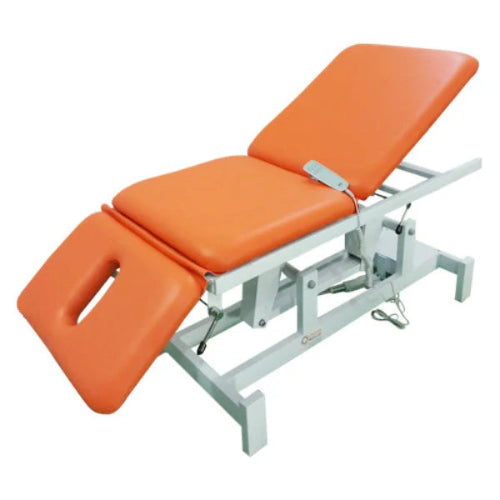
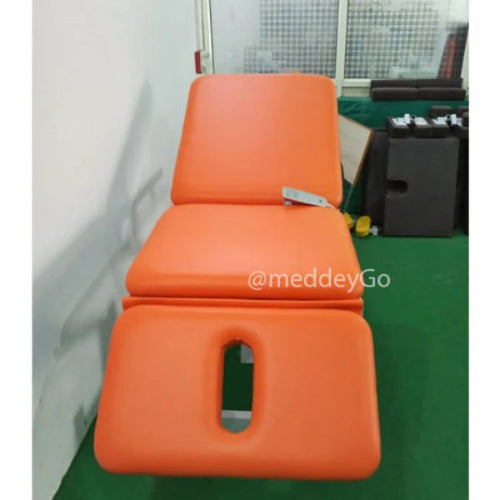
Type: Occupational
Hi Low Couch Three Fold Bed

Type: Occupational
Hand Evaluation Kit (7 Pcs)

Type: Occupational
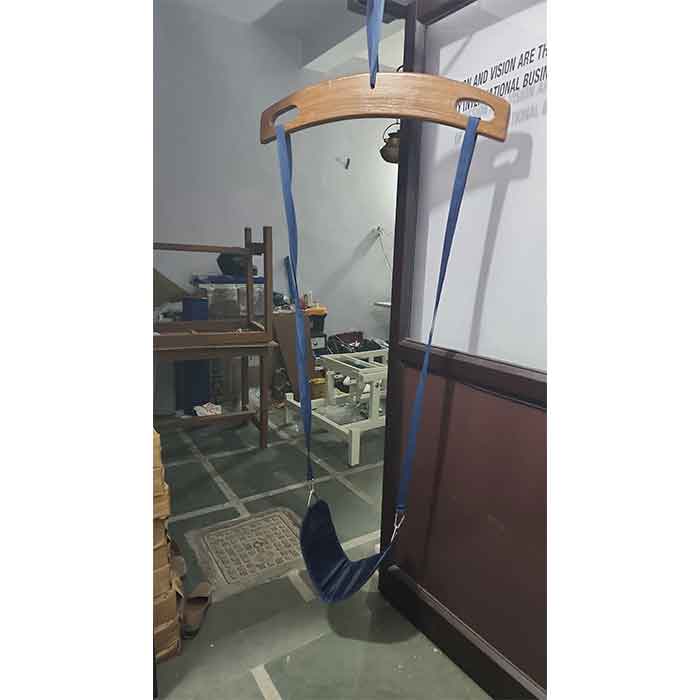
Frog Swing Delux Quality
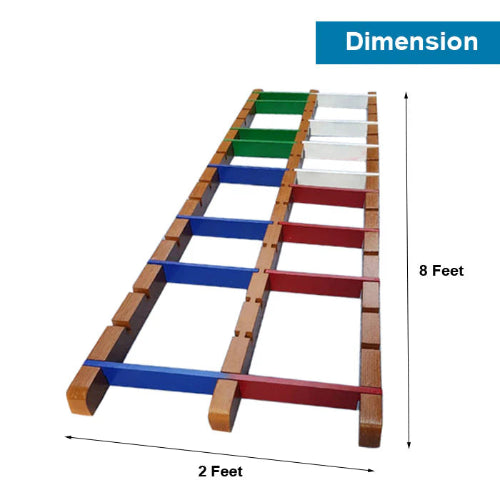
Type: Medansh
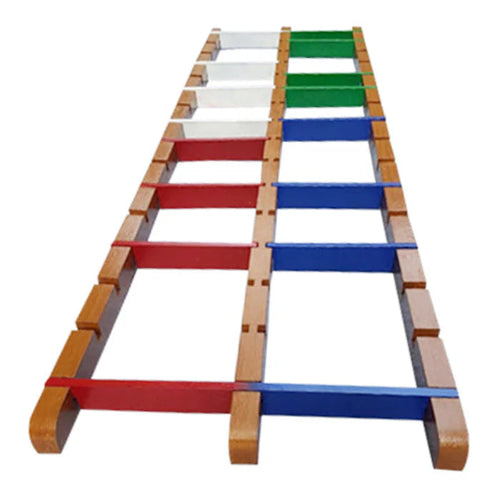
Foot Placement Ladder


Type: Modalities
Elbow CPM Machine Delux with 1 year warranty


Type: Occupational
CP Chair for Children Pediatric Relaxation Chair
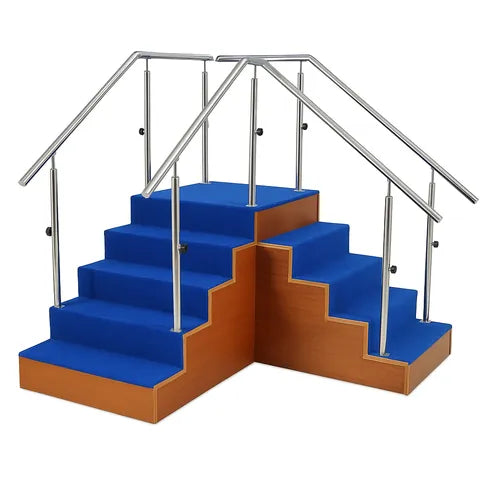

Type: Occupational
Corner Stair Case for Rehab Physiotherapy & Stroke Care

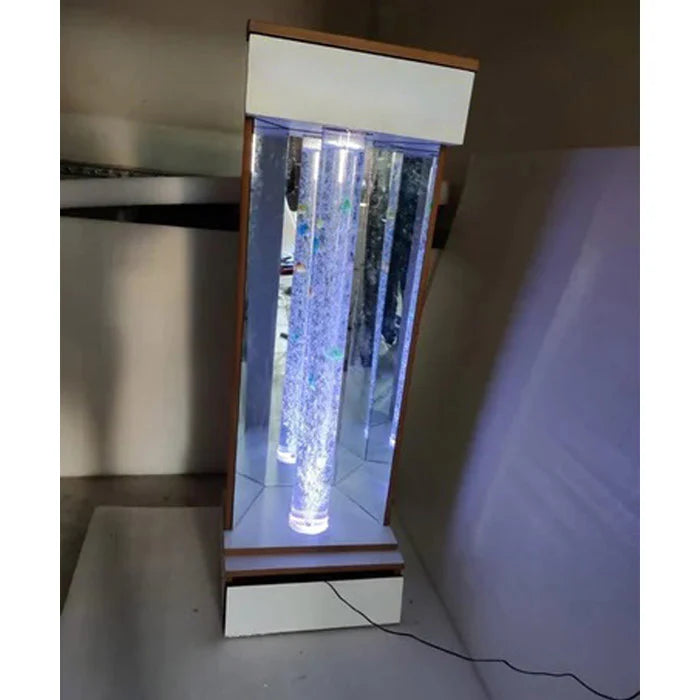
Type: Occupational
Bubble Tube Column with Mirrors
Collection:
How to Choose Occupational Therapy Equipment & Supplies

Navigating the world of
Summary This guide outlines how to choose occupational therapy equipment by aligning tools with individualized patient goals and emphasizing customization, durability, safety, and compliance. It details core categories—
Occupational therapy (OT) is a client-centered practice that aims to help individuals achieve independence in all facets of their lives. This involves the use of various tools and equipment designed to assist in rehabilitation, enhance sensory processing, and improve motor skills.
Occupational therapy equipment encompasses a wide range of tools that aid in the rehabilitation and support of patients. These tools are essential for therapists to create effective treatment plans tailored to individual needs. The diversity of OT equipment means that each tool serves a specific purpose, whether it's to help with mobility, communication, or daily living activities. Understanding the function and application of each piece of equipment is crucial for maximizing therapeutic outcomes and ensuring that patients receive comprehensive care. When planning inventories, consider a balanced mix of
Customization is a critical aspect of occupational therapy equipment. Each patient has unique needs, and equipment must be adaptable to address these individual requirements. Customizable equipment allows therapists to modify tools to fit the physical and cognitive abilities of each patient, thereby enhancing the effectiveness of therapy sessions. This personalization can lead to better patient engagement and improved rehabilitation results.
-
Rehabilitation Tools : These include items like hand exercisers, balance boards, and resistance bands that help improve physical abilities and strength.Rehabilitation tools (often categorized asrehab equipment ) are essential for patients recovering from injuries or surgeries as they facilitate the rebuilding of strength, coordination, and flexibility. Consistent use of these tools can accelerate recovery and improve overall physical health. -
Therapy Aids : Devices such as adapted utensils, dressing aids, and reaching tools that assist patients in performing daily activities independently.Therapy aids are particularly beneficial for individuals with limited mobility or dexterity, enabling them to perform daily tasks with greater ease and autonomy. Some suppliers offer combined sets ofoccupational & physical therapy aids for integrated programs. -
Sensory Tools : Items like weighted blankets, fidget spinners, and tactile discs designed to help individuals with sensory processing disorders.Sensory tools play a pivotal role in helping patients manage sensory overload and improve focus and calmness. They are often used in therapy sessions to aid concentration, reduce anxiety, and enhance sensory integration. -
Assistive Devices : Technologies like speech-generating devices and mobility aids that support communication and movement.Assistive devices are crucial for patients with severe physical or communication impairments, providing them with the means to interact with their environment and express their needs. These devices can dramatically improve the quality of life and ensure greater participation in social and professional activities.
Selecting the right equipment involves several factors that ensure both effectiveness and safety.
Begin by understanding the specific needs of your patients. For instance, a child with sensory processing challenges may benefit more from
Invest in equipment that is durable and can withstand frequent use. High-quality materials not only ensure longevity but also enhance safety and reliability during therapy sessions. When evaluating equipment, consider the materials used, the manufacturer's reputation, and any warranties offered. Durable equipment not only reduces long-term costs but also minimizes the risk of injury or equipment failure during use, ensuring patient safety and consistent therapeutic outcomes.
While quality is paramount, staying within budget is also essential. Look for suppliers that offer affordable occupational therapy equipment without compromising on quality. Wholesale options in Gurgaon and other regions can provide cost-effective solutions. Consider creating a budget that prioritizes essential equipment while allowing flexibility for occasional high-quality purchases. Exploring bulk purchasing or negotiation with suppliers can also lead to cost savings and more favorable pricing. If you serve older populations, plan a focused line of
Ensure that the equipment meets all necessary regulatory standards and guidelines. This compliance guarantees that the tools are safe for use and effective in delivering therapeutic benefits. Familiarize yourself with local and international standards that apply to occupational therapy equipment. Regular audits and reviews of equipment compliance can help maintain high standards of care and prevent legal or regulatory issues.
Finding the right supplier is critical for acquiring the best equipment at competitive prices.
Purchasing
Stay informed about the latest innovations and trends in occupational
Building relationships with reliable suppliers ensures a steady supply of high-quality equipment. Consider partnering with distributors who have a proven track record of delivering on time and meeting regulatory standards. Strategic partnerships can lead to exclusive deals, priority access to new products, and collaborative opportunities for product development. Establishing long-term relationships with suppliers can also enhance trust and communication, fostering a more responsive and supportive supply chain.
Once you have sourced the appropriate equipment, integration into practice is the next step.
Ensure that therapists and caregivers are adequately trained in using the new equipment. Familiarization with the tools enhances their effectiveness and safety in therapy sessions. Provide comprehensive training sessions and ongoing support to address any questions or concerns. Encourage a culture of continuous learning where therapists regularly update their skills and knowledge to maximize the benefits of the equipment. Include orientations to relevant
Regularly evaluate the effectiveness of the equipment in meeting patient goals. Feedback from both patients and therapists can provide valuable insights into the utility of the tools and highlight areas for improvement. Implement systematic processes for collecting and analyzing feedback to inform purchasing decisions and therapy practices. Continuous evaluation ensures that therapy remains patient-centered and responsive to changing needs.
Incorporate new equipment into existing treatment plans, ensuring that it complements therapeutic goals and strategies. Collaborate with multidisciplinary teams to align equipment use with broader healthcare objectives and patient outcomes. Regular reviews of treatment plans can help identify opportunities for more effective equipment use and ensure that therapy remains focused and goal-oriented.
Choosing the right
Whether you are a hospital administrator, medical equipment distributor, or healthcare technology consultant, the right equipment can significantly impact your practice. By investing in high-quality, effective tools, you contribute to a more efficient and successful therapeutic environment.
In summary, selecting occupational therapy equipment involves a balance of quality, affordability, and innovation. By focusing on these elements, you can ensure that your therapeutic practices are well-equipped to support patient independence and rehabilitation, with a considered mix of
Q&A
Question: How do I match occupational therapy equipment to an individual patient's goals? Short answer: Start with a comprehensive needs assessment focused on functional goals. Clarify what the patient is trying to achieve (e.g., regain grip strength, complete dressing independently, manage sensory overload). Evaluate physical and cognitive abilities, daily environments (home, work, school), and caregiver support. Map goals to the appropriate equipment category (
Question: What are the main categories of OT equipment and when should I use each? Short answer:
-
Rehabilitation tools : For rebuilding strength, coordination, and flexibility after injury or surgery (e.g., hand exercisers, balance boards, resistance bands). -
Therapy aids : For increasing independence in daily living tasks, especially with mobility or dexterity limits (e.g., adapted utensils, dressing aids, reachers). Some programs combineoccupational & physical therapy aids for continuity across care settings. -
Sensory tools : For managing sensory processing differences, attention, and regulation (e.g., weighted blankets, fidgets, tactile discs). -
Assistive devices : For communication and mobility when impairments are significant (e.g., speech-generating devices, mobility aids). Choose based on the primary barrier to participation and the patient's therapy goals.
Question: How can I balance quality with budget constraints?
Short answer: Prioritize high-impact items that align with core patient needs, and invest in durability to reduce long-term costs and safety risks. Compare materials, manufacturer reputation, and warranties, and consider total cost of ownership (maintenance, lifespan, replacement frequency). Use
Question: What should I check to ensure equipment is compliant and safe?
Short answer: Verify that products meet applicable local and international regulatory standards and come with clear documentation and instructions. Confirm the supplier's track record and quality controls, and review warranties. Establish internal processes for regular audits, documentation reviews, and incident reporting. Train staff on proper use to maintain safety, and periodically reassess compliance to prevent lapses and legal issues.
Question: What are types of occupational therapy?
Short answer: Common types include pediatric OT, hand therapy, neurorehabilitation, geriatrics, mental health, work/ergonomics, and community-based practice. Each type may emphasize different
Question: What equipment is used in occupational therapy? (Also asked as: what are the equipments used in OT?)
Short answer: Core categories include
Question: What does OT equipment mean?
Short answer: OT equipment refers to the