


Type: Operating Room
High Low OT Table Manual with Mattress, Adjustable Sections & Lockable Base


Type: Operating Room
Ophthalmic OT Table with IV Stand, Instrument Tray & Adjustable Headrest


Type: Operating Room
Obstetric Labour Table Telescopic MS Frame with SS Top, Mattress & Stirrups


Type: Operating Room
C-Arm Compatible Electric Operating Table with Radiolucent Top & Remote Control


Type: Operating Room
Manual Veterinary OT Table for Animal Clinics & Pet Surgery


Type: Patient Transfer
Karma TC 20 Patient Transfer Chair with Hydraulic Lift & Commode Function


Type: Patient Room
Hydraulic Surgical Operating Table with SS Top, Kidney Bridge & 250 kg Load


Type: Hospital Bed
Full Fowler Electric Hospital Bed 2 Function with ABS Panels & Side Rails


Type: Hospital Beds
Cushioned Blood Transfusion Chair with IV Stand Support

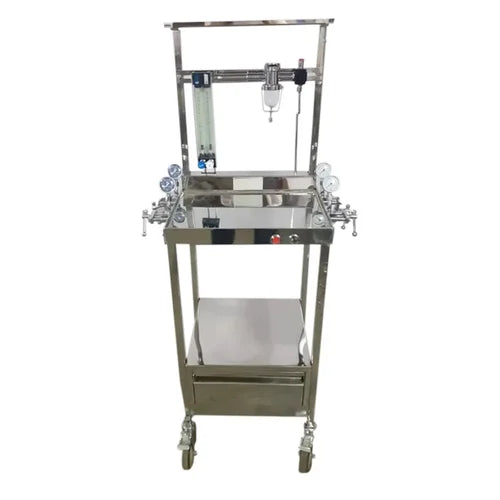
Type: Operating Room
Boyles Appratus Anesthesia Machine SS 4 Cylinder Option


Type: Operating Room
Boyles Appratus Anesthesia Machine MS 2 Cylinder Option
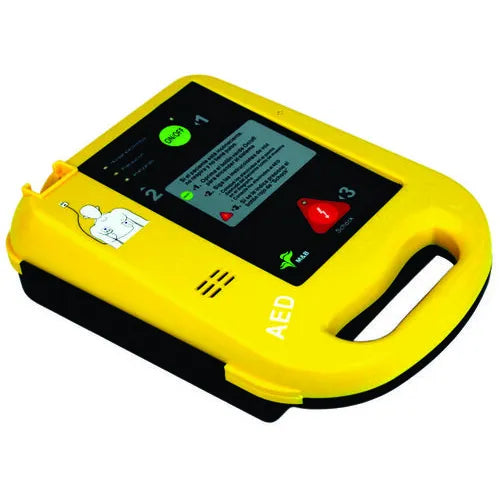

Type: Anesthesia
Automatic External Defibrillator (AED 7000)


Type: Patient Transfer
Air Splint Set Premium Quality


Type: Patient Room
Over Bed Table Pneumatic


Type: Patient Room
Ortho OT Table 5 Function Dual Mode with C-Arm Compatible Top
Collection:
Types of OT Theatre Tables and Surgical Tables
You’ve seen it in every medical drama: the hero surgeon, the bright lights, the beeping monitors. But there's an unsung hero in that room that makes modern surgery possible—the table itself. Far from being a simple, sterile bed, the modern surgical table is a sophisticated piece of robotics, a high-tech partner to the entire medical team. It's designed to move, bend, and transform in ways that are crucial for a successful operation.
But why does an operating table need to be so complex? Think of it less like a bed and more like a super-powered dentist's chair. In practice, surgeons need perfect access, and they often use gravity as a tool. The table can tilt a patient head-down to gently shift organs for a clearer view during abdominal surgery or adjust in minute ways to reduce a surgeon’s fatigue over a long procedure. These movements are not just for convenience; they are fundamental to patient safety and surgical precision.
This single piece of equipment in the

Why Can't Surgeons Just Use a Hospital Bed?
It's a fair question. A hospital bed is comfortable and can move up and down, so why the need for a separate piece of equipment? The most critical reason is absolute stability. During a delicate operation where a surgeon is working with instruments measured in millimeters, even the slightest tremor could be disastrous. A typical bed, with its wheels and lighter frame, is built to be moved easily. A surgical table, however, is designed to be locked into place, providing a rock-solid foundation that won't shift, wobble, or vibrate, ensuring the surgeon's precision is never compromised.
Beyond just being steady, the table is designed for the surgical team, not just the patient. Think about the base of an office chair versus the legs of a dining table; one lets you get close, while the other keeps you at a distance. The base of an operating room table is intentionally narrow, allowing surgeons, nurses, and technicians to stand right next to the patient without awkward reaching. This is crucial for proper patient positioning, where the team needs unobstructed access from all angles to perform their best work.
Finally, there’s the matter of cleanliness. A standard bed has seams, cushions, and materials that can trap microscopic germs. A surgical table, on the other hand, is built from materials like stainless steel and specialized polymers that are completely non-porous and can withstand the harsh sterilizing chemicals used after every single procedure. But these incredible platforms do more than just sit still. The real magic of a modern surgical table lies in its ability to move and transform, putting the patient in the perfect position for a successful operation.
The Three Basic Moves That Make Modern Surgery Possible
If you think of a surgical table as a high-tech partner to the surgeon, then its movements are its most important contributions. Far from being random, these adjustments are precise, deliberate actions that directly impact the success of an operation. The most fundamental of these is simple height adjustment. Surgeons may stand for many hours, and being able to raise or lower the entire table with a foot pedal—much like a barber’s chair—ensures they can work comfortably and without fatigue, which is crucial for maintaining focus and steady hands.
Beyond just going up and down, these tables can also perform a slow, controlled side-to-side tilt. Ever wonder how surgeons get a clear view inside a crowded abdominal cavity? They use gravity. By tilting the table laterally, the surgical team can gently and safely shift internal organs away from the area they need to see. For a procedure on a kidney, for example, a slight tilt can move the intestines aside, giving the surgeon an unobstructed path without needing extra instruments to hold things back.
Perhaps the most dramatic move is tilting the entire length of the table, placing the patient’s head either lower or higher than their feet. Tilting the head downward is a key technique for many abdominal and pelvic procedures. Gravity again works its magic, causing organs to slide toward the chest and away from the pelvic region, clearing the surgical field. Conversely, tilting the feet downward is often used in head and neck surgeries to help reduce blood flow to the area, giving the surgeon a clearer view.
These three core movements—up and down, side to side, and head to feet—transform the table from a passive platform into an active tool for patient positioning. They give surgeons the best possible access and visibility for a huge variety of procedures. But some surgeries require an even more advanced capability: the ability to see through the table itself.

What Makes a Table "Invisible" to X-Rays?
For some procedures, surgeons need more than just a good angle; they need X-ray vision. What happens if they need to check the alignment of a broken bone or confirm the placement of a metal implant during the operation? A standard metal table would block the view, showing up as a solid white slab on an X-ray. This is where a remarkable feature of modern surgical tables comes into play: the ability to become invisible.
The secret lies not in magic, but in advanced materials. Many modern tables are built with sections made from carbon fiber, a strong but lightweight material with a special property. X-rays can pass right through it, much like light passes through clear glass. In medical terms, this quality is called radiolucency. A radiolucent table allows a surgeon to see a clear, unobstructed image of the patient’s bones and organs without any interference from the table itself.
To take advantage of this, surgical teams use a mobile X-ray unit called a C-arm. As the name suggests, it’s a large machine shaped like a letter "C" that can be positioned around the patient on the table. It sends X-rays from one end of the "C" to a detector on the other, generating a live X-ray video that the surgeon can watch on a nearby monitor. This provides a real-time map of the patient’s internal structures.
This technology is a game-changer for delicate procedures. During spine surgery, for example, the surgeon can use the C-arm to guide a screw into a vertebra with millimeter precision. For a complex fracture, they can see a live view as they align the bones perfectly. This combination of a radiolucent table and a C-arm dramatically improves safety and ensures the best possible outcome. This incredible imaging ability is often essential for the most specialized tables of all, like those designed to rebuild the body during bone surgery.
The Transformer: How Orthopedic Tables Rebuild the Body
While a standard operating table is a versatile platform, some surgeries require a table that is more of a specialized tool. Imagine trying to repair a fractured femur—the long, powerful bone in your thigh. The muscles surrounding it are so strong that they can pull the broken bone fragments out of alignment, making a repair incredibly difficult. For challenges like this, surgeons turn to an impressive piece of engineering: the orthopedic fracture table.
The first major challenge this table solves is alignment. It uses a technique called traction, which applies a gentle, steady pulling force to the limb. This carefully counteracts the pull of the muscles, allowing the surgeon to perfectly align the broken ends of the bone before they are fixed with plates or screws. It’s a bit like having a set of strong, precise extra hands holding everything exactly where it needs to be. These unique demands guide how surgical teams choose an operating table for complex repairs.
Next, the table must hold the patient’s limbs with unshakable stability. Unlike a standard flat-top table, an orthopedic table features removable posts called leg spars, like the one shown in the image. The patient's feet are secured to these spars, which can be independently positioned and locked in place. Just as a dentist needs a special chair to hold your head perfectly still for detailed work, this setup gives the surgeon complete, unobstructed access to the hip or leg while keeping it absolutely immobile.
By combining traction for alignment, spars for stability, and the radiolucent materials we discussed earlier for X-ray guidance, these tables become command centers for rebuilding the body. They are essential for hip replacements, femur fractures, and other major lower-body bone surgeries. But while these tables are perfect for holding limbs, what happens when a surgeon needs access to the spine? For that, an even more specialized design is required.

The Jackson Table: How an Open Frame Helps Spine Surgeons
After seeing tables designed for bones in the arms and legs, you might expect a spine surgery table to be a simple, flat surface. Instead, you’d likely find something that looks more like a minimalist frame. This specialized platform, often called a Jackson table, is one of the most important tools in neurosurgery and complex spine procedures. Its strange, open design isn’t for looks; it’s engineered to solve two major challenges for the surgical team.
The first, and perhaps most surprising, benefit comes from what the table doesn't have: a solid middle. When a patient is positioned face-down for back surgery, this open frame allows their abdomen to hang freely instead of being compressed against a flat surface. This simple-sounding feature is critical. It dramatically reduces pressure on major blood vessels inside the abdomen, which in turn can significantly decrease bleeding during the operation. This clearer view gives surgeons a safer and more efficient environment to work in.
Beyond its open design, the Jackson table is also a master of positioning. The entire frame can be carefully flexed, creating a gentle arch in the patient’s back. Think of it like a subtle, controlled yoga stretch. This arching motion, known as spinal flexion, ever-so-slightly separates the vertebrae of the spine. For the surgeon, this tiny bit of extra space is invaluable, providing better access to the spinal canal and nerves. By offering a clear surgical field and precise spinal positioning, these tables are essential for delicate back operations. But for the ultimate in precision, some surgeries require a table that locks the head in place with complete stability.
The Ultimate in Stability: Tables for Brain and Nerve Surgery
For most surgeries, a patient resting securely is enough. But when a surgeon is working on the brain or delicate nerves, "secure" takes on a whole new meaning. Here, they operate on a microscopic scale where even the vibration from a footstep or the patient's own heartbeat could affect the outcome. This is why neurosurgery operating table functions prioritize one thing above all else: absolute, rock-solid stability.
To achieve this incredible stillness, the team uses a remarkable device called a skull clamp. This is a specialized headrest with three small pins that hold the patient’s head completely motionless, essentially making it a fixed part of the table itself. While the idea might sound intense, this piece of equipment is crucial for safety. It acts like a high-precision anchor, guaranteeing that there is zero unintended movement, which allows the surgeon to work with pinpoint accuracy for hours at a time.
Once the head is secured, the other operating room table accessories and the table itself can do their jobs. The surgical team can now use powerful, quiet motors to tilt and reposition the entire table, bringing the patient into the perfect angle for the surgeon. Because the head is locked in place, these large movements don't disrupt the delicate work being done. The patient and table move as one solid unit, giving the surgeon an ideal view without sacrificing stability. This quiet, smooth motion relies on sophisticated power systems to work flawlessly.

Power Systems: Is a Hydraulic or Electric Table Better?
That quiet, smooth motion we mentioned relies on one of two main power systems: hydraulic or electric. To understand the difference, think about the systems in your car. A hydraulic surgical table is like the strong, steady force of power steering or brakes, using fluid pressure to do the heavy lifting. An electric table, on the other hand, is more like your car’s power seats or windows—quiet, precise, and controlled by motors.
Each system has its distinct advantages. The robust nature of hydraulic systems makes them exceptional workhorses, capable of lifting significant weight without strain. In contrast, modern electric tables are celebrated for their whisper-quiet operation and incredibly fine-tuned adjustments. Their most impressive feature is often the ability to have programmable positions. This allows a surgical team to save the exact tilt and bend for a common procedure and recall it instantly with the push of a button, saving valuable time.
So when it comes to the hydraulic vs electric operating table debate, how does a hospital choose? The decision often balances the cost of a new operating table with the types of procedures it will be used for. A hospital specializing in surgeries that demand raw lifting power might lean toward a hydraulic system, while one focused on high-precision, repeatable operations may prefer the features of an electric table. For procedures involving patients who are especially heavy, however, the table's lifting capacity becomes the single most important factor.
The Gentle Giants: What's Different About Bariatric Surgical Tables?
When a patient is significantly heavier, a standard table is no longer sufficient. This is where specialized bariatric surgical tables come in, designed from the ground up to meet a unique set of requirements. The most obvious difference is their immense strength. While a general-use table might handle around 500 pounds, a bariatric model is engineered to safely support 1,000 pounds or even more. This raw lifting capacity ensures absolute stability, which is non-negotiable in an operating room.
But it’s not just about lifting strength; it’s also about support. A bariatric surgical table features a much wider surface. For a patient to be positioned safely for hours, their entire body must be comfortably supported. To achieve this, these tables often come with special width extensions that can be attached to the sides, creating a broader platform. This design prevents the risk of patient injury and gives the surgical team the secure access they need to perform their work.
All of this added size and weight means the table's internal motors and mechanisms also need more power. The systems that tilt and adjust the table must be stronger to handle the increased load smoothly and precisely. This gentle but powerful control is crucial for making delicate adjustments in patient positioning without any jarring movements. It’s another example of how different types of
The Swiss Army Knife: How Attachments Adapt One Table for Many Surgeries
A hospital might perform dozens of different types of operations in a single day, from knee surgery to a gallbladder removal. So, does every operating room have a different table for each procedure? Not at all. Instead, most facilities rely on modular operating table systems that function like a Swiss Army knife. A single, general-use table serves as the base, and specialized operating room table accessories and attachments are added or removed to customize it for the specific surgery at hand. This approach provides incredible flexibility without cluttering the hospital with dozens of unique, expensive tables.
This clever system relies on a wide range of accessories, each solving a specific positioning challenge. By using strong clamps along the table's side rails, the surgical team can quickly add tools like:
- Arm Boards: These simple extensions support the patient’s arms, keeping them secure and providing easy access for IV lines and blood pressure cuffs.
- Leg Stirrups: Used for many gynecological and urological procedures, these hold the patient's legs in a stable, elevated position.
- Anesthesia Screen: This is essentially a frame that holds up the sterile drape, creating a barrier between the surgical site and the patient’s head, where the anesthesiologist works.
Ultimately, the use of an OT table is defined by its adaptability. These attachments are the key. They ensure that whether a surgeon is working on a patient's back, abdomen, or legs, the patient can be held safely and comfortably in the exact position needed for a successful outcome. This ability to transform a single table for vastly different needs is a cornerstone of the modern, efficient operating room. But versatility isn't just about changing shape; sometimes, the entire table needs to be on the move.
On the Move: Why Some Surgical Tables Have Wheels
While the adaptability of attachments is impressive, the table's design goes even deeper. One of the most significant differences you might not notice is whether the table is fixed to the floor or has wheels. This isn't a minor detail; it reflects two entirely different philosophies for moving a patient through the surgical process. A mobile surgical table acts as an all-in-one gurney and operating platform. The patient is placed on the table in a pre-operative area, wheeled into the
The primary driver behind this mobile system is patient safety. Every time a patient is manually transferred—from a bed to a gurney, or from a gurney to a table—there is a small but real risk of injury or falls. By using a single, mobile surface for the entire journey, hospitals can eliminate several of these transfer points. This not only protects the patient but also reduces the physical strain on hospital staff, making the entire process smoother and more efficient when comparing mobile vs stationary surgical tables.
So, why would any hospital use a stationary table? These tables, which are permanently bolted to the floor, offer unmatched stability. For extremely precise operations like neurosurgery, or procedures that involve heavy equipment, having a base that cannot shift even a millimeter is crucial. They are the immovable bedrock of the surgical world, chosen when absolute rigidity outweighs the benefits of easy transport. This same need for specialized, stable surfaces isn't limited to human medicine, which raises another question.

A Different Breed: What Are Veterinary Surgical Tables Like?
It’s one thing to design a table for humans, but what about patients who can’t follow instructions and come in hundreds of shapes and sizes? Veterinary medicine presents a unique set of challenges, and the
Another critical challenge for animal patients, especially smaller ones, is a rapid loss of body heat while under anesthesia. To combat this dangerous drop in temperature, many veterinary tables have integrated heating systems. The surface itself warms gently and evenly throughout the surgery, acting like a high-tech heating blanket to keep the animal’s core temperature stable. This feature is a crucial safety measure that distinguishes a purpose-built surgical table from a simple
Finally, there’s the simple reality of keeping the patient still. Instead of the complex clamps and positioning aids used for humans,
Not Just for Surgery: The World of Medical Imaging Tables
While a surgical table is built to give a surgeon the best possible physical access, the tables used for MRI or CT scans have a completely different job: to give a machine the best possible view. These specialized medical
The movement of an imaging table is a great example of this difference. Instead of the tilting and bending seen in the operating room, these tables rely on smooth, robotic motion. When you get a CT scan, the table glides you through the scanner's large ring in small, exact increments. This automated precision is essential for capturing a series of clear image "slices" that the computer then assembles into a detailed 3D picture. The design of
Perhaps the most critical design feature, however, is what you can't see. You simply cannot slide a standard metal table into an MRI machine, which is essentially a giant, incredibly powerful magnet. For this reason, many

The Bottom Line: What Does a New Operating Table Cost?
After seeing everything these tables can do, a natural question comes to mind: how much do they actually cost? The short answer is that they are a serious investment. A general, all-purpose surgical table—the kind that serves as the workhorse for a wide variety of procedures—can easily run into the tens of thousands of dollars. This puts the cost of a new operating table on par with other major pieces of advanced hospital equipment.
For surgeries that require extreme precision, like neurosurgery or complex orthopedic repairs, the price climbs even higher. These highly specialized tables, with their unique robotic controls and purpose-built attachments, can cost well over $100,000. That’s more than many luxury cars, and for good reason—they are performing a much more critical function. This investment is a key part of how hospitals plan for the advanced care they will provide.
Ultimately, the price tag reflects a simple truth: a surgical table is a high-tech medical device, not a piece of furniture. The cost is for the years of research and development, the precision engineering, and the absolute guarantee of reliability. When a surgeon is performing a delicate operation, the table must function flawlessly every single time. Deciding how to choose an operating table is a critical decision for any hospital, as they are investing in patient safety and the success of the surgical team.
The Unsung Hero of the OR: A New Appreciation for the Surgical Table
The next time you see a dramatic scene set in an operating room, your eyes will notice something new. Where you once saw a simple bed, you'll now recognize a sophisticated partner in the procedure—a piece of robotics designed to tilt, bend, and even become invisible to X-rays, all to give the surgical team the perfect angle for success.
You can now try to spot the difference between a general-purpose table and a specialized one, like those used for complex bone surgery. You'll understand that when the table moves, it’s a deliberate action to use gravity or create space, making the procedure safer and more precise. This is the hidden choreography of the modern
While surgeons are rightfully the heroes of the story, their skill is amplified by incredible technology. The humble surgical table, or OT table, is one of the most vital yet overlooked of these tools. You now have the insider's view, appreciating that every successful operation stands on the shoulders of this silent, transforming hero.