Skip to content

India’s Go to Platform for Medical Supplies Procurement

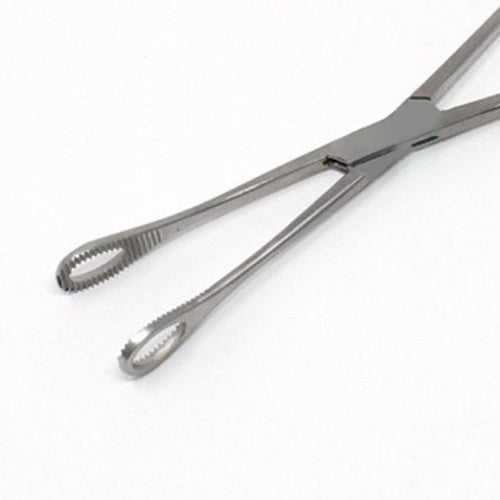
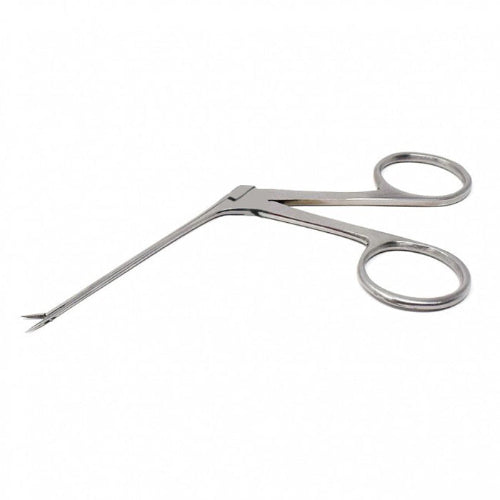
Hartmann Alligator Ear Forceps

Type: General Instruments

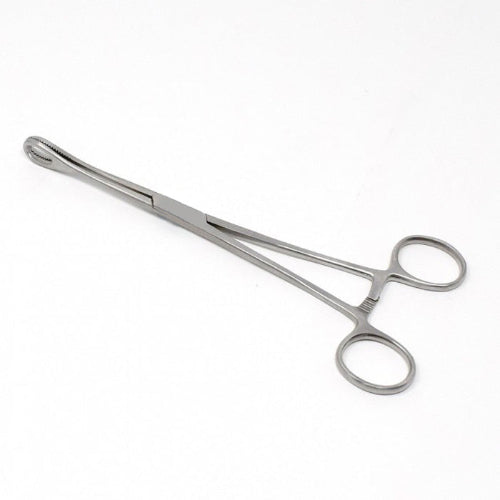
Hartmann Alligator Ear Forceps

Regular price Rs. 919
Sale price Rs. 919 Regular price Rs. 1,380
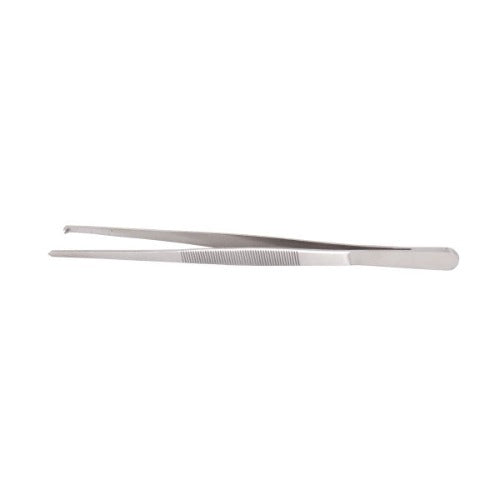
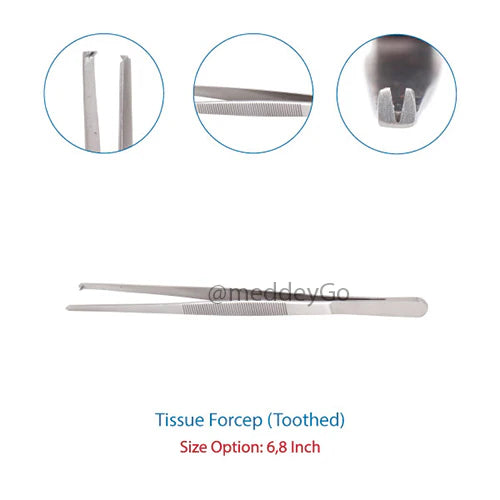
Dissecting Tissue Forceps Toothed

Type: Instruments

Dissecting Tissue Forceps Toothed

Regular price From Rs. 247
Sale price From Rs. 247 Regular price Rs. 460
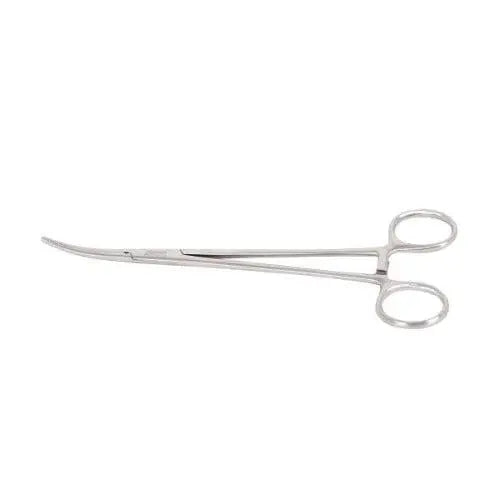
artery_forceps_

Type: Instruments

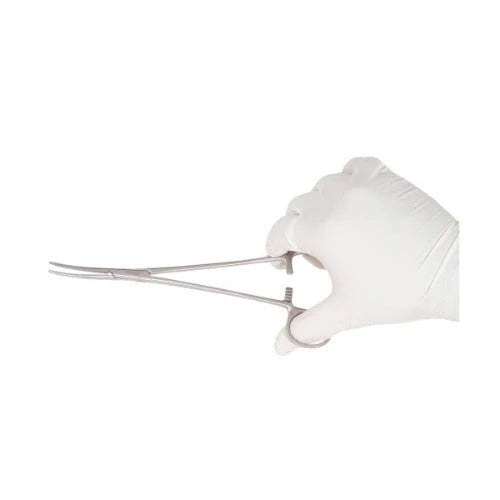
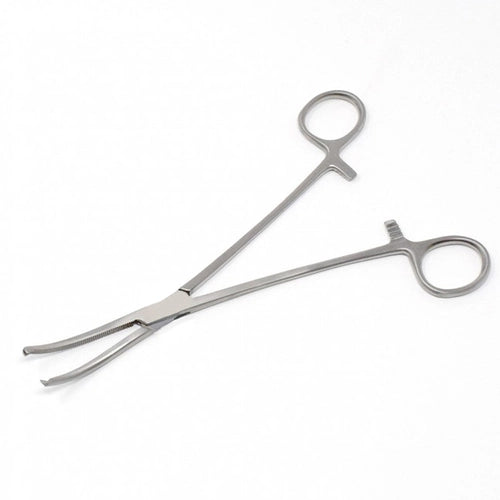
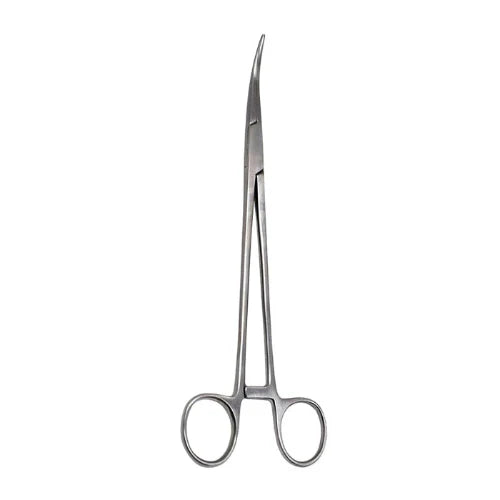
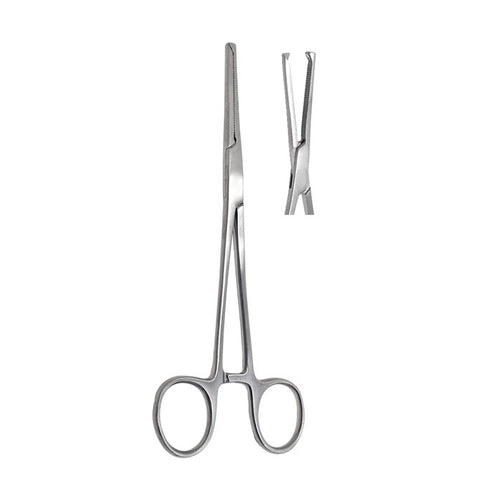
Artery Forceps Curved SS Delux Quality

Regular price From Rs. 579
Sale price From Rs. 579 Regular price Rs. 828
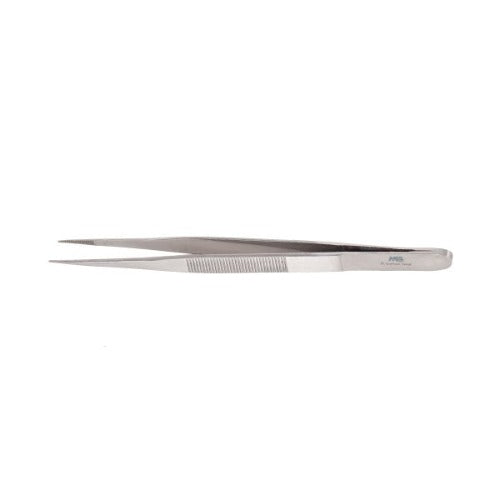
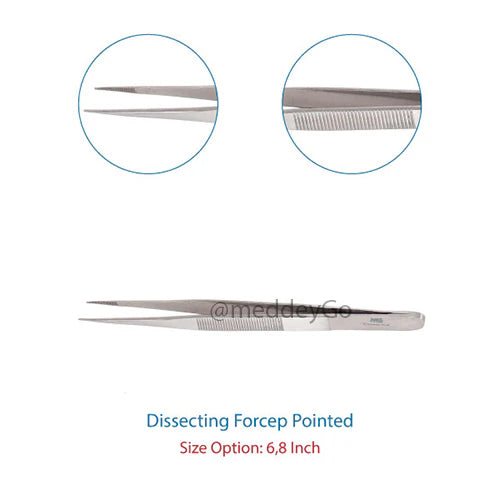
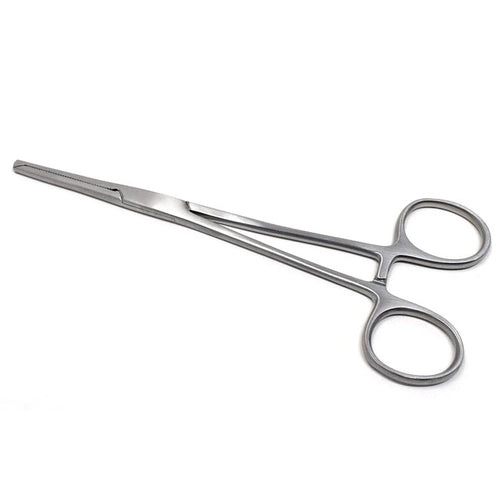
Dissecting Tissue Forceps Plain

Type: Instruments

Dissecting Tissue Forceps Plain

Regular price From Rs. 247
Sale price From Rs. 247 Regular price Rs. 368
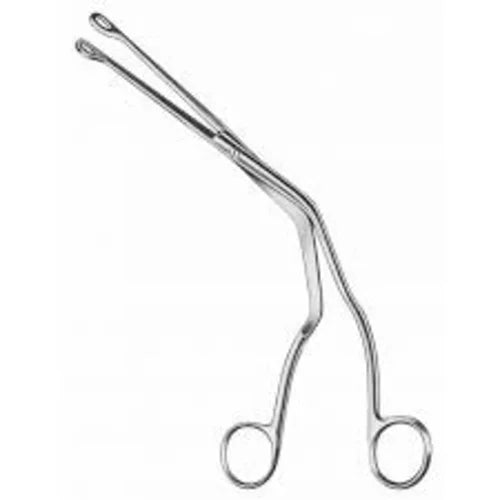
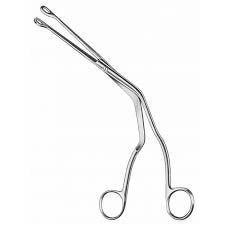
Magill Forceps Stainless Steel Surgical Instrument

Type: General Instruments

Magill Forceps Stainless Steel Surgical Instrument

Regular price From Rs. 689
Sale price From Rs. 689 Regular price Rs. 828
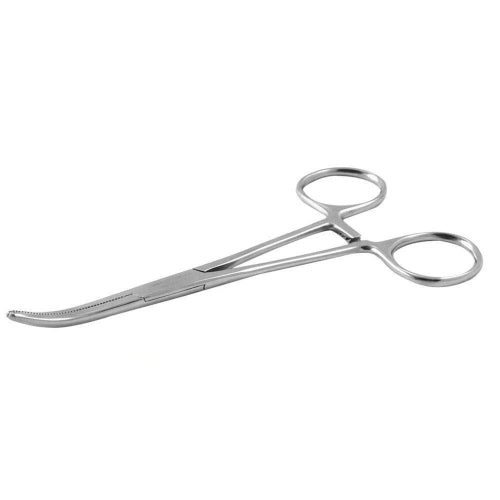
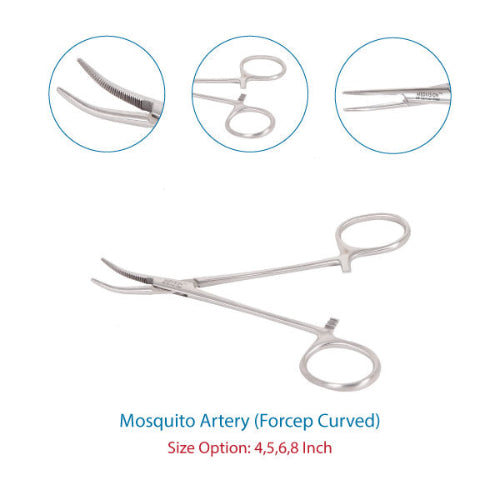
Mosquito Artery Forceps Curved 8 inch

Type: General Instruments

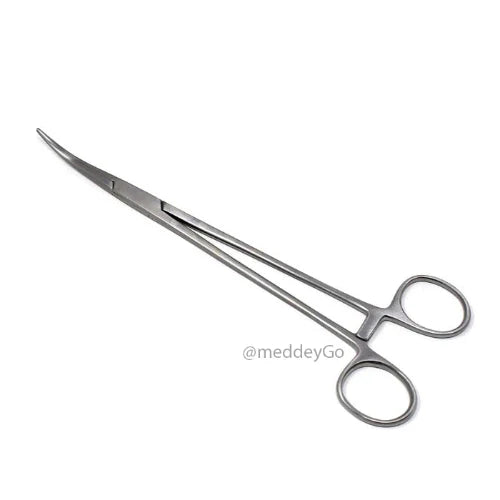
Mosquito Artery Forceps Curved 8 inch

Regular price Rs. 380
Sale price Rs. 380 Regular price Rs. 506
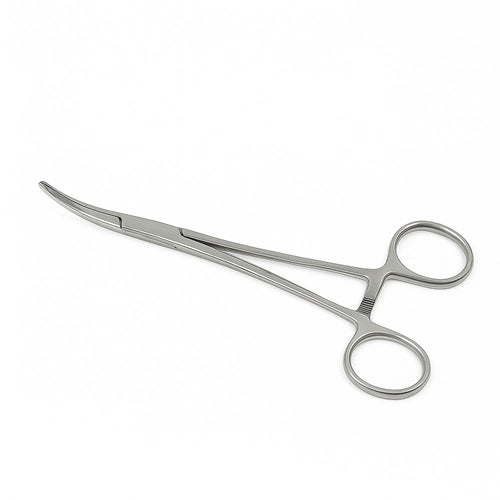
kochers forceps curved

Type: Instruments

Kochers Forceps Curved

Regular price From Rs. 598
Sale price From Rs. 598 Regular price Rs. 920
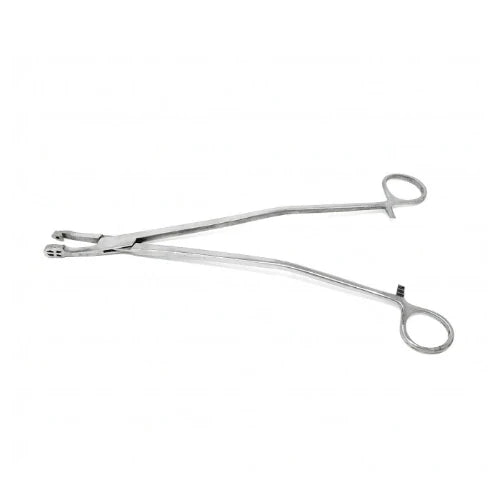
cervical punch biopsy forceps

Type: Instruments

Cervical Punch Biopsy Forceps

Regular price Rs. 1,287
Sale price Rs. 1,287 Regular price Rs. 1,840
artery forceps straight

Type: General Instruments

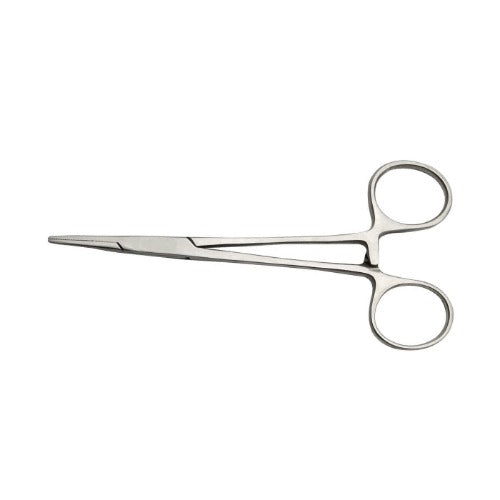
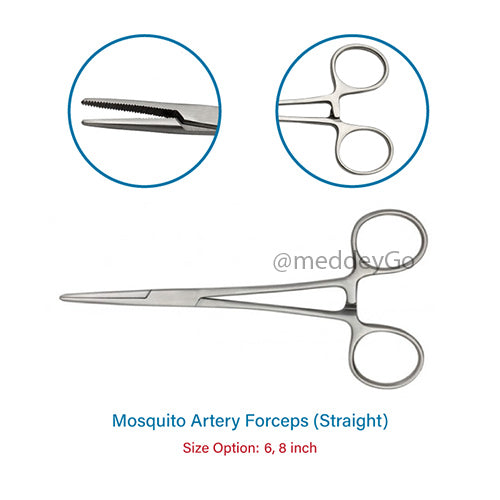
Mosquito Artery Forceps Straight

Regular price From Rs. 395
Sale price From Rs. 395 Regular price Rs. 552
crile artery forceps (Curved)

Type: Instruments

Crile Artery Forceps (Curved)

Regular price From Rs. 597
Sale price From Rs. 597 Regular price Rs. 690
allis forcep

Type: Instruments

Allis Tissue Forceps Straight SS Delux Quality

Regular price From Rs. 579
Sale price From Rs. 579 Regular price Rs. 736
Foerster Sponge Holding Forceps (Straight)

Type: Instruments

Foerster Sponge Holding Forceps (Straight)

Regular price From Rs. 706
Sale price From Rs. 706 Regular price Rs. 1,086
allies-forcep

Type: Instruments

Allis Tissue Forceps Surgical Instrument

Regular price From Rs. 413
Sale price From Rs. 413 Regular price Rs. 552
kochers forceps straight

Type: Instruments

Kochers Forceps Straight

Regular price From Rs. 598
Sale price From Rs. 598 Regular price Rs. 920
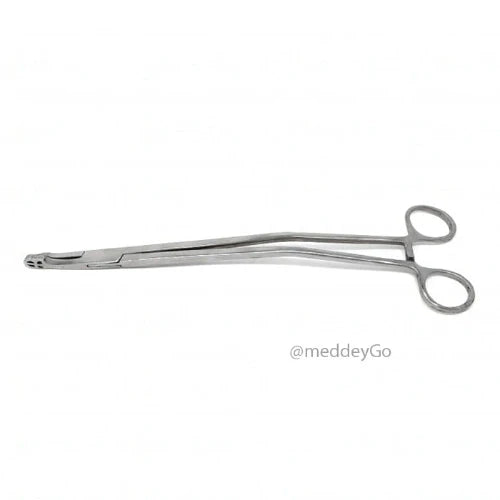
forceps

Type: Instruments

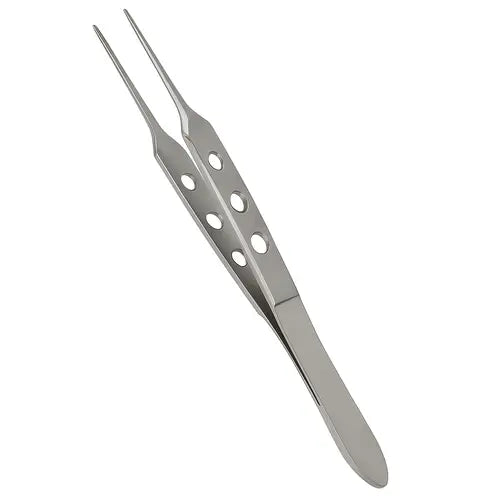
Bishop-Harmon Tissue Forceps SS

Regular price Rs. 715
Sale price Rs. 715 Regular price Rs. 920

Collection: Ovum Forceps 10 Inch | Ovum Holding Forceps for OT - MeddeyGo

What is an Ovum Forcep?

In the specialized environment of the Operating Theater (OT), the ovum forceps is a pivotal gynecological instrument designed specifically for grasping, holding, and removing products of conception from the uterus. Unlike standard surgical clamps, the ovum holding forceps is engineered with a unique ring-shaped distal tip that provides a secure yet atraumatic grip on delicate biological tissues.

What is the use of ovum forceps? Primarily, the ovum forceps uses include the removal of the ovum, placental fragments, or blood clots during procedures such as Dilation and Evacuation (D&E), Caesarean sections, and uterine repairs. Beyond extraction, the ovum holding forceps uses extend to acting as a temporary hemostat in emergency uterine suturing or grasping the uterine wall during a hysterectomy.

CLINIC NOTE (Hover to Expand): The "Fenestrated" design of the ovum forceps tips is intentional. It allows the surgeon to visualize the tissue being held and ensures that fluid can escape, preventing the "slippage" often associated with solid-tip forceps.

Technical Anatomy: Ovum Forceps Parts Name

To utilize the instrument effectively, surgical technicians must be familiar with the ovum forceps parts name. This instrument follows a traditional "scissor-action" mechanical design but lacks the sharp edges of cutting tools.

Part Name Technical Description Functional Role
Fenestrated Jaws Ring-shaped, oval-opening tips. Ensures atraumatic ovum holding forceps action.
Shank The long, slender neck of the tool. Provides the necessary reach into the uterine cavity.
Box Joint The central pivot point. Ensures smooth opening and closing of the jaws.
Ratchet-Less Handle Smooth finger rings without a locking mechanism. Allows the surgeon to apply immediate, variable pressure.

A key feature of the ovum forceps is that it typically does not have a ratchet. This is a critical safety feature; it prevents the surgeon from accidentally "locking" the forceps on delicate uterine tissue, which could lead to perforation or tearing.

Clinical Comparison: Ovum Forceps vs. Sponge Holder

One of the most common questions in surgical training is: What is the difference between sponge holder and ovum forceps? While they appear similar at a glance, their clinical roles are distinct.

Feature Ovum Forceps Sponge Holding Forceps
Locking Mechanism None (No Ratchet). Ratchet Locking Handle.
Distal Tip Size Typically larger, oval fenestration. Smaller, often serrated rings.
Primary Use Grasping ovum/placental tissue. Grasping swabs for cleaning/prepping.
Trauma Risk Lower (Manual pressure control). Higher (If locked on soft tissue).

Top 5 Benefits of the Ovum Forcep 10 Inch

1. Deep Cavity Access
The 10-inch length allows the surgeon to reach the fundus of the uterus comfortably without obstructing the line of sight.
2. Enhanced Leverage
A longer shank provides better mechanical advantage when manipulating heavier placental fragments.
3. Hand Clearance
The 10-inch design ensures the surgeon's hands remain outside the vaginal canal during the procedure.
4. Precision Control
Crafted from surgical stainless steel, the 10-inch model maintains rigidity, preventing "flexing" under load.
5. Ergonomic Comfort
Designed for extended use in long procedures like complex hysterectomies.

Surgical Reach: What is an Ovum Forcep 10 Inch used for?

The **Ovum Forcep 10 Inch** is the standard length for major obstetric and gynecological procedures. While shorter variants exist, the ovum holding forceps at this length is specifically designed for trans-vaginal and intra-abdominal access. It is primarily used to reach the uterine fundus (the top of the uterus) during a D&E (Dilation and Evacuation) to ensure no placental tissue is left behind, which could otherwise lead to secondary postpartum hemorrhage.

How does the 10-inch length of the Ovum Forcep benefit surgeons?

The primary benefit of the 10-inch ovum forceps is the preservation of the surgeon's visual field. In deep pelvic surgery, shorter instruments require the surgeon's hands to be closer to the incision or canal, often blocking the light or the line of sight. The elongated shank of the ovum holding forceps allows for "remote" manipulation. Additionally, the length provides superior leverage, making it easier to extract dense or fibrous tissue fragments with minimal effort.

QUICK TIP (Hover to View): Always hold the ovum forceps like a pair of scissors but keep your index finger extended along the shank. This "three-point contact" significantly increases your tactile sensitivity when navigating the uterine wall.

Safety & Durability: Is the Ovum Forcep safe for repeated use?

Yes, the ovum forceps crafted from high-quality J2 or AISI 410/420 stainless steel is specifically designed for repeated use in high-volume surgical centers. The safety of the ovum holding forceps depends on its metallurgical integrity. Because these instruments are exposed to blood, saline, and harsh sterilization chemicals, they must be corrosion-resistant.

Structural Integrity: A high-grade ovum forceps will not "spring" or lose its alignment even after 100+ autoclave cycles.
Atraumatic Design: The smooth, polished edges of the fenestrated jaws ensure that even with repeated use, there are no "burrs" or sharp spots that could cause accidental uterine trauma.

What are the key benefits of using the Ovum Forcep 10 Inch in surgeries?

  • Secure Tissue Grasping: The oval ring design creates a vacuum-like grip on slippery tissues.
  • Versatility: Can be used in Caesarean sections, hysterectomies, and as a large hemostat.
  • Enhanced Surgical Precision: Minimal distal weight allows for delicate movement.

Instrument Configurations: Ovum Forceps Size & Type

While the 10-inch straight model is the most common, different ovum forceps uses require different jaw angles and overall lengths.

Instrument Type Available Sizes Jaw Configuration Best Procedural Use
Straight Ovum Forceps 9", 10", 12" Straight Fenestrated D&C, Uterine Repair.
Curved Ovum Forceps 10" Gently Curved Jaws Retroverted Uterus Access.
Winter Ovum Forceps 11" Heavier, Larger Rings Advanced D&E procedures.
Sopher Ovum Forceps 10.5" Serrated Fenestration Firm grip on fibrous tissue.

Decontamination: How do I properly sterilize the Ovum Forcep?

Proper maintenance of the ovum holding forceps is essential for both patient safety and instrument longevity. Residual tissue in the box joint or fenestrated tips can cause cross-contamination or instrument failure.

Step 1: Pre-Cleaning: Immediately after use, rinse the ovum forceps in cold water (below 45°C) to prevent blood protein coagulation.
Step 2: Ultrasonic Cleaning: Use an ultrasonic cleaner with a neutral pH detergent to remove microscopic debris from the pivot joint.
Step 3: Autoclaving: Use a steam autoclave at 134°C (273°F) for 3–5 minutes. Ensure the forceps are in the open position to allow steam to reach all parts.
CLINIC NOTE (Hover to view): Never use steel wool or abrasive pads to clean your ovum forceps. This damages the passive chromium-oxide layer of the stainless steel, leading to rapid "pitting" and rusting.

Visual Analysis: The Ovum Forceps Diagram & Design

An ovum forceps diagram reveals an instrument optimized for "blind" intrauterine navigation. Unlike needle holders or hemostats that require direct visualization, the ovum holding forceps is designed to be used by "feel." The wide, fenestrated jaws act as a protective cage, allowing the surgeon to capture tissue without the sharp edges that might pierce the uterine wall.

[DIAGRAM PLACEHOLDER: ILLUSTRATING THE JAW, SHANK, AND RATCHET-LESS HANDLE]

Note the smooth transition from the box joint to the fenestrated tips—this minimizes the "catch points" that could snag on the cervical canal.

What are forceps 4 uses in the context of Gynecology?

While we focus on the ovum forceps uses, it is important to understand the broader category. In gynecology, forceps generally serve four primary functions:

  • Grasping: Securely holding the cervix or uterine wall.
  • Extraction: Removing foreign bodies or products of conception (the primary ovum holding forceps uses).
  • Occlusion: Clamping blood vessels to provide hemostasis during hysterectomy.
  • Manipulation: Positioning the uterus to allow better surgical access during laparoscopy.

Top 5 Surgical Uses of Ovum Holding Forceps

In the Operating Theater (OT), the versatility of the ovum forceps makes it a standard inclusion in any D&C or minor surgery tray.

Rank Clinical Procedure Specific Use of Ovum Forceps
1 Dilation & Evacuation (D&E) Primary tool for removing large products of conception.
2 Caesarean Section Removing fragments of the placenta after delivery.
3 Hysterectomy Grasping the uterine body for stabilization during excision.
4 Uterine Repair Removing large blood clots to clear the surgical field.
5 Postpartum Hemorrhage Manual exploration and removal of retained membranes.

Which instrument is used in OT? Navigating the Gynae Tray

When asking "Which instrument is used in OT?" for gynecological procedures, the ovum forceps is often the most frequently handled tool alongside the speculum and tenaculum. However, the surgeon must distinguish it from the Winter's or Sopher forceps.

The 10-inch ovum holding forceps is preferred because it balances reach with sensitivity. A shorter instrument would force the surgeon's hand into a cramped position, while a longer instrument (like 12 or 14 inches) can lead to a loss of distal tactile feedback.

CLINIC NOTE (Hover to View): The absence of a ratchet on the ovum forceps is a "fail-safe." If the surgeon accidentally grasps the uterine fundus instead of placental tissue, the lack of a lock allows for an immediate release, potentially preventing a uterine perforation.

Quick Tips: Mastering the Ovum Forceps

  • ✔ Check the Box Joint: Before every procedure, ensure the ovum forceps joint moves freely. Stiffness can mask the "tactile pop" felt when grasping tissue.
  • ✔ Inspect the Jaws: Look for any alignment issues. The fenestrated rings of the ovum holding forceps must meet perfectly to avoid "shredding" rather than grasping.
  • ✔ Lubrication: Use only surgical-grade lubricant on the joint after sterilization to maintain the "one-handed" smooth operation required in the OT.

Advanced Clinical FAQ: Ovum Forceps In-Depth

1. Why is the 10-inch length considered the "Gold Standard" for Ovum Forceps?

The 10-inch specification for ovum forceps is not arbitrary; it is a calculated ergonomic requirement for the average depth of the gravid and non-gravid uterine cavity. In many gynecological procedures, especially post-delivery or during a D&E, the uterus is significantly enlarged and positioned deep within the pelvic cavity. A shorter instrument would force the surgeon to insert their hand partially into the vaginal canal, which significantly obstructs the surgical view and increases the risk of contamination. The 10-inch ovum holding forceps allows for "remote" manipulation, where the surgeon’s hand remains comfortably outside the primary surgical site. This length provides the necessary reach to the fundus—the uppermost part of the uterus—where retained products of conception or placental fragments are often lodged. Mechanically, the 10-inch shank also provides superior leverage. When grasping a heavy blood clot or a large piece of placental tissue, the longer handle-to-tip ratio ensures that the surgeon can maintain a firm grip with minimal hand fatigue. It balances reach, visibility, and tactile feedback, making it the most versatile size in the Operating Theater.

2. What specific mechanical features prevent uterine perforation when using Ovum Forceps?

Uterine perforation is a critical risk in any intrauterine procedure, and the ovum forceps is engineered specifically to mitigate this. The most prominent safety feature is the **absence of a ratchet locking mechanism**. Unlike traditional surgical clamps that lock in place, the ovum holding forceps requires constant manual pressure from the surgeon to stay closed. This ensures that the surgeon's tactile sense is never "muted" by a mechanical lock. If the jaws accidentally grasp the sensitive, muscular wall of the uterus instead of soft placental tissue, the surgeon will immediately feel the resistance and can release the grip instantly. Furthermore, the tips are "fenestrated" or ring-shaped. This design ensures that the pressure is distributed across a circular surface area rather than a sharp point. The edges of the rings are meticulously polished and rounded to be "atraumatic." This means the ovum forceps uses its shape to "cage" the tissue rather than pierce it. Combined with the smooth box-joint pivot, these features allow the instrument to glide safely against the uterine lining, providing a secure grip only when intended.

3. How does the Sopher vs. Winter Ovum Forceps design alter surgical outcomes?

In specialized ovum holding forceps uses, the distinction between Sopher and Winter models can be significant. The **Winter Ovum Forceps** typically features larger, heavier rings and is used when substantial tissue removal is required, such as in late-term evacuations or when dealing with large fibroid fragments. Its robust design provides maximum "bite." Conversely, the **Sopher Ovum Forceps** often includes fine serrations within the fenestrated rings. These serrations provide an aggressive grip on slippery, mucous-covered tissues that might slide out of a smooth-jawed instrument. For the surgeon, choosing between them depends on the consistency of the tissue. If the tissue is fragile and prone to tearing, the smoother Winter model is preferred. If the tissue is fibrous and difficult to grasp, the Sopher model’s serrations prevent multiple "blind" passes into the uterus, which inherently reduces the total time the uterus is instrumented. Reducing "in-and-out" passes is a primary goal in gynecological surgery, as every entry through the cervix increases the risk of introducing infection or causing trauma to the internal os.

Why Choose MeddeyGo for Your Ovum Forceps?

MeddeyGo is the trusted partner for healthcare facilities looking for premium gynecological instrumentation. When you source an ovum forceps from us, you are investing in:

  • ✓ Premium Surgical Grade Steel: Our ovum holding forceps are forged from high-carbon stainless steel, ensuring they never rust, pit, or lose alignment.
  • ✓ Ergonomic Engineering: Every 10-inch ovum forceps is balanced for weight, reducing hand strain during long OT sessions.
  • ✓ Validated Sterility: Designed with smooth surfaces and easy-to-clean box joints to withstand 1000+ autoclave cycles.
  • ✓ Clinical Precision: Atraumatic fenestrated tips that meet ISO standards for gynecological safety.

Conclusion: Precision in Uterine Care

The ovum forceps remains an irreplaceable tool in the gynecologist's arsenal. From emergency postpartum care to elective uterine procedures, its design reflects a deep understanding of female anatomy and surgical safety. By choosing the correct length, jaw type, and high-quality material, clinicians ensure the best possible outcomes for their patients.

PRO TIP: HERE FOR THE SURGEON'S GOLDEN RULE

"Always check the 'spring' of your ovum forceps before use. The jaws should meet precisely at the tips first; if there is a gap or misalignment, the instrument should be retired immediately to prevent tissue shredding."