


Type: 3 para monitor
3 Para Patient Monitor Bedside with 1 Year Warranty


Type: para monitor
5 Para Patient Monitor with SpO2 ECG NIBP & Stand
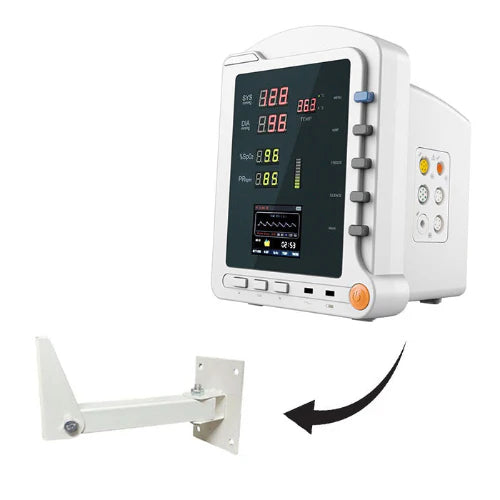
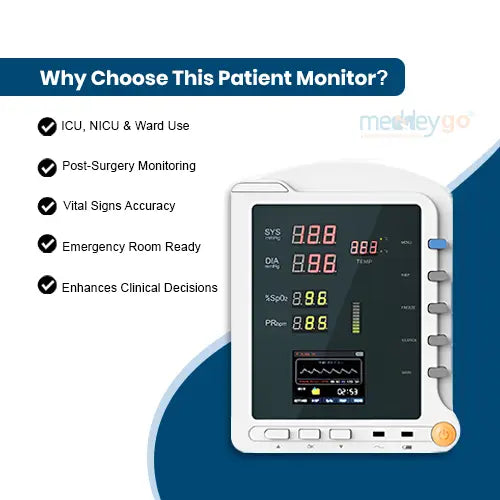
Type: 3 para monitor
3 Para Monitor NIBP, PR SpO2 with Stand with 1 Year Warranty


Type: para monitor
Contec 3 Para Monitor | Bed Side Monitor with NIBP SpO2


Type: 3 para monitor
Contec CMS 5100 SpO2 NIBP Patient Monitor

Type: para monitor
3 Para Bed Side Monitor

Type: Devices
5 Para Monitor 12.1 Inch TFT without stand
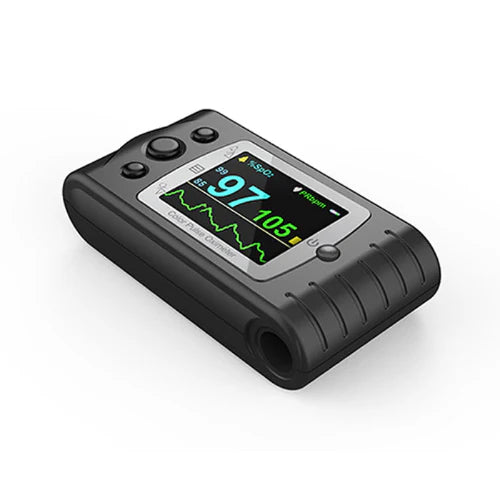
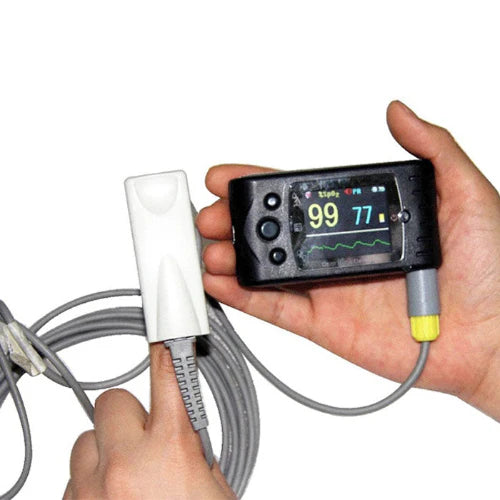
Type: pulse oximeter
Contec CMS-60C Handheld Pulse Oximeter
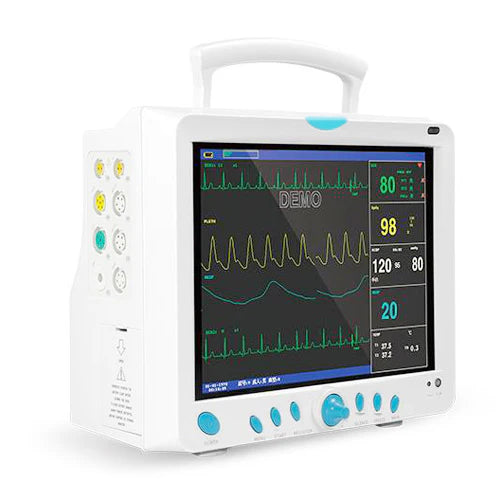
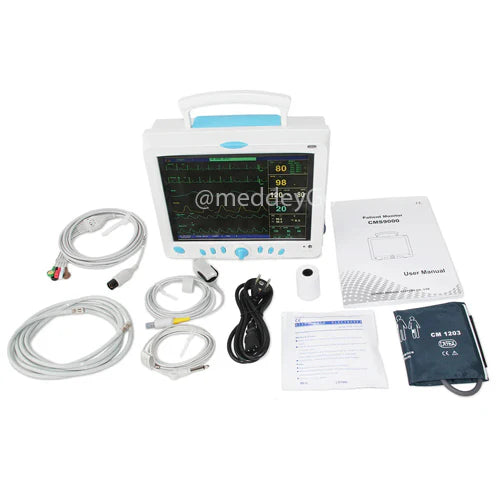
Type: para
CONTEC CMS 9000 5 Para Monitor ECG, NIBP, Sp02, Pulse Rate, NIBP and TEMP


Type: para monitor
5 Para Bed Side Monitor with Basket Stand


Type: 3 para monitor
3 Para NIBP Patient Monitor LED ICU Bedside Monitor


Type: Devices
5 Para Patient Monitor 12.1 Inch TFT | ICU Vital Monitor

Type: 5 para
5 Para Monitor 12.1 Inch TFT without stand with 2 Years Warranty


Type: para monitor
5 Para Veterinary ECG Monitor for Animal ICU Use


Type: para monitor
5 Para Bed Side 12.1 Inch Touchscreen
Collection:
Patient Monitoring Devices

Patient monitoring devices are sophisticated tools designed to measure, record, and analyze various physiological parameters of patients. These devices are pivotal in providing real-time data to healthcare professionals, enabling timely interventions and improving patient outcomes. They encompass a wide range of equipment, from simple wearable devices to complex machines used in critical care settings.
The Importance of Real-Time Data
Real-time data is the backbone of effective patient monitoring. Immediate access to patient data allows healthcare professionals to make swift decisions, which can be critical in acute care settings. For example, in intensive care units, continuous monitoring of vital signs can alert staff to any sudden changes, allowing for immediate intervention. This capability significantly enhances the quality of care, potentially saving lives by preventing complications before they escalate.
Enhancements in Patient Care
Patient monitoring devices have revolutionized how care is provided, shifting the focus from reactive to proactive management. By offering continuous insights into a patient's health, these devices enable healthcare providers to identify and address issues early. This proactive approach not only improves patient outcomes but also enhances patient satisfaction by reducing the need for invasive procedures or hospital readmissions. Moreover, it empowers patients to engage actively in their health management, fostering a collaborative care environment.
Integration with Healthcare Systems
The seamless integration of patient monitoring devices with existing healthcare systems is crucial for maximizing their benefits. Through interoperability, these devices can communicate effectively with electronic health records (EHRs), ensuring that patient data is accurately documented and easily accessible. This integration streamlines workflow, reduces administrative burdens, and minimizes the risk of errors, ultimately contributing to more efficient and effective healthcare delivery.
The Role of Remote Patient Monitoring
Remote patient monitoring (RPM) is a burgeoning field that leverages technology to monitor patients' health status from a distance. This approach is particularly valuable in managing chronic conditions, reducing hospital readmissions, and increasing access to care in remote areas. RPM devices, such as wearable health gadgets and telehealth devices, facilitate continuous health monitoring without the need for frequent hospital visits.
Managing Chronic Conditions
One of the most significant benefits of RPM is its ability to manage chronic conditions effectively. Patients with conditions such as diabetes, heart disease, or chronic obstructive pulmonary disease (COPD) can have their health metrics monitored continuously. This ongoing observation allows healthcare providers to detect any deviations from normal patterns early, enabling timely interventions that can prevent complications and improve overall health outcomes.
Reducing Hospital Readmissions
Hospital readmissions are a major concern for healthcare systems worldwide, often indicating inadequate care or follow-up. RPM helps mitigate this issue by ensuring that patients receive consistent monitoring even after discharge. By identifying potential health issues early, RPM allows for prompt medical interventions, reducing the likelihood of hospital readmissions. This not only benefits patients by minimizing disruptions to their lives but also reduces healthcare costs associated with repeated hospital stays.
Expanding Access to Care
In many regions, access to healthcare is limited by geographical, economic, or logistical barriers. RPM technology helps bridge these gaps by providing remote access to healthcare services. Patients in rural or underserved areas can receive the same level of monitoring and care as those in urban centers, ensuring equitable healthcare delivery. This expanded access is particularly beneficial for populations that struggle with transportation or have mobility issues, as it reduces the need for frequent travel to healthcare facilities.
Types of Patient Monitoring Devices

Wearable Health Devices
Wearable health devices have gained significant popularity due to their convenience and capability to track various health metrics. These include fitness trackers, smartwatches, and specialized medical wearables that monitor heart rate, blood pressure, and more. They are instrumental in promoting proactive health management and lifestyle modifications.
Advanced Fitness Trackers
Fitness trackers have evolved from simple step counters to sophisticated devices capable of monitoring a range of health metrics. Modern fitness trackers can measure heart rate variability, sleep patterns, and even oxygen saturation levels. These features provide users with a comprehensive overview of their health, encouraging them to make informed lifestyle choices. The real-time feedback from these devices can motivate individuals to maintain physical activity and adopt healthier habits.
Specialized Medical Wearables
Specialized medical wearables are designed for specific health monitoring purposes, offering more precise and clinically relevant data. Devices such as continuous glucose monitors (CGMs) and wearable ECG monitors provide essential information for managing conditions like diabetes and heart disease. These wearables offer the advantage of being non-invasive and user-friendly, making them suitable for daily use and enhancing patient adherence to monitoring regimens.
Innovations in Wearable Technology
The field of wearable technology is rapidly advancing, with innovations continuously emerging. From smart fabrics that can detect biometric signals to devices with integrated AI for predictive analytics, wearable health technology is becoming more sophisticated and accessible. These innovations are paving the way for personalized healthcare, where monitoring devices can tailor feedback and recommendations to individual user needs, further enhancing their effectiveness.
Medical Monitoring Equipment
Medical monitoring equipment is crucial in clinical settings, providing detailed insights into patients' vital signs and health status. These devices include multiparameter monitors that track heart rate, oxygen saturation, blood pressure, and temperature, among others. They are essential for critical care, ensuring that any deviations from normal parameters are promptly addressed.
The Role of Multiparameter Monitors
Multiparameter monitors are essential tools in critical care environments, where patients require constant surveillance. These devices track multiple vital signs simultaneously, providing a comprehensive view of a patient's physiological status. By integrating data from various parameters, healthcare providers can gain a holistic understanding of a patient's condition, allowing for more accurate diagnoses and tailored treatment plans.
Importance in Surgical Settings
In surgical settings, medical monitoring equipment plays a crucial role in ensuring patient safety and optimal outcomes. During surgery, continuous monitoring of vital signs such as heart rate, blood pressure, and oxygen levels is necessary to detect any adverse events promptly. This vigilance allows the surgical team to respond swiftly to any changes, minimizing risks and ensuring the best possible outcomes for patients.
Innovations in Medical Monitoring
Technological advancements are continually enhancing medical monitoring equipment, improving their accuracy and functionality. Innovations such as wireless monitors and portable devices allow for greater flexibility and ease of use. Additionally, the integration of AI and machine learning algorithms is enabling predictive analytics, helping healthcare providers anticipate potential issues and intervene proactively, further improving patient care.
Home Health Monitors
Home health monitors empower patients to take control of their health by providing easy access to critical health information. These devices are designed for home use, allowing individuals to monitor conditions such as diabetes, hypertension, and respiratory issues. By facilitating early detection and management, home health monitors contribute to improved health outcomes and reduced healthcare costs.
Empowering Patient Self-Management
Home health monitors are pivotal in empowering patients to manage their health proactively. By providing continuous access to vital health information, these devices encourage individuals to take an active role in their care. Patients can track their progress, identify trends, and adjust their lifestyle or treatment plans accordingly. This self-management capability fosters a sense of ownership and accountability, leading to better adherence to treatment regimens and improved health outcomes.
Facilitating Early Detection
Early detection of health issues is critical for effective management and treatment. Home health monitors play a vital role in identifying potential problems before they become serious. For instance, blood pressure monitors can alert users to hypertension, enabling early intervention to prevent complications. Similarly, glucose monitors help in maintaining optimal blood sugar levels, reducing the risk of diabetes-related complications.
Reducing Healthcare Costs
By enabling early detection and self-management, home health monitors contribute to significant healthcare cost savings. Early intervention reduces the need for costly treatments and hospitalizations, while improved adherence to treatment plans minimizes the risk of complications. Moreover, by reducing the frequency of healthcare visits, these devices alleviate the burden on healthcare systems, allowing resources to be allocated more efficiently.
The Impact of IoT in Healthcare
The integration of the Internet of Things (IoT) in healthcare has revolutionized patient monitoring, enabling seamless connectivity and data sharing between devices and healthcare providers.
Enhancing Device Connectivity
IoT technology enhances the connectivity of patient monitoring devices, allowing them to communicate seamlessly with each other and with healthcare systems. This connectivity enables the integration of various data sources, providing a comprehensive view of a patient's health status. As a result, healthcare providers can make more informed decisions, leading to improved patient outcomes and streamlined care delivery.
Improving Data Analytics
The vast amounts of data generated by IoT-enabled devices require sophisticated analytics to be useful. IoT technology facilitates advanced data analysis, allowing healthcare providers to extract meaningful insights from complex datasets. By leveraging machine learning and AI algorithms, healthcare systems can identify patterns, predict trends, and develop personalized treatment plans. This data-driven approach enhances the precision and effectiveness of medical care.
Ensuring Data Security and Privacy
With the increased connectivity of IoT devices, ensuring data security and privacy is paramount. Robust security measures are essential to protect sensitive patient information from unauthorized access and breaches. IoT technology incorporates advanced encryption protocols and authentication mechanisms to safeguard data integrity. By prioritizing security, healthcare providers can build trust with patients and ensure compliance with regulatory standards.
Examples of IoT in Healthcare
- Smart Insulin Pens: These devices track insulin doses and sync data with a smartphone app for better diabetes management.
- Connected Inhalers: They monitor inhaler usage and provide reminders to patients, ensuring adherence to asthma treatment plans.
- Wearable ECG Monitors: These devices continuously monitor heart activity, providing vital data for managing cardiac conditions.
- Smart Pill Bottles: They track medication adherence and send alerts to patients and caregivers.
- Remote Glucose Monitors: These devices continuously track blood glucose levels and send alerts for abnormal readings.
The use of IoT in healthcare facilitates real-time data collection and analysis, leading to personalized treatment plans and improved patient care.
The Market for Digital Patient Monitoring Devices

The digital patient monitoring devices market is experiencing rapid growth, driven by advancements in technology, increasing prevalence of chronic diseases, and a growing emphasis on preventive healthcare. The market is characterized by a diverse range of products catering to different healthcare needs and settings.
Market Growth Drivers
Several factors are driving the growth of the digital patient monitoring devices market. The increasing prevalence of chronic diseases, such as diabetes and heart disease, has led to a greater demand for continuous monitoring solutions. Technological advancements, including the development of more sophisticated and user-friendly devices, have also fueled market expansion. Additionally, the rising emphasis on preventive healthcare and the need for cost-effective solutions are further propelling market growth.
Diverse Product Offerings
The market for digital patient monitoring devices is characterized by a wide array of products designed to meet various healthcare needs. From wearable fitness trackers to advanced medical monitors, the diversity of offerings ensures that there is a suitable solution for every patient and care setting. This variety allows healthcare providers to select devices that best align with their patients' needs and care goals, enhancing the overall effectiveness of monitoring solutions.
Regional Market Trends
Regional trends play a significant role in shaping the digital patient monitoring devices market. In developed regions, such as North America and Europe, the market is driven by technological advancements and a high prevalence of chronic diseases. In contrast, emerging markets in Asia-Pacific and Latin America are witnessing rapid growth due to increasing healthcare investments and the adoption of innovative technologies. Understanding these regional dynamics is crucial for market players looking to expand their presence and capture new opportunities.
Challenges and Opportunities
While the market presents numerous opportunities, it also poses challenges such as regulatory compliance, data privacy concerns, and the need for interoperability among devices. However, with strategic positioning and a focus on innovation, manufacturers and distributors can capitalize on these opportunities to expand their market share.
Navigating Regulatory Compliance
Regulatory compliance is a significant challenge for manufacturers of digital patient monitoring devices. Stringent regulations govern the approval and use of medical devices, ensuring their safety and efficacy. Navigating these regulatory requirements can be complex, requiring thorough documentation, testing, and validation processes. However, compliance is essential for market entry and success, and companies that prioritize regulatory adherence can gain a competitive edge.
Addressing Data Privacy Concerns
Data privacy is a critical concern in the digital healthcare landscape, with patient information being highly sensitive. Ensuring robust data protection measures is essential to build trust and comply with privacy regulations, such as the Health Insurance Portability and Accountability Act (HIPAA) in the United States and the General Data Protection Regulation (GDPR) in Europe. Companies that prioritize data security and transparency can differentiate themselves in the market and foster strong relationships with healthcare providers and patients.
Fostering Interoperability
Interoperability is a key challenge in the digital patient monitoring devices market, as devices from different manufacturers must work seamlessly together. Ensuring compatibility and data exchange between devices and healthcare systems is essential for maximizing the benefits of monitoring solutions. Companies that invest in developing interoperable products and collaborate with industry standards organizations can enhance their market position and drive innovation in the healthcare sector.
Strategic Positioning in the Healthcare Market
For hospital administrators, medical equipment distributors, and healthcare technology consultants, understanding the dynamics of the patient monitoring devices market is crucial for strategic decision-making.
Optimizing Procurement Strategies
Hospital administrators can optimize procurement strategies by focusing on cost-effective solutions that do not compromise on quality. Engaging with reliable suppliers and staying informed about technological advancements can ensure timely and efficient procurement processes.
Balancing Cost and Quality
In the procurement of patient monitoring devices, balancing cost and quality is a critical consideration for hospital administrators. While budget constraints are a reality for many healthcare facilities, compromising on quality can have serious implications for patient care. Administrators must carefully evaluate the cost-effectiveness of devices, considering factors such as durability, maintenance requirements, and the potential for improved patient outcomes. By prioritizing quality and leveraging competitive pricing, hospitals can optimize their procurement strategies.
Engaging with Reliable Suppliers
Building strong relationships with reliable suppliers is essential for ensuring the timely and efficient procurement of patient monitoring devices. Reliable suppliers offer not only high-quality products but also valuable support services, such as training and technical assistance. By partnering with trusted suppliers, hospital administrators can streamline the procurement process, reduce lead times, and ensure that their facilities are equipped with the latest and most effective monitoring solutions.
Staying Informed About Technological Advancements
The rapid pace of technological advancements in healthcare requires hospital administrators to stay informed about the latest developments in patient monitoring devices. By keeping abreast of new technologies and trends, administrators can make informed decisions about which devices to procure and when to upgrade existing equipment. This proactive approach ensures that hospitals remain at the forefront of medical innovation, providing the best possible care to their patients.
Identifying Market Opportunities
Medical equipment distributors can identify new market opportunities by analyzing industry trends and understanding customer needs. Differentiating products through innovation and leveraging strategic distribution channels can enhance market presence and competitiveness.
Analyzing Industry Trends
Staying ahead of industry trends is crucial for medical equipment distributors seeking to identify new market opportunities. By analyzing market data, consumer behavior, and technological advancements, distributors can gain valuable insights into emerging needs and preferences. This knowledge enables them to adapt their product offerings and marketing strategies, ensuring that they meet the evolving demands of healthcare providers and patients.
Understanding Customer Needs
Understanding the unique needs and challenges faced by healthcare providers is essential for medical equipment distributors looking to capture new market opportunities. By engaging with customers and gathering feedback, distributors can tailor their product offerings to better address specific requirements. This customer-centric approach not only enhances satisfaction but also builds long-term relationships and fosters loyalty.
Leveraging Strategic Distribution Channels
Strategic distribution channels play a vital role in expanding market presence and reaching new customers. Medical equipment distributors can enhance their competitiveness by leveraging diverse channels, such as online platforms, direct sales, and partnerships with healthcare organizations. By optimizing their distribution networks, distributors can increase their market reach, improve accessibility, and drive growth in the patient monitoring devices market.
Providing Cutting-edge Insights
Healthcare technology consultants play a pivotal role in guiding clients through the complexities of technology integration. By staying abreast of the latest trends and advancements, consultants can provide valuable recommendations that align with clients' goals and enhance their decision-making capabilities.
Guiding Technology Integration
Healthcare technology consultants are instrumental in helping healthcare organizations navigate the complexities of technology integration. By assessing clients' needs and existing infrastructure, consultants can recommend tailored solutions that enhance efficiency and patient care. Their expertise ensures that technology adoption is seamless, minimizing disruptions and maximizing the benefits of new monitoring devices.
Staying Abreast of Trends and Advancements
To provide valuable insights, healthcare technology consultants must stay informed about the latest trends and advancements in patient monitoring devices. This knowledge enables them to offer cutting-edge recommendations that align with clients' strategic goals. By continuously updating their expertise, consultants can ensure that their clients are well-positioned to leverage emerging technologies and maintain a competitive edge in the healthcare market.
Enhancing Decision-Making Capabilities
Healthcare technology consultants empower clients by enhancing their decision-making capabilities. Through data-driven analysis and evidence-based recommendations, consultants help clients make informed choices about technology investments and implementation strategies. This guidance supports clients in achieving their objectives, whether it's improving patient outcomes, optimizing operations, or expanding market presence.
Conclusion
Patient monitoring devices are transforming the healthcare landscape, offering enhanced capabilities for patient care and management. As technology continues to advance, these devices will play an increasingly vital role in improving healthcare delivery and patient outcomes. For stakeholders in the healthcare ecosystem, embracing these advancements and strategically positioning themselves in the market will be key to success in this dynamic industry. The continuous evolution of patient monitoring technology promises a future where healthcare is more personalized, efficient, and accessible, ultimately improving the quality of life for patients worldwide.
Q&A
Question: Why is real-time data so important in patient monitoring?
Short answer: Real-time data enables clinicians to spot changes the moment they occur, make swift decisions, and intervene before issues escalate. In acute and critical care (like ICUs), continuous vital sign monitoring can trigger immediate alerts, helping prevent complications. More broadly, real-time insights shift care from reactive to proactive, improving outcomes, reducing invasive interventions and readmissions, and increasing patient satisfaction.
Question: What is Remote Patient Monitoring (RPM) and who benefits most from it?
Short answer: RPM uses connected devices to track patients’ health outside traditional settings, sending data to providers for ongoing oversight. It’s particularly valuable for people managing chronic conditions such as diabetes, heart disease, or COPD, where early detection of deviations enables timely intervention. RPM also helps lower hospital readmissions by maintaining post-discharge surveillance, and it expands access to care for patients in rural or underserved areas by reducing the need for frequent in-person visits.
Question: How does the Internet of Things (IoT) enhance patient monitoring, and how is data kept secure?
Short answer: IoT links devices and healthcare systems so data flows seamlessly, integrates multiple sources, and supports advanced analytics and AI for pattern detection and prediction. This connectivity improves decision-making and personalizes care. Security is maintained through robust measures like encryption and authentication to protect sensitive information and meet privacy regulations. Practical IoT examples include smart insulin pens, connected inhalers, wearable ECG monitors, smart pill bottles, and remote glucose monitors.
Question: What kinds of patient monitoring devices are available, and what innovations are emerging?
Short answer: Options span:
- Wearable health devices: fitness trackers and smartwatches that now assess HR variability, sleep, and SpO2; specialized medical wearables like CGMs and wearable ECGs for clinically actionable data.
- Medical monitoring equipment: multiparameter monitors for comprehensive vital signs in critical care and continuous surveillance in surgical settings.
- Home health monitors: tools for self-managing conditions (e.g., blood pressure and glucose monitors) that support early detection and adherence. Innovations include smart fabrics, wireless/portable monitors, and AI/ML-driven predictive analytics, enabling more personalized and accessible care.
Question: What’s driving the digital patient monitoring market, and what challenges and strategies should stakeholders consider?
Short answer: Growth is fueled by rising chronic disease prevalence, user-friendly technological advances, and an emphasis on preventive, cost-effective care. Developed regions lead with tech adoption and chronic disease burdens, while Asia-Pacific and Latin America are accelerating via increased healthcare investments. Key challenges include regulatory compliance, data privacy (e.g., HIPAA/GDPR), and interoperability. Effective strategies:
- Hospital administrators: balance cost with quality, partner with reliable suppliers for support and training, and track tech advancements to time upgrades.
- Distributors: analyze trends, deeply understand customer needs, and leverage diverse distribution channels.
- Consultants: guide seamless technology integration, stay current on innovations, and provide data-driven recommendations to improve outcomes and operations.