Filter
23 products
Type: 3 para monitor
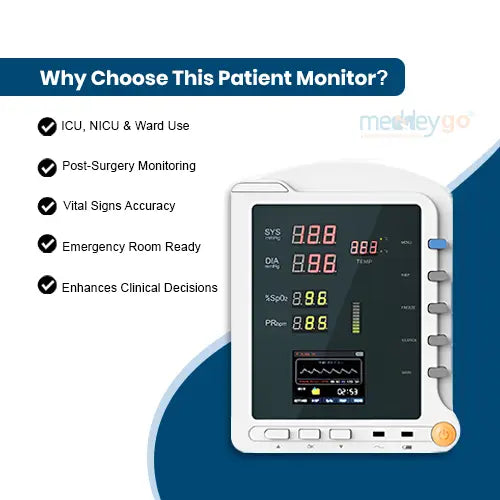
3 Para Patient Monitor Bedside with 1 Year Warranty
Type: 3 para monitor
3 Para Monitor NIBP, PR SpO2 with Stand with 1 Year Warranty
Type: para monitor
Contec 3 Para Monitor | Bed Side Monitor with NIBP SpO2
Type: para monitor
5 Para Monitor Veterinary
Type: para monitor
3 Para Bed Side Monitor
Type: para
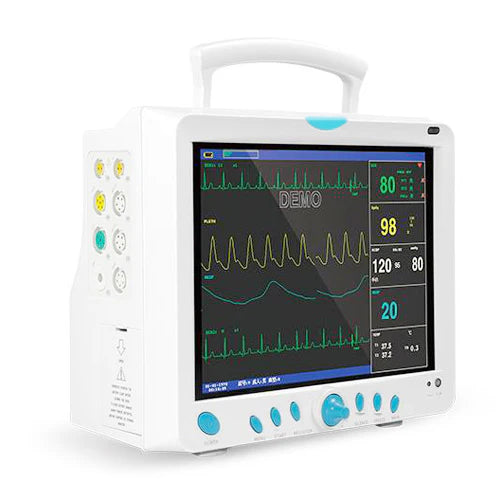
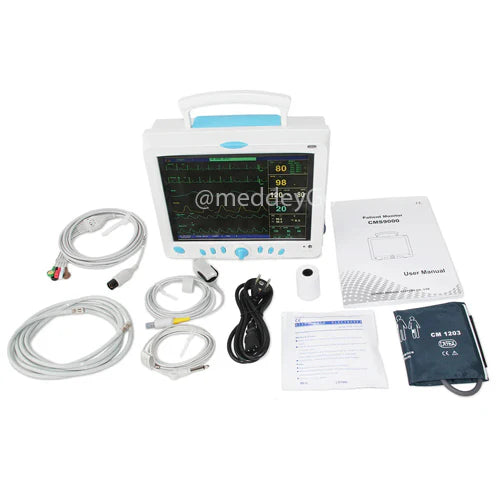
CONTEC CMS 9000 5 Para Monitor ECG, NIBP, Sp02, Pulse Rate, NIBP and TEMP
Type: Devices
5 Para Monitor 12.1 Inch TFT without stand
Type: para monitor
5 Para Bed Side Monitor with Basket Stand
Type: Device
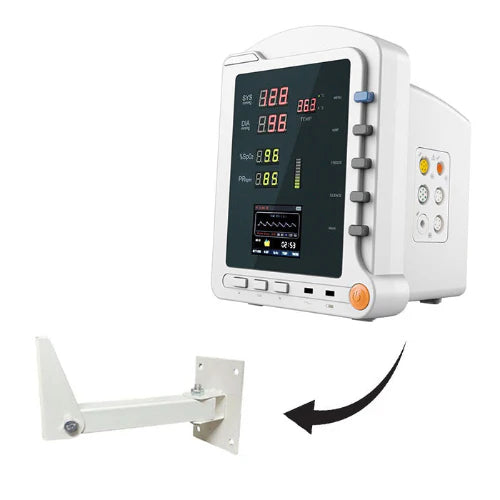
3 Para Bed Side Patient Monitor with Wall Mounted Stand
Type: Devices
5 Para Monitor 15 Inch TFT, Adult and Pediatric Accessories
Type: 3 para monitor
3 Para NIBP Patient Monitor LED ICU Bedside Monitor
Type: Devices
5 Para Patient Monitor 12.1 Inch TFT | ICU Vital Monitor
Type: para monitor
5 Para Veterinary ECG Monitor for Animal ICU Use
Type: 5 para
5 Para Bed Side Monitor Aqua 12 with 2 Years Warranty
Type: para monitor
5 Para Bed Side 12.1 Inch Touchscreen
Collection:
Patient Monitor | Real-Time Health Monitoring & Complete Guide
In modern healthcare, continuous monitoring of a patient’s vital signs is essential for timely diagnosis and treatment. A cardiac monitor plays a critical role in observing heart activity and other vital parameters in real time. Whether in intensive care units (ICU), emergency departments, or general wards, these monitoring devices provide healthcare professionals with accurate and immediate data that can significantly impact patient outcomes.
Also known as a patient monitor, multipara monitor, or vital signs monitor, this device is designed to track essential physiological parameters such as heart rate, blood pressure, oxygen saturation, and respiratory rate. With advancements in technology, modern patient monitoring systems are becoming more compact, portable, and user-friendly, making them suitable for both hospital and home care environments.
Quick Facts
- Cardiac monitors track heart rate and vital signs in real time.
- Used in ICU, emergency care, and home monitoring.
- Available in 3 para, 5 para, and multiparameter monitors.
- Essential for critical care and patient safety.
What is a Cardiac Monitor?
A cardiac monitor is a medical device used to continuously observe and record the electrical activity of the heart along with other vital signs. It provides real-time data on parameters such as heart rate, rhythm, blood pressure, oxygen levels, and respiration.
When people ask “what does a patient monitor machine do?”, the answer is simple: it continuously tracks vital signs to help healthcare providers detect abnormalities early and respond quickly.
Key Parameters Monitored
| Parameter | Description |
|---|---|
| ECG (Heart Rate) | Measures heart rhythm and electrical activity |
| SpO2 | Measures oxygen saturation in blood |
| NIBP | Non-invasive blood pressure measurement |
| Respiration | Monitors breathing rate |
| Temperature | Tracks body temperature |
Types of Cardiac Monitors
3 Para Monitor
Basic monitor measuring ECG, SpO2, and NIBP.
5 Para Monitor
Includes ECG, SpO2, NIBP, respiration, and temperature.
Multiparameter Monitor
Advanced multiparameter monitor tracks multiple vital signs simultaneously, used in ICU.
Comparison of Monitor Types
| Feature | 3 Para | 5 Para | Multipara |
|---|---|---|---|
| Parameters | Basic | Moderate | Advanced |
| Usage | General ward | Clinic | ICU |
| Cost | Low | Medium | High |
Types of Heart Monitors
Different types of cardiac monitors are designed to suit specific clinical needs, depending on how frequently symptoms occur and the duration of monitoring required. These devices allow continuous or event-based tracking of heart rhythm and electrical activity, helping healthcare professionals make accurate diagnoses.
- Patch Recorder: A compact and user-friendly device that adheres directly to the chest. It provides continuous heart monitoring for up to two weeks, making it ideal for detecting intermittent arrhythmias without interrupting daily activities. All components are integrated into a single patch unit, ensuring convenience and minimal discomfort.
- Symptom Event Monitor: This type of heart monitor machine is activated manually when symptoms occur. Patients attach sensors to their skin and start the recording during episodes such as palpitations or dizziness. It is particularly useful when symptoms are infrequent but noticeable.
- Loop Memory Monitor: A more advanced monitoring device that continuously records heart activity in a loop. When the patient activates it during symptoms, the device saves data from a few minutes before and after the event. This feature helps capture critical information that may occur just before noticeable symptoms.
- Implantable Loop Recorder: A long-term monitoring solution that is implanted under the skin. It can record heart activity for months or even years, making it suitable for patients with unexplained fainting, rare arrhythmias, or ongoing cardiac evaluation. This device provides continuous and highly reliable data over extended periods.
When is a Heart Monitor Used?
A cardiac monitor is typically recommended when symptoms are irregular or do not appear during routine clinical examinations. In many cases, heart rhythm abnormalities occur unpredictably, making them difficult to detect during a short hospital visit.
Think of it like diagnosing a vehicle issue: if a car produces an unusual sound occasionally, it may not occur when inspected by a mechanic. Similarly, heart rhythm problems may not present during a doctor’s appointment. A monitoring device allows continuous observation, capturing data precisely when symptoms occur.
Healthcare providers may recommend a patient monitoring system in the following situations:
- Episodes of fainting, dizziness, or unexplained weakness
- Chest pain or discomfort
- Palpitations or irregular heartbeat sensations
- History of heart attack or stroke
- Assessment of oxygen supply to the heart
- Monitoring effectiveness of prescribed medications
- Evaluating frequency of abnormal heart rhythms (arrhythmias)
- Checking the performance of pacemakers or ICD devices
- Patients at risk of developing cardiac arrhythmias
By continuously recording heart activity, these devices provide valuable diagnostic data that helps healthcare professionals make informed treatment decisions.
What Will a Heart Monitor Detect?
A heart monitor machine provides detailed insights into the electrical and functional activity of the heart. The data collected helps answer critical clinical questions and supports early detection of abnormalities.
- Heart Rhythm: Determines whether the heart is beating in a regular or irregular pattern, helping identify arrhythmias.
- Electrical Signal Strength: Evaluates how effectively electrical impulses are generated and transmitted through the heart muscle.
- Signal Timing: Assesses whether electrical signals are occurring at normal intervals, which is essential for coordinated heart function.
- Heart Rate: Measures how fast the heart is beating, typically expressed in beats per minute (BPM).
These insights are essential for diagnosing conditions such as atrial fibrillation, bradycardia, tachycardia, and other cardiac irregularities. Continuous monitoring ensures that even temporary or rare abnormalities are captured and evaluated effectively.
How to Read a Hospital ICU Monitor
Understanding how to read hospital ICU monitor is important for healthcare professionals. The monitor displays:
- Heart Rate (HR): Beats per minute
- SpO2: Oxygen saturation level
- BP: Blood pressure readings
- Respiration: Breathing rate
Uses of Cardiac Monitor
- ICU and critical care monitoring
- Emergency patient observation
- Post-surgery monitoring
- Home care for chronic patients
Cardiac Monitor Price in India
The cardiac monitor price varies depending on features:
- 3 Para Monitor: ₹15,000 – ₹30,000
- 5 Para Monitor: ₹30,000 – ₹80,000
- Multiparameter Monitor: ₹80,000 – ₹2,50,000+
Features to Look for in a Patient Monitor
- Clear display screen
- Multiple parameter monitoring
- Alarm system
- Battery backup
- Portability
Why Choose Cardiac Monitor from Meddeygo.com
Selecting a reliable cardiac monitor is essential for accurate and continuous patient monitoring, especially in critical care and clinical environments. A high-quality patient monitor machine ensures precise measurement of vital parameters such as heart rate, blood pressure, oxygen saturation, and respiration, enabling timely medical decisions.
Meddeygo.com provides access to a wide range of multipara monitors and patient monitoring systems from trusted medical brands. The platform allows healthcare professionals, hospitals, and home users to compare features, specifications, and pricing in one place, making the selection process more informed and efficient.
With competitive pricing, reliable product availability, and simplified purchasing, Meddeygo.com helps ensure that users receive dependable monitoring devices suited to their clinical or home care requirements. Whether for ICU use, emergency care, or routine monitoring, choosing the right device from a trusted platform contributes significantly to patient safety and care quality.
Conclusion
A cardiac monitor is a vital component of modern healthcare systems, designed to continuously track and display essential physiological parameters. Its ability to provide real-time data on heart activity and other vital signs plays a crucial role in early detection of abnormalities and timely medical intervention.
From basic ward monitoring to advanced ICU applications, multiparameter monitors have become indispensable tools for improving patient outcomes and ensuring clinical accuracy. Their use extends beyond hospitals to home care settings, where portable monitoring devices support long-term patient management.
As healthcare continues to evolve toward more proactive and data-driven care, investing in a reliable patient monitor is essential. Choosing the right device based on clinical needs, accuracy, and usability can significantly enhance monitoring efficiency and overall patient safety.