

Type: Occupational
Multi Colour Peg Board

Type: Occupational
Multi Color Peg Board (100 Pegs)
Type: Peg Boards
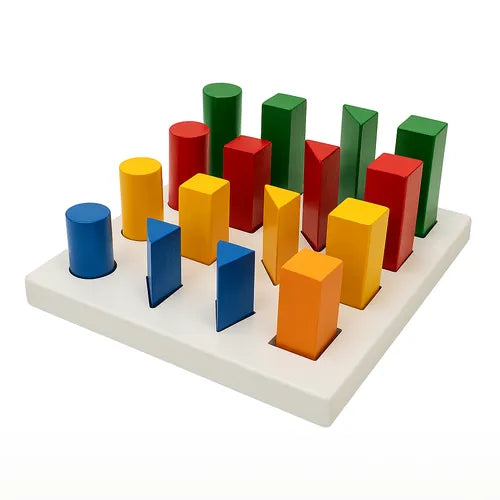
Peg Board Occupational Therapy 16 pegs
Type: Occupational
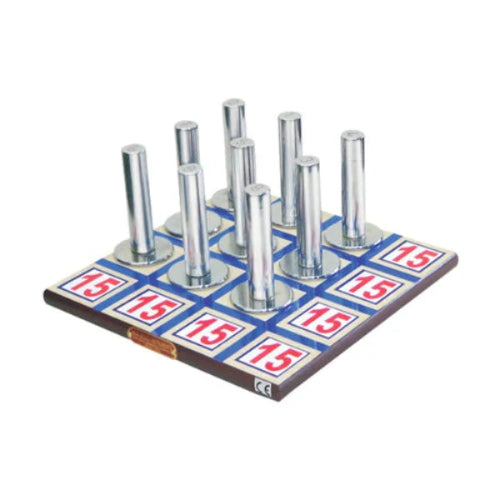
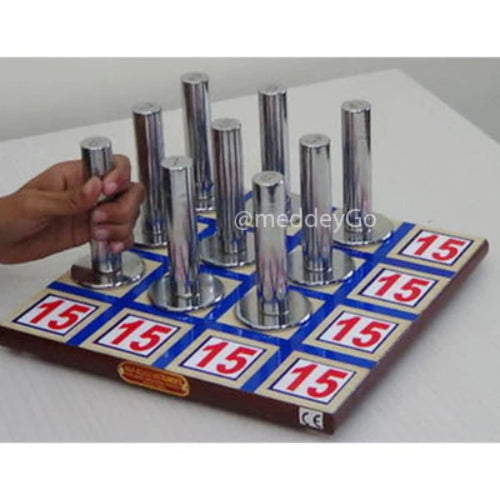
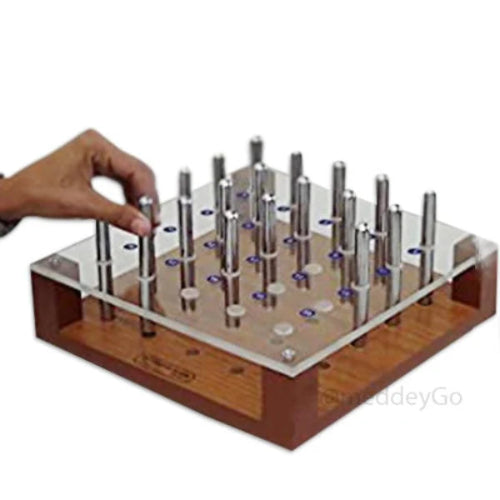
Magnetic Peg Board (Magic Square)


Type: Medansh
Magnetic Peg Board (25 Metal Pegs)
Type: Medansh
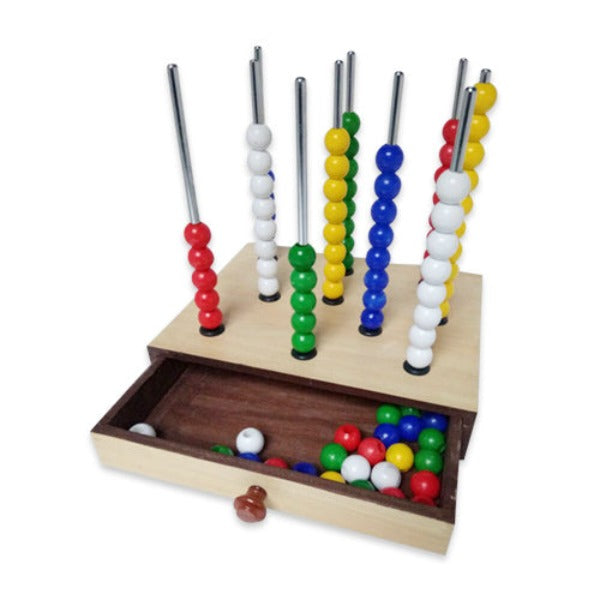
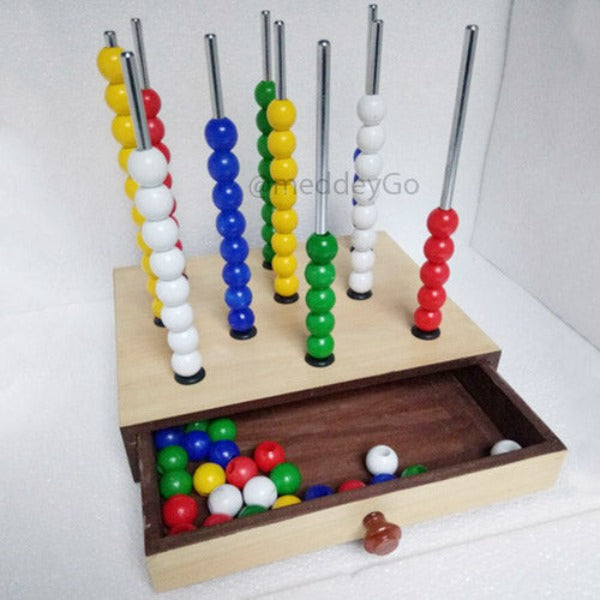
Counting and Color Beads Peg Board
Type: Occupational
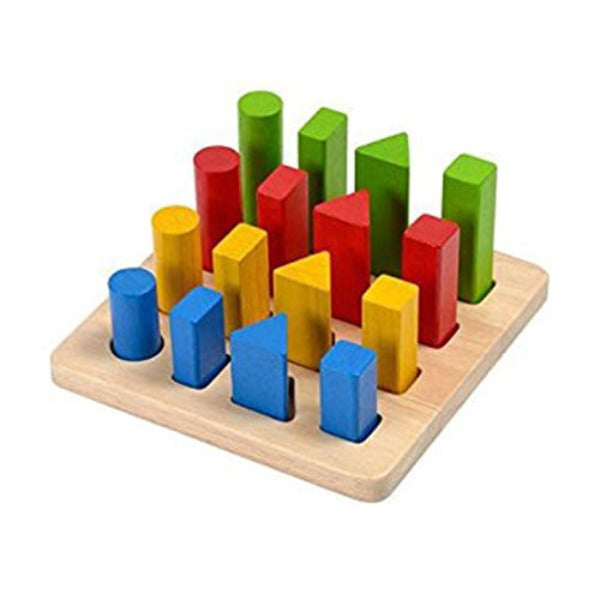
Multi Shape Peg Board
Type: Occupational
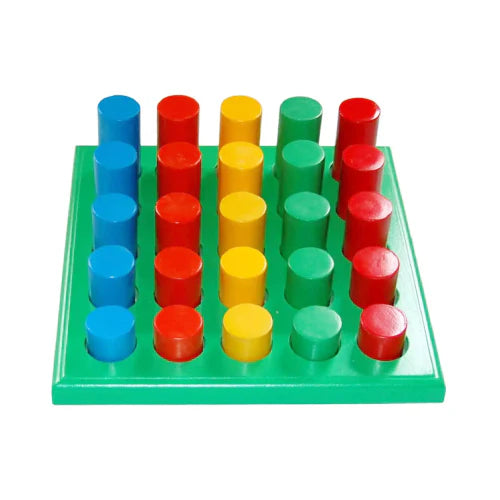
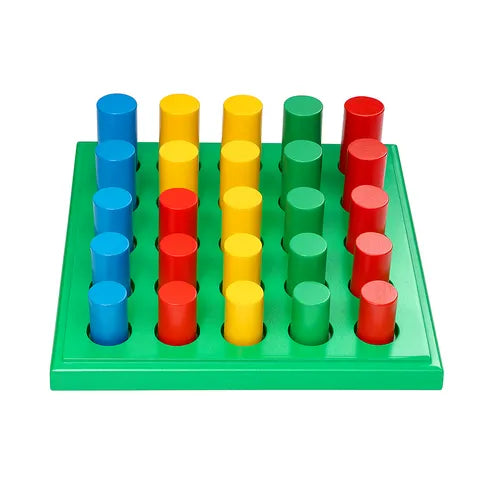
Round Peg Board With 25 Pegs
Type: Occupational
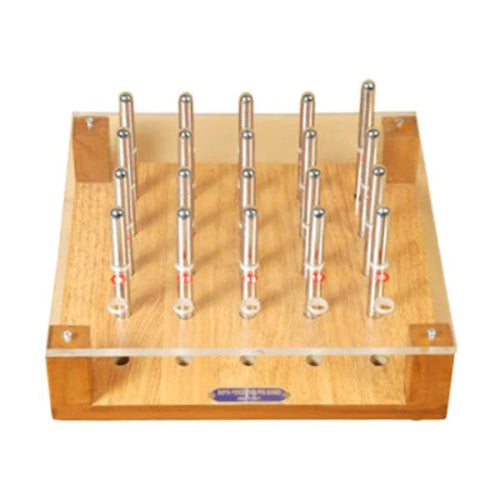
Depth Perception Peg Board Set


Type: Occupational
Upper Extremity OT Workstation | Multi Activity
Type: Occupational
Multi Activities OT Workstation for Upper Limb Rehab
Type: Occupational
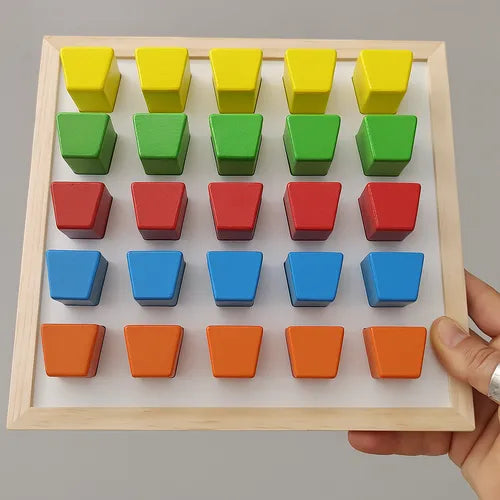
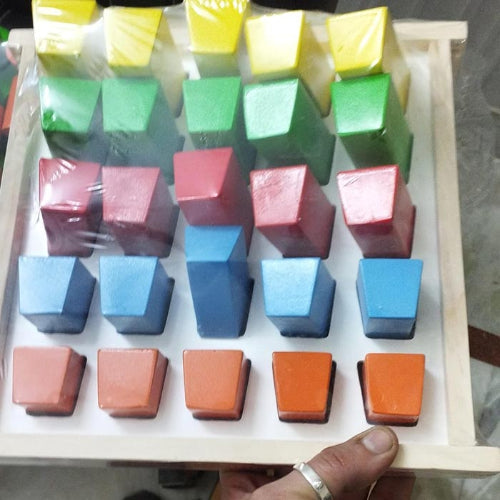
Multi Color Square Peg Board (25 Pegs)
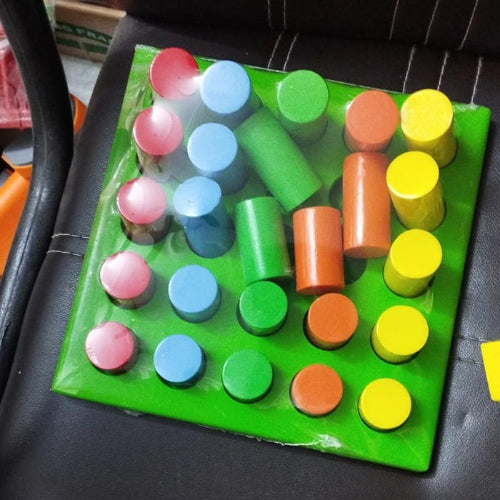
Type: Physiotherapy
Multi Color Hole Round Peg Board (25 Pegs)
Type: Occupational
Multi Activities Work Station (O.T) for Upper-Extremities
Collection:
Peg board
peg board for Occupational Therapy

You’ve likely seen them holding hammers in a workshop, but what if that same simple board could help a child learn to write or an adult recover from a stroke? That familiar perforated panel, known as a pegboard, has a profound second life far beyond the garage, serving as a powerful tool in clinical settings around the world.
For therapists, this humble board is a clinical powerhouse. The seemingly simple act of picking up a peg, orienting it, and placing it into a hole is a complex exercise that engages fine motor skills, hand-eye coordination, and even cognitive planning. This makes the peg board for occupational therapy a go-to tool for a huge range of developmental and recovery goals.
In practice, these controlled movements help patients regain dexterity after an injury and assist children in developing the pincer grasp needed for holding a pencil. Decades of therapeutic use have demonstrated that working with a
This guide explores the journey of the pegboard from a household organizer to a therapeutic device, covering the different types of boards used in therapy, the specific skills they help build, and practical tips for using one at home to support developmental or rehabilitative journeys.
What Exactly Is a Pegboard? The Simple Genius of a Board with Holes
At its heart, a pegboard is simply a board with a grid of evenly spaced holes, but its real secret isn't the holes themselves—it's the small gap required between the board and the wall. Think of a key needing to go all the way into a lock; a pegboard hook needs space to go in the hole and then drop down to be secure. Without this gap, created by spacers called “standoffs” or a simple wood frame, the hooks have nothing to grab onto, and the whole system is useless.
This versatile wall organizer, also known as perforated hardboard, comes in a few common materials suited for different tasks. Classic brown hardboard is affordable and perfect for organizing craft supplies or kitchen utensils. For heavy-duty garage storage, you’ll want to look at metal pegboards, which can easily handle the weight of power tools. Finally, for a more modern look or use in a damp area, sleek plastic pegboards are a durable and rust-proof choice.
Regardless of the material, that consistent grid of holes is what makes the system so brilliant. It creates a blank canvas where you decide what can you hang on it and where everything goes. This incredible adaptability is why pegboard is not just a favorite for home organizers but also a surprisingly effective tool used by professionals like occupational therapists to make daily life more accessible.
Why Occupational Therapists Swear By This Simple Tool
Beyond the garage, the humble pegboard is a superstar in a completely different setting: the therapist’s office. What makes this simple organizer so valuable for recovery and development? The answer lies in how it challenges the brain and body to work together through simple, repetitive actions. A special
The act of pinching and placing a small peg is a powerful workout for fine motor skills—the precise control of muscles in the hands and fingers. Think about the dexterity needed to button a shirt, hold a pen, or pick up a coin. Each time a person manipulates a peg, they are strengthening those exact muscles, building the coordination essential for everyday independence.
At the same time, this activity sharpens hand-eye coordination. The brain must process what the eyes see—the location of the target hole—and then guide the hand to place the peg accurately. It’s the same core skill we use when catching a ball or threading a needle, and pegboard tasks provide focused, manageable practice that helps the brain and hand communicate more effectively.
Finally, even the simple choice of which peg to grab and where to place it involves a crucial cognitive process called motor planning. It's the brain's ability to form an idea ("I'll put that red peg in the top corner") and then execute the physical steps to make it happen. This is why tools designed for
Not All Pegboards Are Created Equal: A Guide to Therapy Models
While the basic concept of a pegboard offers clear benefits, a therapist’s toolkit contains several specialized versions designed to isolate and strengthen very specific skills. The choice of board is far from random; it’s a deliberate decision to target everything from foundational motor control to more complex brain processing. The seemingly simple change from a plain peg to a colored one, or a short peg to a tall one, can introduce a whole new therapeutic challenge.
One of the most common variations is the
As you can see, different pegboards are selected to achieve very different goals. The choice depends entirely on the skill being targeted:
-
Standard Pegboard: A simple
Round Peg Board with 25 pegs is perfect for building the fundamentals: pincer grasp, hand strength, and basic hand-eye coordination. - Multi-Color Pegboard: This version adds a layer of cognitive work, challenging memory, pattern recognition, and the ability to follow sequences.
-
Depth Perception Peg Board Set : Featuring pegs of varying heights, this set specifically trains the brain’s ability to judge distance and space.
That last type is particularly fascinating. A

For Little Hands: How Pegboards Help in Paediatric Occupational Therapy
When we think about getting kids ready for school, learning to hold a pencil is a huge milestone. This is where
Beyond just strengthening tiny hand muscles, pegboards are fantastic for building focus. The goal of filling an entire board requires a child to stay on task through multiple steps, helping them develop an attention span and the rewarding feeling of task completion. This process also quietly encourages bilateral coordination, as one hand often stabilizes the board while the other works on placing the pegs. In doing so, a child learns to make both hands work together as a team, a crucial skill for everything from tying shoes to catching a ball.
These boards also serve as a powerful, hands-on learning tool that feels more like play than work. By introducing accessories like
By combining physical dexterity with cognitive challenges, the humble pegboard helps children build a strong foundation for a wide range of developmental milestones. But this principle of targeted, repetitive motion isn’t just for little hands. The same tool is equally effective in helping adults recover lost strength and function.

Rebuilding Strength: The Role of Pegboards in Shoulder and Hand Rehab
Just as pegboards help children develop motor skills, they are a cornerstone in helping adults recover them after an injury or surgery. For someone regaining function, a large, wall-mounted
The benefits extend all the way to the wrist and forearm. While some exercises use simple drop-in pegs, therapists often introduce pegs that must be twisted or pushed into tight holes. This forces the forearm to rotate back and forth, a crucial movement known as supination and pronation. If you’ve ever turned a doorknob or twisted the lid off a jar, you’ve used these exact muscles. This targeted resistance helps build back the functional gross motor strength needed for countless daily tasks we often take for granted.
A
By re-establishing this link between intentional movement and physical response, pegboards do more than just rebuild muscle. They help retrain the essential pathways between the brain and the body, a principle that is especially critical when rehabilitation involves the nervous system itself.

Retraining the Brain: Pegboards for Neuro-Rehabilitation After Stroke or Injury
Beyond strengthening muscles, pegboards serve as powerful tools in neuro-rehabilitation—the process of helping the nervous system recover after a stroke or brain injury. In these situations, the challenge often isn't just a weak limb, but a disruption in the communication lines between the brain's commands and the body's actions. A pegboard provides a simple, physical arena where these broken connections can be patiently re-established.
One of the most profound challenges therapists address is visual field neglect, a condition where the brain begins to ignore one side of a person’s world. A
In
Ultimately, every peg placed is a victory for neural reconnection. The simple act of thinking, "I will pick up that blue peg and place it in the top corner," and then successfully guiding the hand to do it, strengthens the fragile pathways between intention and execution. This foundational work helps individuals regain not just movement, but a crucial sense of control and independence in their daily lives.

Is a Therapy Pegboard Right for Your Home Program?
After seeing its benefits, you might wonder if a
To ensure you get the right start, use your next therapy session to ask pointed questions. A clear plan turns a piece of equipment into a powerful part of recovery. Here’s a checklist to guide your conversation:
- What specific skill is this board for? (e.g., improving pincer grasp, increasing shoulder range of motion).
- Which board and peg size is best for this goal? (Bigger pegs for grasp, smaller for dexterity).
- What are 2-3 specific exercises we should start with?
- How will we know when it’s time to make exercises harder?
Your therapist’s answers are crucial. They will likely recommend starting with the simplest effective board, as overwhelming a recovering patient with a complex task can lead to frustration, not progress. They can demonstrate the correct posture and motion, ensuring the exercises strengthen the right connections without causing strain. This guidance is the key to safely progressing and making the most of your efforts between appointments.
DIY Option: How to Install a Standard Pegboard for At-Home Use
Inspired to create your own customizable wall mounted storage? Fantastic. While the specialized therapy boards serve a clinical purpose, standard pegboard—often called perforated hardboard—is an incredibly accessible DIY project. Before you begin, however, there is one non-negotiable rule that ensures your project is a success: you must create a gap between the board and the wall.
This gap is the secret to a functional pegboard. Think of a peg hook—it has a long part that goes into a hole and a short part that needs to drop down behind the board to lock in place. Without at least a half-inch of open space, the hooks have nowhere to go, rendering the entire board useless. It is the single most common mistake beginners make, but it’s wonderfully easy to avoid with the right setup.
(Image suggestion: A simple, clear diagram showing the layers of an installation: the wall, a standoff/spacer, the pegboard, and a screw going through the pegboard and spacer into the wall.)
Creating this necessary space is straightforward, and you have two popular methods. The easiest approach uses a kit with standoffs, which are small spacers that go between the wall and the board. The screw passes through the board, through the standoff, and into the wall. For heavier garage tool organization ideas, many people build a simple wood frame using thin planks called furring strips. You mount this frame to the wall first, giving you a solid surface to then attach your pegboard.
Finally, how you attach everything to the wall matters just as much for safety and strength. For the most secure hold, you’ll want to screw your frame or standoffs into the wall’s internal wood beams, known as studs. A simple electronic stud finder will help you locate them. If no studs are conveniently located, be sure to use wall anchors designed to grip drywall securely. With that foundation in place, you’re ready for the fun part. But first, you need to pick your board.

Choosing Your Board: Metal vs. Wood vs. Plastic for Your Project
The type of pegboard you choose really comes down to what you plan to hang on it. For most household projects—like organizing a craft room, pantry, or home office—the classic brown perforated hardboard (a type of engineered wood) is the most common and affordable choice. It’s plenty strong for holding hand tools, scissors, spools of thread, and kitchen utensils. This is the board most people picture, and it’s a fantastic, budget-friendly starting point.
For more demanding jobs, you might consider upgrading. Metal pegboard panels are the powerhouse of the group, offering superior strength for heavy-duty tool storage in a garage or workshop. They won’t sag under the weight of power drills or heavy wrenches and are extremely durable. On the other hand, plastic pegboard systems often feature a more modern look and are completely resistant to moisture, making them a great option for basements, laundry rooms, or anywhere dampness is a concern.
Beyond the material itself, there's one more critical detail: the hole size. Standard pegboards come in two sizes: the smaller 1/8-inch holes and the more robust 1/4-inch holes. While it may seem like a tiny difference, it determines which hooks you can use. The 1/4-inch system is the most common and supports a wider variety of heavy-duty accessories, making it the go-to for tool organization.
Putting it all together, the decision is simpler than it seems. Are you organizing lighter items on a budget? Standard 1/8-inch or 1/4-inch hardboard is perfect. Need to hang the heaviest tools in your collection? A 1/4-inch metal system is your best bet. Once you’ve matched the board to your project’s needs, you can explore the huge variety of accessories that bring it to life.
Beyond the Hook: A World of Pegboard Accessories
Once your board is on the wall, the real fun begins. The classic J-hook is a great start for hanging tools or utensils, but the world of wall organizer hooks and accessories goes so much further. You’ll find specialized holders designed for screwdrivers, small shelves perfect for spices or paint bottles, and plastic bins that clip right into the board. These are fantastic for corralling loose items like screws, craft beads, or batteries. As long as you match your accessories to your board’s hole size (most hooks aren't universal between 1/4" and 1/8" systems), you can create a truly custom layout.
But what about that annoying little wobble, where the hook pulls out every time you grab a tool? There's a brilliant fix for that: hook locks. These are tiny, inexpensive clips that slide over the hook from behind and anchor it firmly to the board. They completely solve the problem of wobbly accessories, making your entire setup feel more stable and satisfying to use. They are a small addition that makes a huge difference in the day-to-day experience of using your pegboard.
The true magic of pegboard comes from combining these different pieces. You can create a kitchen pot rack wall mount system with sturdy hooks for pans, a shelf for oils, and a bin for small gadgets. Or, you can design a clutter-free workshop wall where tools hang neatly next to bins of nails and screws. By mixing hooks, shelves, and bins, you transform a simple perforated board into a powerful organizational hub tailored exactly to your needs.

Your Top Pegboard Questions Answered
As you plan your project, a few common questions are bound to pop up. One of the most frequent is, "Just how much weight can a tool board hold?" The answer isn't a single number, because it depends entirely on two factors: the board's material and how securely it's attached to the wall. A metal pegboard mounted directly into wall studs can confidently support heavy power tools, while a standard hardboard panel is better suited for lighter items like craft supplies and hand tools. The golden rule is that proper installation is just as important as the board itself.
You may have also seen a similar-looking product in stores called slatwall. The key difference in the slatwall vs. perforated panel system debate comes down to grooves versus holes. Slatwall uses horizontal grooves to hold specially designed accessories, often giving a sleek, modern look you might see in retail displays. While it’s very strong, it’s typically more expensive and has a different ecosystem of hooks. For most home projects, pegboard offers a more affordable and universally compatible solution.
But what if you're thinking bigger than a single wall? Can we order peg boards in bulk for a hospital or school chain? Absolutely. For large-scale needs like outfitting professional spaces, you wouldn’t go to a standard home improvement store. Instead, these orders are handled through institutional or commercial suppliers who specialize in bulk purchasing and can meet the specific demands of a professional environment, from durability to sanitation requirements.
Ultimately, finding the right organizing system depends on matching the product and the supplier to your unique situation. For healthcare settings, for example, cleanliness and durability are paramount, which helps answer the question of Why Choose Peg board from MeddeyGo? or other medical suppliers who curate products specifically for those high-stakes environments. For your home, the answer lies in the versatile and accessible options waiting at your local hardware store.
Your Next Step: From Clutter to Clarity, From Challenge to Progress
That simple board with all the holes is more than just a garage wall organizer—it's a canvas for creating order and a tool for building skills. The humble pegboard is a perfect example of how simple design leads to incredible versatility, capable of tackling both a cluttered counter and a complex developmental goal.
If you’re ready to bring that power into your home for organization, start small. Identify one cluttered area, like a craft corner or entryway. The simple act of putting that first hook in the board can give you an immediate and satisfying sense of control.
For those inspired by the pegboard’s therapeutic potential, your action plan begins with one crucial conversation. Before buying anything, your most important step is to talk to a qualified Occupational Therapist. They are your expert partner who can help safely and effectively turn this simple board into a powerful tool for progress.
Whether it’s creating a perfectly organized kitchen wall or supporting a loved one’s journey, the pegboard’s potential is unlocked by your intention. It stands as a quiet reminder that a little structure can create limitless possibilities, turning a blank wall into a space of clarity and purpose.
A peg board is still one of the simplest and most powerful therapy tools for hand skills, coordination and early learning. On MeddeyGo, you will find a curated range of pegboard board products, occupational therapy peg board sets and lacing boards that together support fine motor, visual and cognitive goals in one compact setup. As a result, therapists, teachers and parents can rely on a single family of items for training, assessment and play. Additionally, this makes planning sessions and home programs much easier.
This category focuses on child-friendly and clinic-ready designs such as the classic occupational therapy peg board, colourful counting boards, depth perception sets and magnetic puzzles. Moreover, many sets are designed to feel like play while still delivering clear clinical outcomes. In many cases, rehab teams search online for a peg board for tools when they actually need a durable occupational therapy peg board or therapy board for OT, physio, paediatric and rehab use. Therefore, this page guides those buyers towards the right choice and reduces confusion during purchase.
Product Overview
In rehabilitation and paediatric therapy, an occupational therapy peg board or similar board is essentially a flat surface with precisely spaced holes and matching pegs. When users pick up, place, stack or sort these pegs, they steadily build hand strength, coordination and control. Furthermore, they also learn to focus, plan and follow patterns, which supports classroom and daily-living tasks.
By contrast, an industrial peg board for tools is designed for workshops and garages. It usually hangs on a wall, holds heavy hand tools and rarely suits children or patients. Consequently, therapy versions of the peg board are made lighter, smoother and more compact, so they sit safely on tables, trolleys or therapy stations. Because shapes, colours and numbers are built into the design, every drill turns into an engaging task with clear clinical goals. In short, the same simple board becomes a powerful training station in an occupational therapy peg board setup.
MeddeyGo range at a glance
The MeddeyGo collection typically includes:
- Multi Colour (100 pegs)
- Multi Colour Square (25 pegs)
- Round Peg Board with 25 pegs
- Depth Perception Set
- Counting and Colour Beads
- Rolling Shape Sorter
Who these boards are designed for
These therapy boards and occupational therapy peg board products are designed for:
- Occupational therapists and physiotherapists
- Paediatricians and developmental paediatric teams
- Rehab physicians and neuro rehab specialists
- Special educators and inclusive schools
- Parents and caregivers who support home programs with simple tools such as lacing boards
Key Features & Benefits
Clinical focus with child-friendly design
Most MeddeyGo boards in this range use wooden or laminated bases with smooth edges and bright, non-toxic paints that feel safe for both children and adults. Furthermore, shapes and colours are chosen to cue size, height and order, which helps therapists teach concepts during the same activity. Because these therapy tools are lighter and more compact than a hardware-style peg board for tools, they are planned specifically for tabletop or tray use. Consequently, each occupational therapy peg board fits well into OPD cabins, school tables and home desks.
Versatile motor and cognitive training
Standard models train grasp, release, in-hand manipulation and eye–hand coordination. At the same time, depth-perception sets and multi-height layouts ask patients to judge distance and adjust reach, which is vital after neurological events. For instance, a Depth Perception Peg Board Set helps users correct reach and control speed. Counting and Colour Beads Peg Board brings number work, patterning and colour grouping into the same exercise. Additionally, magnetic and puzzle-style variants add vertical challenge and problem solving, so sessions stay fresh even for long-term patients. Overall, one small occupational therapy peg board can support many goals, especially when combined with lacing boards in the same program.
Graded difficulty for every stage
Because not every patient starts at the same level, the range offers multiple step-ups:
Firstly, 16-peg geometric boards work well for early intervention, short attention spans and very weak hands.
Secondly, 25-peg boards, such as the round or square formats, offer a medium challenge with repeatable patterns.
Thirdly, 100-peg layouts provide high-repetition work, endurance and complex designs.
Finally, larger sets such as Counting and Colour Beads Peg Board use dowels, beads and storage drawers for more complex tasks.
In this way, therapists choose the right level for each stage of rehab and then gradually increase difficulty without changing the basic tool concept. An occupational therapy peg board pathway can therefore move from simple patterns to complex sequences while using the same familiar board, plus add-ons like lacing boards for dressing skills.
Compact, easy-to-store hardware
Boards have a small footprint and sit comfortably on tables, wheelchairs or over-bed tables. In many sets, internal drawers or boxes store pegs and beads, so accessories do not get misplaced. Therefore, staff spend less time searching for parts and more time on treatment. These devices also complement other small hand tools such as therapy putty, lacing boards and grip exercisers. Consequently, a full hand-function corner built around an occupational therapy peg board and matching lacing boards can fit into a single cupboard or trolley.
Built for Indian healthcare and education
Products in this category are made or marketed by medically focused brands and are aligned with Indian clinic needs and budgets. Hence, they suit OPDs, therapy rooms, rehab centres, special schools and home-care environments. Furthermore, they are chosen with durability and value in mind. Bulk buyers can align the occupational therapy peg board range with tenders, GST billing and pan-India logistics through a single portal. As a result, procurement teams save time while still meeting audit and documentation requirements.
Typical Variant Summary
| Variant | Typical Material | Approx. Size* | Pegs / Elements | Key Focus | Ideal Users / Setting |
|---|---|---|---|---|---|
| Multi Colour (100 Pegs) | ~30 × 30 cm | 100 coloured pegs | Fine motor, endurance, colour sorting | OT, physio, paediatric rehab, schools | |
| Multi Colour Square (25) | Wood or laminated board, plastic | ~30 × 30 cm | 25 pegs in 5 colours | Hand–eye coordination, stacking, patterns | Clinics, therapy rooms, home programs |
| Round with 25 Pegs | Wooden laminated board | ~30 cm diameter | 25 round pegs, 5 sizes | Size and depth perception, colour concepts | Advanced OT, vision and depth work |
| Depth Perception Set | Laminated board, metal pegs | ~30 × 30 cm (25 holes)</td> | 20 iron rod pegs | Eye–hand coordination, depth perception | Physio, neuro rehab, OT |
| Counting & Colour | Wooden box with laminated top> | ~30 × 30 × 8 cm | 10 dowels, 100 beads | Counting, colour grouping, pincer grasp | Special schools, paediatric OT, resource rooms |
| Rolling Shape Sorter | Wooden base with rolling elements | Shape pegs and sorter parts | Shape, colour, play-based fine motor skills | Paediatric clinics, home therapy kits |
Applications / Use Cases
Paediatric occupational therapy
For children, a colourful occupational therapy peg board or counting set becomes a bridge between play and skill building. Therapists use this tool to work on:
- Tripod grasp and pencil grip
- Finger isolation and hand dominance
- Pre-writing strokes such as top-to-bottom and left-to-right lines
- Simple following of instructions and visual patterns
Neuro and hand rehabilitation
After stroke, nerve injury or fractures, patients often need structured tasks to relearn reach, grasp and release. A pegboard board offers hundreds of repetitions without large machines. In addition, depth perception sets, round boards and bead-based systems allow therapists to grade the challenge by:
- Peg size
- Peg height
- Pattern complexity
- Desired speed or time limit
Physiotherapy and shoulder rehab
When mounted at an angle or placed on stands, a pegboard board doubles as a reach and shoulder-training station. Patients stand, step or sit while moving pegs across rows and columns. This approach can add:
- Endurance work for the shoulder and upper limb
- Range-of-motion practice in multiple directions
- Trunk rotation and midline-crossing tasks
Special education and inclusive classrooms
Teachers in resource rooms use these boards and lacing boards to:
- Improve attention span with short, structured tasks
- Introduce counting, grouping and simple addition
- Build left-to-right tracking and pattern recognition
- Support children with learning difficulties or coordination issues
Home programs and parent-led practice
Parents often ask for a simple pegboard board they can use at home under basic guidance. Multi Colour Peg Board models and counting sets work especially well in this setting. Therapists can prescribe clear daily drills, such as:
- “Place 20 pegs with the right hand only.”
- “Make three red–yellow–red patterns in a row.”
- “Stand and reach to the top row ten times on each side.”
Why Choose Peg board from MeddeyGo?
Curated clinical range, not random toys
The MeddeyGo collection is built for therapy and learning, not just casual play. Models such as Depth Perception Peg Board Set, Magnetic Peg Board, Counting and Colour Beads Peg Board and the classic round and square designs have clear therapeutic goals built into their structure. Therefore, you are not buying a generic toy; you are choosing a clinical tool that still looks friendly and fun, especially when combined with lacing boards in a full occupational therapy peg board station.
Trusted brand backing
Products in this category come from healthcare-focused manufacturers and are marketed through a specialised medical platform. Consequently, hospital committees, rehab centres and school management teams gain confidence in documentation, quality and after-sales support. In addition, GST-ready billing and proper product details make audits and tenders easier to handle.
Pan-India reach and B2B-friendly policies
MeddeyGo serves clinics, hospitals, institutes and home buyers across India. Bulk buyers can request special quotes on these boards and club them with other rehab tools, lacing boards and paediatric kits to save on shipping and processing time. Because pricing is transparent and invoices are GST-compliant, procurement stays simple for both small practices and large groups.
Complete rehab ecosystem
Along with every occupational therapy board, you can source:
- Electrotherapy devices such as TENS, ultrasound and combo units
- Exercise cycles, therapy balls, mats and bands
- Splints, supports and other rehab consumables
- Paediatric learning and sensory tools
Comparison Table
| Type | Main Purpose | User Level | Best Setting | Suggested Add-Ons |
|---|---|---|---|---|
| Multi Colour (100 Pegs)> |
Intermediate | OT, physio, neuro rehab | Lacing boards, grip exercisers | |
| Round (25 Pegs) | Intermediate to advanced | Vision therapy, advanced OT | Visual tracking games | |
| Counting & Colour Beads | Counting, grouping, pincer grasp | Beginner to intermediate | Special schools, paediatric OT | Number cards, worksheets |
| Rolling Shape Sorter | Shape/sort play, early fine motor work | Beginner | Paediatric clinics, home kits | Soft blocks, lacing boards |
Buying Guide / Expert Tips
Clarify your main goal
If you want a pure occupational therapy peg board for hand skills, start with simple round or square models. Conversely, if your focus is counting, classroom tasks or basic maths, choose bead or number-based designs instead and then add lacing boards for dressing-related goals.
Match the age and hand size
Younger children and frail elders usually need larger pegs, softer colours and simple layouts. On the other hand, stronger patients can handle 100-peg boards, depth-perception sets and magnetic puzzles without getting tired too quickly. Often, they can also manage lacing boards for more advanced two-hand tasks.
Plan for progression
It often helps to buy one basic board and one more advanced version. This way, you can begin with easy patterns and, over time, increase the difficulty without changing the tool completely or confusing patients. Many clinics plan a full progression that starts with a simple occupational therapy peg board and ends with complex patterns plus lacing boards.
Pair peg tasks with lacing drills in the same session. Pegs train grasp and release, while lacing supports buttoning, tying and bilateral coordination. Consequently, these tasks make therapy feel closer to real dressing and school activities and complete the occupational therapy peg board routine.
A hardware-style peg board for tools is fixed to a wall and built for metal hooks. Therapy boards sit on tables and can travel between wards, schools and homes. Therefore, this flexibility is useful when staff share equipment or run outreach programs, and lacing boards can be carried along in the same bag or trolley.
Check materials and cleaning
Look for laminated tops that wipe clean with mild disinfectant and wooden edges that are smooth and sealed. Otherwise, harsh chemicals and rough surfaces can damage coatings, paints or printed markings over time. The same cleaning rules apply to lacing boards and other small rehab tools.
Frequently Asked Questions
What is the difference between a therapy peg board and a peg board for tools?
data-start="77" data-end="351">A therapy peg board is made for hand skills and learning in clinics or schools, while a peg board for tools is a wall panel for hanging hardware and is not suitable for patients or children.
Can I use lacing boards with a peg board in the same session?
tart="353" data-end="564">Yes, therapists often pair peg tasks with lacing boards to work on grip, two-hand use, sequencing and dressing skills like buttoning and tying.
Which occupational therapy peg board is best for a new clinic?</h4>
ata-start="566" data-end="785">Most new clinics start with one 25-peg board, one 100-peg model and one magnetic or cognitive design to cover fine motor, depth and thinking practice.
Is this type of board suitable for home programmes?
Yes, as long as a therapist selects the board and plan; a compact board or bead set plus lacing boards gives safe, clear, countable tasks at home.
Are these boards only for children?
No, children and adults both use an occupational therapy peg board for hand therapy, shoulder rehab and cognitive work, depending on goals.
Can we order peg boards in bulk for a hospital or school chain?
Yes, MeddeyGo offers bulk orders with GST invoices, pan-India delivery, volume pricing and support in planning occupational therapy peg board bundles with lacing boards.