

Type: Occupational
Multi Colour Peg Board

Type: Medansh
Magnetic Peg Board (25 Metal Pegs)
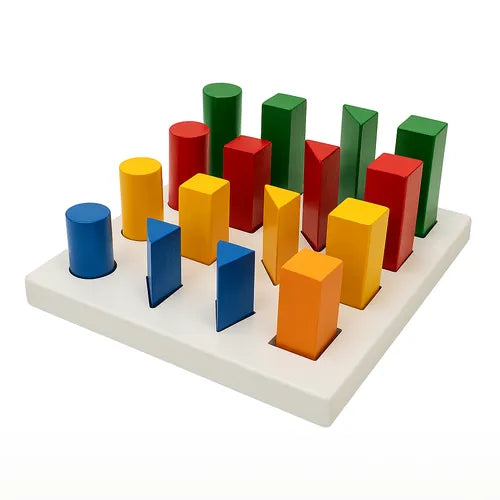
Type: Peg Boards
Peg Board Occupational Therapy 16 pegs
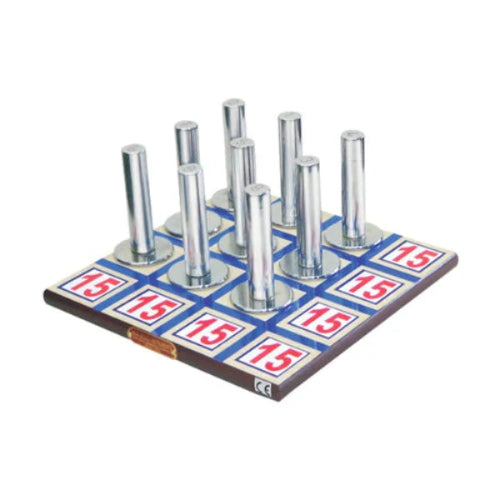
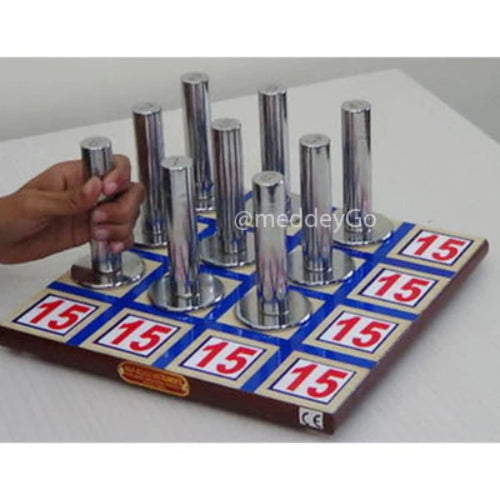
Type: Occupational
Magnetic Peg Board (Magic Square)

Type: Occupational
Multi Color Peg Board (100 Pegs)
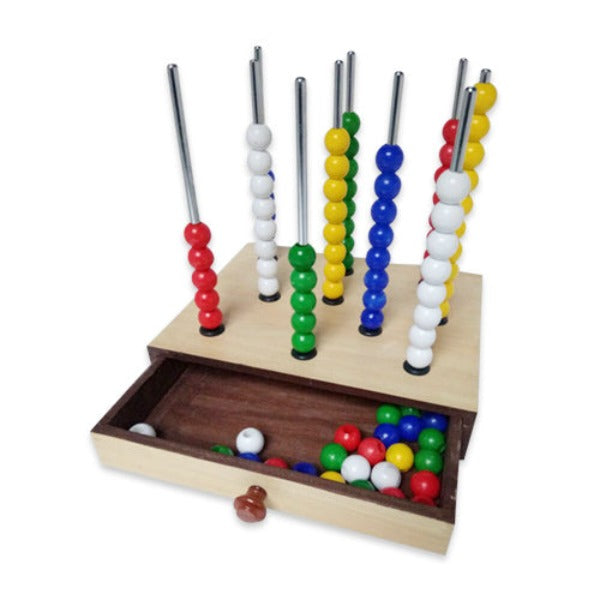
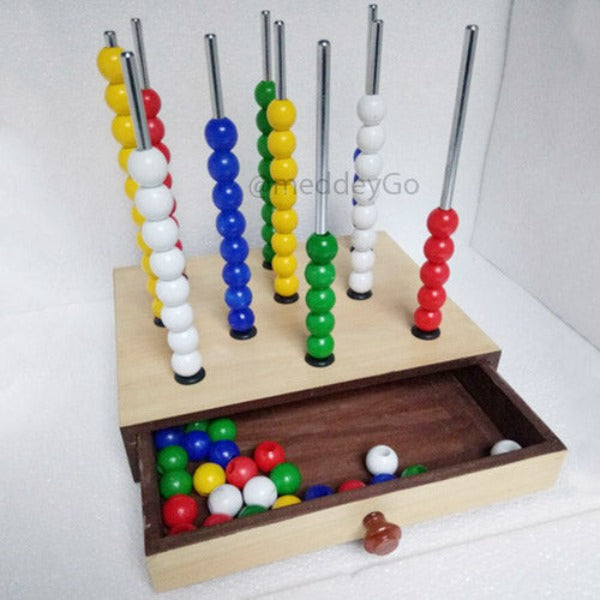
Type: Medansh
Counting and Color Beads Peg Board
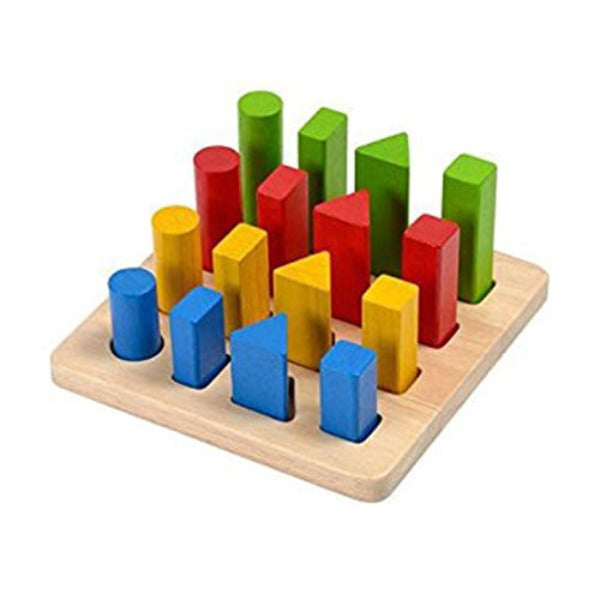
Type: Occupational
Multi Shape Peg Board
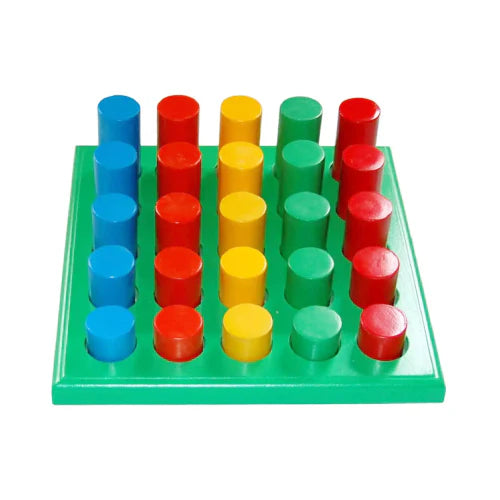
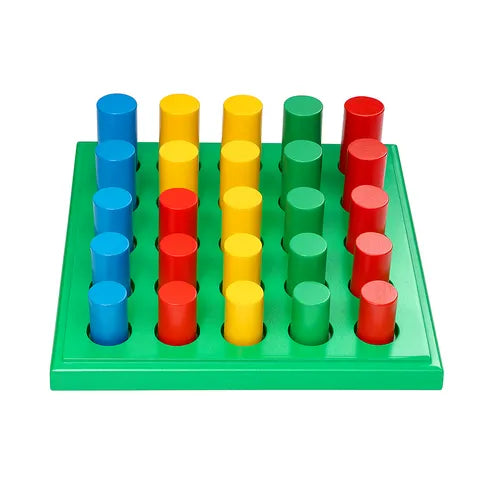
Type: Occupational
Round Peg Board With 25 Pegs
Type: Occupational
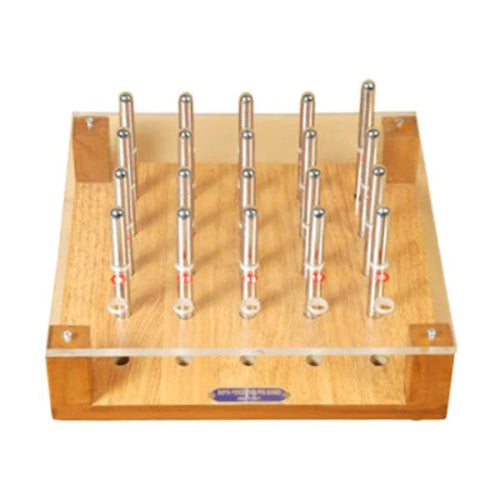
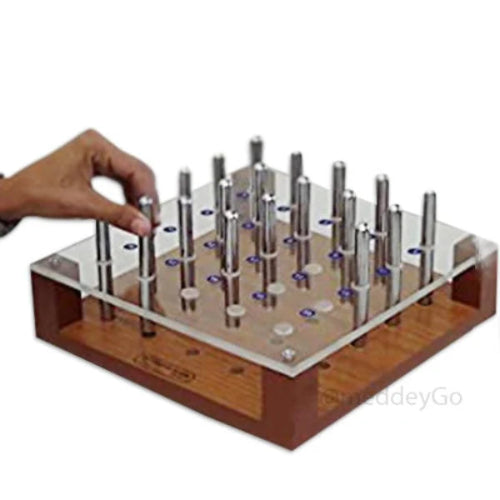
Depth Perception Peg Board Set


Type: Occupational
Upper Extremity OT Workstation | Multi Activity
Type: Occupational
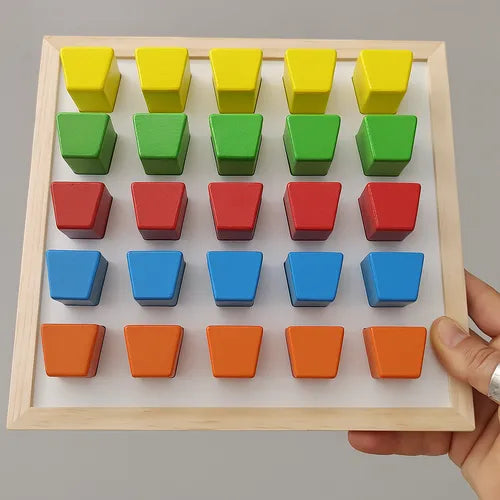
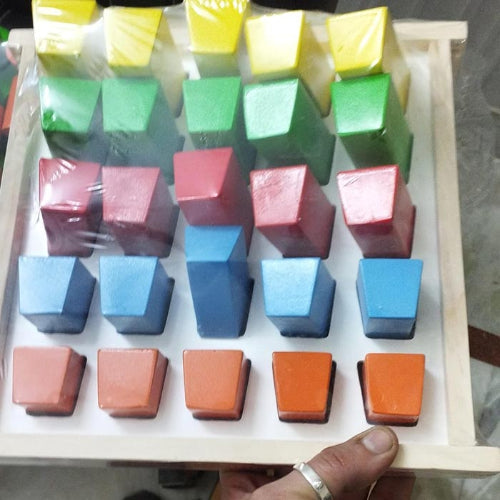
Multi Color Square Peg Board (25 Pegs)
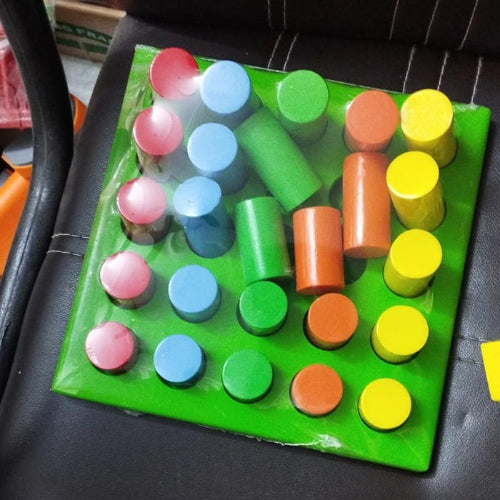
Type: Physiotherapy
Multi Color Hole Round Peg Board (25 Pegs)
Collection:
Benefits of Pegboard Physiotherapy for Rehabilitation

In the realm of rehabilitation, innovative and versatile tools are crucial for effective patient recovery. One such tool gaining prominence is the pegboard. Pegboard physiotherapy has emerged as an effective technique to aid in the rehabilitation of patients with various physical impairments. Whether for improving motor skills, enhancing coordination, or increasing strength, pegboards offer multifaceted benefits. This article delves into the intricacies of pegboard physiotherapy, exploring its components, benefits, and potential uses in the healthcare sector.
Summary
Pegboard physiotherapy uses a simple board-and-peg system to rebuild fine motor control, eye-hand coordination, and functional strength for neurological, orthopedic, and pediatric patients. Standardized pegboard tests measure dexterity and guide individualized, progressive exercises that are low-impact, scalable, and transferable to daily activities. Customizable setups help target specific deficits while building endurance, and choosing durable, versatile, and portable boards supports use in hospitals, clinics, and home settings. Broad adoption can improve outcomes, speed recovery, and enhance patient independence.
Pegboard physiotherapy involves the use of a perforated board and pegs to perform exercises that enhance physical rehabilitation. These boards are typically used to improve dexterity and motor skills in patients recovering from injuries or surgeries.
The pegboard setup is simple yet effective. It consists of a board with a series of holes and pegs that patients manipulate as part of their therapy. This seemingly straightforward design offers a multitude of exercise variations, each tailored to target specific rehabilitation needs. The size of the board and the pegs can vary, allowing therapists to adjust the difficulty level as patients progress.
Pegboard therapy is suitable for a wide range of patients. Individuals recovering from neurological conditions, such as strokes or Parkinson's disease, find it particularly beneficial. Similarly, patients with orthopedic injuries or those who have undergone surgery can use pegboard exercises to regain strength and improve coordination. Even pediatric patients benefit, as pegboards can be used to make rehabilitation fun and engaging, thereby improving compliance and outcomes.
The pegboard test is a common assessment tool in physiotherapy.
It measures a patient's dexterity, precision, and hand-eye coordination. By inserting and removing pegs from the board, therapists can evaluate the progress in fine motor skills and make necessary adjustments to the rehabilitation program.
There are several variations of the pegboard test, each designed to assess different aspects of motor function. The most basic version involves simply placing and removing pegs, while more advanced tests may require timed sequences or the use of both hands simultaneously. These variations allow therapists to assess specific deficits and tailor rehabilitation programs accordingly.
The results of a pegboard test provide valuable insights into a patient's motor skills. By analyzing the speed, accuracy, and coordination exhibited during the test, therapists can identify areas needing improvement. Regular testing can track progress over time, helping to motivate patients by showing tangible evidence of their improvement.

Once the results of a pegboard test are obtained, they can be integrated into a comprehensive therapy plan.
By understanding a patient's strengths and weaknesses, therapists can create targeted exercises that focus on specific areas. This personalized approach ensures that therapy is as effective as possible, maximizing the potential for recovery.
Pegboard exercises are not only simple but also incredibly effective. They serve as a powerful tool in the arsenal of physiotherapy aids, providing a host of benefits that significantly enhance patient recovery.
Pegboard exercises are instrumental in refining motor skills.
Patients recovering from neurological conditions or hand injuries can greatly benefit from the repetitive and targeted movements required in pegboard therapy. This helps in regaining fine motor control, crucial for performing daily tasks.
The repetitive nature of pegboard exercises is particularly effective for honing fine motor skills. By focusing on small, precise movements, patients can gradually rebuild the dexterity needed for tasks like writing, buttoning clothes, or using utensils. This targeted approach is especially beneficial for those who have suffered from hand or wrist injuries.
Pegboard exercises allow for progressive skill development. As patients become more proficient, therapists can introduce more complex exercises, such as using smaller pegs or incorporating additional movements. This progression not only keeps patients engaged but also ensures continuous improvement in their motor abilities.
One of the key advantages of pegboard exercises is the ability to measure improvement over time. By tracking the number of pegs placed or the speed of completion, therapists can provide patients with quantifiable evidence of their progress. This feedback is crucial for maintaining motivation and commitment to the rehabilitation process.
Coordination and dexterity are vital for numerous daily activities.
Pegboard exercises compel patients to focus on precise movements, thereby improving coordination between their eyes and hands. This is particularly beneficial for patients recovering from strokes or traumatic brain injuries.
The primary benefit of pegboard exercises is the enhancement of eye-hand coordination. As patients align pegs with holes, they must synchronize their visual input with hand movements. This coordination is essential for tasks ranging from driving to typing, making it a critical component of rehabilitation.
Improving dexterity also enhances reaction time. As patients practice pegboard exercises, they learn to respond more quickly and accurately to visual stimuli. This improvement can have a significant impact on their ability to perform everyday tasks safely and efficiently.
The skills developed through pegboard exercises are directly applicable to everyday activities. Patients who regain coordination and dexterity find it easier to return to work, manage household tasks, and engage in recreational activities. This transition back to normal life is a crucial part of the rehabilitation journey.
For individuals who have experienced muscle atrophy due to prolonged immobility, pegboard exercises offer a low-impact method to rebuild strength.
By gradually increasing the complexity of exercises, patients can steadily regain muscle mass and endurance.
Pegboard exercises allow for gradual strength building, which is vital for patients who have been immobilized for extended periods. Starting with simple movements, patients can slowly increase resistance and complexity, ensuring that they do not overexert themselves and risk injury.
In addition to building strength, pegboard exercises enhance endurance. As patients practice regularly, they increase their stamina, enabling them to perform tasks for longer periods without fatigue. This improvement is essential for regaining independence in daily life.
Therapists can customize pegboard exercises to target specific muscle groups. By varying the height, angle, and resistance of the exercises, they can ensure that patients receive a comprehensive workout that addresses all areas of weakness. This customization maximizes the benefits of pegboard therapy, leading to faster and more complete recovery.
For hospital administrators and medical equipment distributors, sourcing quality pegboards is paramount. When considering where to buy pegboard for physiotherapy, it's essential to choose suppliers who offer durable and versatile products that meet industry standards. Many online platforms and medical equipment suppliers provide a wide range of options tailored to specific rehabilitation needs.
- Durability: Ensure that the pegboard is made from high-quality materials that can withstand repeated use.High-quality materials are crucial for longevity. Pegboards should be able to endure the wear and tear of daily use without compromising functionality. This ensures that they remain effective tools in rehabilitation for years to come.Durability also means safety. Pegboards made from sturdy materials are less likely to break or splinter, reducing the risk of injury to patients during exercises.
- Versatility: Look for boards that offer various configurations to accommodate different exercises.Versatile pegboards can be adjusted to suit a wide range of exercises. This adaptability is important for addressing the unique needs of each patient, allowing therapists to create personalized rehabilitation programs.Boards with interchangeable components offer even more flexibility. By varying the size and shape of the pegs or the pattern of the holes, therapists can introduce new challenges and prevent monotony in therapy sessions.
- Size and Portability: Consider the space available in your facility and whether the pegboard needs to be portable for home visits.The size of the pegboard should be appropriate for the space in which it will be used. Larger boards may be suitable for clinics, while smaller, portable options are ideal for home therapy settings.Portability is a key consideration for therapists who conduct home visits. Lightweight, easy-to-transport pegboards ensure that patients can continue their therapy consistently, regardless of location.
The versatility of the pegboard makes it a valuable tool across numerous rehabilitation scenarios. Whether used in hospitals, outpatient clinics, or home care settings, pegboards can be adapted to meet diverse therapeutic goals.

Pegboard therapy is adaptable to a broad range of rehabilitation techniques, including:
- Neurological Rehabilitation: Assists patients with conditions like Parkinson's disease or after a stroke in regaining control over fine motor skills.Neurological rehabilitation with pegboards focuses on restoring function to the nervous system. By encouraging repetitive, precise movements, patients can retrain their brains and regain lost abilities, improving their quality of life.These exercises are particularly beneficial for neuroplasticity, the brain's ability to reorganize itself. Regular practice can lead to significant improvements in motor function and coordination over time.
- Orthopedic Rehabilitation: Supports patients recovering from surgeries or injuries in strengthening muscles and improving coordination.In orthopedic rehabilitation, pegboards are used to rebuild muscle strength and enhance joint mobility. Patients recovering from fractures, tendon repairs, or joint replacements find these exercises essential for regaining full function.Orthopedic exercises often focus on range of motion, strength, and stability. Pegboards provide a controlled environment for patients to safely practice these skills, reducing the risk of re-injury.
- Pediatric Rehabilitation: Engages children in fun, interactive exercises that enhance motor development and dexterity.Pediatric rehabilitation with pegboards is both effective and enjoyable. The interactive nature of the exercises keeps children engaged, making it easier for therapists to achieve therapeutic goals.These exercises are tailored to the developmental needs of children, focusing on improving coordination, balance, and fine motor skills essential for everyday activities like writing and dressing.
The term "pegboard" originates from its structure---a board with a grid of holes into which pegs are inserted and removed.
This simple yet ingenious design is what makes it such an effective tool in therapy, providing both physical and cognitive challenges for patients.
The concept of a pegboard dates back many decades, initially used in carpentry and workshops for organizing tools. Its transition to the medical field was driven by its adaptability and ease of use in therapeutic settings. Over time, it has become a staple in physiotherapy due to its simplicity and effectiveness.
The pegboard's design is integral to its success in rehabilitation. The grid of holes allows for endless exercise variations, each targeting different aspects of motor function. This versatility is why pegboards are favored by therapists looking to provide comprehensive and engaging rehabilitation programs.
In addition to physical benefits, pegboards offer cognitive challenges that aid in rehabilitation. The need to plan movements, coordinate actions, and execute tasks requires mental focus and problem-solving skills. This cognitive engagement is particularly beneficial for patients recovering from brain injuries or neurological conditions.
Pegboard physiotherapy represents a significant advancement in rehabilitation techniques. Its ability to improve motor skills, coordination, and strength makes it an indispensable tool in modern physiotherapy practices. For hospital administrators, medical equipment distributors, and healthcare technology consultants, understanding the benefits and applications of pegboard therapy is crucial for optimizing patient care and staying ahead in the evolving healthcare landscape.
The integration of pegboard physiotherapy into rehabilitation programs marks a progressive step forward in patient care. Its adaptability and effectiveness make it a preferred choice for therapists aiming to deliver high-quality, personalized rehabilitation services.
Embracing pegboard physiotherapy can lead to improved patient outcomes, enhanced recovery times, and a more effective rehabilitation process, ensuring that patients regain their independence and quality of life more swiftly. The focus on motor skills, coordination, and strength addresses the core components of physical recovery, paving the way for comprehensive healing.
By investing in quality pegboards and integrating them into rehabilitation programs, healthcare providers can significantly elevate the standard of care and ensure that patients receive the best possible support on their road to recovery. This investment not only benefits patients but also enhances the reputation of the healthcare facility, positioning it as a leader in innovative rehabilitation techniques.
Through the thoughtful application of pegboard physiotherapy, the future of rehabilitation is bright, with endless possibilities for improving the lives of patients worldwide.
Frequently Asked Questions
Question: What is pegboard physiotherapy and how does it work?
Short answer: Pegboard physiotherapy uses a perforated board and movable pegs to train fine motor control, eye–hand coordination, and functional strength. Patients place, remove, and sequence pegs in targeted patterns, with task difficulty adjusted by peg size, board layout, speed, and bilateral use. Despite its simple design, the board enables many exercise variations that can be tailored to a patient’s deficits and progressed over time.
Question: Who can benefit from pegboard therapy?
Short answer: A broad range of patients benefit, including those with neurological conditions (e.g., stroke, Parkinson’s disease), individuals recovering from orthopedic injuries or surgeries, and pediatric patients. For neuro patients, repetitive, precise movements support motor retraining and coordination. Orthopedic patients use it to rebuild strength, mobility, and stability safely. Children engage with the interactive format, improving compliance and motor development.
Question: How are pegboard tests used in assessment and treatment planning?
Short answer: Pegboard tests are standardized tools that measure dexterity, precision, and eye–hand coordination. Therapists may time tasks, vary sequences, or require both hands to isolate specific deficits. By analyzing speed, accuracy, and coordination, clinicians establish a baseline, tailor an individualized program, and track progress over time—providing quantifiable feedback that helps motivate patients.
Question: What specific rehabilitation benefits does pegboard training provide?
Short answer: It refines fine motor skills through repetitive, precise movements essential for daily tasks like writing, buttoning, or using utensils. It enhances eye–hand coordination and reaction time by synchronizing visual input with hand actions—key for tasks from typing to driving. Gradual progression builds strength and endurance, especially after immobilization, and skills transfer to daily activities, supporting faster return to work, home, and recreational roles. The tasks also offer cognitive engagement—planning and problem-solving—which is valuable after brain injuries or neurological conditions.
Question: How should facilities choose a pegboard for clinical or home use?
Short answer: Prioritize durability (high-quality, safe materials that withstand repeated use), versatility (configurations and interchangeable components to vary hole patterns and peg sizes), and size/portability (fit for clinic space and easy transport for home visits). Selecting robust, adaptable, and portable boards supports individualized, progressive programs across hospitals, outpatient clinics, and home settings, enabling consistent use and better outcomes.